

Memory shows up early on “Silver Blue”, not as a story being told, but as a feeling that keeps circling back on itself. This experimental behemoth doesn’t rush to explain anything. It settles into repetition, lets parts linger longer than expected, and seems more interested in what stays than in what moves forward. That sense didn’t appear by accident. When Throe started shaping this album, a handful of records were quietly sitting in the background, feeding the mood, the pacing, and the way the songs breathe.
Unlike “Throematism”, this album feels less sealed off. The bitterness and claustrophobia are still there, but loosened. Throe points out that “Silver Blue” came from a search for a more natural recording texture — something less inward-looking, more organic. The influences behind it reflect that shift, not as direct references, but as ways of thinking about sound, space, and restraint.
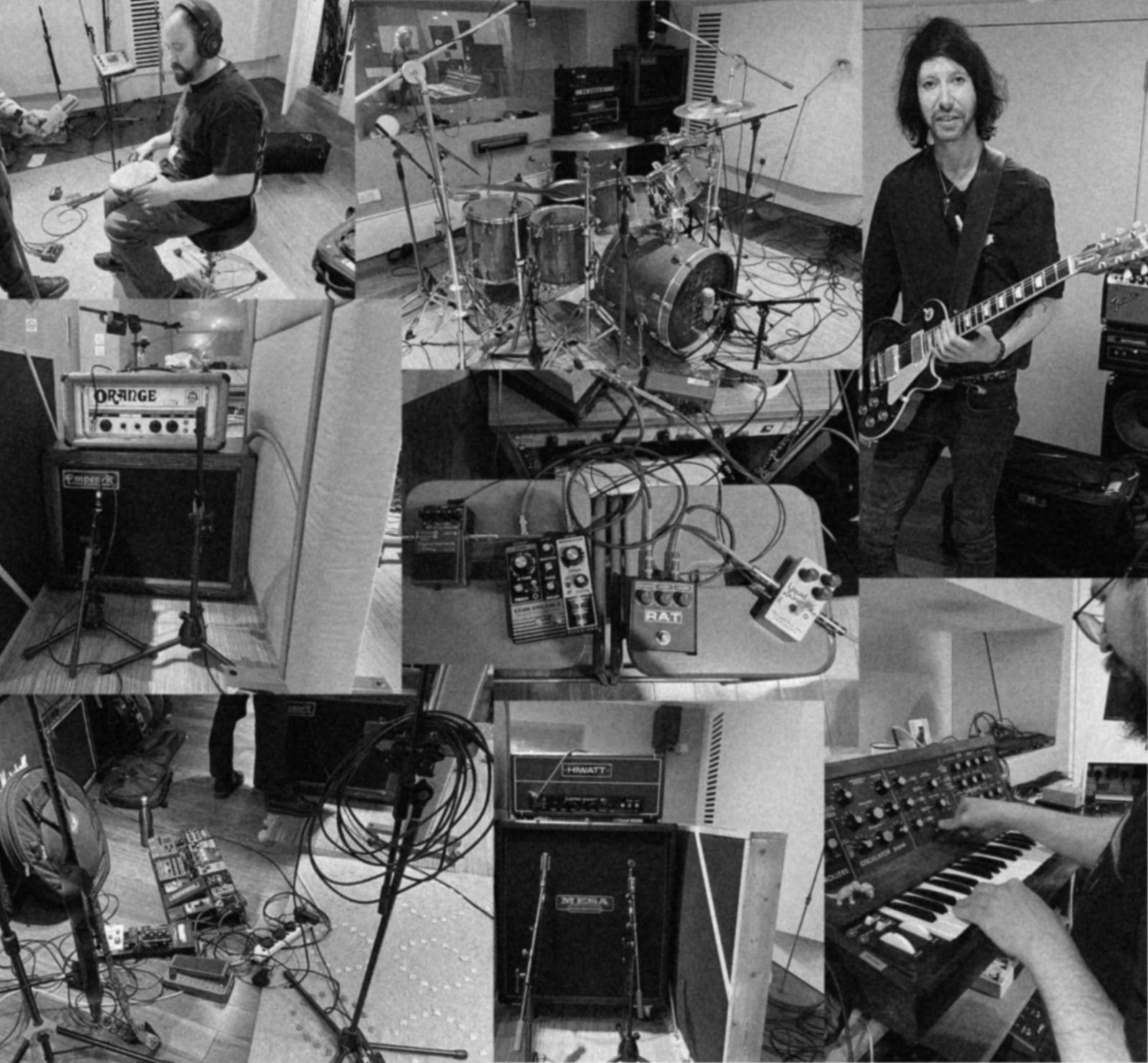
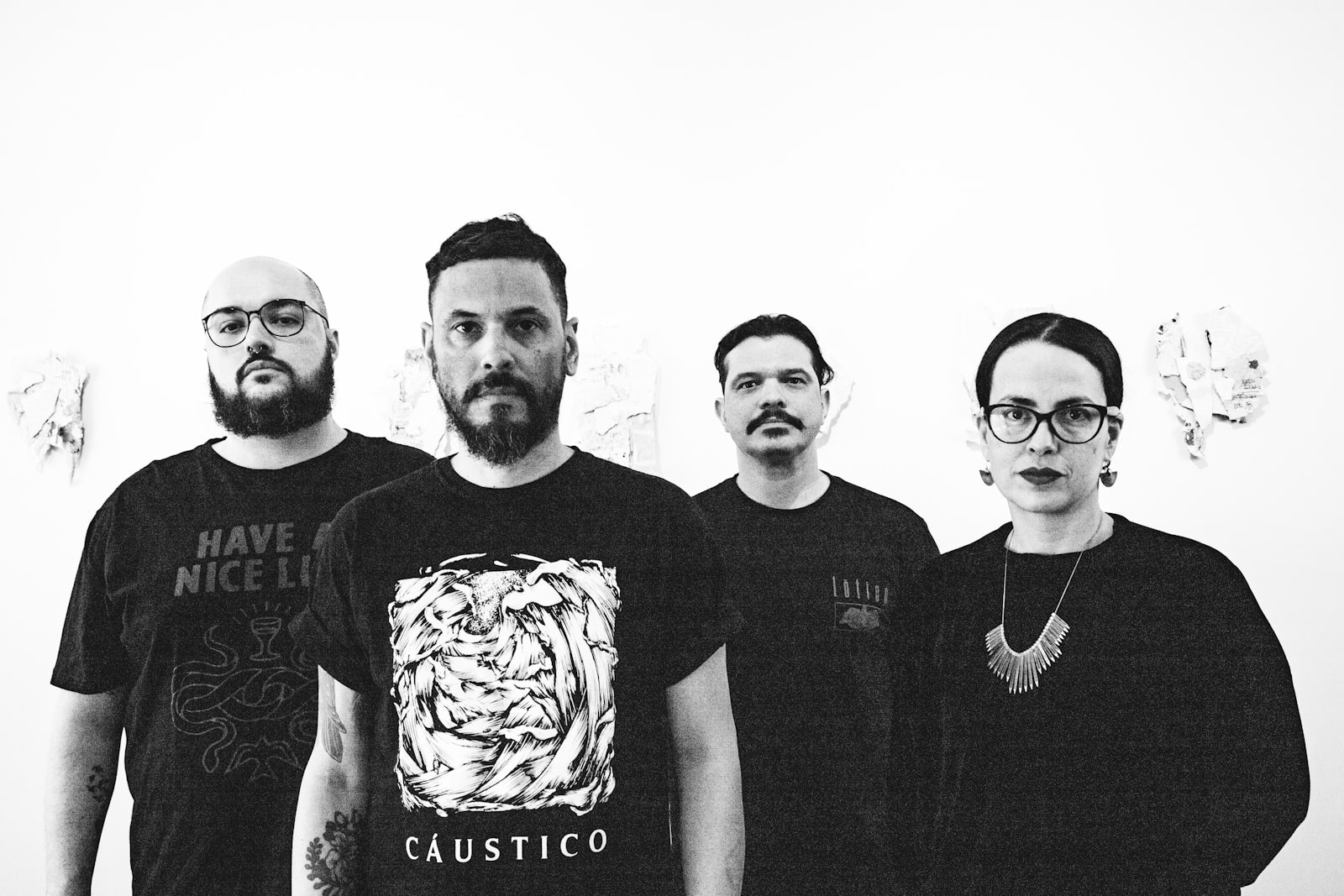
“Silver Blue” was recorded at Gotan Studio in São Paulo, produced by David Menezes and Vina, and mixed and mastered by Menezes at Rolo de Lata 77 Studio. The lineup expanded for this release, bringing in Guix on guitar and Juliana Fernandes on drums, alongside Vellozo on bass. The result is a record that trusts its own pacing, lets repetition do the work, and treats memory less like a theme and more like a structure.
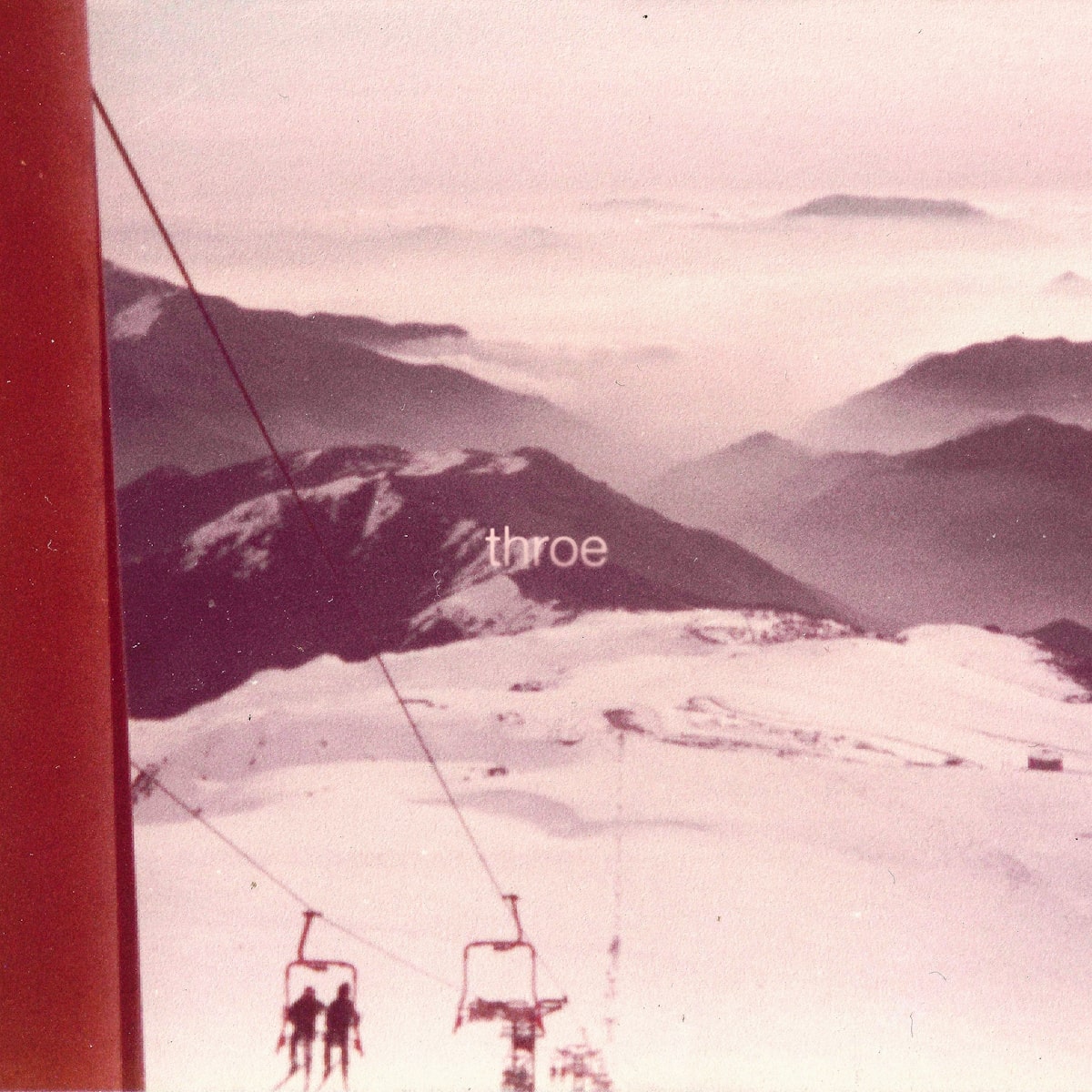
Today feels like a good moment to pause and look at the influences orbiting around “Silver Blue”. Not to unpack every reference or draw straight lines between records, but to acknowledge that these inspirations are there, quietly shaping the album’s mood, pacing, and sense of repetition. They surface naturally in the music, whether you’re listening for them or not.
Jump into Throe’s invitation to spend time with the complete commentary on influences and trace those connections at your own pace.
“Unlike Throematism, this new record feels less bitter and claustrophobic, I think. That probably has to do with the bands that inspired it, but also with the search for a more natural recording texture, something less inward-looking and more organic.”
My Bloody Valentine – Isn’t Anything
Well, like anyone knows, Loveless is a huge classic, But I’ve always been obsessed with Isn’t Anything in different ways. It strikes this perfect balance between looseness, punk energy and shoegaze without being buried under layers of pedals and dreamy vocals. Still, like Chrissie Hynde used to sing, don’t get me wrong, I love that aesthetic. But Isn’t Anything is one of those comfort albums, you know? It reconnects me with so many things especially with the idea that music can stretch infinitely and keep its integrity intact. It’s a record that will always be an inspiration.
Swans – The Beggar
Repetition tends to show up a lot in Throe’s sound probably because of my love for industrial metal and ’80s goth. The Beggar came out in 2023, and I listened to it constantly around the time I started imagining what Silver Blue would become. I think that record definitely had an influence on my mood at that time.
Jesu – Opiate Sun
I think the more “band-oriented” less electronic side of Jesu on Opiate Sun played a part in shaping Silver Blue both in the mastering texture and in the song structures. Although those tracks are more straightforward, you know it’s Jesu. That’s exactly what I was after with Silver Blue: something organic and less processed, you know. The songs demanded it, and you can hear that on tracks like the title song and “Rêve.”
Sunny Day Real Estate – The Rising Tide
Some reviews compared Silver Blue to post-rock bands like Mogwai or Explosions in the Sky. But the clean guitars on Silver Blue actually came from bands like Sunny Day Real Estate. Diary is a perfect record, my favorite from them, but I was listening a lot to The Rising Tide while writing Silver Blue, and I think it played a bigger role. Finding a way to use clean guitars in our sound opened space for melodies that weren’t just heavy, dissonant, or noisy. I could also mention Some Cities by Doves on this matter. It would be fair to include it, but I had to chose one, right? Haha.
Have a Nice Life – Deathconsciousness
“Giz” was the last song written for the album and working on it I realized that everything on Silver Blue was revolving around one theme: memory. It’s not a conceptual record, but there’s a clear thread running through it. Around that time I revisited Deathconsciousness, which also has that sense of interconnected songs and a blend of noise, synthpop, and drone. So “Giz” kind of shares that spirit. I don’t think it sounds like Have a Nice Life, but they’d probably get along at the same party haha.