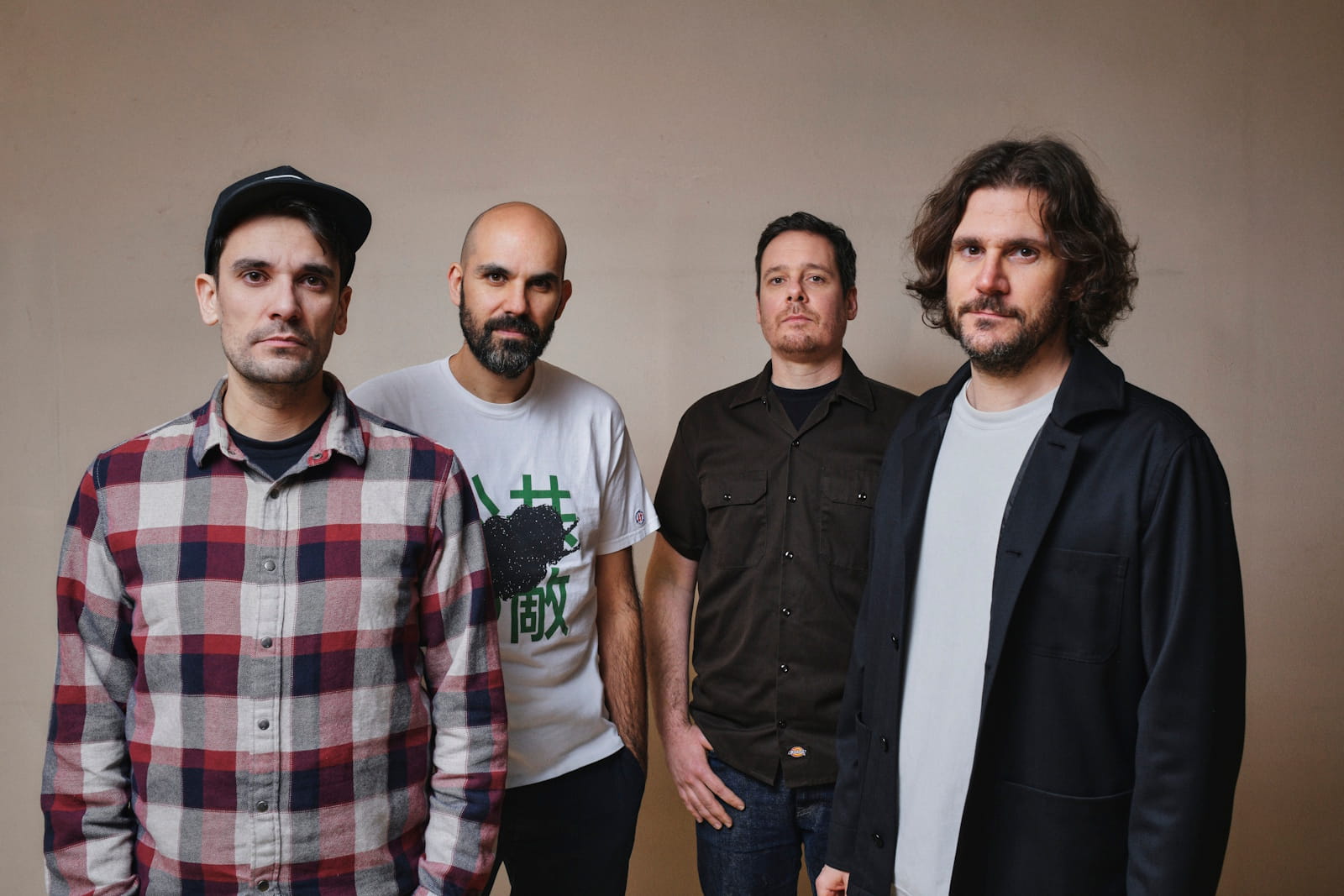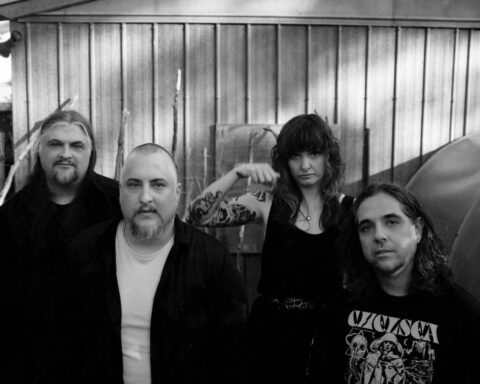


When Josh, the bassist for Middle–Aged Queers, pitched covering Mazzy Star’s “Fade Into You,” frontman Shauners was skeptical. Then Josh suggested he’d sing it himself, with Shauners switching to bass for the track. “I’m delighted with the results,” Shauners says now. “It’s like we turned Mazzy Star into an early Jawbreaker tune.”
The Oakland band’s punk rendition drops January 28, timed just ahead of their annual Valentine’s Gay shows at 924 Gilman Street in Berkeley on February 14 and Café Colonial in Sacramento the following day. Both shows are all ages, starting at 7pm and 4pm respectively.
The cover happened fast—three chords, recorded in a single take with zero touchups. Punk rock basics, as they put it. The band found the lyrics needed no alterations; there was no mention of gender or heterocentricity, so it was accessible to anyone. Imagining it as a punk song was easy.
Love songs have always sat awkwardly in queercore. Middle-Aged Queers typically opens with sardonic humor—their track “This Song Is Sponsored By Absolut Vodka” critiques the corporatization of LGBTQ+ pride. The title is snarky but accurate. This approach, while effective, has limited the topics they address lyrically. “Often, it feels like there’s more pressing topics to cover than romance,” they explain, “and in the span of a 30-40 minute set, we’d rather be high energy and not bring down the vibes.”
Their one big love song is about sex toys—lyrically some of the most beautiful prose they’ve set to music, but laced with humor. It’s a tradition they share with bands like Pansy Division, whose songs like “Alpine Skiing” or “Tennis” work the same terrain.
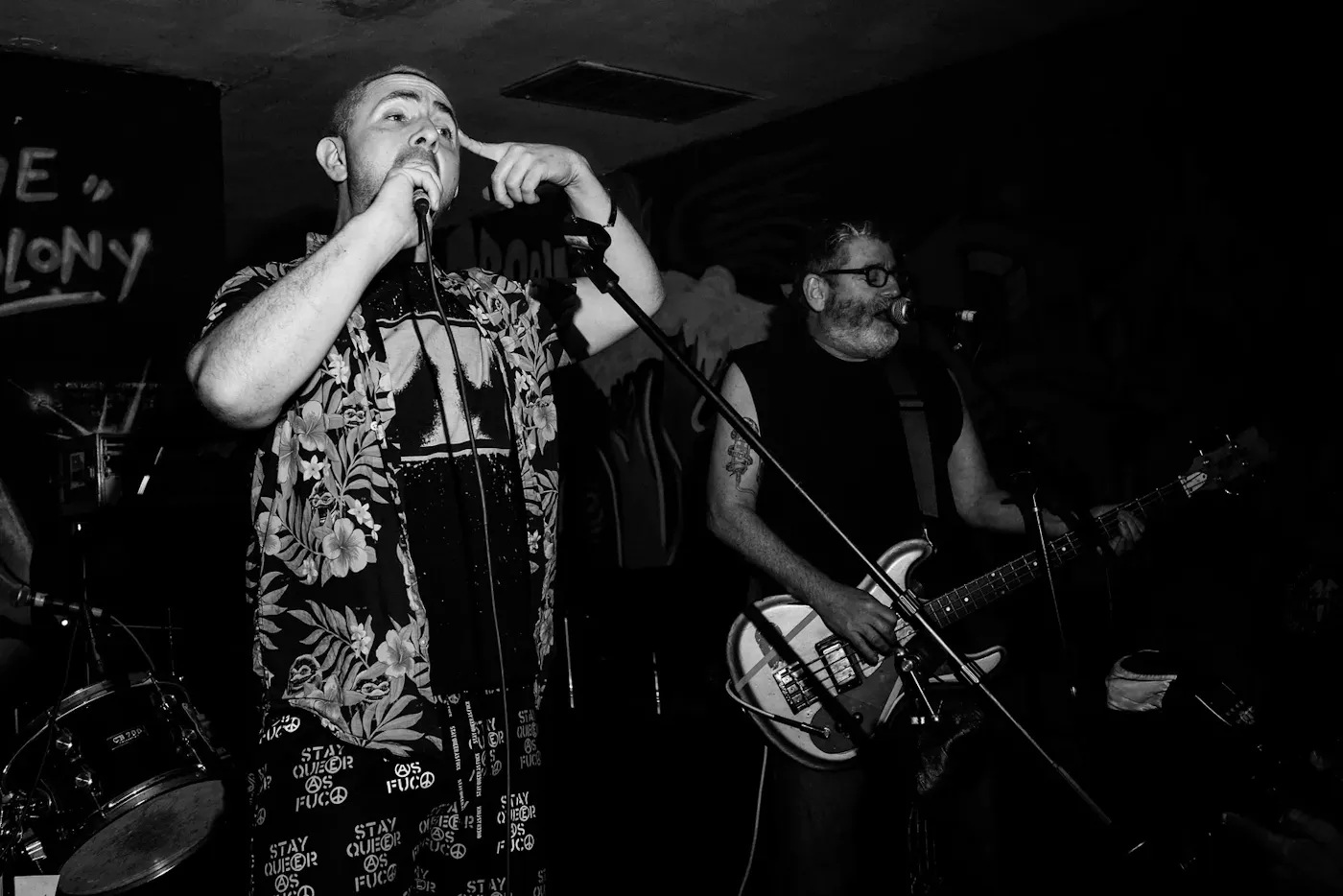
The band’s view of covers runs more toward translation than tribute. They’ve reworked songs by Jawbreaker and Operation Ivy for tribute albums, taking liberties with lyrics to turn them into more queer-oriented material. With “Fade Into You,” the opposite happened—the song was already there, just waiting to be reimagined through a different lens.
View this post on Instagram
Being middle-aged queers making punk now means something different than it did decades ago. When Shauners first started going to shows at 924 Gilman around 1992-1993, he was one of the few out queer people attending regularly. The OutPunk Records showcase in 1994 was a big deal—people came from all over the West Coast, and it was the first time he’d seen that many queer punks in the same room together. Looking back, there were probably about 150 people at the show, mostly lesbians in their 20s.
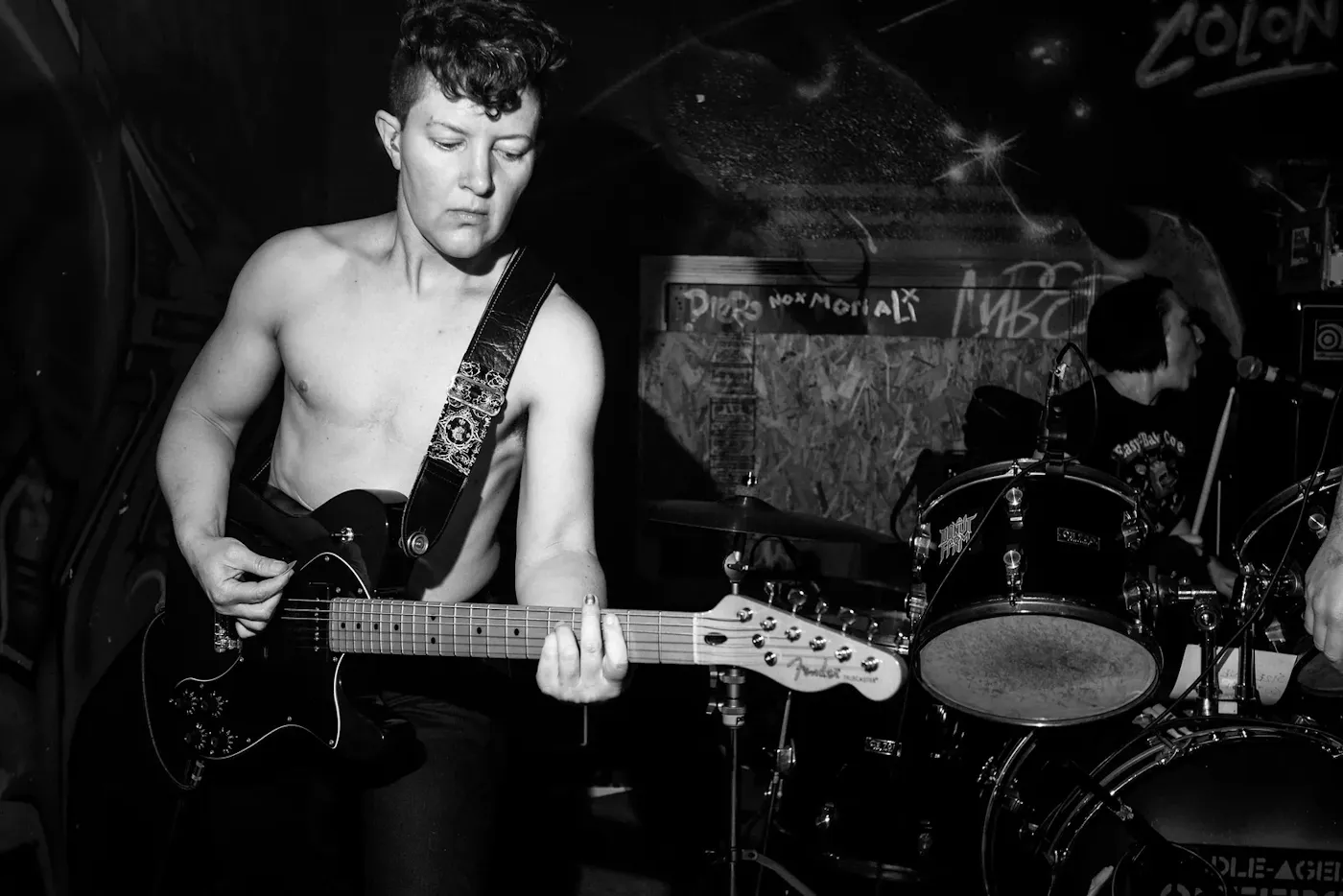
Now the club is run by a bunch of queer and trans young people. Most of the younger bands have at least one queer member. It’s the norm, not an outlier in the younger East Bay scene.
For the older generation, many who played in bands in their teens and 20s circled back to music after finishing school and finding more stability in their lives. They came back because it’s what brought them joy earlier on. Middle-Aged Queers got its name as a fun, almost self-deprecatory joke.
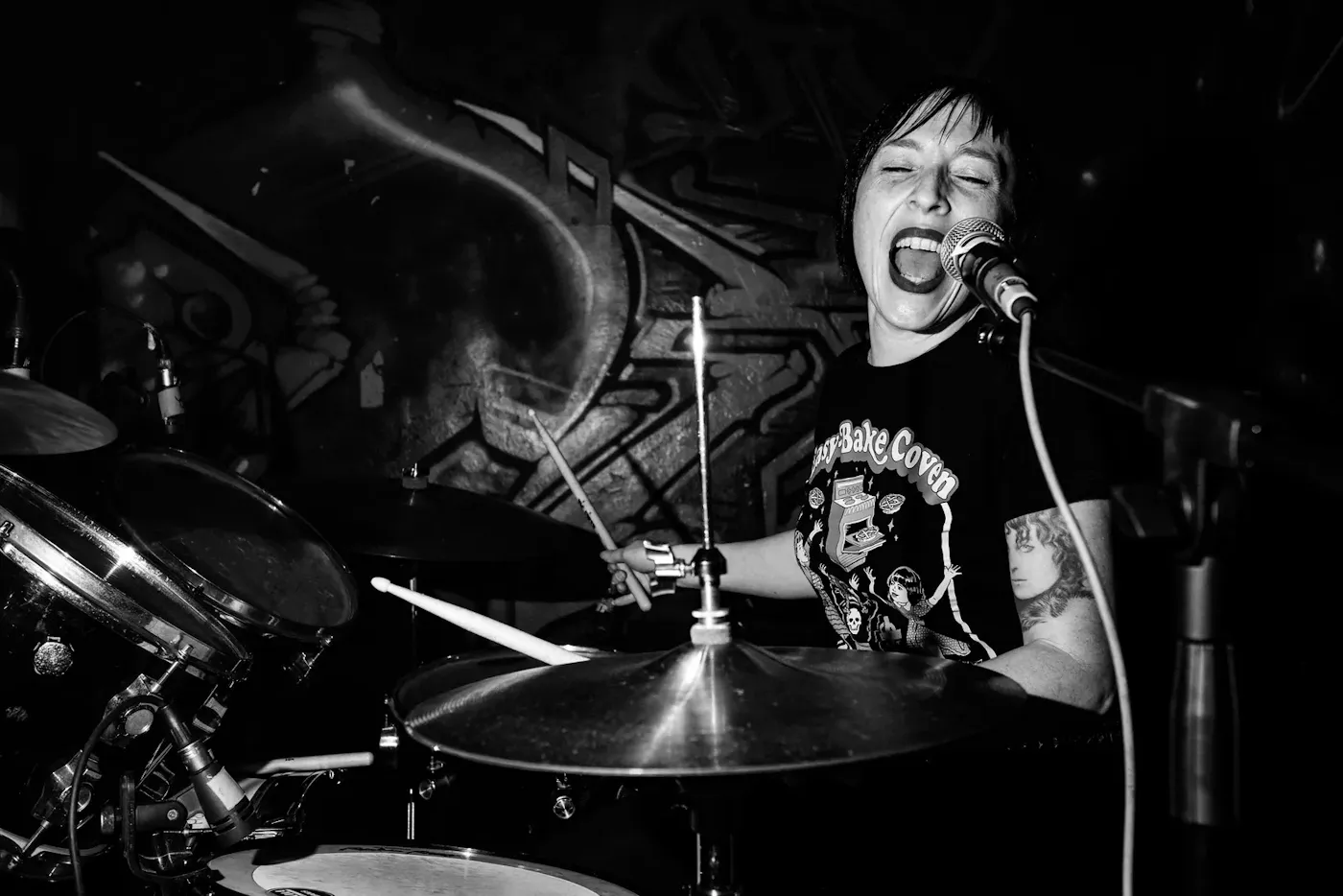
Performing is different now. The band can’t tour as much as they’d like—lives outside the band require responsibility. Some run their own businesses, have family members they care for. Shauners and his husband just became fathers last year after a decade of trying. This means they only play about 10-20 shows out of town per year, which is probably for the best. Their bodies are older, and they start to fall apart mentally and physically after about a week on the road.
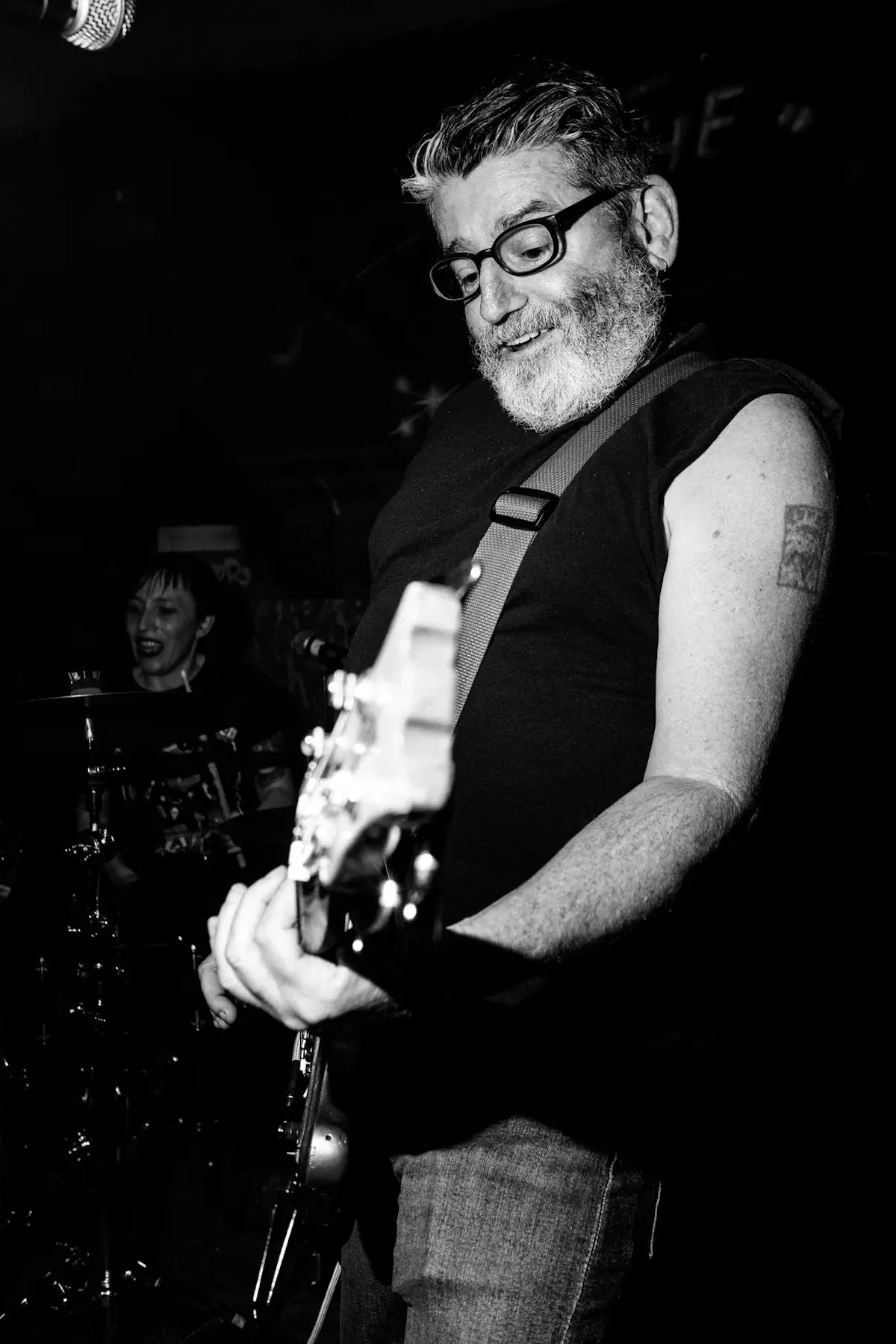
So much has changed since the early Pansy Division and Tribe 8 era. Same-sex marriage wasn’t even on the radar back then; focus was on HIV/AIDS or state and federal legislation that harmed LGBTQ+ people. The way we talk about gender has shifted dramatically over the last 30-plus years.
Sonically, queercore has taken on a nebulous meaning. It’s not so much a genre like d-beat or pop punk—it’s a shared ethos. The band can attend a queercore show and see everything from hyperpop to acoustic folk to death metal, all performed and celebrated.
The band features ex-members of the Cost (Lookout Records), Fang (Boner Records), the Insaints (Maximumrocknroll Records), and the Shondes (Exotic Fever Records). They’ve been described as a Bay Area “supergroup” of seasoned punks, taking their live show from coast to coast to Mexico to Canada, including appearances at Gainesville’s Fest, Montreal’s Pouzza Fest, and Las Vegas’s Punk Rock Bowling.
View this post on Instagram
Showgoers at the Valentine’s Gay shows can expect hijinks and good-natured fun as the band performs audience favorites alongside the new release. It’s reclaiming something quiet and non-confrontational without irony—something that’s often felt impossible in a scene built on confrontation.