
There’s a tradition in the Western Isles of Scotland where congregations sing biblical psalms in Gaelic, unaccompanied, voices layered over each other in something closer to a drone than a hymn. It’s raw. It’s old. It predates most forms of music you’d hear on any stage anywhere. Gun Ghaol took that sound and buried it under downtuned breakdowns.
“It takes a few seconds of listening to ‘Salm’ to recognise that this is new ground for heavy music,” says vocalist and founder Cailean Stone.
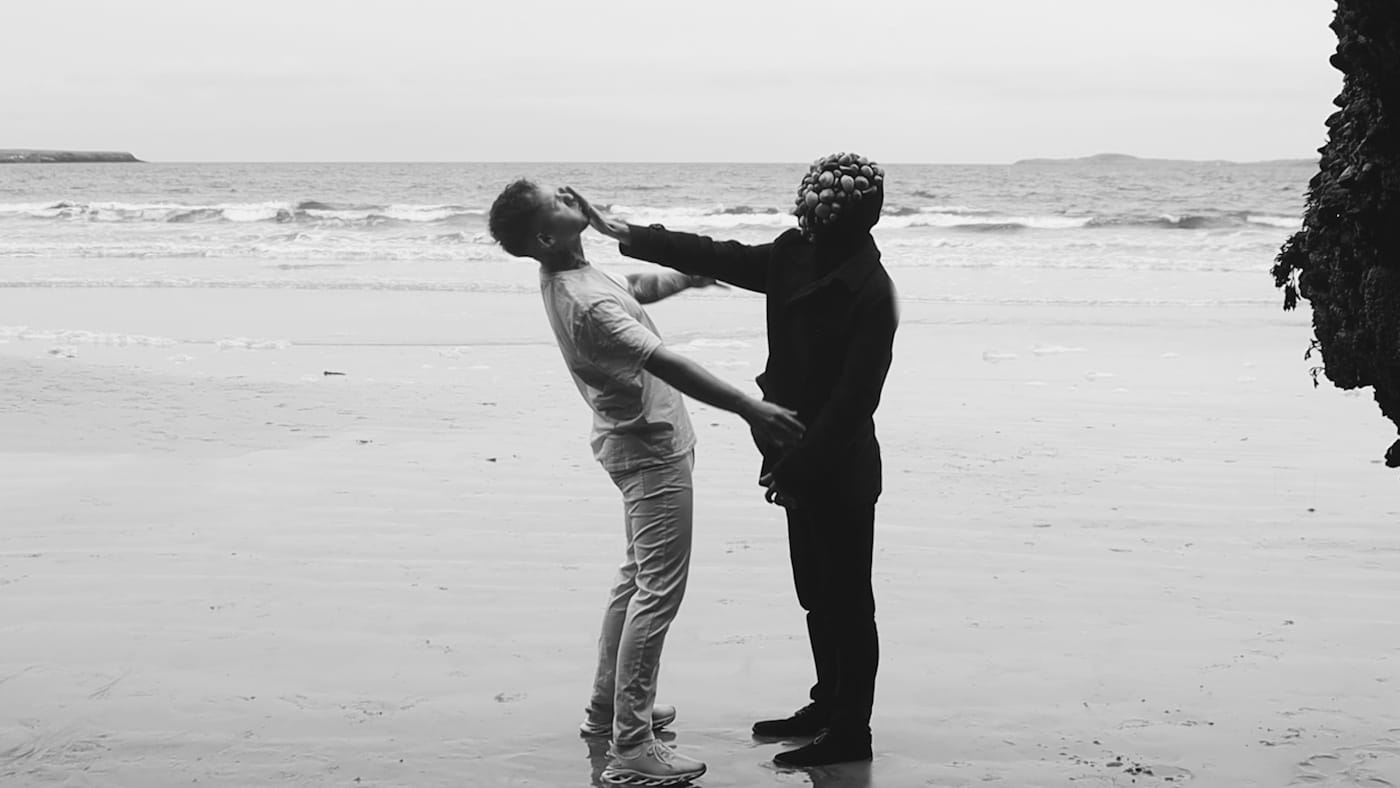
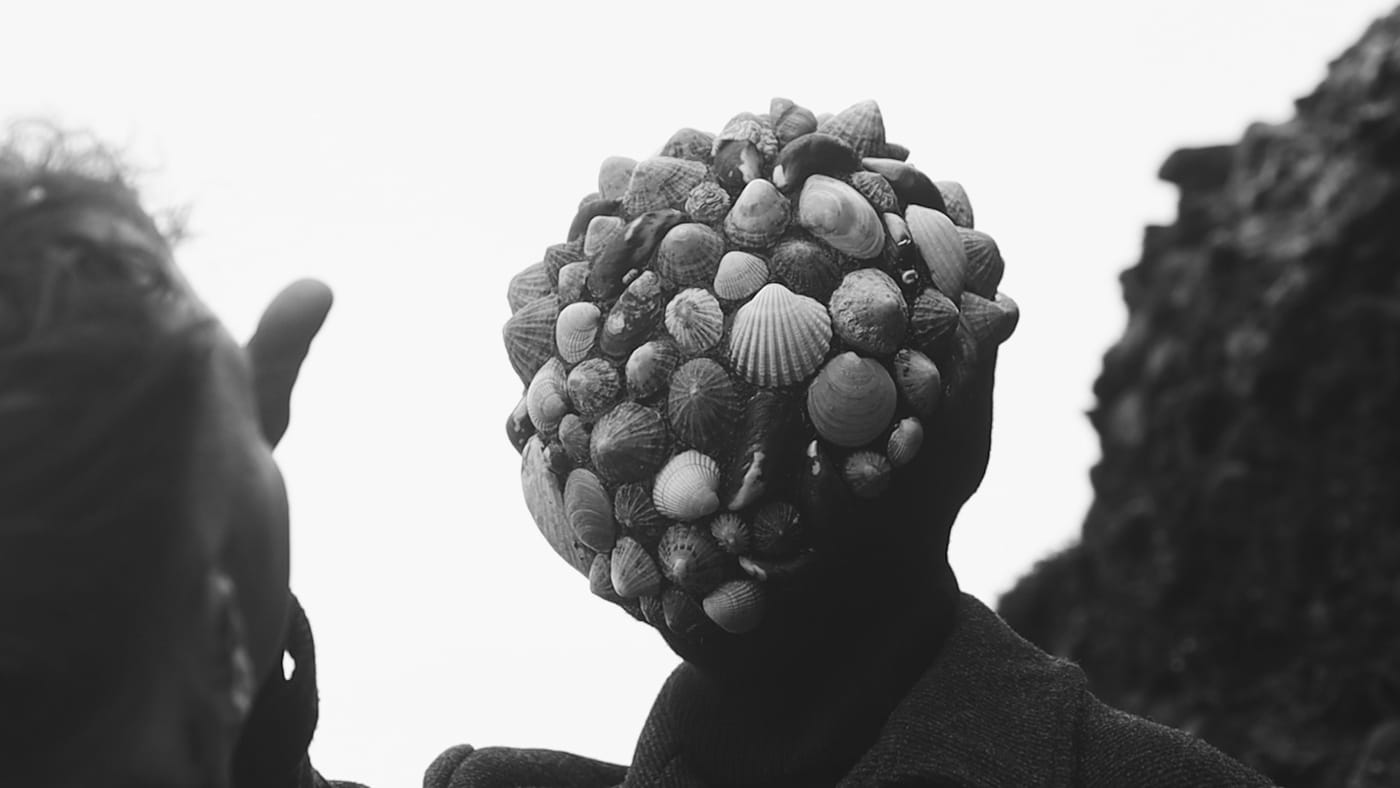
The track opens with that unmistakable psalm cadence before collapsing into metalcore — filmed on the Isle of Lewis, where the original psalm was recorded, with artwork and visuals commissioned from a Hebridean artist. It’s currently the band’s most-streamed song on Spotify. Some islanders have expressed disappointment. A couple have gone further than that.
That push and pull — preservation on one end, reinvention on the other – sits at the centre of what Gun Ghaol do. They’re a four-piece metalcore band from Glasgow who write exclusively in Scottish Gaelic, a language that was once dominant across all of Scotland and is now spoken by roughly 100,000 people. You can still trace it across the country’s place names, people’s names, and everyday English words like “loch,” “slogan,” and “banshee.”
But the decline took centuries. Schoolchildren were beaten for speaking it. The Highland Clearances — a deep scar on Scotland’s history — saw landowners evict Gaelic-speaking families from their homes, thousands of whom then emigrated. For generations after, speaking the language was considered old-fashioned. Uncool. It was underfunded and underappreciated, and speaker numbers dropped from a couple million to where they are now.
Wyświetl ten post na Instagramie
“Despite being a Gaelic speaker, my teenage self struggled to enjoy Gaelic music,” Stone says. “My choices were limited. If I wanted Gaelic nu-metal, hip-hop, shoegaze, rap, pop-punk… tough luck.”

For decades, Gaelic music stayed close to its familiar corners — folk, trad, the usual combination of fiddle, acoustic guitar, maybe an accordion or pipe. Lyrics stuck to history, folklore, storytelling.
Even Runrig, arguably the biggest Gaelic act Scotland has ever produced, wrote in both Gaelic and English. Their heyday was the ’80s and ’90s: they charted in the UK Top 40, toured internationally, and their take on “Loch Lomond” still closes Scottish weddings to this day, known by millions.
Things started to shift in the early 2010s.
A Gaelic folk rock band called Mànran released “Latha Math” with Top 40 ambitions — something no Gaelic act had attempted in the 21st century. They fell short, but the song proved something useful: a modern Gaelic track didn’t have to sound out of place alongside English-language stuff. In the years that followed, Niteworks brought Gaelic into electronic music. Tide Lines did their best to fill the Runrig void. Sian added a fresh spin on trad. But heavy music remained untouched. Folk metal acts like Saor and Cnoc An Tursa may have carried Gaelic names, but their songs were in English. The space was wide open and nobody was walking into it.
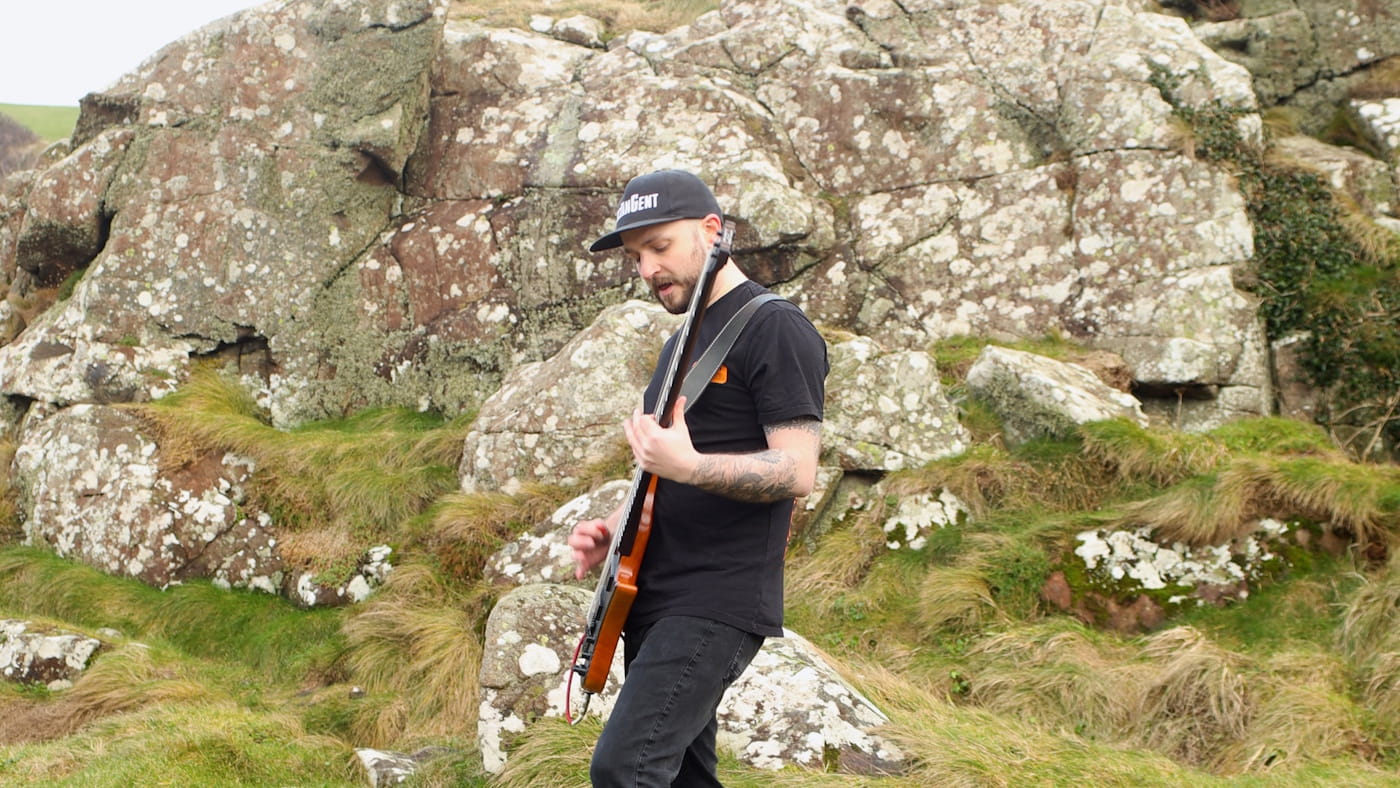
In late 2022, Stone posted a 40-second TikTok of himself screaming in Gaelic under the handle @GunGhaol. Within a day, it had 2,000 likes. For something this niche, that number shocked him. “I think people were reacting with such enthusiasm because they had never heard Gaelic in this musical context,” he says. “It was enough to convince me that a Gaelic-language metalcore band could actually work.”
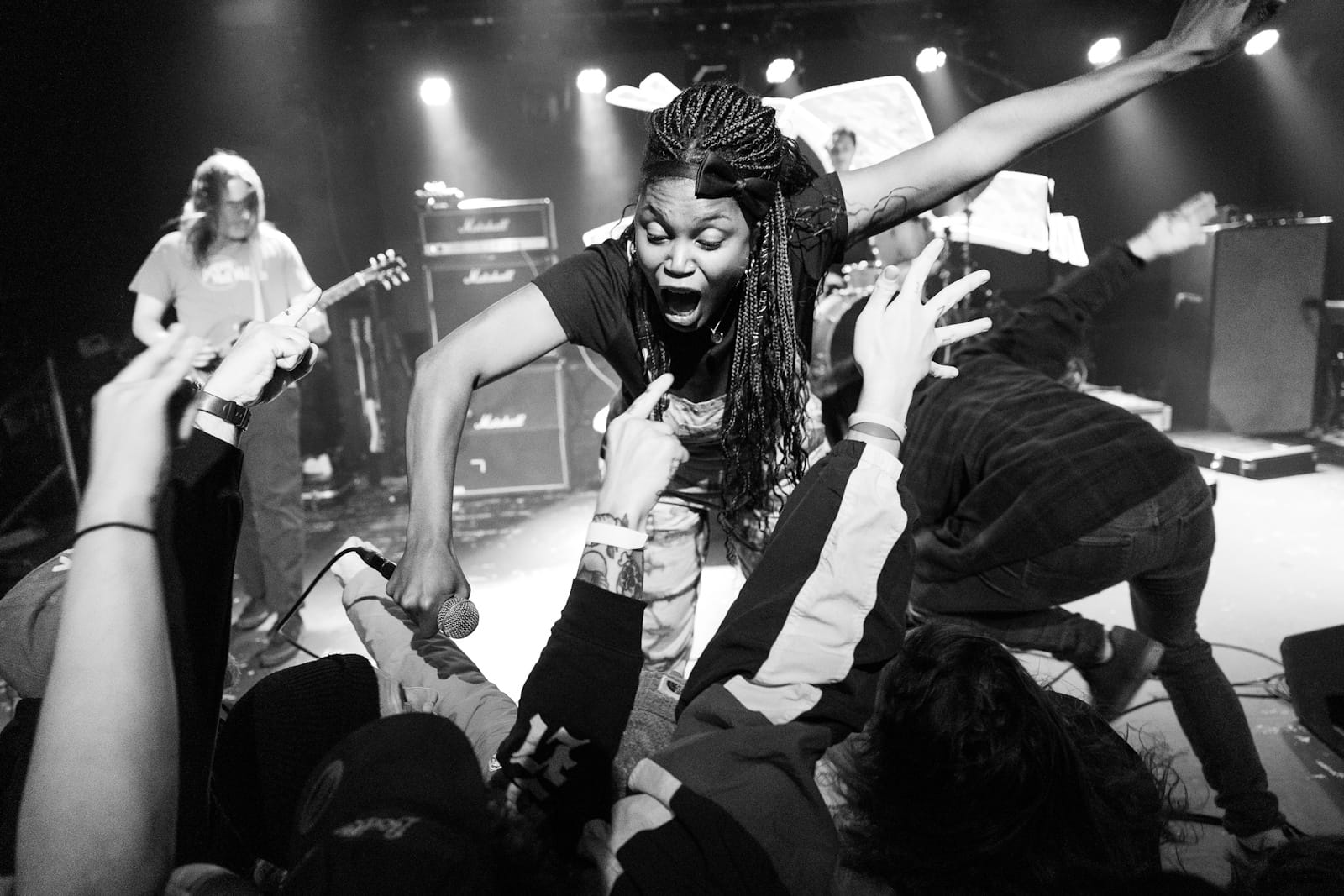
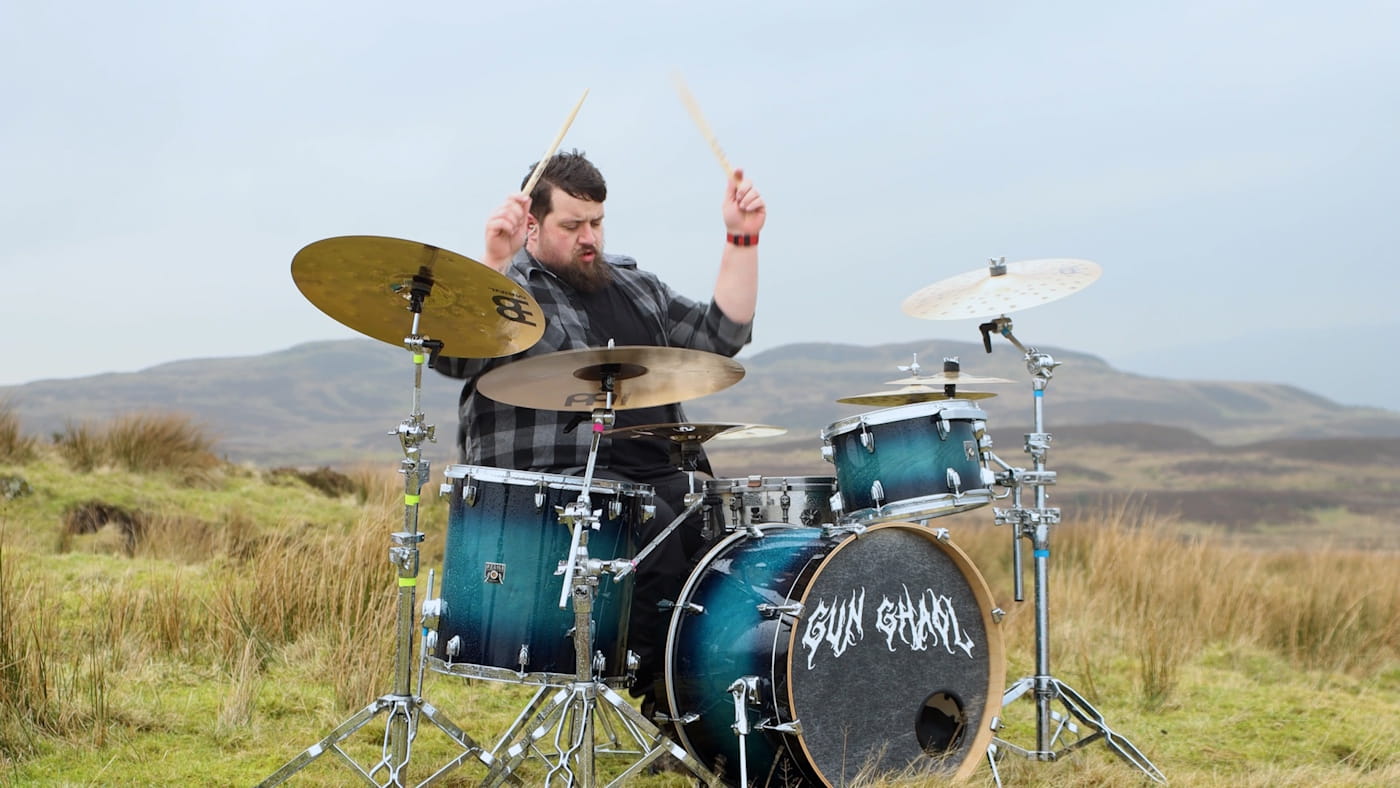
Two years and ten songs later, Gun Ghaol became a proper band in early 2025. Their first three shows tell their own story: an opening slot at the iconic Belladrum Festival in the Scottish Highlands, a headline set at Dorn San Aer in Ireland, and a sold-out hometown Glasgow show alongside noise-rock act Coilguns.
@gunghaol First show in Ireland last might, bidh sinn air ais 🇮🇪x🏴 Metalcore ann an Gàidhlig/Scottish Gaelic ma tha thu ann an sheo airson a chiad turas #gaelic #celticmusic #gàidhlig #metalcore #scottishmusic ♬ original sound – GUN GHAOL
Stone draws two hard lines going forward. The first: no English. “Yes, it’s a sensible idea if you want to grow your audience faster or be more commercially successful,” he says. “Personally, it cheapens what makes you different, and I refuse to do it.” The second: contemporary subject matter only. “Rabhadh” deals with war crimes happening around the world. “Tog Dealbh” tackles social media. “Planaid Shàmhach” addresses the lack of action on the climate crisis. “There is absolutely a place in Gaelic songwriting for history, tradition, or preserving stories,” Stone notes, “but it won’t be with Gun Ghaol.”
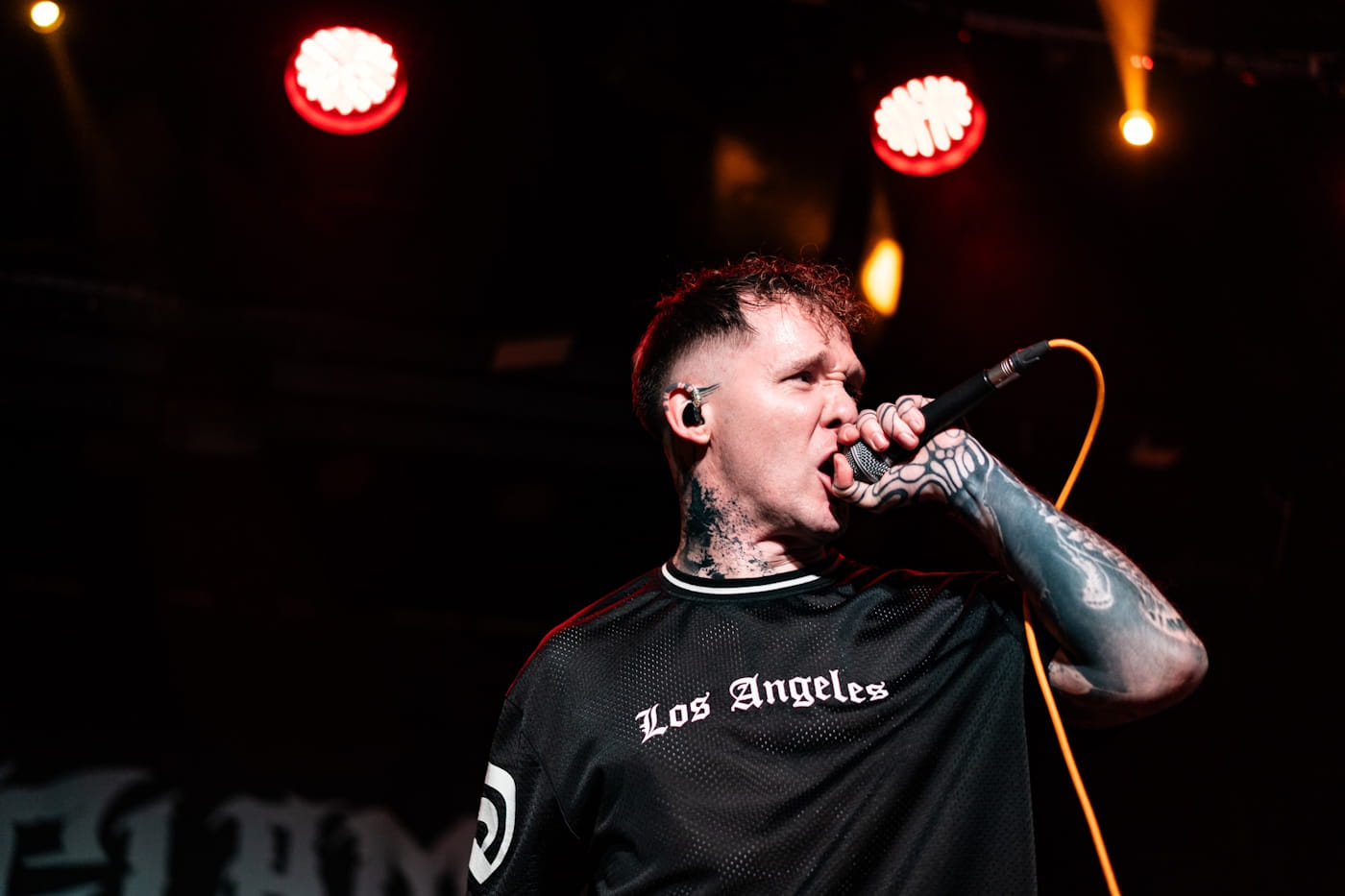
Alongside “Salm,” the band also dropped “Dorchadas” — billed as the world’s first metal song to feature vocals in both Scottish Gaelic and Irish. The track features Evan Cloke of Irish deathcore outfit Vileblood, also known as @feel_evoked on social media. “I couldn’t turn down the chance to collaborate with another Celtic artist in heavy music,” Cloke says. “It was such a fun experience getting to write lyrics in Irish. We’re in a world of English, so this was really refreshing. We’ve created something really special with ‘Dorchadas,’ and I want to see more of this across every genre.”
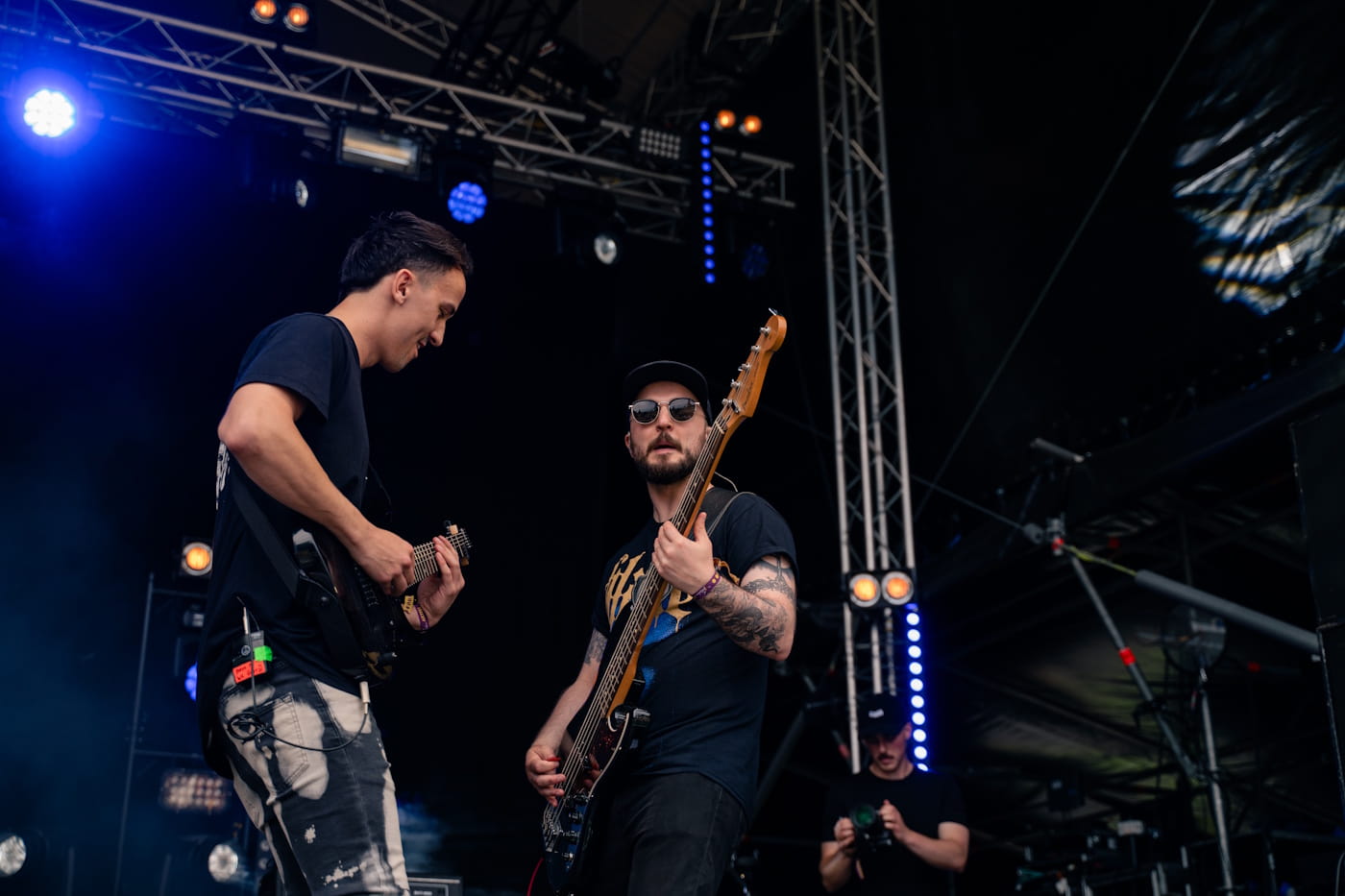
“Anyone can write metalcore in their own language,” Stone adds, “but we’re very fortunate in being able to introduce these uniquely Celtic sounds to our songs. We’ve been blown away by the reception to ‘Salm,’ and we’re excited to keep exploring these soundscapes.”
Glasgow’s metal scene has taken to them. “Metal is already a somewhat underground genre,” Stone says, “and combining it with an ‘underground’ language has been received very warmly. Scottish crowds are always generous to their performers, and we felt that from the very first song we played here.” The harder sell has been the Gaelic and Celtic music world. Gun Ghaol are doing something musically disconnected from traditional Celtic sounds and themes, and that warm welcome from Celtic festivals in Scotland hasn’t fully arrived yet. Stone hopes it changes with time.
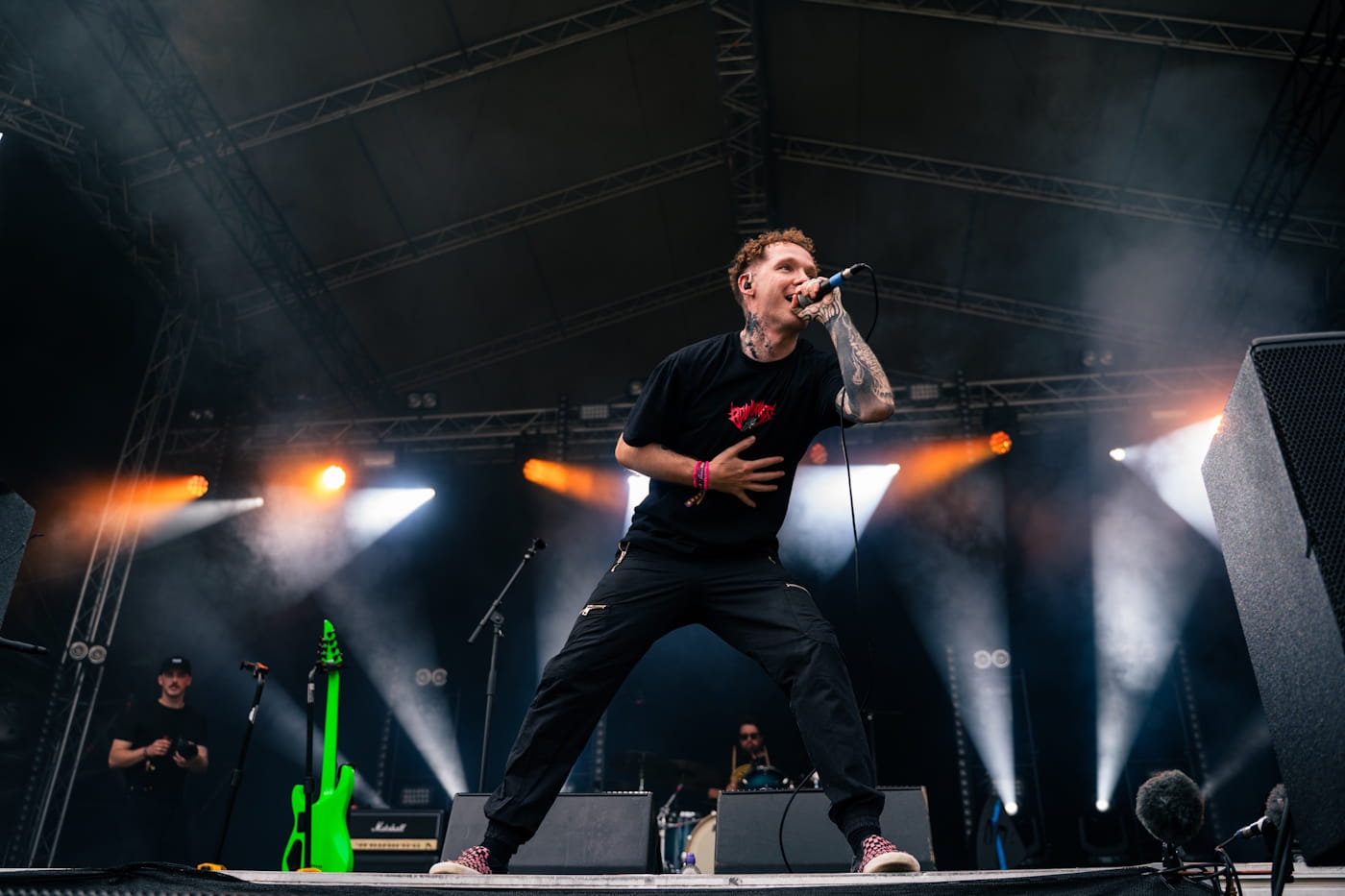
The broader Gaelic music landscape around them, though, is arguably the strongest it’s ever been. Balach write hooky pop-rock. Hammy Sgith raps in Gaelic. Isla Scott’s ukulele-driven “Nuair A Thigeas An Oidhch” was one of 2025’s standout songs. The most recent Scottish census in 2022 recorded the first increase in Gaelic speaker numbers in recorded history. Something is shifting, and it’s shifting across genres.
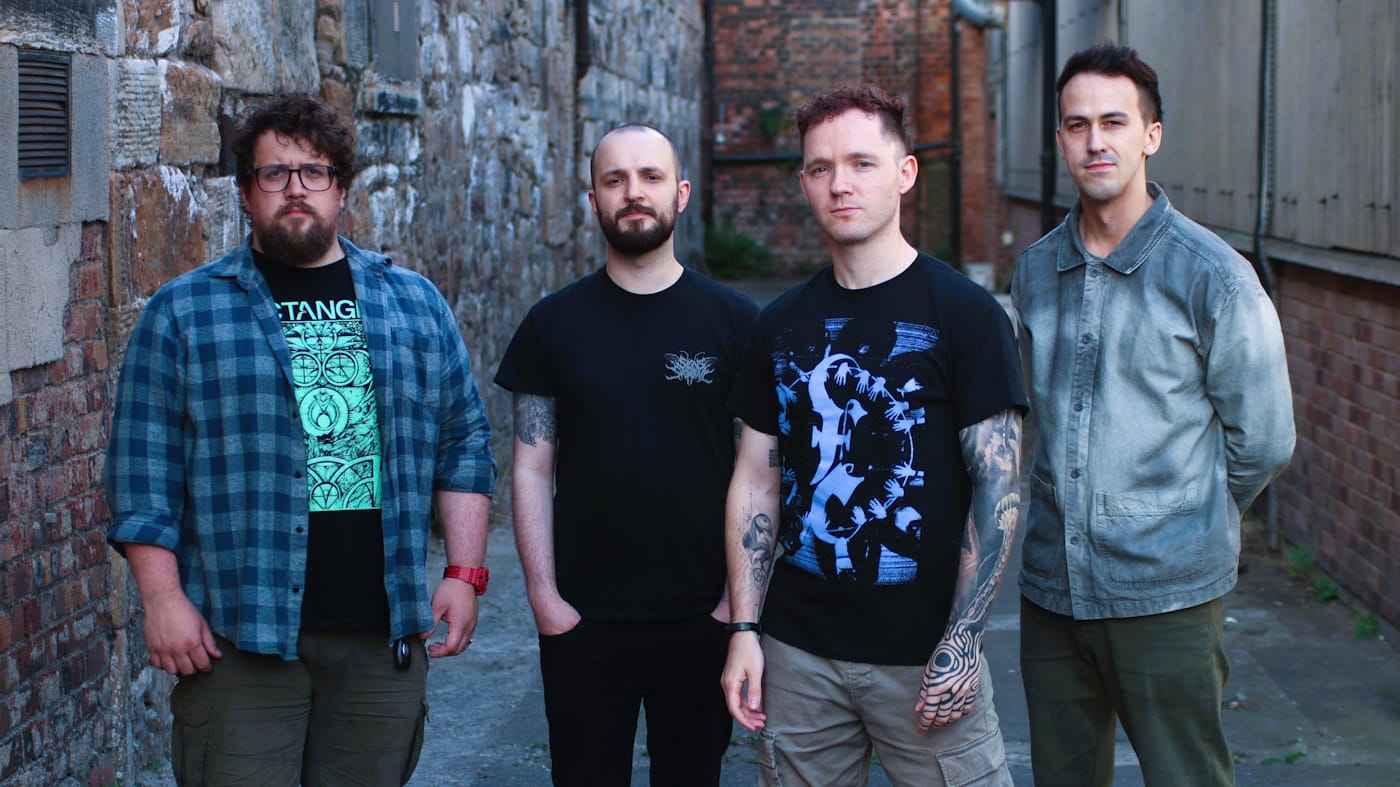
Gun Ghaol played Slay in Glasgow on 6 March alongside Glamour of the Kill, followed by an appearance at the inaugural Dùn Rùin Festival on the Isle of Skye. A Scottish tour is planned for later in the year.
@gunghaol we go again in County Donegal on Saturday 27th September at Dorn San Aer | duilich a chreidsinn gu bheil còrr is mìos ann bho Belladrum ach bidh sinn air ais #gaelic #gàidhlig #celticmusic #metalcore #scottishmusic ♬ original sound – GUN GHAOL
Both “Salm” and “Dorchadas” are available on all streaming platforms now.