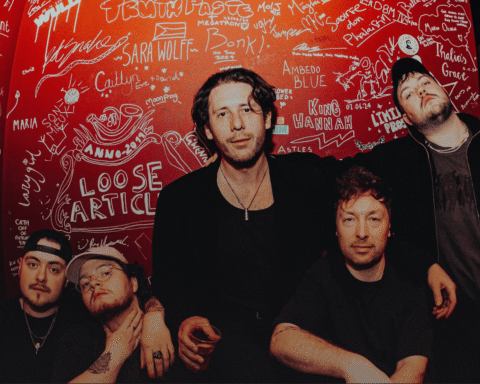

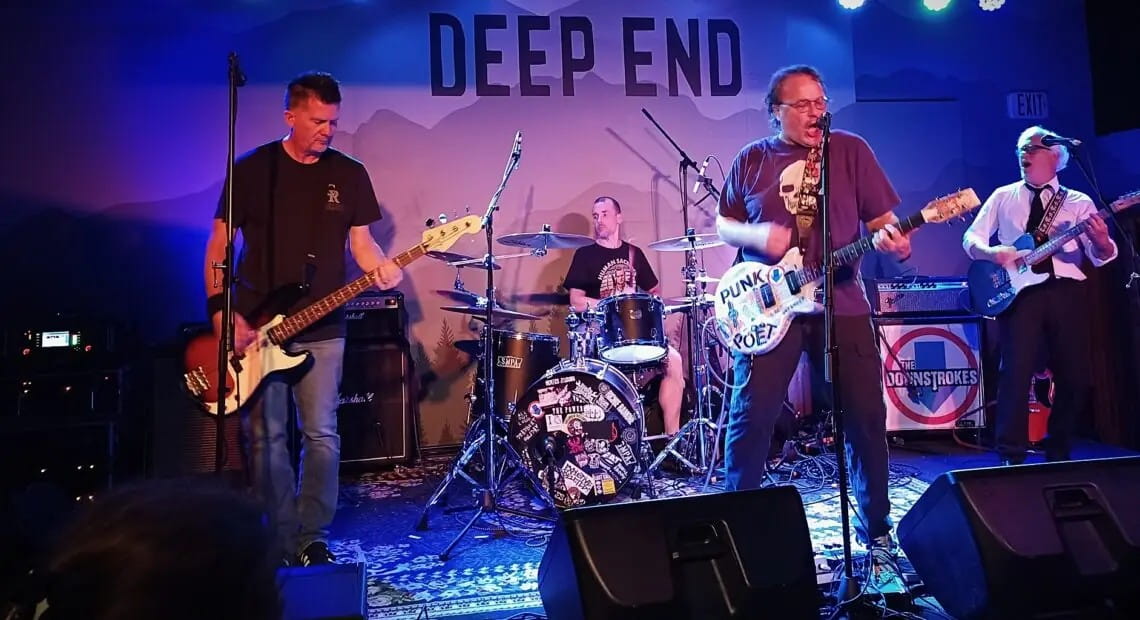
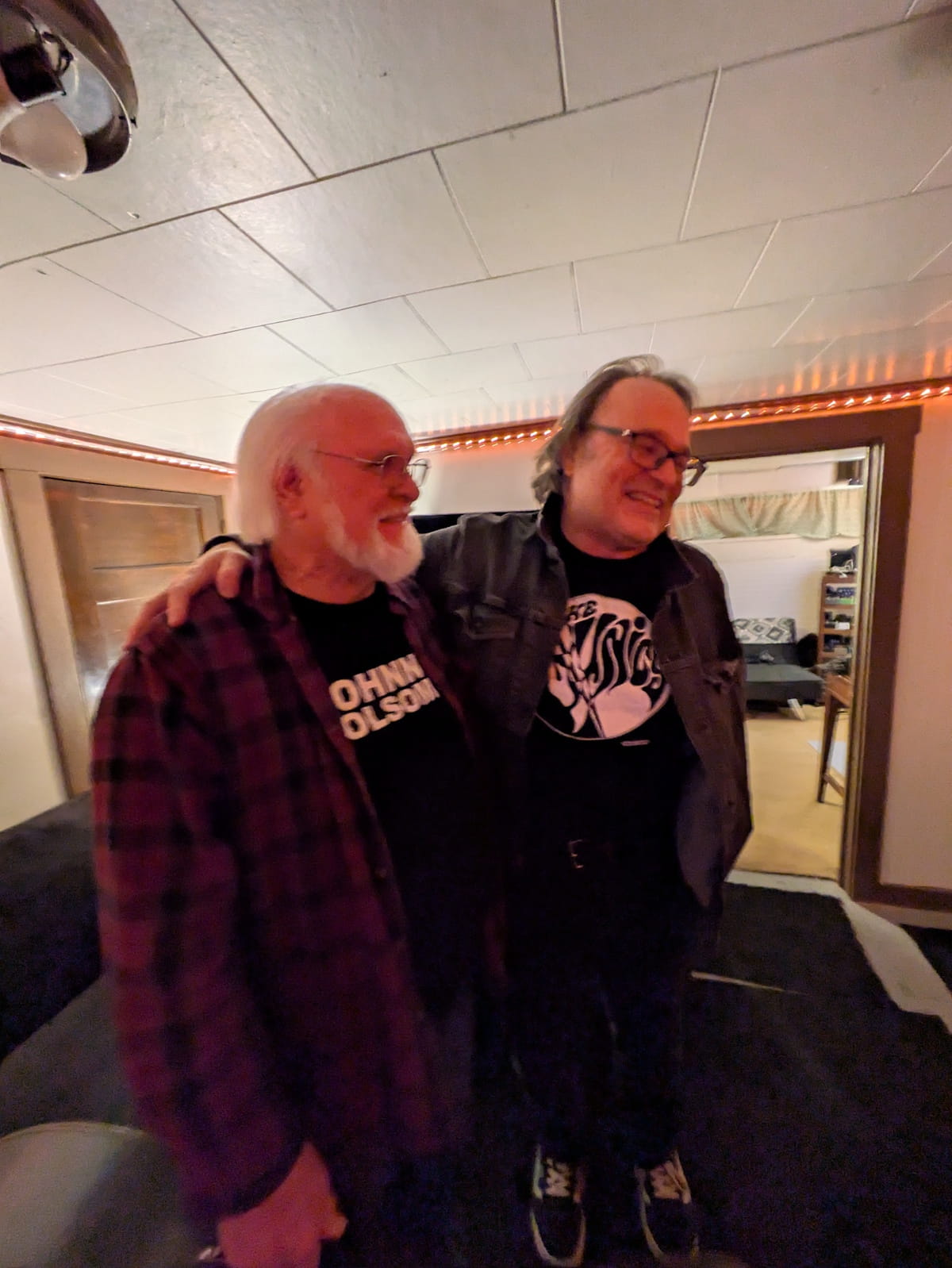
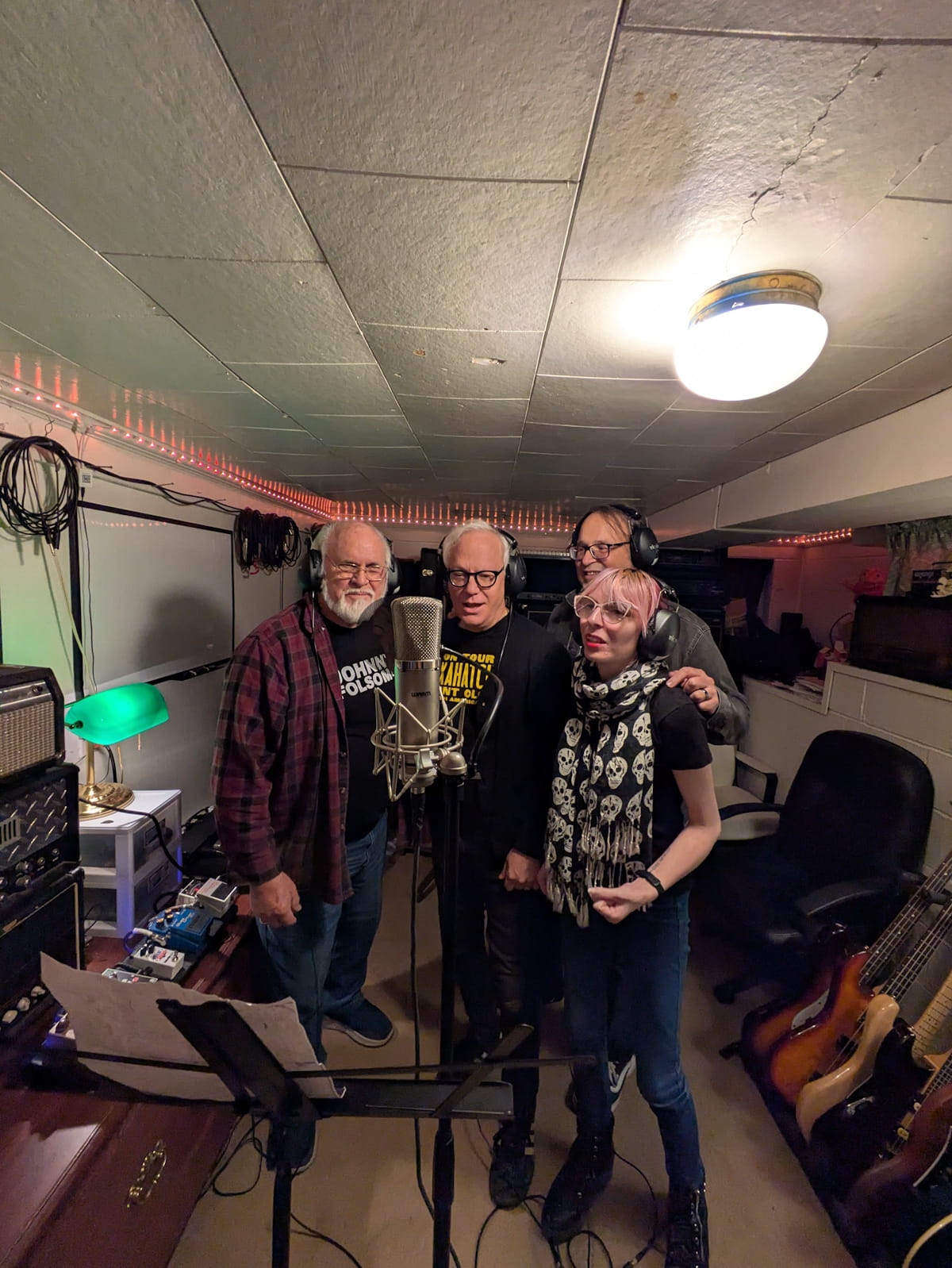
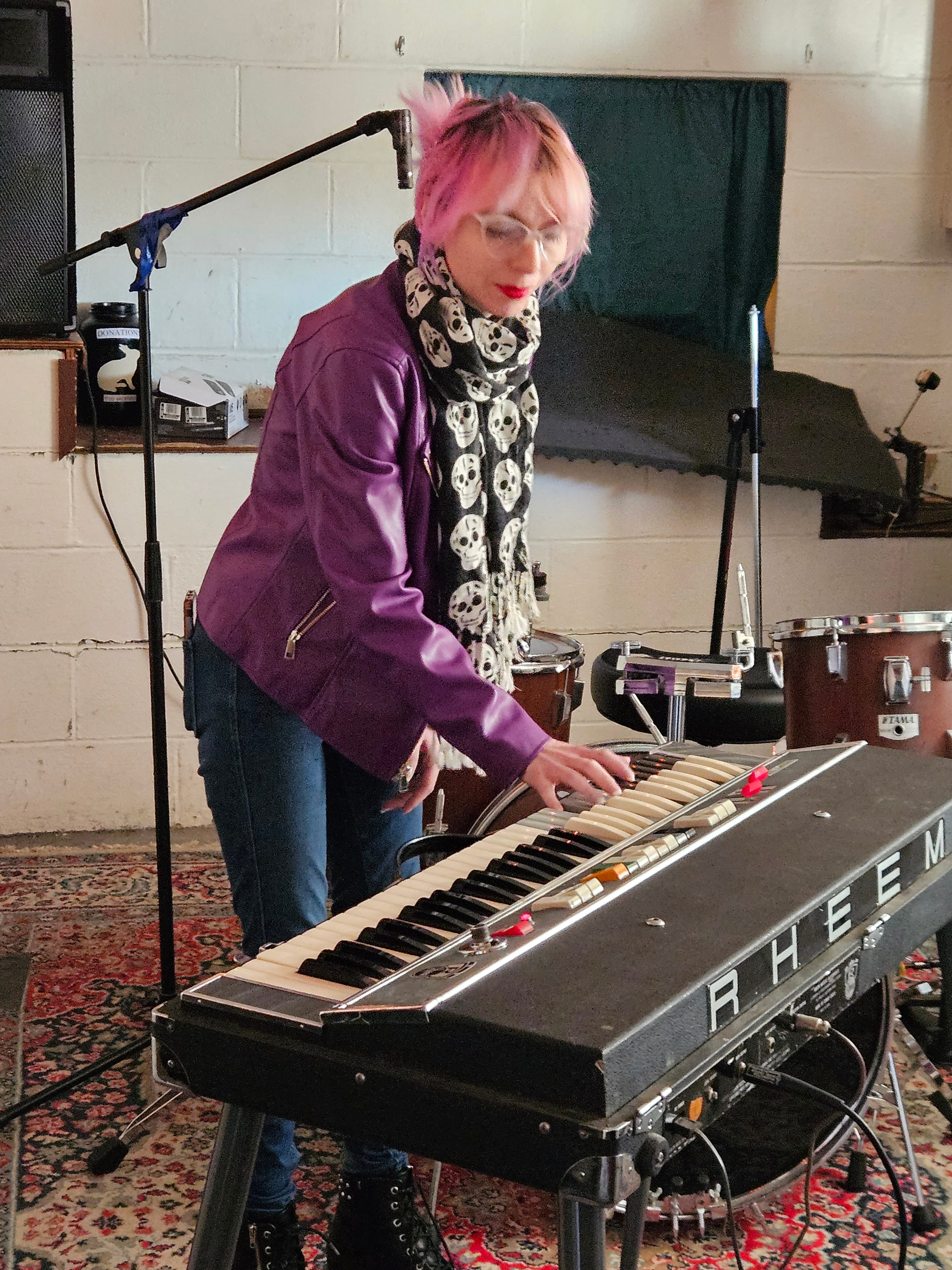
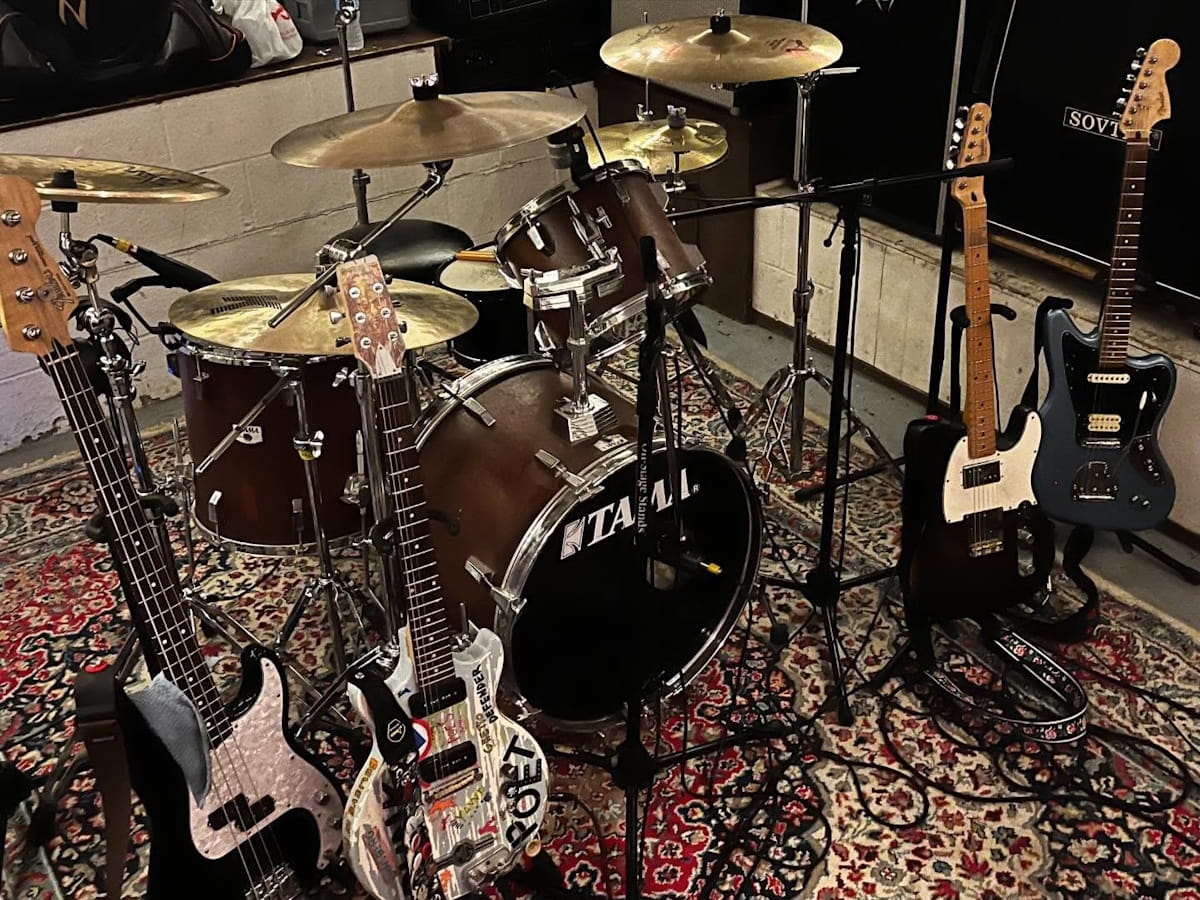
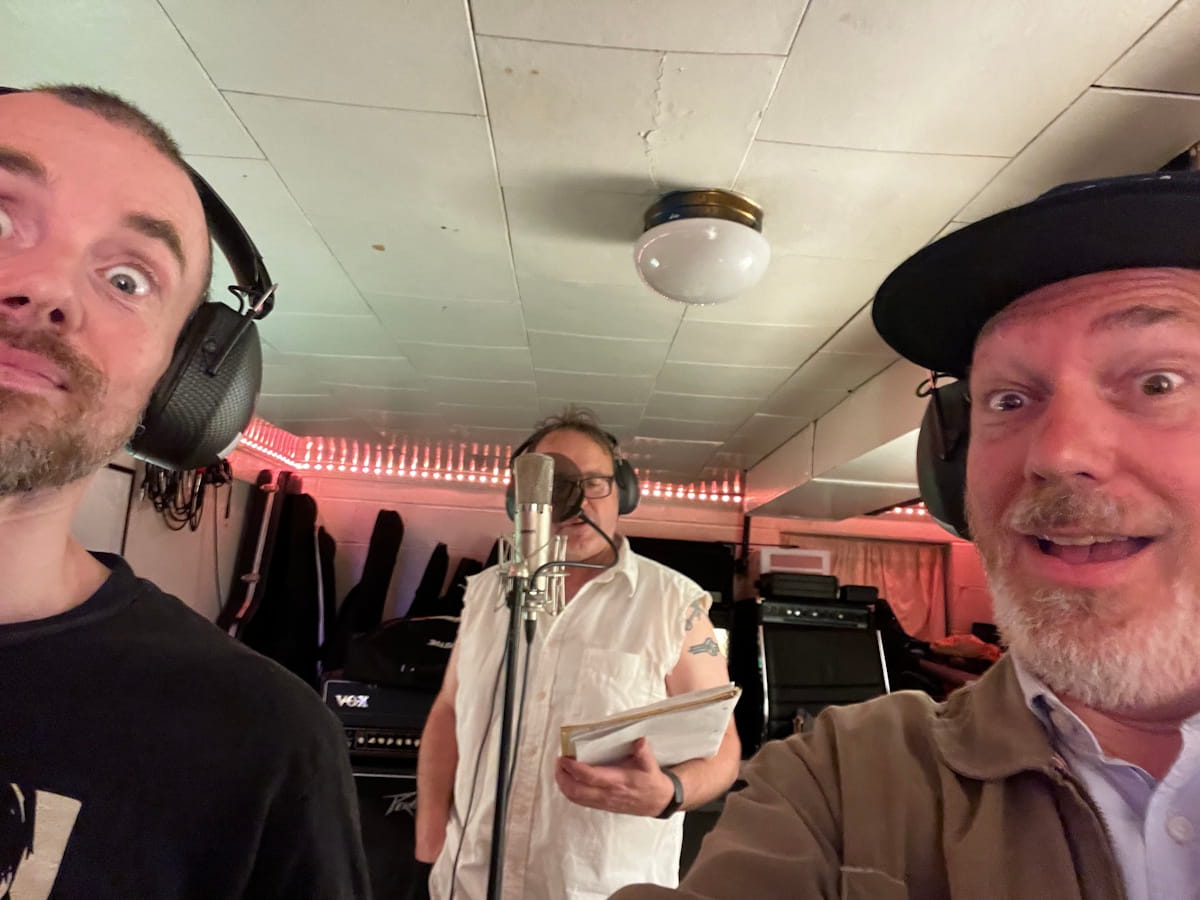
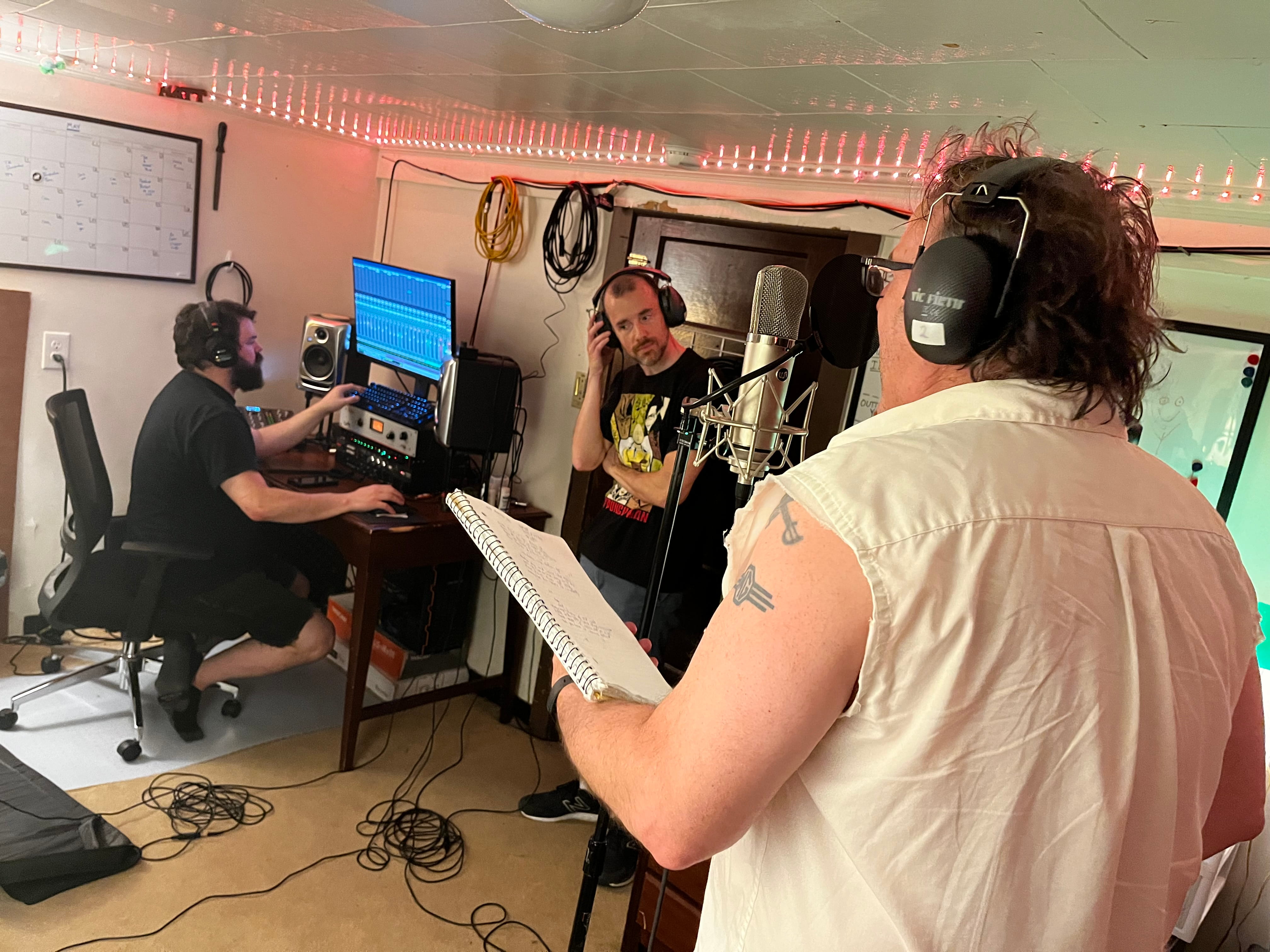
The Warren is about a mile from Gerry LaFemina’s house, which means extra vocals get tracked on a whim, organs get hauled in when needed, and mixes get argued over without anyone checking the clock. That kind of proximity shaped “The Furious Hours,” a record pieced together across three separate sessions in a basement studio in Frostburg, Maryland, with a band that kept shifting under its own feet.
Three of the songs weren’t even meant to be here. They came out earlier as the “Spring Training Sessions,” tied to a period when drummer Josh was still in the band. By the time the rest of the record took shape, he’d already asked for an “exit ramp,” and the band wasn’t sold on how newer demos were landing. Instead of forcing it, they folded his recordings into the album, held back other ideas for new drummer Clint Higgins, and ended up with a 12-song set where 11 tracks made the final cut.
Even the title wasn’t settled cleanly. LaFemina had another name in mind—“Everybody Hates a Parade”—complete with artwork already forming in his head. Robin and Greg pushed for “The Furious Hours,” pulling from a late-2000s band LaFemina once fronted. They even considered covering an old song from that era, then dropped it, folding the phrase into the lyrics instead. “The band attempts to be a democracy,” he says. He lost that vote.
The record moves like a collection of situations more than a fixed concept. “Let’s Make Some Noise” started as a half-ironic take on January 6th, borrowing the kind of voice Jello Biafra made a career out of—calling people to the National Mall with a wink. That angle didn’t stick. What stayed was the chorus, already locked in, and a shift toward something less tied to one moment: a push for DIY scenes to organize themselves, wherever they are.
Wyświetl ten post na Instagramie
Elsewhere, the writing gets more personal, or at least more specific. “(Trying to Break) Bad Habits” has been floating around since 2021, first cut in a rushed session with Tim Khaos stepping in on drums with about half an hour to learn it. It stuck with people anyway.
The new version leans into that, adding weight—more percussion, a heavier organ presence—and treating the song like something worth fixing instead of leaving as a sketch.
“Everybody Hates a Parade” came out of actual parade duty. LaFemina spent time on the campaign trail running for County School Board, walking in small-town processions that move slow and last forever. Robin couldn’t stand them. Mercedes, who grew up around New Orleans second lines, loves them. That tension sits inside the song whether anyone agrees on it or not.
Wyświetl ten post na Instagramie
“Coney Island High” goes back further, but sideways. Greg brought in a bassline in the wrong key, no lyrics attached. LaFemina filled in the chorus melody with placeholders—“take me back to something something”—then chased that idea into a memory that isn’t exactly his.
Cutting class in the late ’80s, riding the F train out to Stillwell Avenue, hanging around the boardwalk. It’s less about accuracy than the feeling of having somewhere else to be.
That sense of looking back gets more literal on “Brighter Times.” The song pulls from LaFemina’s father-in-law Willard’s old band, The Country Cousins, whose songs never made it into a studio.
Old lyric sheets turned up in a photo album, leading to a weekend of listening to Johnny Cash and Hank Williams, and then a reworking that leans closer to Social Distortion or Tex & The Horseheads.
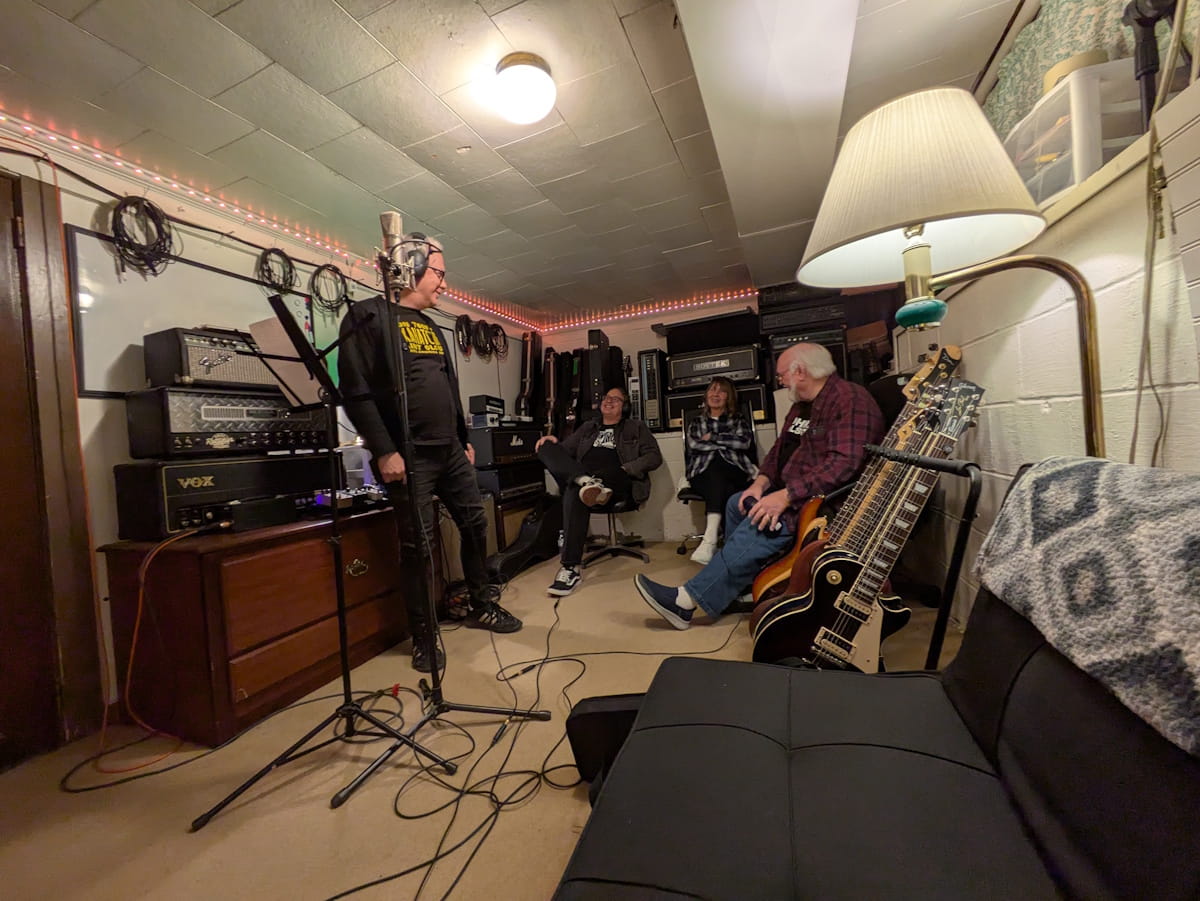
Willard ends up on the track himself, playing acoustic guitar and adding harmonies. When LaFemina played him the demo at Christmas, it landed hard. “That Vietnam-era Navy vet cried a bit,” he says.
Not everything comes together that cleanly. “Frequent Flyer” sat unfinished for a year and a half, stuck as a title in a notebook until another riff forced the issue.
The band argued through it, chasing a shared idea of how it should sound before landing somewhere between Neil Young’s louder records and a pile of feedback they decided not to trim. No chorus, just a hook buried in the bridge. The ending collapses naturally because they didn’t bother to stop it.
“Insomniac” follows that thread into something more direct. Josh was barely sleeping at the time, showing up to rehearsals already drained. The song runs on that, with a fuzzed-out riff and a chorus built around the word itself landing on the beat. Mercedes’ organ parts push it further into garage territory, nodding back to Nuggets comps without making a big deal of it.
Then “No More Nights” strips things down to a breakup story that doesn’t try to get clever. A guy can’t watch TV, can’t go out, can’t do much of anything without thinking about someone who isn’t there anymore.
There’s a shift after that, into songs that step outside first-person. One centers on a bar worker—a composite drawn from years of watching women run rooms full of drunk regulars and deal with whatever comes with that.
LaFemina had been listening to the Replacements, thinking about songs that sketch out other people’s lives without dressing them up.
Another track builds itself out of scraps: a comment about how pop-punk bands lean on big “oooh” choruses, a twelve-bar blues Willard played the morning after a show, and a throwaway line from a van ride—“back to the wind.” It turns into a puzzle he wanted to solve more than a story he needed to tell.
“(Right Turn) Wrong Way Again” comes together faster than most. The chorus lands first, the riff follows, and the idea sticks: trying to do the right thing and still ending up off course. There are nods scattered through it—The Beatles, Hank Williams, David Lynch—but they sit in the background.
The sessions stretch over more than a year, but they don’t feel overworked. Part of that comes down to familiarity. The Downstrokes have been recording with Matt Wojcik long enough that the process doesn’t need explaining anymore. After a draining experience making 2023’s “This Close to Vertigo” at a studio that no longer exists, going back to the Warren felt like resetting things to something closer to how the band actually works.
Around it, there’s a loose network holding everything together. Mercedes’ parts run through the whole record. Ava Breightner, Robin’s future daughter-in-law, painted the cover. Jared Scheerer handled the layout again, continuing a run that now spans multiple releases. Rotten Princess Records—run by one of LaFemina’s former students—puts it out.
“The Furious Hours” lands April 1st through Rotten Princess Records, with the band heading into their first UK and Ireland tour around the release.
Wyświetl ten post na Instagramie
🔔 IDIOTEQ is ad-free, independent, and runs on one person’s time. If you want it to stay that way: DONATE via PayPal 𝗈𝗋 SUPPORT via Patreon.
Stay connected via Newsletter · Instagram · Facebook · X (Twitter) · Threads · Bluesky · Messenger · WhatsApp.