

Oh, Italy. Italy again. I am finishing a special archive-exploration tool for IDIOTEQ, where readers will be able to move across a map and see where the independent artists we have covered over the years have come from. Italy is already heavily marked. And just when that corner of the map feels like it should take a breath, Atomik Clocks arrive from Florence with the kind of project that makes sense if post-rock has gone stale for you, experimental rock has started to feel too polite, or jazz has become a museum room you keep walking through without touching anything.
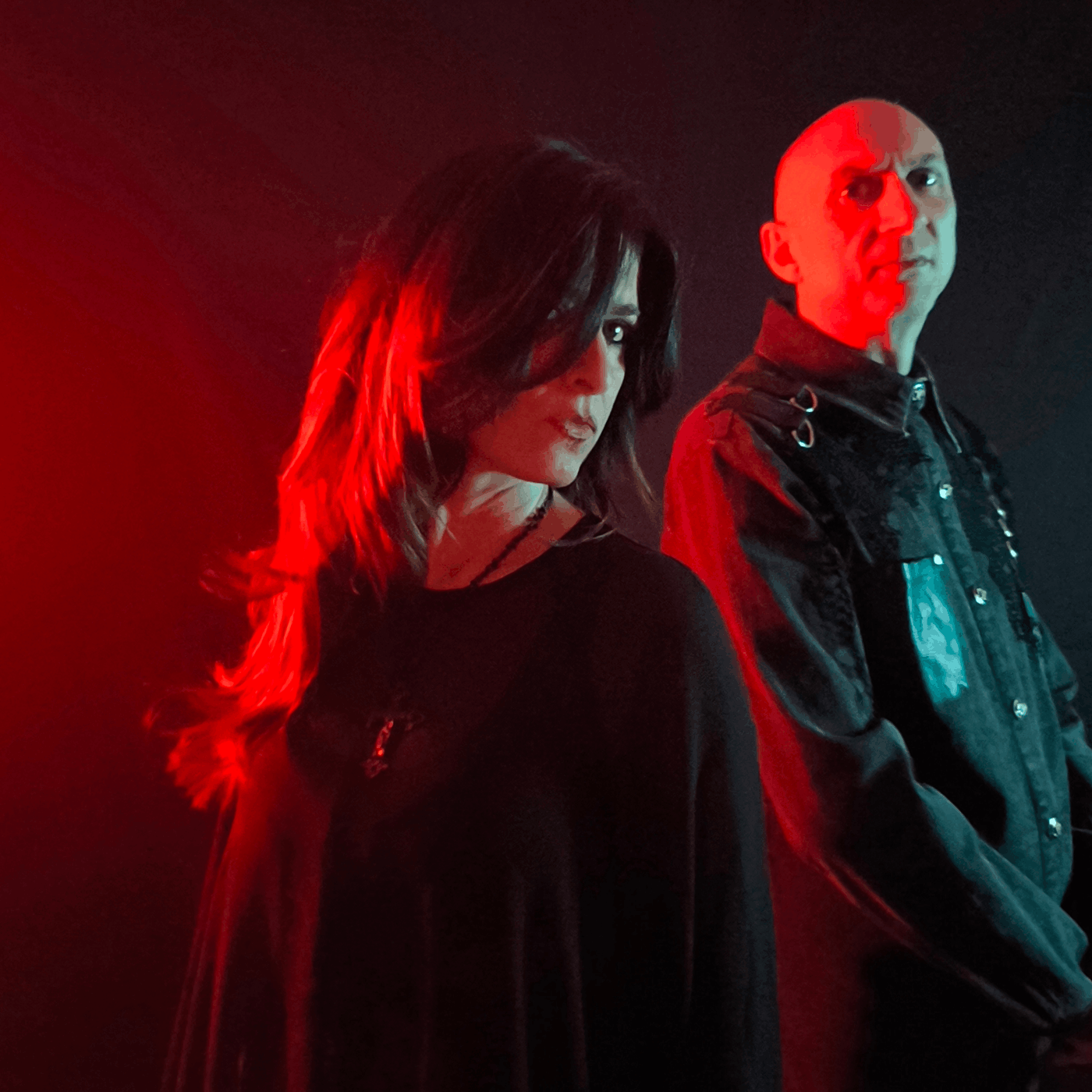
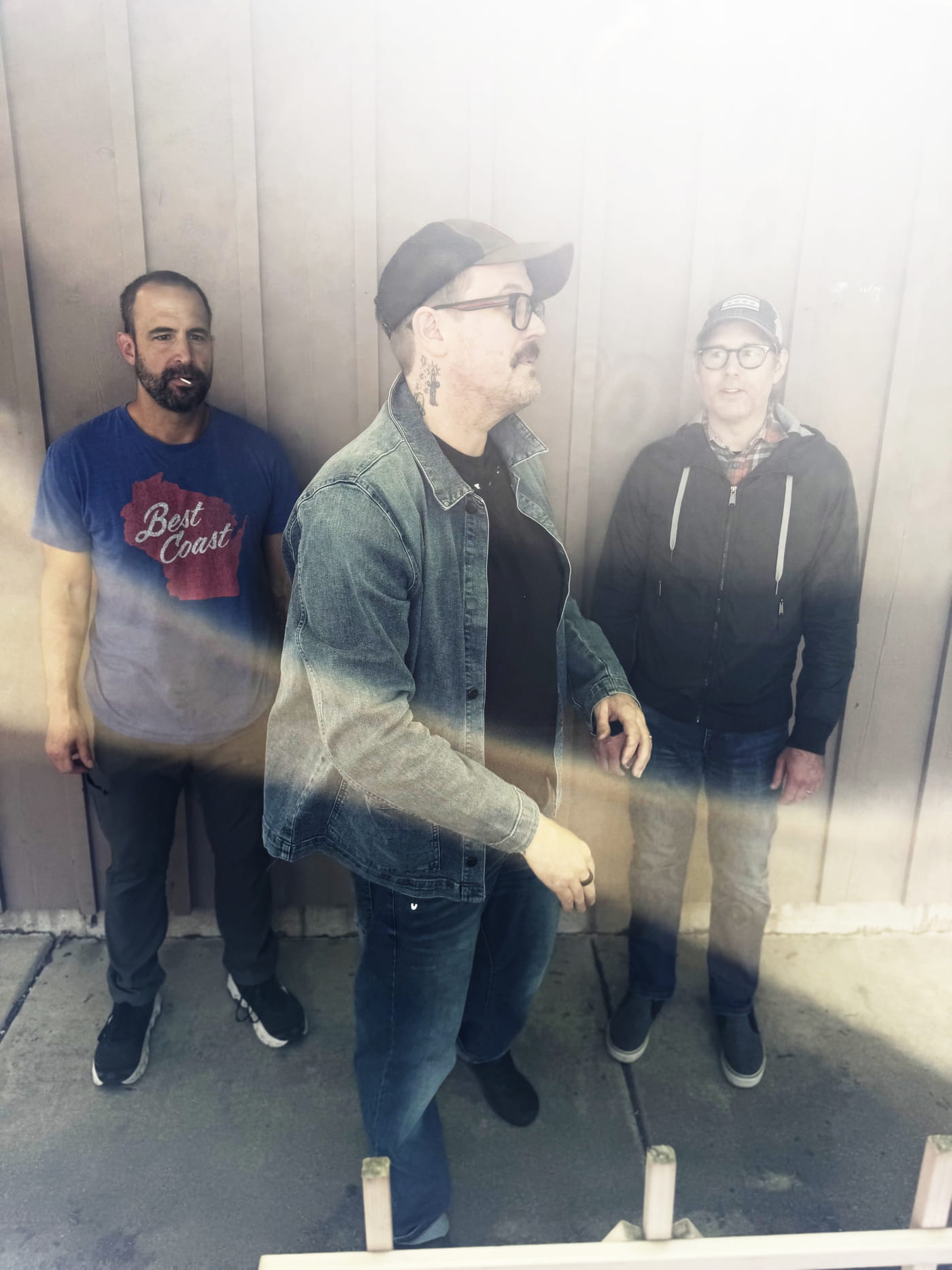
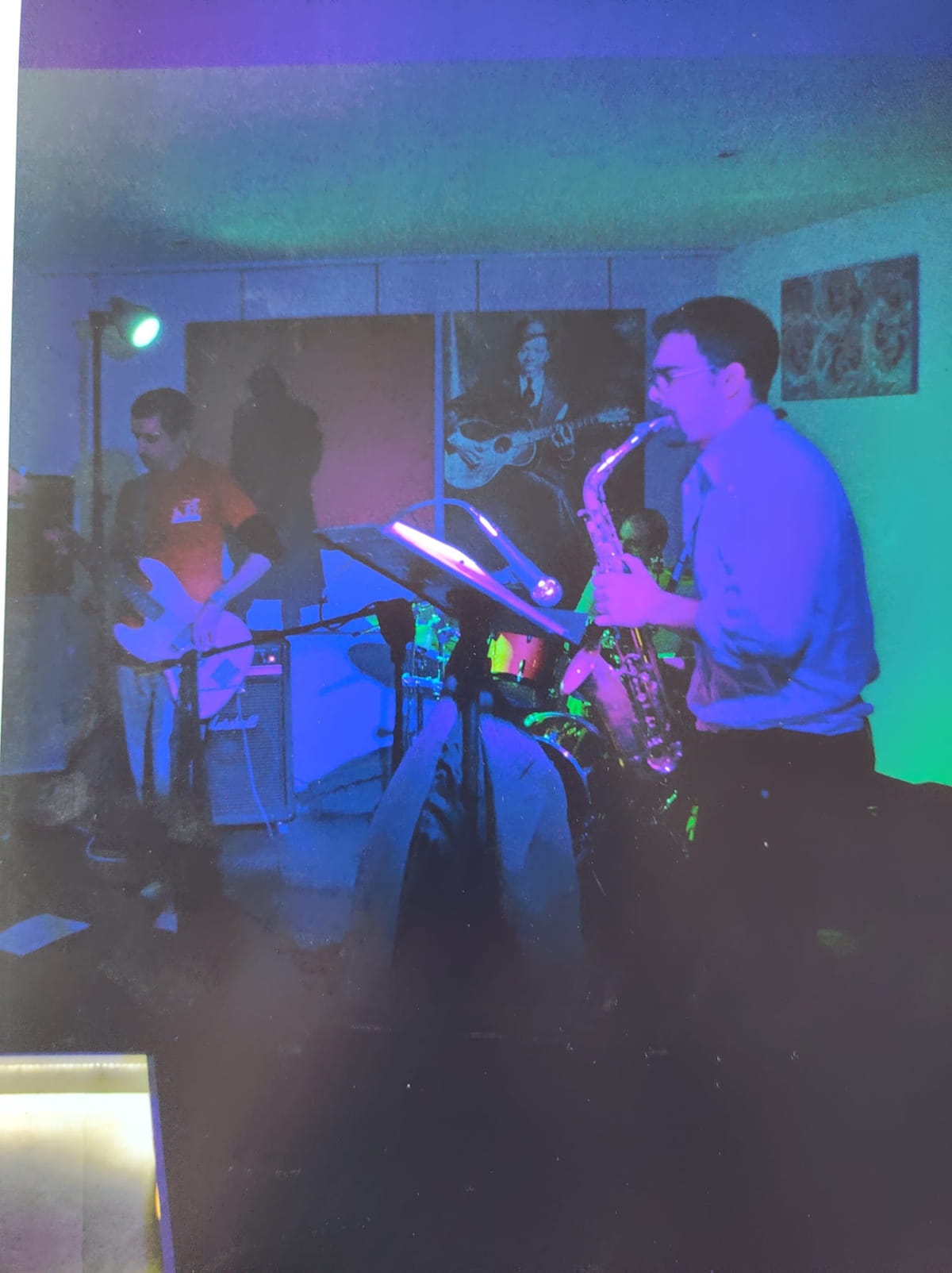
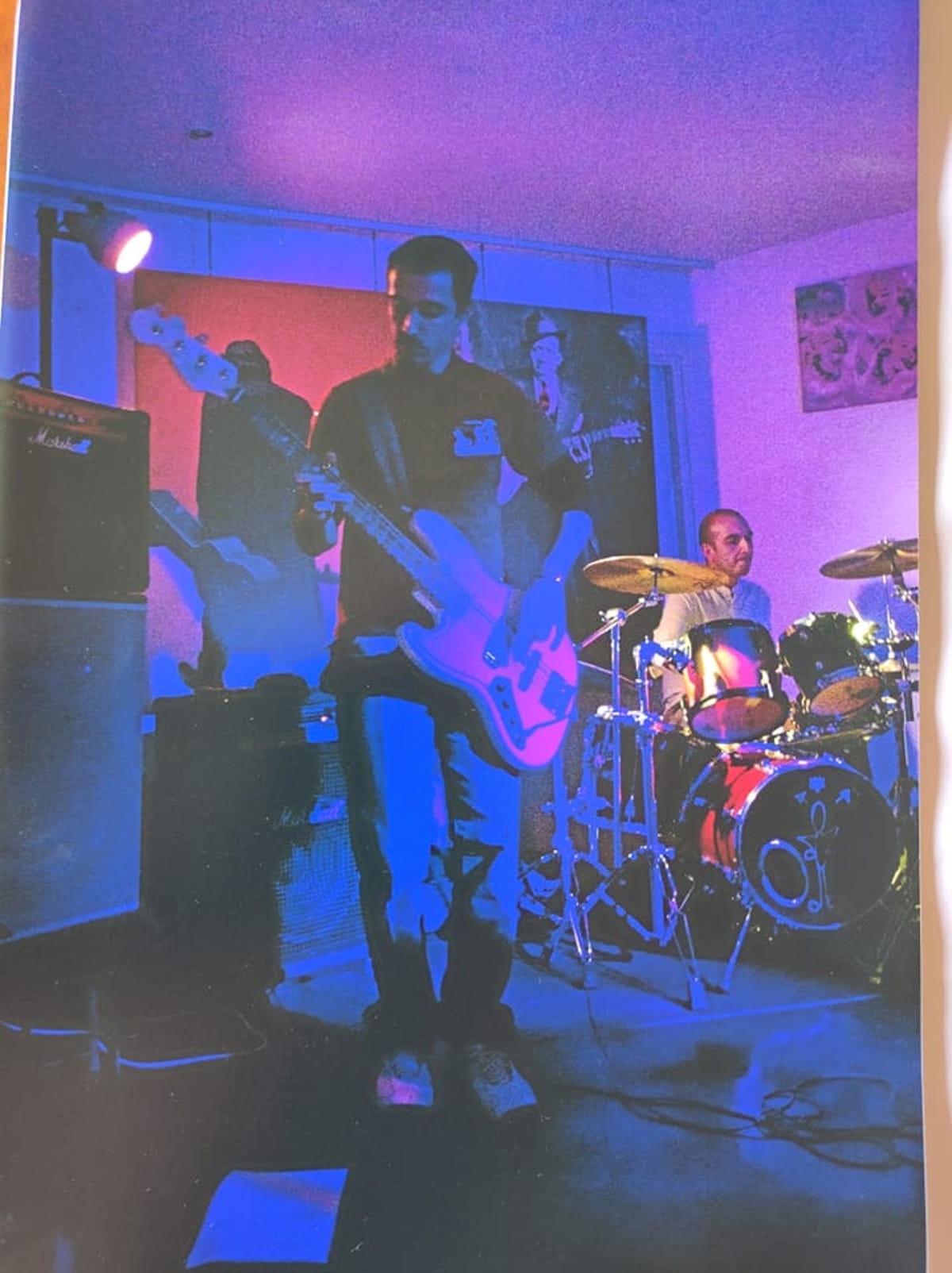
Atomik Clocks are currently Francesco Li Puma, also known as pumatheman, and Marco Ruggiero. At this point, the band works through two parallel setups: fretless bass / drums, and sax / synth / drums. On June 30, 2025, they released two EPs built around those different configurations: “Magma Solferino” and “Attrattore Strano.”
“Magma Solferino” carries the subtitle “Musica da Camera Magmatica” and holds three pieces: “Andamento Esponenziale Negativo,” “Fluorescenza,” and “Decadimento Radioattivo Beta.”
Li Puma plays fretless bass, Ruggiero plays drums, and the music was written by both of them. The EP was recorded in spring 2024 at Maremma Impestata Ladra Studios in Magione, Compiobbi, near Florence, mixed and mastered by Simone Zuin, with artwork by gilbertone.com.
“Those are our two mental schemes for approaching music composition,” Francesco and Marco say of the two new EPs. “With the bass/drums set up we try and achieve an architecture that could be interesting and entertaining for us to shape, hoping it will also be interesting for others. Challenging ourselves and exploring new ground have been always our goals in every lineup we have thrown together.”
In that bass-and-drums setup, Atomik Clocks sound like a band that removed several tools on purpose just to see how much pressure could still be created through motion, weight, and rhythmic nerve. The fretless bass is not a soft support. It leads, argues, bends, and sometimes almost behaves like a voice. The drums do not simply hold the ground; they push the whole thing toward progressive funk, jazzcore, and crooked instrumental rock that does not need vocals to say plenty.
“Attrattore Strano” works differently. The sax / synth / drums setup is not a live variant or side experiment. It is another organism.
“With sax/synth/drums we try to develop something in a jamesque flux of interaction, more like a kind of a ritual with raw instincts and consciousnesses,” they explain. “It’s our spiritual drug, bringing us to places we have never considered before. We have split them because for us they are so different in what we try to achieve: with the first we harness our creativity and direct it in specific ways while with the second we just ride the wave, wherever that might lead and without shame.”
For “Magma Solferino,” the band wanted focus. Francesco says the EP has a coherent but different language, one that had been coming for a long time: looking for kindred souls, getting through the pandemic years, and reaching the point where they could tell whether the aim was still possible.
“For us, getting as close as possible to the goal we set on our new records is important,” he says. “We paint ourself a picture of how we’d want the songs to feel like and that becomes the purpose.”
“Attrattore Strano” had less planning behind it. More curiosity than blueprint. Both pieces are first takes, recorded without an agreed route.
“It just happened,” Francesco says. “Both pieces are first takes. We wanted the more instinctive dynamics possible without having agreed anything. Pure freedom but trying to get somewhere together and looking out for each other. We just pressed the rec button and started the dance!”
The titles on “Magma Solferino” sound like physics terms pulled from a schoolbook, but the band treats them as carriers of double meaning. “Andamento Esponenziale Negativo” can describe, in their words, “the actual world/humanity ill-omend trend and downhill slide.” “Decadimento Radioattivo Beta” is about becoming older and breaking down, but also becoming something new. “Fluorescenza” brings to mind a doomed post-fallout future, pushed closer by domination, populist forces, and tension between countries.
There is also Dmitry Glukhovsky’s “Metro” trilogy behind it: tunnels, radiation, collapsed systems, and people stuck between fear and stubbornness.
The influence field for “Magma Solferino” is wide, but not random : King Crimson, Melvins, Shellac, Omar Rodriguez-Lopez Group, The Mars Volta, Miles Davis’ electric period, Faith No More, Glukhovsky’s “Metro” books, and the game “Halo.” “Attrattore Strano” bends another way: John Coltrane, Albert Ayler, OM, the drone synth scene, old Z-grade sci-fi films, Isaac Asimov’s “Foundation” books, and an electronics engineer friend trying and failing to explain the mathematical construct of the strange attractor.
That failed explanation fits the EP almost too well. “Attrattore Strano” lives where the explanation loses to the movement.
Atomik Clocks did not begin as a duo. In 2016, they released “Death Funk EP” as a five-piece. Back then, they were trying to build a progressive, organic, multi-layered music language, with layers moving from chaotic and complex to organized and simple. They even called the simplest drum line “agricultural,” because it reminded them of simple life in the fields.
“Life and Covid happened, but our passion for music didn’t dim a bit,” they say. “We decided to take on it head first and today we are a duo, even if we haven’t yet stopped looking for kindred souls. We lost the depth and the colors of the 5-piece band, but we think we gained in closeness and essentiality, in authenticity being it really ourselves at the core, no frills added.”
The new stuff does not feel like a smaller version of the old band. The reduced lineup is not a compromise. It is a stripping down. Atomik Clocks lost the palette of a five-piece, but gained something more direct: two musicians who cannot hide behind arrangement.
Florence itself has not been a particularly inspiring or stimulating arena for them. They felt closer to Prato, the nearby industrial metropolitan area. In the mid-2000s, they were in touch with the Italian underground clustered around jazzcore, and they name Tom Moto from Pisa, Squartet, Zu, Nohaybanda, Dispo from Rome, Splatterpink, and Testadeporcu from Bologna as weird, strong, inspiring bands. Some of them are still active.
Their view of the current scene is colder. They see music moving back toward canonical genres: straight metal, punk, rock, and rap, often with sounds that feel more like resurrecting or mimicking the past than trying to make something of their own. They point to a focus on “sellable” stuff, and the punctuation around that word in their answer — “!!??” — does half the work.
They are not sealed off from current listening, though. Francesco has been playing a lot of Omar Rodriguez-Lopez Group, Knalpot, Jean Louis, OM, Sleep, Dust Fingers backbeat compilations, Dead Rider, and Miles Davis’ complete “On the Corner” sessions. Marco says he is “a little off from the current scene” and adds, “Spotify says I am 70 years old!” Things he still connects with that might count as more contemporary include Zu, Tortoise, and Critters Buggin. He also mentions Roforofo Jazz, whom they heard in Florence last year.
The recording location deserves its own ugly-beautiful corner of the story. Maremma Impestata Ladra Studios is not really a recording studio. It is where a close friend and drum mentor lives, up in the hills over Florence, in a dilapidated old farmhouse from the 1400s.
“The location is fantastic, away from everything and everyone; the perfect place to disconnect and think only about music,” they say.
“Maremma Impestata Ladra” is a typical Tuscan curse. Maremma, the beautiful southwest part of Tuscany, works as an implied profanity because of its closeness to Madonna. Impestata literally means plagued, though it can also suggest dirty or smelly. Ladra means thief or thieving. Tuscan people, as Atomik Clocks put it, like to chain words in an imprecation. It gives satisfaction. They are creative that way.
They met Simone Zuin through social media. He was looking for a project where he could apply his sound engineering studies; they were looking for someone curious enough to handle and shape their sound. They connected quickly through shared influences. Simone, they say, is instinctive, and in their recordings he immediately caught one of their reference points: Omar Rodriguez-Lopez Group.
“We are very happy with his work and we will surely produce our next project with him,” Francesco and Marco say.
Atomik Clocks call themselves a duo now, but they have not stopped looking for kindred souls. For the moment, the tension sits between two methods: one builds the room, the other opens the door and follows whatever comes in.
🔔 IDIOTEQ is ad-free, independent, and runs on one person’s time. If you want it to stay that way: DONATE via PayPal 𝗈𝗋 SUPPORT via Patreon.
Stay connected via Newsletter · Instagram · Facebook · X (Twitter) · Threads · Bluesky · Messenger · WhatsApp.