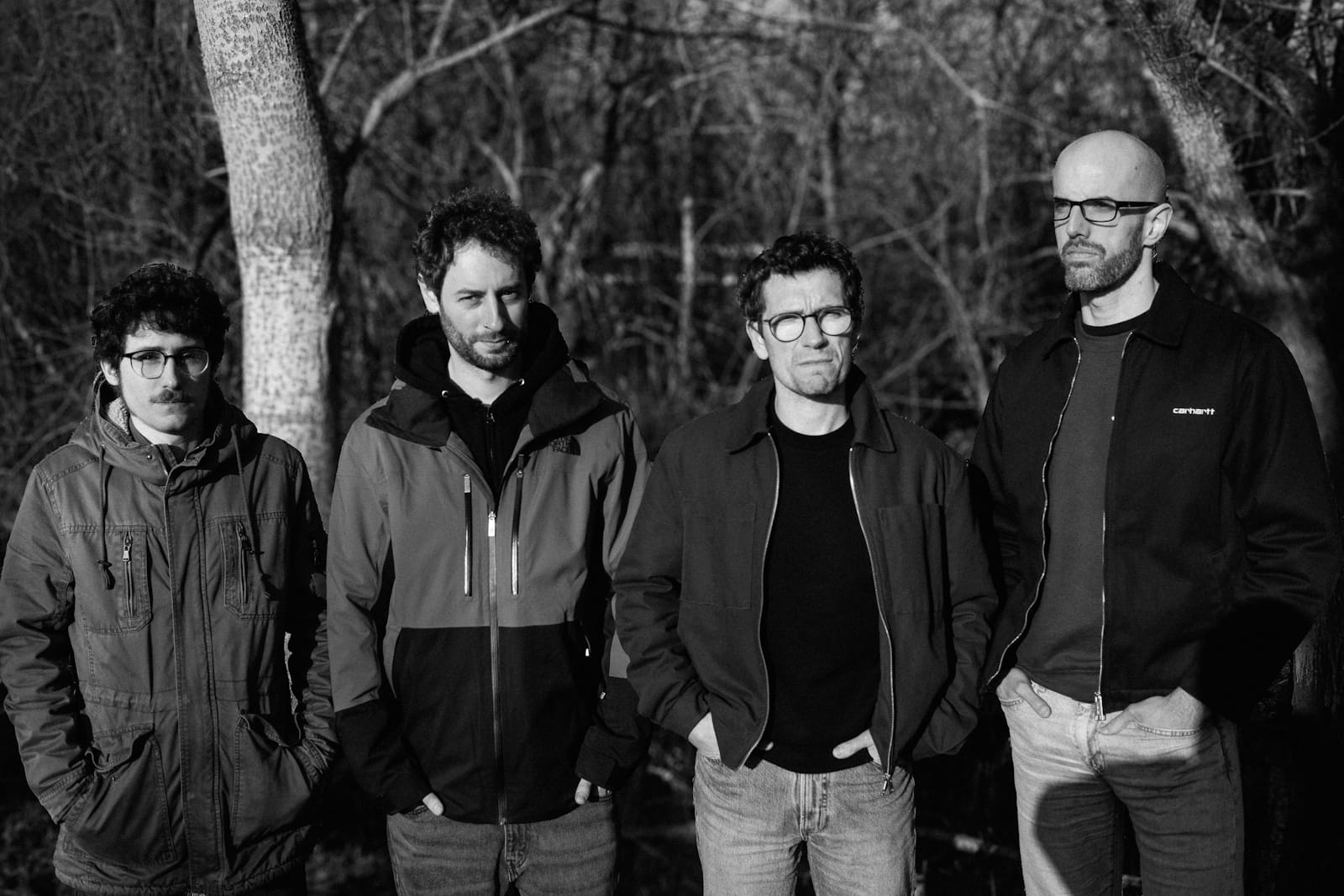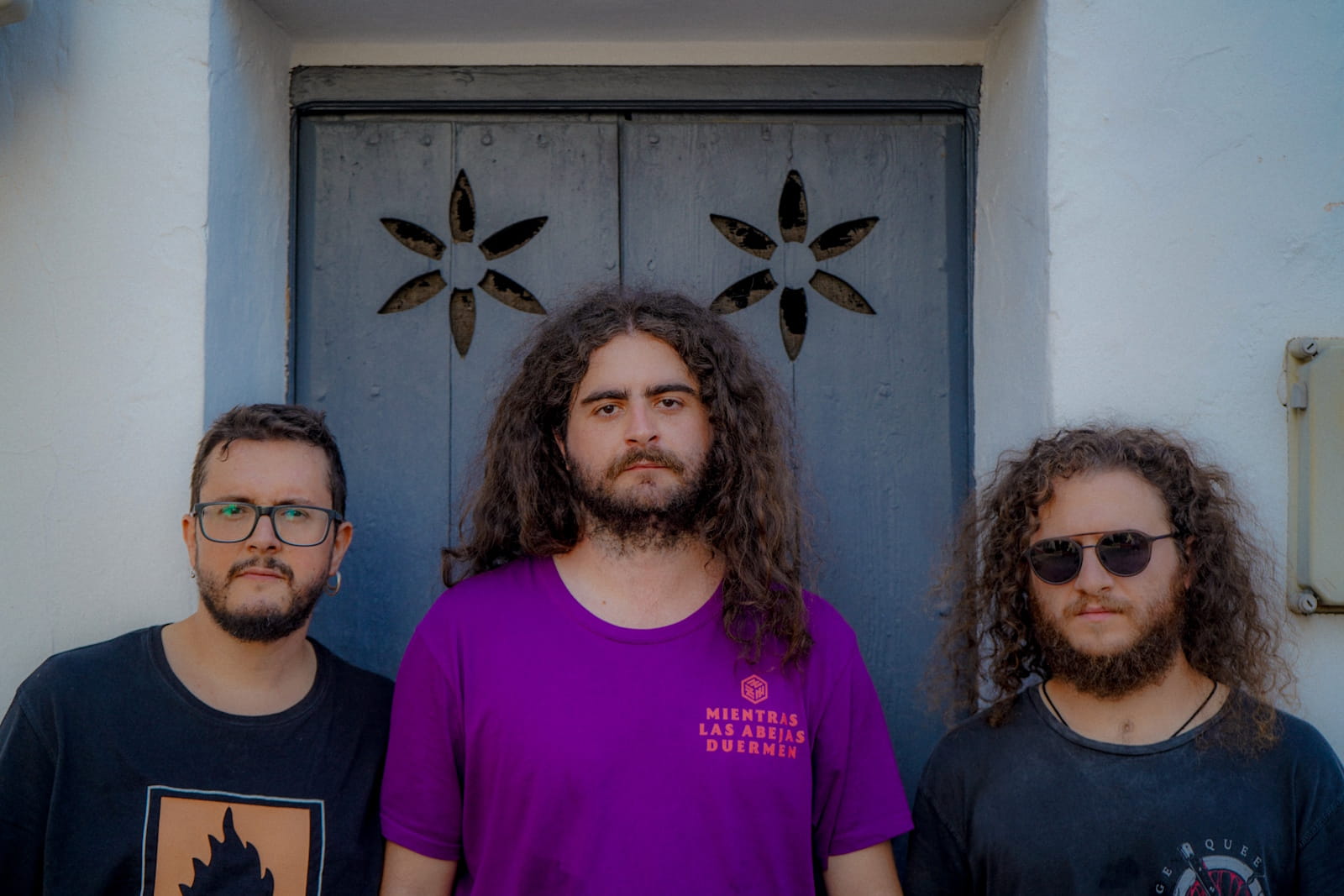

Somewhere in the dense bush behind a house in Karori, Wellington, two people wandered into the dark with a camera and an LED light and no real plan. That was months before the song existed. The footage sat on an external hard drive, filed mentally under “failed experiment.”
Ian Moir, one half of Dreamweb, had tried matching it to other music they were working on at the time and felt nothing. He’d even started feeling awkward about having dragged his partner Tyley Burkin out into the bush for no good reason. “You can tell from the raw footage that she’s not enjoying it,” he says.
Then “Call Of The Void” happened, and everything that looked like a dead end suddenly made sense.
Dreamweb is a two-piece from Wellington — Moir on bass, drums, and production, Burkin on vocals and guitar. The project started as an experimental noise/drone thing last year and has since shifted toward something closer to atmospheric doom and black metal, though pinning it to a single tag doesn’t quite work. Moir comes from years of playing in black metal, death metal, and grindcore bands. Burkin’s background is post-punk and shoegaze. They met at Outland Sessions, a group collaboration event, almost exactly a year ago.
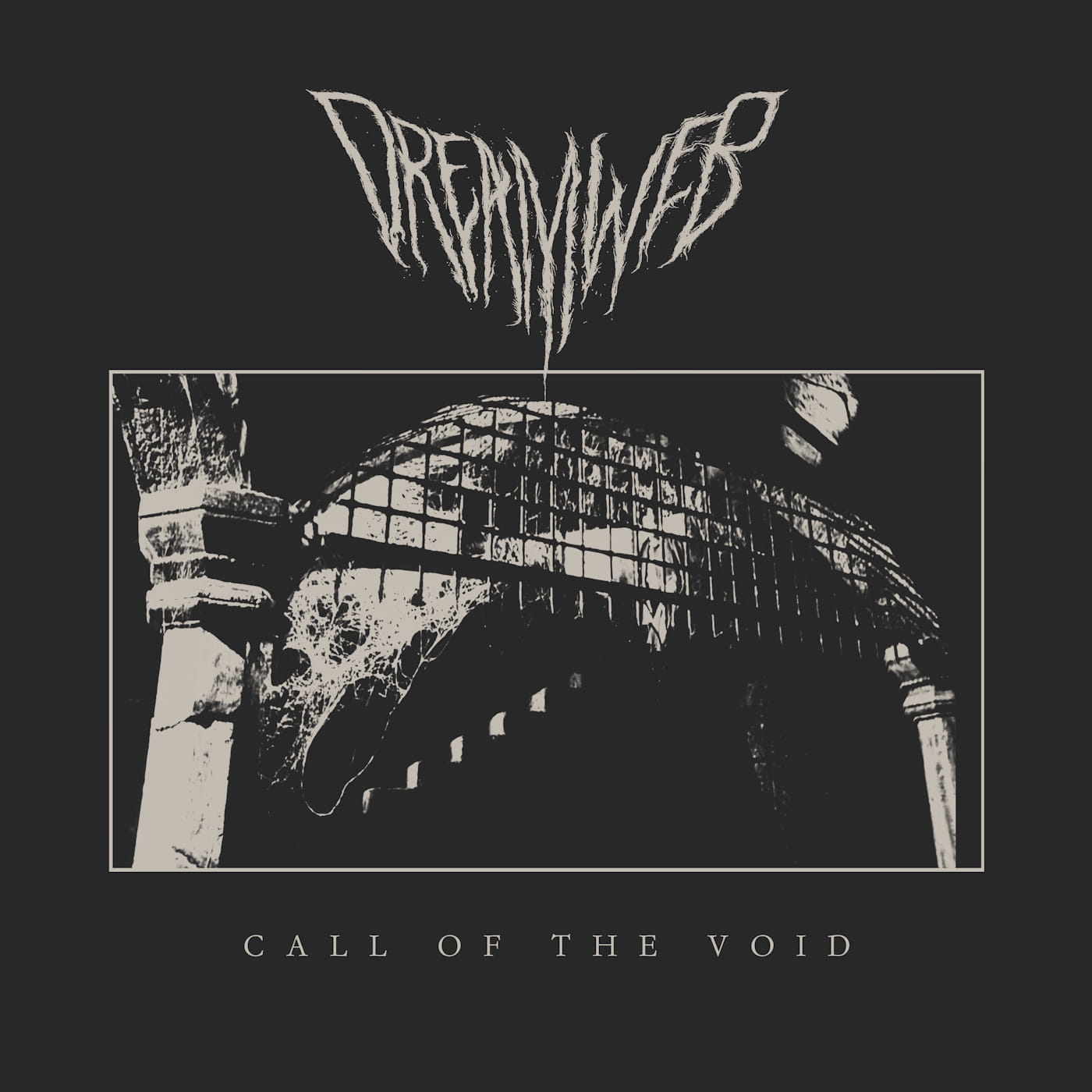
“Call Of The Void” came together in a single late-night session about six weeks before its March 13 release. Moir programmed a sparse electronic kick and snare with a distorted synth line as a starting point. Burkin picked up the guitar, laid down a basic two-chord riff with some eerie soundscape layers on top, then shouted lyrics she’d quickly written while Moir was building the backing track — the whole thing blasting full volume over the speakers in their lounge. Her parts were only meant as scratch tracks, rough ideas to sketch out direction. They ended up being the final recording. What you hear on the release is those initial takes, untouched.
Moir’s process was the opposite. The next day, he opened the project file, listened back, and his first impression was that it wasn’t good. Probably not worth pursuing. He was about to close the file and dump it onto the external hard drive with the rest of his abandoned ideas — a graveyard of 80-plus unfinished projects accumulated over the years. “I was just about to close the file, move it to my external hard drive and forget about it when I thought ‘I wonder what this would sound like if I actually played drums on it.'”
He went into the drum room for about twenty minutes. “By the time I came out, my perception of the song had gone from being a dud, to being one of most important pieces of music I’d ever been part of.” He scrapped everything he’d programmed the night before, spent the next few days re-arranging layers, recording multiple drum takes — first on his e-kit, then acoustic — and added a droning rhythmic bass line to lock it all together.
Burkin didn’t know he’d almost binned the whole thing. Moir deliberately kept that to himself. “I don’t like to add negative opinions that early on in the creative process, because I think so much of it is stumbling into happy accidents, and you can only really do that if everyone feels free to experiment without feelings of self-consciousness.” He describes his creative philosophy through the adage “write sober, edit drunk” — fill up the page without critique first, then come back later with distance to find the gold buried in the noise. “So much of creativity is about just filling up a page with 95% noise so you can get to that 5% gold.”
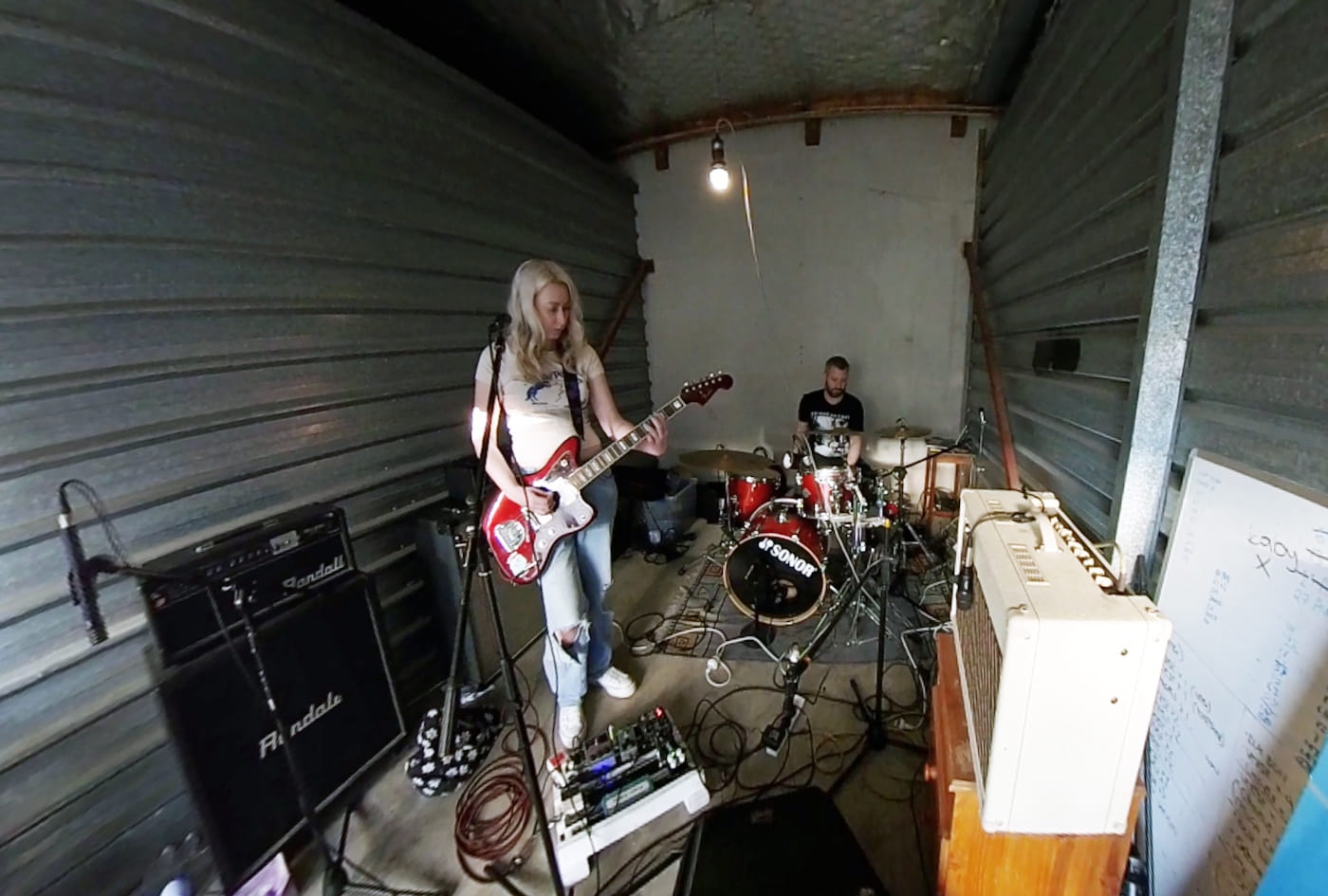
Burkin sees it from her own angle. She’d gone into that session intending to make something for the Dreamweb project, which at that point still leaned more electronic. She’d been listening to Mandy, Indiana and Austerity Project that day and had some vague idea of landing somewhere between the two. “My technical ability on the guitar really limits how well I can intentionally emulate something though, so what ended up coming out wasn’t really like what I had been aiming for at all.”
She prefers capturing things within the first few takes. “After that I feel like I get into my own head too much and start to mess things up, more than improve.” Part of her considered going back to re-record vocals that better matched the heavier direction the track took, but ultimately decided against it. “Then it could end up playing into genre tropes, and not be as honest.”
Wyświetl ten post na Instagramie
The video followed a similarly accidental path. That initial forest footage — shot on a whim, no song attached — suddenly locked into place once “Call Of The Void” existed. Moir and Burkin went back into the bush a few nights later to film additional “crime scene” footage for the track’s climax. The result is genuinely uncomfortable to watch — the same foreboding weight as the song itself. Islander from No Clean Singing, one of the few people who heard it early, described it as “nightmarish” and “especially unnerving.”
Burkin admits the nighttime bush shoots were unsettling regardless of the creative intent. “I had some moments of genuine panic when we momentarily lost our path back out, because I have a bit of a wild imagination and the setting was playing into that. I’m also not really the outdoors type, so I was a little grumpy.”
Their home in Karori sits surrounded by dense bush but is only a fifteen-minute drive from central Wellington. Moir describes it as a sanctuary they can step out of whenever they want. “We have a very rich social life and go to at least a couple of gigs a month. We are definitely spoilt with our beautiful surroundings and distance from neighbours, but I think we’d be doing exactly the same thing no matter where we were living, as long as it’s somewhere we could make noise.”
For Burkin, Dreamweb is a space for free experimentation without genre constraints or self-seriousness. “It’s not something that I want to get bogged down in taking itself too seriously, or needing to be too defined. Hopefully, it can be an ever evolving thing in terms of output, and a way for us to enjoy the process together.” Asked whether the project feels more like Moir’s world that she’s stepped into, she pushes back: “It feels like a truly collaborative expression of parts of both of us.”
The way their differences feed the music is what makes “Call Of The Void” work. Burkin’s raw, one-take vocal delivery sits against Moir’s obsessively layered production — post-punk instinct colliding with black metal discipline — and neither side smooths the other out. The tension between those two approaches is the song. It almost didn’t exist. Most of its components were, at one point or another, written off as failures. The forest footage was a failed experiment. The song was a dud heading for the hard drive graveyard. And then every piece found its context, and everything that seemed worthless suddenly carried weight.
“Call Of The Void” is out now. It’s Dreamweb’s first official release, and based on the way it came together, probably not the last accident worth paying attention to.