
“Always Looking Behind” arrives January 14, with a self-made video following on January 28. The song also opens the path toward SUNGAZE’s fourth full-length album, “I’m No Longer Afraid of Heights”, due May 22, 2026 via Candlepin Records and Softseed Music. The track sits late in the album’s creation, written after most of the record was already finished, and its placement there matters.
“This track is actually the last one we wrote for the album. It happened spontaneously,” Ivory Snow explains. After a rehearsal night emptied out, only Snow and Ian Hilvert stayed behind. “Right as the door shut behind the last member headed home, Ian busted out the chords that would become ‘Always Looking Behind’. It grabbed me immediately… and I started vocalizing along.” A rough iPhone recording followed, and the next day the lyrics fell into place, partly drawn from a songwriting exercise Snow had done only days earlier. “I was amazed at how seamlessly they fit into the theme I felt the song was embodying.”
That theme circles a very specific memory. “The track is mainly inspired by the final night I spent in my childhood home, the night my dad was moved to Hospice.” Snow was seventeen. Her father died a month later. The song doesn’t reconstruct that night in detail, but it carries its emotional afterimage: the feeling of standing between who you were and who you’re becoming, unsure which direction you’re actually moving in.
“There were a lot of things in my childhood that forced me to grow up a bit quicker than I wanted to,” Snow says. “I’ve always seen his death as the biggest catalyst. In a way, this project and this part of me would not exist without that experience and the chain reaction it set off. It’s what led me to meet Ian.” Nostalgia, for her, isn’t decorative. It’s intrusive. “I’ve always been a pretty nostalgic person and am well-acquainted with the feeling of missing something even before it’s gone—almost like a sort of preemptive or anticipatory grief.”
Over time, that habit hardened into something limiting. “I’ve found that this proclivity I have for losing myself to the past has prevented me from living fully in the present. I realized I didn’t want to someday reach the end of my life and look back only to see I missed everything because I was always looking behind.” The song is framed as an internal exchange rather than a confession. “I view this song as a conversation between my present day self and the 17 year old version of me who felt like her world was falling apart; like she was dying right alongside her favorite person.”
That dialogue becomes literal in the video. From the beginning, Snow knew she wanted the past to appear as a physical presence. “While working out the lyrics, I knew I wanted to somehow include my 17 year old self in the music video, and I landed on the concept of showing the past self as a memory and having the past and present physically meet.” The finished video stages those encounters without spectacle: a house emptied of furniture, quiet streets, streetlights, a bike ride, brief moments where versions of the same person cross paths and then separate.
The visual language came before the logistics. “When we went to record a couple days later, I kept getting visuals of our members performing solo in an empty house, but had no idea where I was going to find one to use.” A temporary solution appeared through friends in LEFT AT ORION, who had just bought a house and hadn’t moved in yet. The band learned the song fast—“about 24 hours”—and performed it at speed for the sake of the camera. With their usual videographer unavailable, the band bought a used Sony ZV-E10 and filmed everything themselves. “Usually we just film at 2x speed when doing slow-mo shots but the little Sony was a bit limited when it came to that. Everyone did great anyway.”
Later sessions moved outdoors. Snow’s present-day scenes were shot first, handheld and stripped back. “Charlie operated the camera and gimbal while Ian held the little ‘cinema light’ we also bought online.” During filming, unexpected lightning appeared in the distance. “I didn’t realize it until later when I was editing, but we actually ended up with one of those rare one-in-a-million shots that couldn’t have possibly been planned.”
Recreating her younger self required a different kind of preparation. The clothes were mostly thrifted: a THE BLACK DAHLIA MURDER shirt, black skinny jeans, a hoodie, neon jelly bracelets, a studded belt and cuff, a long black wig, shoes bought on the way to the shoot. “I didn’t expect dressing up as my younger self to be as strange and emotional as it was.” Old anxieties resurfaced. “When I was younger, I struggled a lot with body dysmorphia… putting on that old version of myself transported me right back. I remembered exactly how it felt to constantly feel like I wanted to crawl out of my skin.”
Even practical limitations fed into that disorientation. Snow didn’t wear glasses at seventeen and doesn’t wear contacts now. “I ended up semi-blindly operating the bike.” An ambitious tracking shot idea was abandoned, replaced by something more direct. “Ian and Charlie just ran backwards while I biked toward them.”
The moment where past and present meet was constructed in fragments. Snow filmed her turn at the start of the shoot, then bassist Angela Colvin stood in as the present-day version while Snow passed by on the bike. Street scenes followed, some of Snow’s favorites in the finished cut. “We were going for ‘guitar solo beneath a streetlight’ vibes.” The final scenes were filmed near a downtown Cincinnati overpass days later, with the sound of traffic bleeding into the process. “It was really loud, which I didn’t account for… I ended up turning my phone volume all the way up, and balancing my phone on my shoulder beneath my coat, close to my ear.”
Editing became its own reckoning. Snow handled the cut and color herself, aiming to echo the tones of the single artwork shot by Jonathan Deschaine. “It ended up not taking much tweaking to get there.” The emotional shift came more quietly. “Despite feeling wildly uncomfortable dressed as my younger self, through the editing process I feel like I’ve actually healed a small part of me. I don’t feel self-conscious or sad when I see her now… I feel a lot of compassion and admiration. She was just a kid and she did her best to get through the hardest thing she’d ever experienced.”
That perspective runs through “Always Looking Behind” without resolving it. The chorus repeats the condition rather than curing it. The video closes by moving forward, but not erasing what came before. It leaves the past intact, no longer in control, still present.
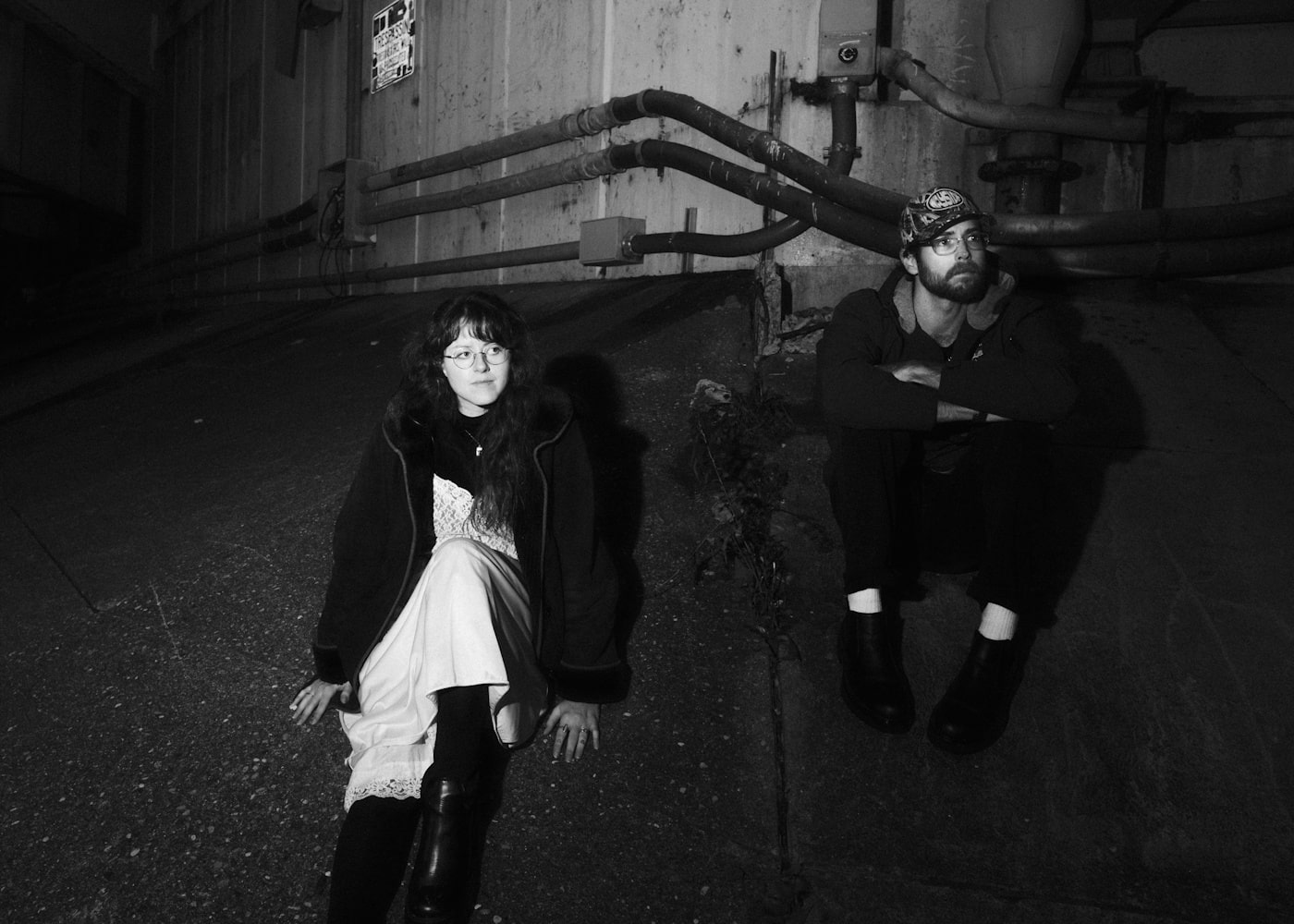
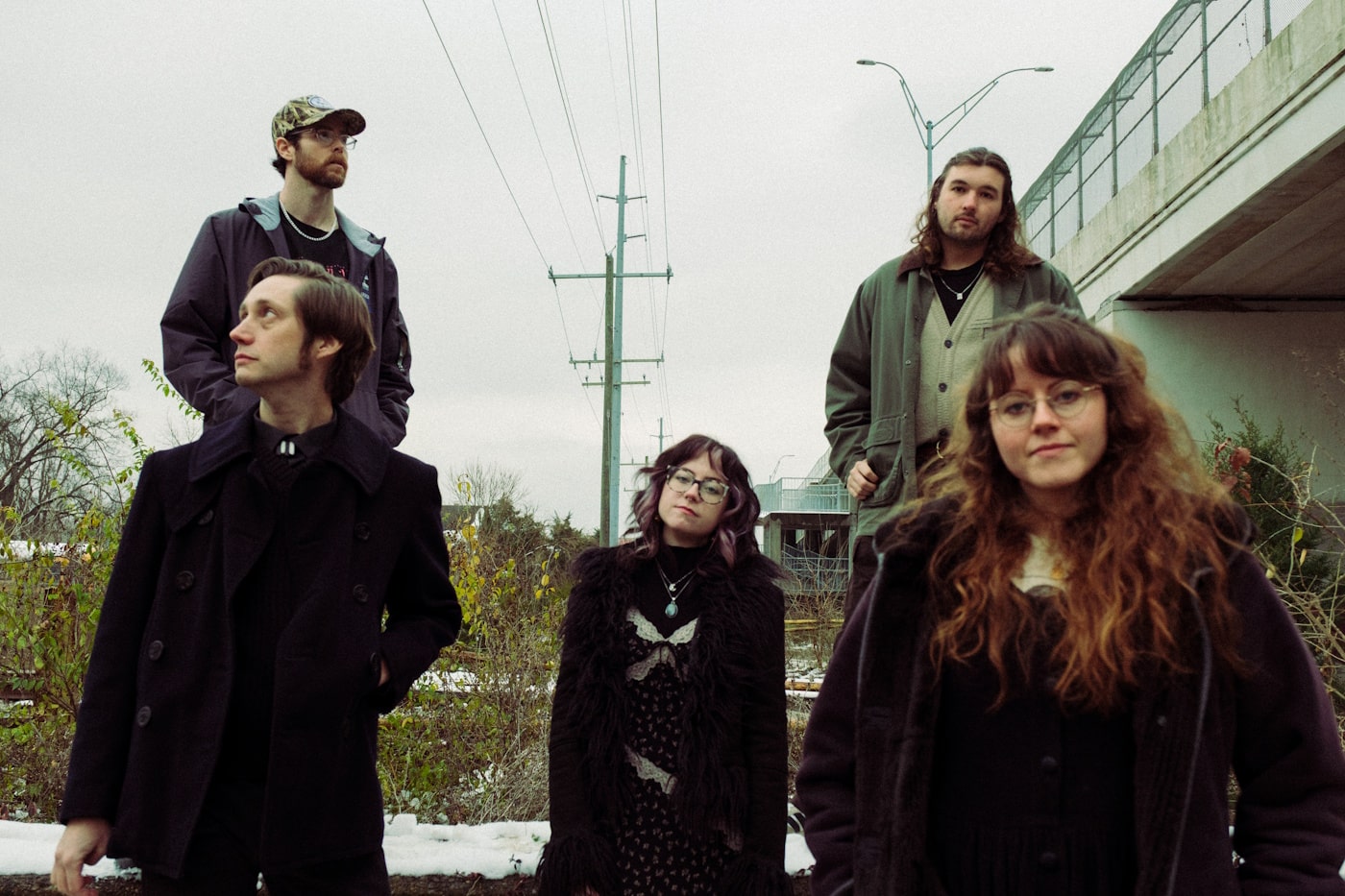
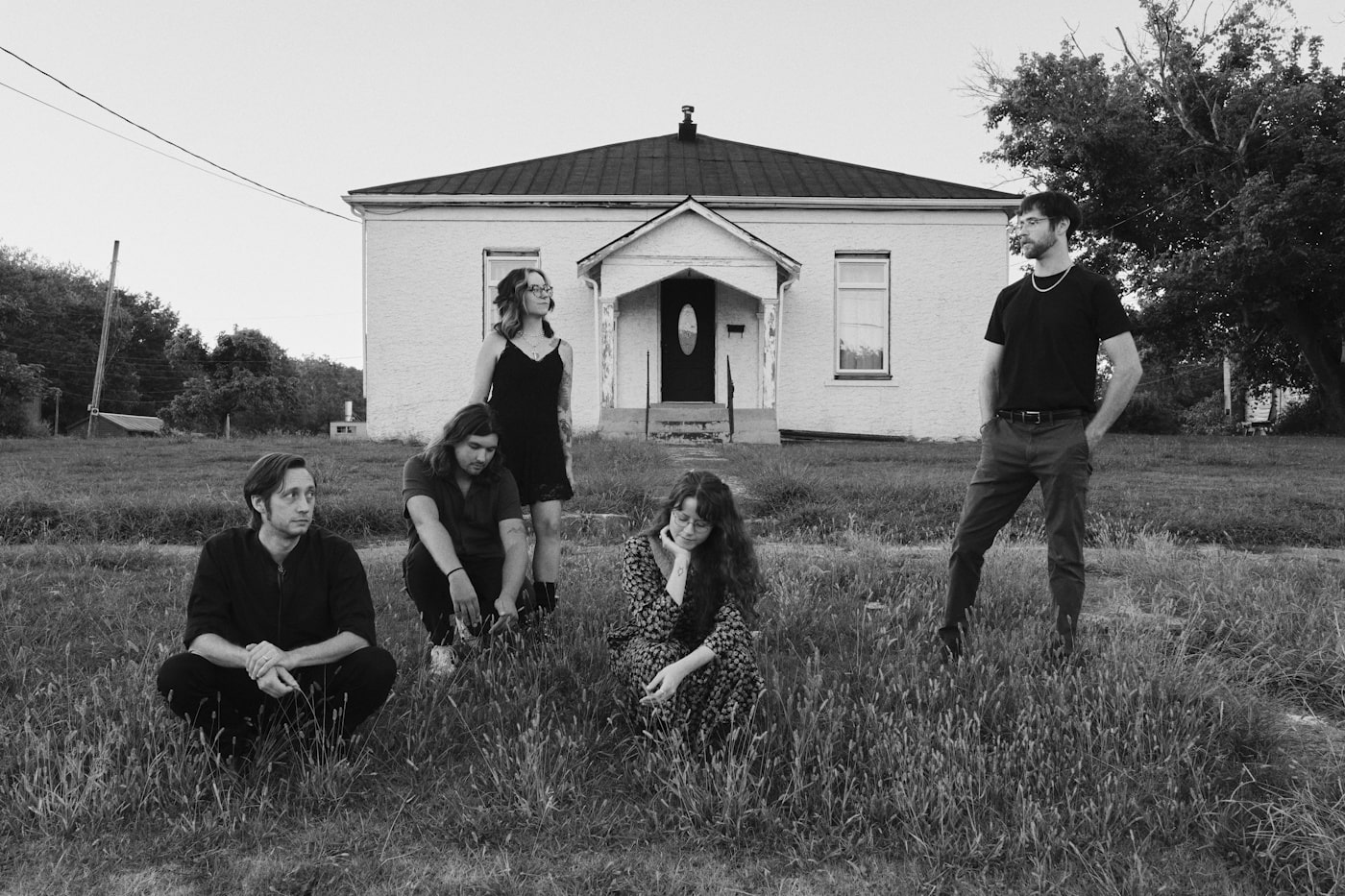
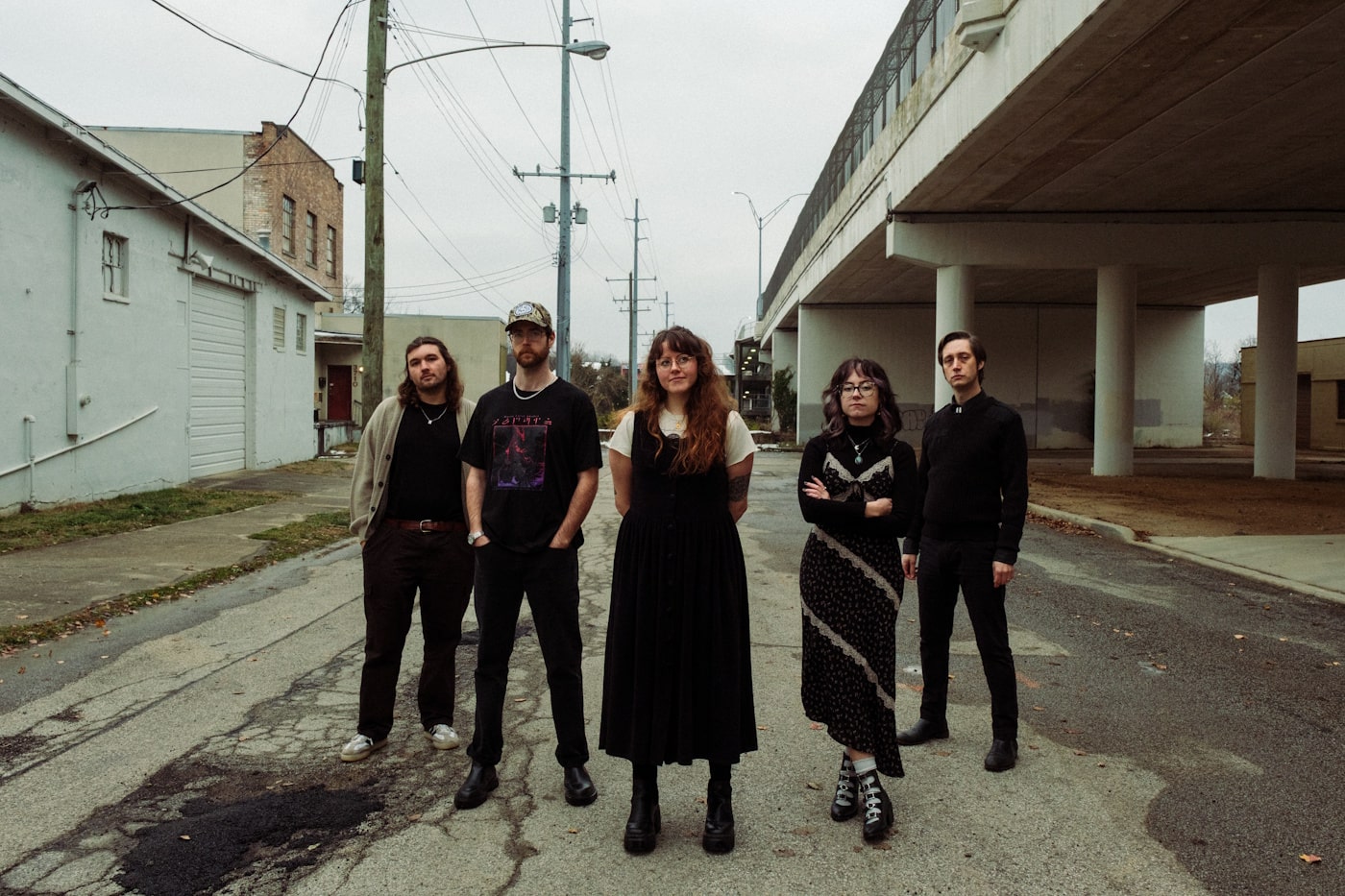
SUNGAZE formed in Cincinnati, Ohio, and now operate as a six-piece built around Snow and Hilvert, alongside Angela Colvin, Zach Starkie, Charlie Hausfeld, and Tyler Collier. After three independently released albums, “I’m No Longer Afraid of Heights” marks their first full-length release with Candlepin Records and Softseed Music. “Always Looking Behind” appears on the album as both a late addition and a thematic hinge: a song written after most of the record was finished, looking backward with precision, and choosing when to stop.