
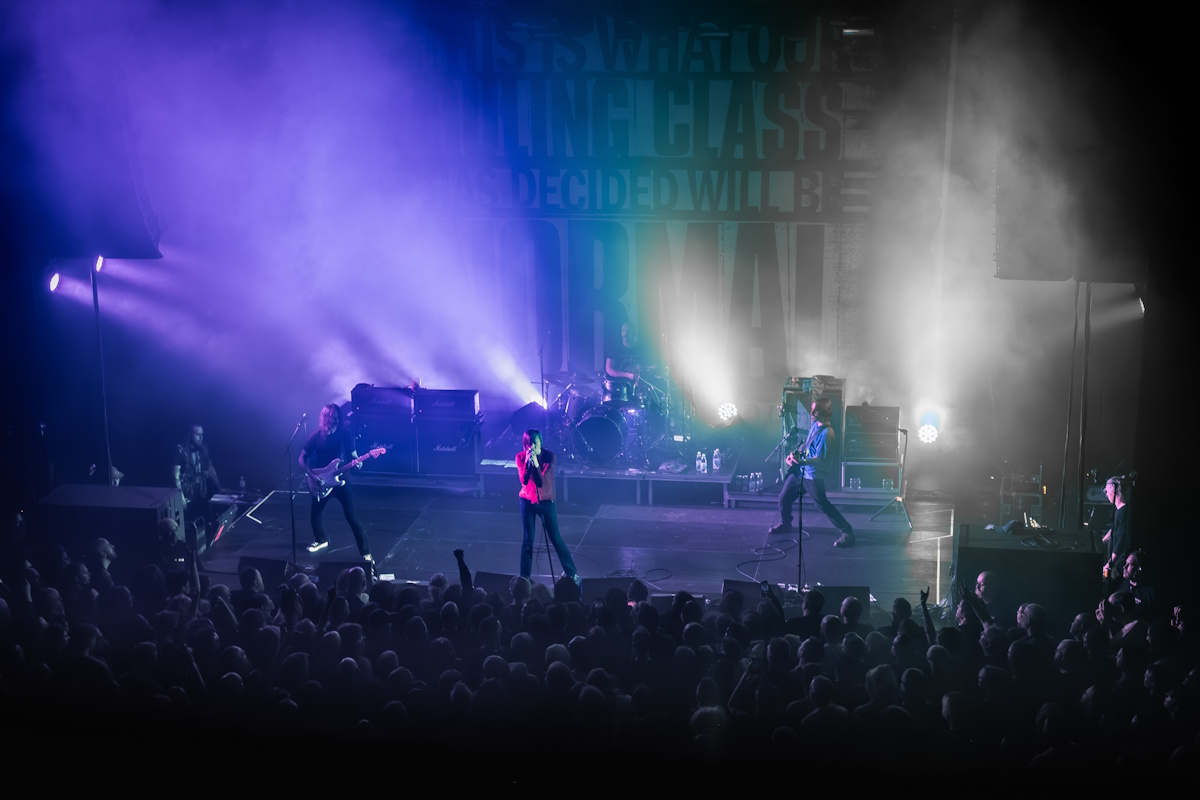
Rapha Vargas is a Brazilian photographer and audiovisual artist based in Umeå, Sweden, working with live music, subculture, and documentary-driven visual storytelling through photography and short-form video. He was there for all three of Refused’s final hometown shows, held on December 19, 20, and 21 in Umeå, documenting the nights through images, short video fragments, and detailed written observations. What comes out of that material isn’t a technical record of a farewell, but a personal, grounded account shaped by long-term proximity to the band’s world, the city, and the scene itself.
The story he tells feels like a loop closing after years left deliberately open. “It was around 2002 when I first heard the name Refused,” he writes—except it wasn’t even Refused at first. It was The (International) Noise Conspiracy, passed to him by a friend as “the new band from Refused’s singer.” That line was enough to push a Latin American punk-rock teenager into Umeå hardcore’s orbit: “That alone was enough to open an entirely new world for me.”
His story keeps moving forward in clean, almost accidental steps: a year living in Stockholm, falling for Sweden, then—nearly twenty years later—relocating to Umeå itself. About six months after settling in, he caught Vännäs Kasino’s first concert in the city and remembers feeling “almost euphoric,” finally seeing “Dennis Lyxzén’s and Sara Almgren’s new band live, in their hometown which I had just moved to.”
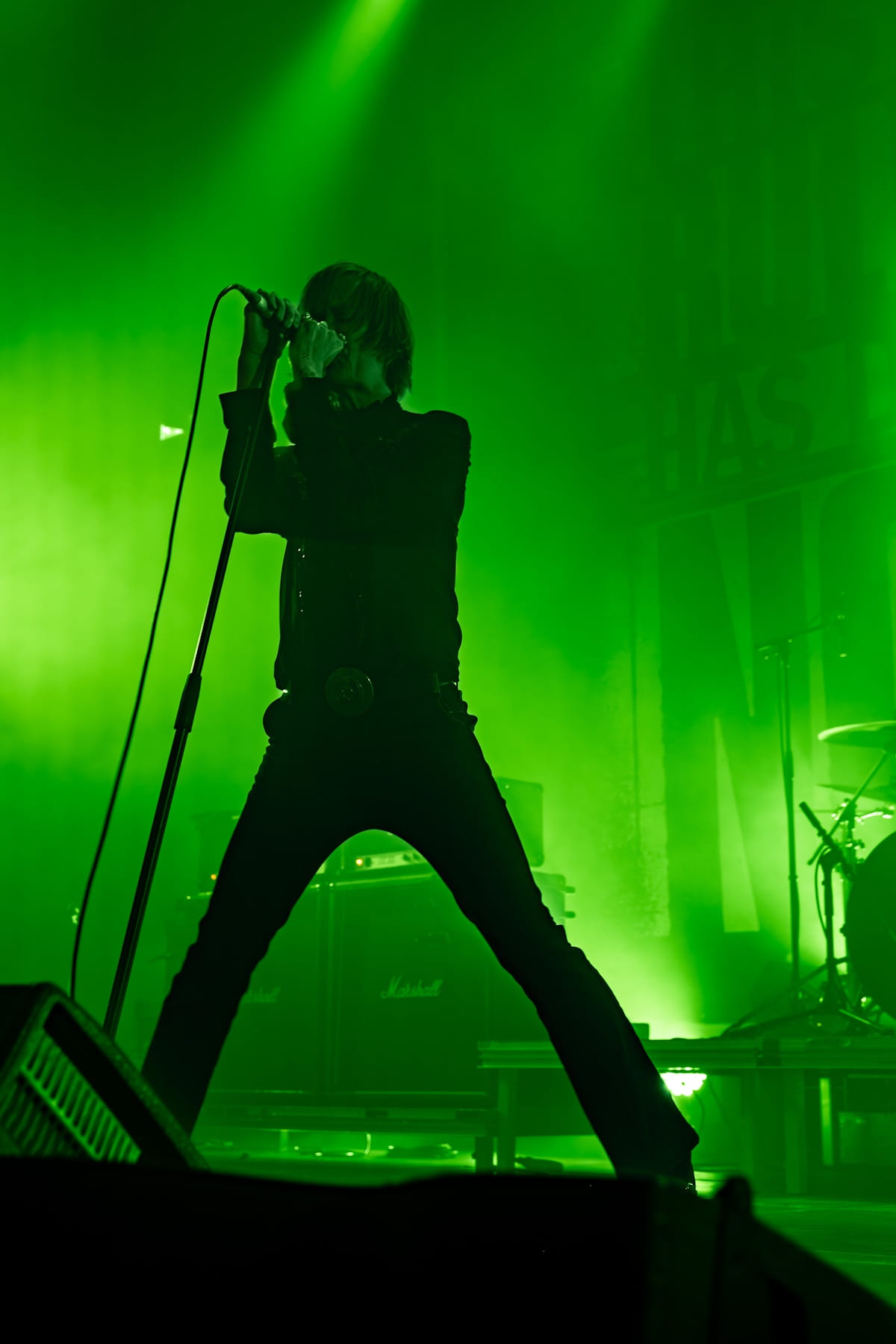
By 2024, Refused announced their final tour, and with it “their last-ever shows in Umeå,” framed as a three-night event that pulled in “old and new bands,” set up to celebrate the band’s history and the wider legacy of Umeå hardcore.
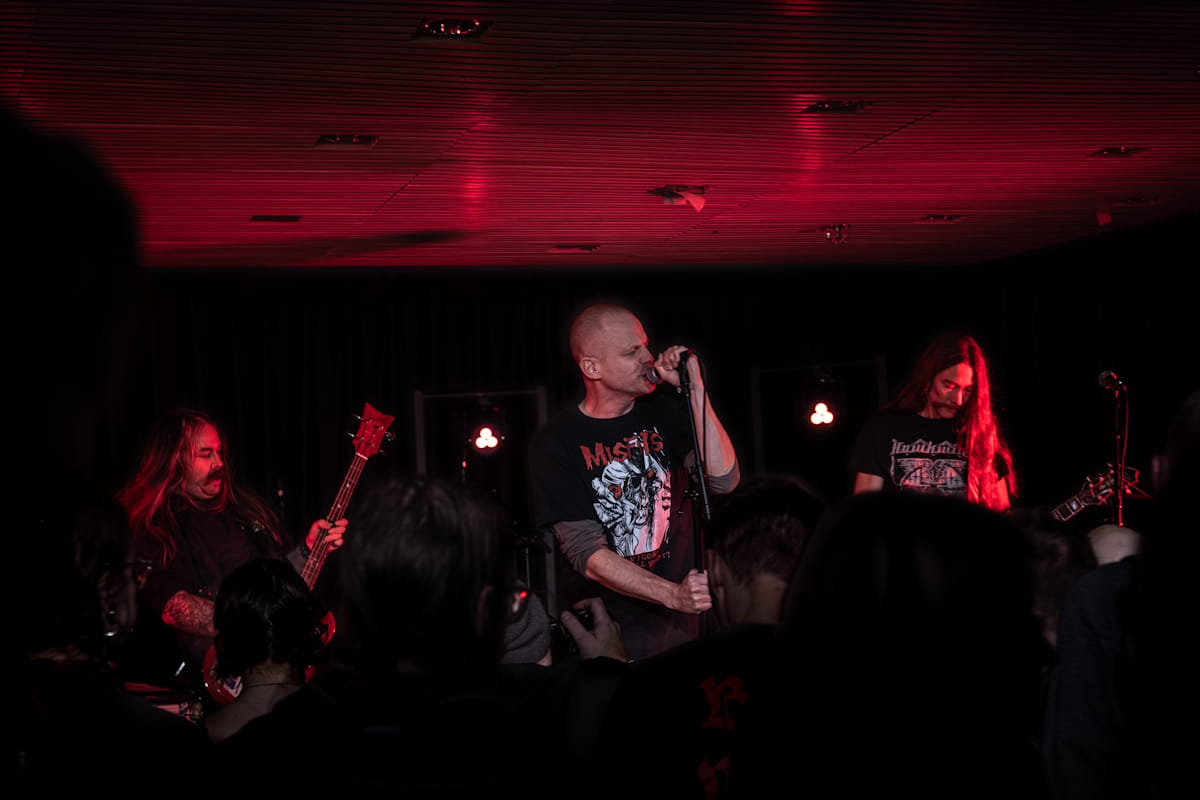
Vargas describes logistical near-misses that “almost kept me from attending,” then lands on the thing he wanted most: he made it to all three nights.
View this post on Instagram
When the lineup dropped, he says, “I couldn’t have been happier: a thoughtful balance of old and new bands, many of them rooted in Umeå and including some friends of mine.”
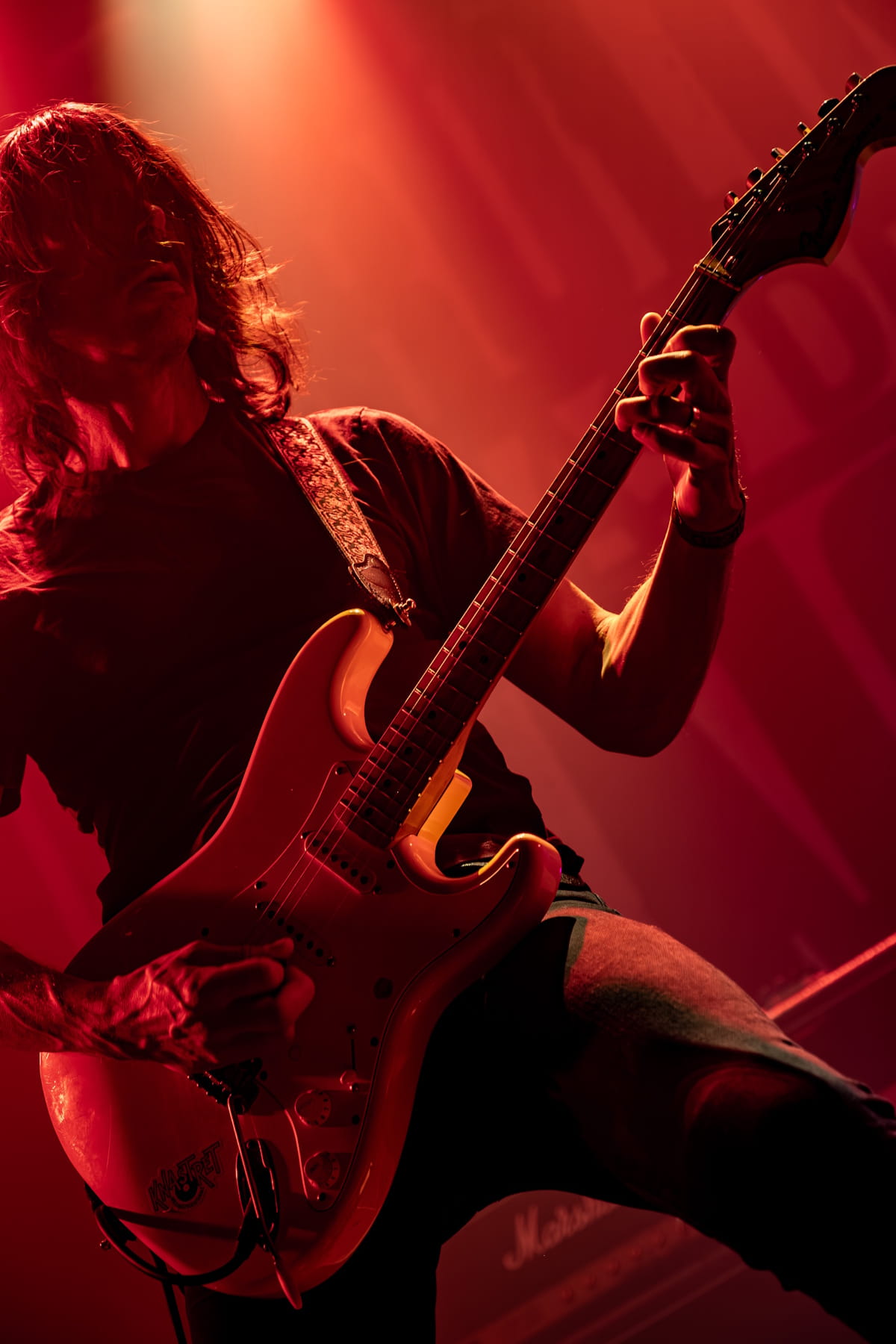
The venue matters in this story because it’s built like a civic statement. Väven sits by the Ume River and functions as a cultural complex: public library, Folkets Bio (described as “The People’s Cinema in Swedish”), a hotel, restaurants, and Vävenscenen as the main concert hall. Outside the main stage there’s a bar called Kajen, plus the smaller Kajenscenen, usually reserved for more intimate events. For Refused’s farewell, both stages ran, and the schedule “flowed without waiting times between bands,” turning it into something “festival-like” without the usual festival slack.
Vargas labels the opener “The first-last night,” like he’s trying to make language keep up.
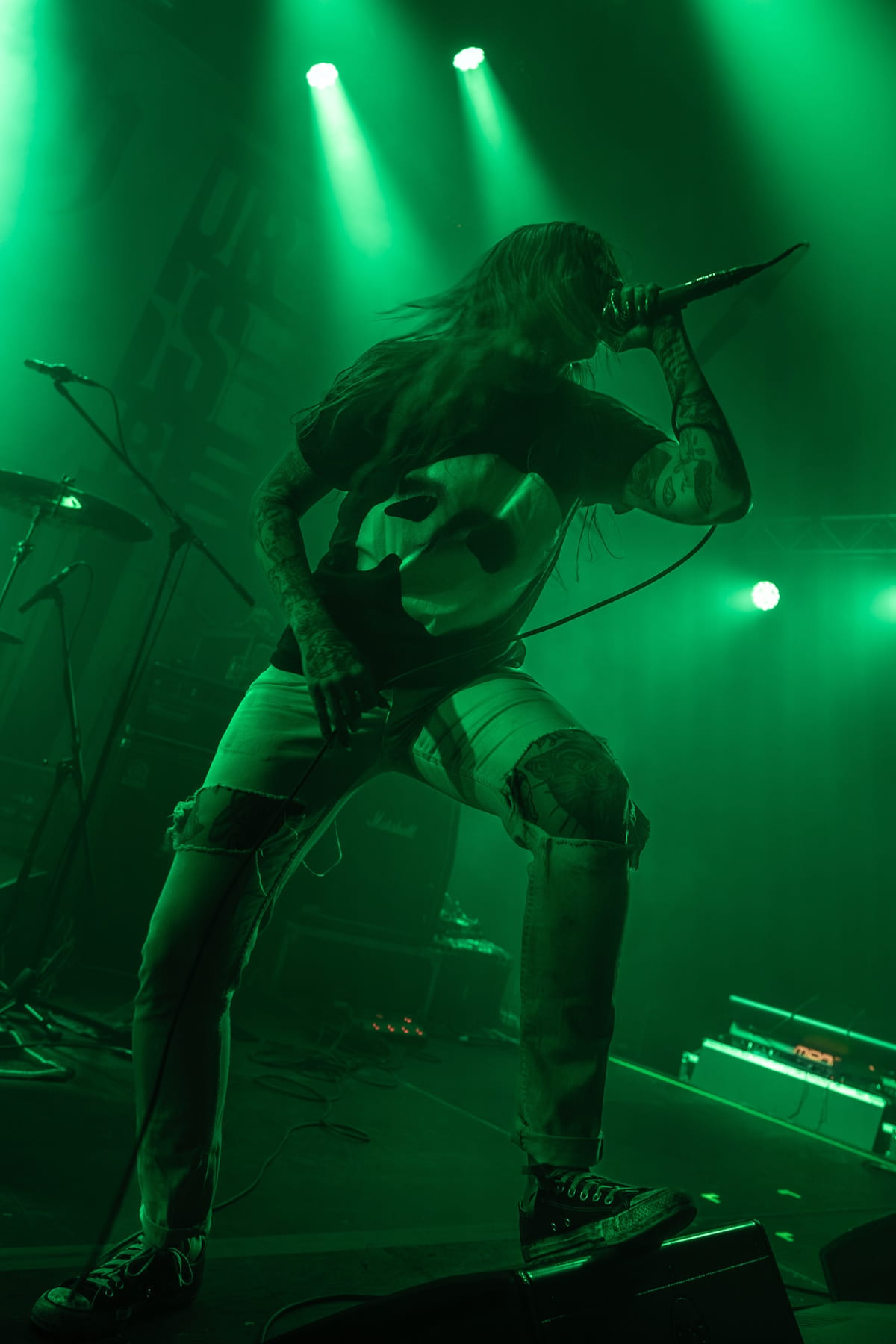
Youth Code kicked off at Vävenscenen, described plainly as “an industrial hardcore band from Los Angeles.”
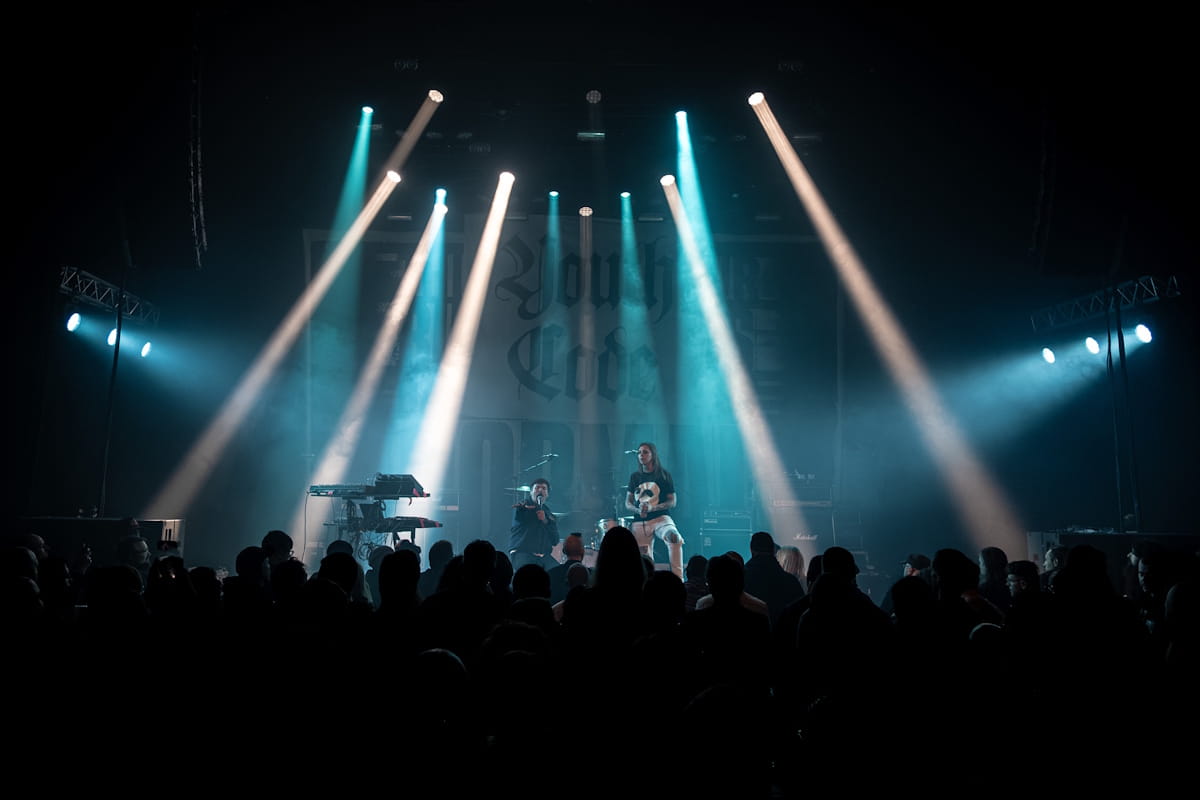
Vargas had listened before, but he’s direct about the gap between record and room: “seeing Sara Taylor and Ryan George live was something else entirely.” He points to constant movement, crushing sound, and “visceral vocals,” calling it “a mind-blowing experience,” the kind that “leaves a lasting impression.”
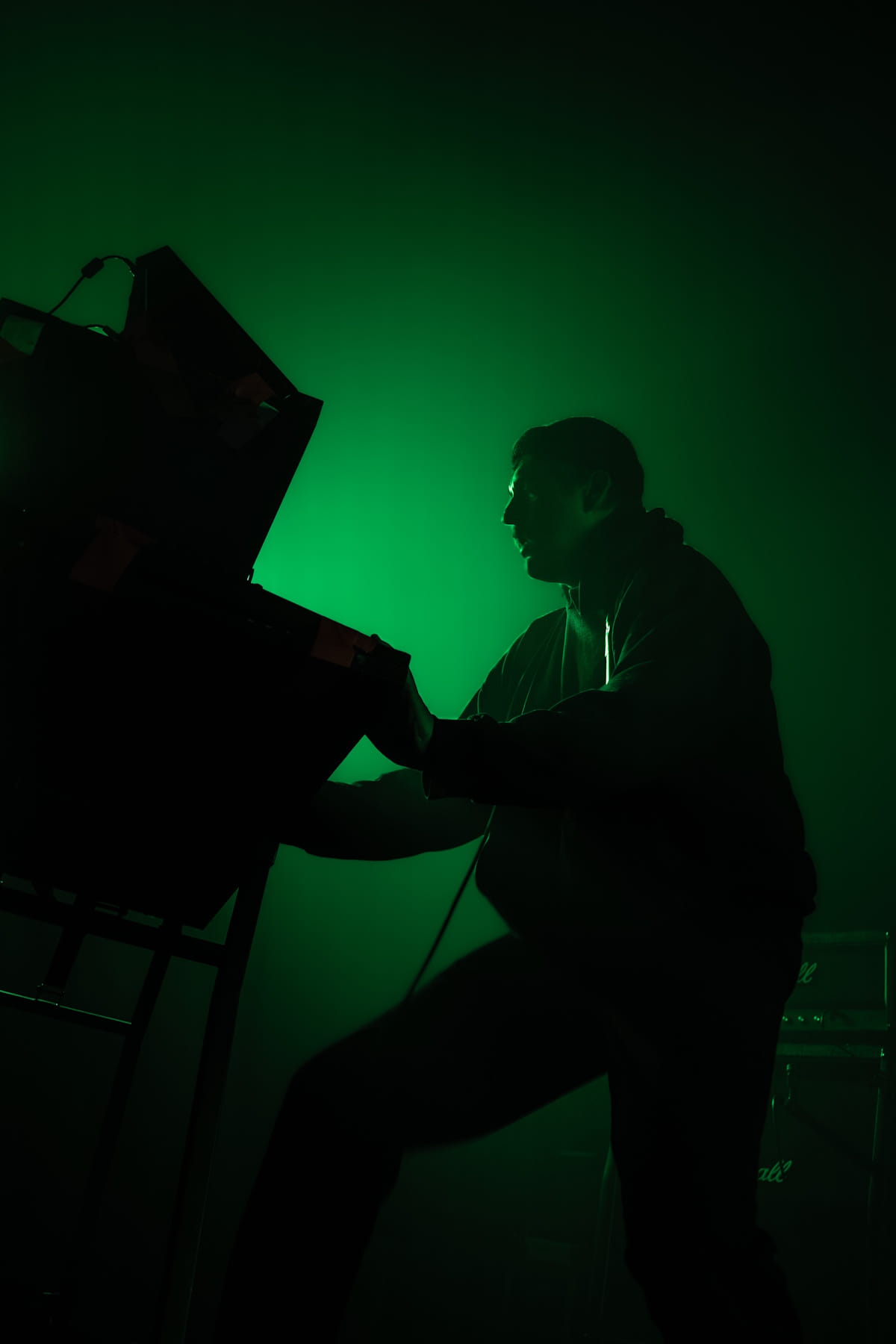
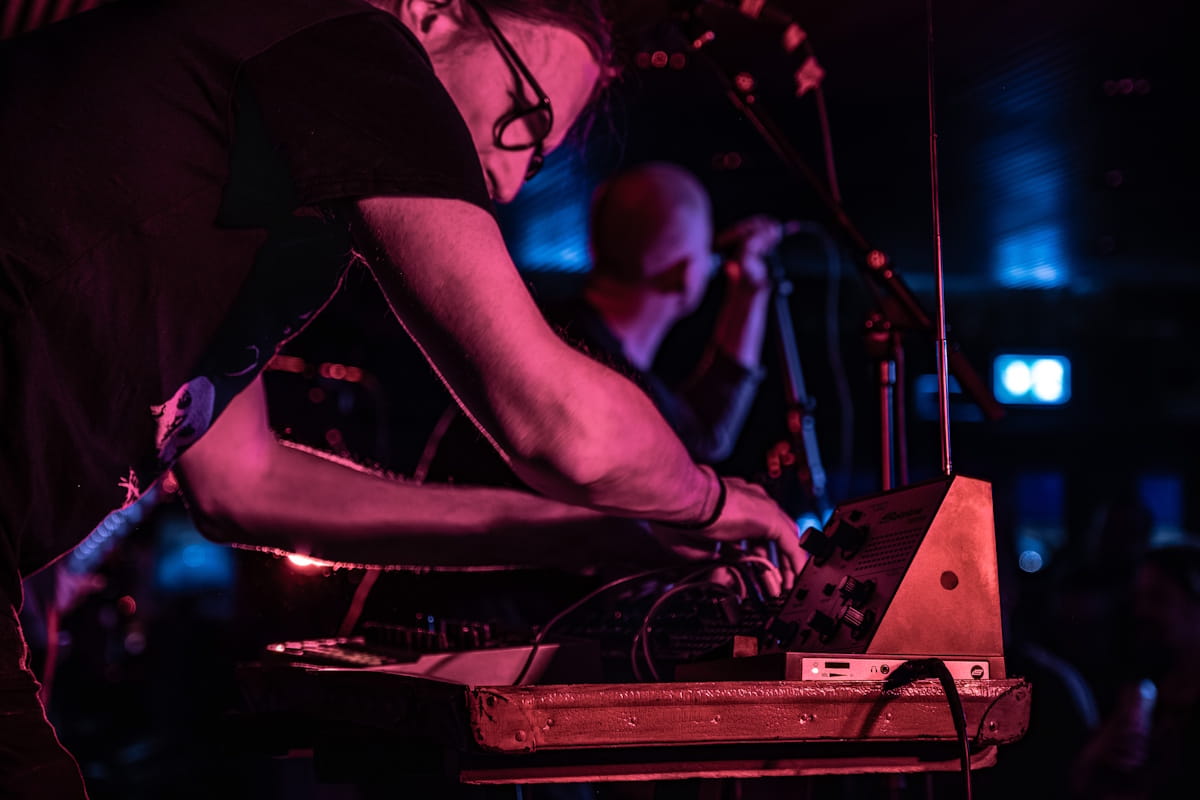
Over on Kajenscenen, Svart Hål followed—self-described as “space punk”—with “aggressive vocals, synth layers,” and a theremin that shifts the air into what Vargas calls “an eerie, otherworldly atmosphere.” He hadn’t heard them before that night, but frames it as “a genuinely pleasant surprise,” and notes the local pull: they’re from Umeå, and he’s already expecting to see them again.
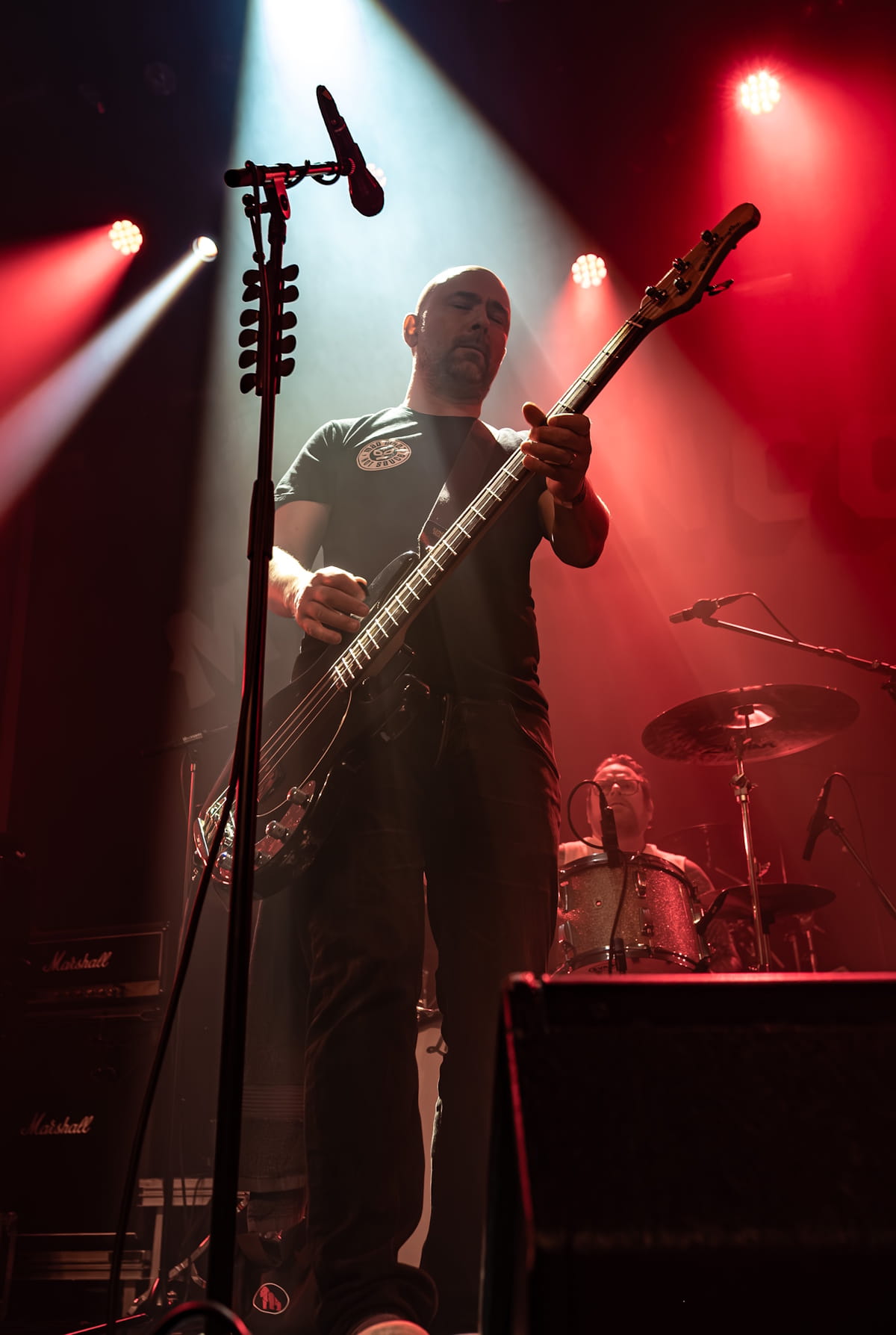
Then Millencolin took the main stage—“the legendary punk-rock band from Örebro.” Vargas places them in his own timeline: he liked them as a teenager, last saw them in 2005 in Gothenburg, and didn’t expect them to still hit this hard.
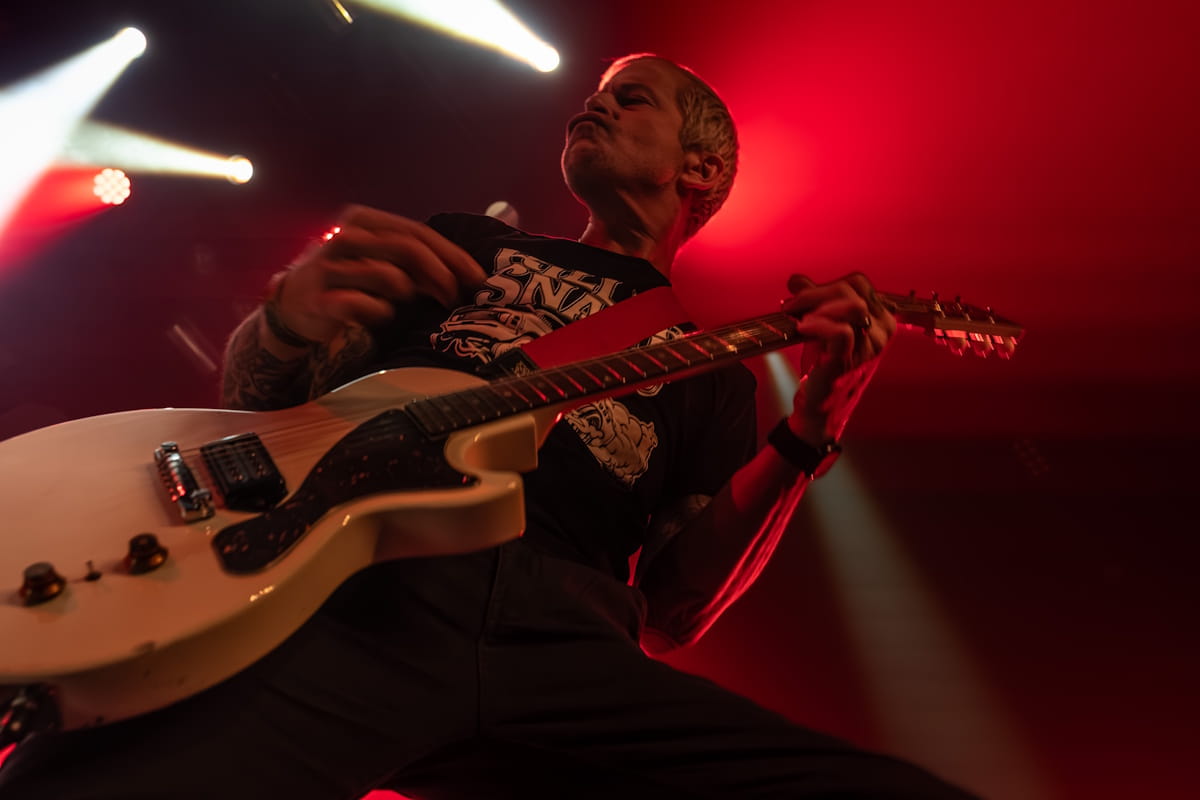
He’s “genuinely surprised” by the performance—high energy, tight playing—and he name-checks the set’s familiar landmarks: “Mr. Clean,” “Bullion,” “Fox,” and “E20 Norr,” which he notes is “the Swedish version of ‘Battery Check’ from ‘Home From Home’ (2003).”
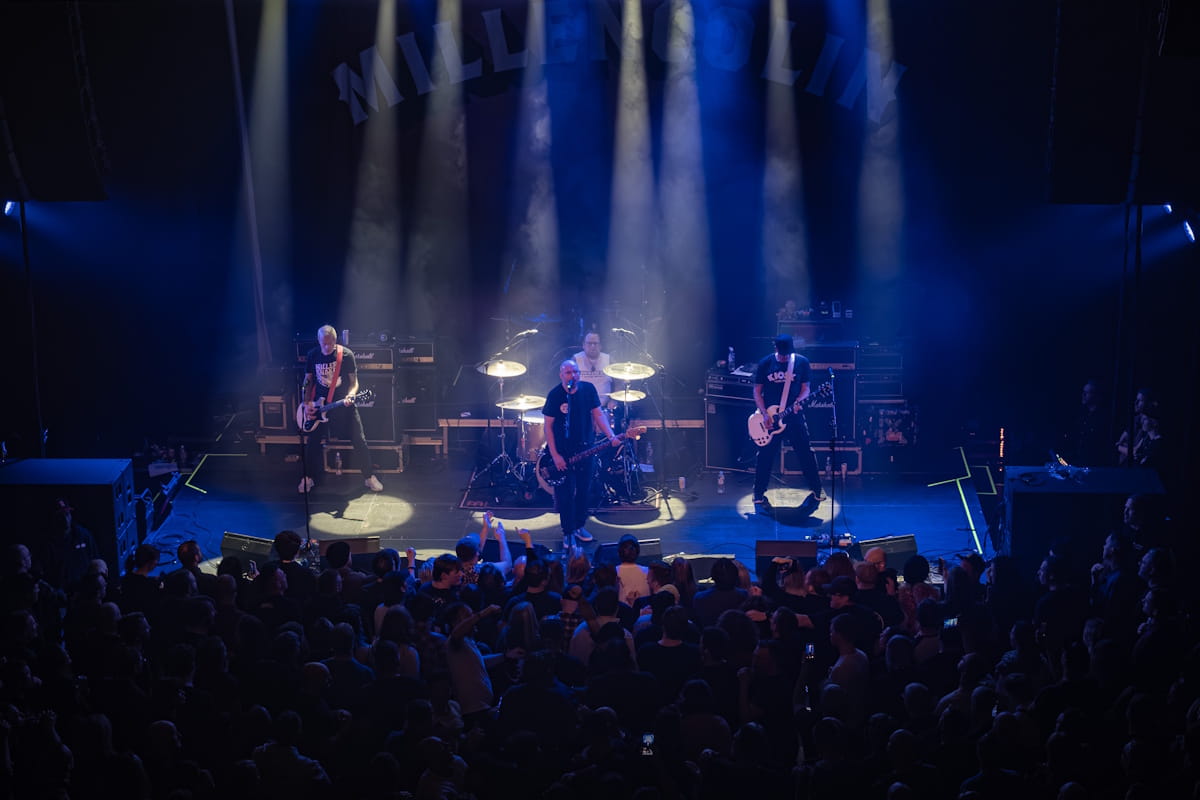
He admits the booking might look odd on paper—“unexpected due to the stylistic differences”—but points to shared history as the reason it still clicks.
Back at the smaller stage, Left Hand of Darkness delivered “a relentless set of blackened neo-crust and d-beat hardcore.”
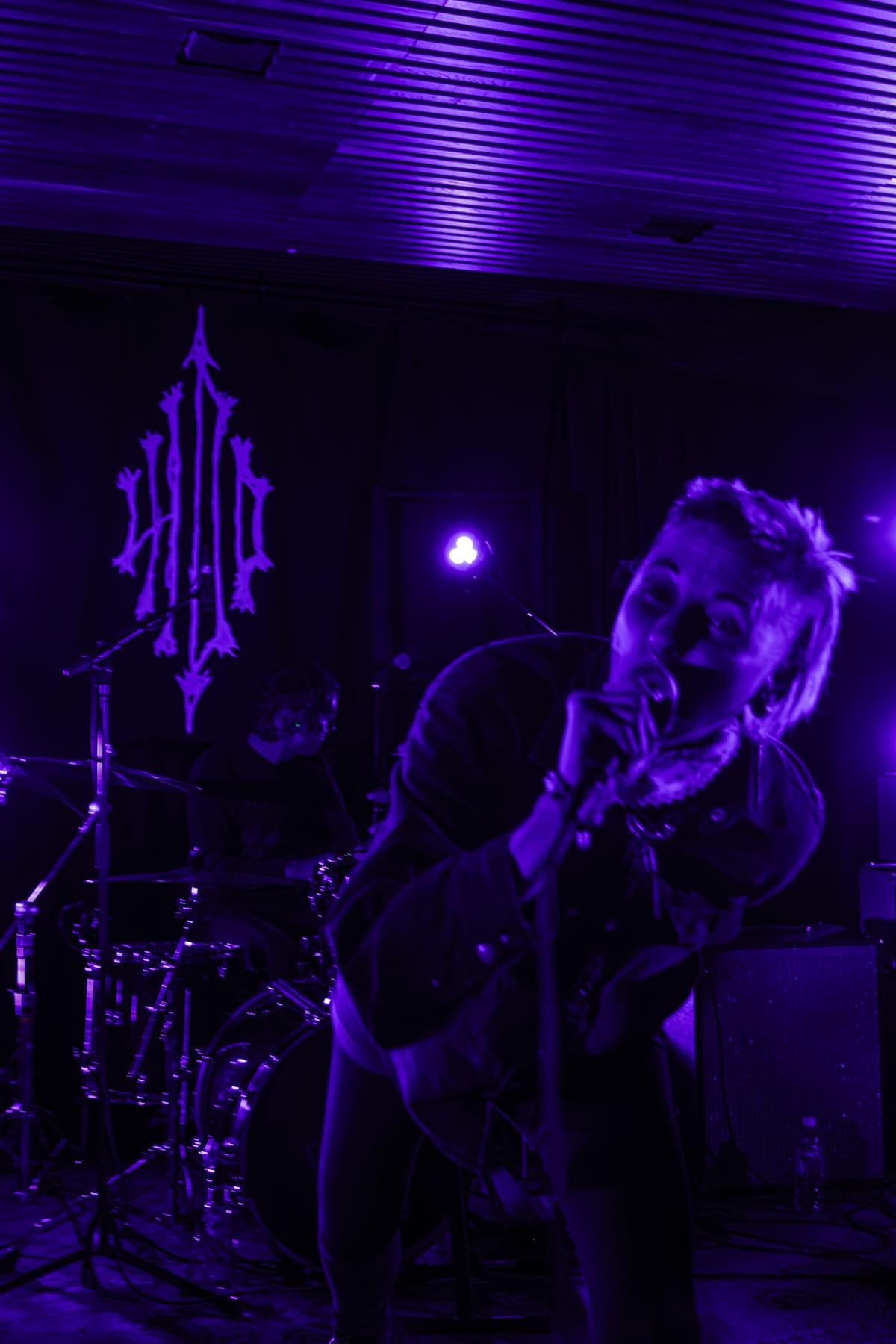
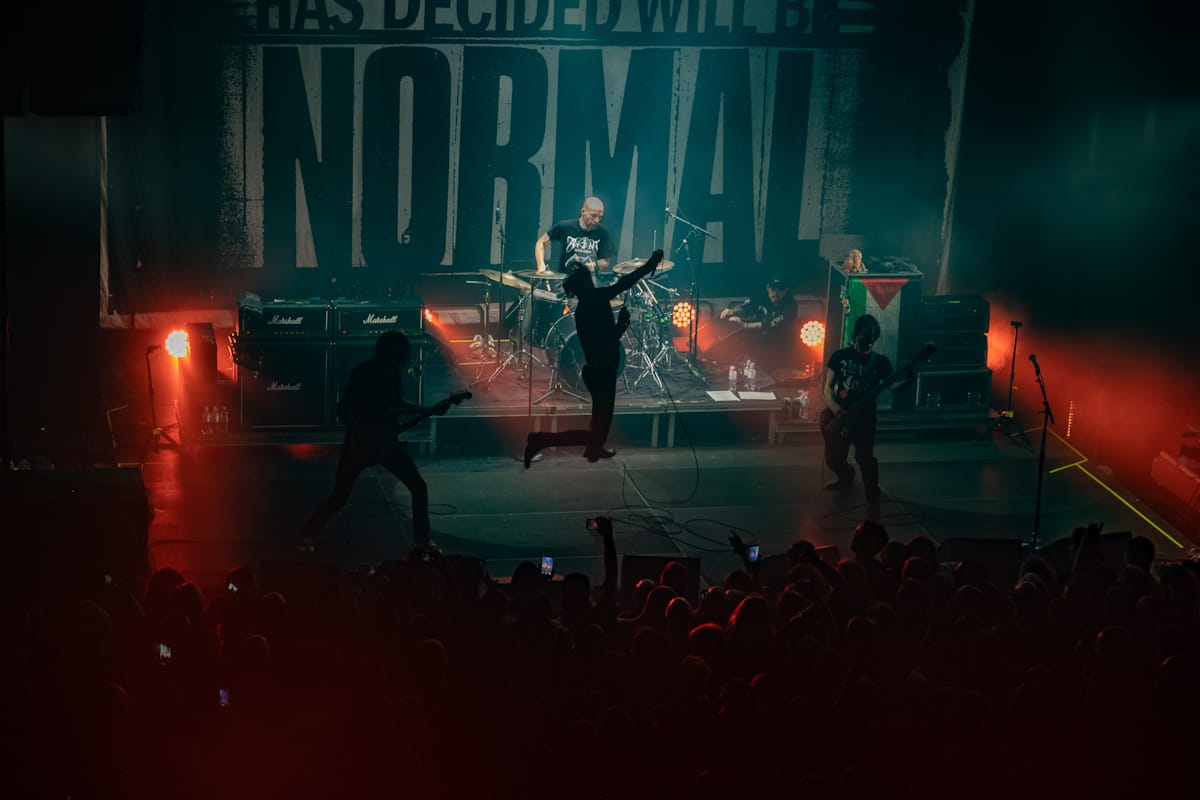
Vargas flags a personal tie—vocalist Bim is “a dear friend,” someone he met shortly after moving to Umeå while they were both at the Art Academy. He describes the band’s live feel as “fast, loud, uncompromising,” then anchors it to an explicit political stance: “openly supporting Palestine and trans rights.” In his telling, that politics isn’t decoration; it’s part of the scene’s backbone.
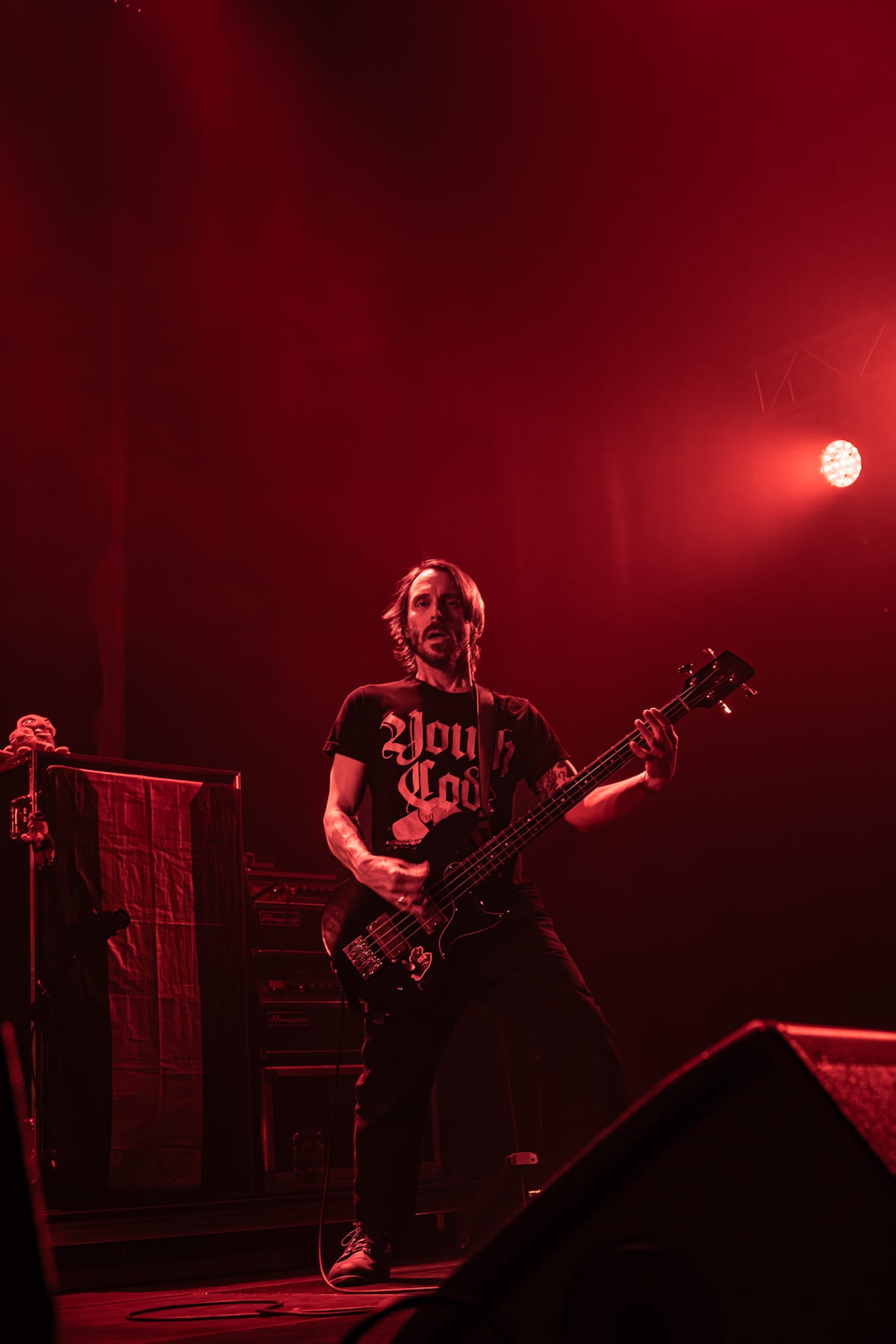
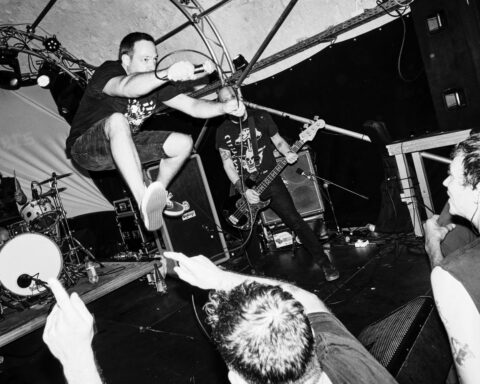
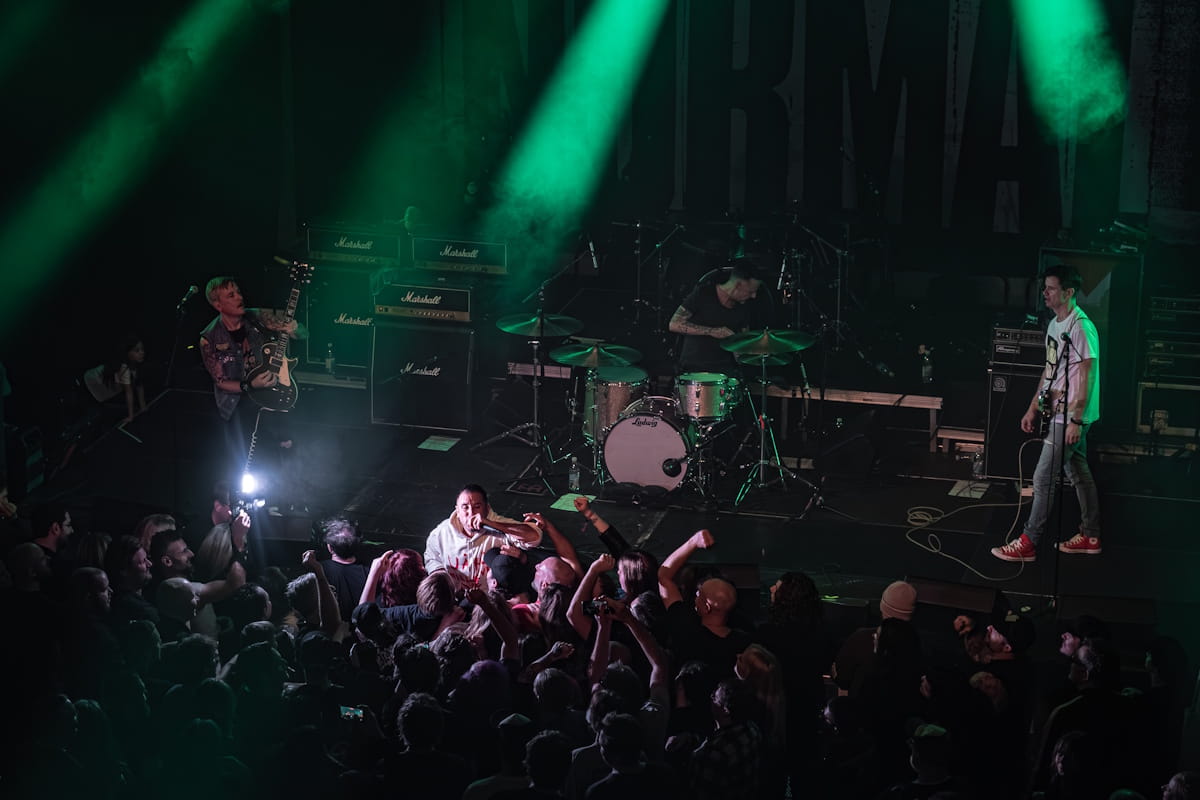
Then Refused. The room sold out—this would be true all three nights—and he describes “a strange emotional tension”: nostalgia for something that hasn’t ended yet, mixed with “excitement and collective joy.” When the band opened with “Poetry Written In Gasoline,” Vargas writes, “the room immediately erupted—sweat, bodies, and movement merging into a single mass.”
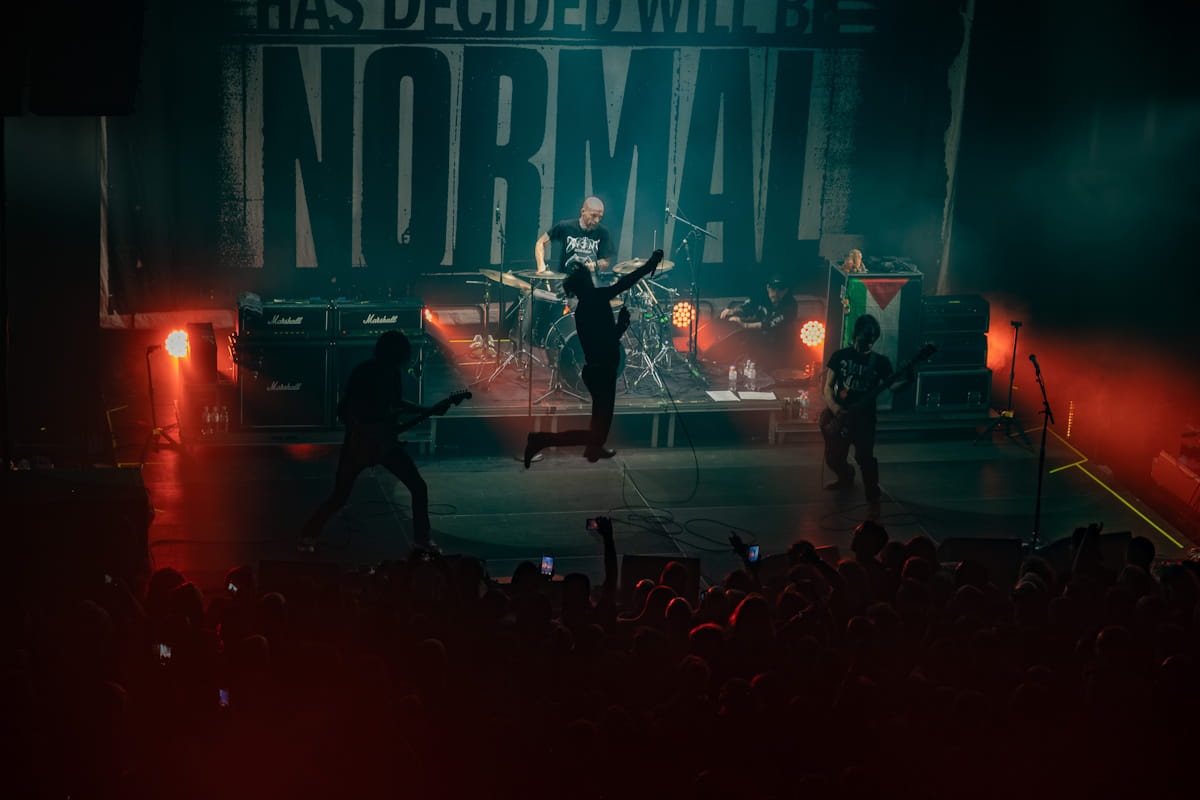
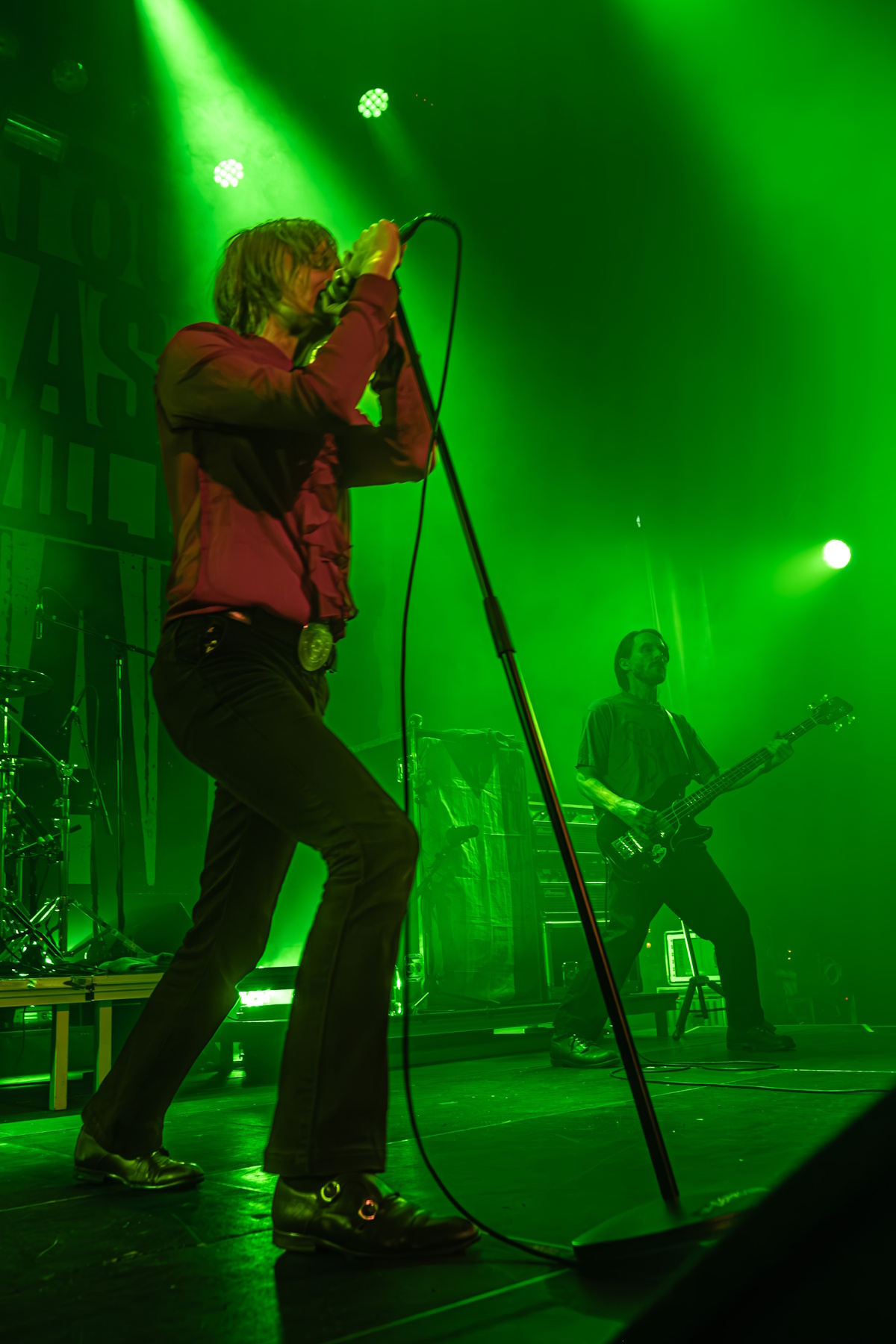
For him, it was his first time seeing Refused live. He’d seen Dennis Lyxzén many times via Vännäs Kasino and Invsn, and he’d seen Magnus Flagge with Mysterium, but he draws a hard line between those experiences and this one: witnessing Refused in their hometown, on the final run, “felt profoundly different.”
He understands his role simply—camera, video, documentation—and lands on gratitude without trying to turn it into mythology: “Being there… was something I felt deeply grateful for.”
He gives the set real weight through numbers and pacing: “ninety minutes, nineteen songs, and barely a moment to breathe.”
Between songs, Dennis Lyxzén’s speeches keep returning to something specific: Sweden’s studieförbund—“educational and cultural associations that provide access to learning, creativity, and community.” Vargas writes it in cause-and-effect terms: Dennis argued that without that system, Refused likely wouldn’t exist. He adds the current pressure point: those structures are “under threat due to severe government funding cuts,” which is already leading to the closure of cultural spaces. Each time Dennis raised it, the crowd answered with “overwhelming support,” and the topic stayed alive across all three nights.
Another repeated moment: Dennis asking who’d been there in the 1990s, and who traveled from abroad for these final shows. Vargas uses those questions to measure legacy in the room—generations, borders, and a single place pulling them together.
On Saturday, Refused also played Hamnmagasinet, described as a youth cultural house run by the city government—an example of the kind of studieförbund-linked infrastructure Dennis spoke about. It was free, for ages 13–20, and Vargas didn’t attend: “sadly I didn’t go.”
Even without that, he says the second night at Väven felt different. Friday was “anticipation and legacy”; Saturday shifted toward participation—“younger, louder, and less restrained.” The crowd was closer to the stage “both physically and emotionally,” with celebration starting to outweigh the heaviness of farewell.
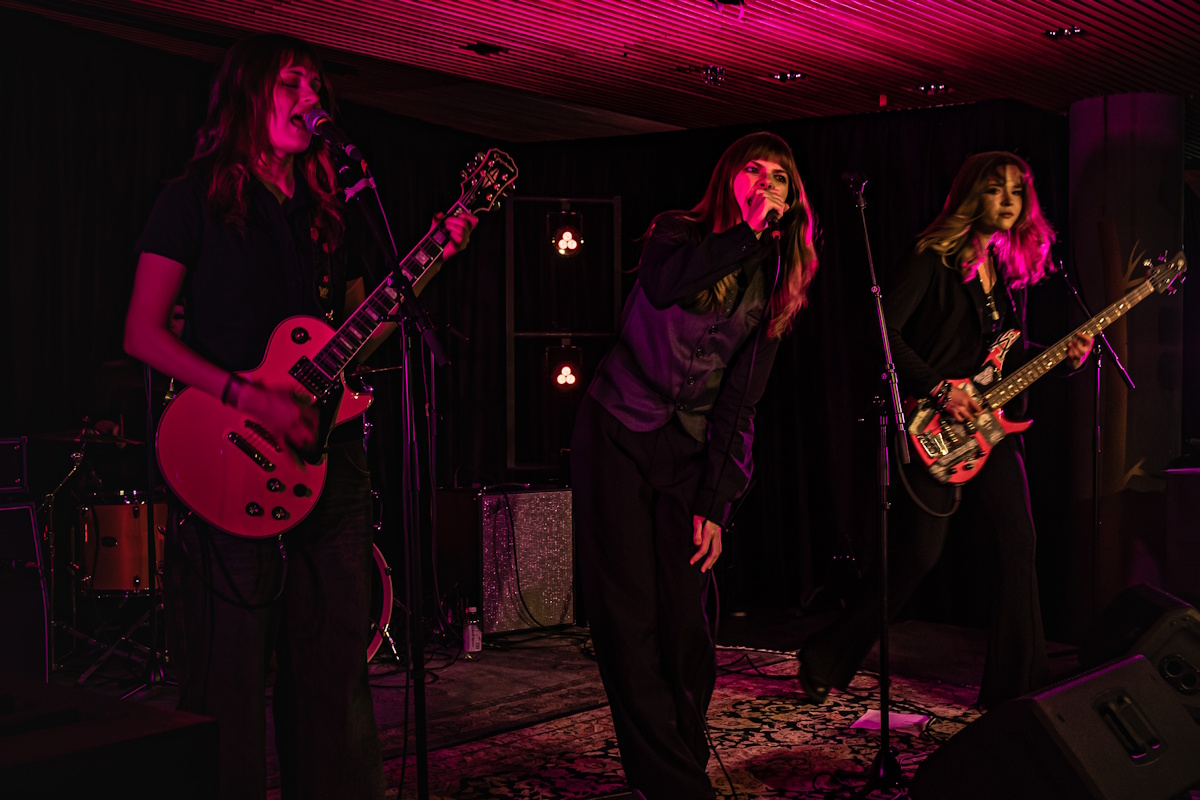
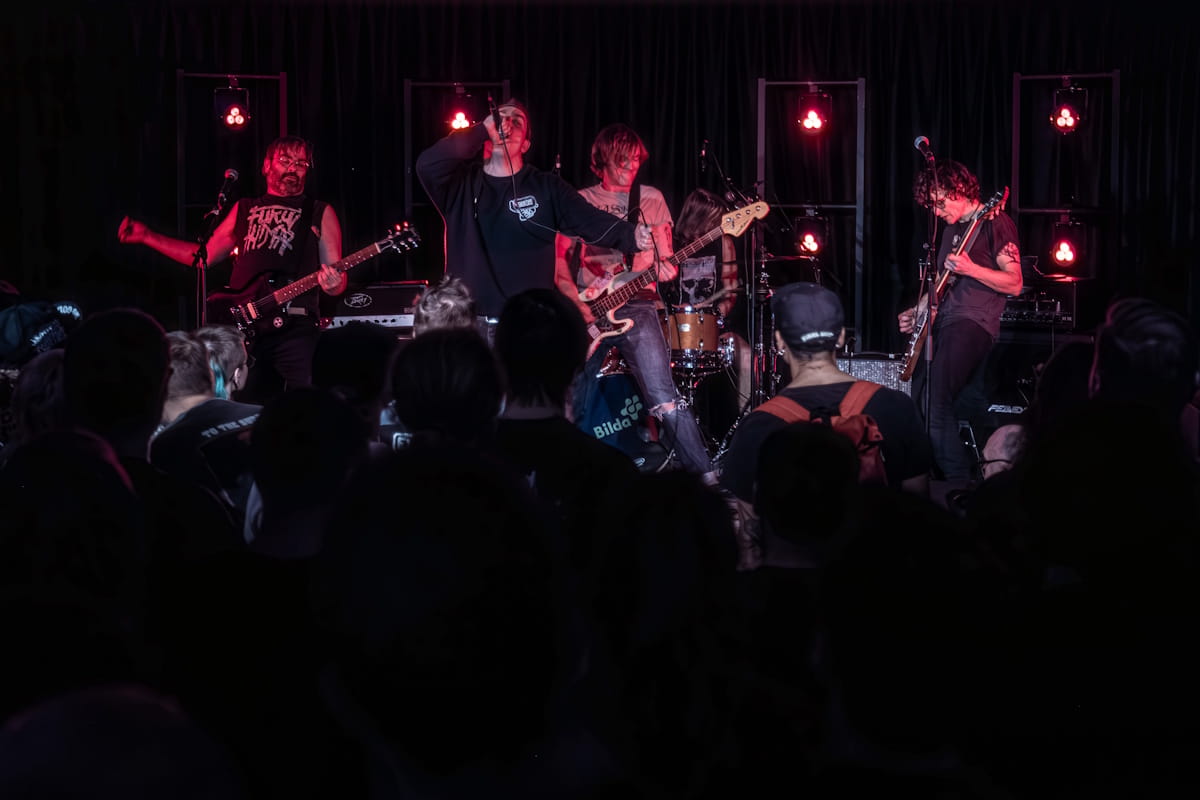
Deppa stood out: “a hardcore band from Umeå formed by teenage girls.” Vargas doesn’t overstate it, just says their presence “felt significant without needing explanation.” On stage they were “sharp, fast, and confrontational,” delivering the set with “confidence and urgency.”
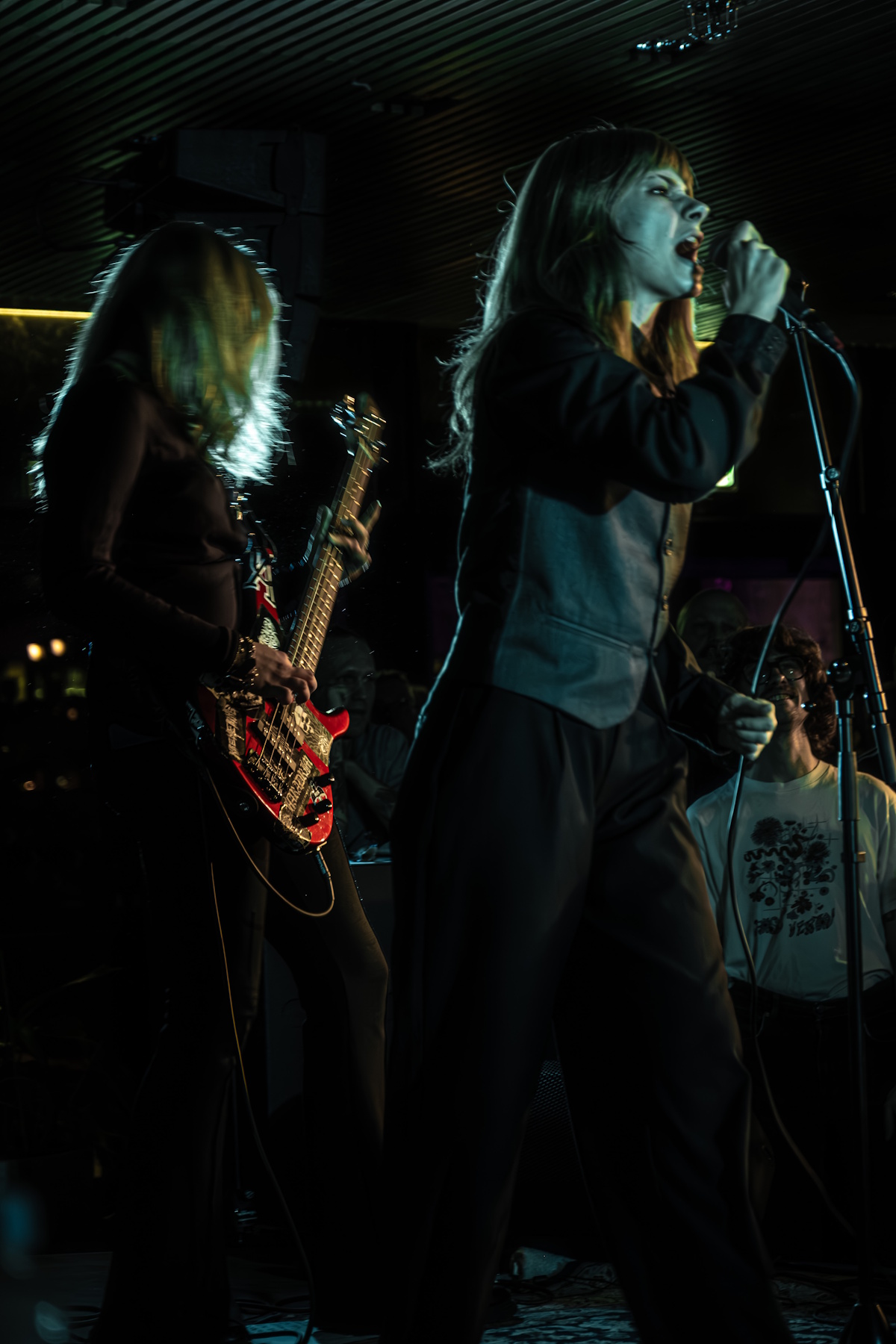
One moment was amazing in particular: a Masshysteri cover. The day following, they posted on Instagram thanking people for the night and addressing harassment and abuse in the music scene, stressing that these conversations remain necessary—“even here, even now.”
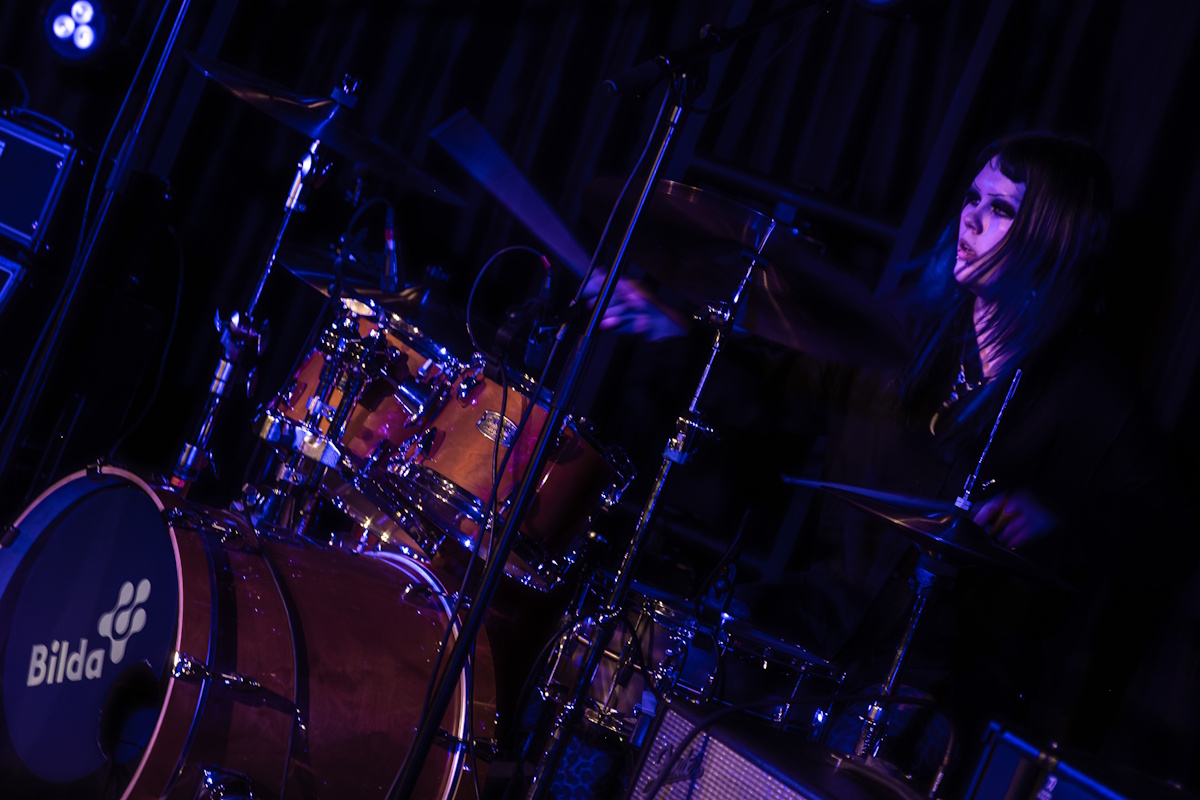
The next band hitting the stage was Fireside.
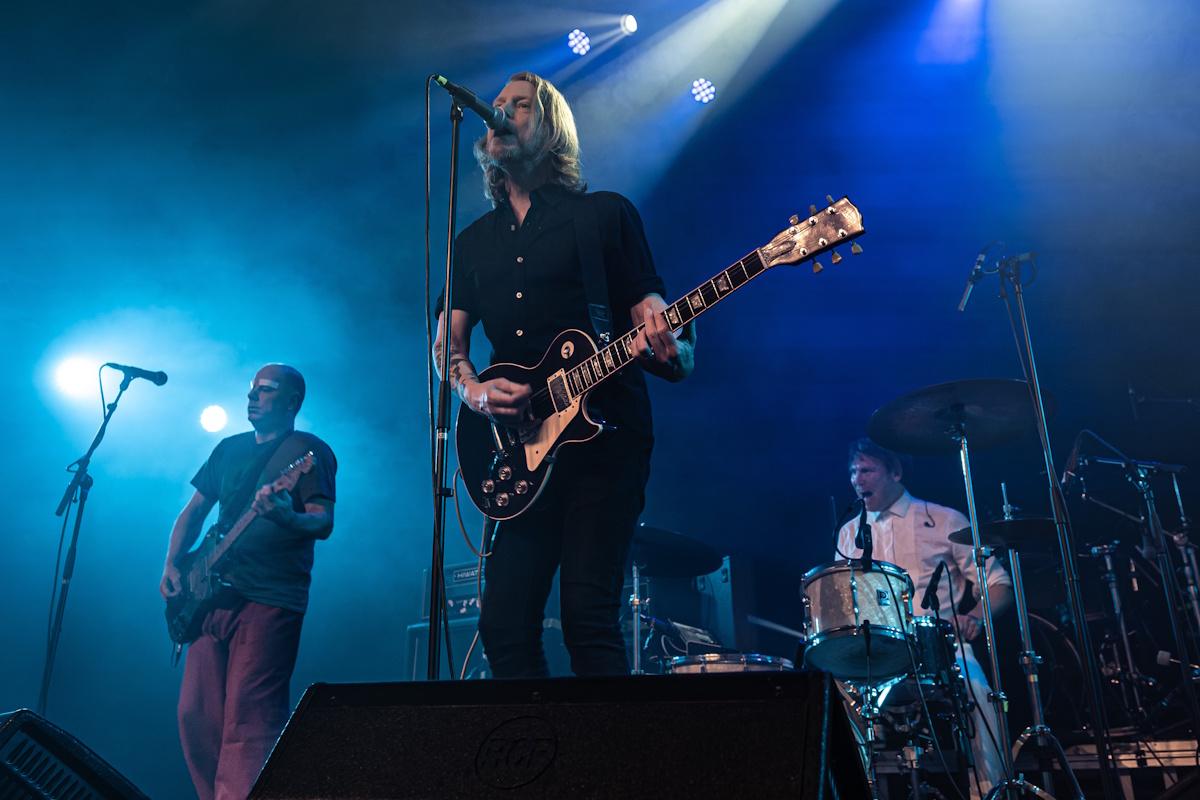
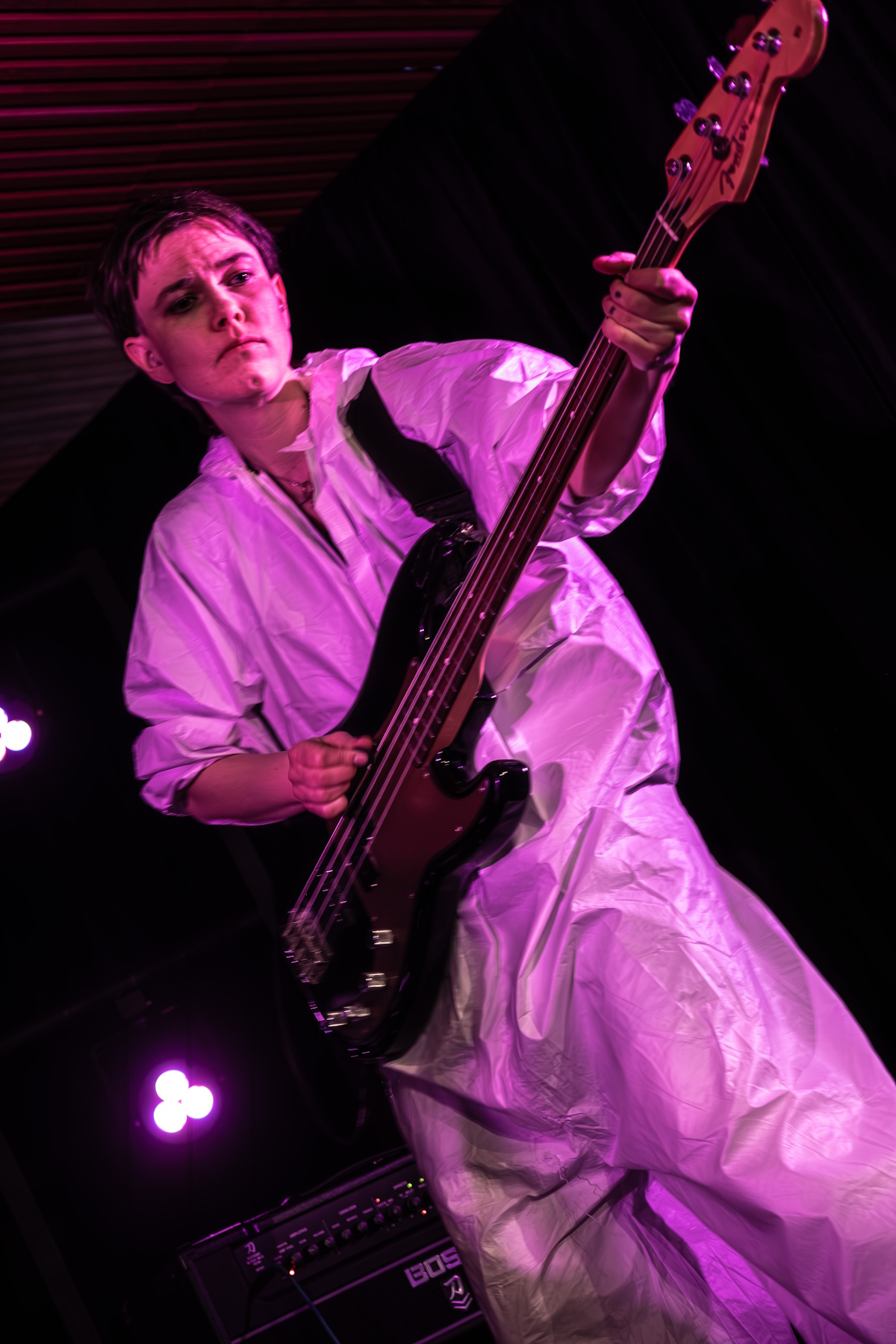
After Fireside, Top 10 Babies took Kajenscenen with what Vargas calls “a high-energy presentation as always.”
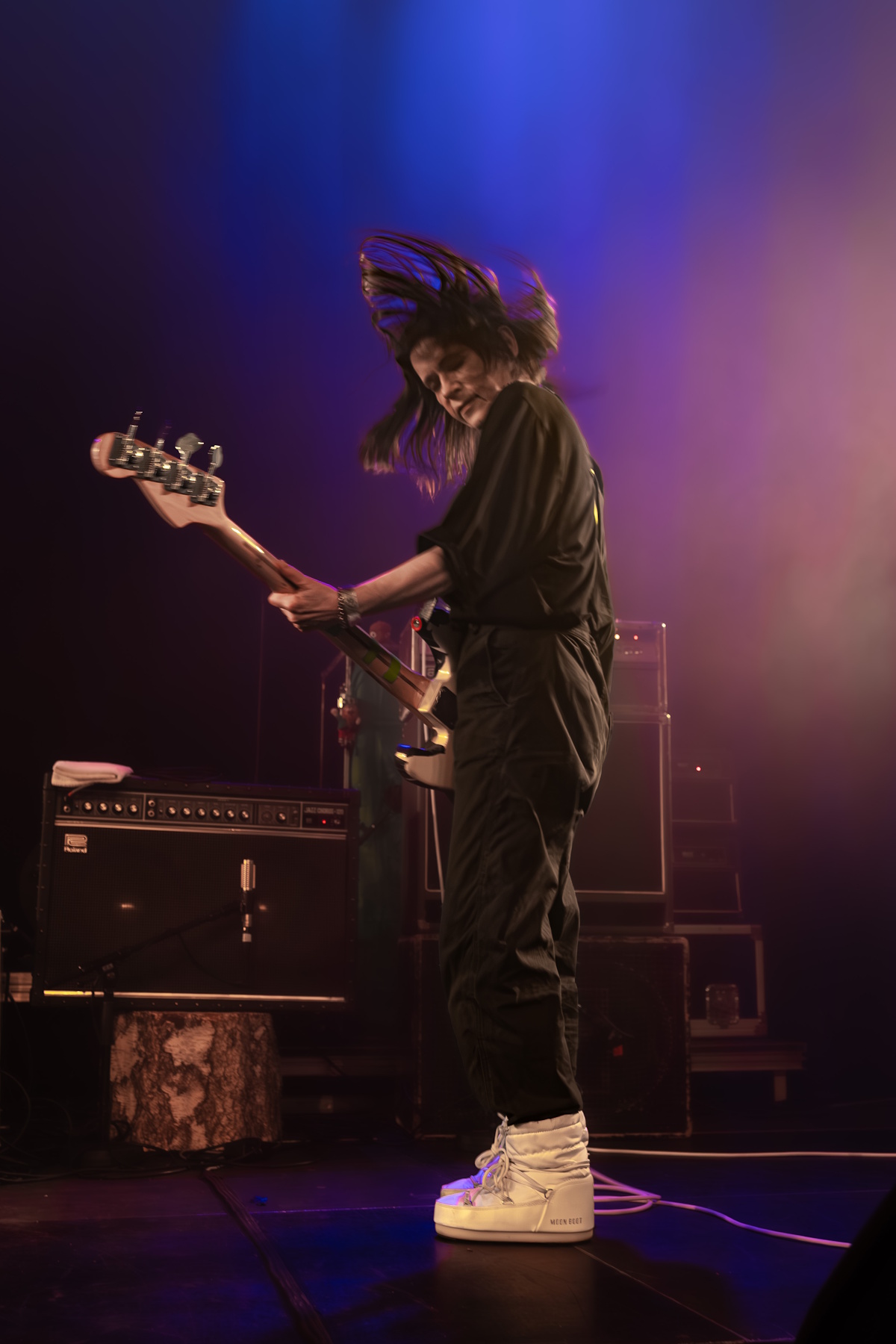
He situates them inside his local life: he’s known them since moving to Umeå, and the members met at the Art Academy (where he also attended).
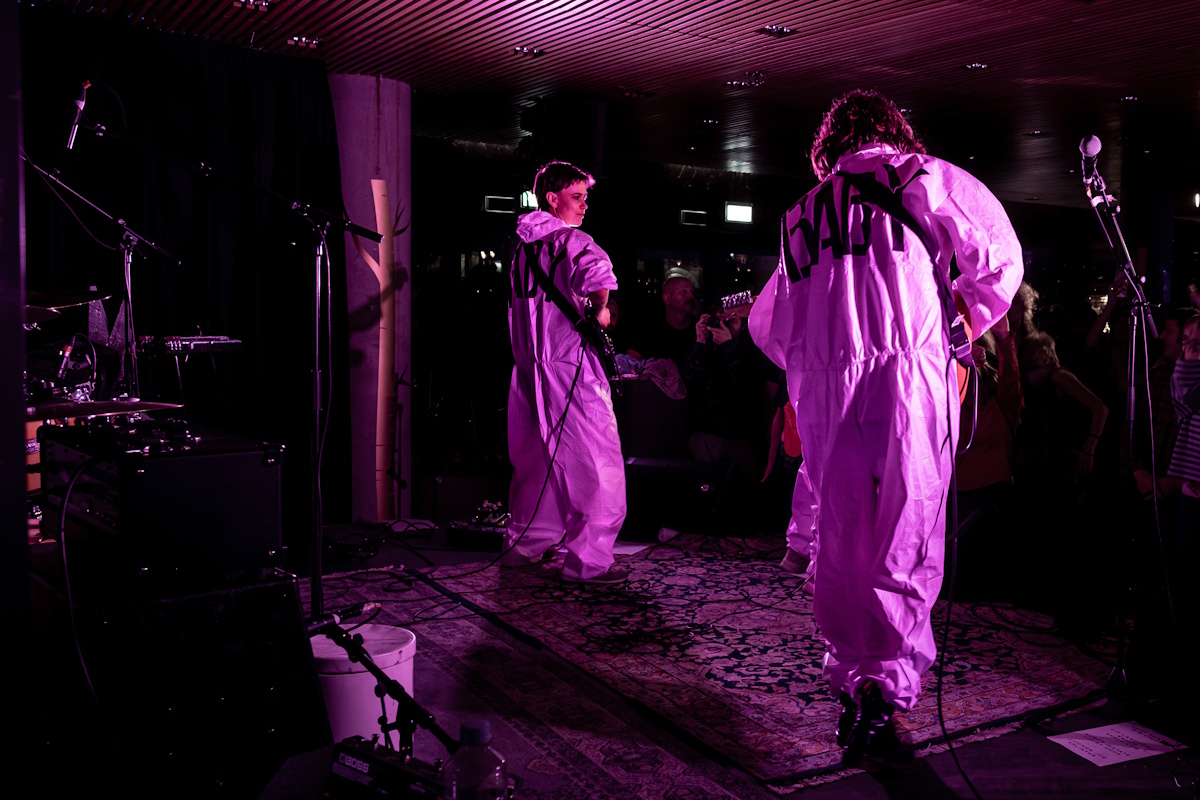
Live and featuring cool costumes or props, self-made.
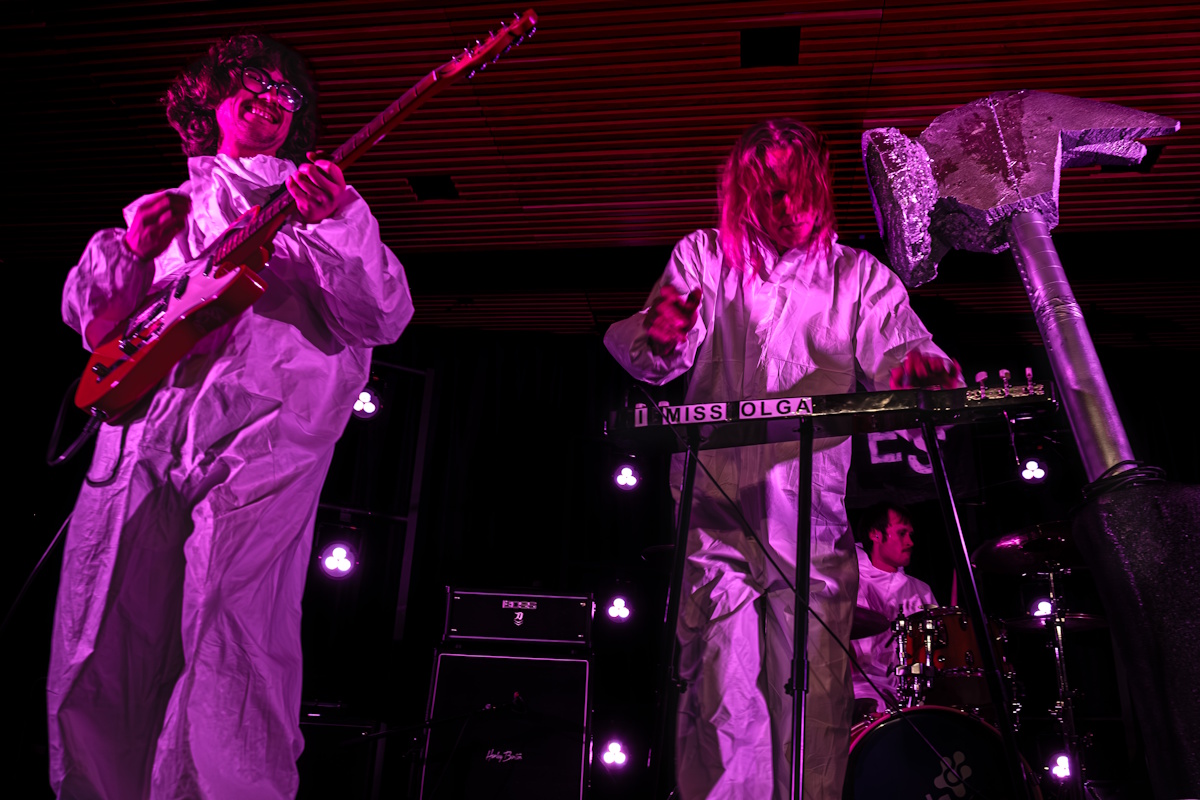
“Dani is a real showperson,” someone who “really know how to deliver.”
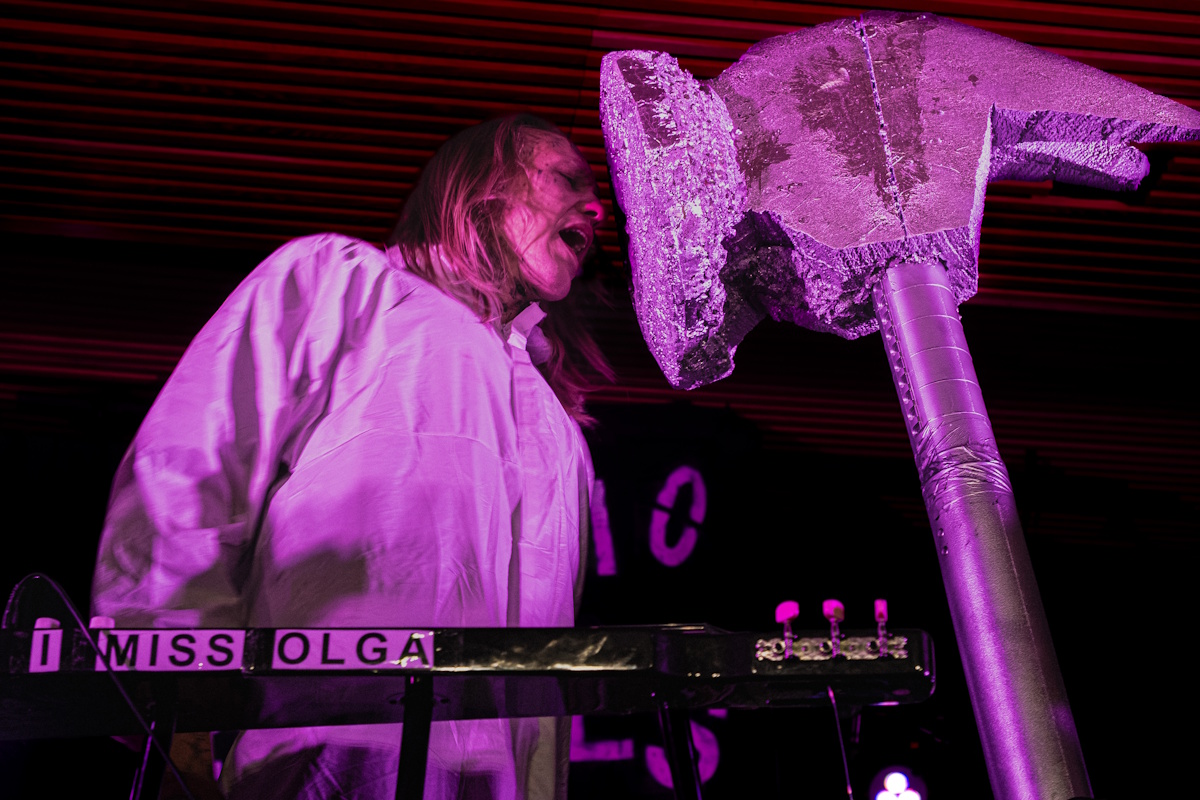
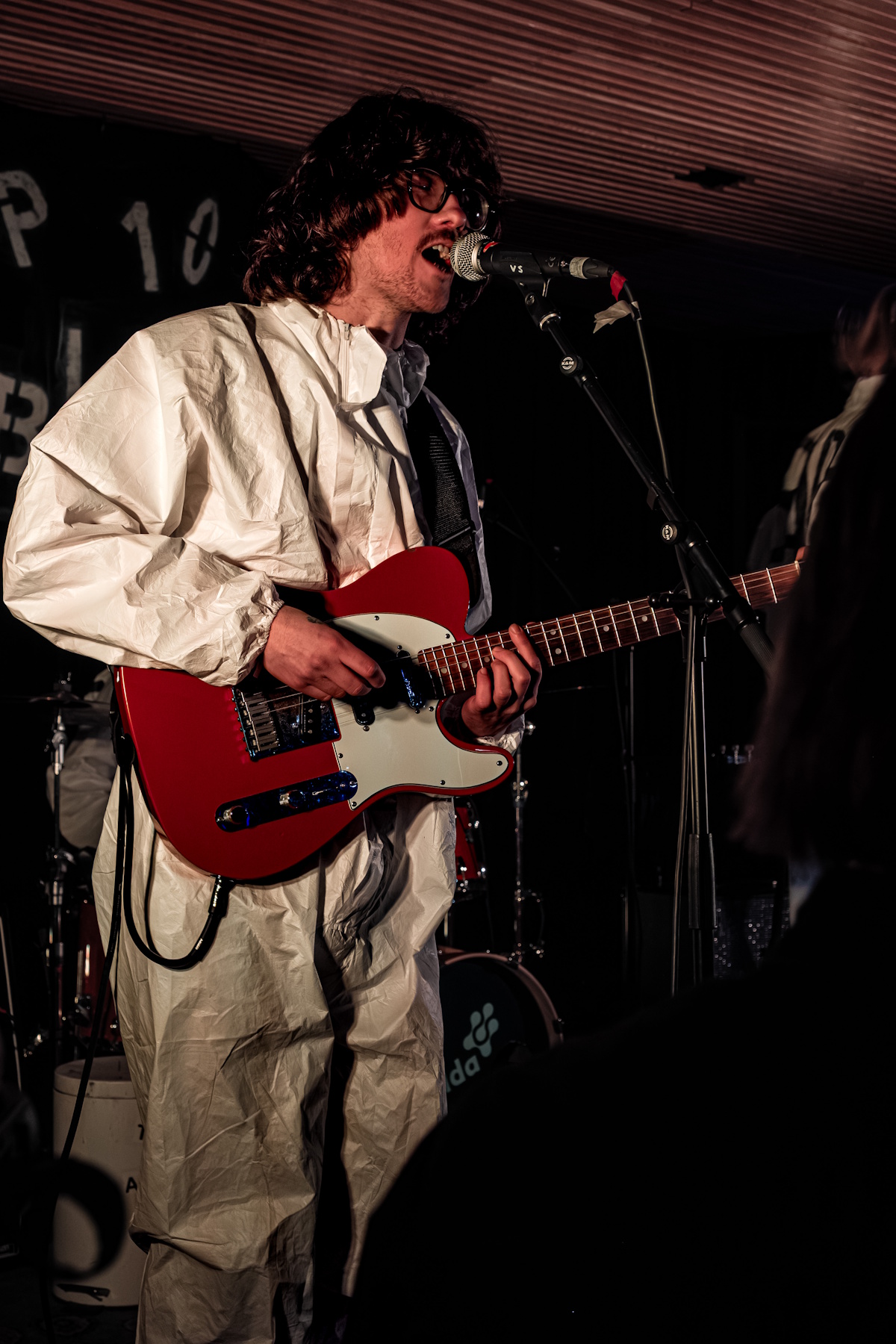
Top 10 Babies, by Rapha Vargas
Refused’s second-last show followed.
The setlist shifted slightly, and the mood did too: “less tension, more release.”
View this post on Instagram
Dennis returned to the same themes—community infrastructure, rehearsal spaces, cultural funding, education—but Vargas says the words “landed differently,” carried by the evening’s momentum.
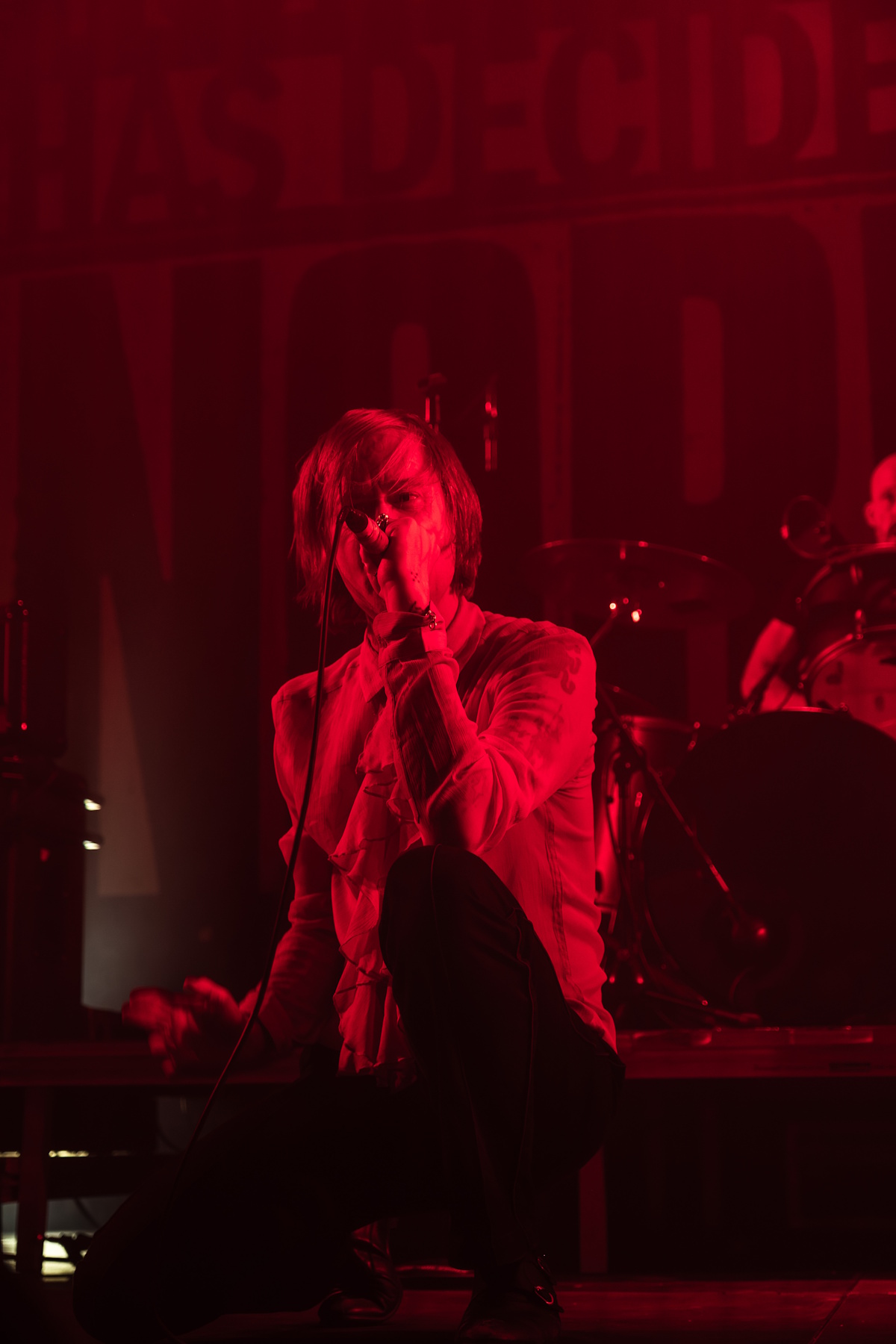
The band itself came off “looser, more playful at times,” without losing intensity. His read is practical: these nights weren’t only about ending; they were about naming what made the band possible.
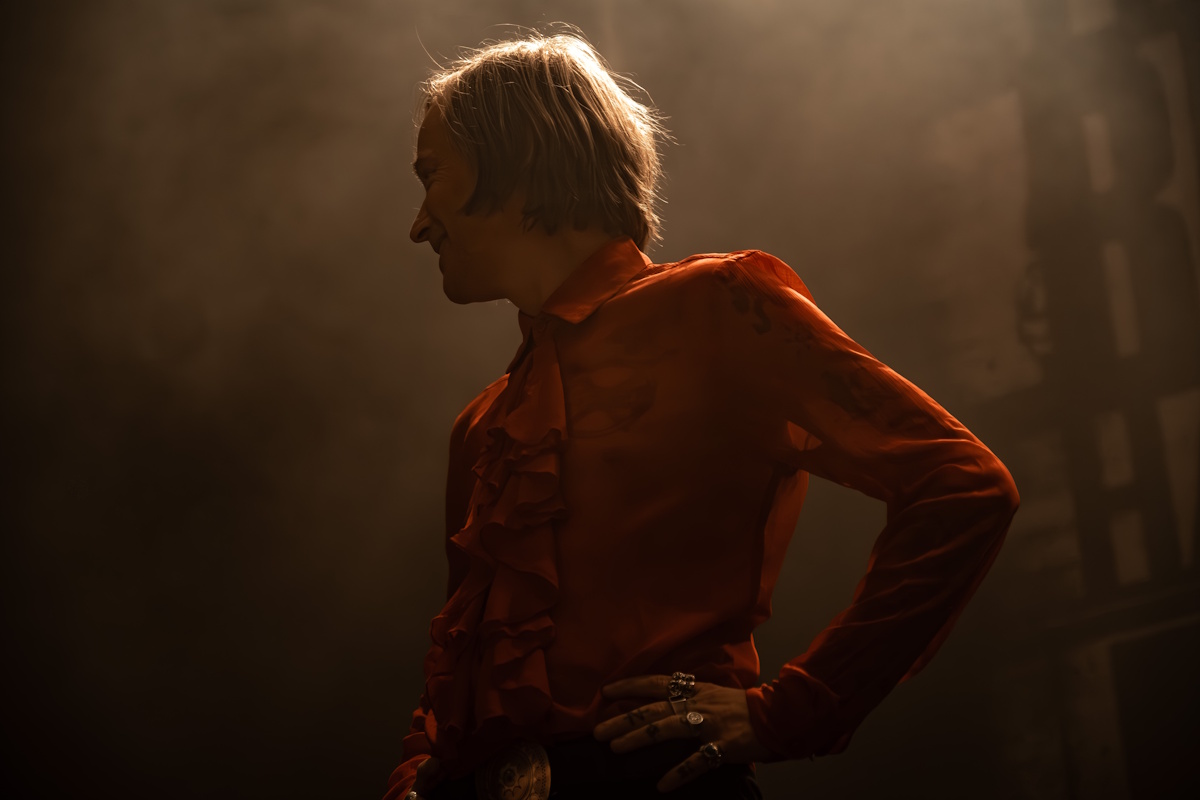
This is also the night Vargas stops being only an observer. He puts the camera down and joins the pit. He explains why in plain, human terms: “It felt like the right decision.” Inside, he notices not just movement but care—people picking each other up when someone falls—then frames that as part of what made the nights work: not only the bands, but “collective responsibility and care within the room.”
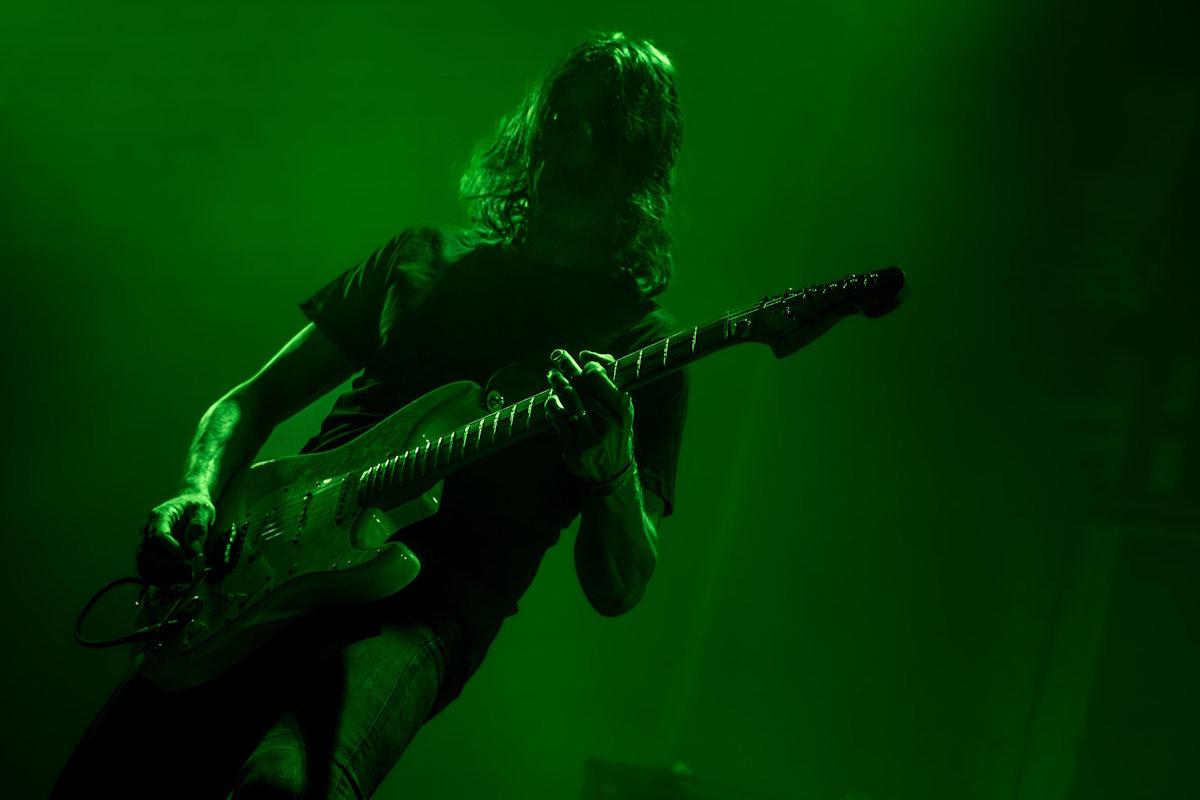
By the third night, finality was unavoidable. The atmosphere felt heavier – not sad, “but reflective.” The crowd held two experiences at once: long-timers who’d lived this scene for decades, and younger people seeing Refused for the first time.
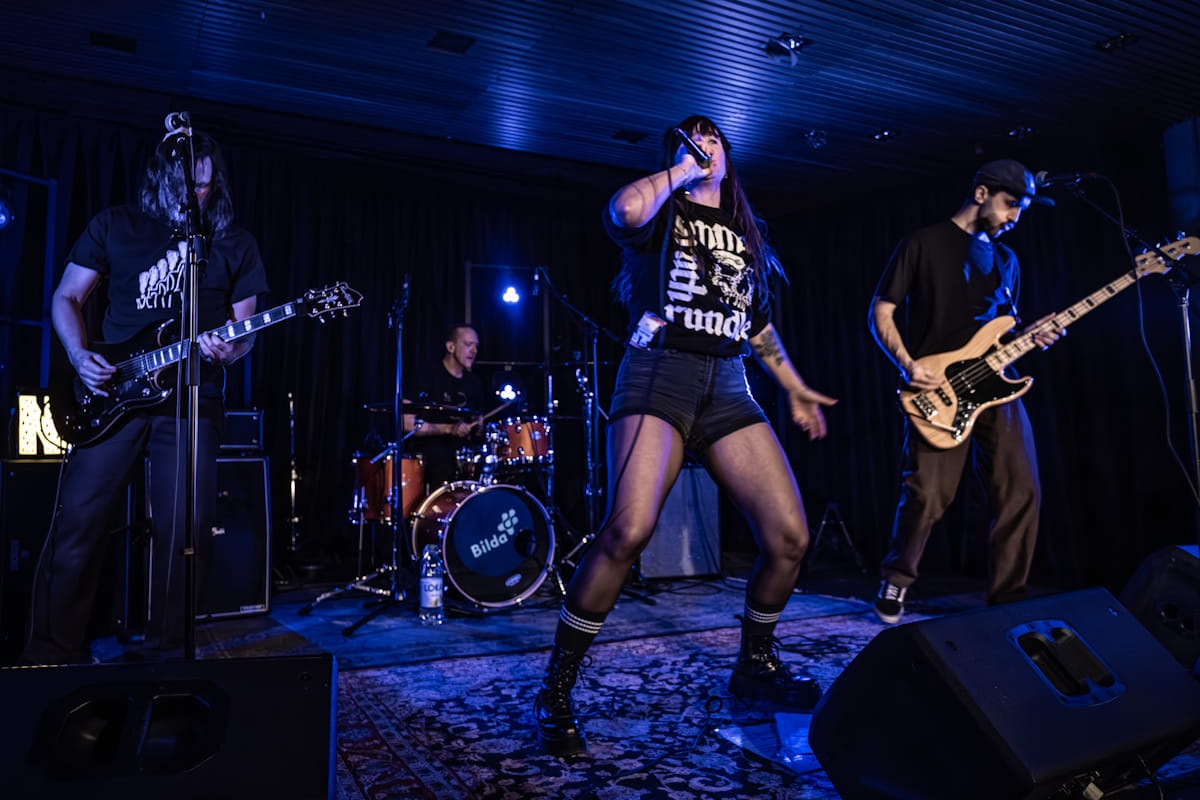
Vargas keeps the emphasis on shared space rather than generational drama: both groups “aware that this was the last time it would happen like this.”
The lineup again bridged eras. First up: Final Exit, described as a side-project band with members of Refused and Abhinanda.
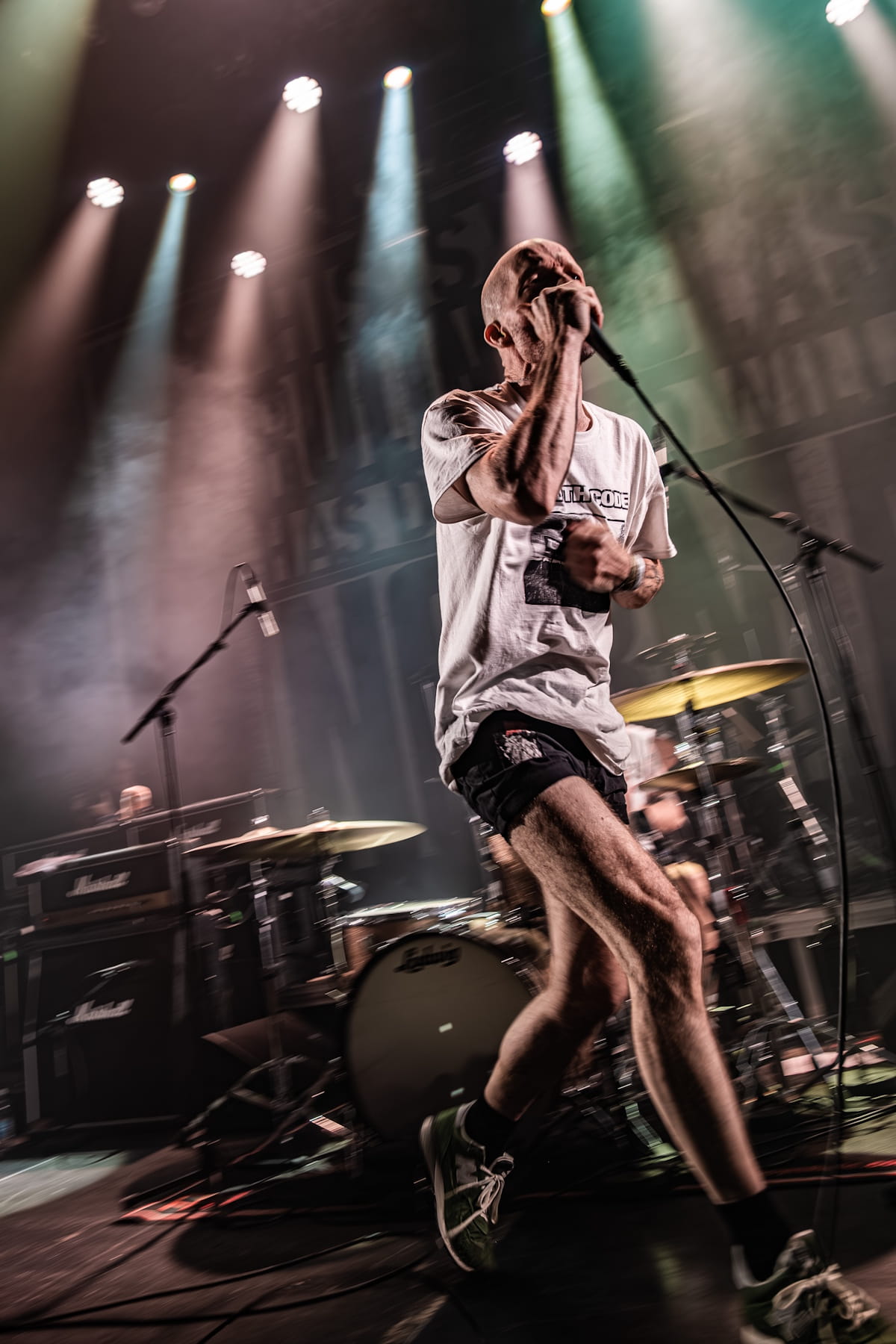
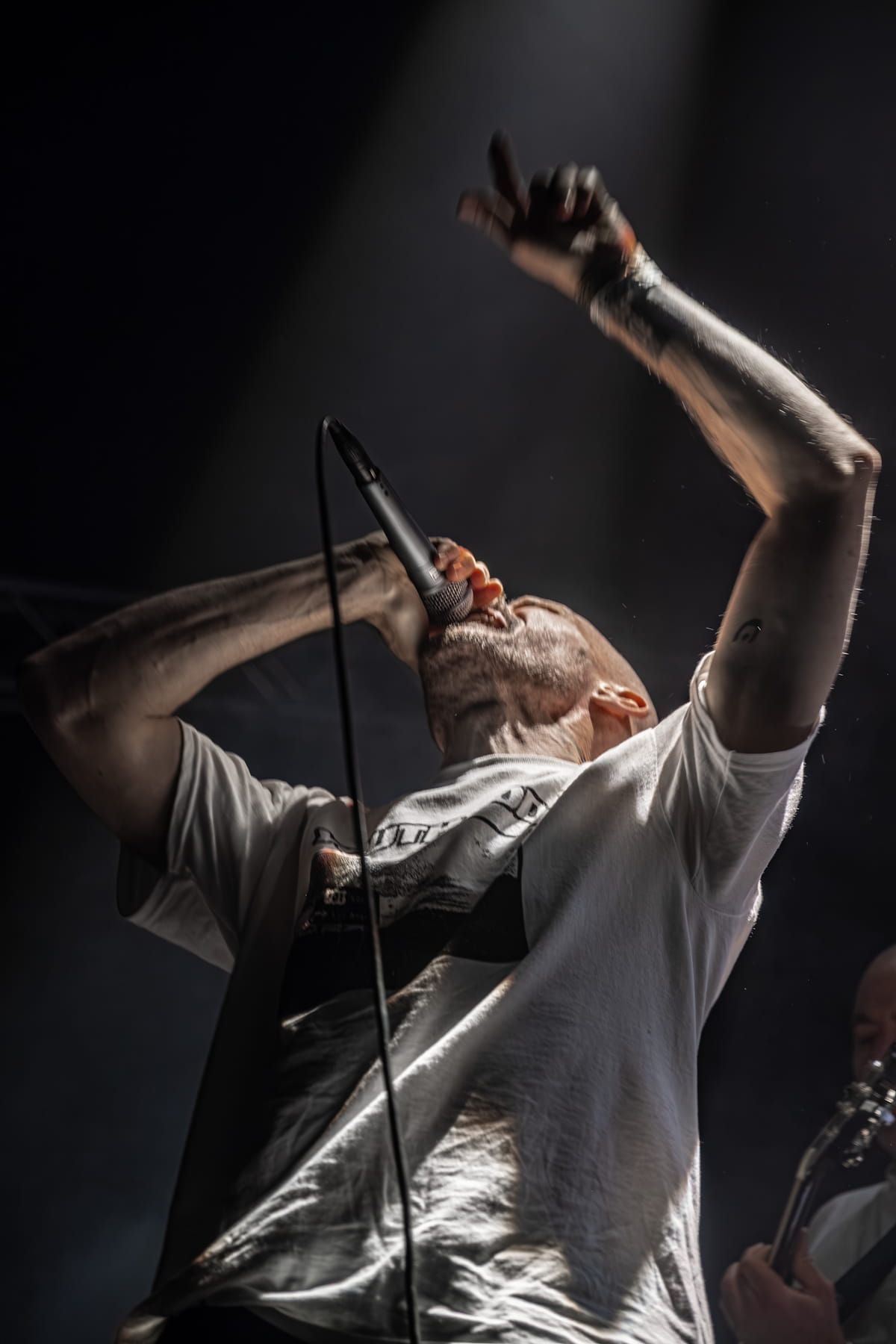
“Very high tempo, old-school, loud hardcore straight on your face with short and strong songs.” David’s energy as lead singer was “something very special to see,” and adds, “They definitely had a lot of fun!”
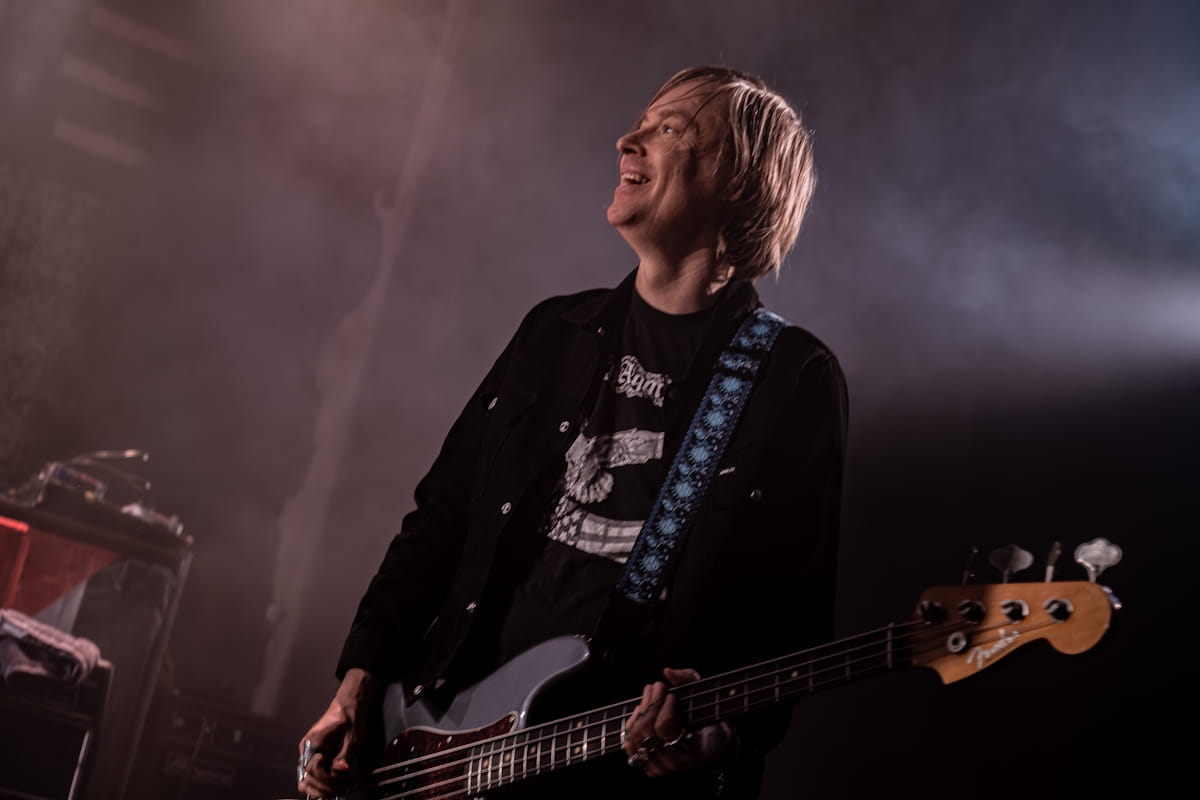
Later, Abhinanda took the stage—“one of the foundational bands of Umeå hardcore.”
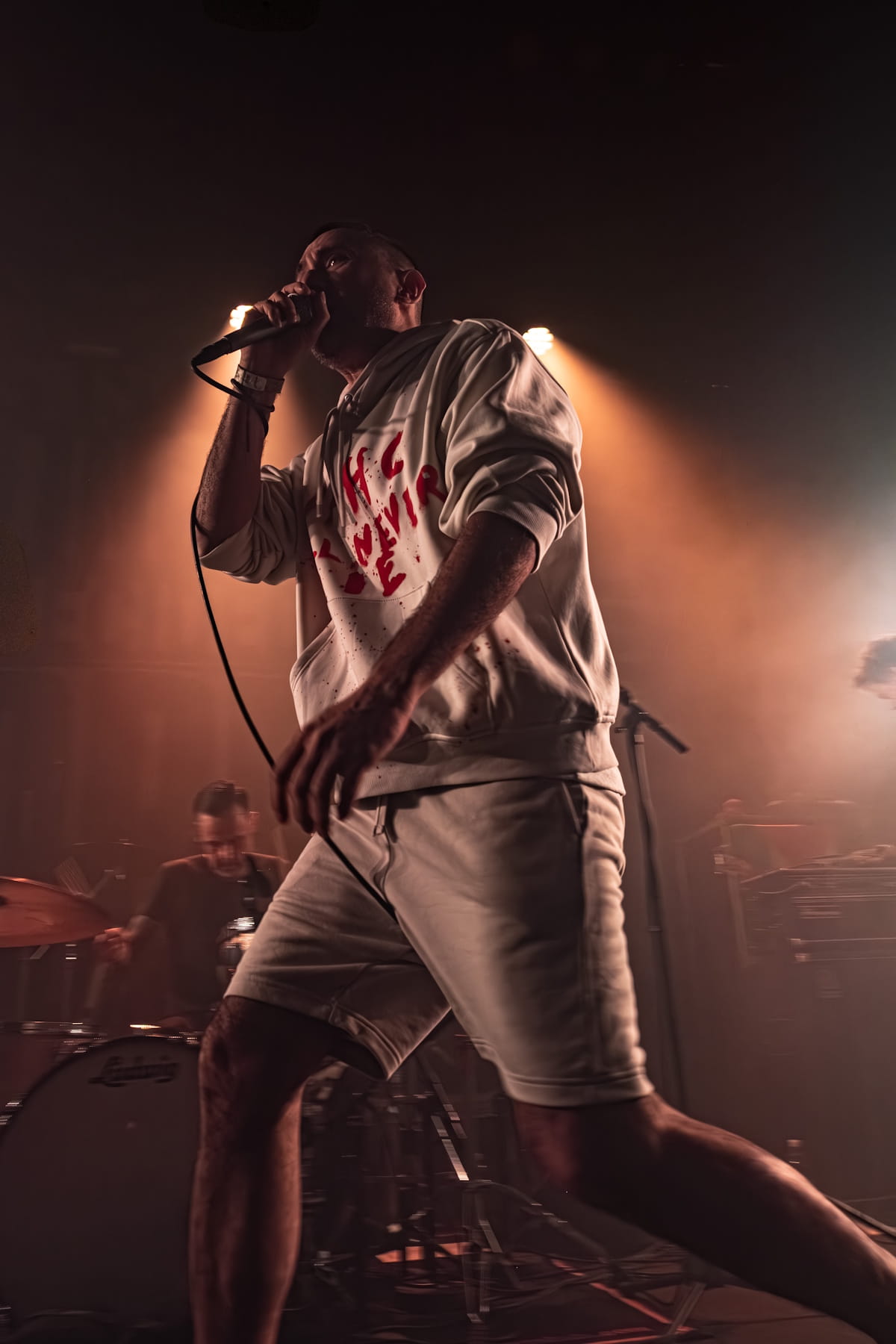
Focused, intense, rooted in a sound and ethos that still resonates. “There was no nostalgia act feeling here,” he writes. Instead, their set underlined how much of Refused’s DNA came out of a local network—shared, shaped, reinforced.
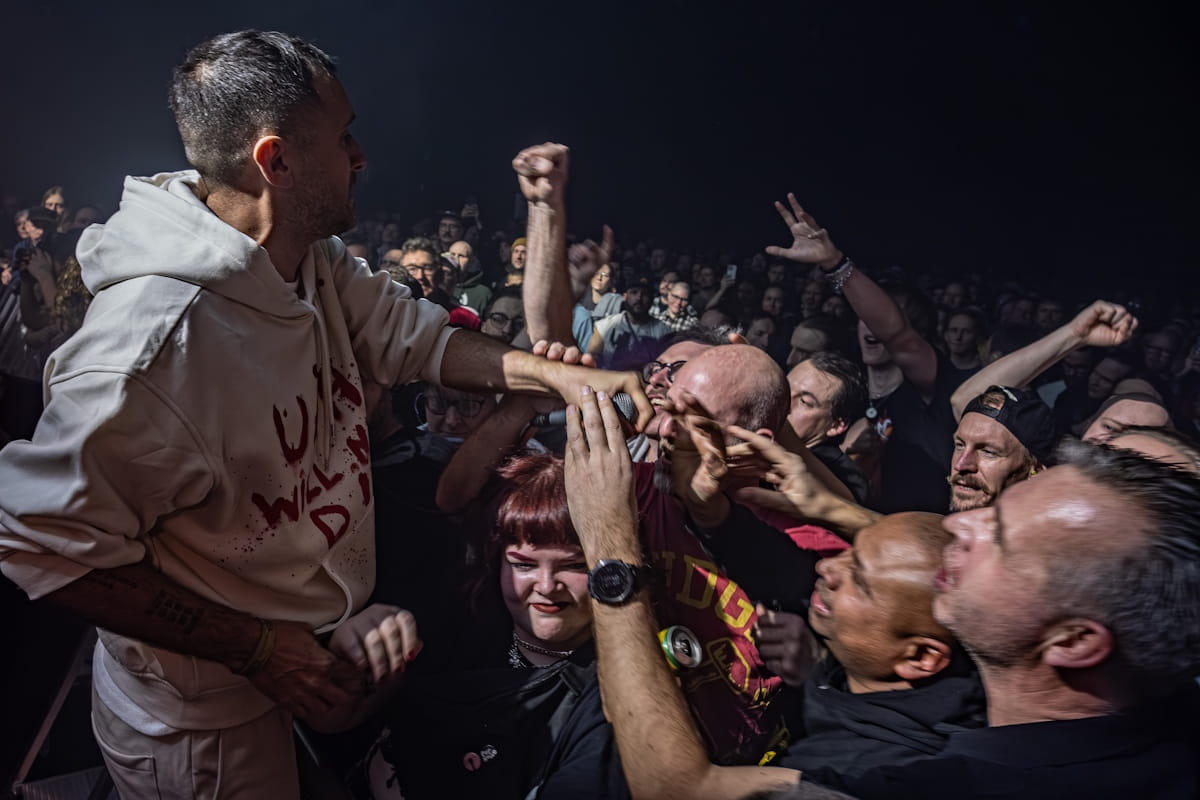
When Refused came out for what Vargas calls the “third-last time,” he changed vantage point.
View this post on Instagram
After two nights in the pit and near the stage, he watched most of the final set from the third floor.
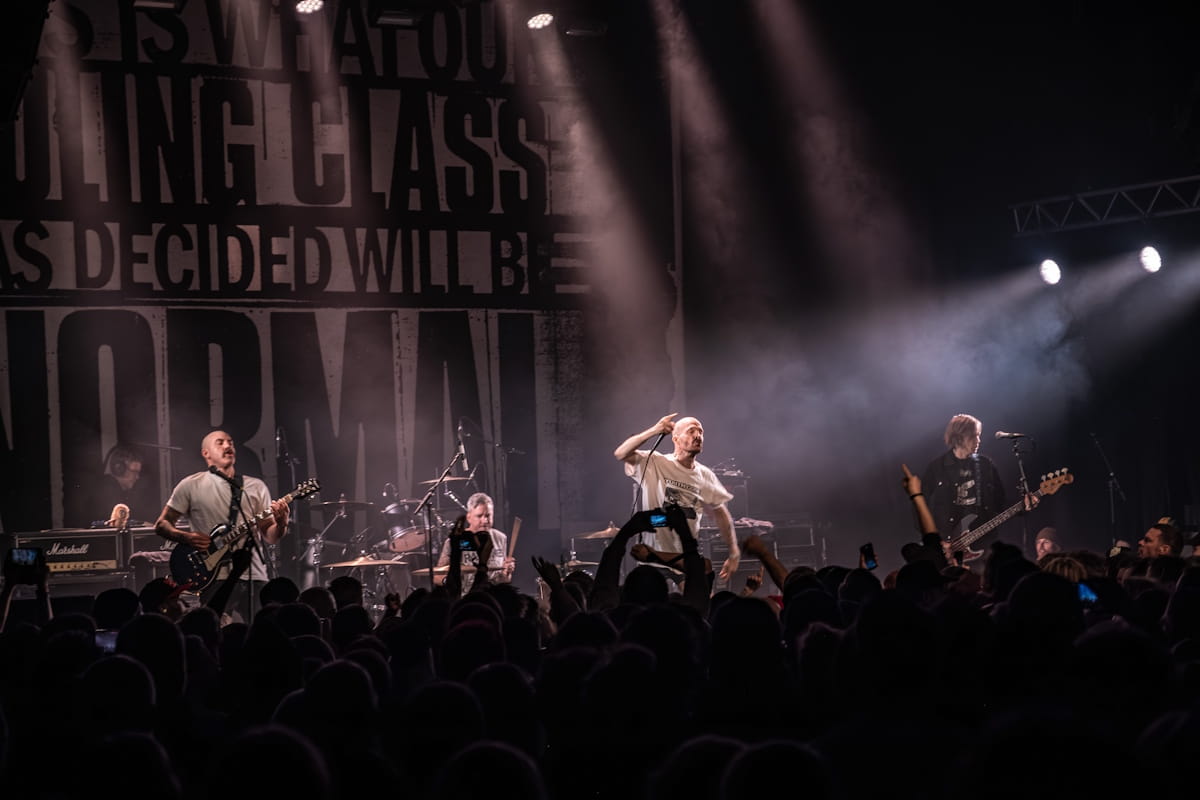
He describes the distance as intentional: “distance felt appropriate.”
View this post on Instagram
From above, he could see the scale more clearly—crowd moving as one, voices merging, arms raised. He notes the set leaned into their most iconic material, building toward an ending everyone knew was coming.
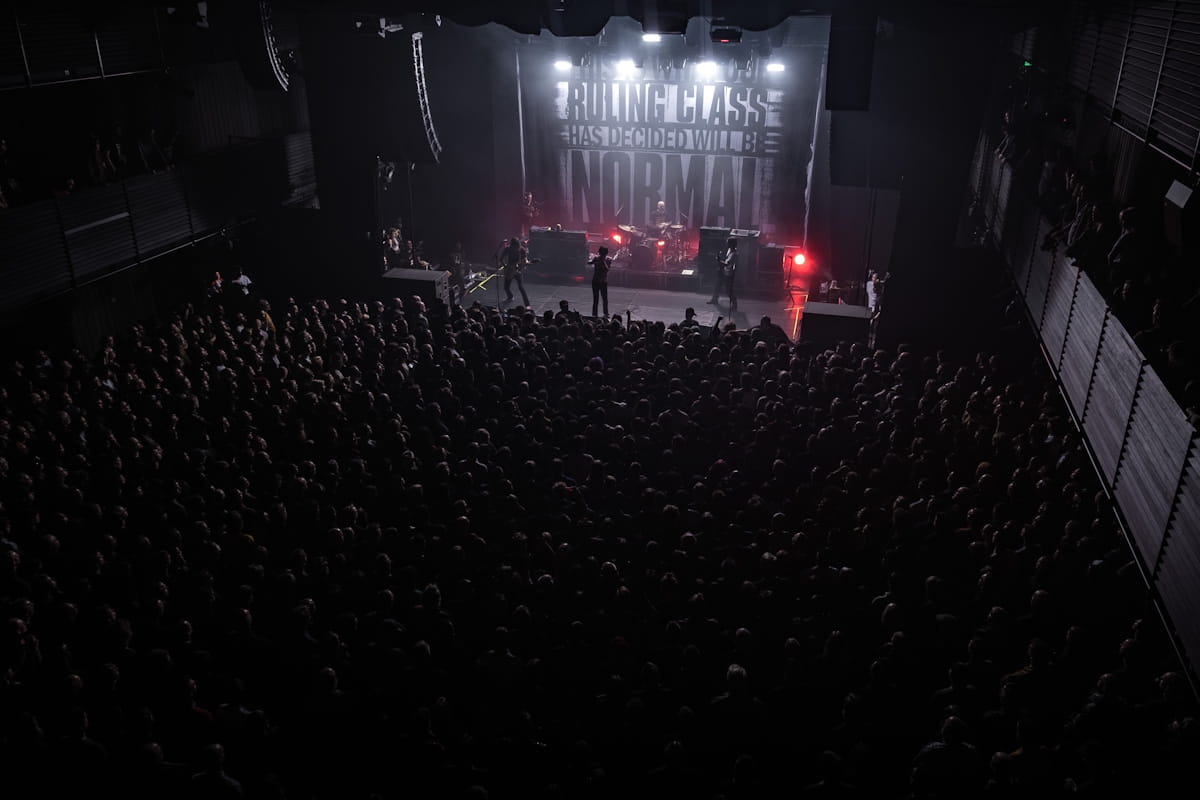
They closed with “New Noise,” which Vargas states was “the very last song they ever played live.”
As the band thanked and saluted the crowd, a collective chant rose—“Rather Be Alive”—a reference to “Rather Be Dead.” “It wasn’t chaotic; it was collective.” From his perspective up top, it didn’t read like a goodbye as much as a handoff: “something being passed on rather than shut down.”
His final line on that moment is a clean thesis without hype: even if Refused is “dead as a band,” the legacy is still alive and will last a long time.
The afterparty happened in a bar a few blocks away. He describes it as “less like an extension of the shows and more like a decompression chamber”—a place to reconnect, process, celebrate.
“Seeing Vännäs Kasino, Northern Militia, and unexpected appearances from Abhinanda reinforced the sense that this wasn’t an ending marked by absence, but by presence.”
Vargas is consistent with everything he kept returning to: infrastructure, networks, scene health. Refused played the final hometown shows, but the three nights highlighted “not closure—it was continuity,” a scene shaped by shared values and collective effort, “still very much alive.”
Keep in the loop!
🗞️ Subscribe on Substack
🔔 Join our Messenger and WhatsApp
📜 Get daily news via Instagram Stories
Your support keeps us alive!
IDIOTEQ is a one-man DIY operation, tirelessly spotlighting the local cultural scenes and independent bands that often go unreported elsewhere. Born in the early 00s, this platform has been committed to giving hard-working artists the high-quality coverage they truly deserve.
No ads, no distractions—just pure inspiration and a genuine focus on independent artists and their stories.
Please consider helping keep IDIOTEQ ad-free and in tune with the indie scene by donating today.
DONATE via PayPal 𝗈𝗋 SUPPORT via Patreon
100% of the funds collected go toward maintaining and improving this magazine. Every contribution, however big or small, is super valuable.
Your support ensures that we continue to be a place where you can discover, learn, and get inspired, without any advertising noise. Thank you for being a part of this musical journey.