


“Vell i cabrejat” translates roughly to “old and pissed off,” which is about as straightforward as it gets. It’s one of the centerpieces on “Absolutisme Zen,” Serpent’s new album dropping in March through BCore Disc, and while it might be the gentlest track on the record, gentle doesn’t mean it’s pulling punches. There’s real hurt here, the kind that comes from watching something slide past you and knowing anger won’t change it.
The song is about getting mad at clouds. About choosing to hold onto something real in a world that’s rotten, cynical, and only cares about outcomes.
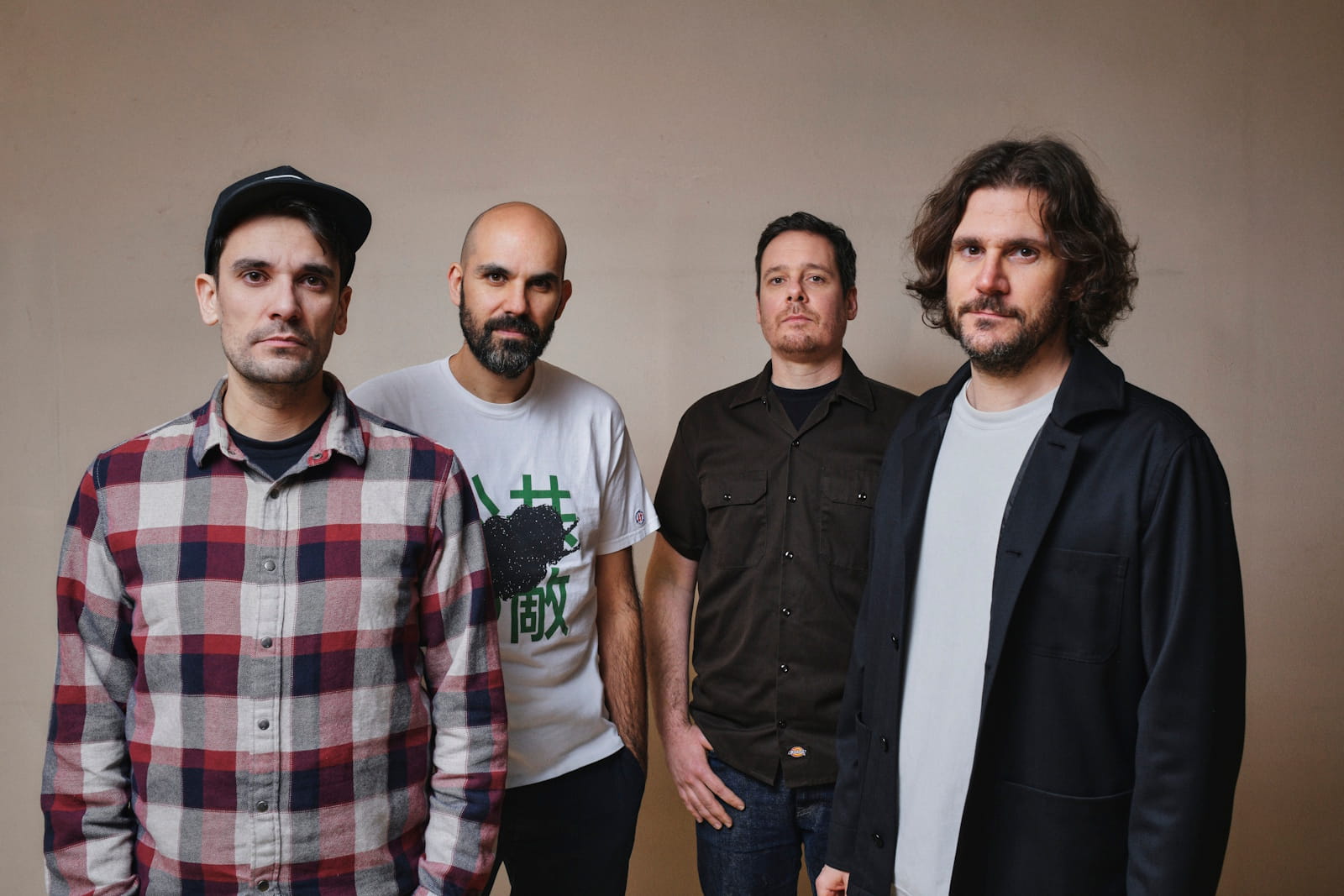
Serpent call it “a small act of defiance against ugliness, efficiency, and the constant pressure to always win.” It’s also about getting older in underground spaces—seeing things change, not liking what you see, and then realizing your opinion doesn’t actually matter because the scene doesn’t belong to you anymore.

It belongs to the next wave of kids who haven’t been beaten down yet. You’re not supposed to get the newest trends. Slowly, you get pushed aside. And nostalgia? That’s the easy trap waiting for you.
But Serpent aren’t interested in wallowing. They see nostalgia as more than just a feeling now—it’s a business model. “Massive festivals sell us the past at a premium, while our generation, now in a position of cultural power, clings to what it knows and resists any real change.” That’s what they’re pushing against. The commodification of what used to feel urgent.

The lyrics don’t dress things up. “No vull que em facis massa cas / estic vell i cabrejat” (don’t pay me too much attention / I’m old and pissed off) sits alongside “cuit i mastegat / un pèl decepcionat” (cooked and chewed / a bit let down). There’s a line where they admit “estic mentalment mermat” (I’m mentally worn down) right before saying “m’agrada fer-ho complicat” (I like to make it complicated). No self-pity, no asking for sympathy. Just laying it out.
They sing in Catalan because why wouldn’t they. It’s not a political move or some cultural statement—it’s just normal. “We want to show that Catalan can be used for any kind of music—not only mainstream or traditional folk aimed at a local market, but also as a valid language for underground and alternative expression.” The language choice fits the record’s whole approach: direct, unpolished, refusing to package itself into something more digestible.
This song marks a turn for Serpent, though maybe it’s more about focusing what was already there. “I’d never worked on a group of songs with such frustration,” they say.
The pandemic shut everything down, and in that silence, questions started creeping in. How much longer could they keep going? What if it stopped being worth it? Those doubts run through “Absolutisme Zen,” and “Vell i cabrejat” confronts them most directly.
“If there’s a sense of tension and release across the album, I think ‘Vell i cabrejat’ sits more on the release side. It’s sad, hopeful, and poppier—maybe the gentlest song on the record. Less confrontational and more personal, it shows the hurt without turning to anger, because you can’t really be angry at time passing.”

They stripped the songs down this time. Made them tighter, more direct than before. Production-wise, they think it’s the best-sounding thing they’ve done.
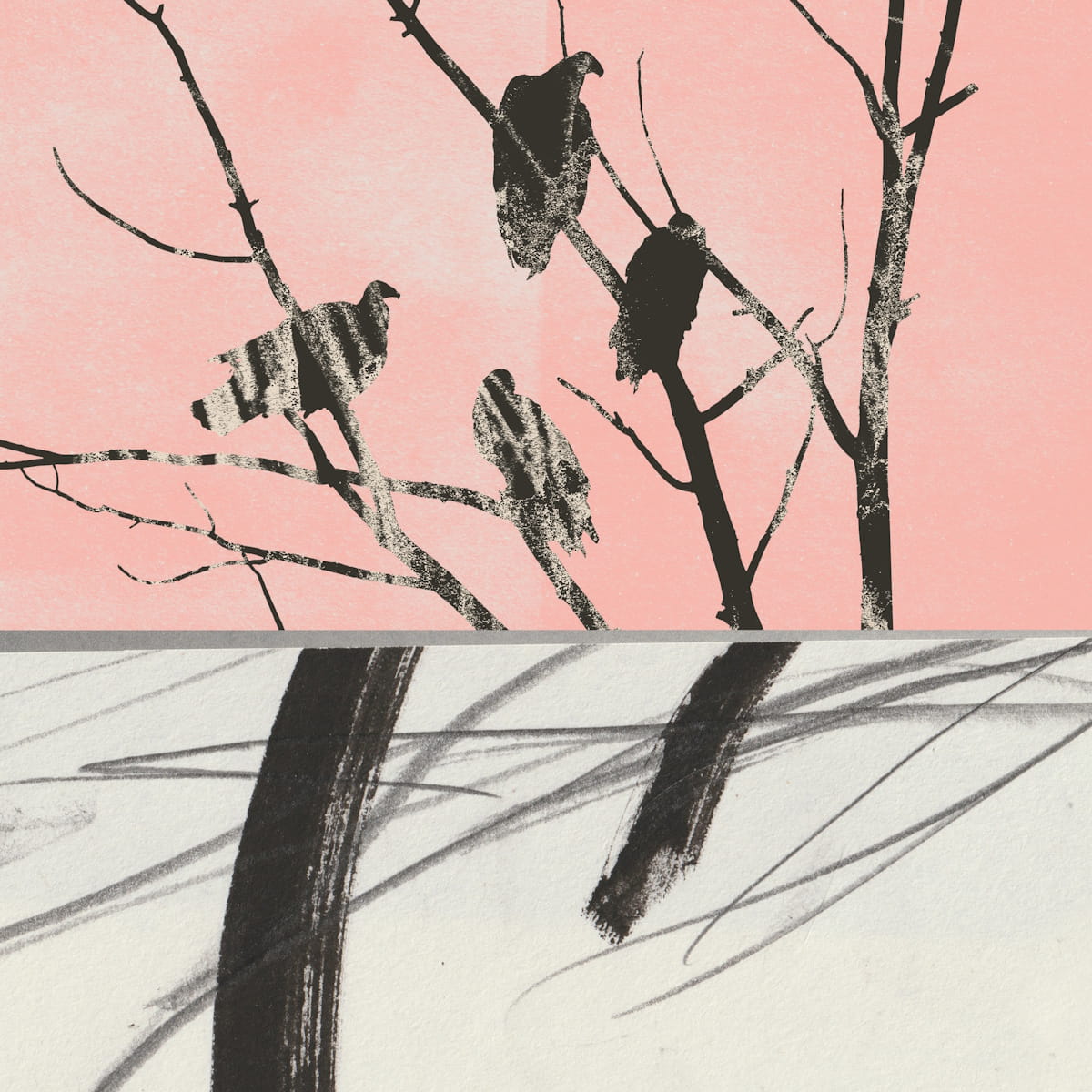
The video, shot and edited by Adrià Bertran with work from Fran Sales and Sergi Bertran, keeps that raw simplicity. Recording happened at Labedoble with Marc Bòria and Xavi Escribano, and Echo Estudi with Albert Ibarra. Santi Garcia mixed it at Ultramarinos Costa Brava, Víctor Garcia mastered it at Ultramarinos Mastering.
What you’re left with is a song about redirecting anger. About holding onto principles when everything around you is noise and everyone’s chasing the same hollow wins.
It’s rock in Catalan coming from a critical, personal place – no comforting nostalgia, no guaranteed future. Just the uncomfortable reality of still being around when you’re not entirely sure what that means anymore.