
For a stretch there — around the mid-2010s, give or take — the internet consensus on post-rock was that the well had dried up. Too many builds, too many crescendos, too many bands leaning on the same three pedals and the same letterbox cover art. The takes piled up: the genre was finished, a decade past its sell-by, nothing left to pull out of it. Then somehow it just kept not being finished. Bands kept showing up with angles nobody had filed the forms for — harsher textures, stranger emotional registers cutting across the poetic and the sentimental — and the “what’s left to do here” argument started looking thin.
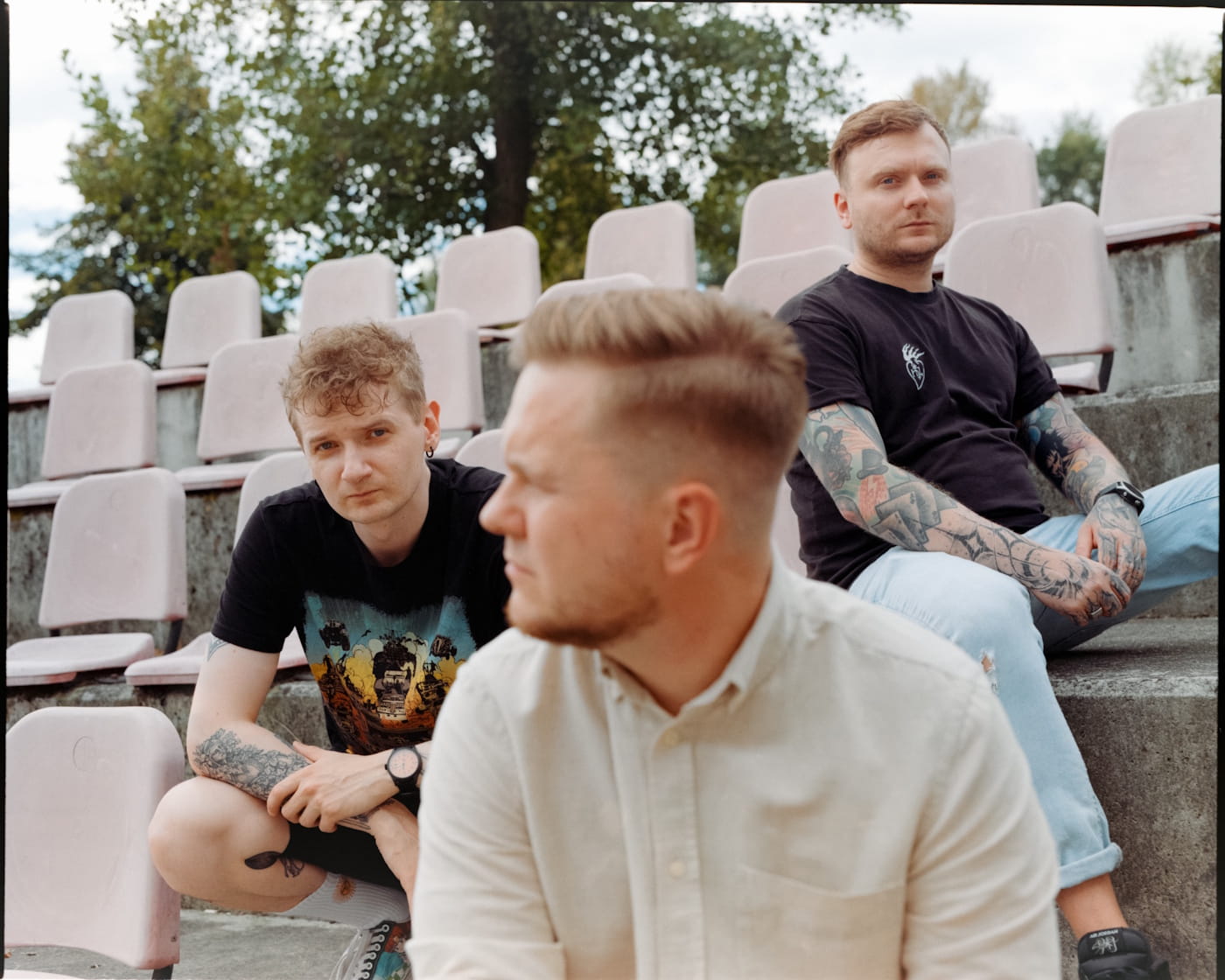
Kraków based Transmission Zero are firmly in that second camp. A trio who hear post-rock the way a lot of us do in 2026 — “in my opinion, almost everything in post-rock in recent years sounds the same and like it’s made on a computer,” as guitarist and co-founder Jacek Zięba puts it — and are trying to do something louder, angrier, and less flat-ironed about it.
“Yes. And I Would Do It Again,” out April 14, is their third record. The band has been at it since 2017 — self-titled debut in 2019, “Bridges” in 2021 (we last caught up with them around that one). Five years on, almost nothing about the internal situation looks the same.
The short version: after “Bridges,” the band’s co-founding bassist Krzysiek left. Jacek describes it as a gut punch — not because it was a surprise (“Bridges, we mostly wrote the two of us — me and Sebastian on drums. Krzysiek barely showed up to rehearsals by then”), but because of how it happened.
“I think people who don’t play in bands don’t really get it,” Jacek says. “These are kind of relationships. A departure like that is comparable to your long-term partner walking out.”
He and drummer Sebastian Zimowski were left standing, staring at a to-be-or-not-to-be moment. The answer they landed on was to come back heavier. “For me it was certain this time it would be a really heavy album — heavier than the previous ones — and that we were ready to hit harder than ever. The anger and the rage at the whole situation, at Krzysiek, all of that helped. It became a kind of therapy. A story about losing someone important to me, but also finding the strength and the joy of creating something again.”
They had two songs sketched out — one in pretty concrete shape — when Bartek Kotlarczyk came in on bass. Bartek had previously played guitar in Burn The Witch; he picked up the bass specifically for Transmission Zero.
Jacek knew him from work, knew he played, knew he liked this kind of stuff. “I just asked him if he wanted to play with us because we didn’t have a bass. He answered by buying one and learning most of the songs before he even came to rehearsal.”
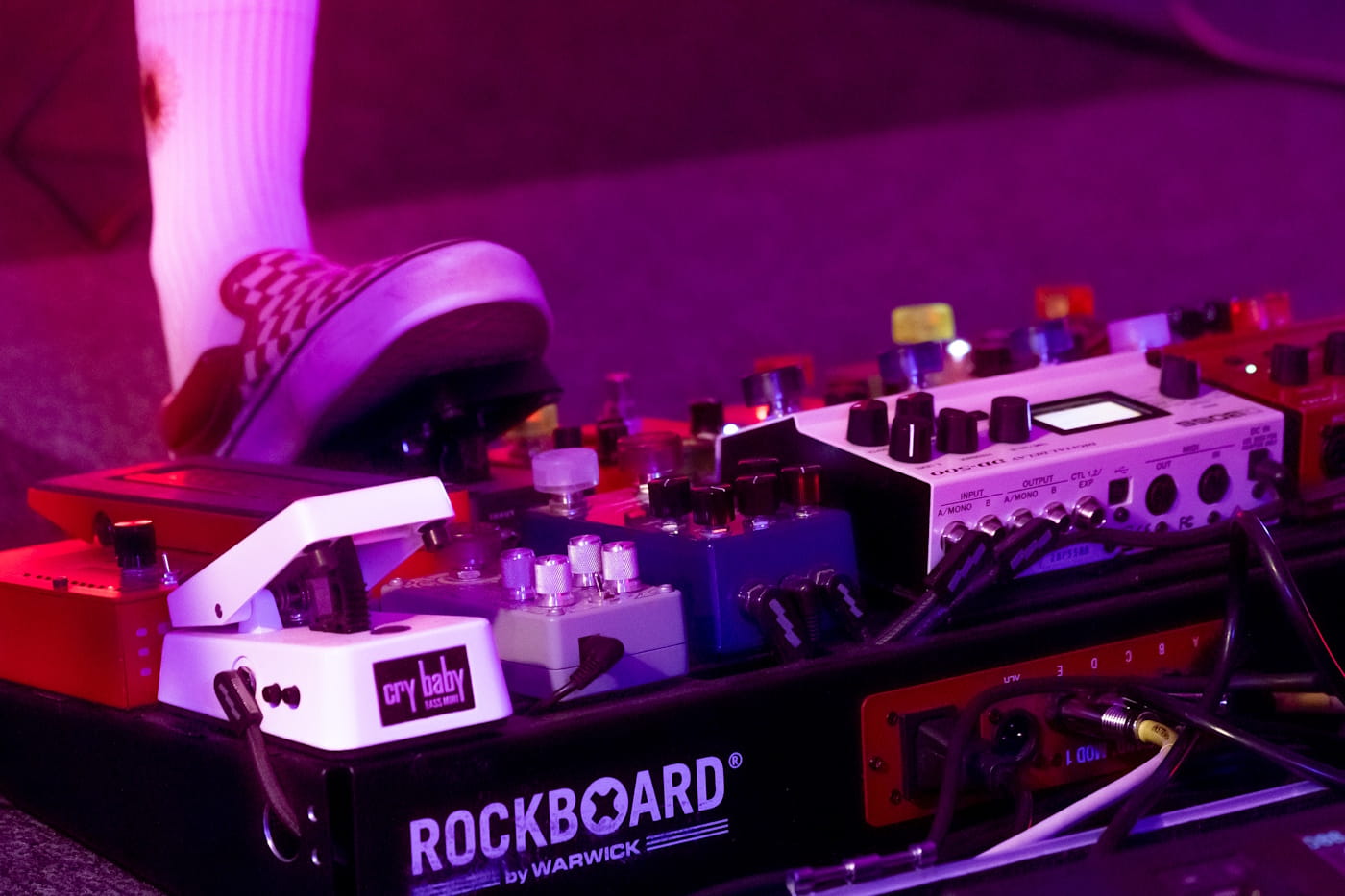
With Bartek in, both Jacek and Sebastian came back to life — after a long stretch, finally feeling like a band again. Tight collaboration with someone new, after years of drifting contact with Krzysiek, was the reset they hadn’t realized they needed.
A chance to tour with Besides came not long after. The new lineup tested itself on old songs — played with more bite than ever — and pushed the new ones out in front of audiences. It went well enough to cement the three of them.
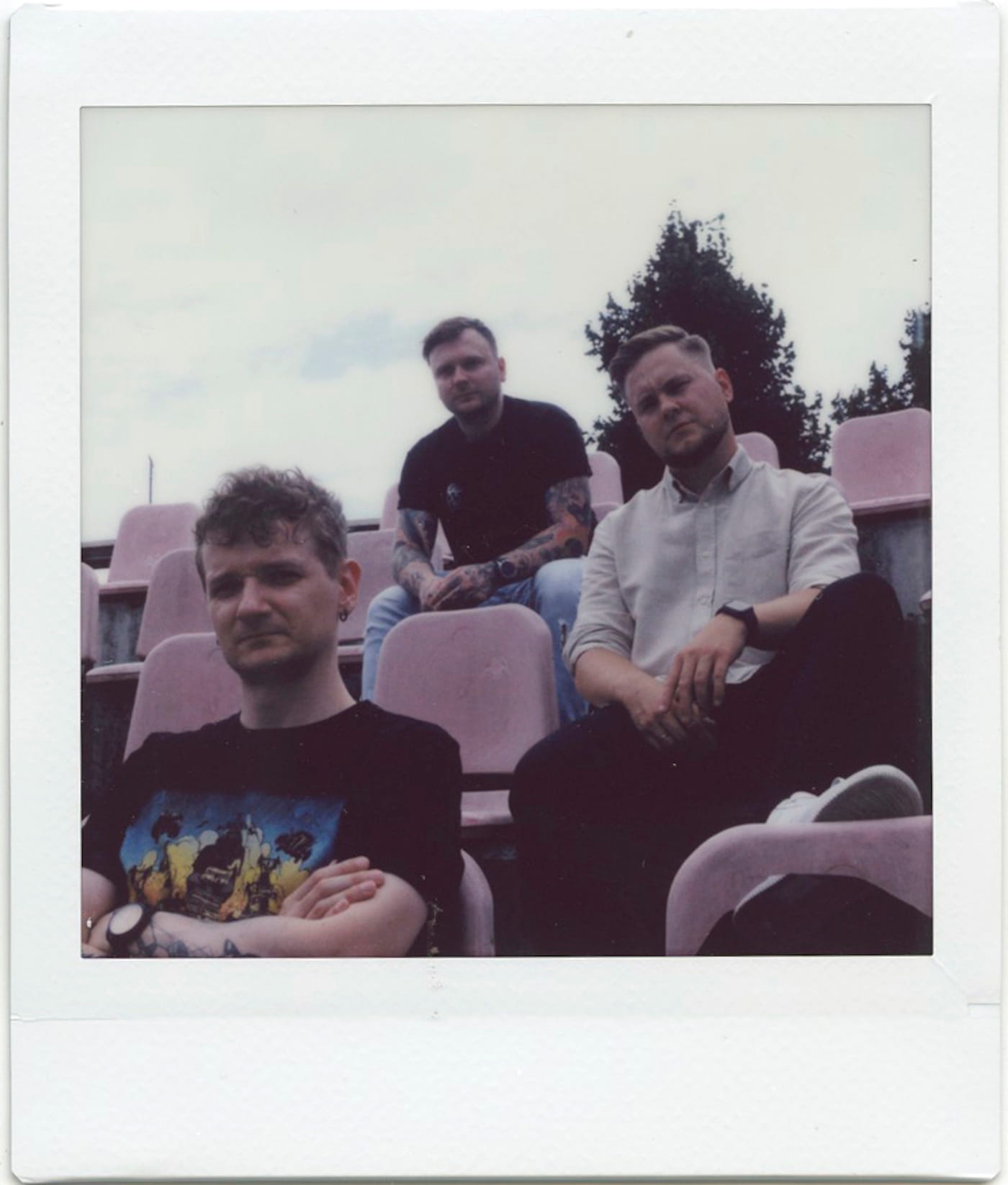
Then life slowed things down. Personal stuff meant they couldn’t play as often; work on the album stretched. By late 2024 they had four tracks recorded and were ready to put them out as an EP. Jacek talked the band into waiting. “I convinced the boys to hold on, finish two more, and just release the whole thing.” Two more songs came in 2025. “It’s not that we were cutting corners. Every track on this record could have been a single. We poured ourselves into every one.”
Everything was ready for release by late November. They held it back — didn’t want it landing inside the Christmas and year-end noise. “This record isn’t about endings. It’s more about that kind of ‘strength’ to keep going.”
Two things went sideways in the weeks before the album came out. First, the WherePostRockDwells channel — which had been hosting thousands of post-rock albums and pulling millions of views, where Transmission Zero had built most of their direct connection with listeners — got hacked, its creator locked out, and YouTube eventually deleted the whole thing. “For us it was a real blow. That’s where all our albums and live sessions were, where we hit our audience directly, where we built our reach. When the channel disappeared, it was like starting from zero.”
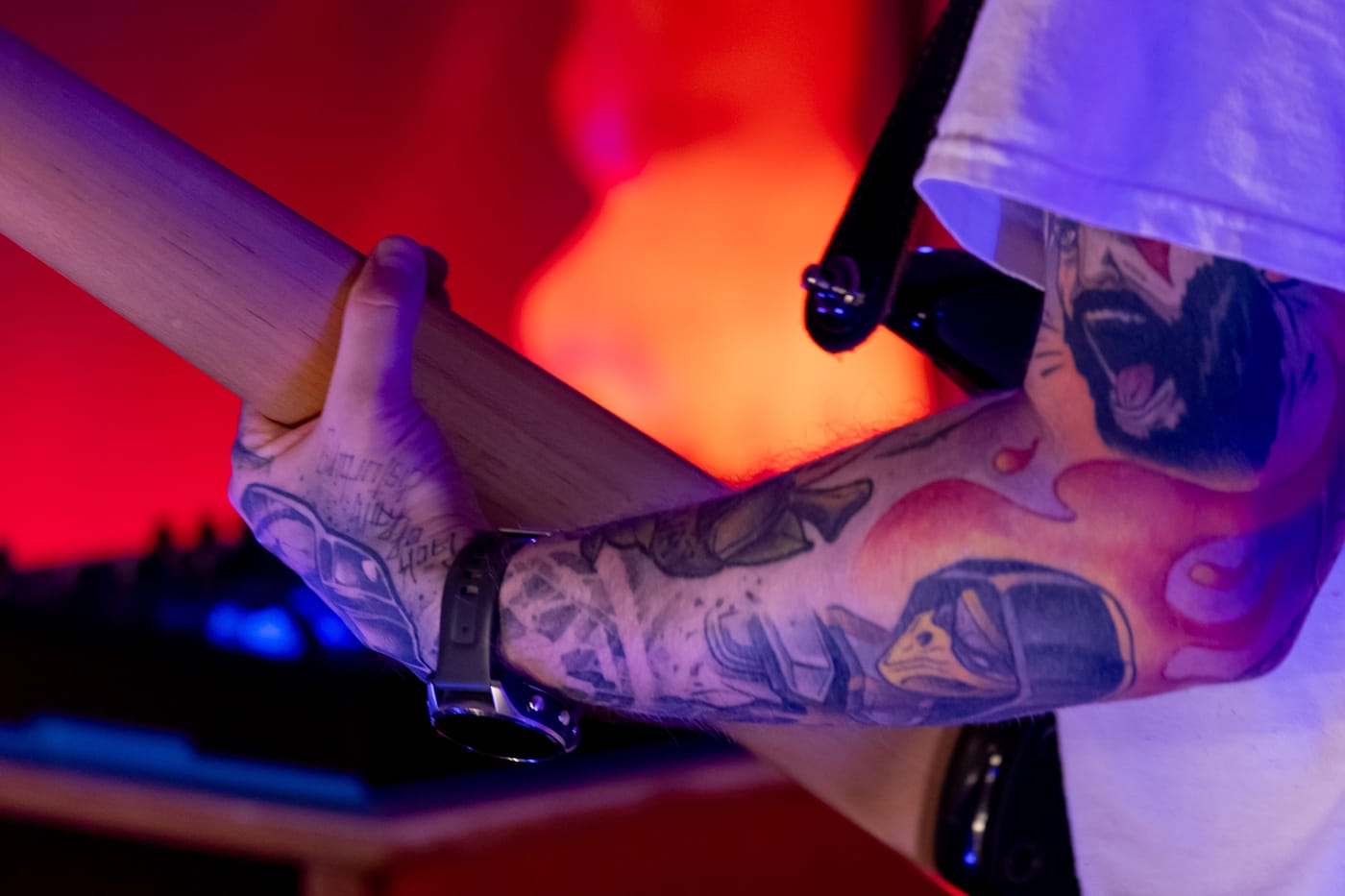
Then, a few weeks before premiere, Sebastian left the band. Amicably — “it’s not about you, it’s about me” — nearly ten years of drumming had drained the heart out of it for him. In Jacek’s telling, Sebastian knew he’d end up dragging the band down. “Literally his words.”
Planned April and May shows had to be rearranged. Then, by what Jacek calls some miracle, they found Mateusz Wejdman, ex-The Duffs (Jarocin Festival 2014 semi-finalists). He’s in the room now, shaping the songs with them and getting ready for live shows.
About the tracks. The band usually names songs at the very end, once the mix is close to final. “We listen together, talk, figure it out, name it. Before that, every song is just called first, second, third.” The running order on the record is different from the order they were written — so here’s the tour, writing-order first.
“A Devil You Do” came together not long after Krzysiek’s departure — equal parts anger and a want to see what they could do in heavier territory.
Wyświetl ten post na Instagramie
The title is a double: the devil you make yourself, and wordplay on the old line — “What’s better than a devil you don’t know? A devil you do.” The phrase is lifted straight from Baldur’s Gate 3. Jacek works in gamedev and plays, and those inspirations bleed in sometimes.
Fun fact — “Bridges” was heavily shaped by Death Stranding and its soundtrack (particularly Low Roar); the title and the cover of that record were both closely tied to the game. For this one, the main ear-worm early on was “Dark Stone” from Holy Fawn’s “Death Spells,” which — along with their next album — was running in the background through most of the early writing.
“No Such Thing as a Fair Fight” was the first song they wrote with Bartek from scratch. It went through, by Jacek’s count, a thousand transformations — including a full switch from baritone guitar to a standard one. For the band, it was proof they could build something punishing together.
The phrase itself is something Jacek overheard on a TV show and jotted down (he keeps notes for work and for the band). “It’s a pretty strong line. Sobering, blunt. But it gives you something too. It’s not that I don’t believe in fighting fair, or that you need to play dirty — it’s the awareness that when it comes down to it, fair isn’t going to be on the table.”
“Can’t We Just Levitate?” is the record’s breath — the third track written, where they eased off the hammering. It opens emotional and hopeful, then ends with a slowly collapsing finale in the tradition of PG Lost’s “Gomez” (from “In Never Out,” 2009) — something Jacek had wanted to put on tape since Transmission Zero began.
“A heavy slowing ending that pulls you deeper and deeper into the muck.” The title mostly speaks for itself. Can’t we just float? Let go, stop worrying, stop dwelling? Maybe it’s a song about forgiveness — Jacek isn’t sure. “It’s probably my favourite on the record. It shows what’s going on inside me more than anything else.”
“You Were Never Really Here” was originally meant to close the EP before the plan shifted to LP. In the studio, it went through the biggest rewrite of the session — Maciej Karbowski from TFN leaned on the band hard (“and thanks to him for that,” Jacek notes).
Big inspiration there: TFN‘s own “Ghost Horses” from “From Voodoo To Zen,” an album all three of them wore out together and their must-play on tour rides home in the middle of the night.
The title traces a story of absence. Jacek kept circling the Bob Dylan biopic “I’m Not There” whenever he thought about the song; it mutated, eventually, into the current name. “It’s a heavy emotion. You can direct it at yourself or at somebody else.”
As it turned out, the song ended up sharing its name exactly with the Joaquin Phoenix film — another not-light piece of cinema — entirely by coincidence.
After the studio, they came back to finish two more.
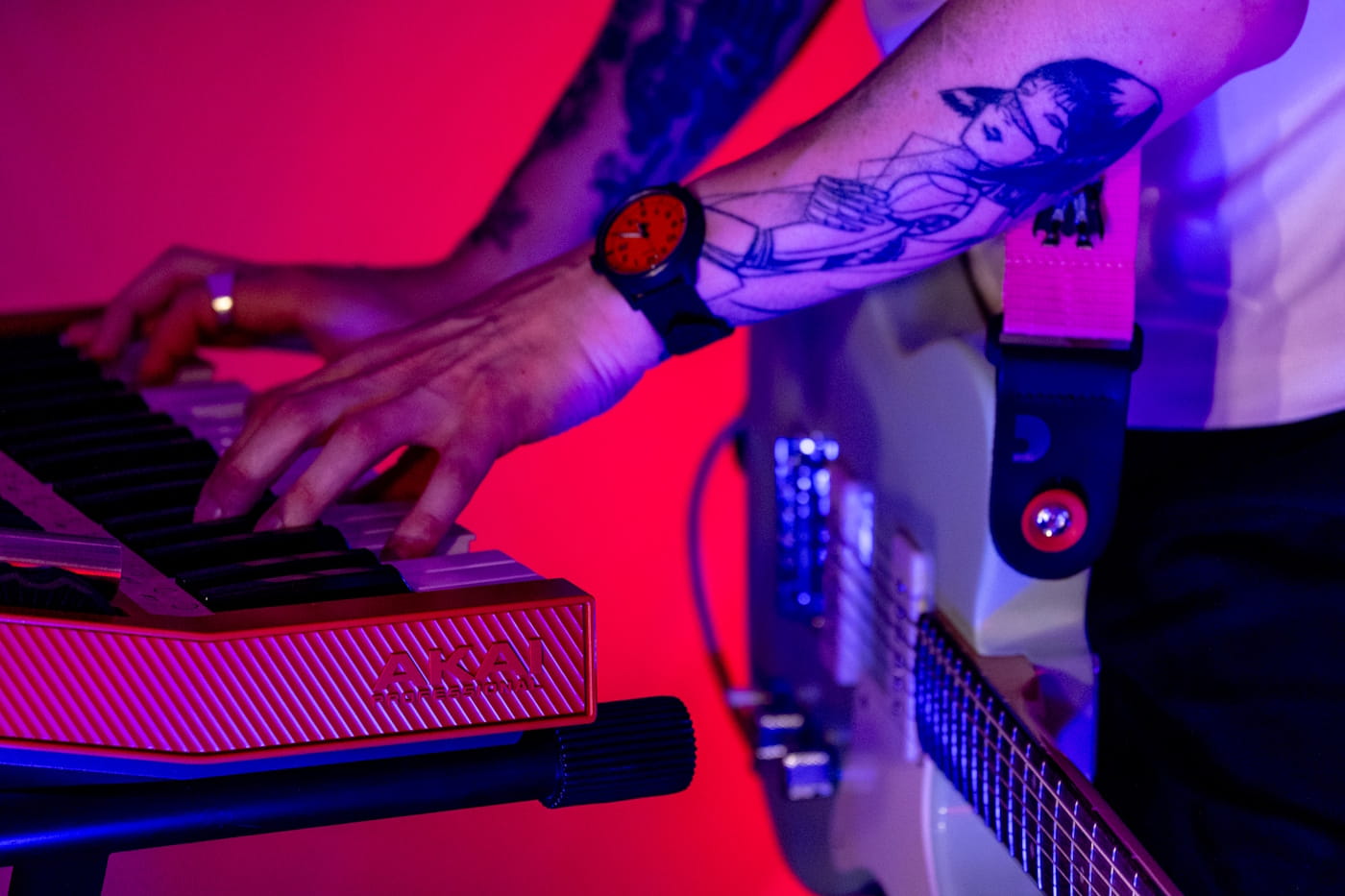
“The Kids’ Gloves Are Off” — the track that just got an official video — started on keys. After every studio trip, Jacek tends to get fixated on whatever new gear he’s seen; the sessions with Maciek pushed him toward keyboards. He picked up a small 37-key board to mess with at home and in practice and started learning the instrument from scratch. The main riffs for both “The Kids’ Gloves Are Off” and “Local Hero” came out of that board.
The song took — he thinks — about a year. Everyone felt they had something huge.
The main non-post-rock inspiration was The Armed, a band Jacek discovered after the EP sessions and hasn’t been able to stop playing since.
“Seeing that live destroyed me. That you can play at that level with everything totally falling apart around you, and it’s beautiful.” The title’s also a play — the usual phrase is “the kid gloves are off” (kid being a type of leather, the sense being that the soft treatment is done). Transmission Zero twisted it toward children’s gloves. “You’re growing up. The jokes are done. It might be beautiful, it might be terrible. Whichever it is, keep going.”
“This is the best track we’ve ever made. I’m incredibly proud of it. I love it.”
“Local Hero” came together fast. They had studio time booked and still only a skeleton of what was meant to close the album. They flipped the process — instead of writing at rehearsal, they started trading ideas online.
Jacek recorded every layer and riff he had and handed it to the band to assemble. They compared notes, finished the composition at rehearsal. It was still rough going in — Jacek remembers playing the demo for Tomasz Stołowski, who tracked the final two songs with them at TFN. The look on Tomek’s face said, clearly, that the demo sounded like shit.
“But we had the idea in our heads of how to clean it up.” It came out well enough that instead of closing the record, “Local Hero” opens it. There’s an 80s thing in there — guitars going grandiose, epic and pushing forward, but with a wink. “It’s a story about local heroes — and also about local ‘heroes.’ Not sarcastic. More about a self-image that doesn’t always match up with reality. And maybe it doesn’t have to.”
Wyświetl ten post na Instagramie
Cover photo: Mateusz Zimnoch
As for the title. Jacek doesn’t try to cover all of it. “It wasn’t an easy road. Full of sacrifices and difficult choices. It’s also, probably, a story about getting out of depression — which I think each of us has had to deal with in these past few years. It’s a story about friendship. About us. About making this record. About moving forward. It wasn’t easy. But yes. We would do it again.”
Non-post-rock inspirations, in no particular order: Holy Fawn, The Armed, Brutus. Inside the genre: TFN, and Bruit — a band that, per Jacek, “destroyed us on every level when we saw them.” The project statement underneath all of this is to rough the genre up.
“Get it moving, so it doesn’t sound like it was made with a ruler. The emotions should be stronger — sometimes unexpected, furious, pissed off, and at the same time nostalgic and melancholic.” He calls the record, exactly, “melancholic fury.” As for what to actually call what they play — post-rock? punk post-rock? — he isn’t settled. “There’s simplicity and roughness and a certain level of not-giving-a-fuck, but we still tell instrumental stories. I don’t know yet. But I feel like we’re going our own way.”
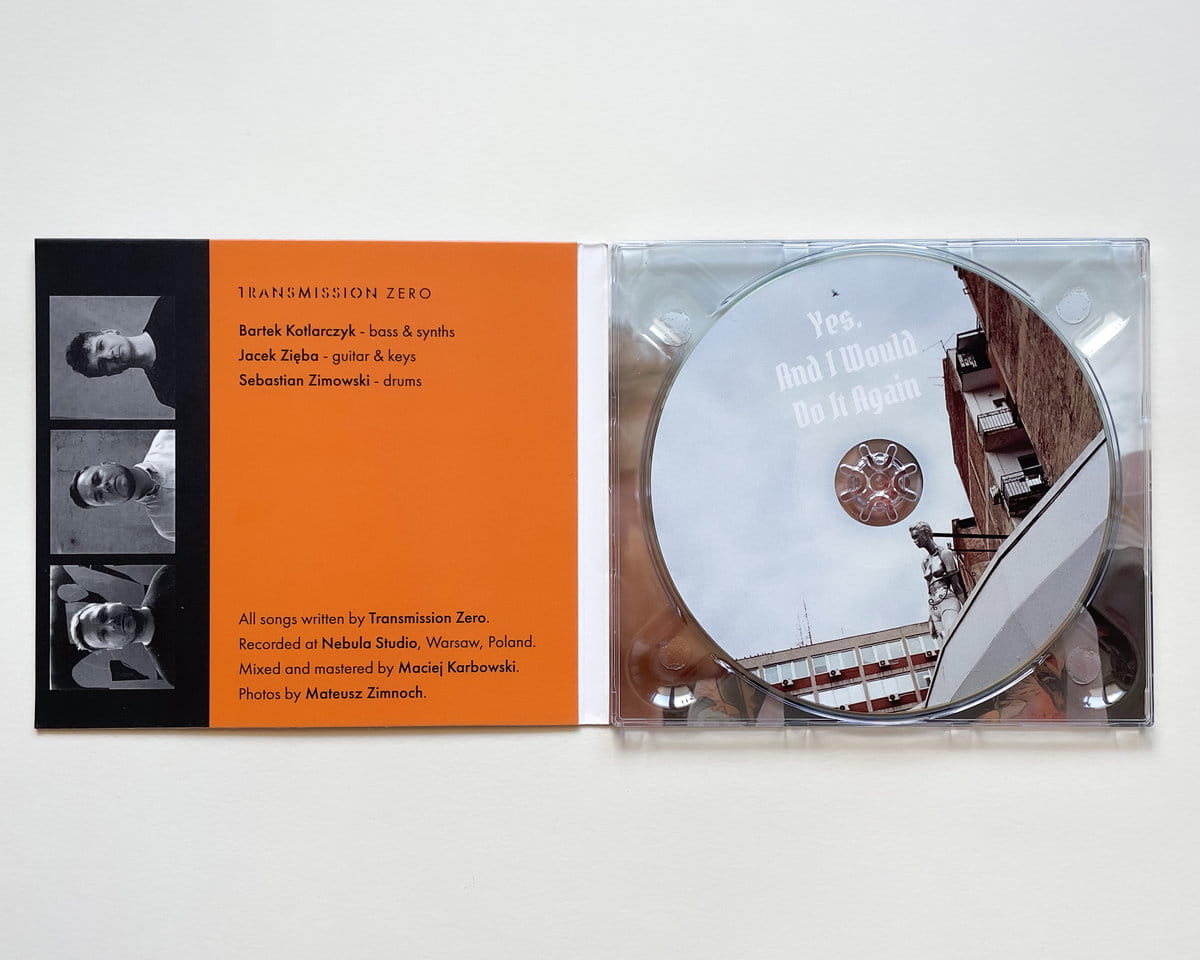
“Yes. And I Would Do It Again” was engineered by Tomasz Stołowski and Maciej Karbowski at Nebula Studio, and mixed and mastered by Karbowski. Out April 14 via Bandcamp.
🔔 IDIOTEQ is ad-free, independent, and runs on one person’s time. If you want it to stay that way: DONATE via PayPal 𝗈𝗋 SUPPORT via Patreon.
Stay connected via Newsletter · Instagram · Facebook · X (Twitter) · Threads · Bluesky · Messenger · WhatsApp.