

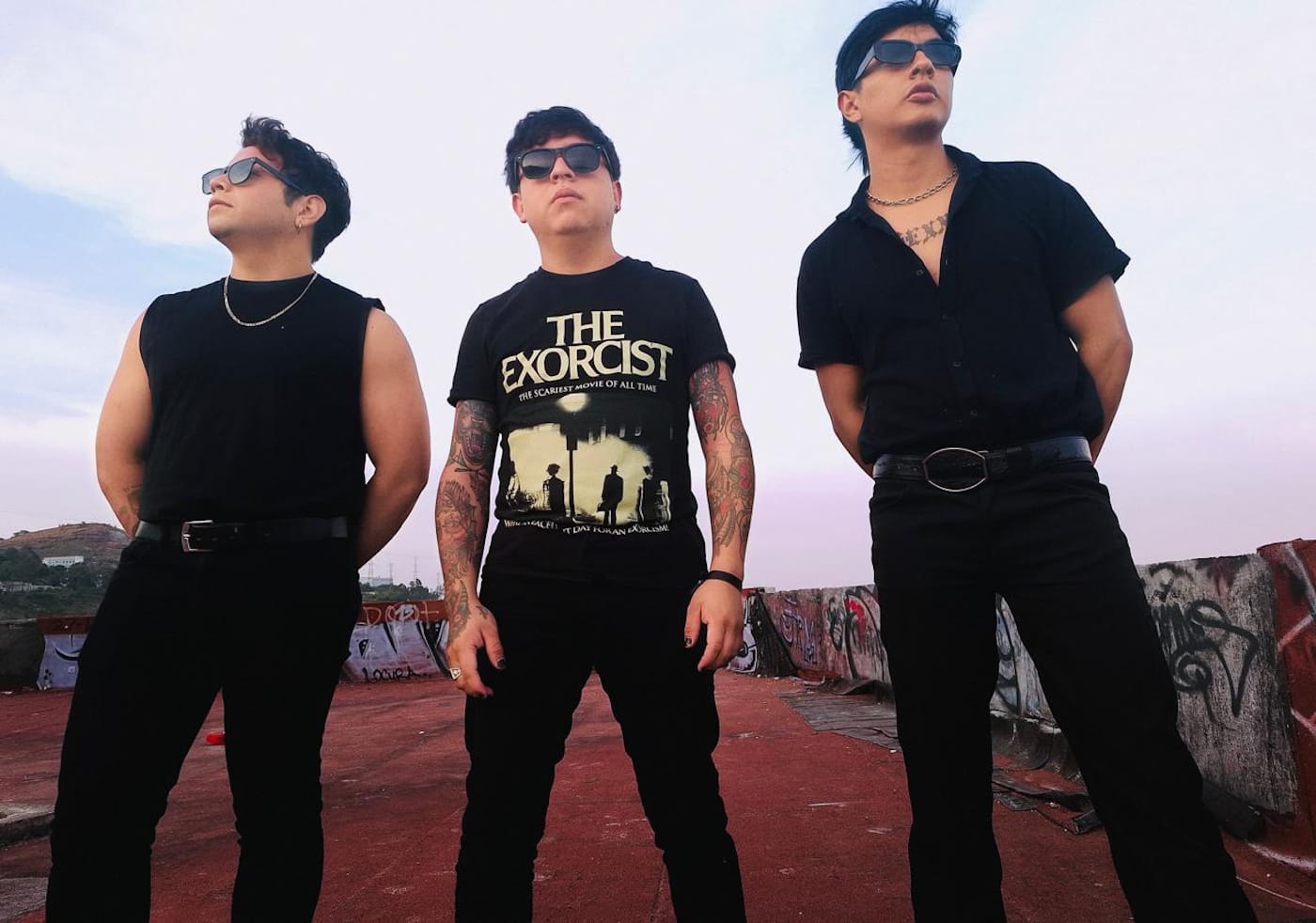
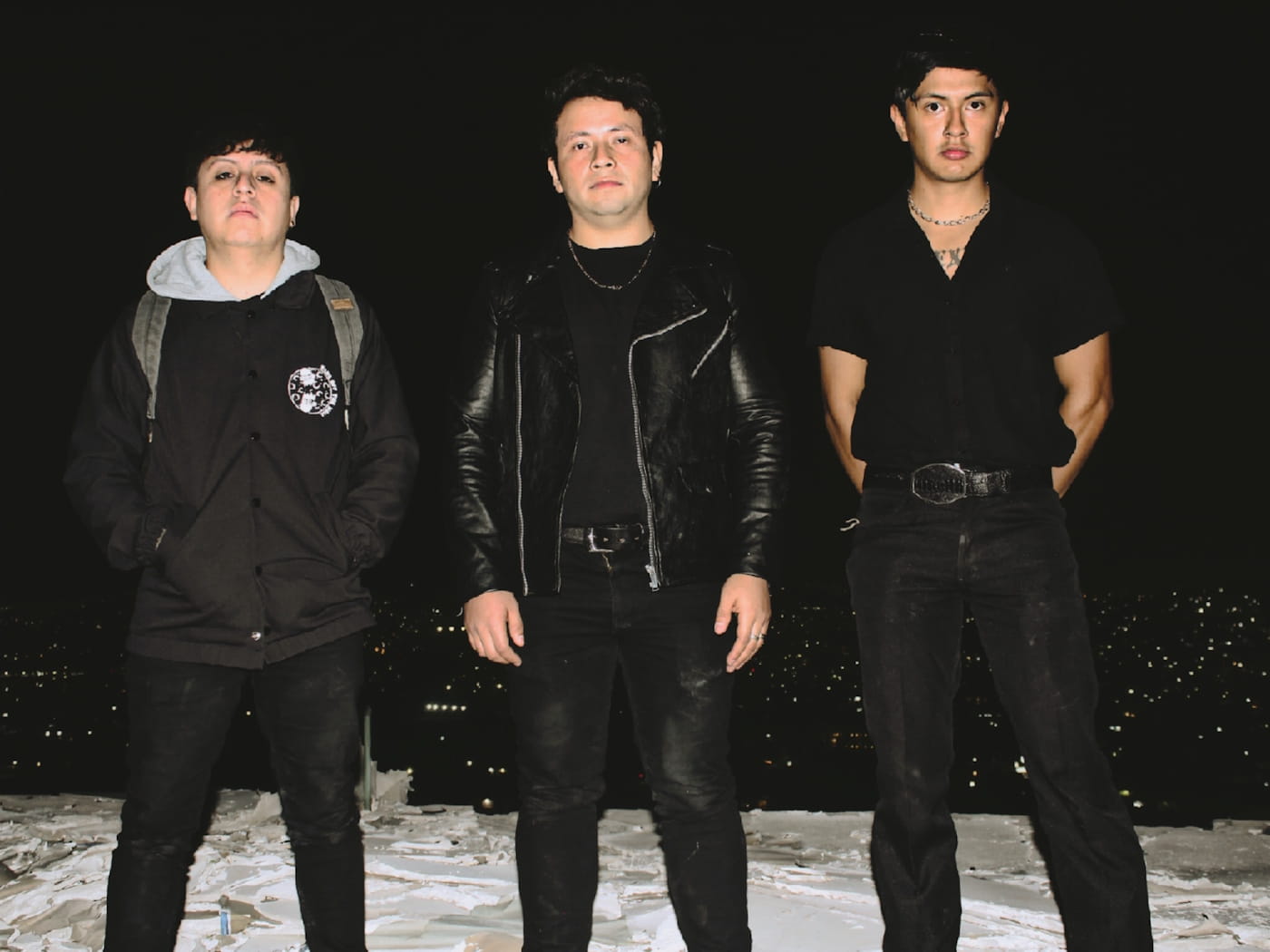
Mexico City trio Underground Palace are back as a full band with a new single, “Lo Que Prometiste” (What You Promised) — post-punk and dream pop on the melancholy end, pulsating bass, chorus-and-delay guitars, restrained rather than theatrical.
We caught up with them to talk about the song, their four months running as a duo while one member got clean, the upcoming EP “pneuma,” and what it actually looks like to play in the Mexico City underground right now — where venues close from raids, shows get announced through Instagram stories that disappear, and, as they put it, the underground isn’t a genre but a way of supporting each other.
“Lo Que Prometiste” marks the sound of the band whole again after four months of running as a duo. During those four months, vocalist and guitarist Diego Mora battled addiction, and only Saul Toledo and Jovany Sebastian were performing live.
Recording on the band’s upcoming album paused. “Now that our friend Diego is rehabilitated and committed to his recovery, we’ve released our single, ‘Lo que prometiste,’ and are announcing our return to continue making music and performing it live,” Jovany says.
Wyświetl ten post na Instagramie
The single came out of a phrase everyone has either said or heard: “I swear, this time for real.” Jovany frames it as a song about how people in Mexico City make promises constantly — because living there forces you to project into the future so you don’t go crazy with the present.
“You promise you’ll change, that the band will rehearse more, that love will withstand the third eviction. And then comes the disappointment, which isn’t always dramatic. Sometimes it’s just realizing on a Tuesday at 11 pm that no one is going to keep their word, not even you.”
Musically the band describes the track as “a bass that persists like a memory, guitars that come in late like apologies, and drums that don’t explode, they just tire.”
It wasn’t meant to be a breakup anthem. It was meant to be the song that plays when you understand that some promises were only ever made to survive the night. It was recorded during power outages, with neighbors banging on the wall. “That’s the texture here,” Jovany says. “The intimate is always permeated by the noise of the city.”
“Lo Que Prometiste” precedes a second EP titled “pneuma” — five or six songs across post-punk, dream pop, and alternative, scheduled to land on streaming platforms before the end of the year.
“This EP defines us as a band and the sound we are aiming for,” Jovany says. “We want our music to endure beyond trends, fads, and algorithms. That’s why we are always honest with our listeners about what we express in our lyrics, which are shared experiences as a band, addressing topics like depression, loneliness, anxiety, and also love.”
Wyświetl ten post na Instagramie
The band started nameless in 2021, recording demos in a room in the Portales neighborhood with a borrowed microphone. The three of them had met while filling in for another band that cancelled.
There was no plan, just the desire to make something that sounded like what they listened to when the day was awful. The first year was mostly playing for 12 people, nine of whom were in other bands. Then came a demo, a live session that went somewhat viral in very small circles, and the question of what to promise anyone next. Their answer: not concept albums, not European tours. Just to keep releasing songs that tell it like it is.
That answer gets wider when Jovany starts sketching the Mexico City post-punk underground, which he doesn’t treat as a dead genre being revived. “It’s a constant tension between nostalgia and the anger of the present,” he says. “The scene in Mexico City is chaotic, and that works in its favor.”
There are few venues to play, so many of the important parties happen in garages or storage rooms — historic, in their own way, and great. Posters circulate through social media, WhatsApp, word of mouth. Instagram helps, but the real show is announced three days in advance through stories that disappear. The audience runs 18 to 37, mostly people who didn’t live through the ’80s but inherited the weariness. Trench coats in hot weather, boots, smudged eyeliner. “But the important thing isn’t to look post-punk,” Jovany says, “but to sound honest, with lots of chorus and delay.”
Nobody is a headliner. One night you play for 30, 40, 50 people; the next week you’re on a bill with a new synth-punk or dream pop project that has one demo on Bandcamp. The same drummer plays in three different bands. Infrastructure is the weak spot — venues keep closing from exorbitant rents or police raids. There’s no permanent room that functions as the cradle of the scene the way CBGB did in New York. Promoters put up their own money and burn out. Documentation lags behind everything else: phones do most of the recording, quality captures are rare, consistent fanzines are rare, specialized criticism is rarer. Everything moves and disappears quickly. On top of that, he names a missing connection with Monterrey, Guadalajara, and Tijuana — cities with strong scenes that Mexico City bands share stages with maybe once a year, if they’re lucky.
He also names something harder to fix: a habit of imitating the British scene of ’79. “Mexico City offers more than enough material: the noise, the violence, the tenderness, the public transport. Post-punk here should sound like the Metro at 6 p.m., not like Manchester.”
The practical version of surviving the scene, in his telling, is showing up when you’re not on the bill. Dropping by to record backing vocals for a friend’s band. Making your own posters. Accepting that you’ll often play for 15 people.
“But those 15 people are the ones who will create the next venue, the next band, the next record. The scene doesn’t promise you fame. They promise that if you fall, someone will lend you their pedal for the next show. And that’s already a lot.”
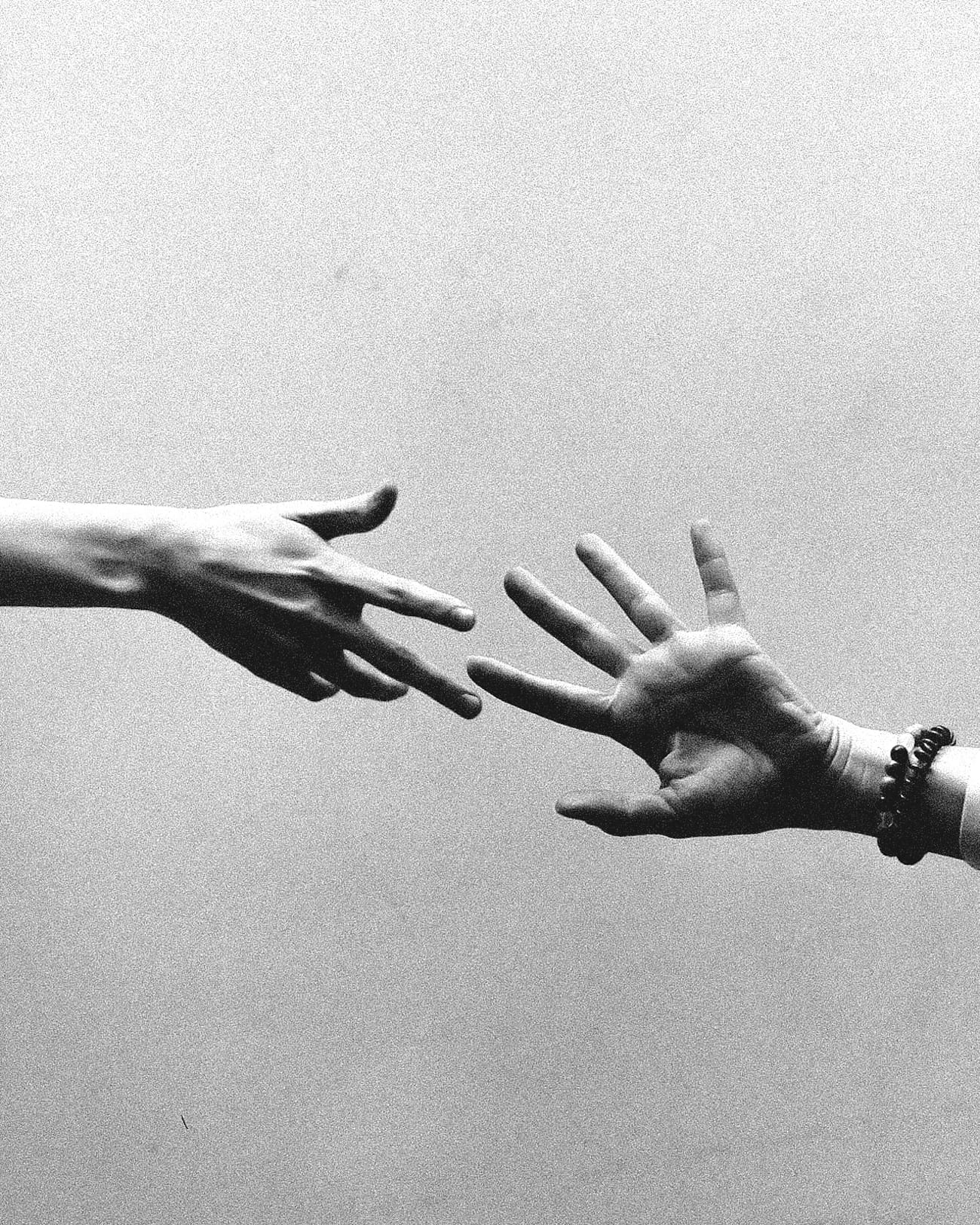
Which brings the single back into view. “‘Lo Que Prometiste‘ isn’t just a single,” Jovany says. “It’s the excuse to talk about everything else.”
The broken promise in the song is personal. The promise the band is keeping is to document what’s happening around them.
“The underground isn’t a genre, it’s a way of supporting each other. And this single is our way of saying: we’re here, without swearing anything, but without leaving either.”