

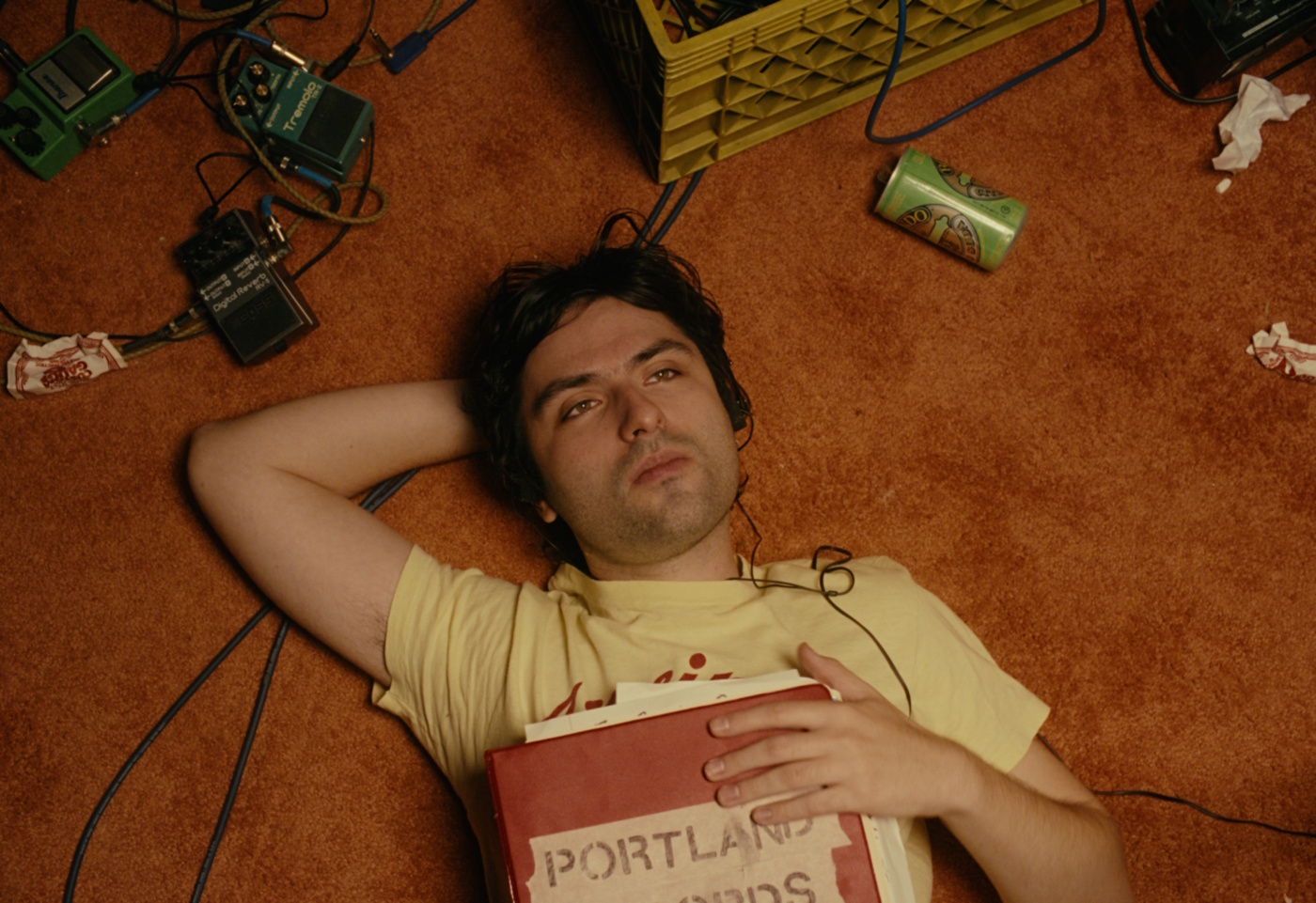
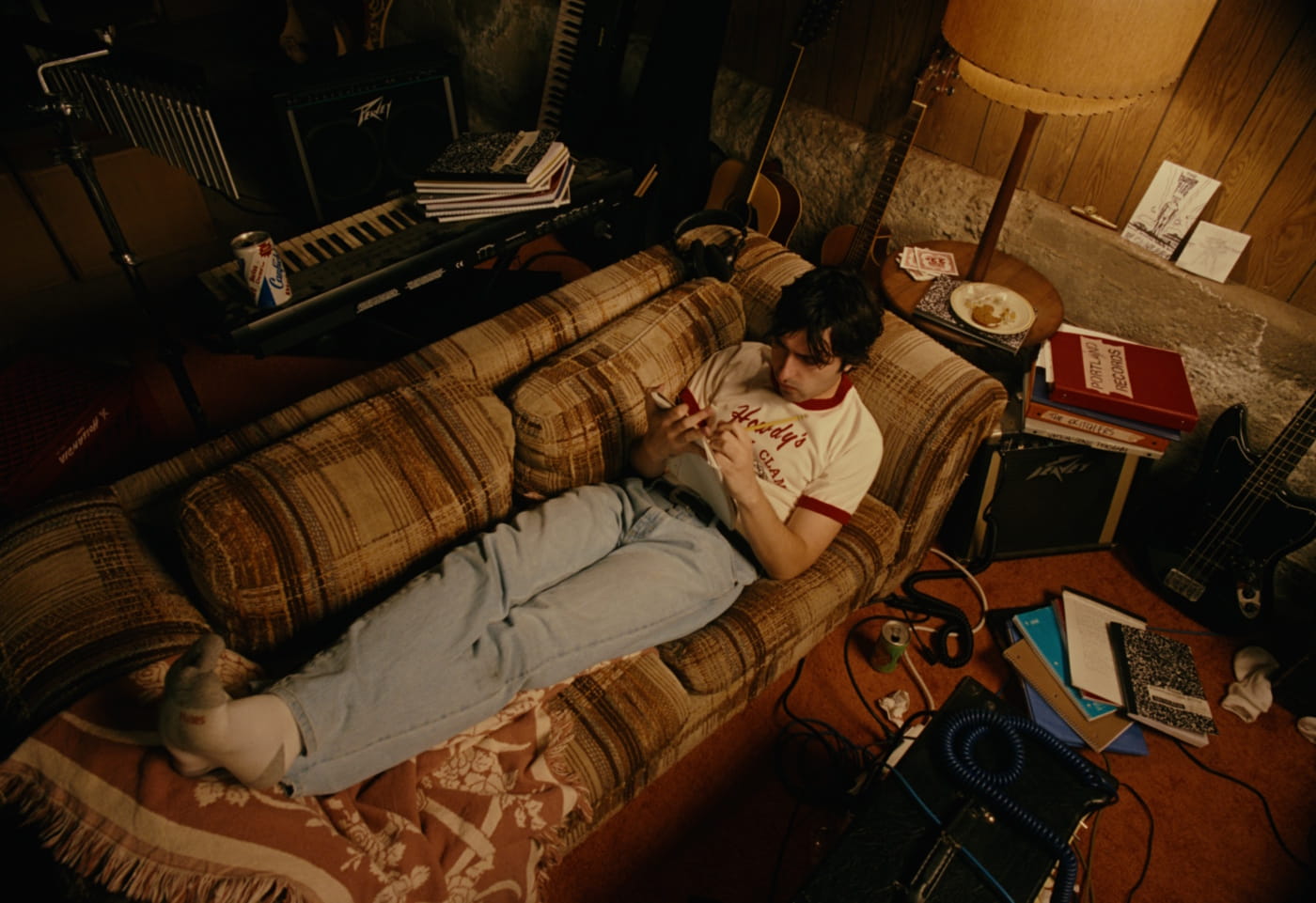
Jesse Corwood is 31, lives with his mother in Portland, New York, and runs an underground label called with 17 bands on its roster. None of them exist. He records all of them himself in the basement, writes backstories for each one, and only starts losing the thread when Rolling Stone catches wind of the operation and tries to write about it. By the time the magazine takes notice, Jesse is roping in local teenagers for a photoshoot to keep the lie alive.
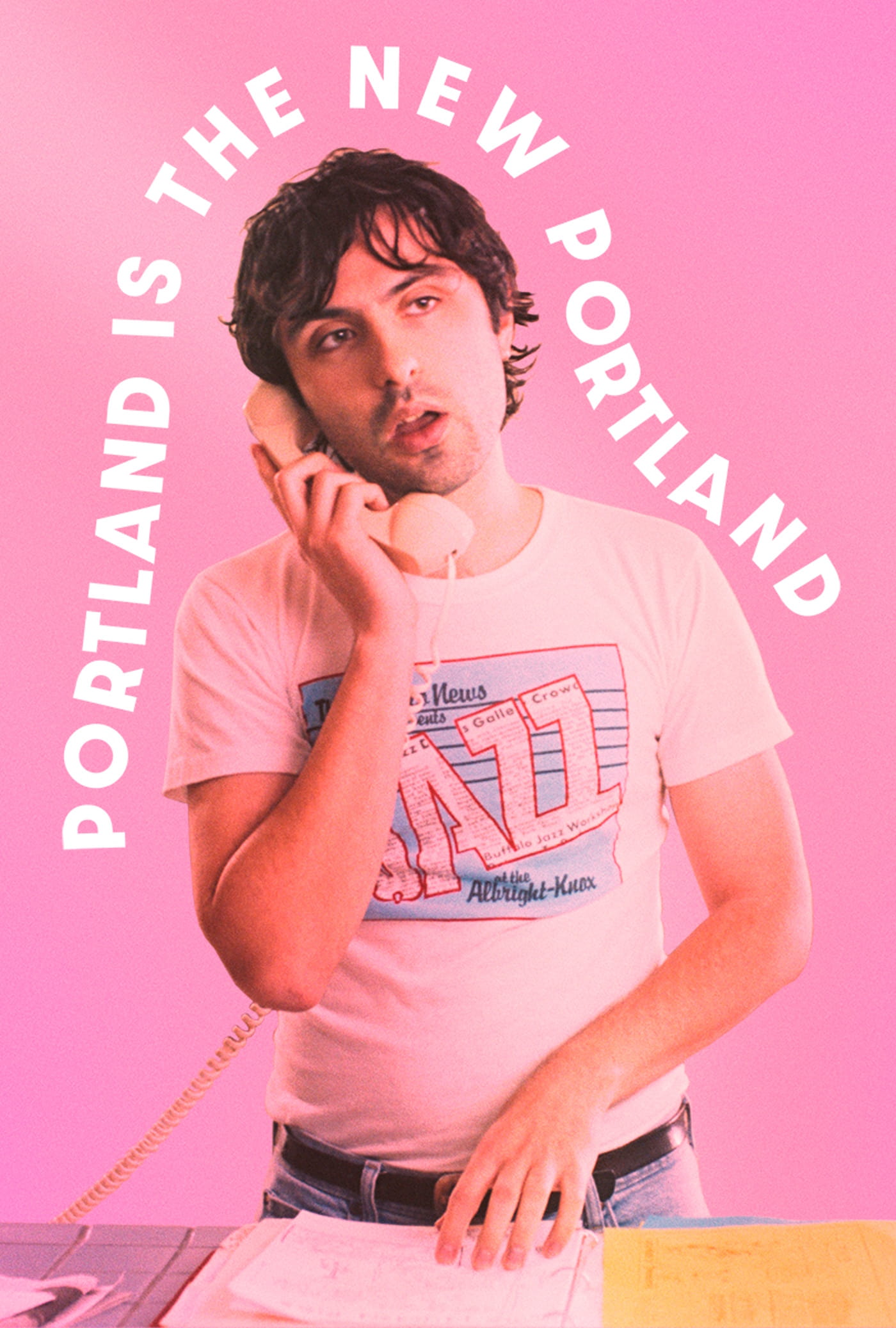
That’s the premise of Portland Is the New Portland, a 17-minute short film by Christopher Scamurra and Nicholas Reynolds, going live on YouTube today via Omeleto. Creed Bratton (The Office) plays Jesse. Siobhan Fallon Hogan (Forrest Gump, Men in Black) and NYC-based musician Matthew Danger Lippman fill out the cast. The film carries a Pavement song along with original music recorded specifically for it.
Wyświetl ten post na Instagramie
Scamurra and Reynolds both come out of Buffalo’s punk and hardcore scene — Radiation Risks, Space Wolves, The Hamiltones. They drew on years of home recording, self-releasing tapes, and watching friends drift through a half-dozen solo projects each. Reynolds calls the film “a sort of love letter to every one-man basement project that ever was.”
It didn’t start as a film.
Reynolds had been making tapes by fake bands, pretending they were a scene of young artists, sending them to reviewers — purely to amuse his friends. “I was making really crappy tapes that were purposely horrible and sending them to reviewers as if it was a thing,” he says. Scamurra heard him talking about it on a drive home from Rat Beach and stopped him mid-sentence: “Hey, idiot, this is a way better movie than it is a music project.” Reynolds calls these activities “music projects for no one” and lists them among his favorite pastimes.
The “demo to feature” parallel runs through how they made it. Space Wolves released five tapes, all of them demos by the band’s own admission.
“We were always a little too precious with our band,” Scamurra says. “We just thought they were kind of demos and nothing more.” Their first attempt at working with someone else to release a tape ended with another band’s music dubbed onto it. After that they did everything themselves. The script for Portland Is the New Portland started as a speculative short — built with the assumption that a short could become a feature the same way a demo could become a record.
Reynolds extends that logic in both directions. “It’s a demonstration of what you would like to do if you had a budget,” he says, “but also in the demo is the end product to a lot of punk bands. So that’s as good as it gets. On a tape, you get to do all the producing — which instruments go where, the arrangement, the timbres and tones — all the little bits of producing that if you actually make an actual record at a label, you’re not allowed to do because somebody above you is like, ‘Nah, listen to the engineer.'”
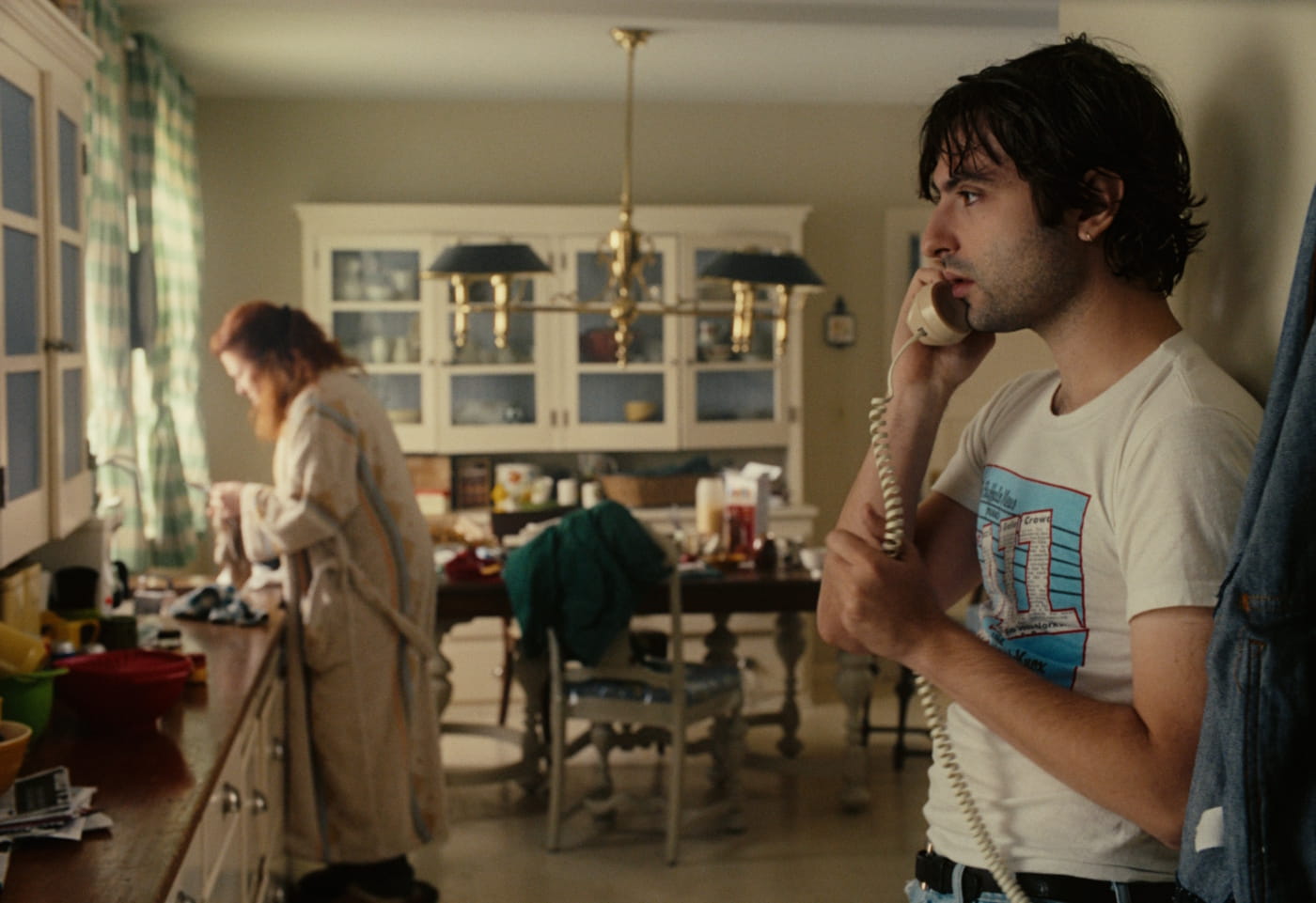
Once they decided the film was real, the production scaled past their usual comfort zone. They cast SAG actors, which meant SAG involvement. They wanted authentic locations, which meant a location manager, which meant permits. “This was a small project for everyone involved, but for us, it was bigger than we are used to working,” Scamurra says. Two locations carried the film — the Portland, NY exteriors with Lippman and a skeleton crew (a DP, the directors, and their friend Adria), and the LA interiors built around a basement set.
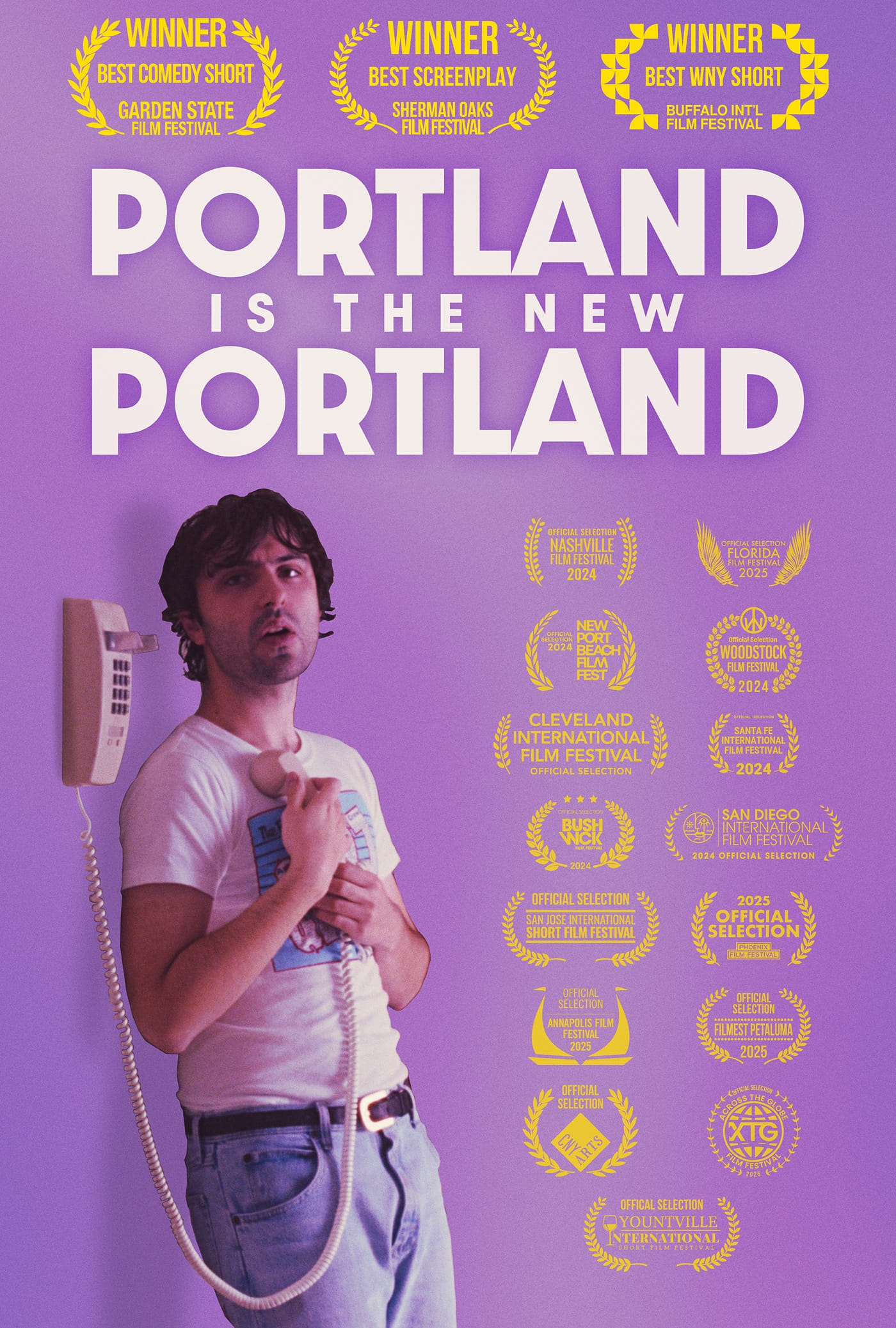
The casting was specific and audacious. They wanted an actor who’d started out in music, and narrowed it to two names: Henry Rollins or Creed Bratton. They went with Bratton, then rewrote the script’s ending in his voice as the Creed character from The Office before pitching him. The fact that the SAG strike was on at the time helped — a small short film exempt from the strike was something working actors could actually take. “The audacity for us to attempt to cast these people when we don’t have anything, you know, to really bring them on board,” Scamurra says. Once Bratton said yes, they were locked in. “Oh shit. We’re in over our heads now,” as Reynolds puts it.
The Buffalo basement aesthetic was non-negotiable, and Scamurra describes the misalignment with their LA crew as the production geared up. “No one else knew what that meant. They had a different vision. It wasn’t until we actually found a house with a basement that had wood panel walls that everybody sort of understood.”
Reynolds names the reference directly: Wayne’s basement from Wayne’s World, with the AV equipment swapped out for cheap audio gear.
The audio gear got the same level of attention. Two of the cassette four-tracks on set were Reynolds’s; another belonged to his friend Ricky Hamilton, who’d done a lot of cassette recording in his LA house. The microphones weren’t SM57s — they used PE585s, the shittier precursor. Weird guitars filled the rest. Some people on the production asked why they were trying so hard. “The answer is that because we lived it, we care that the cassette four-track is right,” Reynolds says. The film’s audio engineer, Richard, saw the level of care and offered to do the job for free.
Reynolds points out that his own recording history fed Jesse’s sound directly. He’d been using a Korg 16-track from 2001 well into 2012, when everyone else had moved to laptops. The result was a mid-fi quality that, in his estimation, was the best he could hope for and turned out to have its own character. Scamurra contrasts it with the standard image of bedroom recording — a person at a desk with a guitar plugged into a computer.
“Our experience was always more like — I mean, we would get the error message saying our entire recording session had been corrupted and deleted.”
Jesse himself isn’t modeled on a Buffalo musician. Scamurra says they had to talk Lippman out of basing the character on an exaggerated version of someone like Reynolds, who has a much bigger musical footprint around Buffalo than Scamurra ever did. The reference they landed on was Jandek. “More Jandek than John Toohill, for sure,” Reynolds says.
The Buffalo scene context is part of why Jesse exists at all. Reynolds puts it geographically: in a city the size of Chicago, even one in 10,000 people who care about non-commercial creative work is enough to add up to a real scene. In Portland, NY — population roughly 1,500 — you’re lucky to have one. He also points out the structural difference. In bigger cities, people who think they’re going to make it focus on one really good band. In smaller cities, that’s not an option, so the smaller the town, the more bands a single person ends up in. “And then you get these people who are just in literally a dozen bands.”
Scamurra brings up Mark Freeland, the Buffalo musician active since the 70s with bands like Pegasus and the Pegasonics, who watched bands like the Goo Goo Dolls come and go while he kept playing the same rooms. “By the time he’s done with his career, there’s this legend status that only people in Buffalo attributed to him.” Jesse, in contrast, is geographically isolated and not a social butterfly. “There’s no artists who get it in Portland, NY,” Scamurra says.
Two stories from the Portland shoot back this up. Reynolds approached the local drive-in — recently reopened after being closed for the entirety of his youth — and asked if they’d screen the film. He told them his cousin had gone to high school with the operator.
The answer was no. They were going to play Jurassic World. Separately, while filming on train tracks without permission, Scamurra and Reynolds were eventually called in by locals and met by a Sheriff’s deputy. The deputy was visibly relieved to find filmmakers with cinema cameras instead of, in his words, the crackheads he’d been expecting. He told them he’d love to check the film out — though, as Scamurra notes, he probably won’t.
Wyświetl ten post na Instagramie
The film’s tape format works on similar logic. The time period is intentionally ambiguous — they wanted to land somewhere near the nadir of tape culture, when tapes weren’t cool yet again, just cheap and inconvenient.
Reynolds notes that a cassette four-track that runs around $800 now was basically free between 2001 and 2009, and expensive again before that in 1992. Jesse picks tapes because they’re what’s available.
“I think the point of Jesse making tapes… is that it’s just the cheapest, easiest format that somebody like him can make in an era when tapes were just a difficult format for the consumer to understand,” Scamurra says. The choice has nothing to do with statement-making. Jesse is uncool for the time he’s in. His peers, Reynolds notes, would have already moved to CDs. “We all already converted to CDs, you dumbass. I don’t want this.” Tapes for Jesse are necessity. He’s a loser doing what’s available.
Portland Is the New Portland goes live today via Omeleto.
🔔 IDIOTEQ is ad-free, independent, and runs on one person’s time. If you want it to stay that way: DONATE via PayPal 𝗈𝗋 SUPPORT via Patreon.
Stay connected via Newsletter · Instagram · Facebook · X (Twitter) · Threads · Bluesky · Messenger · WhatsApp.