

El Tyler genuinely hit upload because they couldn’t stop editing. Two years in a bedroom, an audio interface pulled out of a skip, three or four full forms of the record, a DAW corruption that took a substantial portion of the work with it, and a tracklist that moved around roughly forty times.
By the end, the only way to call “The View From Halfway Down” finished was to put it in front of the public. Omoiyari’s debut album lands June 19 via A Cozy Death.
We have been tracking this record since November, when “Hollow Faces” arrived as the third single and Tyler talked about psychotic conditions, the stigma around them, and the strange relief of recording a song that felt closer to a therapy session than a release.
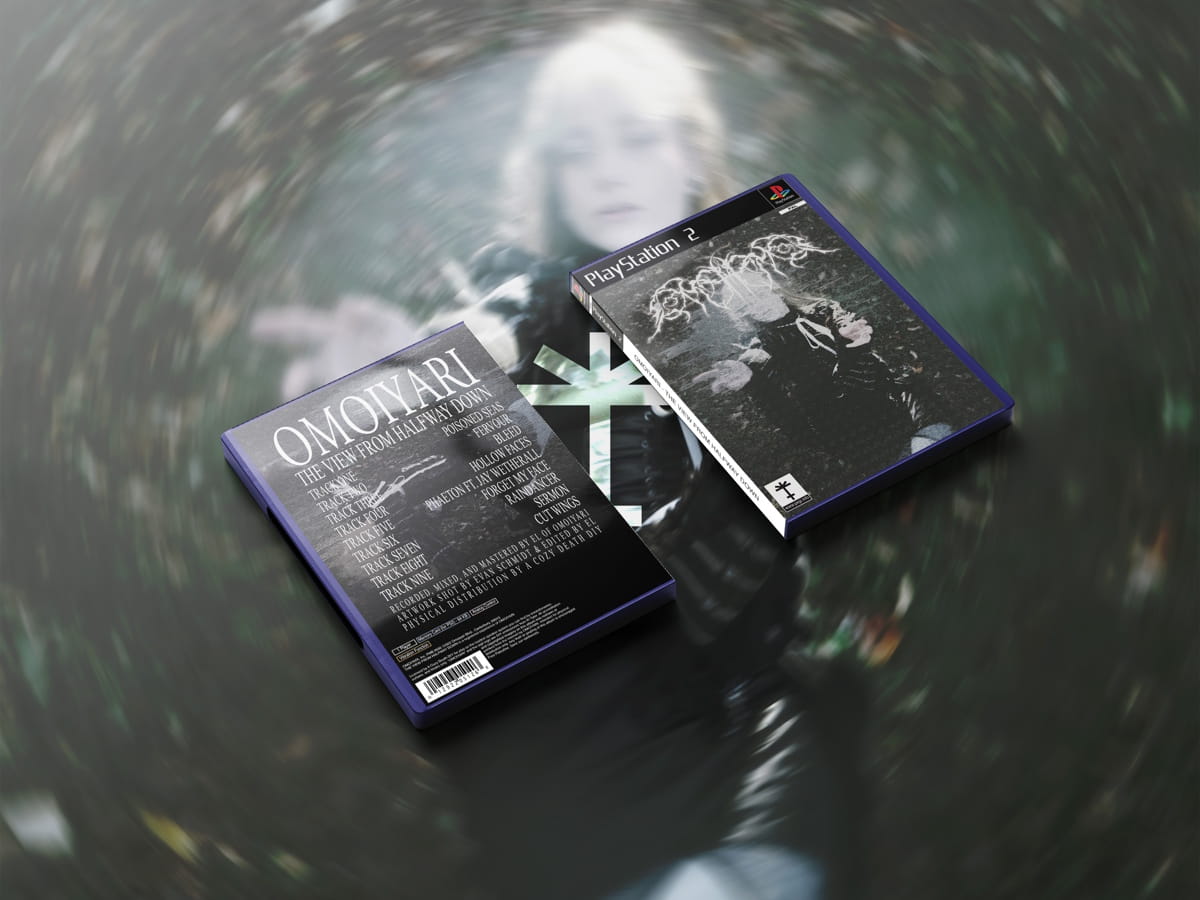
“Poisoned Seas” followed in May, dropped with no run-up and confirming both the June release date and the first-run pressing on PlayStation 2 disc. The four singles together carry the arc Tyler now puts more bluntly: the album started as a dystopian cyber-cult concept and ended somewhere completely different, something they describe as a “journey through grief, anguish, acceptance, and growth” and as being “about humanising art.” The five tracks that round out the nine-song record sit on different points of that arc.
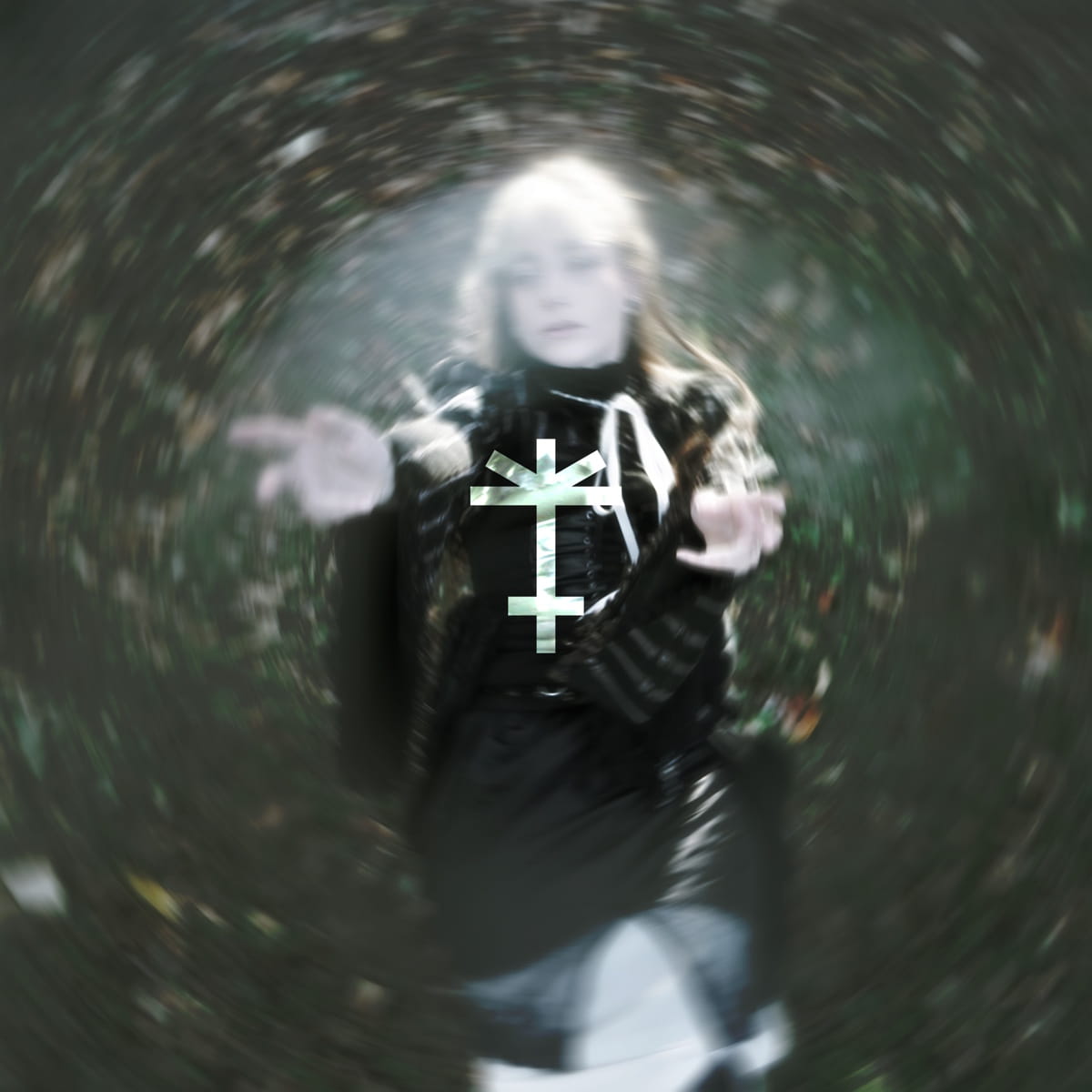
“Fervour” follows “Poisoned Seas” directly and was written as its sequel in both lyric and structure. Both songs were originally meant for a follow-up EP, then arrived on the album together. Tyler describes it as “a two part deal for me.”
“Fervour” is also the track that holds onto the album’s original cyber-cult concept hardest. It’s about the worship of religion and divine justification, and what Tyler calls “the reverence of the digital world.”
The line they pull out as the song’s hinge is “You’re turning halos to payloads,” which carries two readings at once: the commodification of religion and governments weaponising spirituality for their own agenda, and the more direct one, what Tyler describes as “genocide, turning death (halos) into payloads (capitalist gain).” Their position is plain: “There’s a lot of fucked up shit going on in the world, I think art is an incredibly important platform for speaking out against injustice and if you have a platform you should be trying to make change.”
“Phaeton” features Jay Wetherall, the result of an eight-year conversation that finally happened. Tyler had been talking to Jay about making music together for that long without anything quite landing. The track started as Tyler messing about on a 7-string guitar, then sat as an instrumental for some months because Tyler couldn’t get a clean vocal idea down they were happy with. When Jay agreed to feature and help write, the moment his parts came back hit Tyler hard: “I was honestly awestruck. It didn’t take me long to write my sections and to work with the hook he had sent and it came together so nicely.” Tyler thinks “Phaeton” carries their best vocal performance on the album.
“Jay’s vocals were so obscenely good it really inspired me to push myself to try and be on par.” Tyler had written the breakdown vocals first, and Jay built around them. The whole track is built on pure anger and spite over a big instrumental, designed to function as “this anthem for moving on, like a final middle finger to those that have put us down before we walked away.” Tyler reads the line “I wore my heart in a golden frame til you tore it out” as a reference to a stretch where their voice and purpose felt buried under layered metaphor and imagery. “Phaeton just became an emblem for that: unapologetic honesty.”
“Raindancer” is the album’s grief track. Tyler describes it as one of the most important songs they’ve ever written, sitting on a simple structure of chords and a lead line. They write about it without softening anything.
“I’ve been fortunate enough to love and be loved dearly by many people, and unfortunate enough to experience a lot of heart wrenching grief. Sometimes it feels relentless.” Ten years of loss to suicide, cancer, and freak accidents. Tyler describes reaching a point where grief “starts to feel like an old acquaintance that comes to hold your hand and remind you how important life and love is.”
The opening line is “I resign to do this one more time,” and Tyler reads it as pulling yourself off the ground one more time, every time. “Fall seven times, stand up eight is something I live by, whether you stand up begrudgingly, slowly, angrily, or just out of pure spite, what matters is you keep rolling over and trying again.”
The verse Tyler highlights as the song’s centre:
“I go to sleep at night just so I can see you / the remnants of a life inside your empty room / and it breaks my heart / I fucking fall apart / calling in the dark / rain dancer I count the stars at night so I can see you”
Tyler closes that section in the same register the song demands. “Tell your friends you love them all the fucking time. Tell people how much they mean to you. Check in on your friends. Please. You never know how much they need it. Oh, and also, FUCK cancer.”
“Sermon” is the first track Tyler wrote for the album that used clean vocals, which felt like a weird step for the project at first. It carries the cult worship and brainwashing theme that originally drove the whole album. It was meant to open the record and lay the initial concept out, before Tyler moved on from that structural plan.
Once they wrote the first verse, the song reshaped into what Tyler calls “a post-credit scene”: an alter ego cutting in at the end of the first verse and ultimately taking over. The shift lands with a jump from clean to harsh vocals mid sentence, then settles into a “maniacal, calculated cult leader vibe” in the second verse. The current edition doesn’t include a minute-long harsh noise intro Tyler originally wrote for it. That section didn’t make the final cut and is planned for something later in the year.
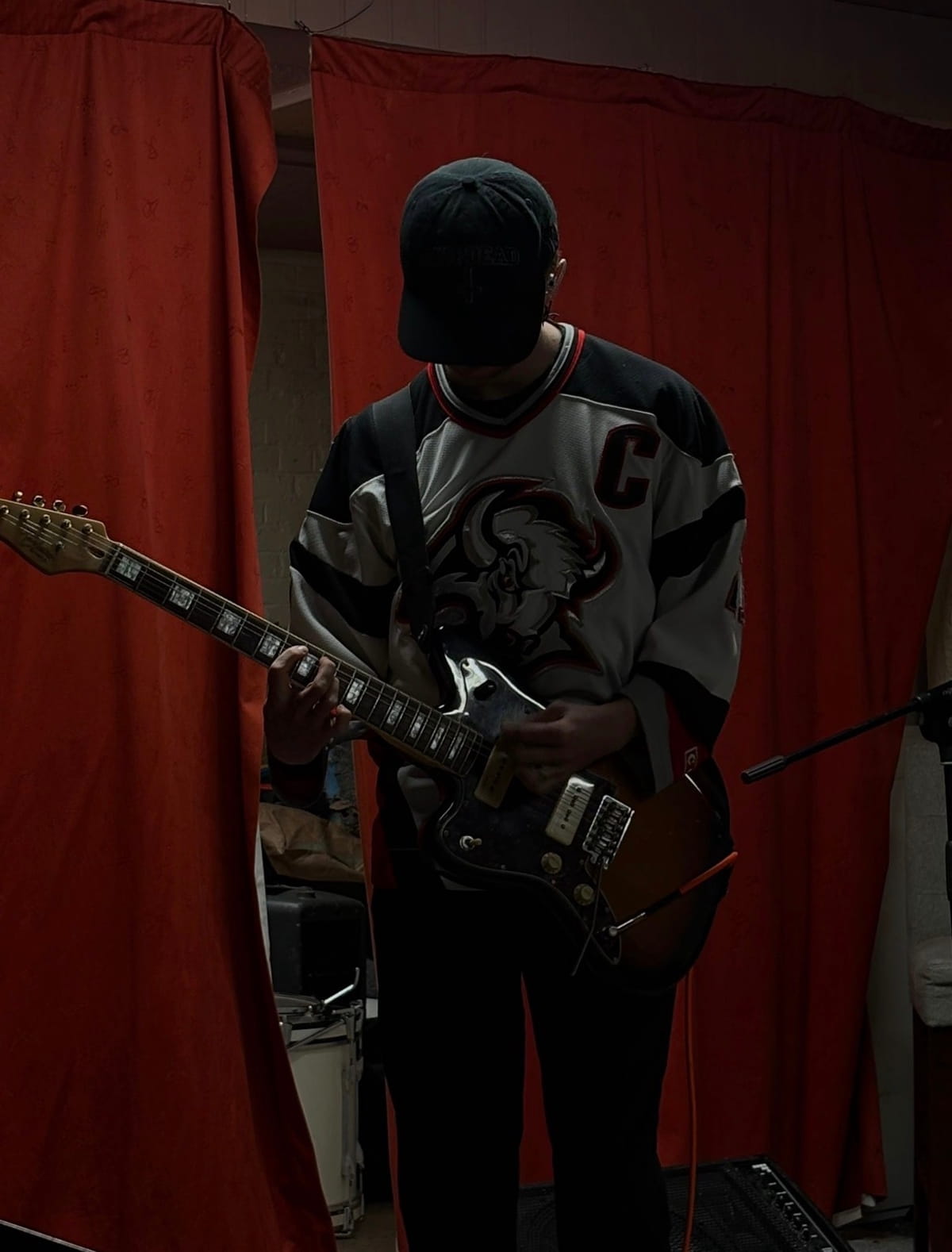
“Cut Wings” was also a late addition, and it started as a riff Tyler posted as part of a series called Fat Riff Friday on one of their social accounts. They wanted to write a Slipknot type thing, ended up liking it enough to add the huge breakdown at the end, then kept extending the breakdown rather than writing a new section.
The closing breakdown is layered with ambient stuff, including a sample from Tokyo Ghoul. The track was originally planned as a physical-exclusive bonus on the PS2 disc, before Tyler decided the breakdown made too much sense as the actual album closer. It’s also where the record’s repeated motifs surface most directly.
Tyler points out the network of lines stitched across the album: “I cut all ties with my old life and drowned in poisoned waves” from “Cut Wings,” “I’ll start again from poisoned seas” from “Poisoned Seas,” “You cut my wings so don’t pray for me” from “Cut Wings,” “Pray to me pray for me there’s no saving me, saving me” from “Forget My Face,” and “vacant effigy in the flames don’t pray for me” from “Poisoned Seas.” The closer pulls all of that into one place. It’s also where Tyler folds in their imposter syndrome and the through-line of removing their face from the project: “faith in fallacy / I’ve fallen so far from grace / not a deity.” Tyler summarises the album in the most direct terms here. “This album, the view from halfway down, is about falling to become human again, or to feel human again. It’s about a journey through grief, anguish, acceptance, and growth. Its about humanising art.”
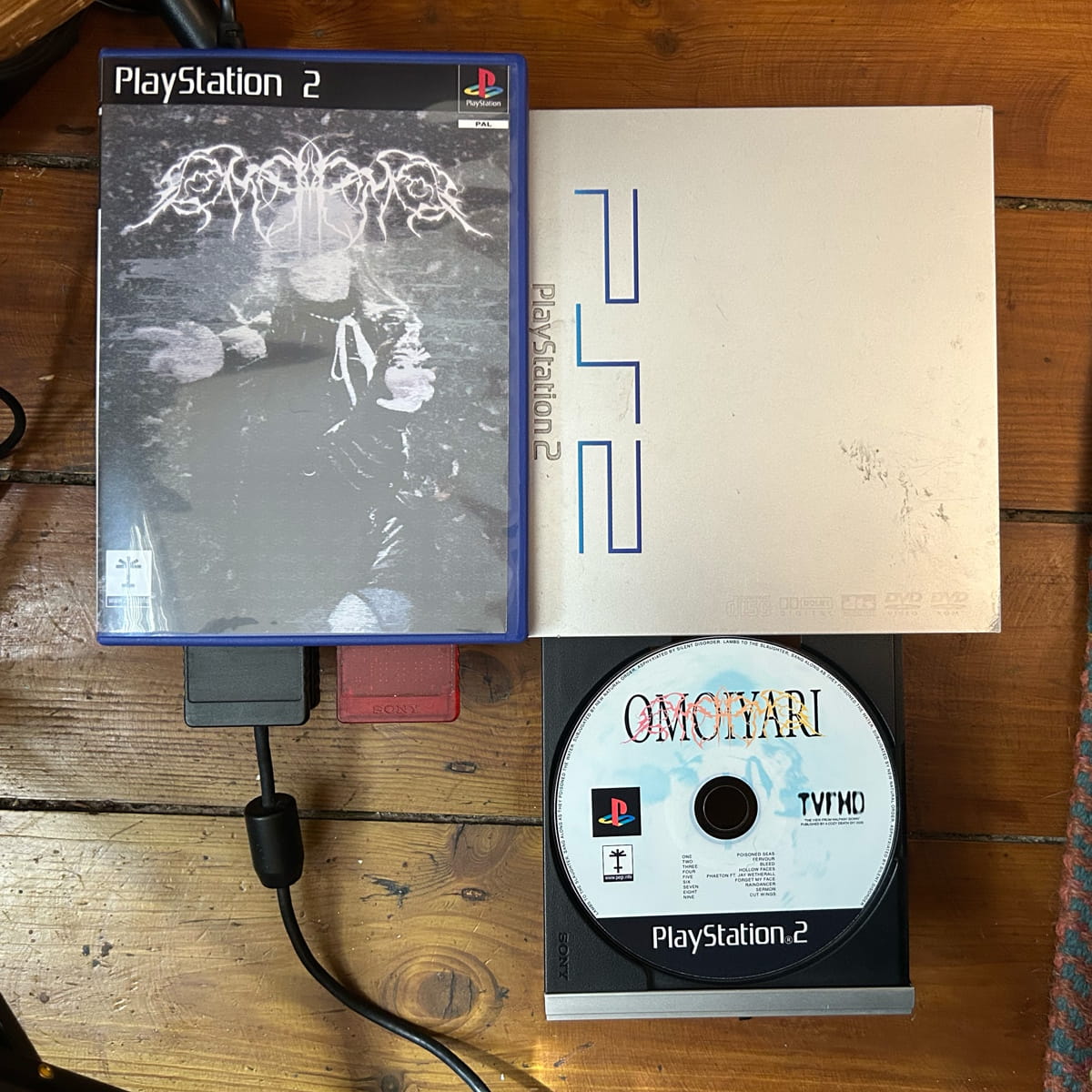
The PS2 disc is the other piece Tyler built from scratch. The idea landed during a stretch of thinking through a personal bucket list of things they’d always wanted to do creatively. They’d done CDs, plenty of cassettes, and only managed lathe-cut vinyl when their other band Amorist had label backing. The 2000s nu-core nostalgia in some of the album’s writing pushed them toward something fitted to the era: “PlayStation 2, nu metal, and those over the head Oakley’s from spy kids.”
Wyświetl ten post na Instagramie
Then came the practical question: “how on earth am I going to do this on my own on a shoestring budget.” Tyler hired their best mate Evan, a photographer and visual artist, to shoot a series of images on the theme of falling, then edited Evan’s shots so they read as PS2-rendered artwork. The rest of the design Tyler built themself by staring at a copy of Marc Ecko’s “Getting Up: Contents Under Pressure” for hours on end. Every piece of artwork was drawn from scratch and filled with easter eggs and references. Even the numbers on the barcode have meanings.
Tyler’s investment in doing all of it themself goes back to how they came up. They got into playing in bands quite late, and most of what they learned came from hanging out with people who had been in the scene a lot longer, the kind of crew running tape labels and putting on shows in houses and basements and anywhere else that would open its doors. “That ethos is deeply ingrained in punk and hardcore and it’s so important.” Tyler cites that group as the reason they got into heavy music, learned to scream, and discovered the bands they did. The PS2 disc, the artwork, the production: all of it is Tyler proving “what you can do with an interface you saved from a skip and pure passion for creativity.”
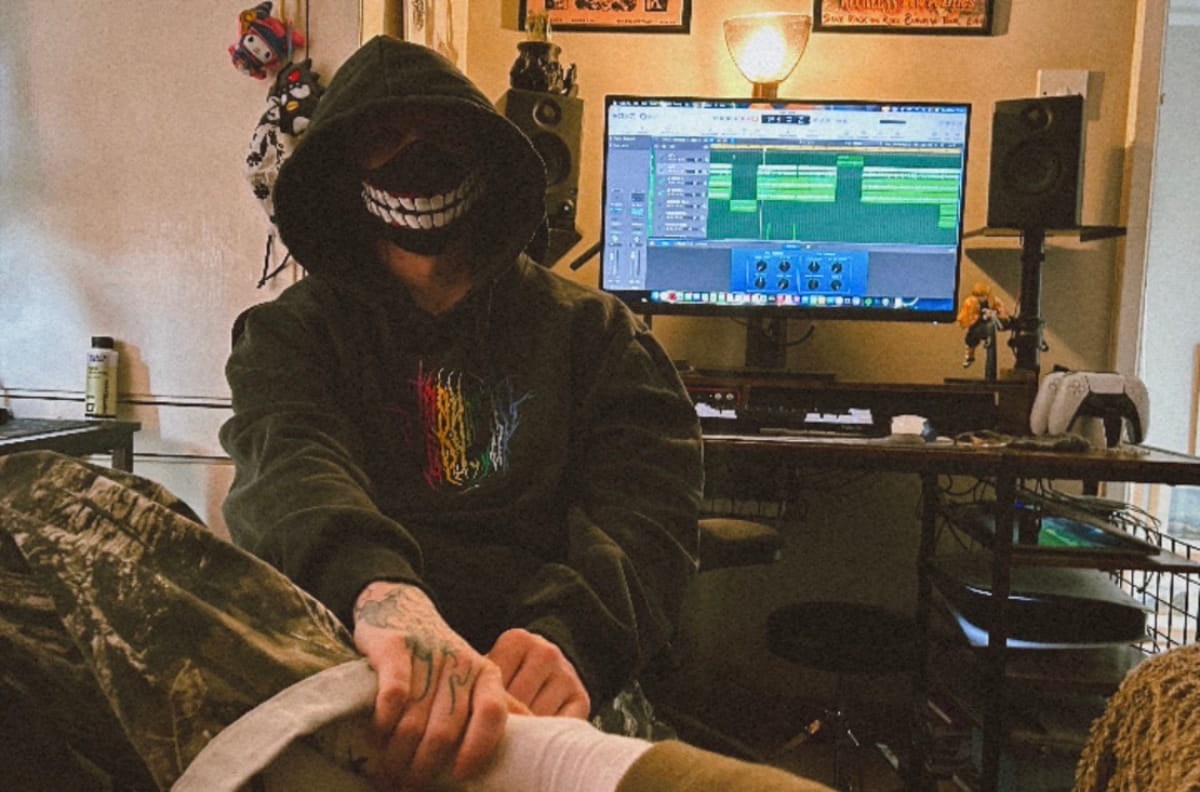
The two-year build sits inside a stretch of life that Tyler describes as changing nearly everything. They experienced grief at a level they hadn’t thought possible. They started a new career doing what they love. They got engaged. They built what they call “a beautiful cat family with my partner, all rescues.”
And they rediscovered why they picked up a guitar to begin with. For a stretch of that period Tyler was treating music like a job, working to self-imposed deadlines, chasing algorithms, pushing to be the next big thing. “It sucked the passion right out of it for me.” Falling back in love with the writing came alongside everything else. Their hard drive is now full of albums written for fun. “I could probably release a song every day for the rest of the year and still have stuff left over.” This was the one they kept coming back to. “It feels more refined and real than anything else I’ve done.”
The album also carries the residue of versions that didn’t survive. Tyler mentions interlude tracks and other songs that didn’t make the cut, with plans to dissect and rebuild some of them. There’s “a very specific plan for later this year” that Tyler is keeping under wraps for now. “Poisoned Seas,” “Fervour,” and “Cut Wings” were all late additions, the last three pieces falling into place before Tyler put a full stop on production and forced themself to stop editing. “I genuinely hit upload so I would stop editing it. I just couldn’t leave it alone.”
“The View From Halfway Down” lands June 19 via A Cozy Death.
🔔 IDIOTEQ is ad-free, independent, and runs on one person’s time. If you want it to stay that way: DONATE via PayPal 𝗈𝗋 SUPPORT via Patreon.
Stay connected via Newsletter · Instagram · Facebook · X (Twitter) · Threads · Bluesky · Messenger · WhatsApp.