


Wade Cota wrote most of his new rock song “Last Alarm” on a guitar that belonged to Scott Leatham, a fire captain from Tempe, Arizona, who died of cancer in December 2024. Scott had been given the acoustic guitar by a fellow firefighter and wanted to learn how to play it. He was also a huge American Idol fan, and his wife Ashley believes he almost certainly watched Wade during his run to the final five of the competition in 2019.
The two never met. Working with producer and co-writer Austin Moore, Wade wrote a song about the last months of Scott’s life, performing it with his band Sugarwater. Documentary filmmaker Patrick Gramm, who had spent months filming Scott and his family, initially suggested something quieter.
“Originally, Patrick suggested an acoustic song. Just melancholy. Knowing what I learned before the song was written changed that completely. He deserved an anthem, and an angry one at that.”
Wade and Patrick spoke to IDIOTEQ about the song, the man whose guitar appears in the music video, and the occupational cancer that continues to claim the lives of firefighters.
Photography and visual credits: Behind-the-scenes photography by Becky Anderson / Red Volcanic Film Company. Personal and family photographs courtesy of the Leatham Family. Film stills and documentary footage courtesy of Patrick Gramm / Red Volcanic Film Company.
In January 2026, Patrick was out on his usual morning walk, listening to music through his earphones. He began picturing scenes from the footage he’d filmed with Scott and wondering whether he could put them together with a song. He remembered seeing Wade on American Idol and catching one of his shows in Arizona. He didn’t know him personally, but managed to get hold of his number.
“I did some digging, found what I thought might be his phone number, and sent him a text. The next day, he was standing in my living room. We agreed to join forces and make Last Alarm.”
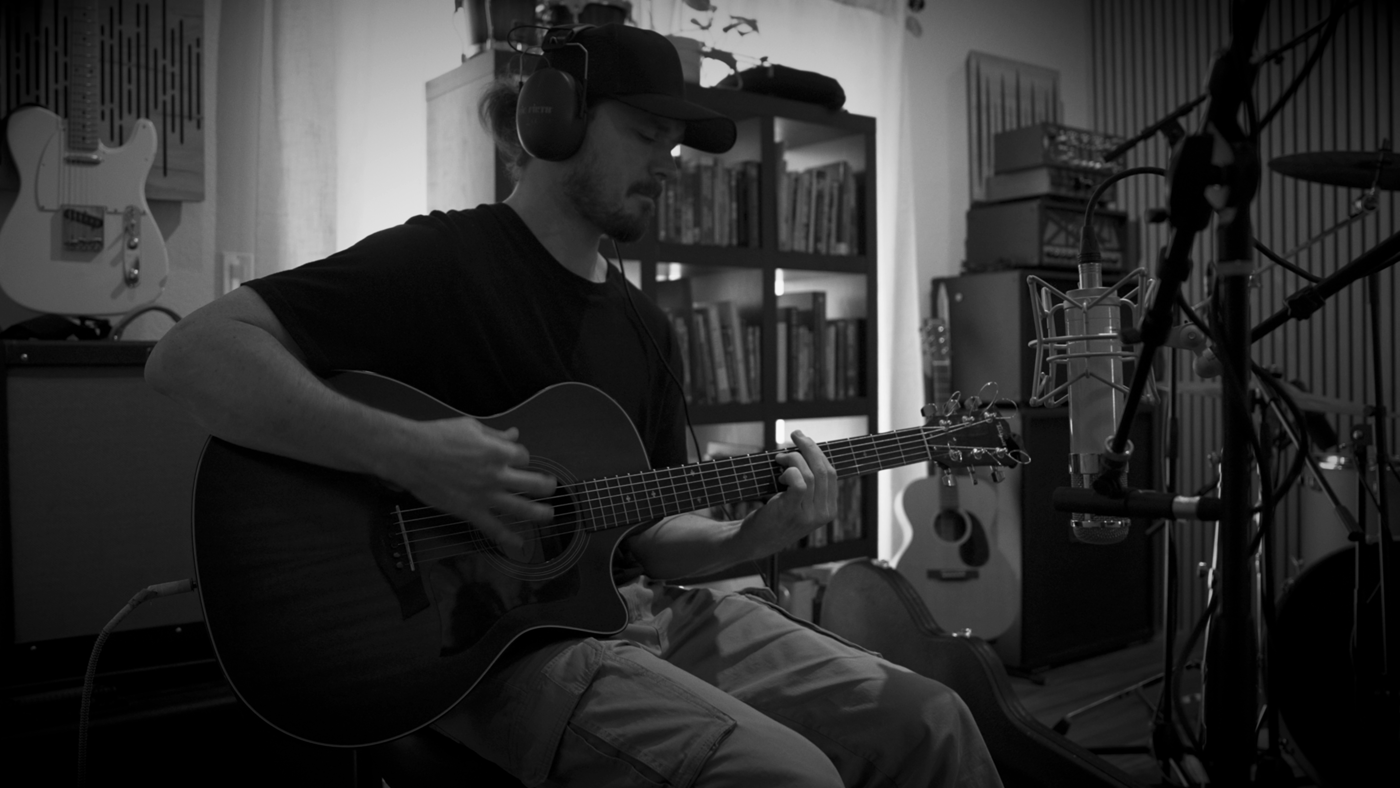
Patrick had already spoken to Ashley about the idea. During that conversation, she showed him Scott’s guitar. He took it to Wade.
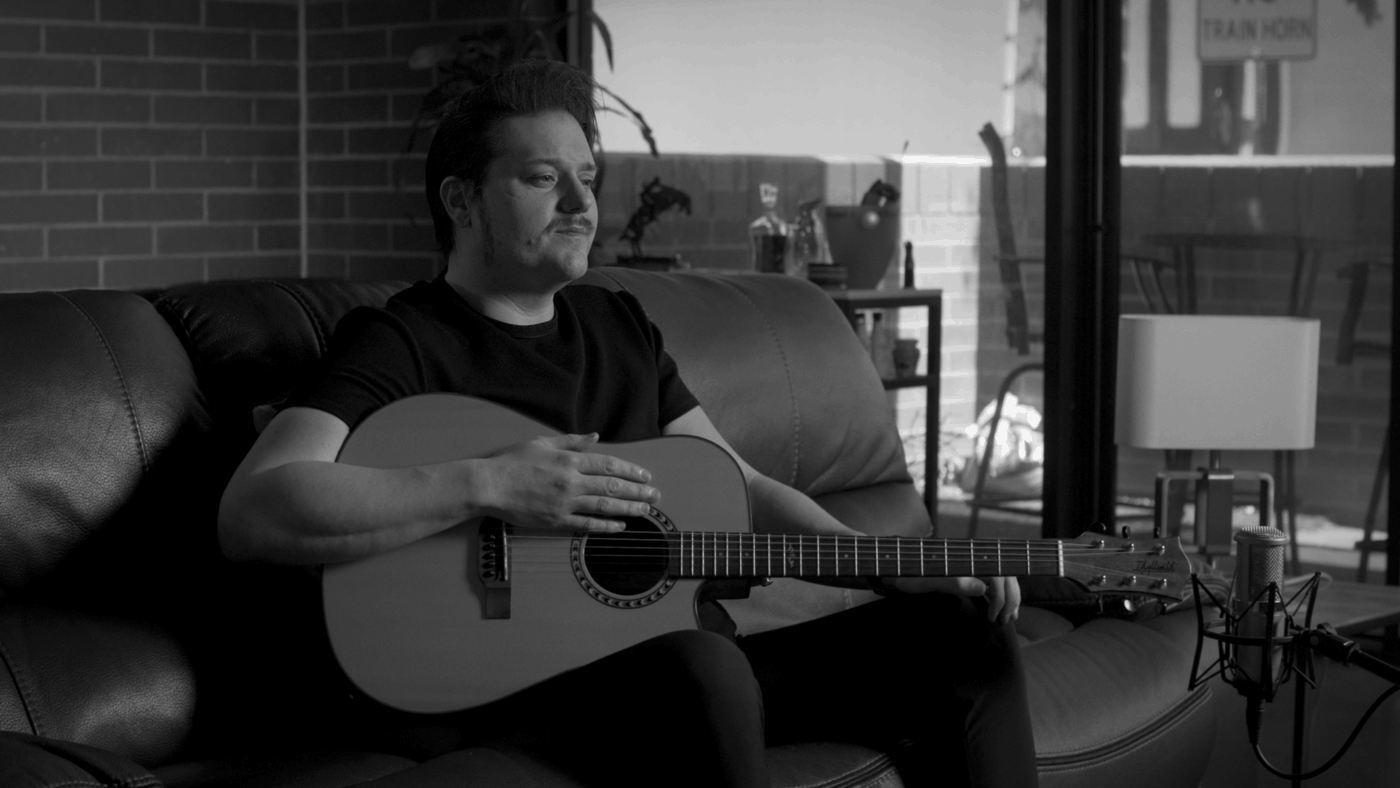
“The guitar was handed to me through Patrick Gramm, actually. He received it from Ashley. But knowing that Scott was trying to learn how to play it before his final days, I think that’s what makes the guitar so special. Like, this guitar should not play as well as it does. It was the guitar I played in the music video, and it was also the guitar I wrote most of the song on.”
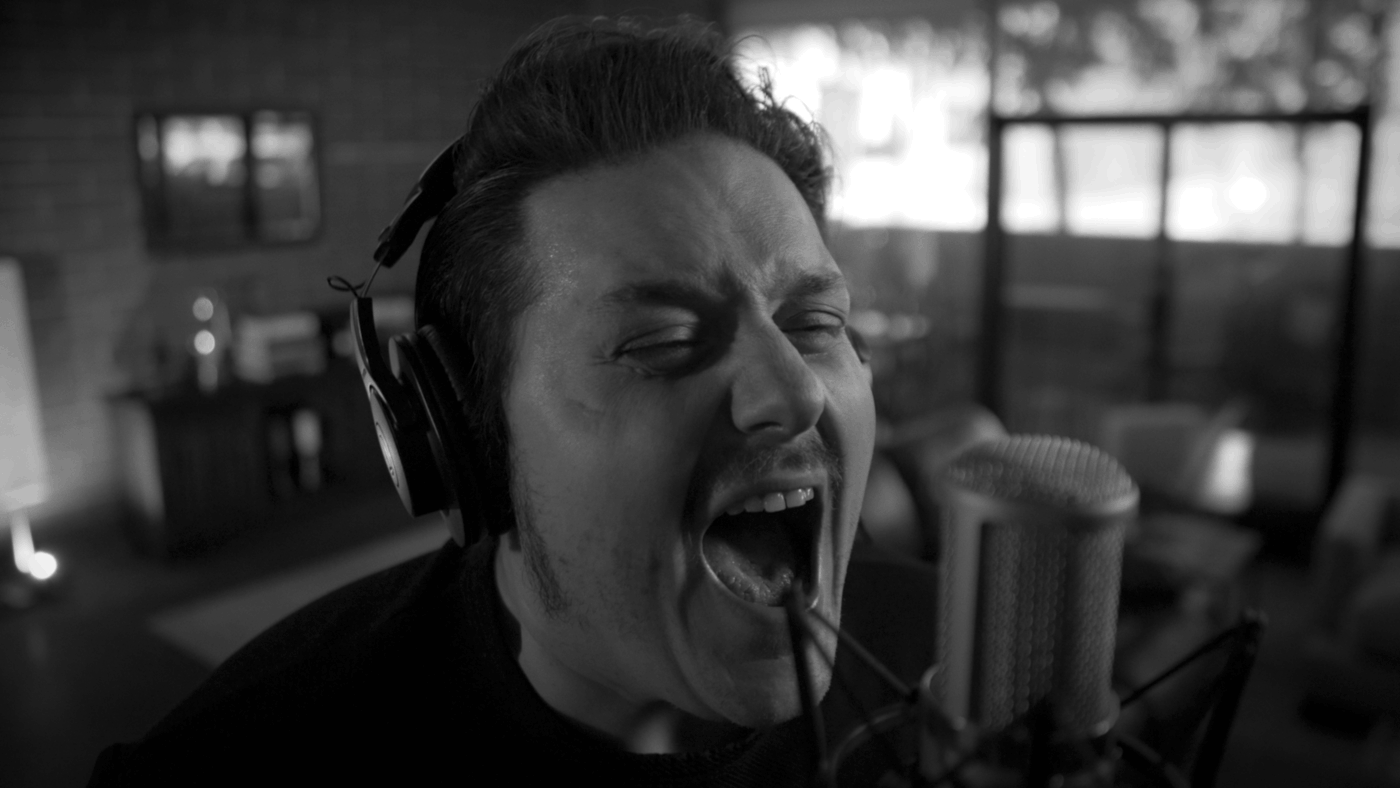
Wade brought Austin Moore into the project early. The Grammy-nominated producer and songwriter had been working with him for years, and the two spent a day sitting together, talking about Scott and working on the lyrics.
“Austin and I have been writing songs together for years. He is one of the few people I truly trust with my lyrics and my music. Austin is one of the most talented people I’ve ever met in my life, and I trust him fully with any outcome.”
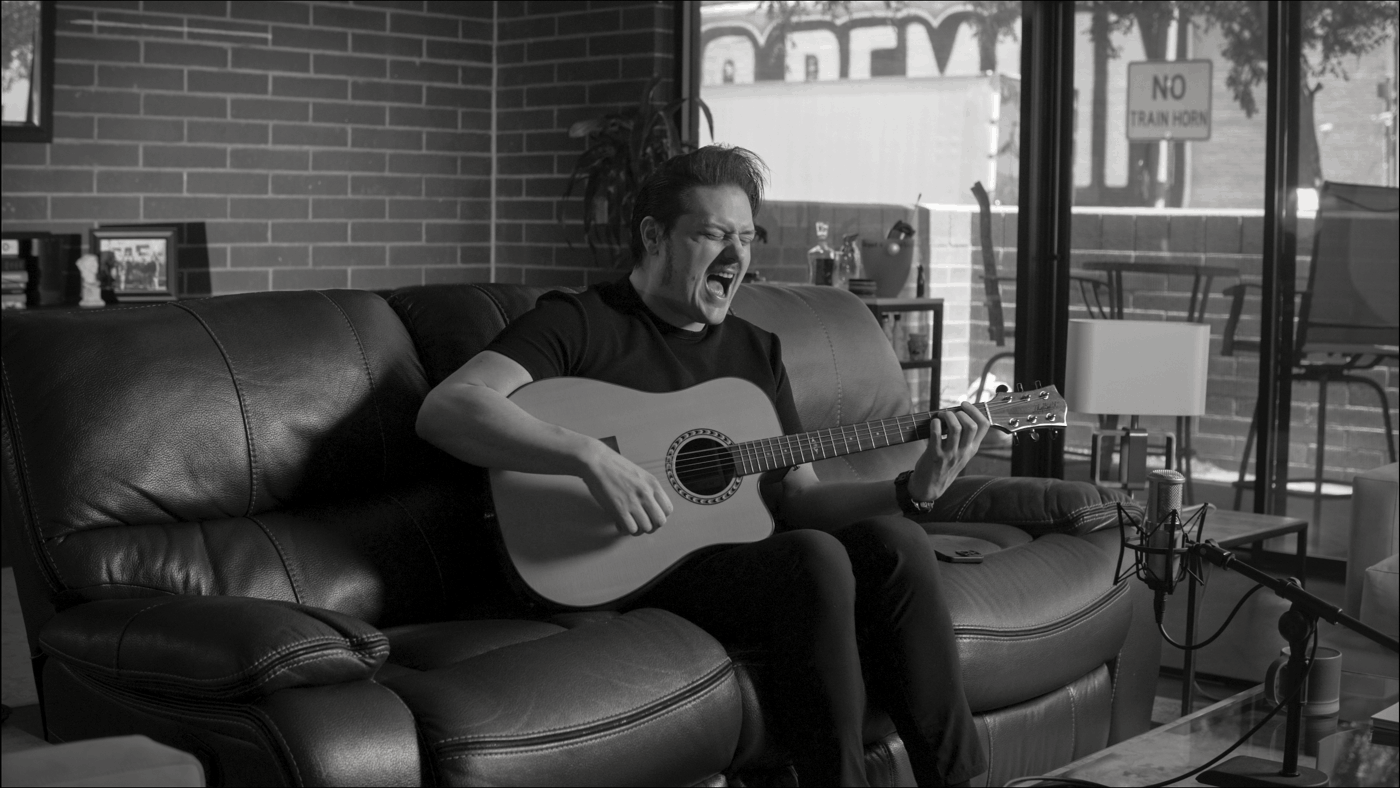
“When it came to lyric development, he and I just kind of sat down for a whole day and spitballed things back and forth. I told him so much about Scott and his family, and the song came together pretty fast.”
Patrick had a fairly specific idea of how the music needed to develop to accommodate the scenes he wanted to use. He asked Wade to write something that would gradually grow in intensity. What came back was a full-band rock song that went further than he’d expected, to the point where he initially wondered if it might be too intense for the film.
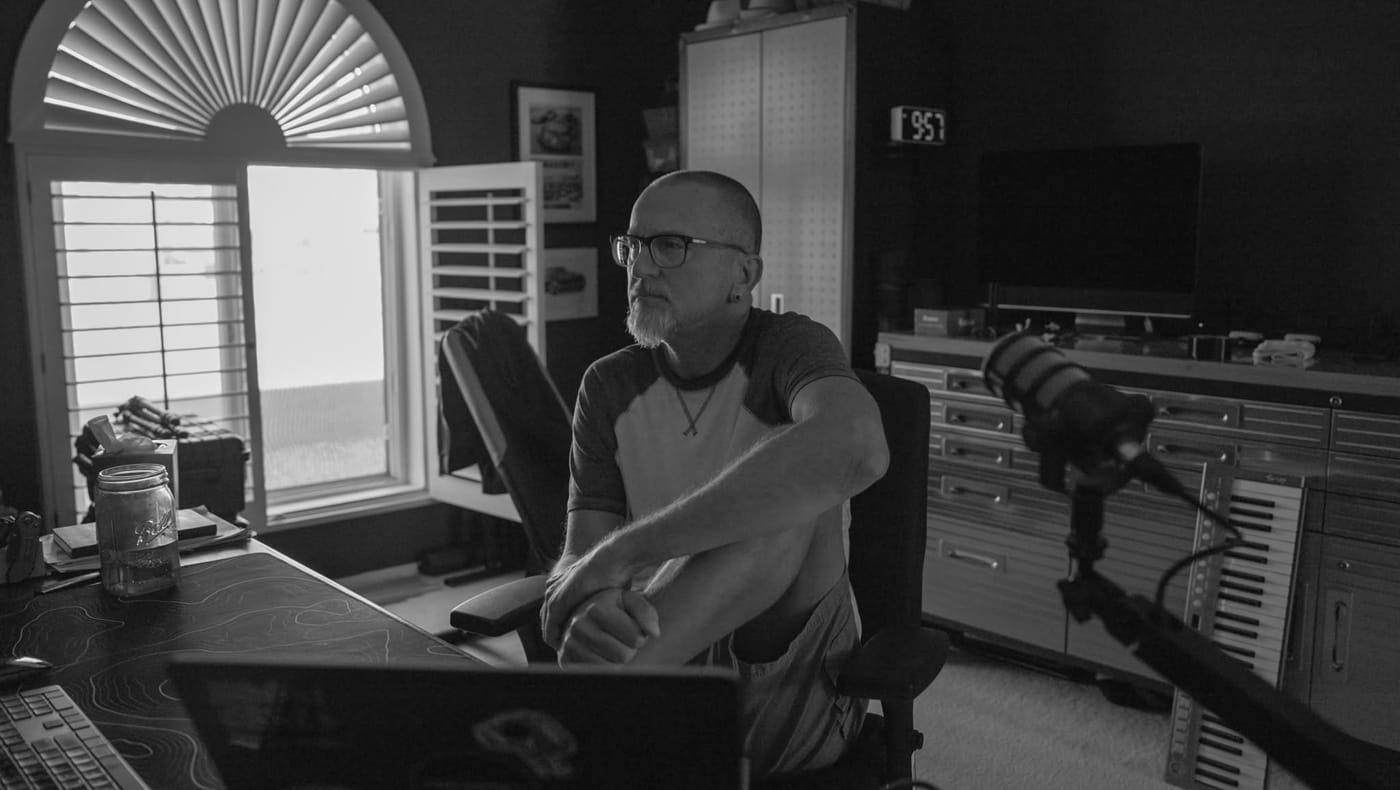
“I told Wade the song needed to be a builder. It had to start somewhere emotionally and keep building in power and intensity, because what I planned to put over it demanded that kind of musical journey.”
Wade had spent time watching interviews and getting to know Scott through his friends and family, although he had yet to see much of Patrick’s documentary footage when the song was finished. Patrick filmed parts of the songwriting and recording process and brought those scenes together with what he’d filmed in 2024.
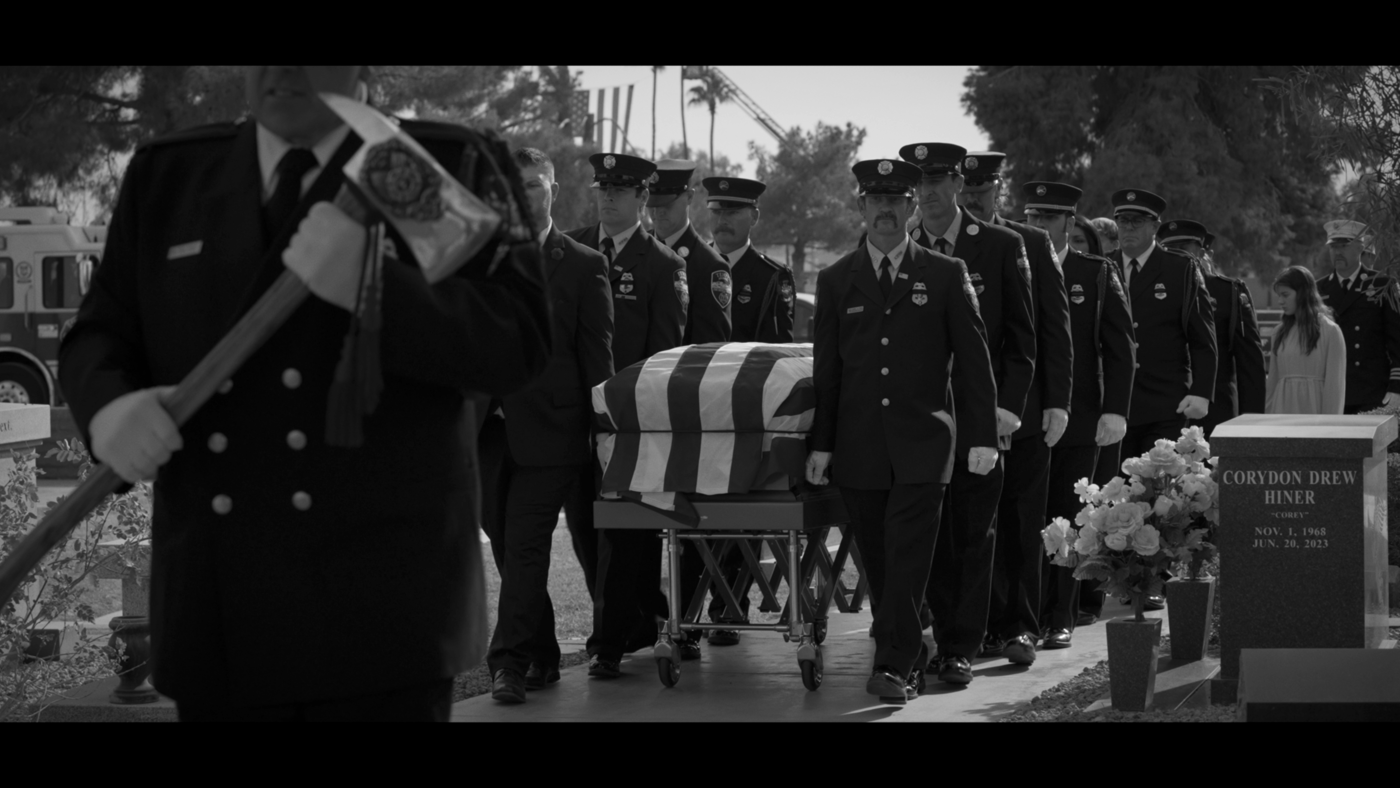
For all the grief involved in writing “Last Alarm”, there was also a great deal of frustration with what Scott and his family had gone through, and with the dangers that other firefighters continue to face at work.
“People should be pissed about what these guys and gals are going through. I know for a fact that comes through in this song. You should not be able to listen to this without seriously questioning why these heroes have to die.”
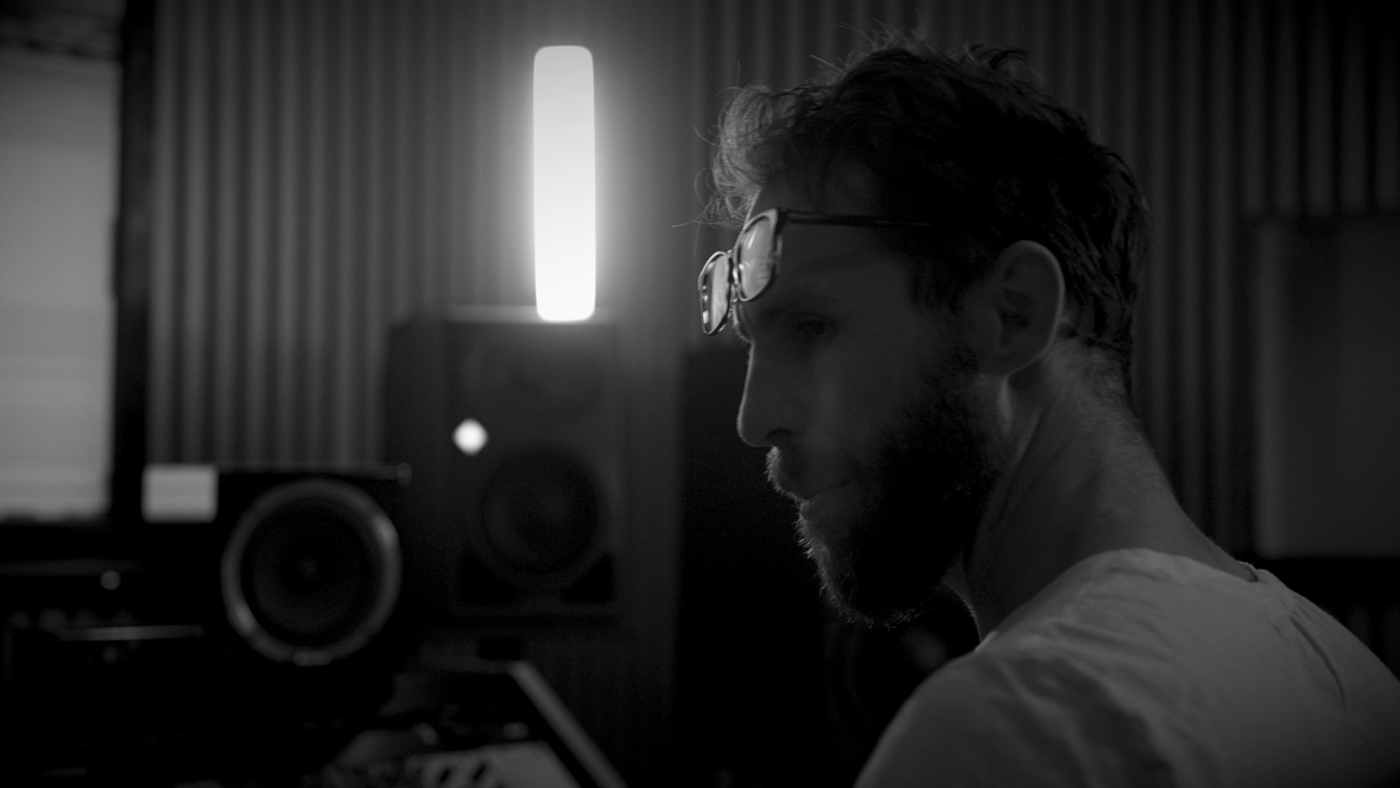
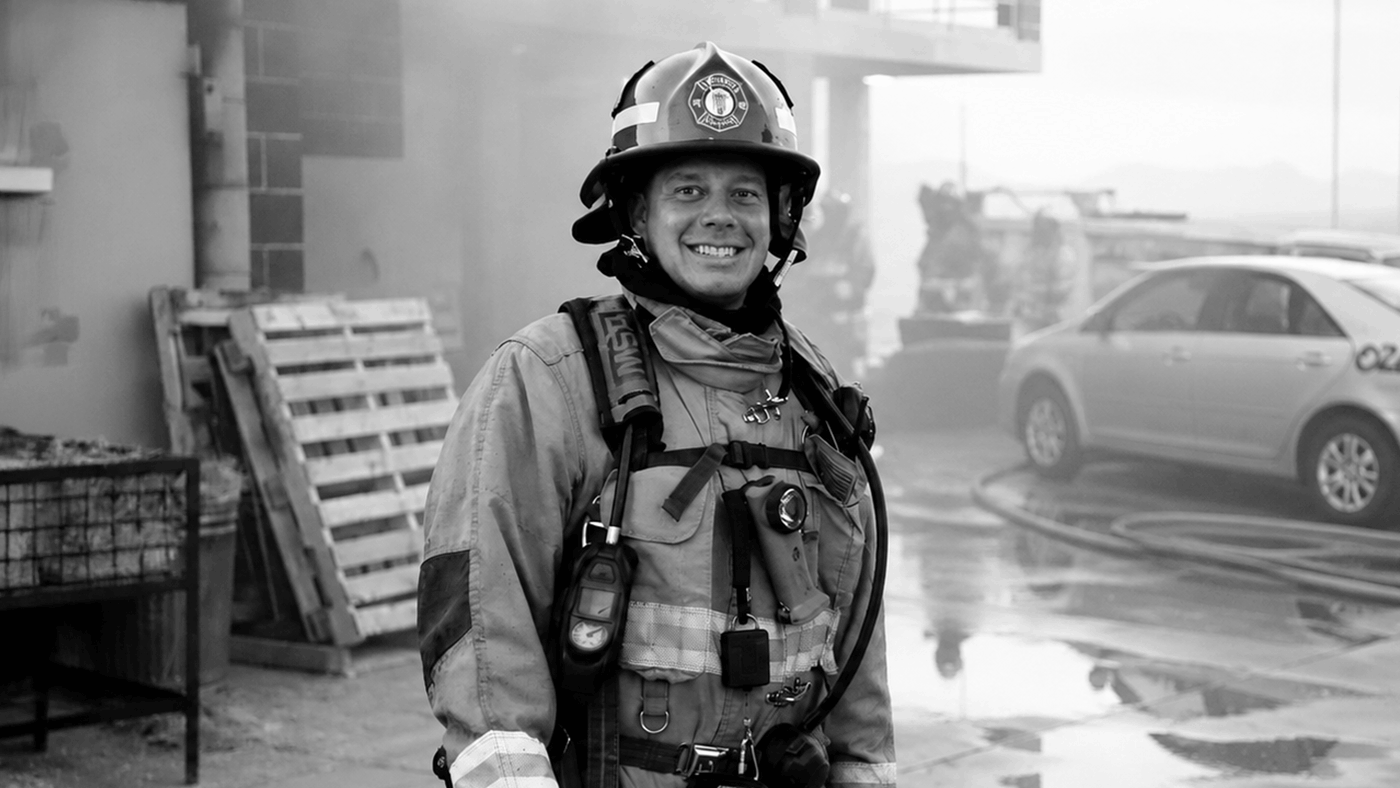
Scott Leatham had wanted to be a firefighter since childhood. It took him around eight and a half years of trying to get hired before he finally joined Tempe Fire Medical Rescue in 2013. He became a qualified paramedic in 2015 and went on to work in technical rescue and medical support for SWAT operations.
In 2020, he was among the first firefighters responding to the train derailment and bridge collapse in Tempe. Two years later, he was promoted to captain.
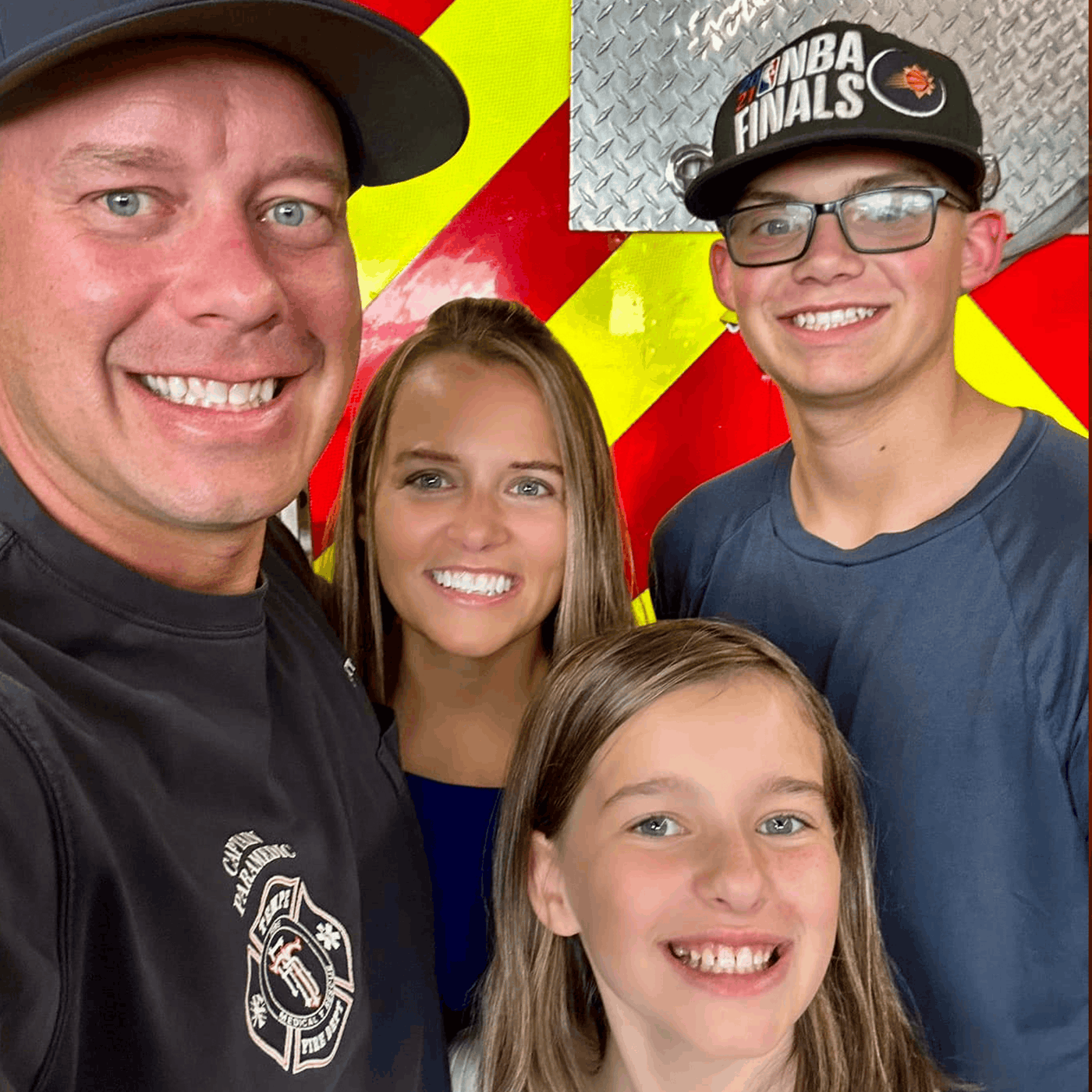
Some of Scott’s memories from his years in the fire service are about much smaller things. In his final interview, he talks about breakfast burritos at the station, teaching younger firefighters and spending time with the people he worked alongside. His colleagues remember a man who took his responsibilities seriously and enjoyed being around people. “Attitude is a choice” was a motto he lived by.
“Hands down, Scott was universally loved and cherished by his family, friends, and fellow firefighters,” Patrick told us. “Everyone talked about his boundless positivity, his kindness, his love for people, and his terrific attitude. You couldn’t find a person on Earth who had a bad thing to say about Scott.”
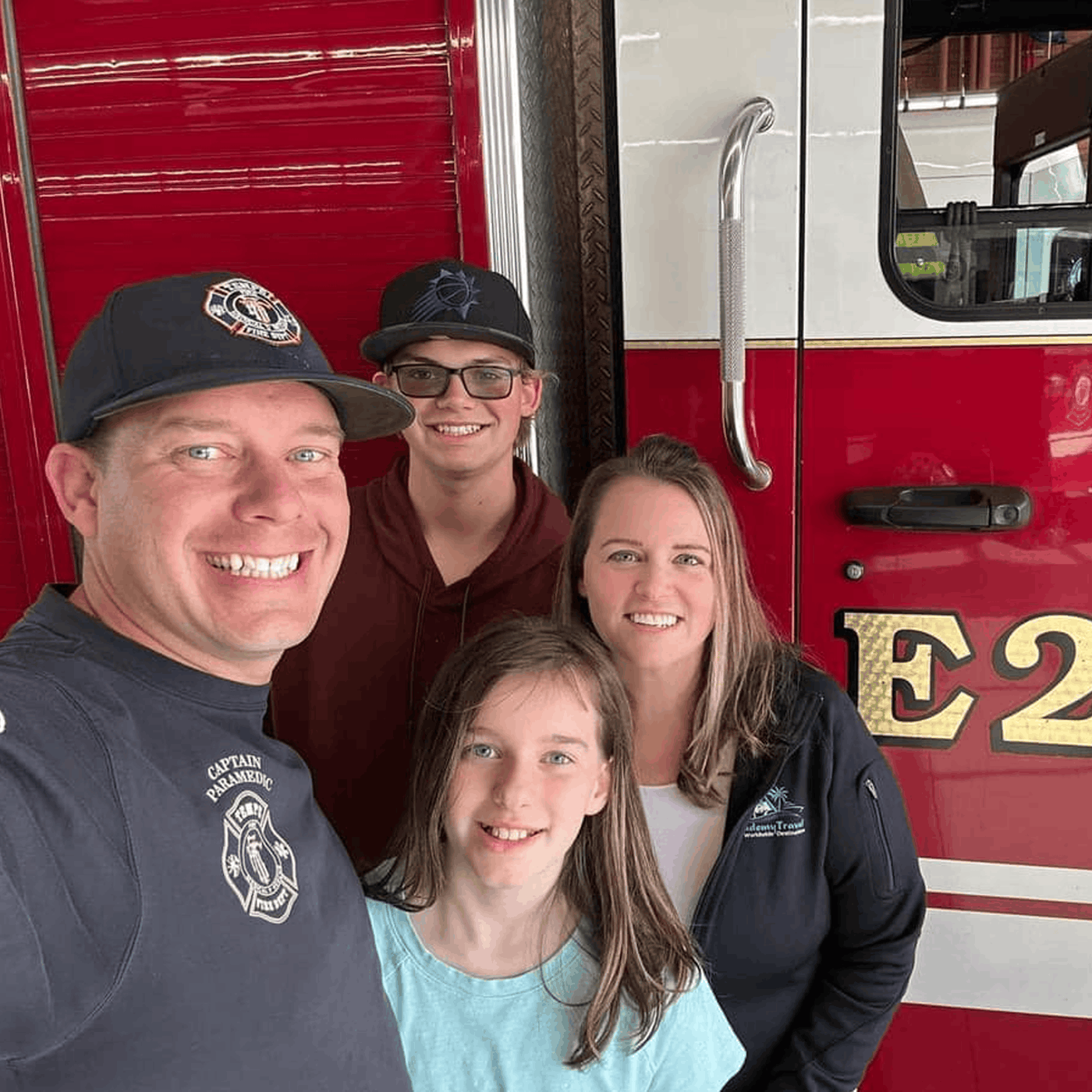
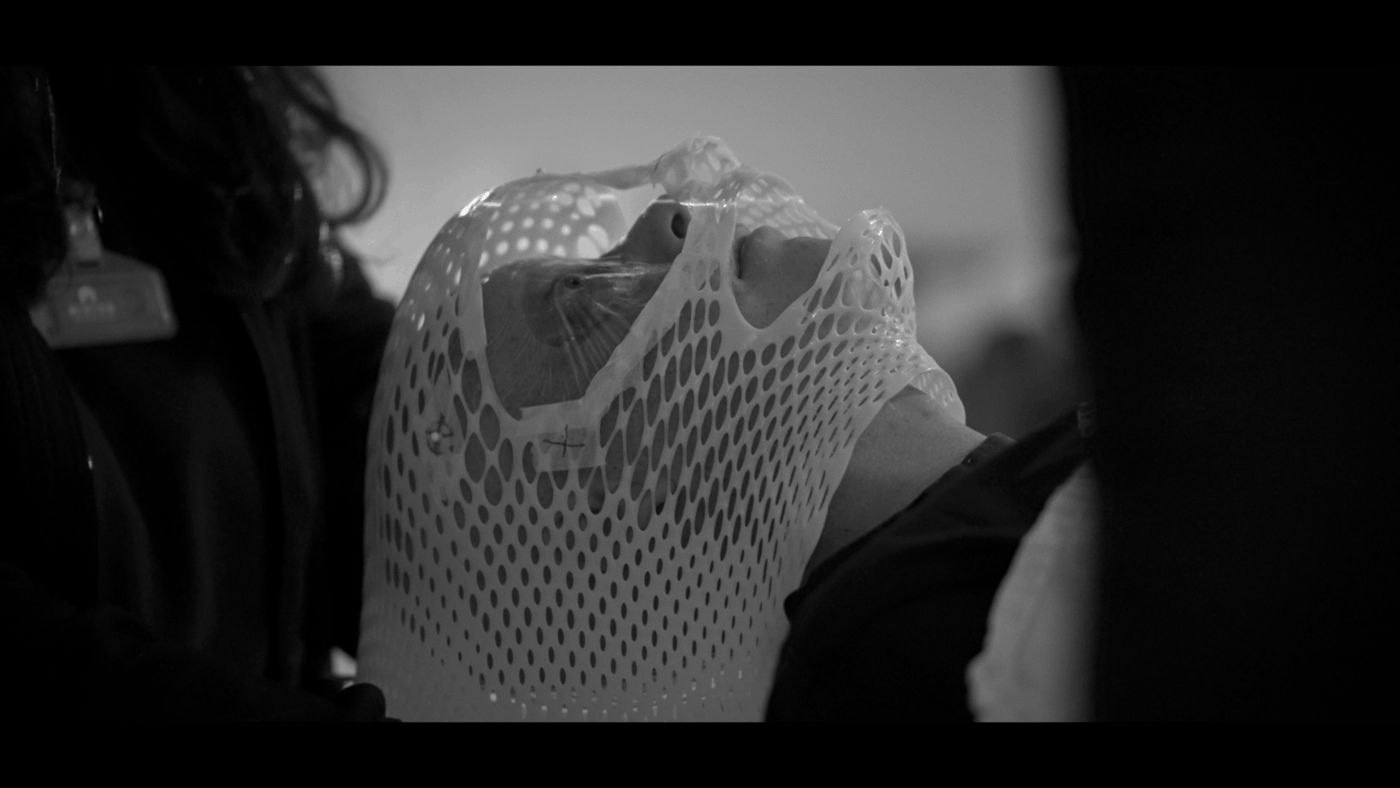
Scott received his diagnosis of NUT carcinoma in July 2024. He was 38 at the time. Over the next five months, he would spend around half of that time in hospital.
In September, hundreds of people, including fellow firefighters and other first responders, gathered at Perry High School to support the Leatham family as Scott’s son Kaden played football. Scott had been able to leave hospital to attend the game. His colleagues were there during other difficult moments too, including when he said goodbye to the people who had looked after him in intensive care and was escorted home.
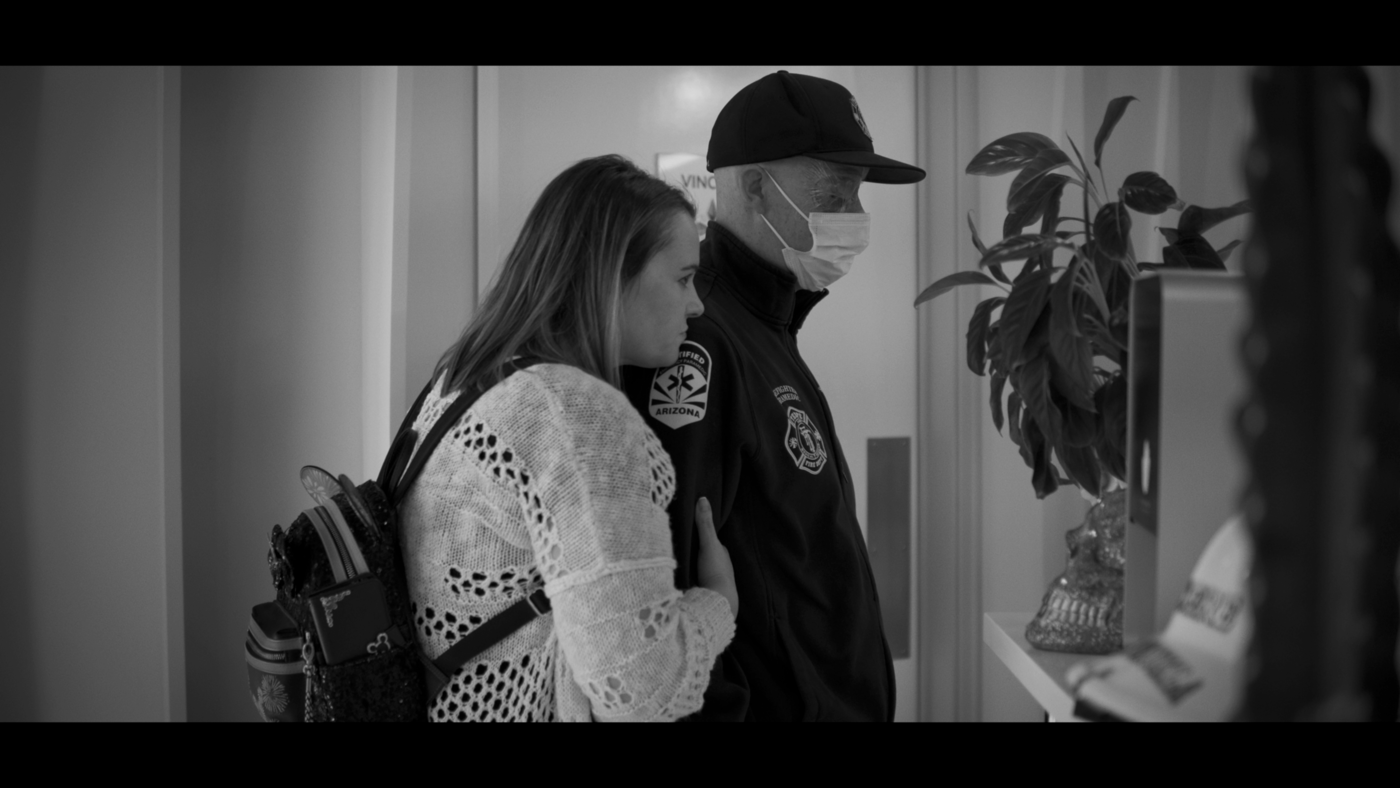
Patrick was already working on the subject of occupational cancer in the fire service when he learned about Scott. He had just finished post-production on his Emmy-winning documentary “Dying To Save You”, and one of the oncologists featured in that film got in touch with him about another young firefighter who was seriously ill.
The doctor introduced him to Scott’s fire chief, who asked if Patrick could arrange an interview.
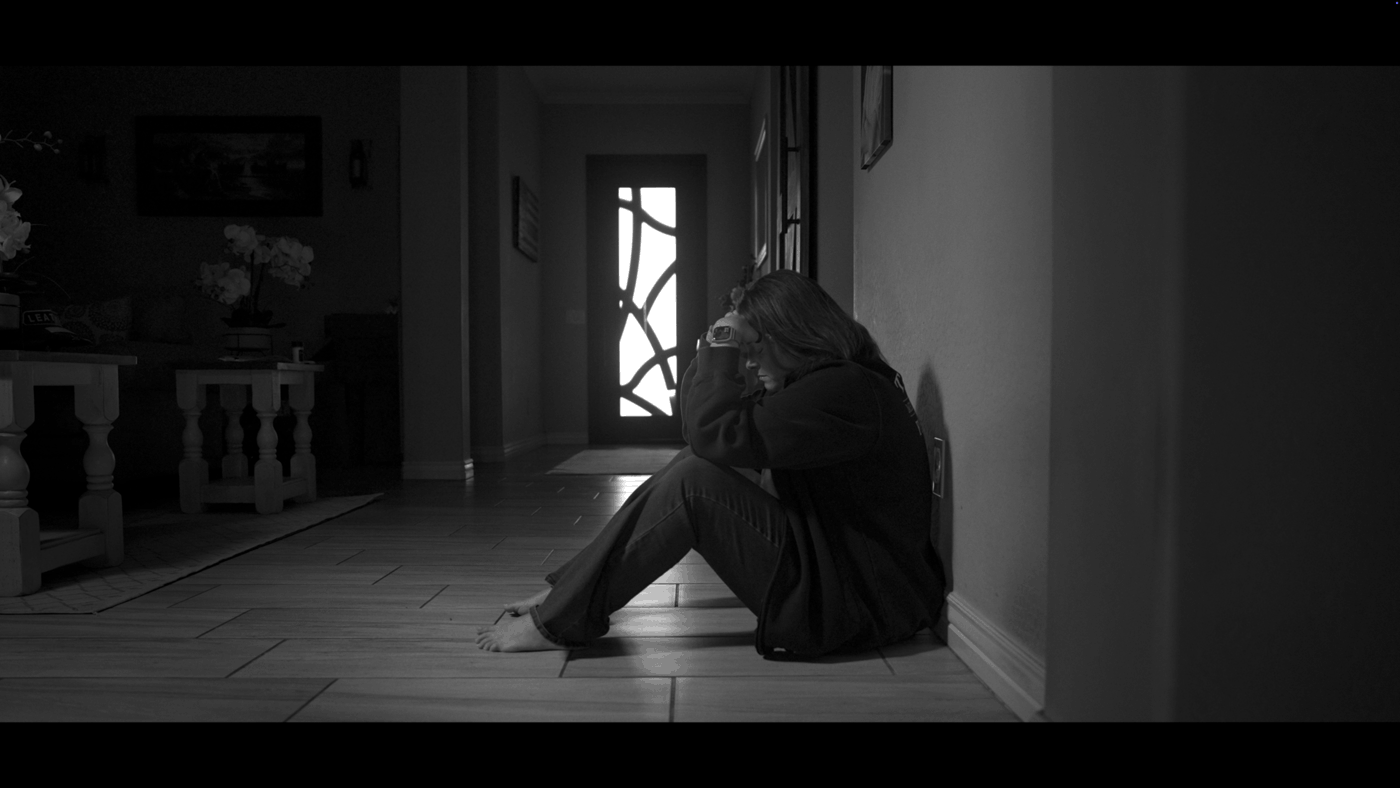
“Next thing you know, my wife and I were sitting on the Leathams’ couch, getting up to speed on what was happening and arranging a date to film that interview. I saw a scared firefighter in really, really bad shape, and a traumatized wife. There was a lot of crying.”
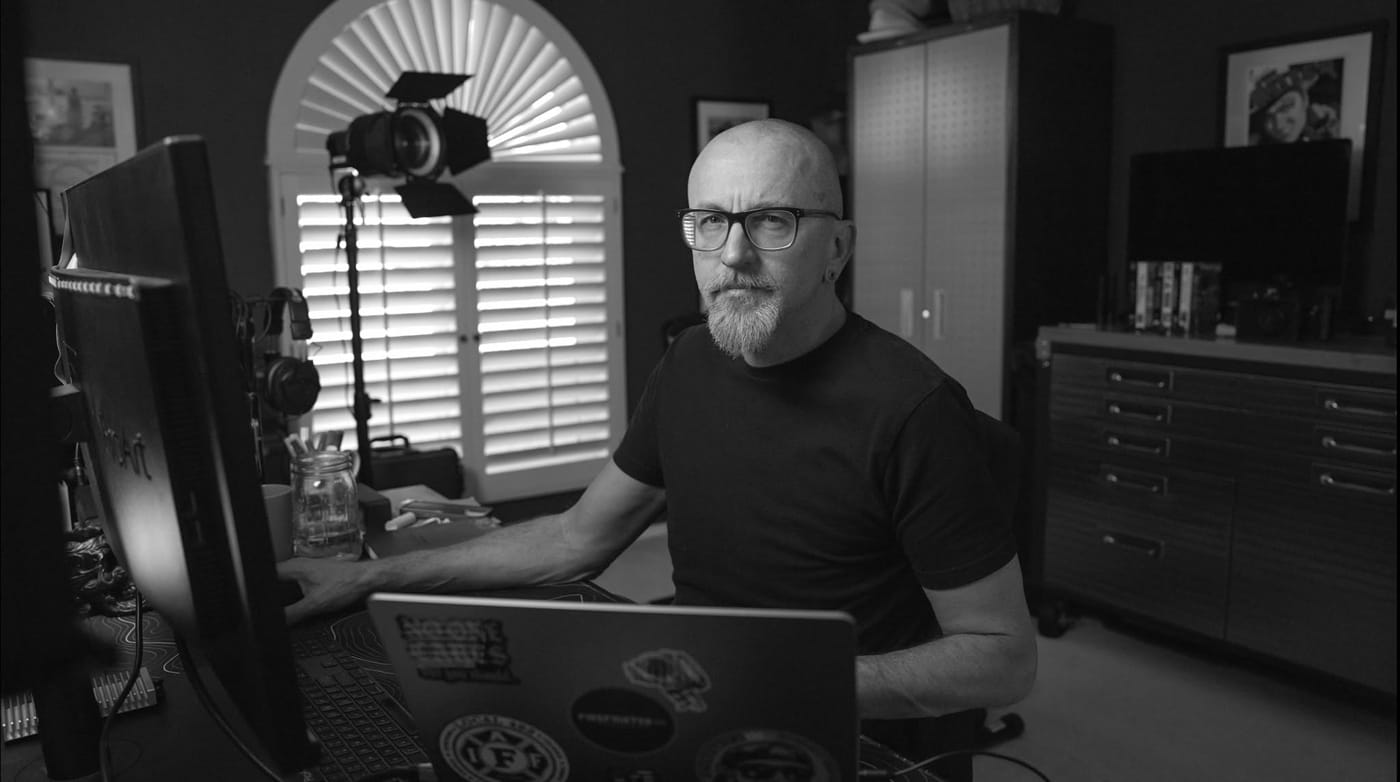
“At some point during that conversation, I just knew we were supposed to follow this story to the end. Good or bad. We were all in.”
Patrick filmed Scott at a time when the firefighter was dealing with the effects of chemotherapy and had recently experienced multi-system organ failure. What came out of their conversation was around 62 minutes of Scott talking about his life and his illness, sometimes stopping to gather his thoughts before he could continue.
For a documentary filmmaker accustomed to condensing hours of interviews into a much shorter film, releasing almost the entire conversation was an unusual decision.
“But this was Scott’s last interview. And, he powered through it despite “chemo brain” and recently having multi-system organ failure. And, I thought… who am I to decide which of his words deserve to be heard and which don’t?”
“I did make a few small trims when Scott needed to blow his nose, just to give him a little privacy. Full disclosure. But everything else is there, just as we filmed it. The pauses, the tears, the moments when he needed to collect himself. That’s Scott telling his story, and I felt it deserved to be preserved.”
Among the people Scott speaks about in the interview is Tommy Arriaga, another Tempe firefighter who died of occupational cancer in 2020. Following his death, the department began introducing additional protective equipment and measures to reduce firefighters’ exposure to carcinogens.
Scott knew about the risks, took part in cancer screening and sought medical attention when he developed symptoms. Patrick has seen firefighters become more aware of these dangers during the years he’s spent documenting the subject, although the changes needed to protect them also depend on the resources available to their departments.
“With each firefighter cancer diagnosis and each death, incremental change follows.”
“A lot of departments don’t have the best protective equipment. They don’t have multiple sets of turnout gear for every firefighter. They don’t have newer fire trucks with clean-cab technology or fire stations designed to reduce exposure to carcinogens.”
Much of the danger comes from the substances firefighters encounter when ordinary household furnishings and building components catch fire. Contaminated clothing and equipment can continue to expose firefighters to hazardous substances once they’ve left the scene.
“And I suppose the even larger issue is that nearly everything that burns these days turns into poison. Our homes are filled with synthetic materials, plastics, and chemicals. When those things burn, firefighters are exposed to incredibly toxic environments. And these guys are getting that stuff all over them and into their bodies. We’ve made progress, absolutely. But we’re a long way from solving the problem.”
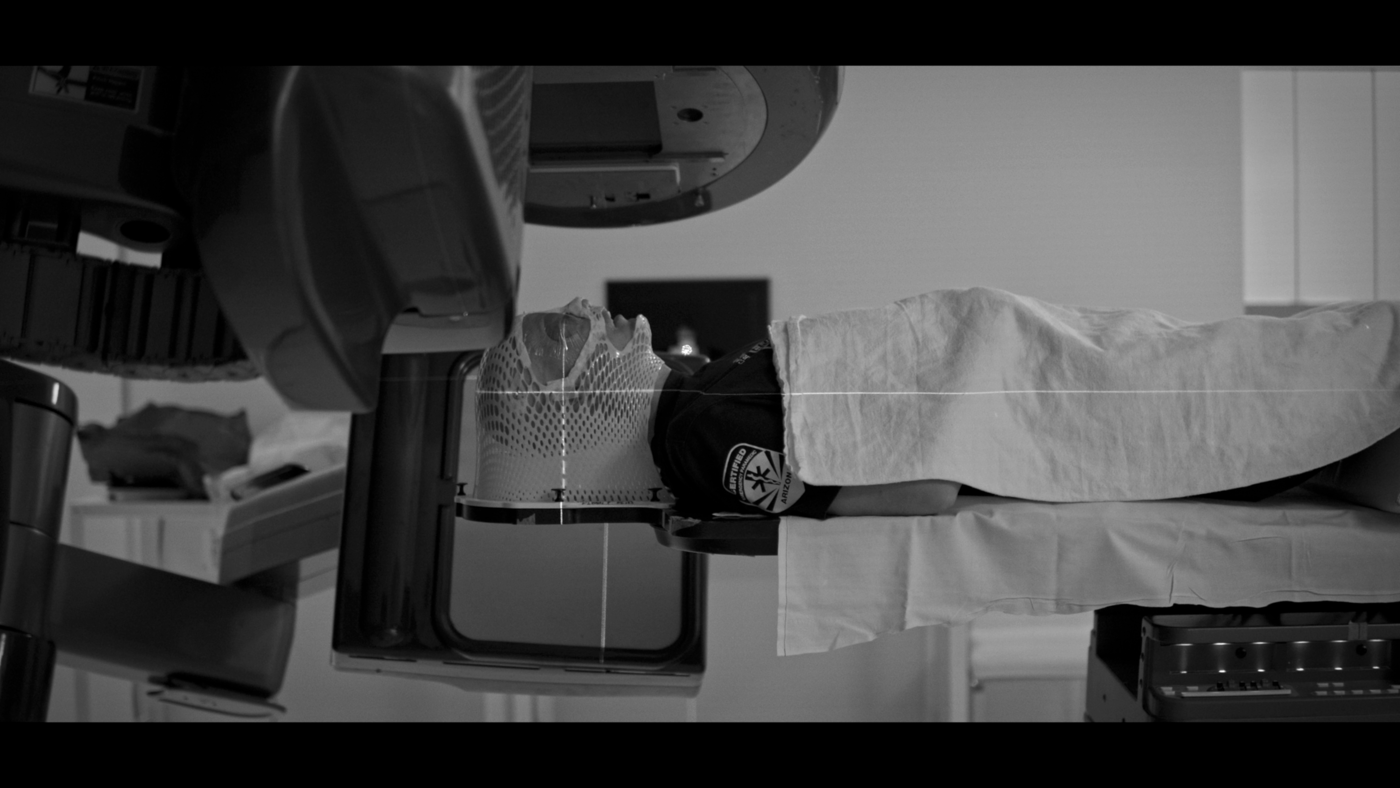
There was another problem facing the Leatham family during those months in hospital. Arizona’s workers’ compensation legislation provides a legal presumption of occupational disease in qualifying cancer cases involving firefighters. Scott’s family still had to fight to have his claim accepted.
When we asked Patrick about the case, he contacted Ashley to establish what had happened. During Scott’s hospitalisation, the family had been told his occupational cancer claim had been accepted conditionally.
“The City of Tempe then denied it. The FF union and Scott’s doctors fought that decision and around Dec 10th the City of Tempe reversed their decision and approved it. Scott died 9 days later.”
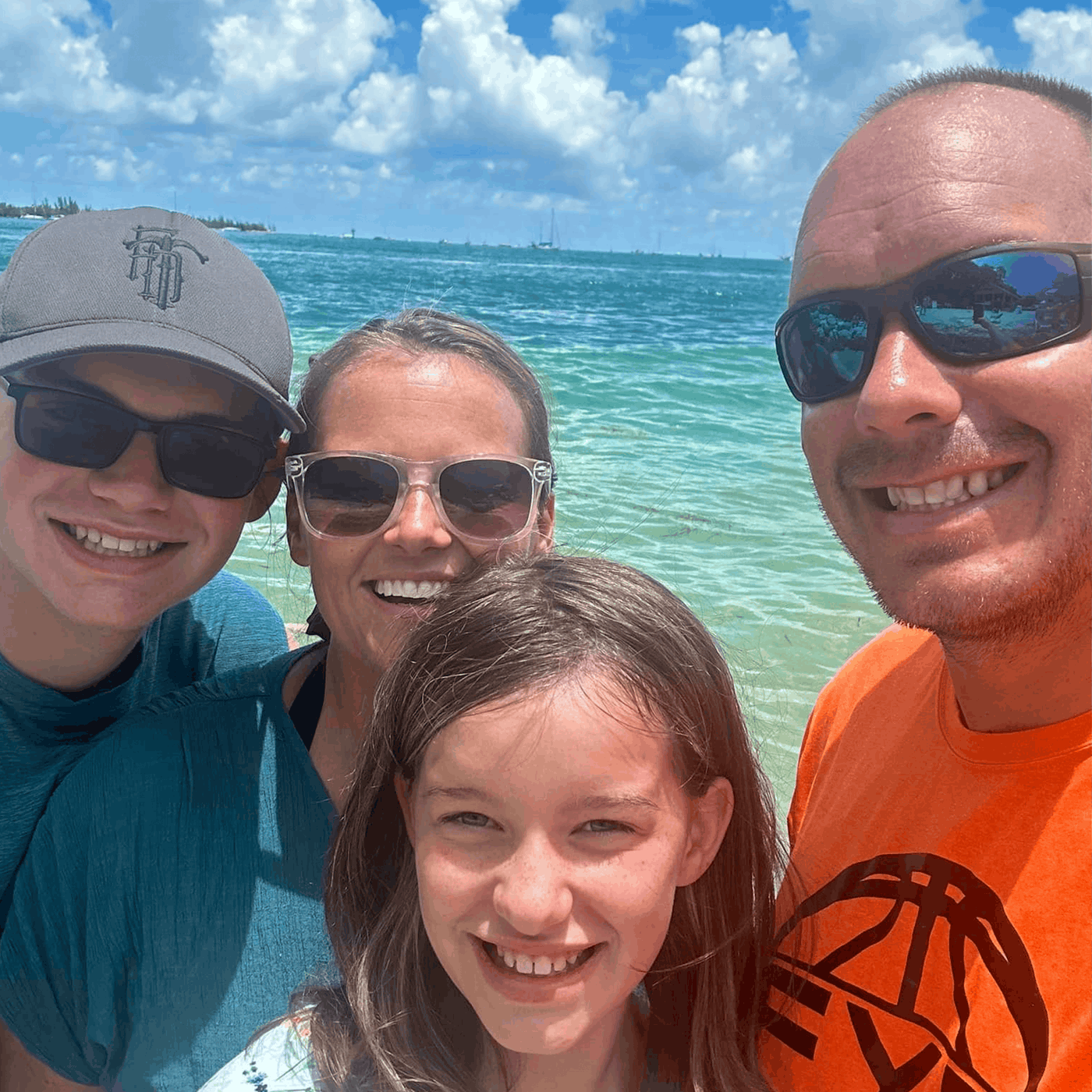
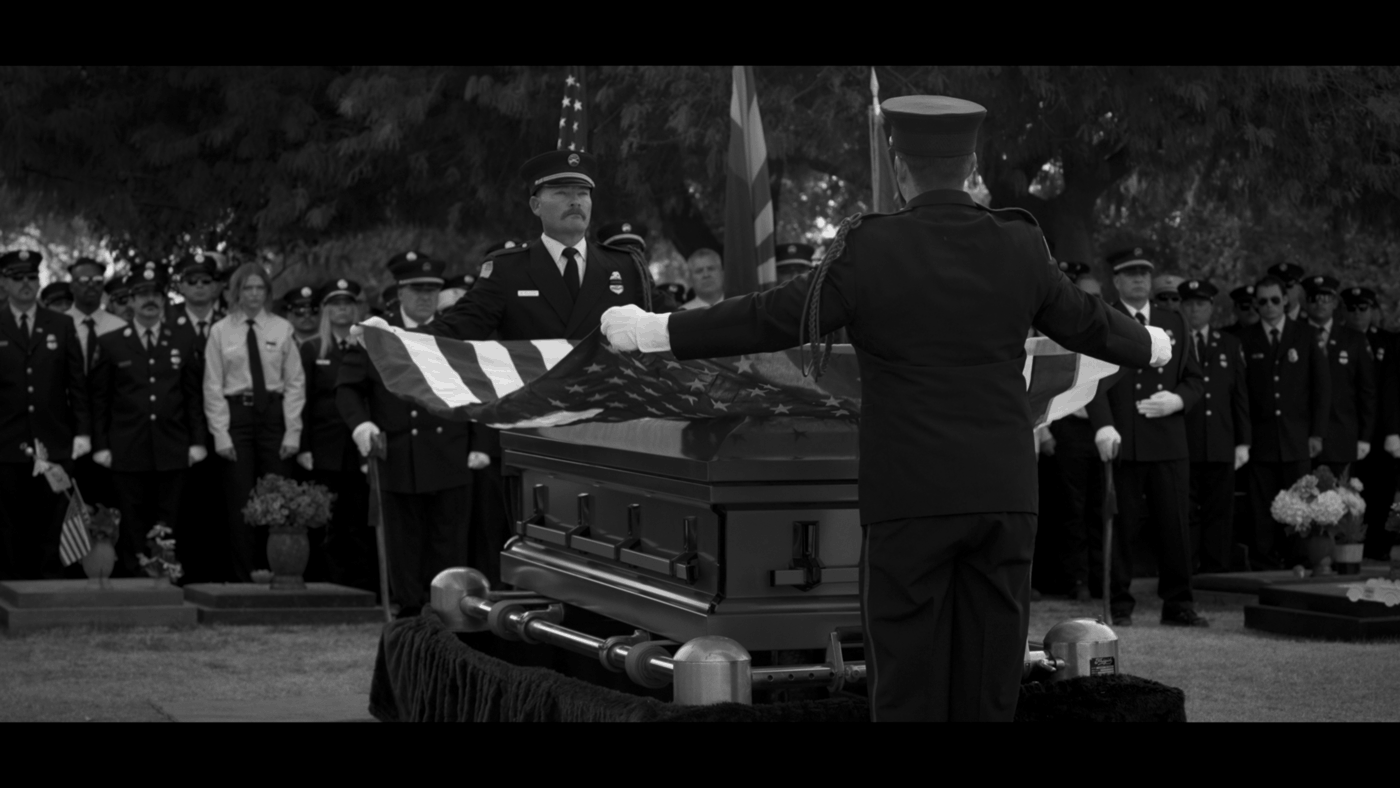
He died on 19 December 2024, ten days after his 39th birthday, leaving behind Ashley and their two children, Kaden and Kali.
The City of Tempe’s Public Safety Memorial officially records his cause of death as “Occupational Exposure / Sinonasal Cancer”. His death is also recognised by the International Association of Fire Fighters as a line-of-duty death. The occupational classification of Scott’s illness is documented, although the precise medical cause of his individual NUT carcinoma cannot be established from those records alone.
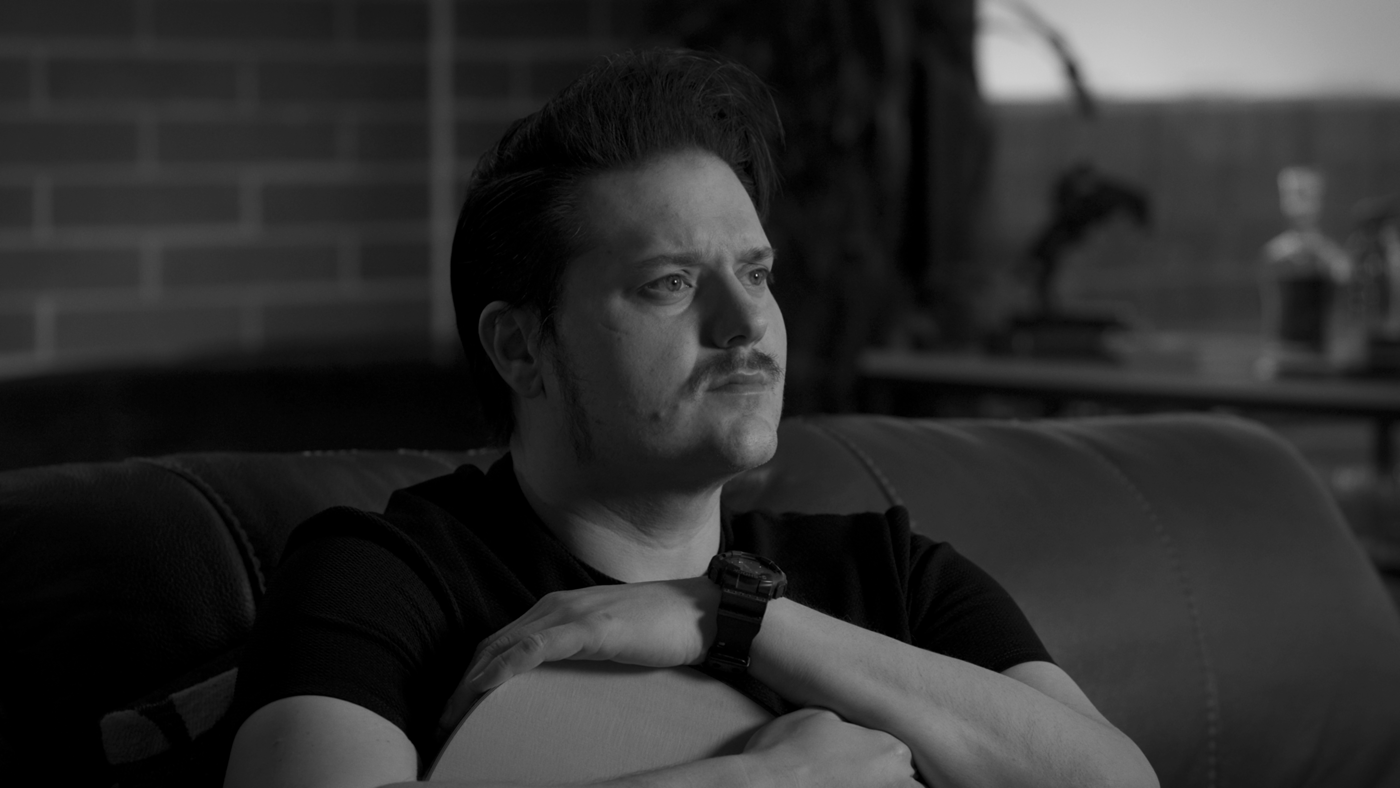
For Wade, watching Scott’s interviews meant getting to know someone who was still trying to be a husband and a father through all of this. Some of the most ordinary things Scott talked about were things Wade could relate to himself.
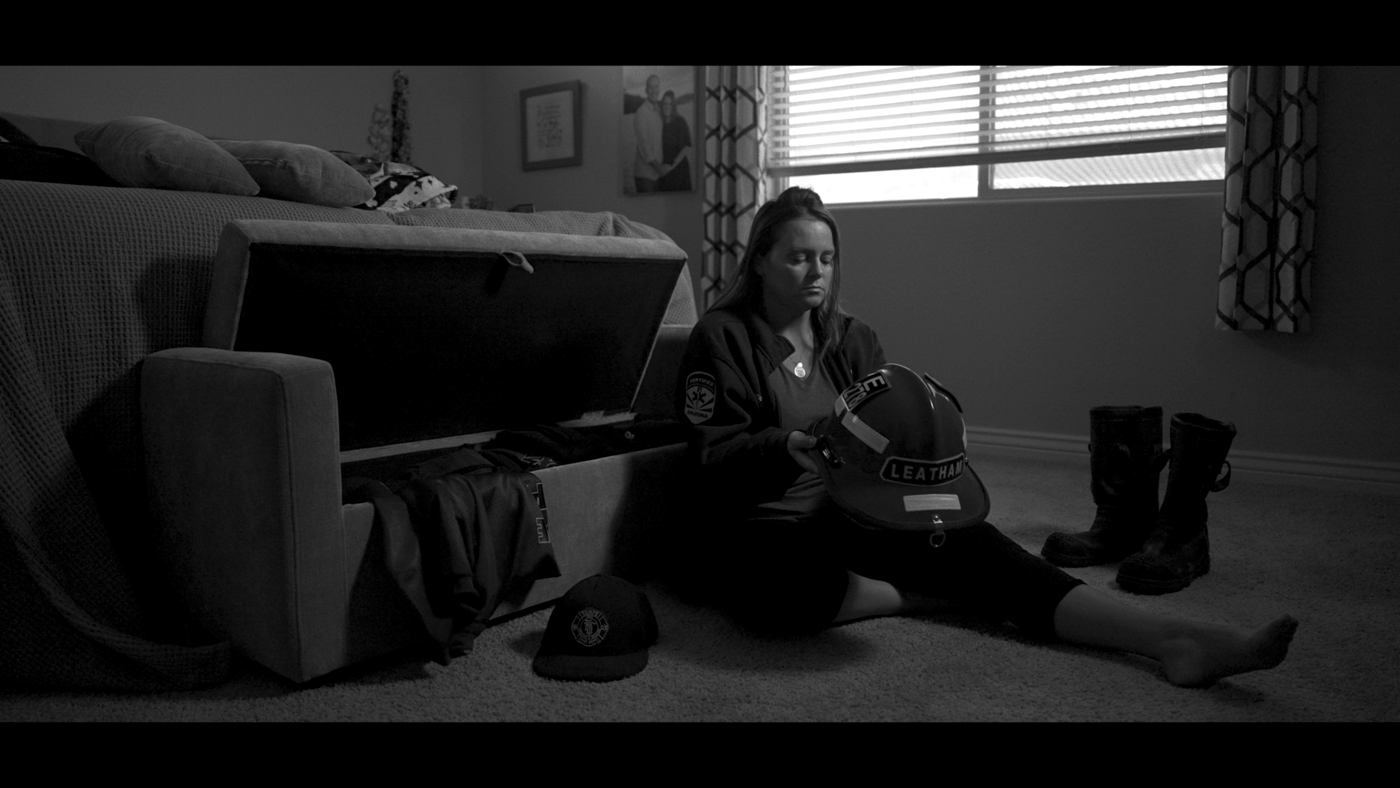
“I’m almost always thinking about breakfast burritos too. When I was watching interviews and footage of him, you know, it was mostly his last days, so it was almost like he was just using any words he possibly could to say goodbye to his family while staying as strong as he could possibly be. He was truly an amazing man. Without that pain, there would be no song.”
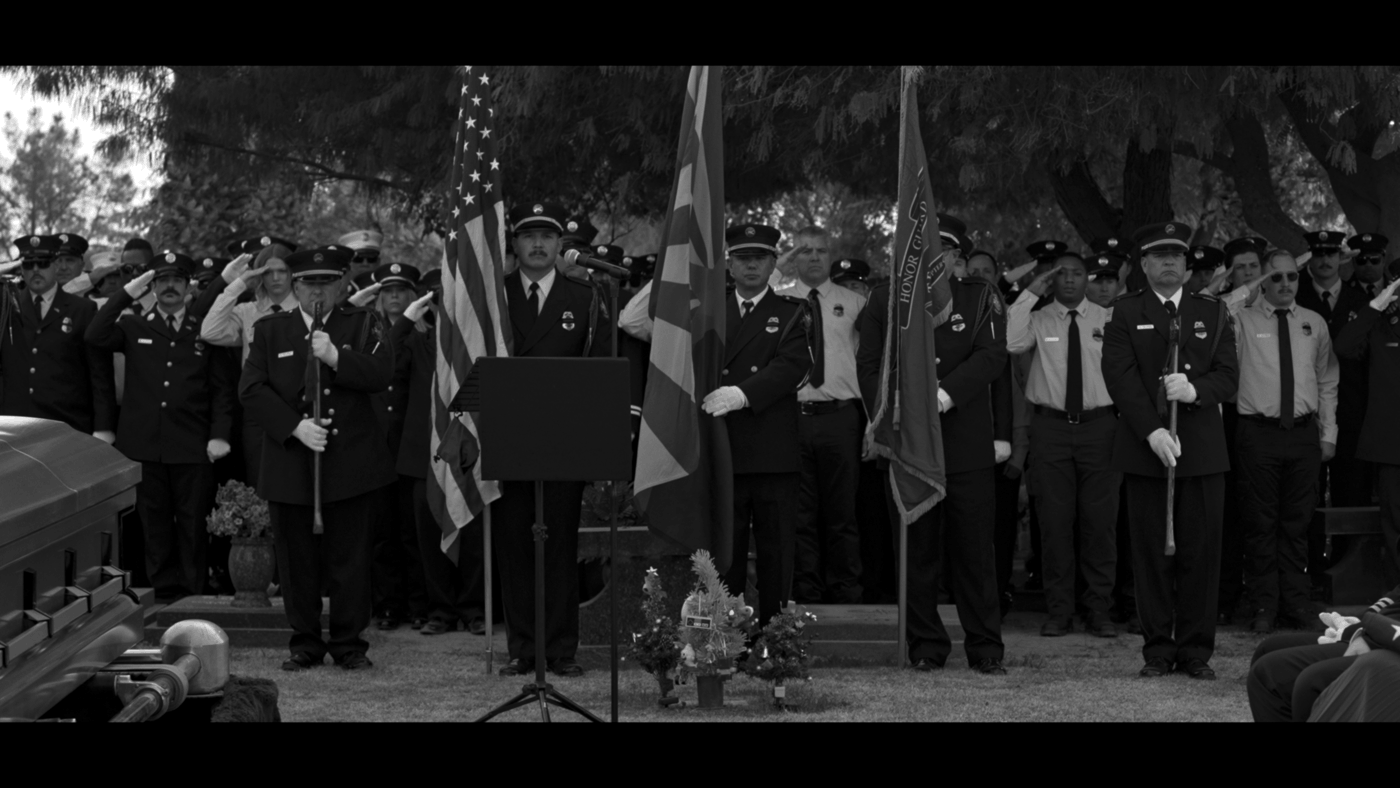
By September 2026, Patrick had completed the film he’d first imagined during that morning walk in January. Working with a much shorter running time than he had for Scott’s interview, he had to make difficult decisions about what to show.
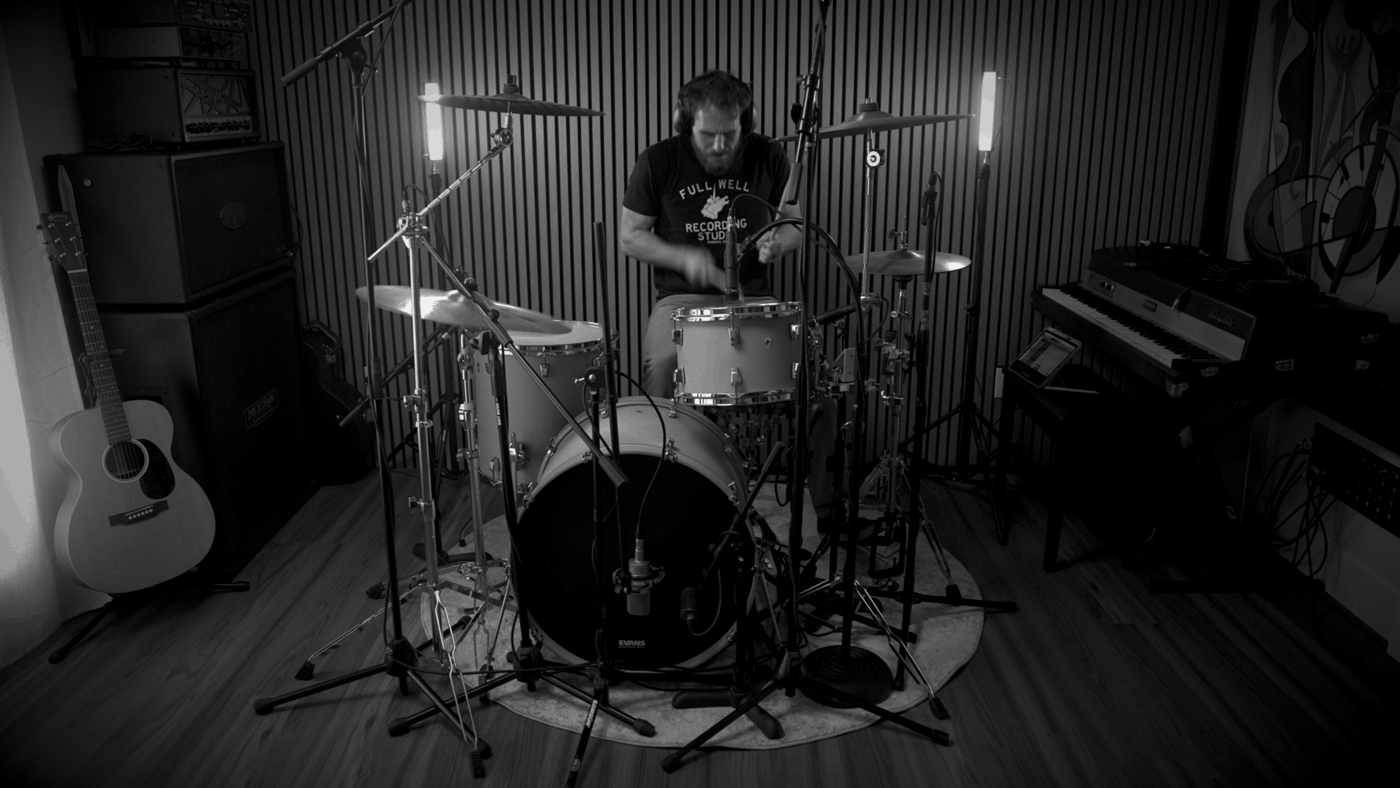
Scott’s final months had left him with footage of considerable suffering. He wanted people watching a rock music video, perhaps with no previous knowledge of Scott or occupational cancer, to stay with the film long enough to hear what Scott had to say.
“But viewer abandonment was a real concern for me while I was editing Last Alarm. I had footage that could emotionally demolish a traditional music video audience. And I thought long and hard about what to show and what to leave out.”
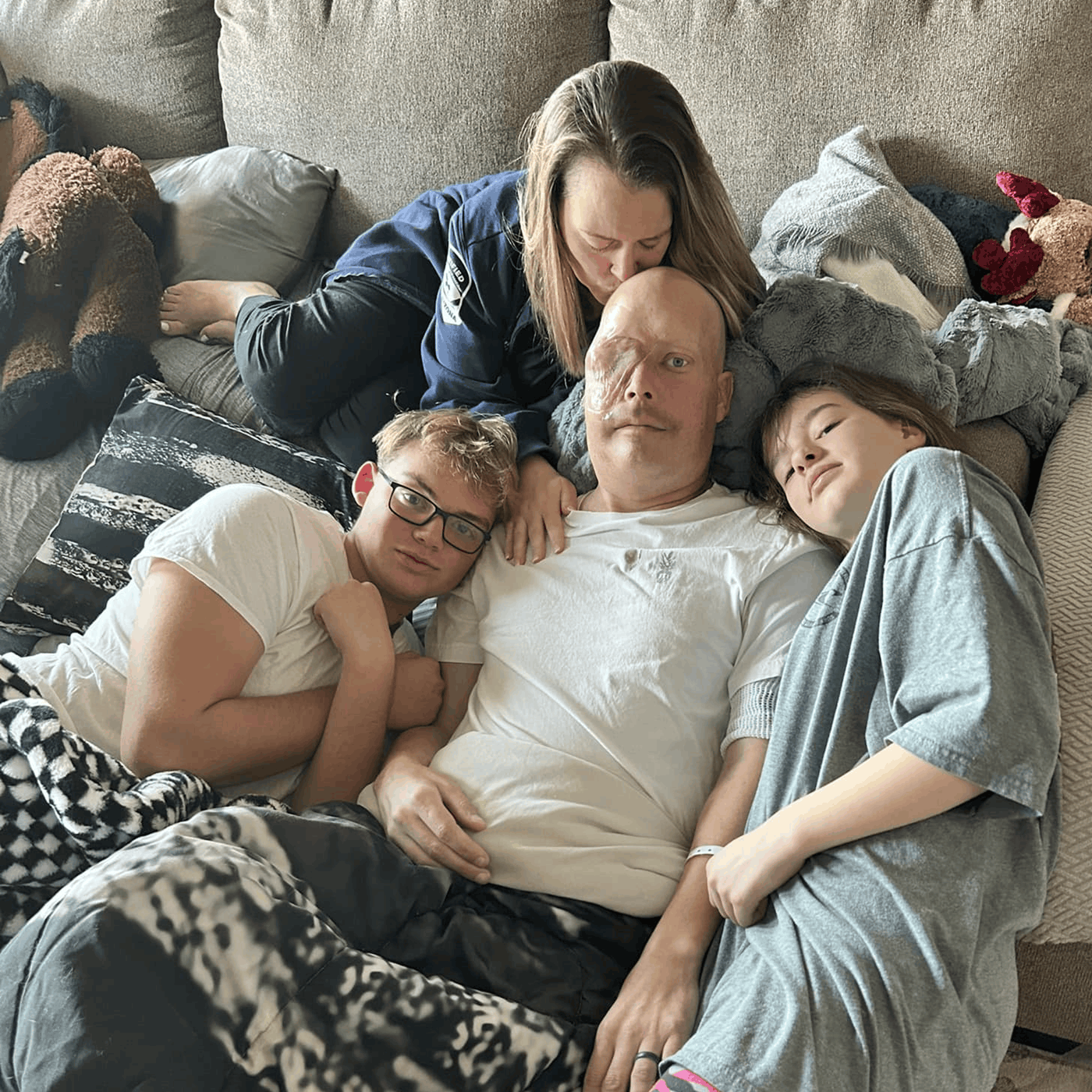
“The challenge was finding that balance. I wanted people to understand what Scott and his family went through, but I also needed them to stay with the film until the end. Because if the audience is so overwhelmed that they stop watching, the story doesn’t get the opportunity to do what Scott hoped it would do.”
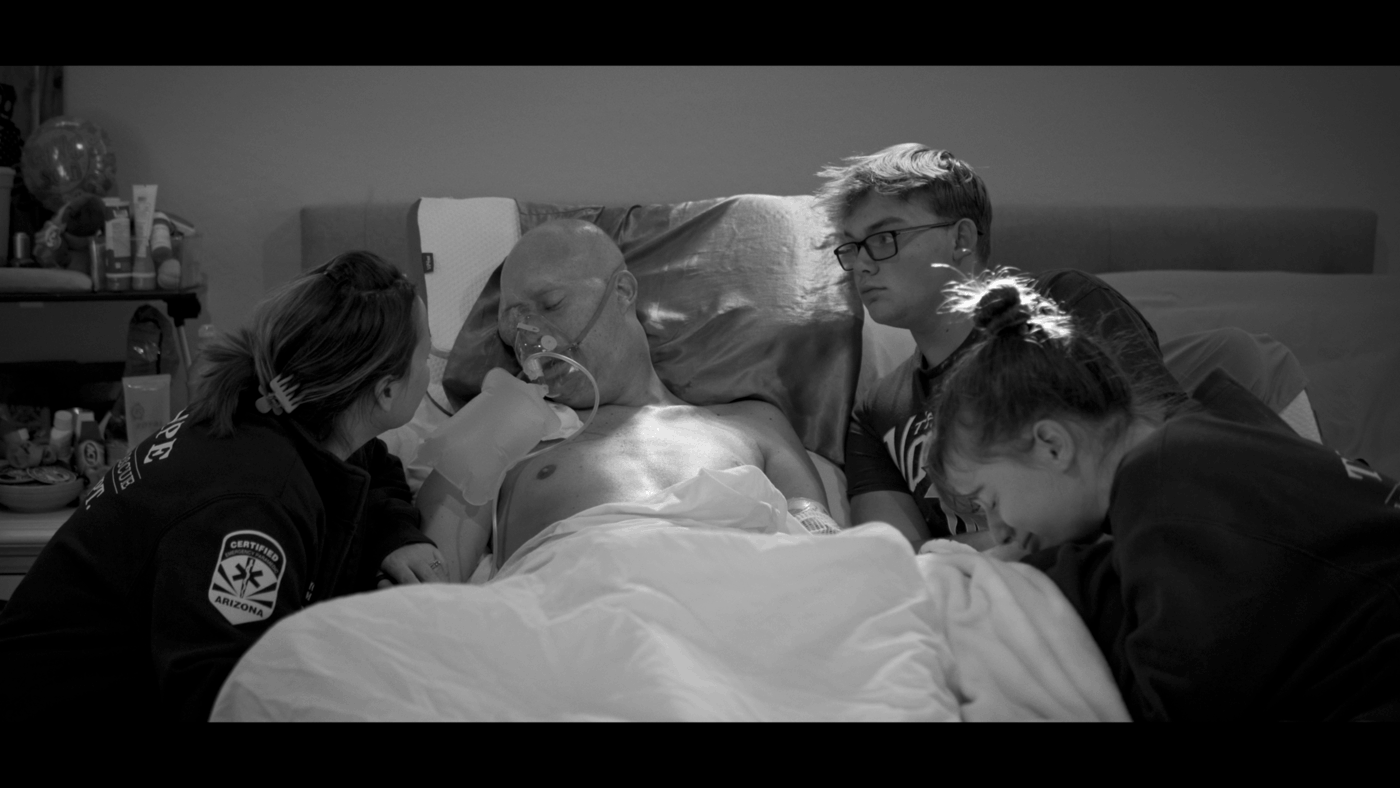
Ashley had trusted Patrick to make those decisions himself. She saw the finished music video for the first time when he brought it to her home to show her and the children. Among the recordings Patrick had made before Scott’s death was a final message to Ashley. He included it at the end of the film.
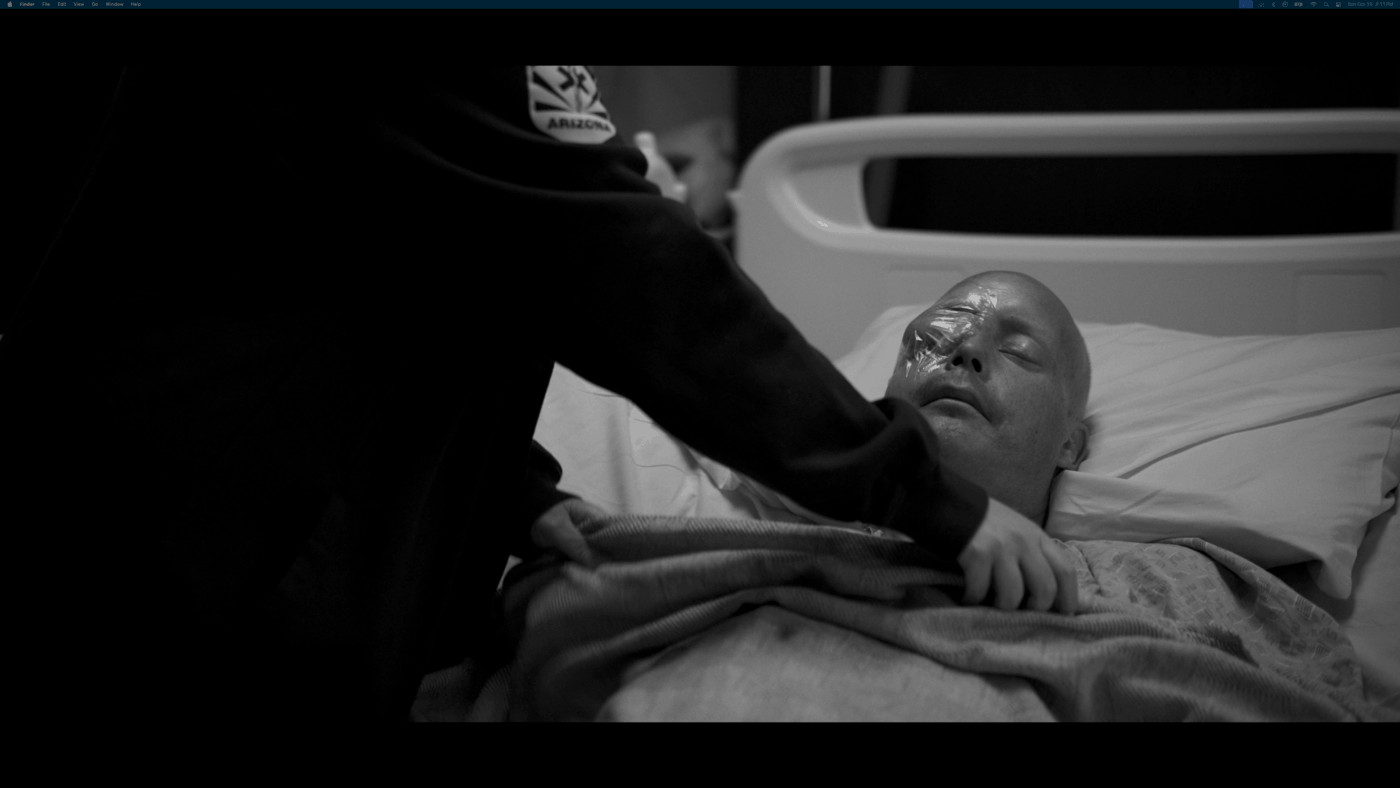
When Wade talks about what “Last Alarm” means to him, he keeps coming back to the people still working in the fire service and the way their job is understood by everyone else.
“I really don’t think people think about that enough, or really know about it in general. They think firefighting is dangerous because they’re going into burning buildings, but there is just so much more to that job.”
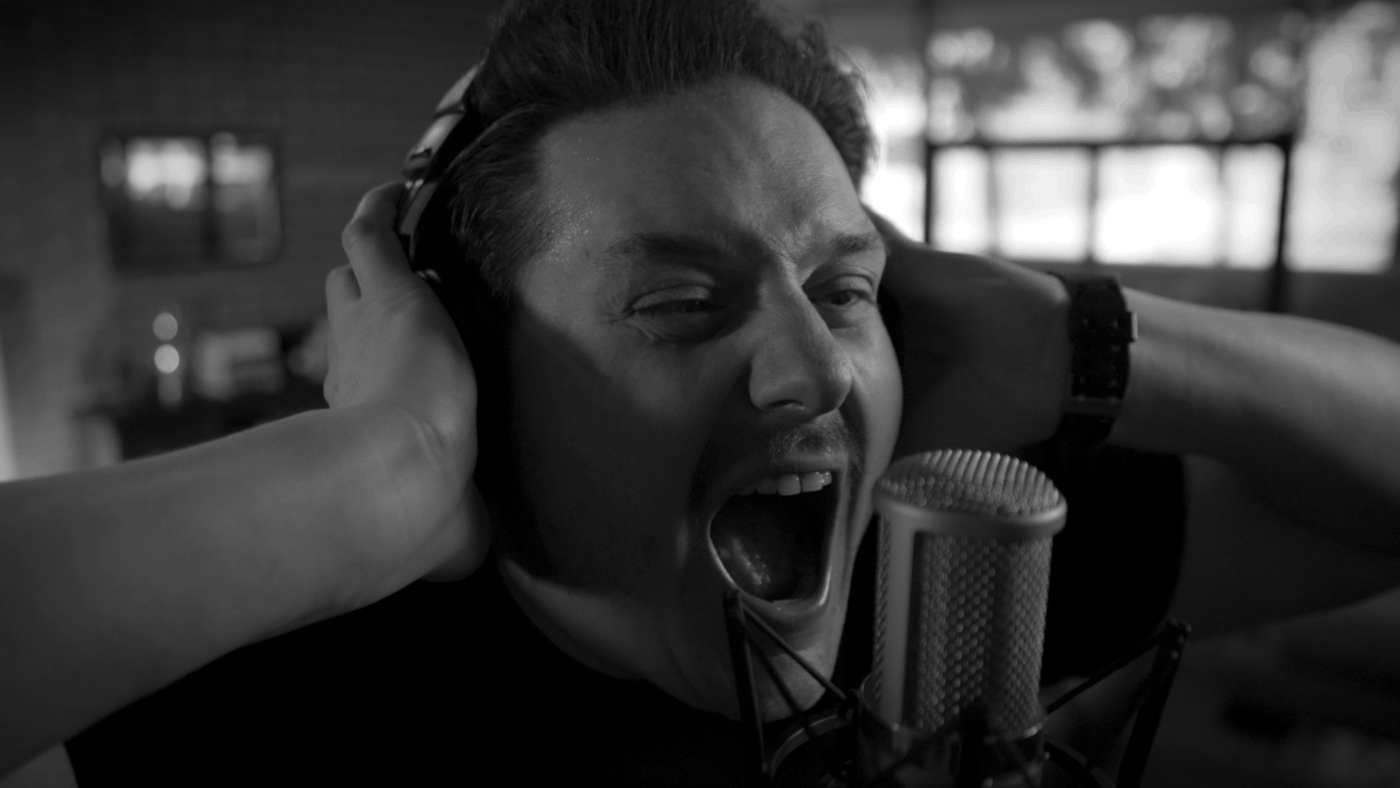
“I’m going to end by saying that there is no amount of money on God’s green earth that would be enough to pay firefighters what they’re owed for the sacrifices they make every single day.”
Patrick continues to work with firefighter foundations, producing films about occupational cancer and prevention. He hopes more filmmakers will take on the subject and that people who might never choose to watch a documentary about the fire service will encounter it through “Last Alarm”.
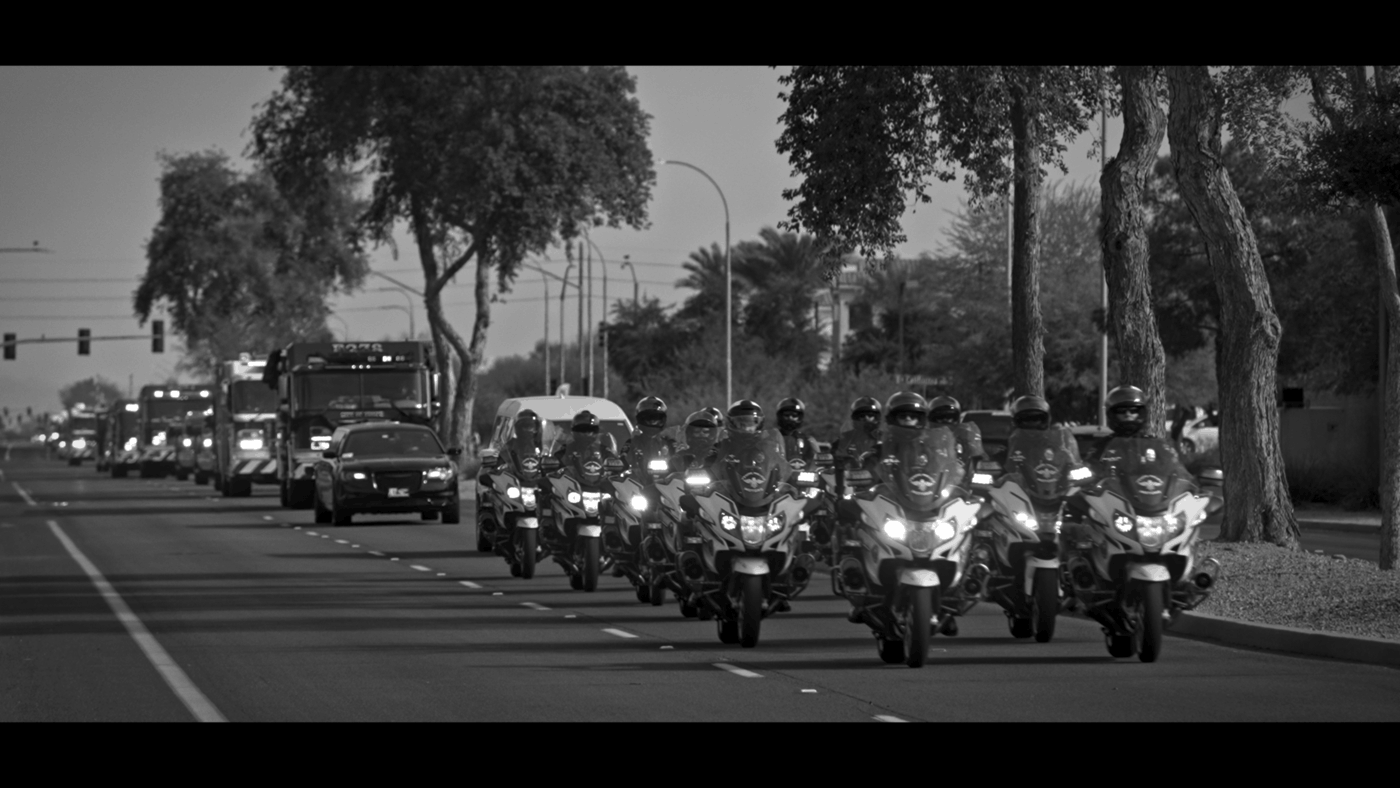
“Because everything starts with awareness, right? I mean, firefighters don’t come to your house fire until they know your house is on fire, right?”
“Scott told me he hoped his story would help someone. If this film reaches a firefighter who decides to take cancer prevention more seriously, or a family that recognizes something they might otherwise have missed, then we’ve done something meaningful.”
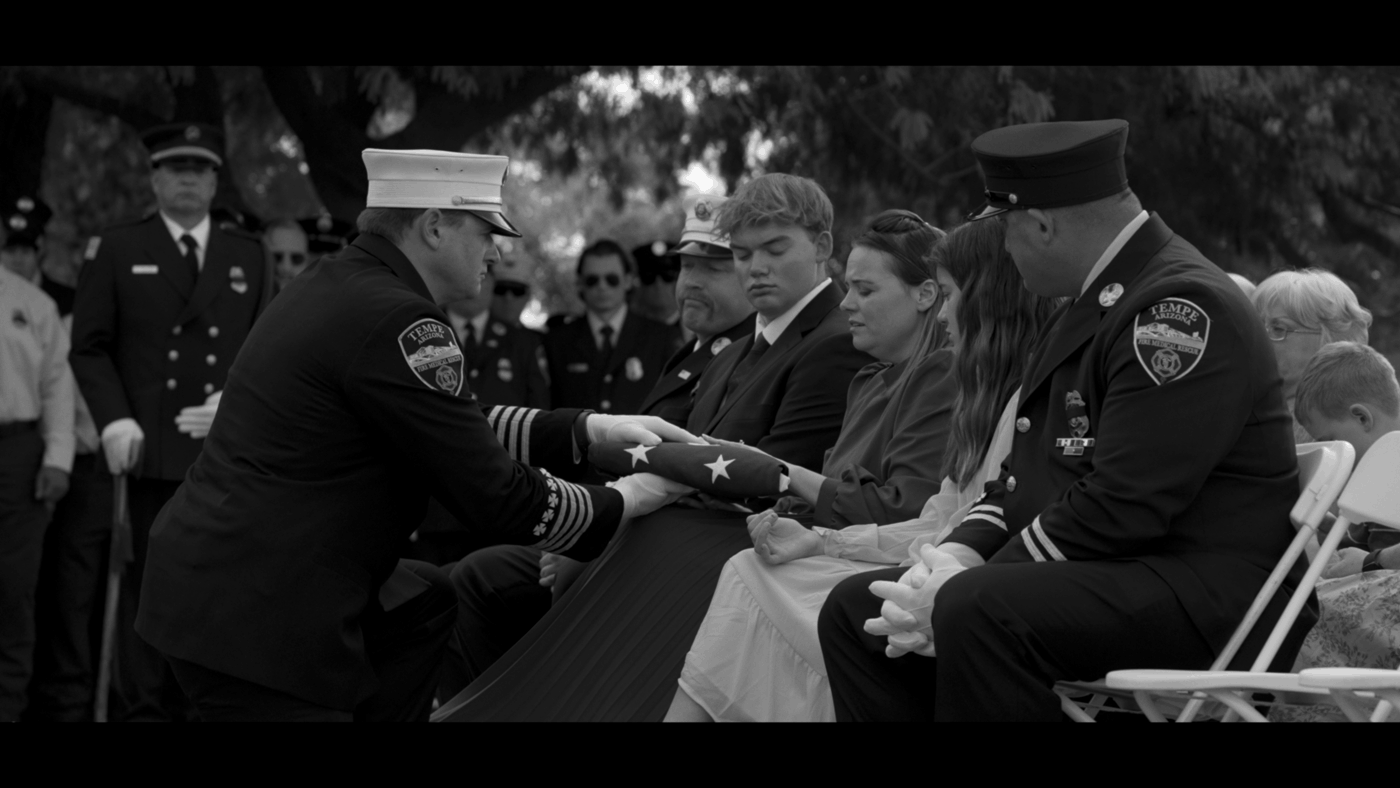
“Last Alarm” was released on 16 November 2026, alongside Scott’s final interview. All advertising revenue generated by the music video is intended to go to Ashley Leatham.
In September 2024, when Scott agreed to tell his story on camera, he explained why he was doing it: “if I could help change one person’s life for the better, it’s worth it.”
🔔 IDIOTEQ is ad-free, independent, and runs on one person’s time. If you want it to stay that way: DONATE via PayPal or SUPPORT via Patreon.
NEW: IDIOTEQ Explore 🗺️ Browse 15+ years of our archive by city, country, and style. Find artists on the world map or trace related sounds through the styles map.
Stay connected via Newsletter · Instagram · Facebook · X (Twitter) · Threads · Bluesky · Messenger · WhatsApp.
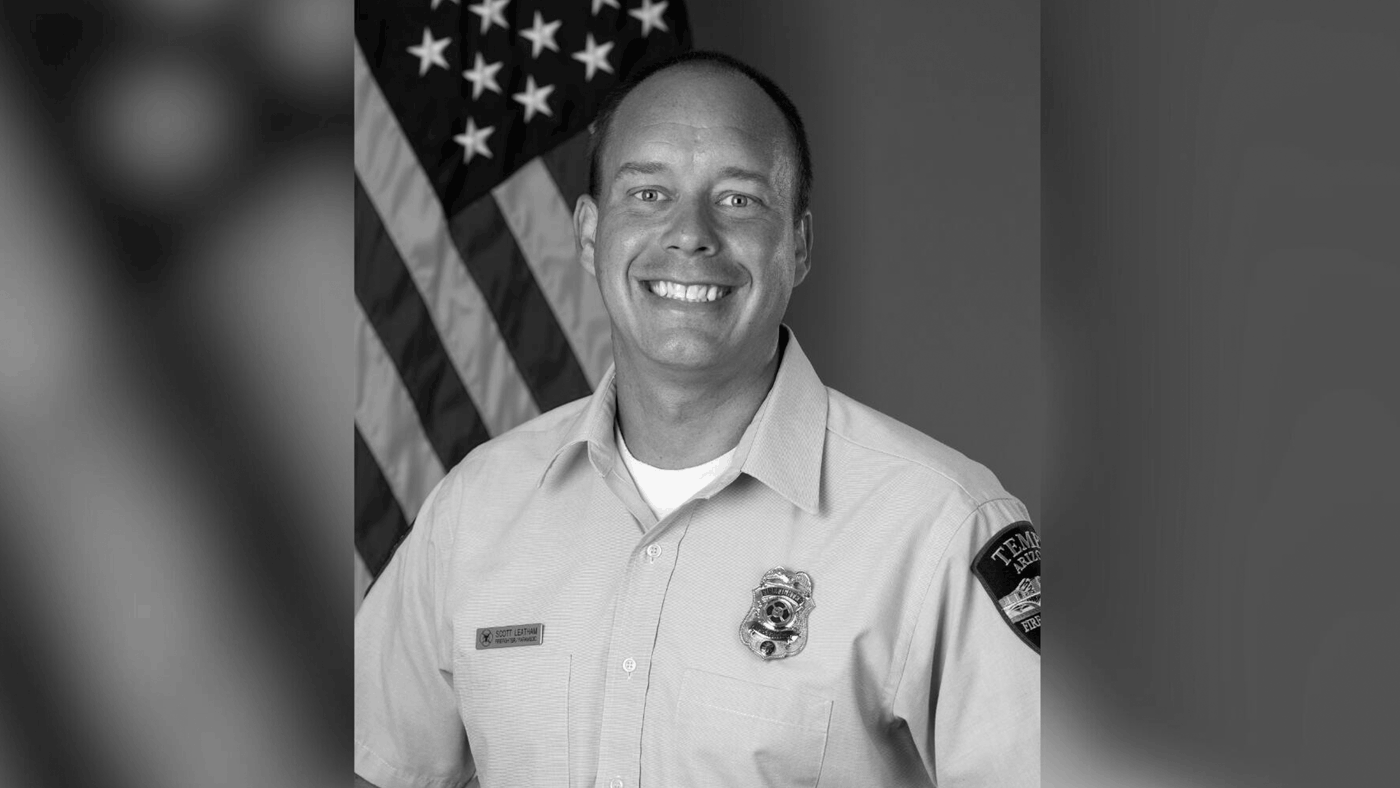
Captain Paramedic Scott Leatham served with the Tempe Fire Medical Rescue Department for 11 years, rising from firefighter to paramedic, SWAT medic, dive team member, and Captain. Diagnosed with NUT carcinoma – a rare, aggressive occupational cancer linked to firefighting – in July 2024, he passed away on December 19, 2024, at age 39. He is remembered for his unwavering dedication to public service, his courage in documenting his illness to raise awareness for firefighter health, and his deep devotion to his wife, Ashley, and their two children, Kaden and Kali.