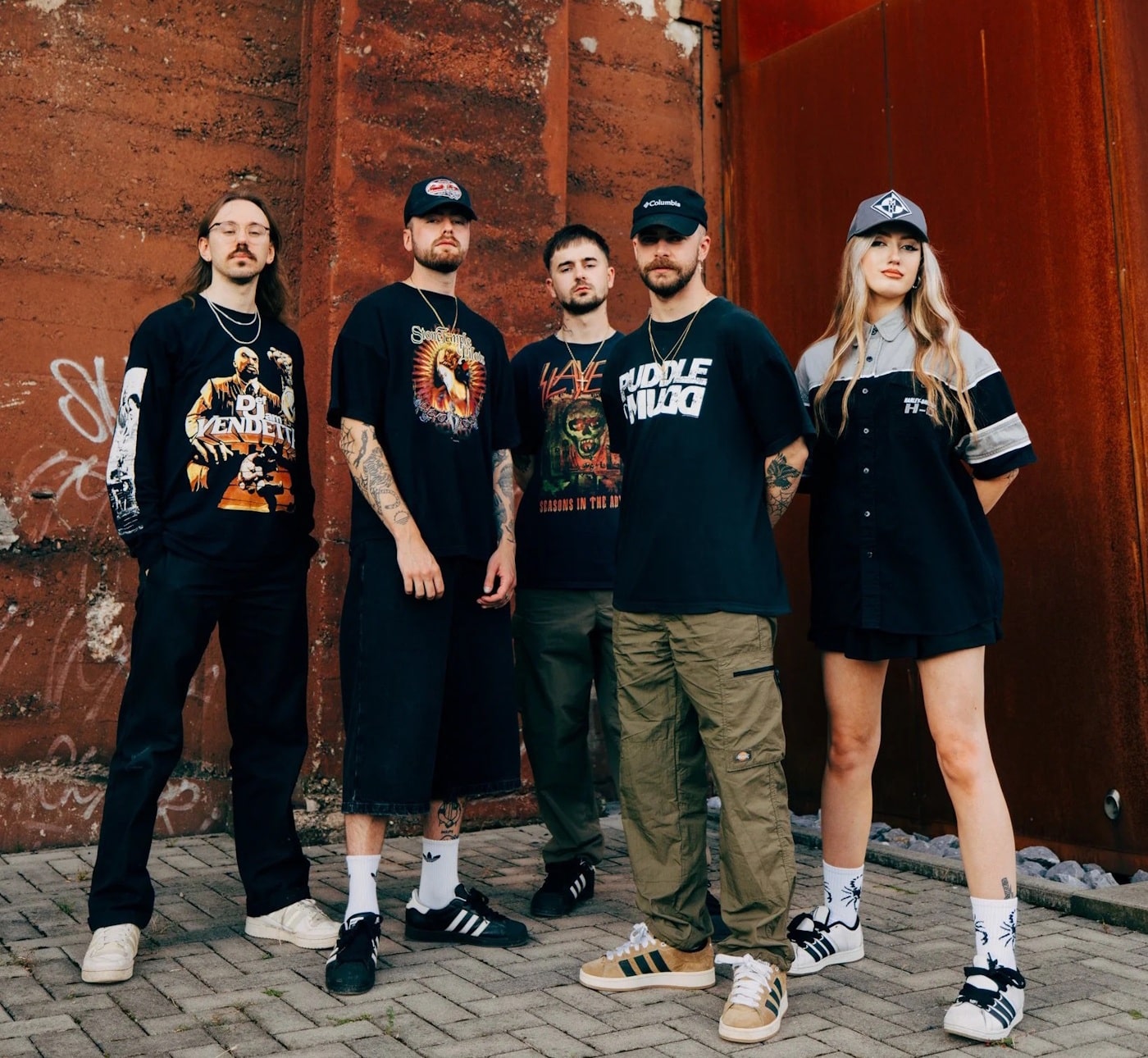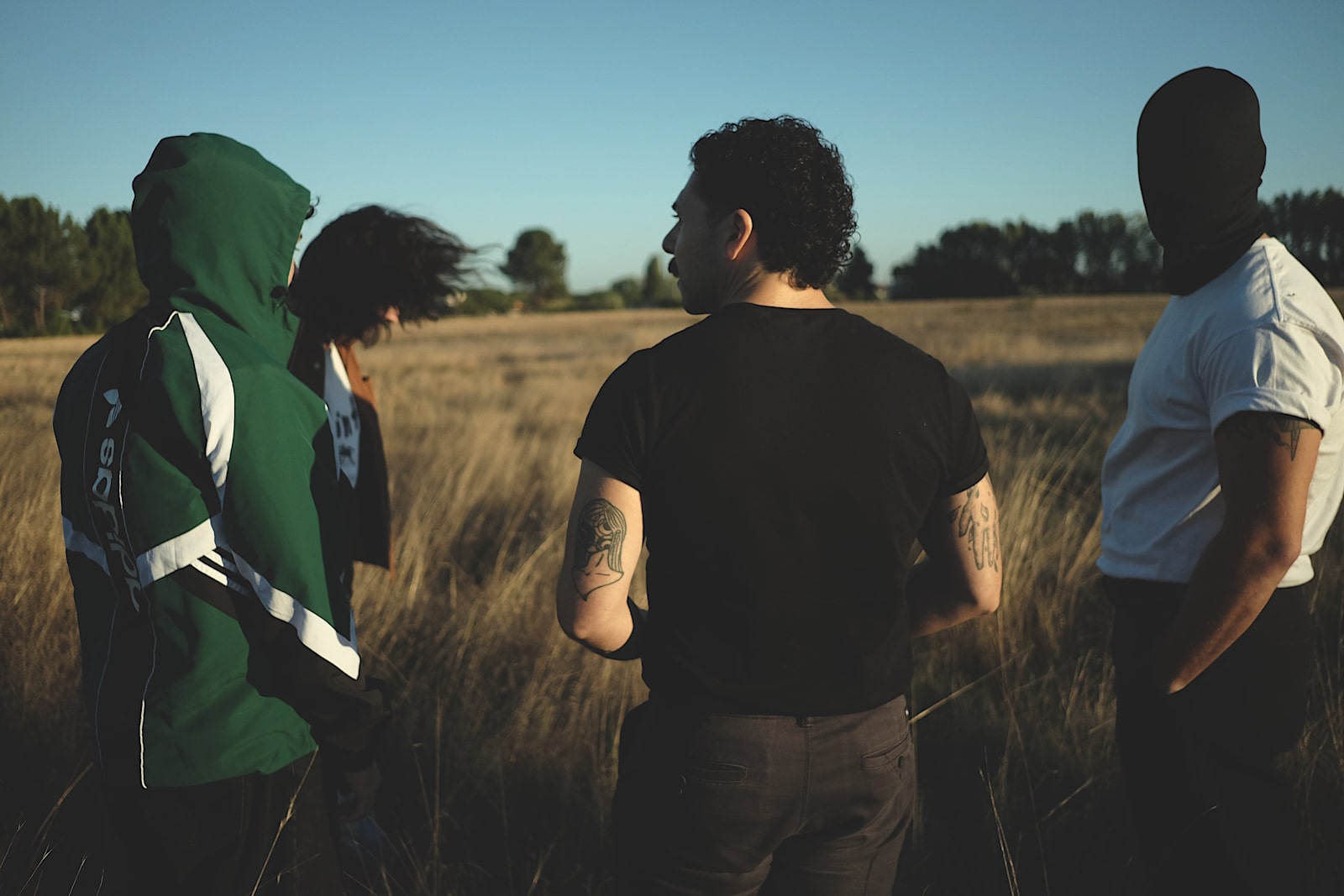


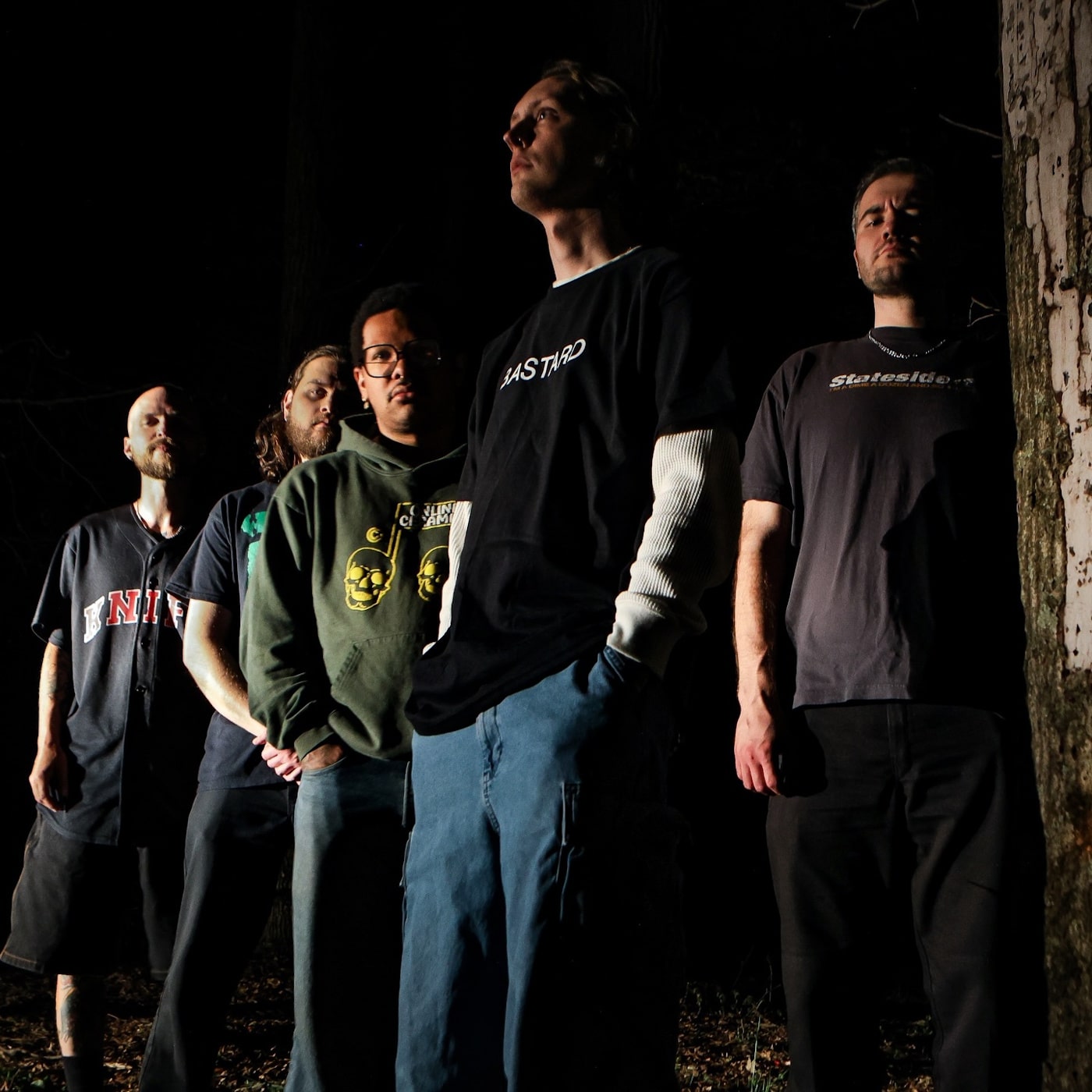
“Bastard Hymns” lands as Excide’s second full-length and first album released through SharpTone Records, following 2022’s “Deliberate Revolver.” It’s a record built around weight and movement, pulling from late-’90s post-hardcore muscle memory while letting melody, grungy alt rock vibe, and odd textures rub against each other without trying to tidy the edges.
The band have been open about where the sound comes from: the rhythmic discipline of bands like Snapcase and Cast Iron Hike, the density and space of Cave In and Quicksand, and a willingness to lean into broader alternative shapes associated with Queens of the Stone Age, Soundgarden, or Failure. None of it is desgined as revival. The references sit inside the songs, not on top of them.
View this post on Instagram
Compared to “Deliberate Revolver,” this record is more direct in where it’s coming from. Vocalist Tyler Washington describes the shift plainly, saying that the earlier album leaned on “what ifs” and fleeting exchanges, while “Bastard Hymns” is “more transparently written across the board.” He frames it as a document of change: “From curious and contemplative to decisive and resilient.”
That perspective shows up across the tracklist, but especially on “Call Box,” a song that ended up resetting how the band approached the rest of the material. Washington says it became a reference point they kept returning to, even when other ideas were more developed. “We’ve always taken some pride in being rhythmically explorative,” he explains, and “Call Box” pushed them to lean harder into that instinct as they worked backward through the album.
Other songs opened doors the band didn’t initially plan on walking through. Guitarist Gill Gonzalez points to “Worth Your Salt” as the biggest surprise, starting with a loose idea inspired by a short, sharp Queens of the Stone Age-style cut and turning into something far more layered. “Lots of new elements in this song like a fuzzy synth bass sort of thing, and new territory for me as far as arrangements are concerned,” he says. Washington agrees, calling it both the most unfamiliar and the most immediate track for him; it was one of the last written, but the first he recorded vocals for because it felt locked in so quickly.
Lyrically, the album keeps circling around upbringing, environment, and the things that stick whether you ask for them or not.
Washington takes it as a fully personal record this time, rooted in lived experience rather than abstraction. That theme of carrying something forward also applies to the band’s DNA.
Gonzalez is clear that the rhythmic language they took from their influences hasn’t gone anywhere: “That’s our bread and butter.” The difference is in how willing they are now to stretch it, whether that means layering auxiliary percussion across nearly every track or letting disparate influences bleed together without hesitation.
The recording process reinforced that mindset. Working with producer Austin Coupe wasn’t about cutting ideas back, but about asking what could be added to make a song feel bigger or stranger. Washington describes the approach as almost entirely additive, with layers becoming a defining feature rather than an afterthought.
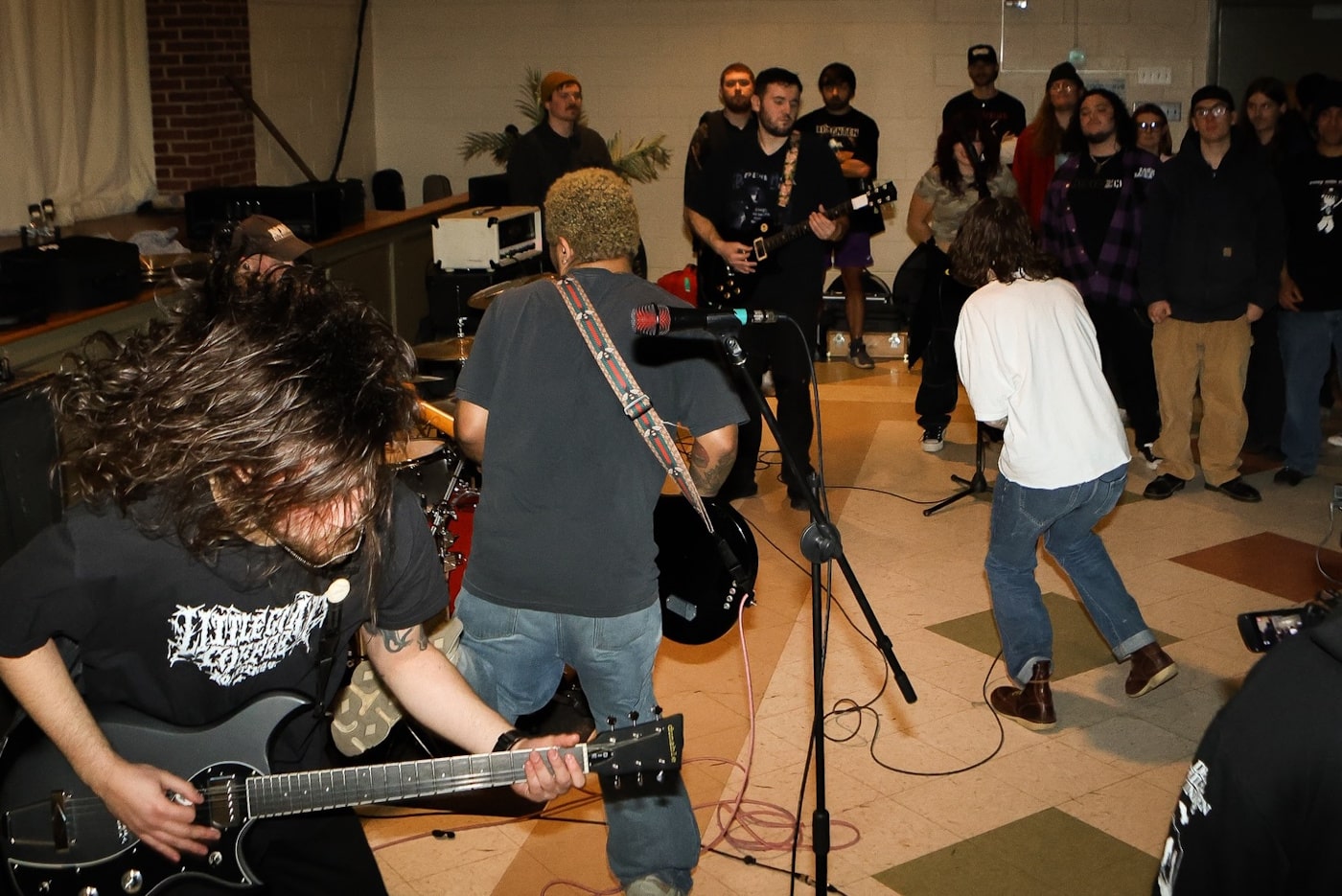
Despite the density, there’s no sense of detachment from the physical side of the band. The goal now is to get these songs into rooms and let them live there. “We’re just trying to get out on the road and play these songs as much as possible,” Washington says, noting that touring has become the practical way for a geographically spread-out band to stay connected.
View this post on Instagram
“Bastard Hymns” reads as a record comfortable with where it comes from and uninterested in smoothing that out for easy classification. It’s heavy, noisy, rhythmic, and reflective without leaning on nostalgia as a crutch.
Below, you can read the full conversation with Excide, where we dig deeper into the headspace behind releasing the album, how specific songs took shape, working with Austin Coupe, blending influences without rules, touring realities, and what parts of this cycle they want to carry forward—or leave behind—next time.
Answered by: Tyler Washington & Gill Gonzalez
So now that the whole record is finally landing, what kind of headspace are you actually releasing it from? I mean the real one, the post-mix, post-pressure moment where the songs stop belonging only to you.
G: I still have an exciting mindset about the record. Ya know there’s a lot of time between when it’s recorded and when it’s released, you listen to it a million times and the fire kinda goes away, but I don’t think that way about this one. I’m happy it’s out there for people to hear. Whether people enjoy it or not isn’t too much of a concern for me personally, because of how proud I am of the art we created.”

Listening through Bastard Hymns, there’s this sense of growing up in a place that leaves marks whether you want them or not. How much of that is pulled straight from your own life, and how much comes from all the stories and people that stuck to you along the way?
T: Pretty much all of it comes from a personal perspective this time around. I guess that’s sort of the difference between this record and the last—Deliberate Revolver sort of played off of a lot of “what ifs” and shorter-lived exchanges. Bastard Hymns is more transparently written across the board. I think it speaks to growing and changing. From curious and contemplative to decisive and resilient.
“Call Box” feels like the moment where everything finally aligned. What exactly happened creatively when that song came together, and how did it shift the way you approached the rest of the record?
T: “Call Box” marked a sort of change in energy almost. We had ideas similar to it musically, all admittedly more fleshed out too, but we kept going back to its rough skeleton like “this is gonna be the track”. We’ve always taken some pride in being rhythmically explorative, so I think this put us in the headspace to double down on that aspect as we worked backwards on the rest of the songs.
Staying on individual tracks for a minute — which song forced you into territory you didn’t plan on going, and which one felt almost too natural, like it wrote itself before you even touched it?
G: “Worth your Salt.” I just wanted it to be a QOTSA “six shooter” kind of song , and it ended up being a fully thought out song. Austin and I worked really closely on this one, and he made it really easy for me to get my ideas across while also not getting hung up on anything (like I usually do). Lots of new elements in this song like a fuzzy synth bass sort of thing, and new territory for me as far as arrangements are concerned.
T: Agreed, “Worth Your Salt” but for both questions! It was equally as “new territory” as it was apparent. I heard the song when it was basically wrapped instrumentally and had the chorus melody in my head by second listen. One of the last songs to be written but the first one I recorded vocals for because I was most confident/excited about it.
When you look back at Deliberate Revolver, do you feel like that version of the band is fully closed off now, or are there threads from that era that you still carry without even thinking about it?
G: Oh 100% it’s still something we carry. We’re always gonna carry that cast iron hike / snapcase style in our hearts, that’s our bread and butter. We’re always interested in incorporating new ideas into our style but that’s def where most ideas start. Writing rhythmically the way those bands do is natural to us, but we like to challenge ourselves to think outside the box a bit more to grow as musicians.
Moving into the process side — how did working with Austin Coupe actually change the record? I’m curious about the stuff he pushed you to strip away, and the things he convinced you to go harder on even if you weren’t sure at first.
T: Working with Coupe was just awesome. There honestly wasn’t much stripping away, aside from the things I went in kind of knowing weren’t permanent. The vibe was pretty much always “what can we add to this.” We almost entirely had our mind set on what could make songs better/more exciting, which I guess translated to us emphasizing the use of layers in almost every department.
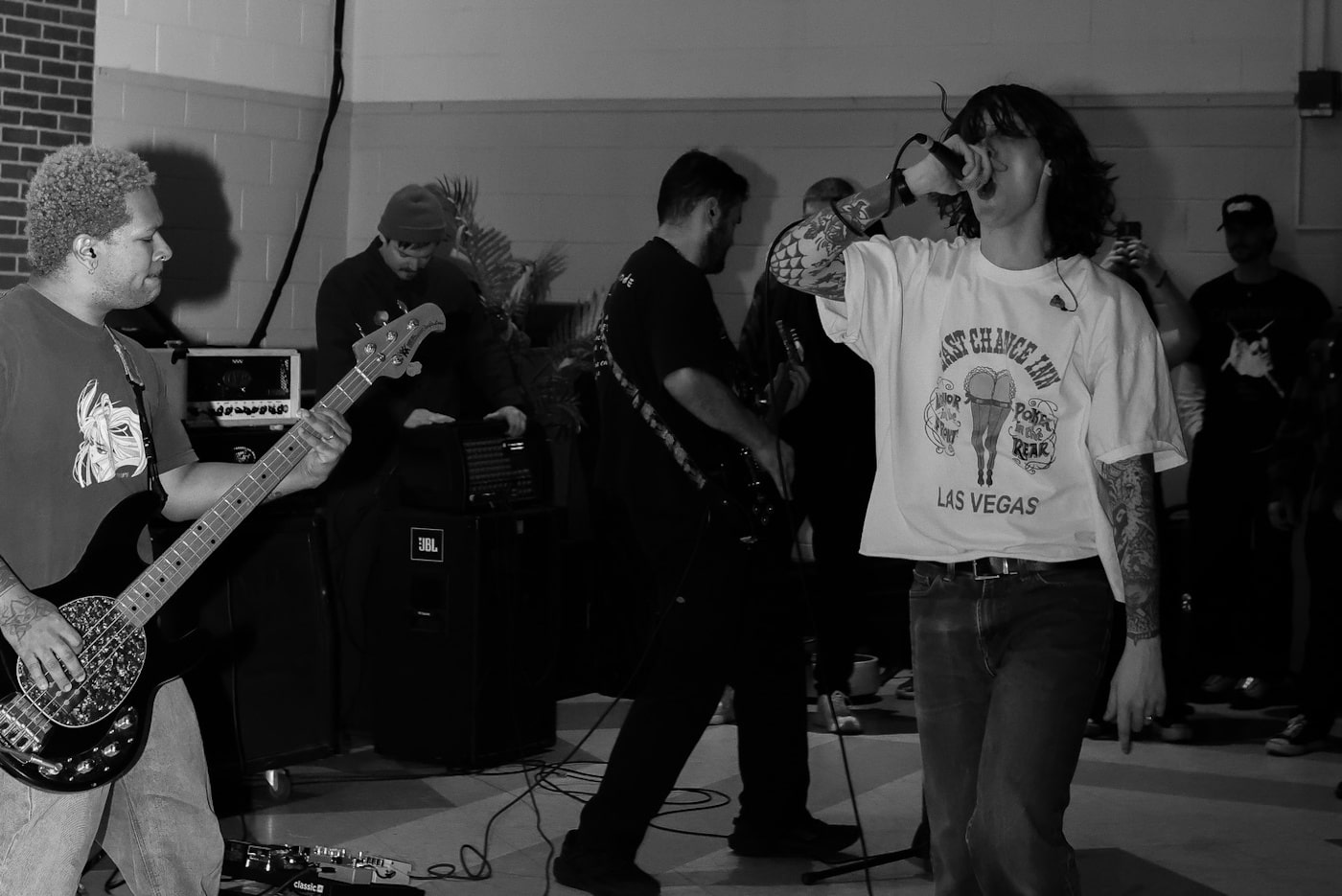
You’ve got this mix of influences that normally don’t sit quietly next to each other. When did you all stop worrying about keeping the lines clean and just let SNAPCASE, CAVE IN, QUEENS OF THE STONE AGE, and FAILURE bleed into each other?
G: When I joined the band, we knew we wanted to blend all those bands and more right away, it was just a matter of getting there naturally, ya know? Humdinger was the perfect segue between LPs, we got our feet wet writing those songs with a “blend” in mind, and it made Bastard Hymns more approachable for us as far as writing goes. Great question! Fun note, and I think Wallaby can confirm the track, but one of the songs on BH was originally written for Humdinger, but we ended up saving it, and I’m glad it worked out that way because all these songs go really well together (in my biased opinion).
Did you have any moments during writing where you thought, “Okay, maybe we’re pushing this too far,” or was it more like the further you went, the more fun it got?
G: A silly example of that would be adding shaker (which is a bottle of garlic powder I believe) and tambourine to songs. At first it was just a part here and there, but you’ll notice it pretty much on every track. I think playing with auxiliary instruments is something the band will continue incorporating to future music
Who from your area deserves more attention right now? Not the polite shoutouts — the people you actually throw on in the car because something in their sound wakes you up. And on a wider level, who were your favorite discoveries in 2025? Anyone who made you rethink what heavy or melodic music can do?
G: There’s a death metal band from Delaware called Splattered Spine, they’re unreal. I’ve heard some of their unreleased music (sorry guys wallaby showed me) and it kicks all the ass.
The new Deftones album has been super inspirational for me melody wise, also textures, song structures etc.
Funny enough I just got into Steeley Dan in 2025, what a great band. Doesn’t relate to the question, just wanted to throw that out there.
With the album dropping, I’m sure you’ve got ideas brewing for the next stretch. What can you actually share about the plans you’re mapping out for the coming months?
T: We’re just trying to get out on the road and play these songs as much as possible! We’ve gotten to play a couple shows to break in the new stuff so far, and they’re a blast live. We’re a pretty spread out band these days so we sort of have to tour to justify being in the same room, but hoping to do that a lot more next year.
View this post on Instagram
And once you close the chapter on Bastard Hymns, what part of this cycle do you want to carry into whatever comes next, and what are you totally fine leaving behind?
G: We’ve been talking about cohesive imagery having a key component in our next cycle, which will hopefully include a lot of elements from previous material but maybe in a different way? I also very much like the idea of having something completely different from previous projects as a “moment in time” kinda thing.
T: I would love to replicate the pre-pro and recording process of this record as much as possible the next time around. I think we found a really cool groove on this, and going in with that familiarity next time would really push things to a new level. Thematically speaking, we always try to do something a bit different per release so I imagine we’ll leave the greater emotional parts of this album exclusive to it and explore something new on whatever comes next.