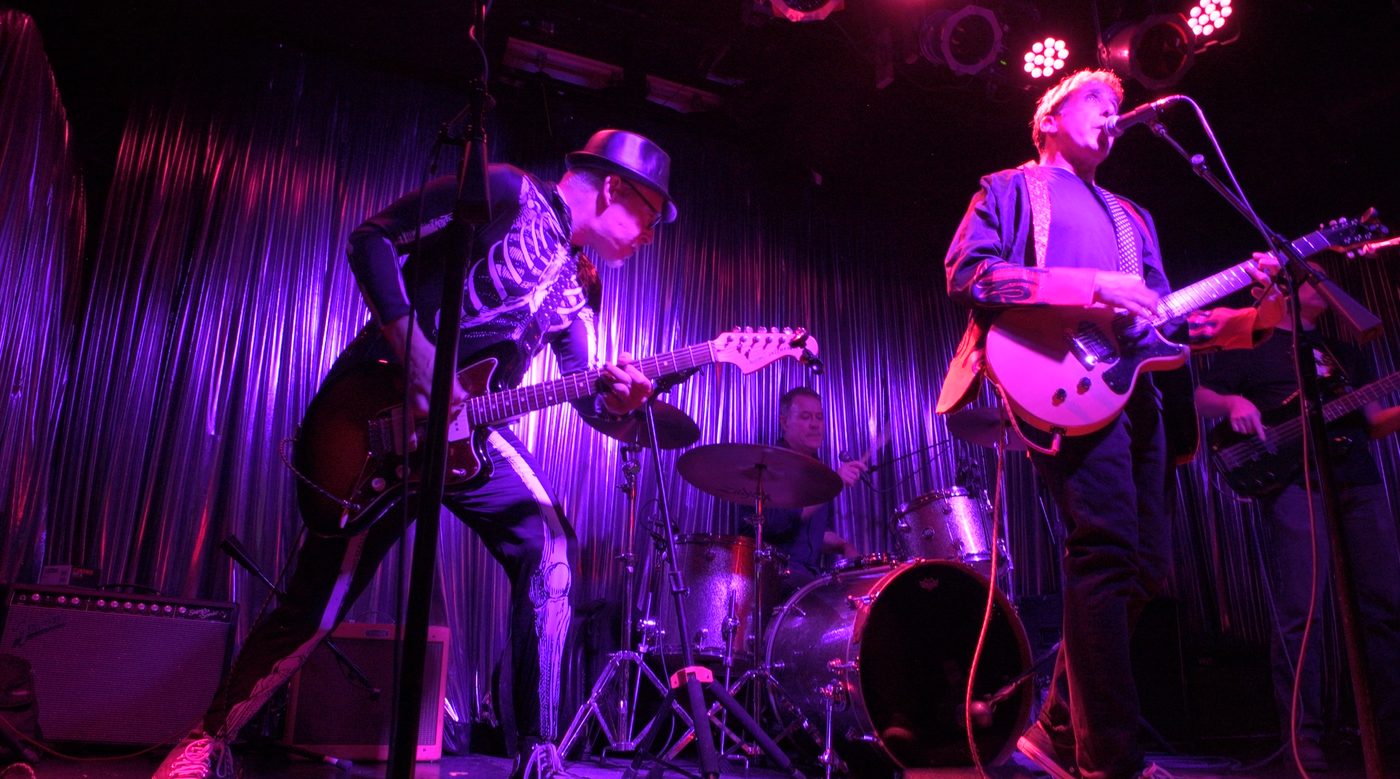


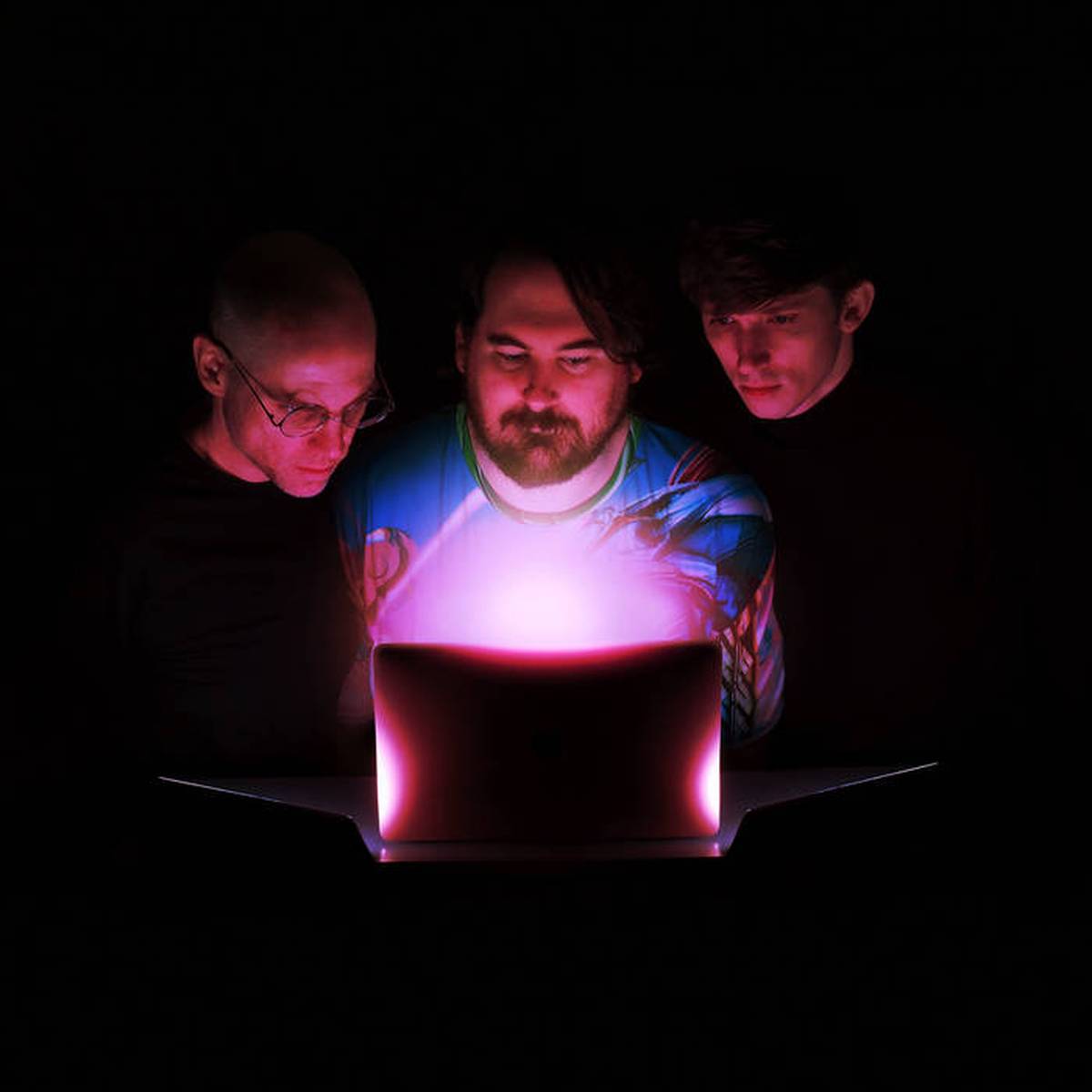
Beginning as little more than a joke and creative diversion for James Webster and Tech Honors, death’s dynamic shroud gradually became one of vaporwave’s most distinctive projects, showing how far the genre could stretch. Both had experience playing in bands and writing music, so simply slowing down and looping other people’s material soon felt too limiting.
“If we were slowing down videogame music, we would know the best music and best parts to loop because we’re ‘real’ musicians or whatever,” Webster recalled. After Keith Rankin joined, that approach kept evolving and eventually led to I’ll Try Living Like This, recorded by Webster and Rankin without Honors.
Vaporwave emerged in the early 2010s, drawing heavily on nostalgia for the aesthetics of the late twentieth century. You can hear looped smooth jazz motifs, jingles from old adverts, elevator music and countless elements of popular culture. Repetition and slowdown make familiar melodies sound strange, sometimes even unsettling.
Listeners often describe the genre as sounding like the 1990s and the 2060s at once. With its hypnotic looping structure, built around pleasant, catchy hooks, this music quickly carved out a niche on YouTube.
Over time, vaporwave became increasingly associated with nocturnal cities such as Tokyo or New York, neon signs, empty streets and a melancholic yet soothing atmosphere. Before listening to I’ll Try Living Like This, however, it is best to leave those familiar images and expectations behind. What follows is nearly an hour of precisely constructed, multilayered sample chaos.
Glitches, reverse playback, slowdowns, sudden drops into something approaching a horror soundtrack, and equally abrupt turns towards dancefloor K-pop on my first listen, all of this knocked me sideways and mostly put me off. But somewhere amid the chaos, a spark of curiosity had already caught. “This is too unpredictable and too strange to simply pass by,” I thought. With every return, the madness felt less impenetrable, and new layers surfaced: sounds, effects and samples I increasingly found myself waiting to hear again.
At some point, I’ll Try Living Like This stops being merely a strange vaporwave album and becomes a musical puzzle, a vast archive of samples. DDS cram in almost everything: melodies from old adverts, K-pop hits, television dialogue, anime and videogame fragments, including music from The Legend of Zelda and Sonic R.
And once you start tracing these samples back to their sources, both the originals and their reworked versions become more interesting; you hear how far familiar material can move from its starting point. This is the core creative logic of vaporwave: familiar pop culture becomes raw material. Webster and Rankin isolate the strongest melodies, hooks and sonic details, push them to extremes and rebuild them into something layered, strange and self-contained, at times barely recognisable.

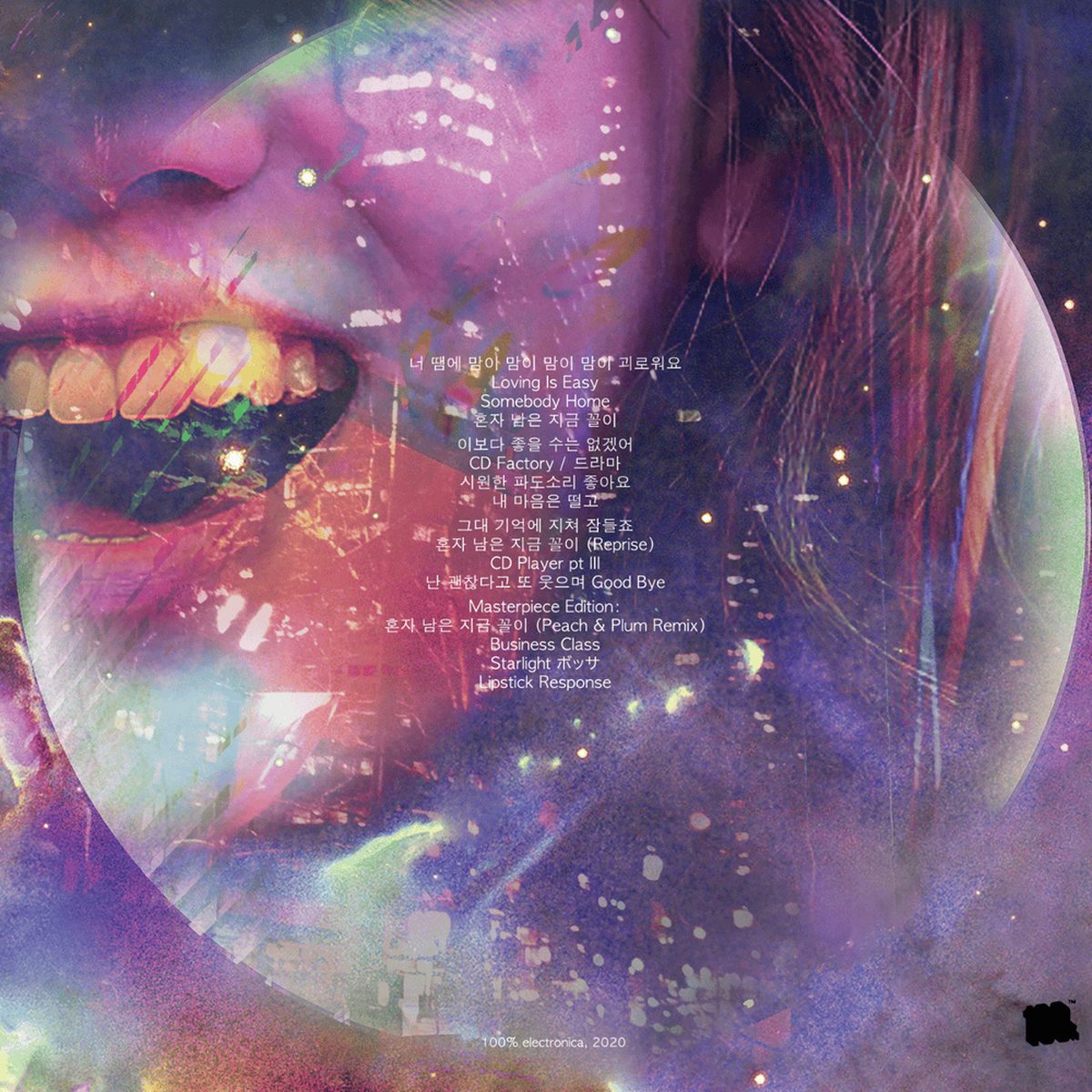
But that same density and unpredictability also work against the album. Tracks are overloaded with details, effects and prominent vocal fragments, while rhythm and mood can shift several times within a single piece, as on “Loving Is Easy” and “내 마음은 떨고”. There is little room to breathe between tracks either; many feel more like self-contained sonic episodes than parts of a continuous whole. At times, a strong musical idea is cut short before it can fully unfold, only to be replaced by another that feels unnecessary.
The album feels excessive, and by the midpoint it can become emotionally exhausting. As a result, some tracks even work better in isolation. Still, it never quite grows dull. With every return it becomes easier to listen, and its beauty and unexpected harmony come into sharper focus.
Eleven years on, I’ll Try Living Like This has shown that vaporwave does not have to be a soothing late-night session that disappears from memory the moment YouTube closes. It takes attention and time to come to terms with the album’s unpredictability and unruly nature.
death’s dynamic shroud have also just released “DarkLIVE 202X”, an 18-track live double album that closes the “Darklife” era.
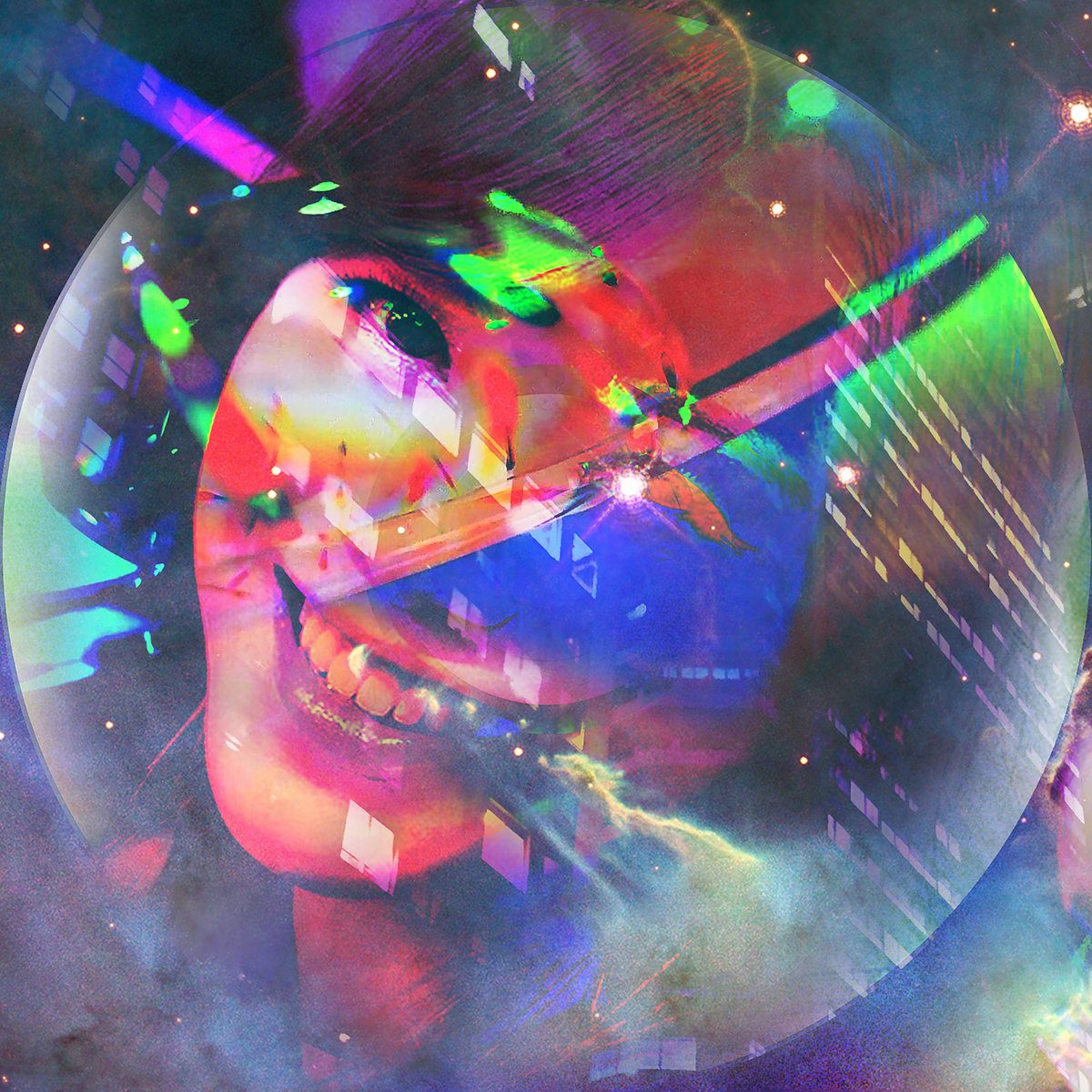
Released on 15 October through 100% Electronica, it brings together material from across the group’s catalogue, including “Loving Is Easy”, one of the tracks discussed in this review. The cover combines James Webster’s 3D artwork with a collaborator’s Photoshop airbrush work. The limited 2xLP edition has already sold out, but CD copies are still available through the official 100% Electronica store.
🔔 IDIOTEQ is ad-free, independent, and runs on one person’s time. If you want it to stay that way: DONATE via PayPal or SUPPORT via Patreon.
NEW: IDIOTEQ Explore 🗺️ Browse 15+ years of our archive by city, country, and style. Find artists on the world map or trace related sounds through the styles map.
Stay connected via Newsletter · Instagram · Facebook · X (Twitter) · Threads · Bluesky · Messenger · WhatsApp.