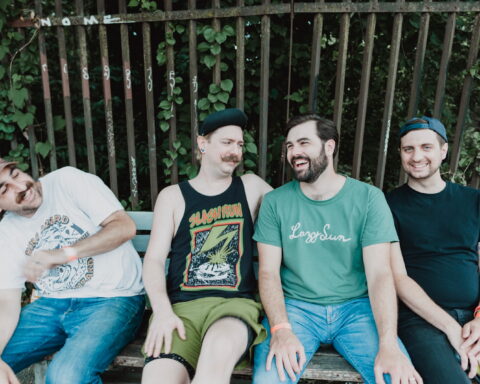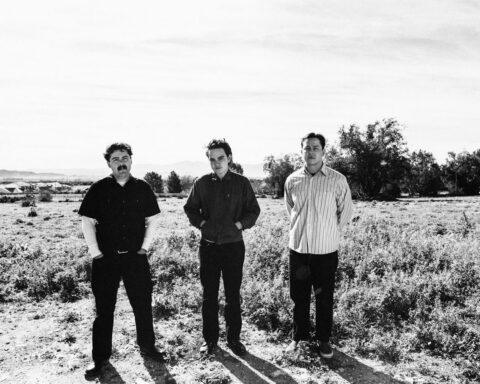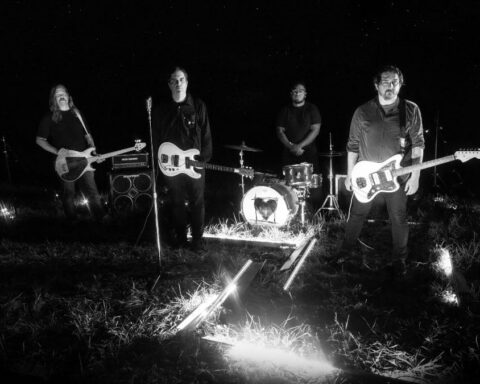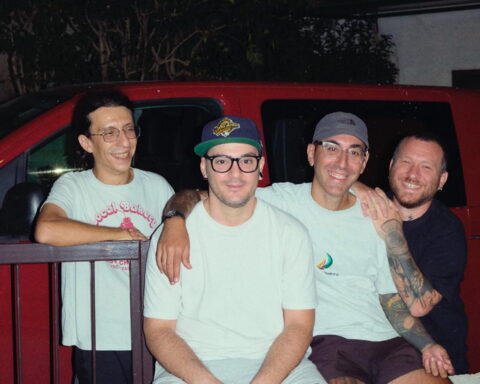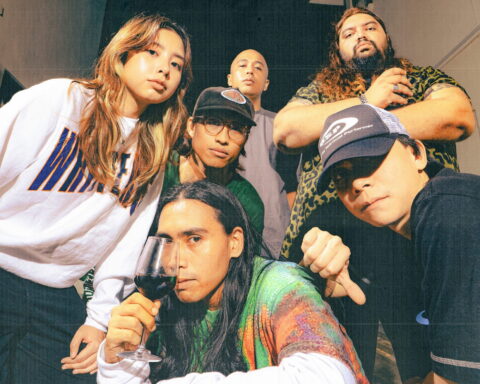


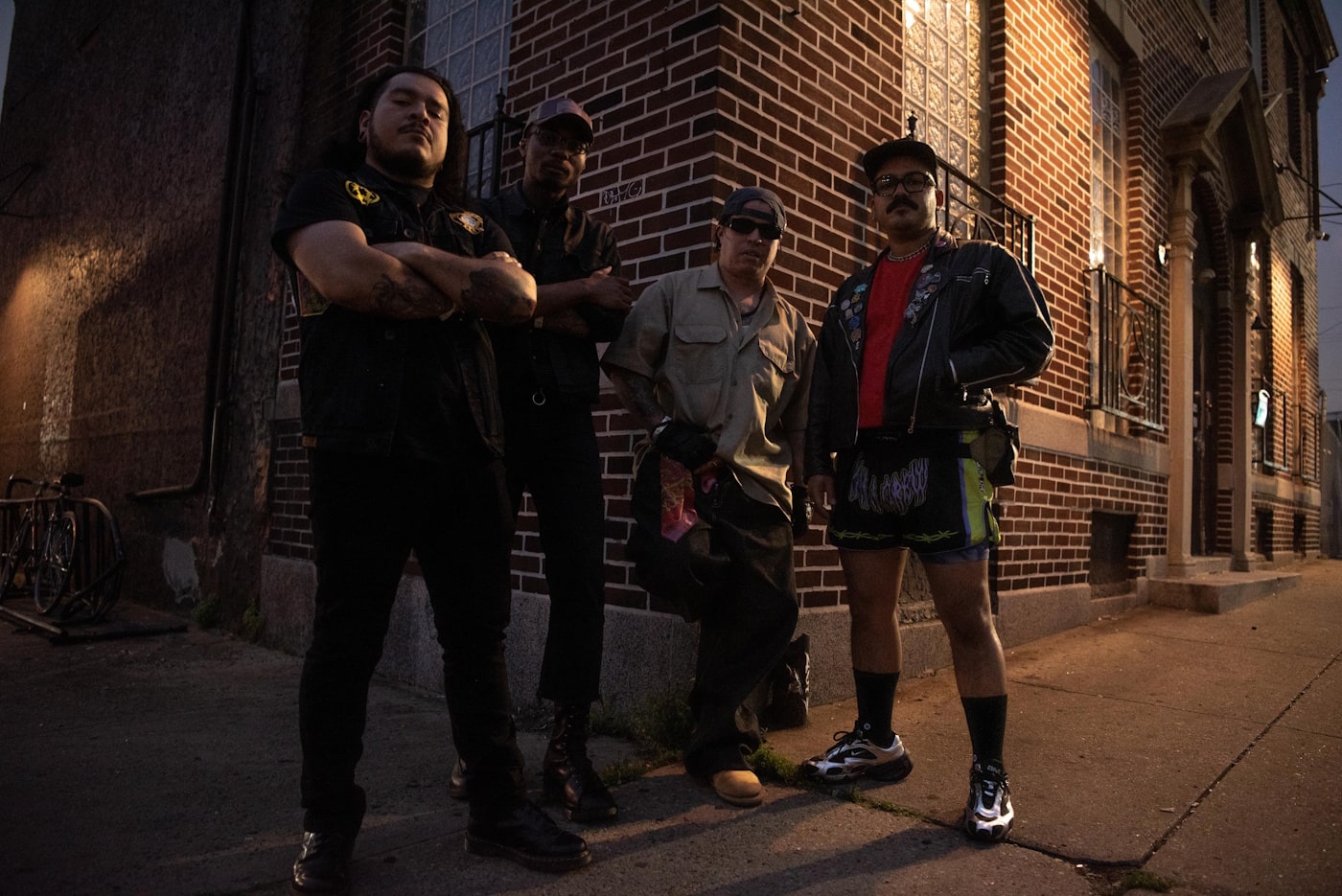
FOCO(IZM) operate out of New York City, but the thing they’re building isn’t really about genre, scenes, or even music in the narrow sense. Their stuff moves through nü-metal and hardcore, sure, but those are just materials. What matters is how the space around it behaves, who steps into it, and who doesn’t feel like they’re trespassing. When they talk about anti-colonial work, they’re not pointing at imagery or messaging. They’re talking about consequence.
“Anti-colonial actually means aligning oneself trying to create art, culture that gives space and voice to these communities being targeted by white supremacist colonial violence.” The center of gravity isn’t self-expression. “It’s not about the music, it’s not about us, it’s what grows around us from the platform we create.”
What’s being measured is atmosphere and access—whether people who live inside that violence recognize themselves in what’s happening. “The people in these communities should feel like they are welcome, that there concerns are seen and heard in the music and movement that it creates.”
That question keeps looping back: who is this really for? For FOCO(IZM), resistance can’t just live on the surface. It has to be constantly checked against reality. “It goes back to actively interrogating your relationship to these systems of oppression—being critical and asking who shows up to our shows? Who relates to our music?”
Familiar faces don’t automatically mean anything. “Is it the same crowd wearing the uniform of subculture showing up or does this music and culture resonate with the people being targeted?” The point isn’t symbolic agreement. It’s whether the space actually feels safe and usable. “Who feels welcome in the space we create with this music? Who benefits from the music and culture that is made.”
From there, the focus widens to everything surrounding heavy culture. “Is ultimately the same dynamics of extraction and harm or is this really affirming the humanity and resilience of communities facing this violence?” Even confrontation gets questioned.
“There is also the dynamic of antagonism—what does this art, what does sub-culture really do to antagonize and make harmful systemic actors uncomfortable?” If something only circulates among the people already allowed to touch it, it risks reinforcing the same structures it claims to fight. “Is the art only about bolstering only the ‘right’ people who are allowed to interact with it? Or does this create some disruption, does this interrupt and topple the dynamics?”
From that angle, hardcore and metal scenes aren’t neutral zones. FOCO(IZM) don’t see their work as something meant to fix or redeem those ecosystems. “This project doesn’t really anything to do with those ecosystems—we haven’t had a lot of support from those communities, at least in NYC.” Subcultural labels don’t equal political clarity. “A lot of people tend to think that just because something has some kind of subcultural label, be it hardcore, anarchism, punk, whatever—that it absolves them of their culpability within white supremacy and other systems of harm.” For them, those structures stay intact, even when the surface looks oppositional. “In many ways it seems like these ecosystems continue to give a pass to these dynamics.”
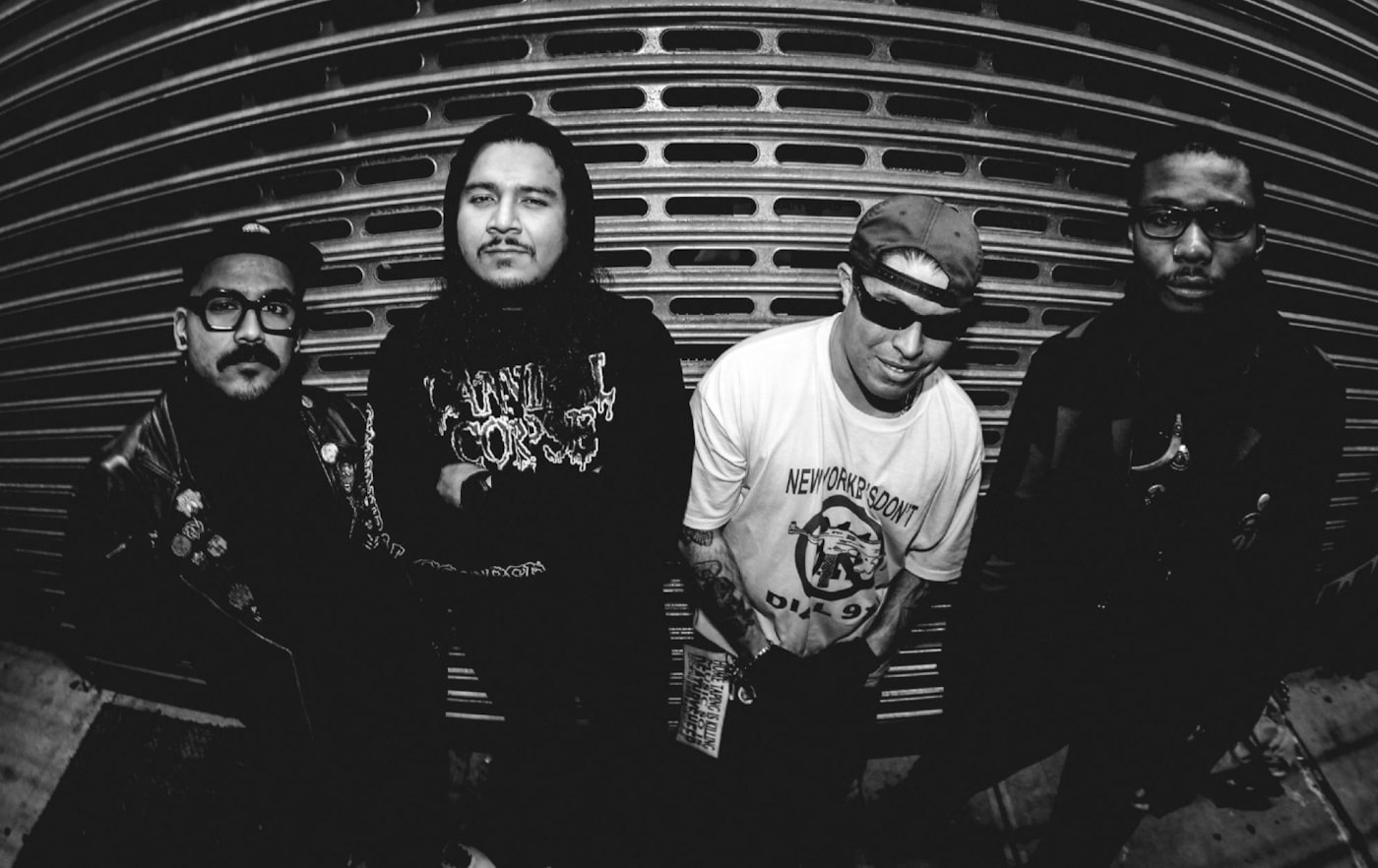
So there’s no interest in chasing legitimacy inside those spaces. “We don’t want to waste our time concerning ourselves and being marketable to these sub cultures when we can continue to cultivate community our own terms.”
That refusal is tied to something deeper. “White supremacy wants to consume and confine whatever it can extract from.” And that logic doesn’t disappear just because the setting is underground. “In the attempt to differentiate itself from mainstream capitalist culture, we see sub culture often consuming the identities and narrative of people of color, of colonized communities and our struggles, as a way to affirm the validity of their community.”
FOCO(IZM) won’t play that role. “We don’t intend to let ourselves be fetishized, our struggle to be marketed only for communities and people who—at the end of the day—don’t throw down with our communities nor see us as equal players with agency and leadership.”
View this post on Instagram
That stance shows up in how they move through rooms. Mixed bills aren’t a compromise. “We think that mixed genre bills actually accentuate our message.” Being dropped into unfamiliar spaces can sharpen attention instead of dulling it. “When people are in a space that if less familiar, with different perspectives and lived experiences, we think they tend to be more intrigued by what we have to say.” The aim isn’t to build a niche. “We’re striving to make music that speak to the larger human experience that folks of many different backgrounds can hear and relate.”
Festivals work the same way. The focus isn’t on repeating the right language. “We are not trying to repeat the same tired, correct slogans.” What happens onstage is closer to exposure than performance. “Oftentimes, I’m opening myself up to the audience, tripping over my words, but fighting to speak to the larger concerns we are facing as people targeted by white supremacist.”
That instability matters. “That’s something that can’t really be confined to a slogan, we’re speaking from the heart.” If that makes people uncomfortable, that’s fine. “And we don’t really care about the people who are too afraid to be vulnerable with what we have to say.”
There are also clear limits to who this is meant to hold. “Our music is not for people who feel comfortable and safe in the confinement of extracted clout.” FOCO(IZM) don’t want spaces where power gets recycled through status or threat. “We don’t want to make a space with our music where individuals that already get centered think they can dominate and hold power over other with the pretenses of clout and masculine violence.” Scene participation alone doesn’t earn trust. “We are not interested in being part of a contrived social scene at the expense of who we are, as artists and with respect to our community that supports us.”
That refusal extends to the idea of subculture as social theater. “This project is not meant to appeal to people who think sub culture is about spending time pretending to be friends.”
“Real shit is going down in our lives, and in our communities—we intend to confront the violent reality that is going down.”
View this post on Instagram
For FOCO(IZM), their stuff isn’t a refuge from that reality. It’s a place where it’s named, held, and left unresolved.