

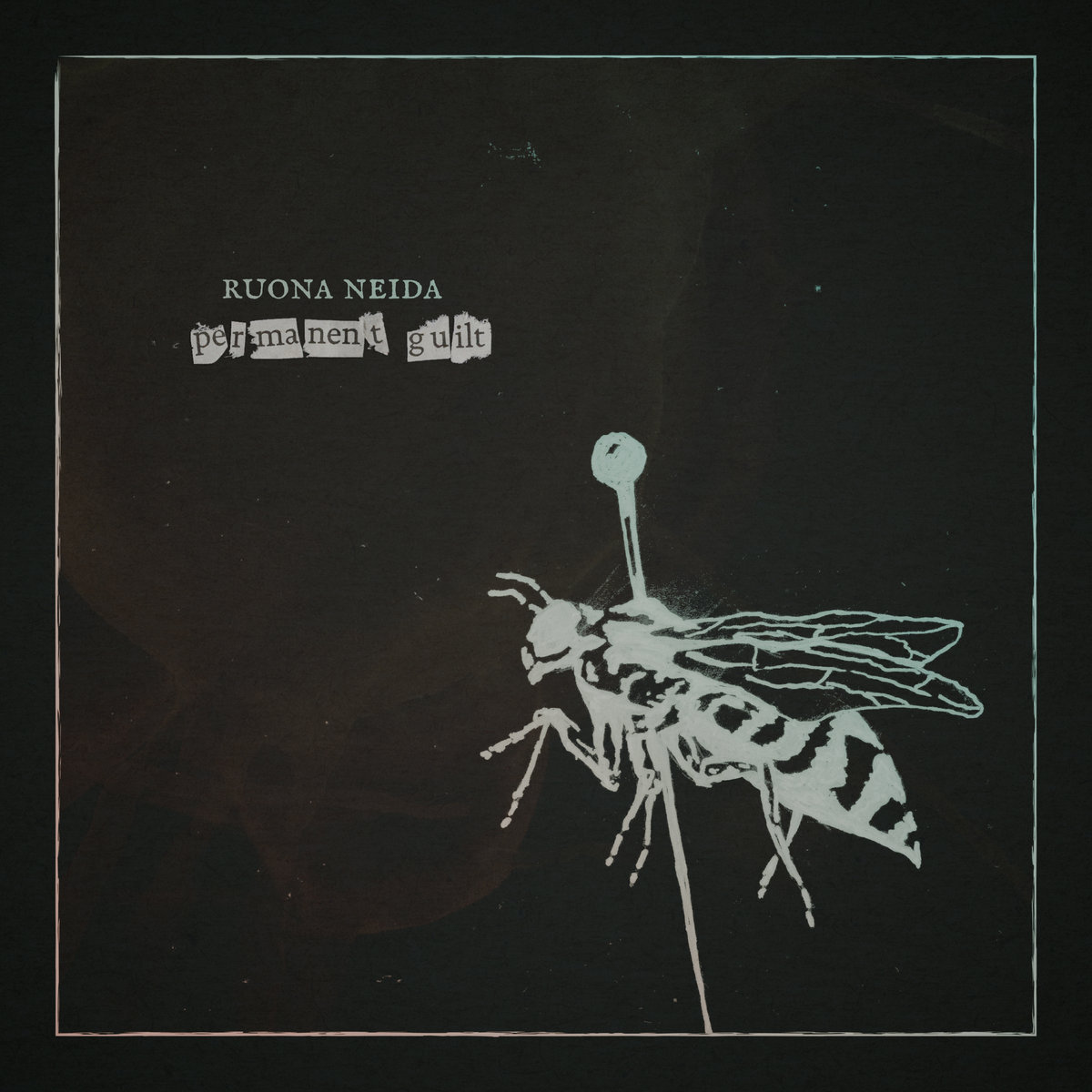
Smooth, open textures, exploratory guitar lines, and a lot of space left to breathe — this is screamo that makes its intentions clear early on, carried by a vocal that stays sharp and direct without overwhelming the frame. The songs unfold with patience, moving through unexpected turns while keeping a steady sense of control. Even before pressing play, the artwork signals what kind of world this record belongs to; for listeners familiar with European screamo, it’s the sort of image that triggers recognition and a faster heartbeat. But let’s start from the beginning.
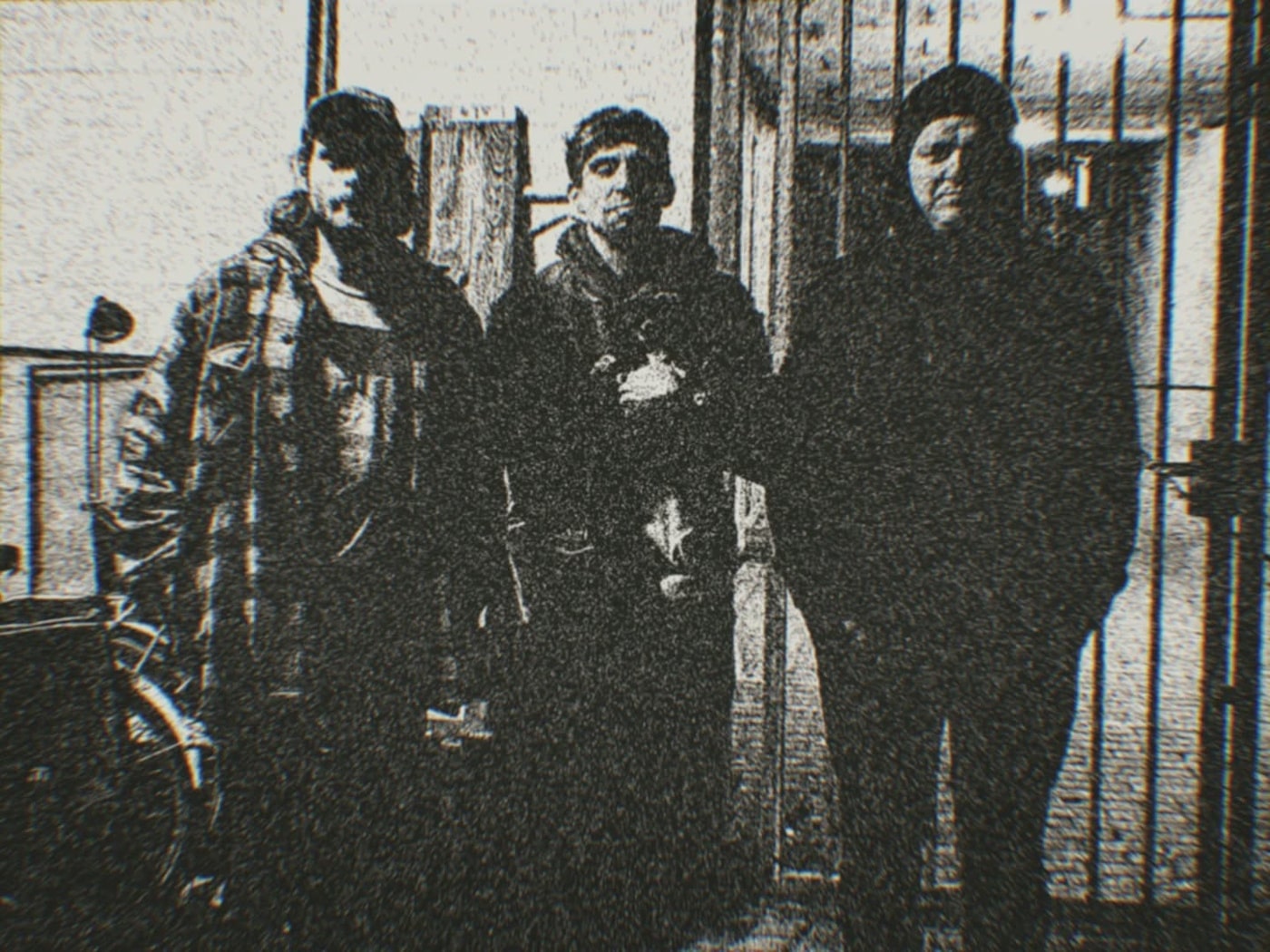
Ruona Neida formed slowly and almost by accident, stretched across different Dutch cities and built on rare but focused meetings. Vadim started jamming with Nico two to three years ago in Nico’s basement, after moving to the Netherlands and looking for a drummer to play screamo with. Nico was already busy, playing tightly with Karnabahar and involved in several other bands, so the expectation was low. Vadim still asked. Nico answered simply: “yeah, sure, I can’t say no to playing screamo.” That was enough to get things moving.
They lived far apart and rehearsed infrequently, sometimes once every few months, but when they did meet, the process clicked. Vadim describes it as organic and productive, with most of the material coming together quickly despite the limited practice time. For a while, the project existed without a bass player. They even considered recording bass themselves or staying a duo.
That changed after Vadim attended a local show and saw Toon playing with his chaotic hardcore band Kelsey. “I immediately knew somehow that I’m gonna play with this guy,” he says. It still took months before they met for a full-band rehearsal, but once they did, it was clear. Toon’s bass lines reshaped the songs, adding weight and structure. The fact that Toon lived in Nijmegen, while Vadim and Nico were split between Amsterdam and Den Haag, felt almost absurd — a logistical mess that somehow fit the band’s trajectory.
Nico remembers their first contact differently, but the conclusion is similar. After a Karnabahar show, Vadim, who also played in Olše, approached him directly.
Nico agreed, they rehearsed around ten times, went into the studio, and recorded the songs. Soon after, Toon joined on bass. He rehearsed twice before heading into the studio with them, and a week later they played their first show. “In conclusion the record is the result of less than 15 interactions where we let things just go as natural as possible,” Nico says.
View this post on Instagram
Toon recalls the first moment he crossed paths with the band at ACU in Utrecht in late 2022, again through Kelsey. They didn’t talk that night, but a few months later Vadim reached out. When Toon received the first recorded tracks, his interest shifted quickly into commitment. Within a handful of sessions, he was recording bass and playing the band’s first gig — also at ACU. For him, the defining feature was how little resistance there was in the process. Things flowed without being forced.
“Permanent Guilt” was never meant to be a full-length. The band initially planned a short EP, but after writing eight songs that felt connected, the idea of separating them no longer made sense. They recorded mostly live, in a few takes, at Farout Studio in Rotterdam with Niek Driesschen, who handled recording, mixing, and mastering. One decision stood out: no metronome. Niek pushed them to keep the recordings grounded and human, letting tempo breathe instead of locking it down.
Vadim values how the three members bring different musical and cultural backgrounds into the same space without pulling the songs apart. The overlap in taste forms the base, but the tension between influences shapes the details. For him, the record also functioned as a way out — or at least a pause — from personal struggles and the constant pressure of global events. Wars, political crises, cruelty, climate collapse: all of it filtered into the lyrics indirectly.
Coming originally from Russia, Vadim left the country in 2020 as dictatorship tightened its grip, without fully grasping what would follow. The full-scale invasion of Ukraine in 2022 changed that perspective entirely. He talks openly about the frustration of realizing how little control an individual has over events of that scale, and how guilt settles in different forms: guilt by origin, guilt for not doing enough, guilt for surviving, guilt for simply being human in a system that keeps destroying its surroundings. That feeling, he explains, runs quietly through the entire album. It does not resolve. It stays. The only option is to redirect it into something constructive, even if the effect is small.
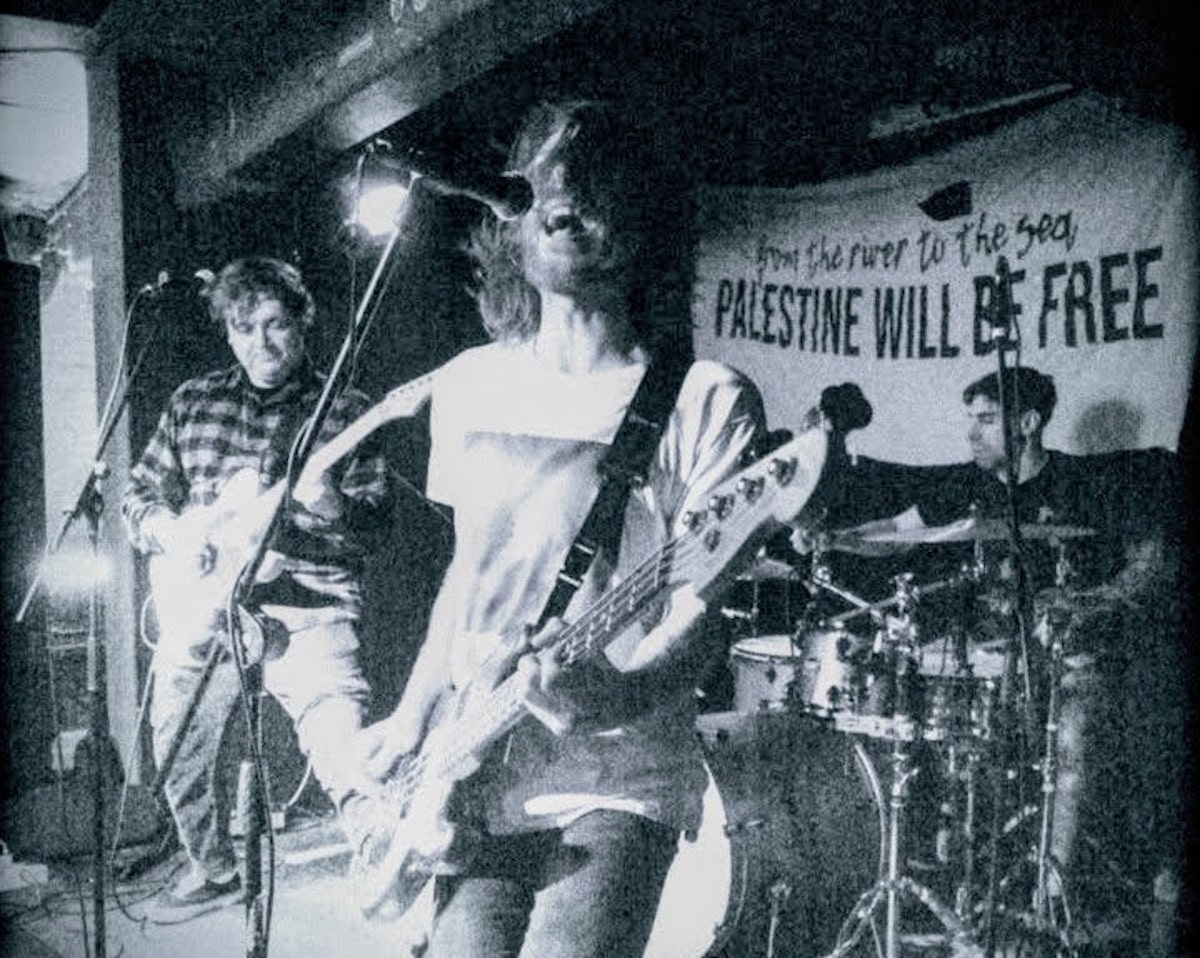
Toon connects to the record from a similarly personal angle. Loss, grief, anxiety, and guilt shaped both the lyrics and how they are delivered. Recording vocal demos with Vadim took time, not just technically, but emotionally. They were still getting comfortable around each other, still learning how far they could push honesty without retreating. Toon rarely brings lyrics into bands he plays in, despite writing constantly, but here he felt compelled to speak. The vulnerability felt unavoidable rather than planned. For him, that openness sets this record apart from previous projects.
Outside the studio, Ruona Neida exists inside a wider Dutch DIY ecosystem that all three members are actively part of. Nico describes the local scene as busy and supportive, with new bands constantly forming. Their contribution is simple: keep playing shows, keep creating bands, keep the circuit alive. Vadim is also involved in Garden Walk.
View this post on Instagram
Toon continues with Kelsey and occasionally fills in on bass for Dishes and Lodyne. Nico plays in Karnabahar, Provisional, and Proper Looney.
Toon points out that while screamo and adjacent styles may not dominate the Dutch underground, the bands that do exist are strong and committed.
He mentions Karnabahar, Dooie Mus, and Second Guessing, as well as emo-leaning acts like EDLP, Ineptitude, and All Dogs Go To Heaven. The experience depends on location, but certain cities consistently support DIY culture, with spaces like ACU in Utrecht, OCCII in Amsterdam, de Onderbroek in Nijmegen, and ORKZ in Groningen. Since the pandemic, a younger wave has returned to organizing shows and building scenes from the ground up, reversing a slowdown that hit just before covid.
Looking ahead, the band is already moving forward. Nico says the focus for 2026 is playing as much as possible, touring if circumstances allow, and continuing to write. Toon adds that, in terms of songs and musical ideas, a second record is largely there already. The plan is to develop it naturally while expanding their live reach across the Netherlands and, hopefully, further into Europe, using the network built through their other bands.