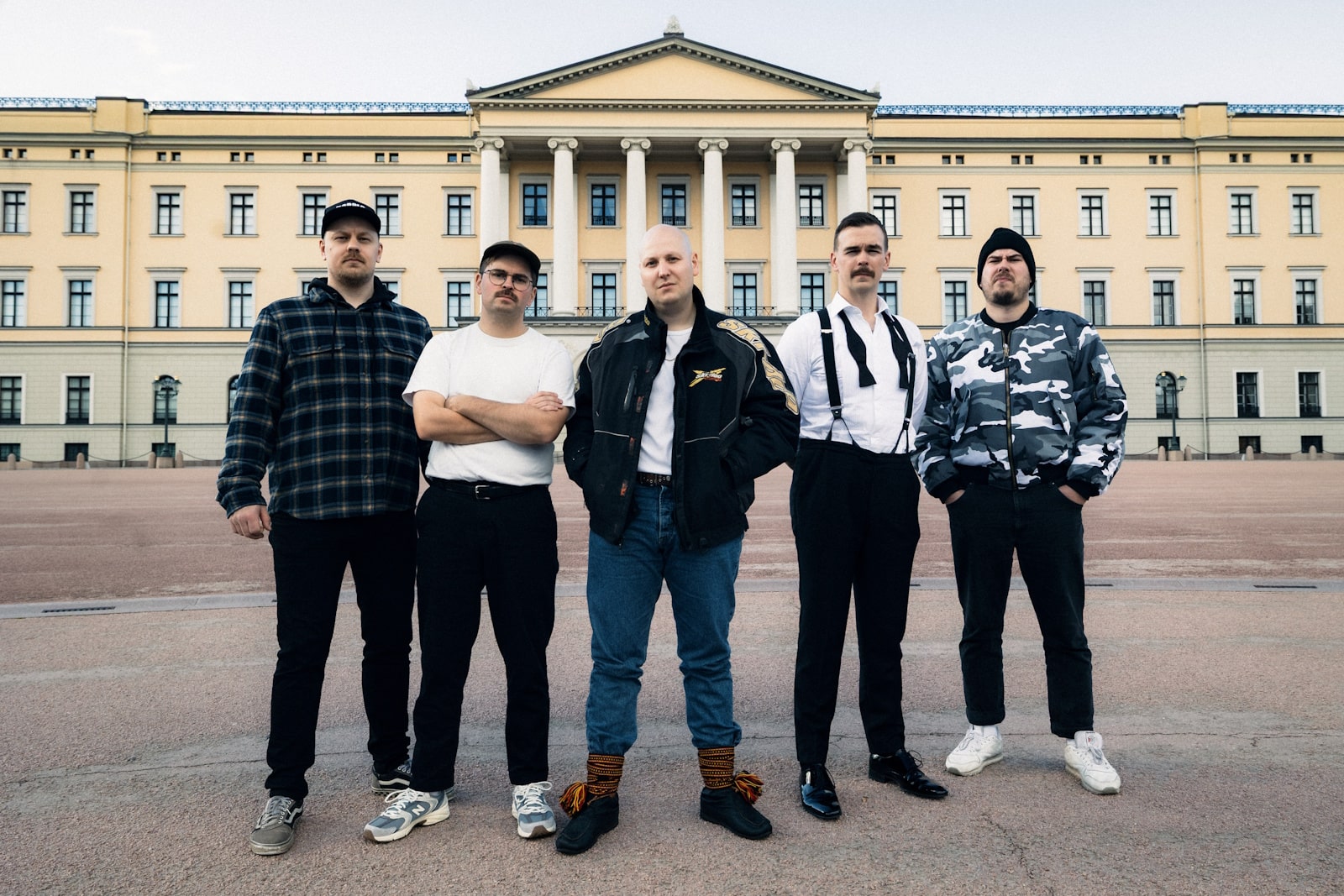

The core of Allomancer started years before anyone talked about artwork or tracklists. Inosuke’s two members were trading books while wrapping up their first record.
Erik was already a committed Brandon Sanderson reader, and a few months into the band he passed “Mistborn” along. That turned into what Jason describes as becoming “low-key obsessed,” reading through the entire extended universe for more than a year. The timing overlapped with early writing sessions, and the concept slipped into place without a formal decision.
As Jason put it, “I don’t remember exactly how we landed on using that as the concept for these songs… it all kind of just came together.”
Jason had experience making concept records in Locktender and Men as Trees, but for Erik this was new. The structure helped both of them. “I love the direction that a concept album can give you when framing art/lyrics/everything involved,” Jason said.
It also let him shift away from the emotional directness of their debut. Those first lyrics were “very personal and vulnerable,” something he only fully understood once they began performing them live.
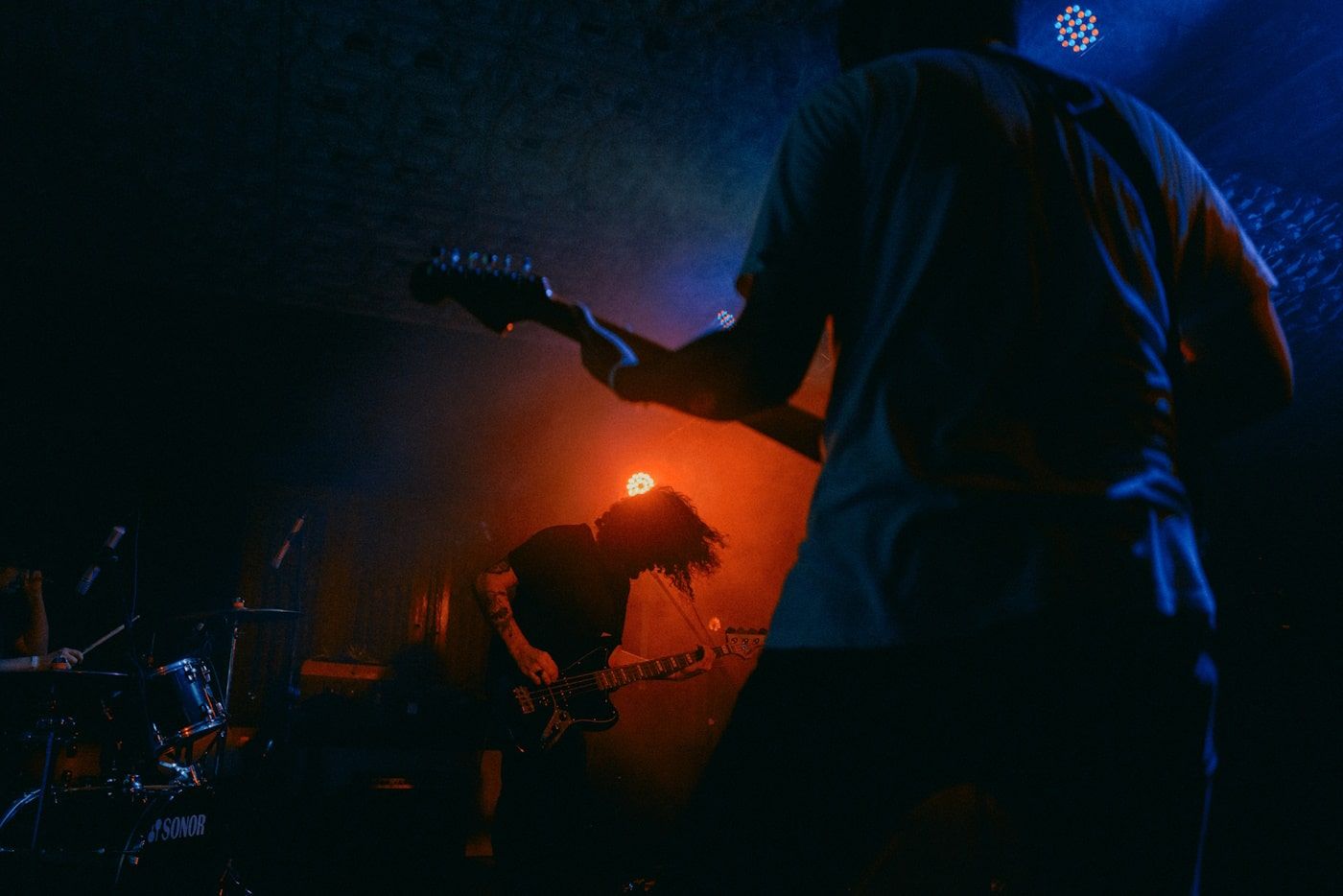
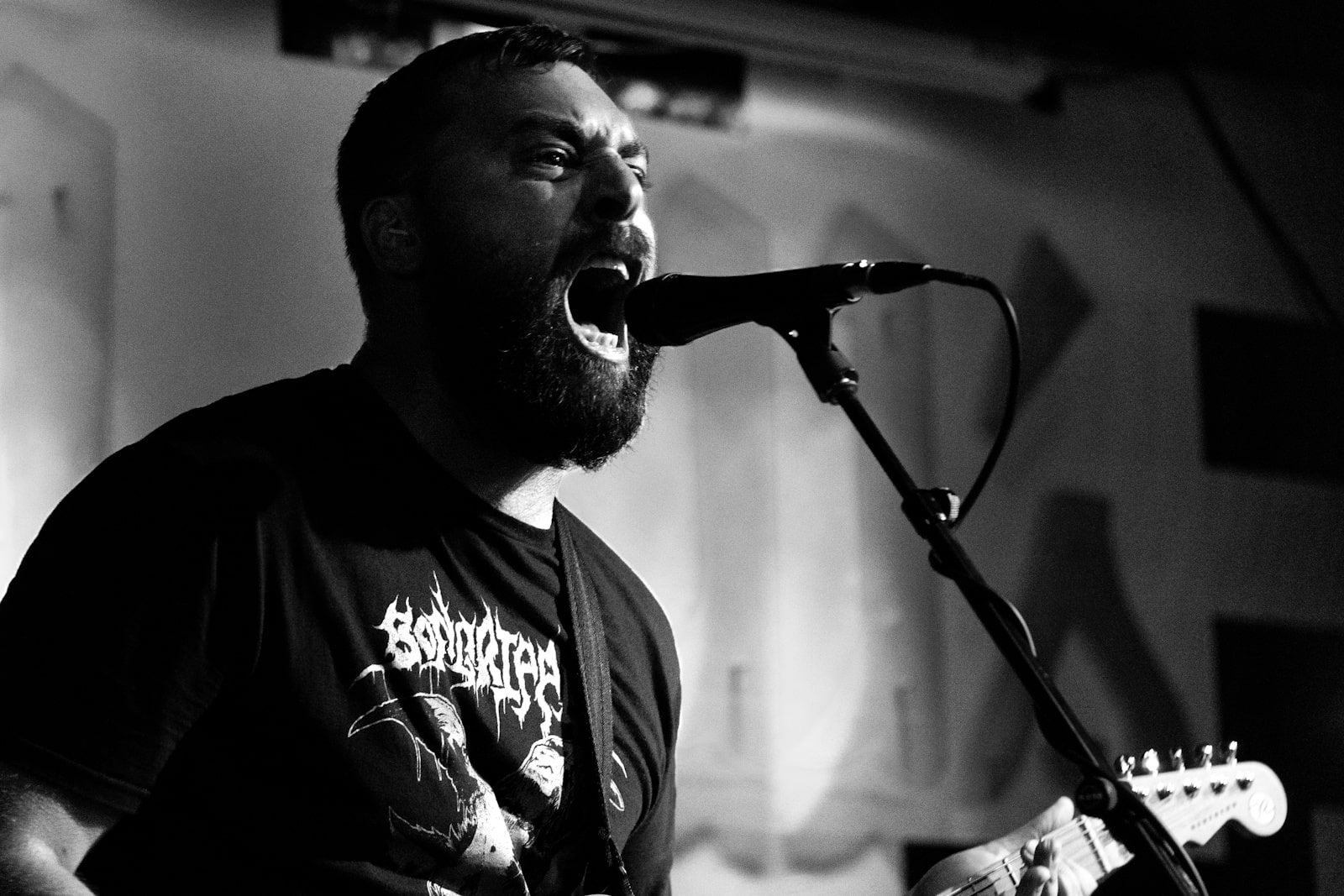
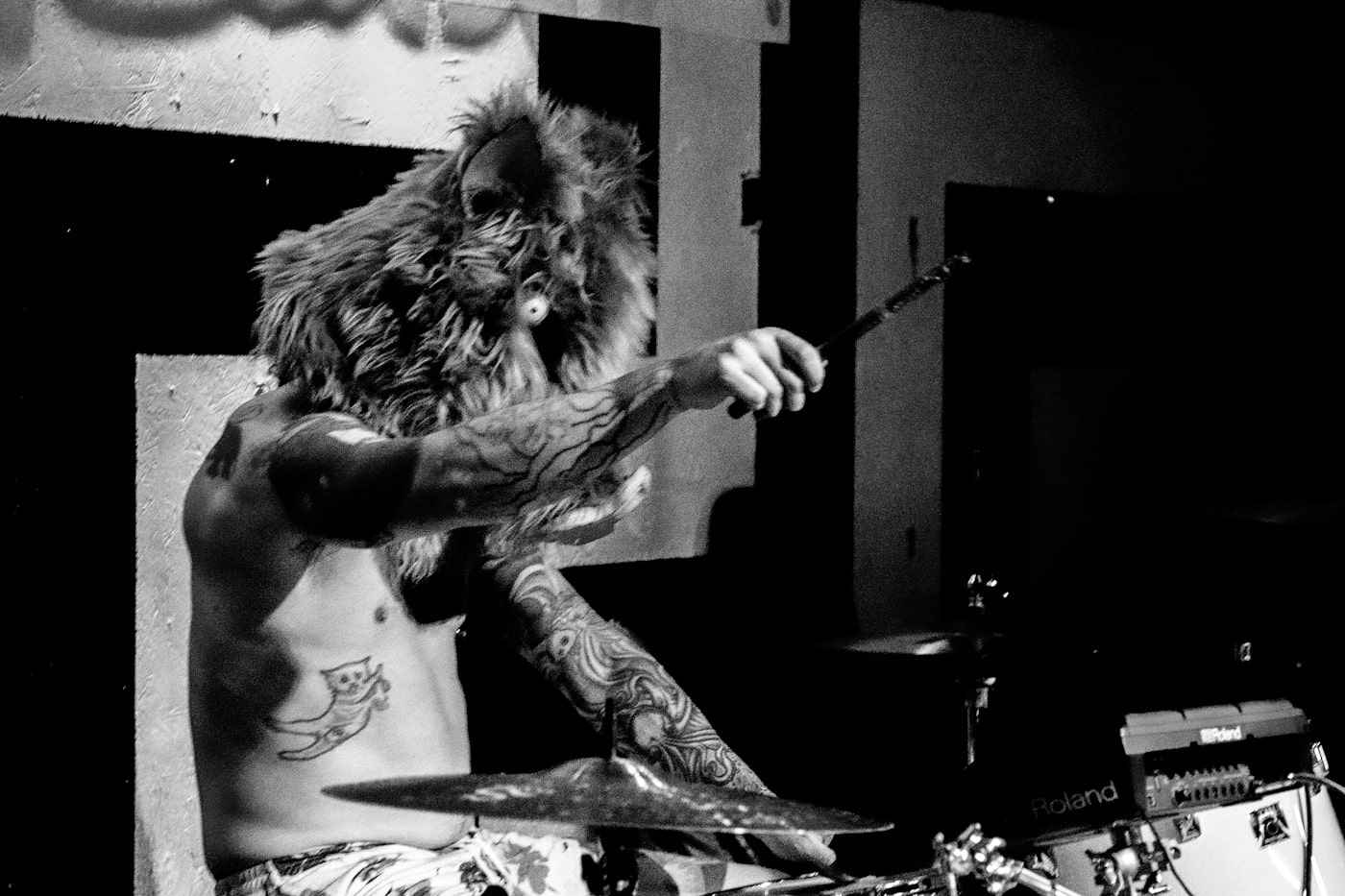
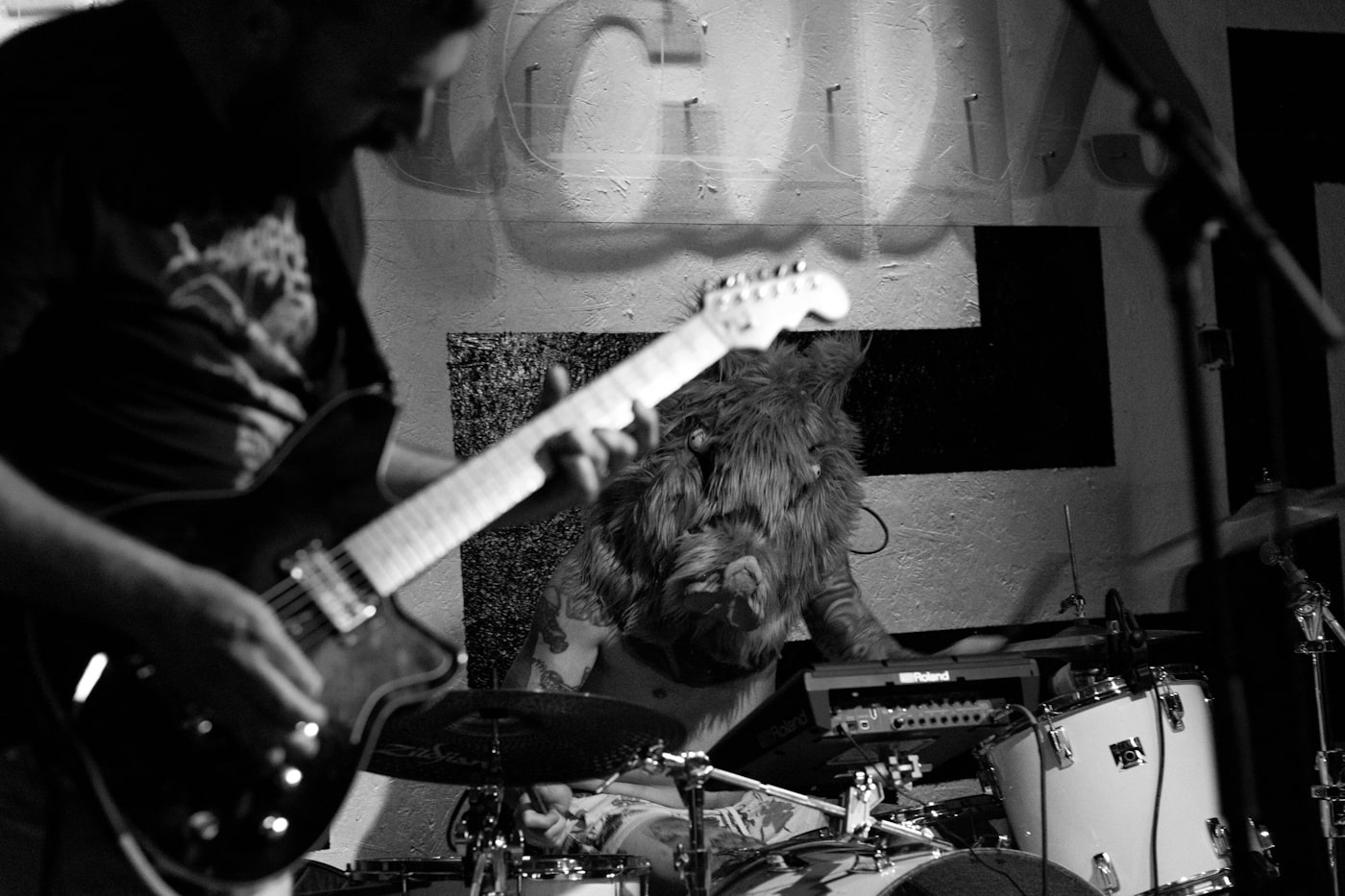
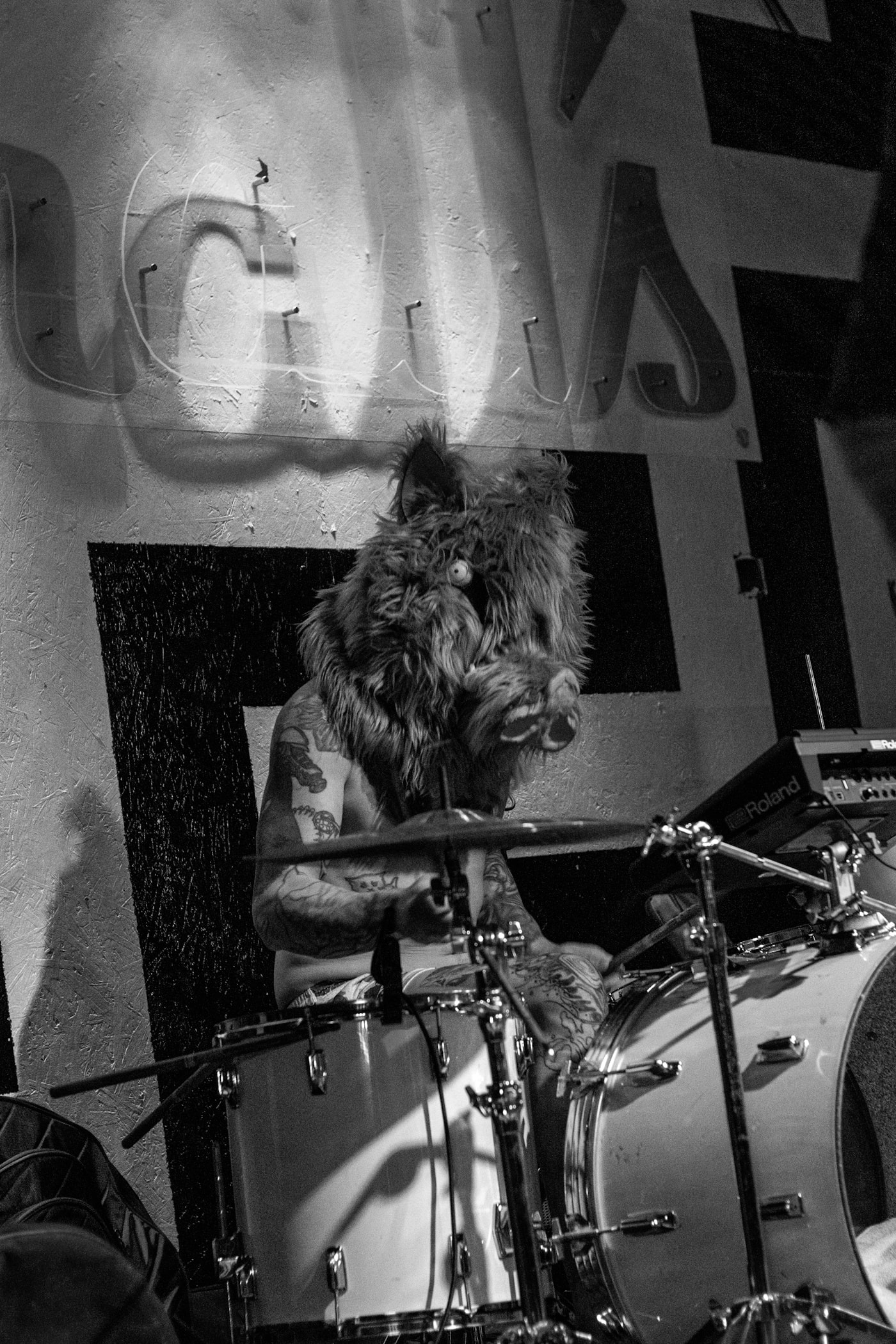
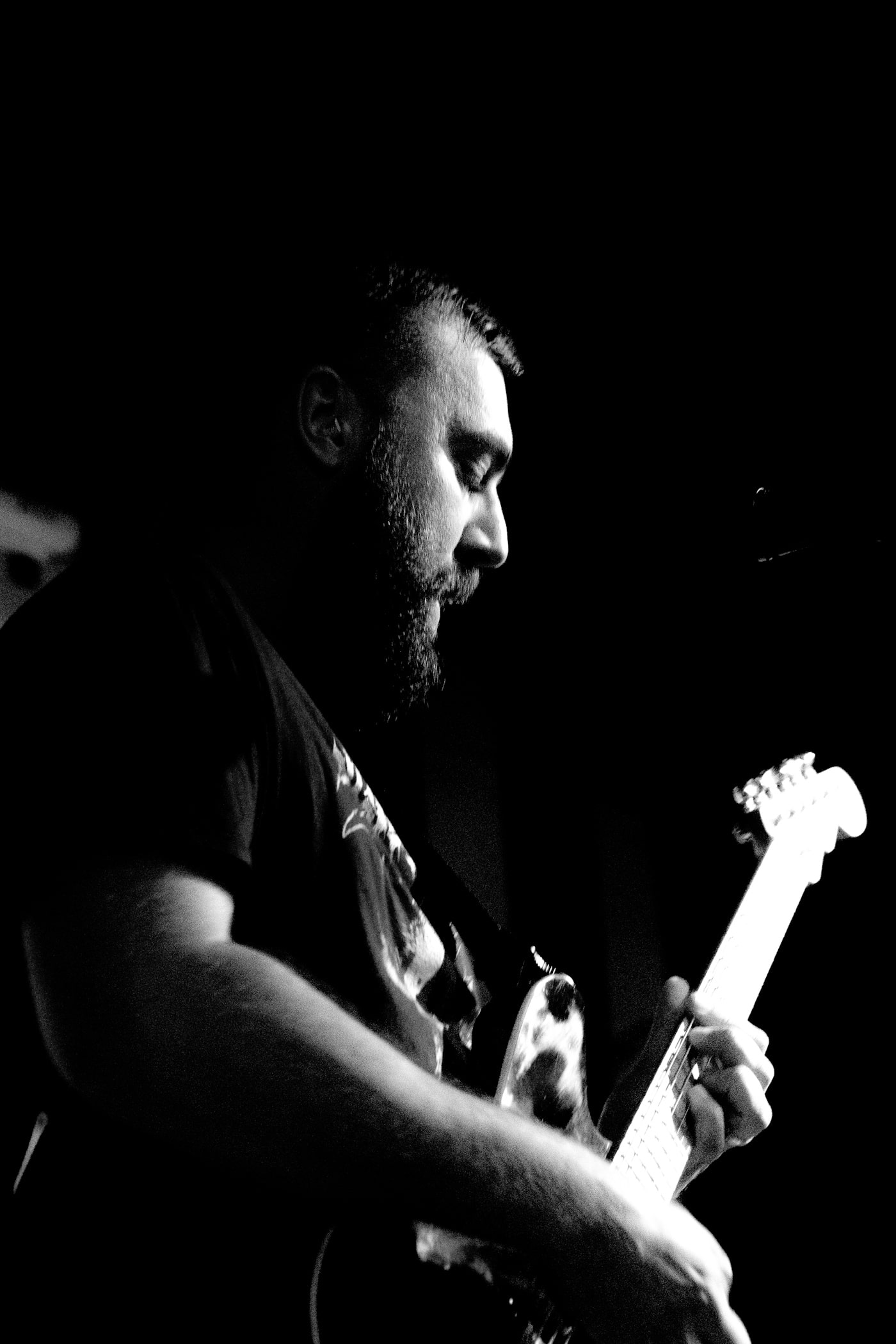
Photos: Sebastian Nettles @steadydietofnothin
With Allomancer, he wanted to keep weight in the writing without sitting in that same exposed place. The idea was simple: the songs should hold meaning for listeners unfamiliar with the books, while offering deeper layers for anyone who knows Sanderson’s world.
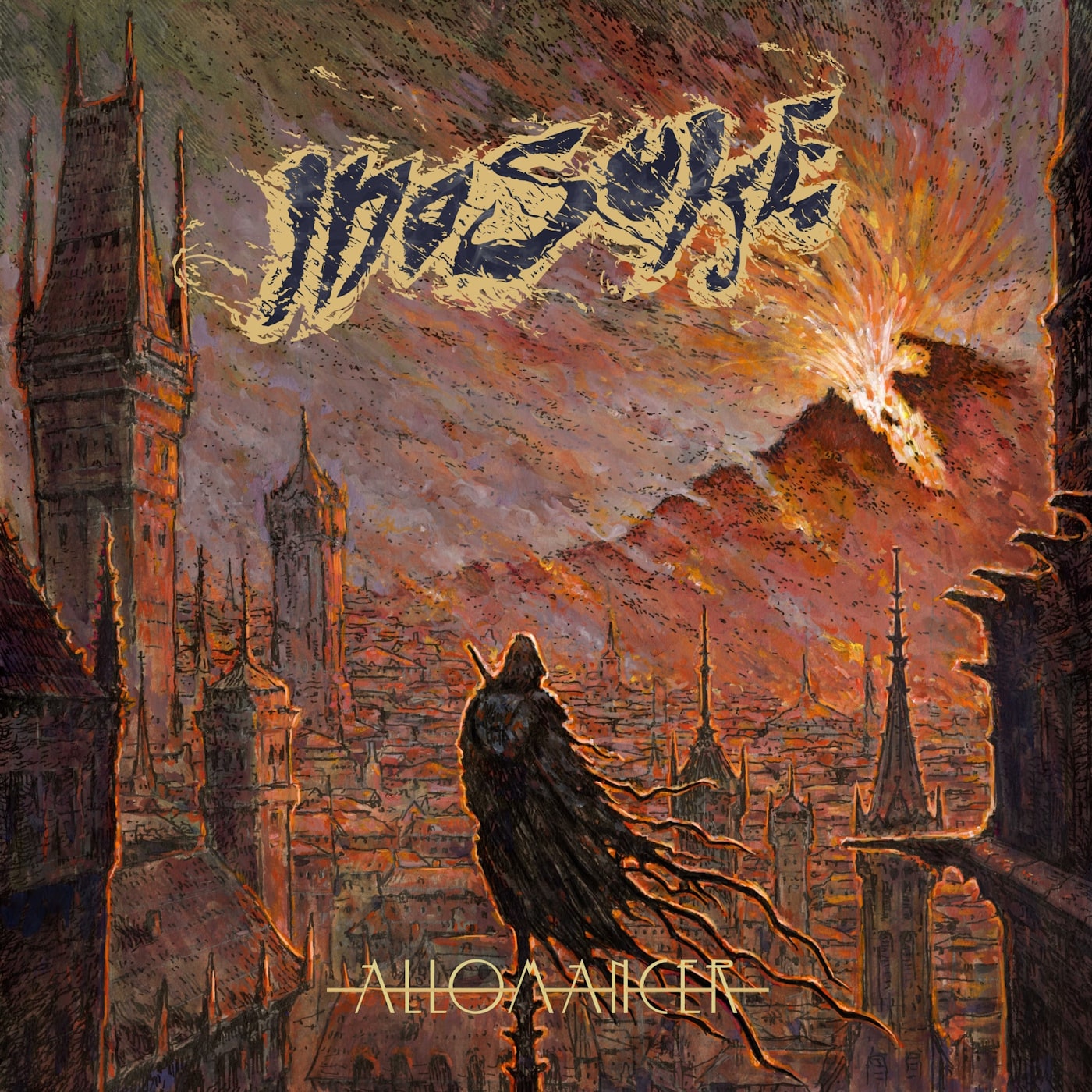
The visuals were shaped with the same thinking. The artwork comes from Martin McCoy, whose background in fantasy painting made him a natural fit. The front cover shows the landscape of the first “Mistborn” trilogy; the back turns toward the second series, set centuries after. Matt Quietsch handled the layout and text work. Jason admitted it’s not a typical screamo cover, but the doom-shaded parts of their sound gave them room to lean into fantasy imagery.
View this post on Instagram
The track-by-track commentary clarifies what Allomancer actually talks about. Instead of retelling novels, the band uses scenes and atmospheres to speak about real-world fractures. “One Thousand Years of Ash & Mist” draws from a world ruled by an immortal authoritarian figure, a landscape of ash and class inequality.
Jason saw an obvious parallel to “the climate crisis and the political nightmare that is the USA right now.” “The Well” pulls from a moment in the second book when misplaced faith leads to releasing an ancient force, but Jason flips the point: in his version, people don’t need supernatural influence to commit harm. “God Metal” circles back to atomic fear — the seventh novel’s bomb scene, the release of “Oppenheimer,” the weight of Cormac McCarthy’s “The Passenger.”
“Braving the New World” stays closest to lived reality. The character entering a noisy new metropolis becomes a way to talk about the exhaustion of modern life: the constant information stream, the inability to find silence even in places meant to offer escape. Jason mentioned hiking in a nearby National Park in Cleveland and hearing traffic even in its deepest parts.
The ending references nod toward the antagonist of the final book and echo lines lifted from a climactic scene. The closing track, “Catacendre,” is instrumental, carried by Erik’s piano. Jason said it captures “this great mix of hope and dread,” reflecting the moment between Sanderson’s two series when destruction has ended but stability hasn’t arrived.
Taken as a whole, Allomancer isn’t a literal adaptation. It uses the novels’ tone — disorientation, collapsing systems, misplaced trust, the pressure of change — as a frame for writing about the world we live in. The references point outward rather than inward, showing how fiction becomes a tool for understanding real tensions.
Below you’ll find their full track-by-track commentary, offering the complete context behind each piece.
Track 1 – One Thousand Years of Ash & Mist
This song kind of sets the tone for the whole album, both musically and lyrically. The setting for ‘Mistborn’ is this bleak, brown/gray world with extreme class inequity enforced by an immortal totalitarian. It’s not much of a stretch to use the setting to write about our world as we sink into the climate crisis and the political nightmare that is the USA right now.
The opening lyrics refer to a character who is imprisoned in a mine and then the descriptions start to get into the climactic events of the third novel where volcanic ash is burying the world during an endless and futile war.
Track 2 – The Well
This song was inspired by a very visually striking scene from the second novel where the main character approaches a divine power source with a great deal of misplaced hope. In the novel she is deceived into releasing this nefarious evil that negatively influences people but in my lyrics I posit that in reality humans don’t need any outside pressure to commit horrible deeds.
Track 3 – God Metal
These are the shortest lyrics on the album and are vaguely about atomic war. There’s a climactic bomb scene in the seventh book and I always kind of think about the horror of Mutually Assured Destruction. Oppenheimer had just come out and I had been reading Cormac McCarthy’s ‘The Passenger’ as well so all of that was on my mind; this song starts soft with this piano/guitar duet and then explodes so I just wanted this short burst of lyrics.
Track 4 – Braving the New World
This song is definitely the most abstract as far as the books are concerned. The main character from the second series is this quiet type who comes in from the wilderness to this new, turn of the century modern city. He often laments this drastic change and so I wrote a song about just how crazy and noisy and overwhelming modern life is. There is just a never ending barrage of information that makes it feel like peace and quiet is literally a thing of the past. Even where I live in Cleveland there is a National Park near us where we will hike and in the deepest parts of it you still can’t escape the noise of traffic and highways. There’s also in the ending lyrics some references to the antagonist of the final book as well as some language lifted from a powerful scene.
Track 5 – Catacendre
The album outro is instrumental but Erik’s piano has this great mix of hope and dread which are present in the books. The title means “end of the ash fall” and refers to the space between the first and second series where things seem like they will all be better but that isn’t exactly the case.