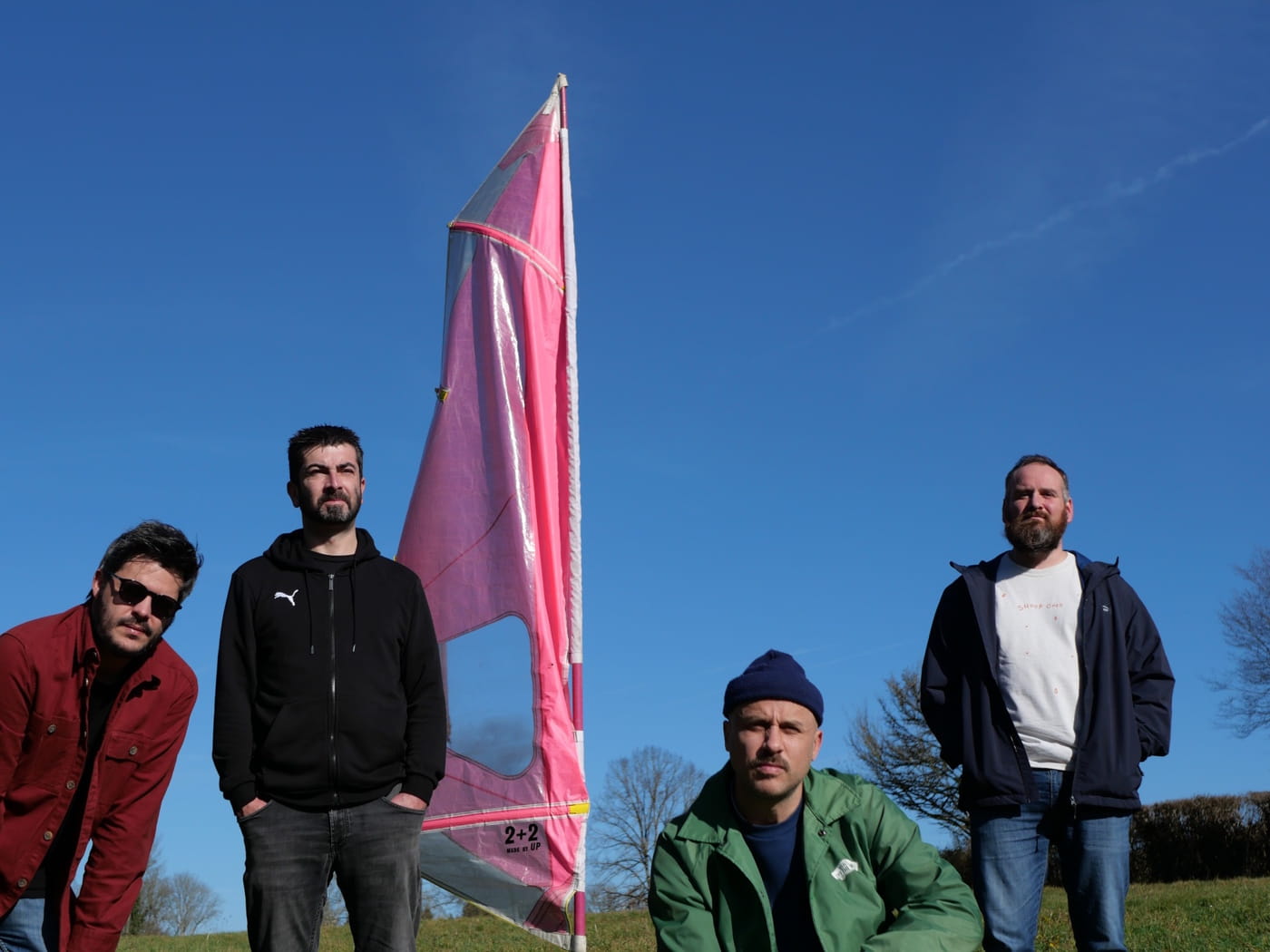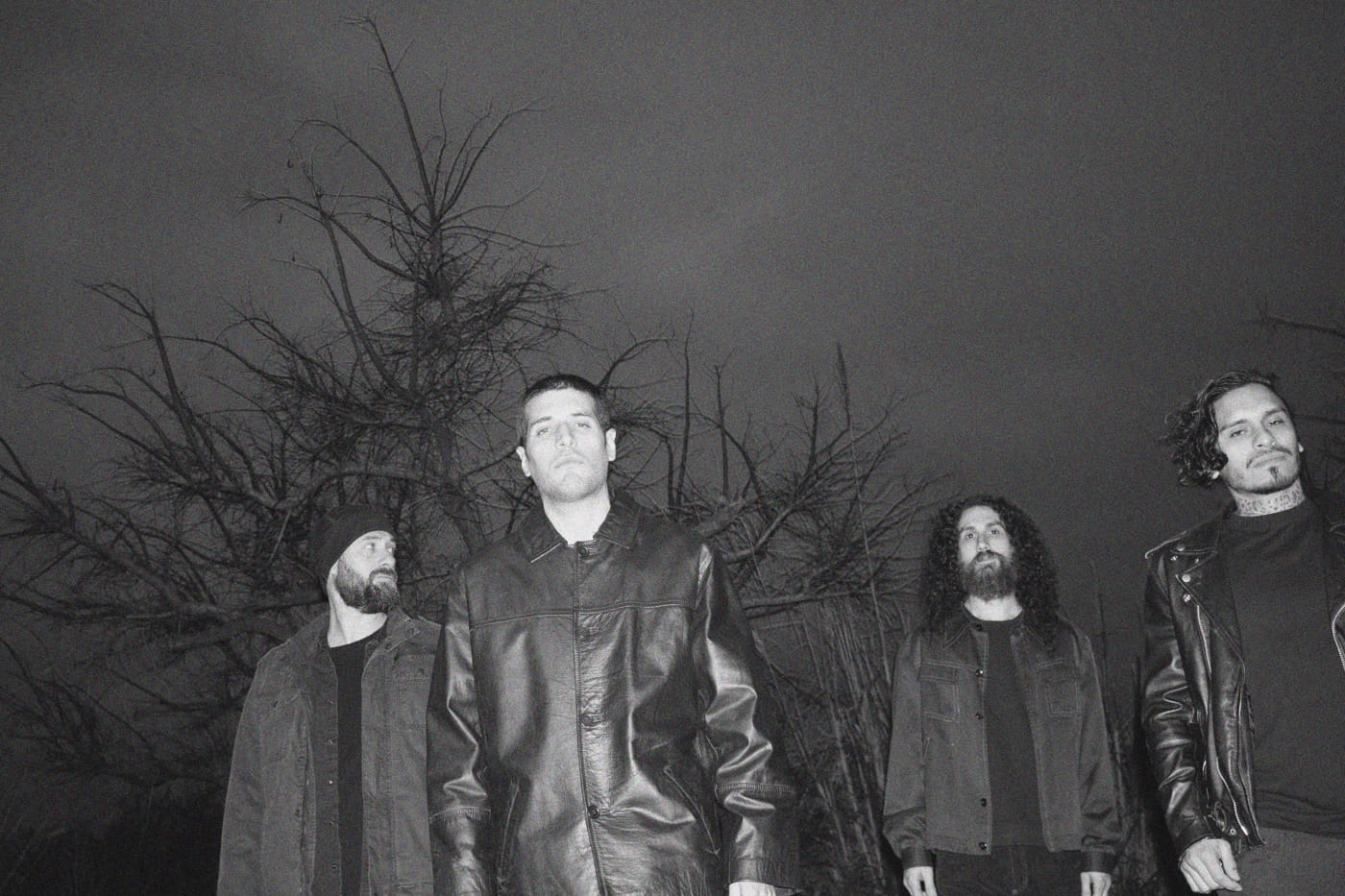


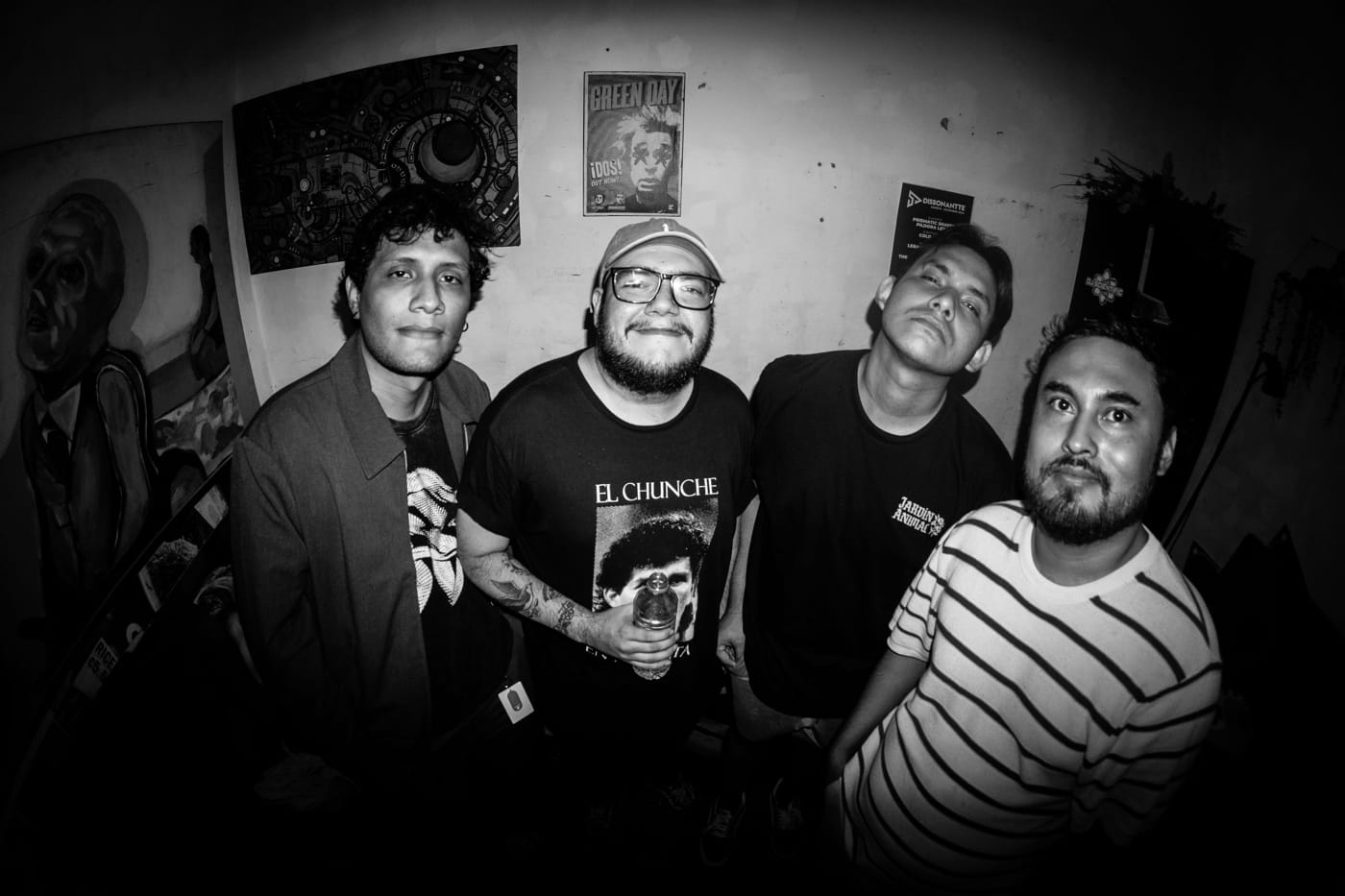
Oh boy, I really love this kind of vibe. Beautiful earworm emo that lodges itself somewhere behind the breastbone and keeps coming back – bright guitars, melodies that stick, songs you can hold0atever you’re going through. With holidays creeping closer and the sunny days hitting harder, “Pudo Ser Peor” by Jardín Animal (featured on IDIOTEQ in late 2024) – out April 29 – is exactly the kind of LP we want to put on whether everything’s fine or nothing is.
The band, four friends from Managua, Nicaragua, just dropped their first full-length, and almost every detail around it earns a sit-down.
The title translates as “It could have been worse,” and it isn’t a punchline. It’s a mantra Roberto Sánchez (voice, guitar) keeps coming back to.
“About ‘Pudo Ser Peor‘ I think is the phrase that has best described my life and the band in recent years. We created this album in the midst of the challenge of our daily lives, work, family, relationships, growing in general. Added to that is the challenge of being a band from a country like Nicaragua. In addition to investment, you need a lot of desire to grow and do things since there is not much remuneration or many opportunities. To that we add that they have been catastrophic years for the band, members who have left and challenges that we have overcome, and despite everything we have somehow managed to stay upright and sincere to what we want to create, at the end of the day, it could have been worse.”
He keeps unspooling it. The hard part is what makes the band fun, he says — having to travel 12 hours on a bus from Nicaragua to Costa Rica, having to sell 80 shirts to be able to pay for the album mix. “It is hard work that we have achieved in a scene where some cannot, where they get bored, give up or other reasons prevent them, that would definitely have been worse.” A concert with bad sound, a missed schedule, no audience — all inconvenient, but, in his words, “we are sure that there is always a worse scenario.”
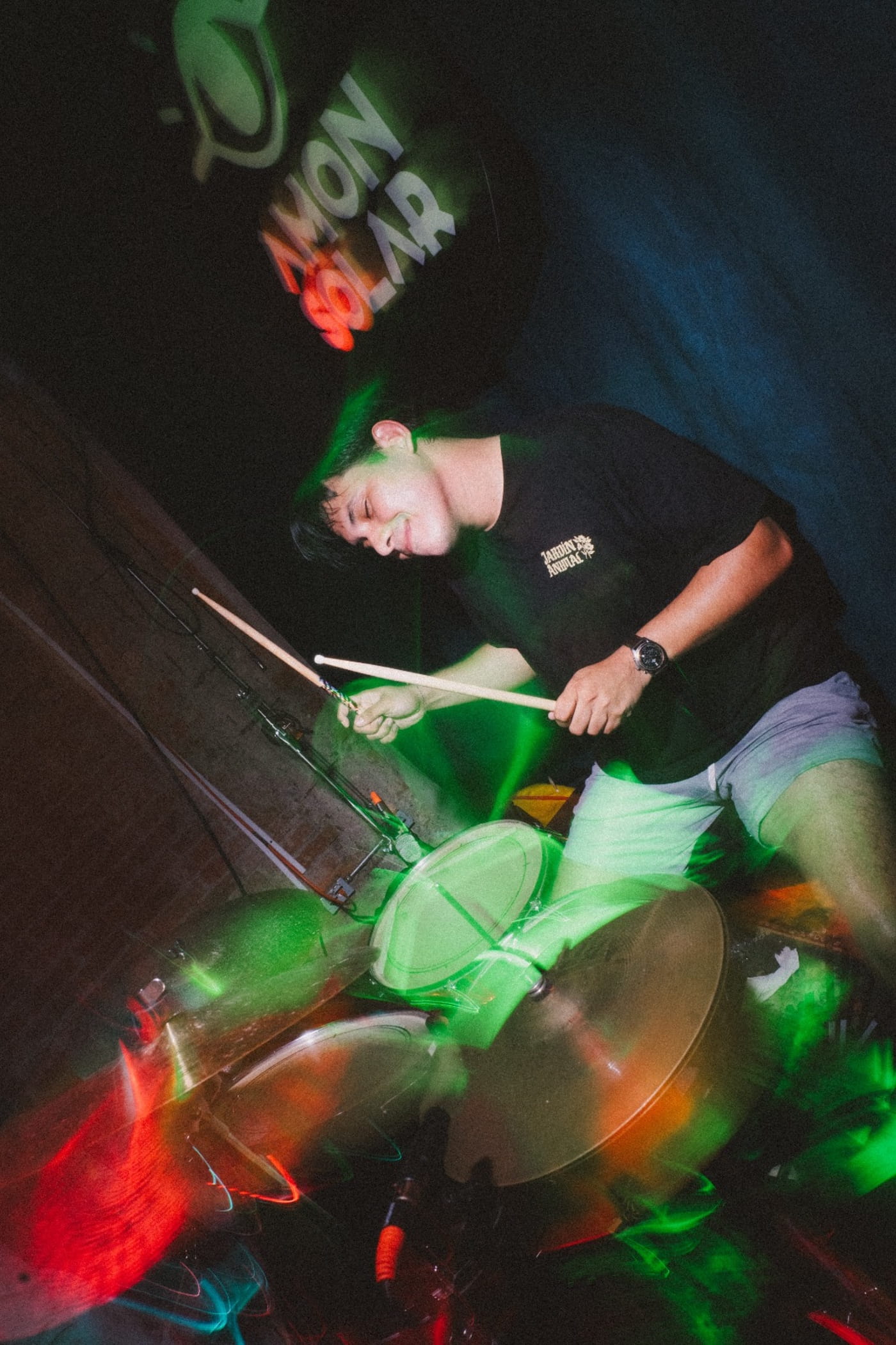
The other three members each carry their own version of the mantra. Franck Meléndez (lead guitar) frames it as a lifestyle rather than a slogan:
“Pudo Ser Peor means committing most sundays to travel 4 hours round trip to an artisanal yet charming rehearsal room (not unlike us actually) to play one hour of music with your buddies, it means shows are mostly for your friends, either ones you met before or ones that became that because of the music, and if you’re lucky you may meet a new face. It means playing with a metal band and a blues band on the bill, it means spending your ever shortening disposable income in fun music gear that you’re gonna end up hooking to the shittiest PA system you can imagine. It means to play graphic designer, video editor and even meme maker. It means that you’re out there doing stuff that should not work, that in fact does not work how you would’ve expected and somehow is still rewarding either out of love for the medium or just in general because… it could’ve been worse.”
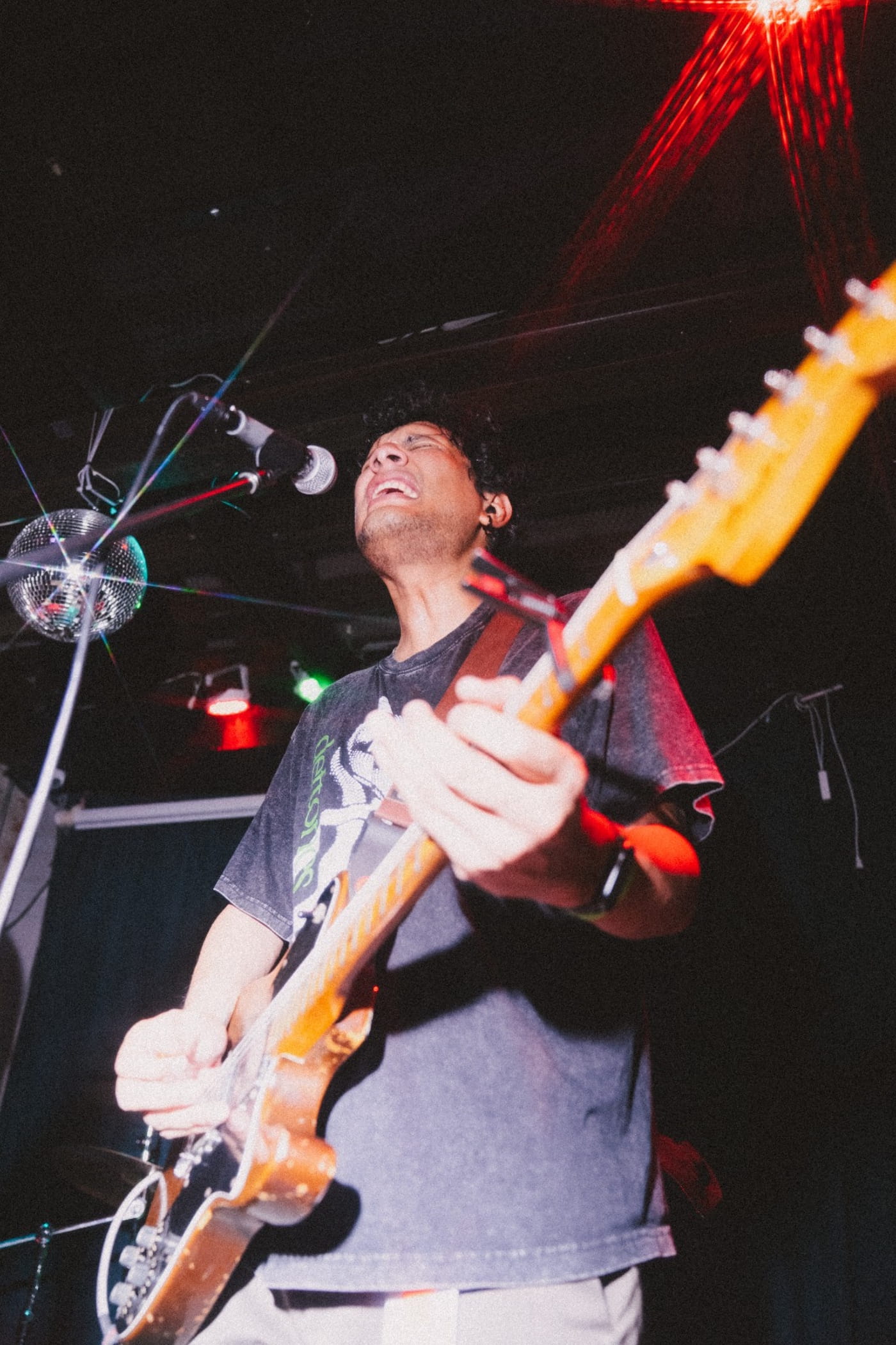
José Luis Aguilar (voice, bass) reads it more as a survival reflex: “personally I think of it as something you say when you are already in deep shit but you try to comfort yourself pretending it is not that bad (usually it is). It is like a mantra that things turned out well, ironically, we tend to be accustomed to the worst in each context, the society in which we live and the cultural moment trains you to be prepared for the worst. But sometimes, just sometimes things don’t turn out so bad, they could be worse.”
Carlos Suárez (drums) keeps it shorter: “shit, that hurt but hey, it could have been worse.”
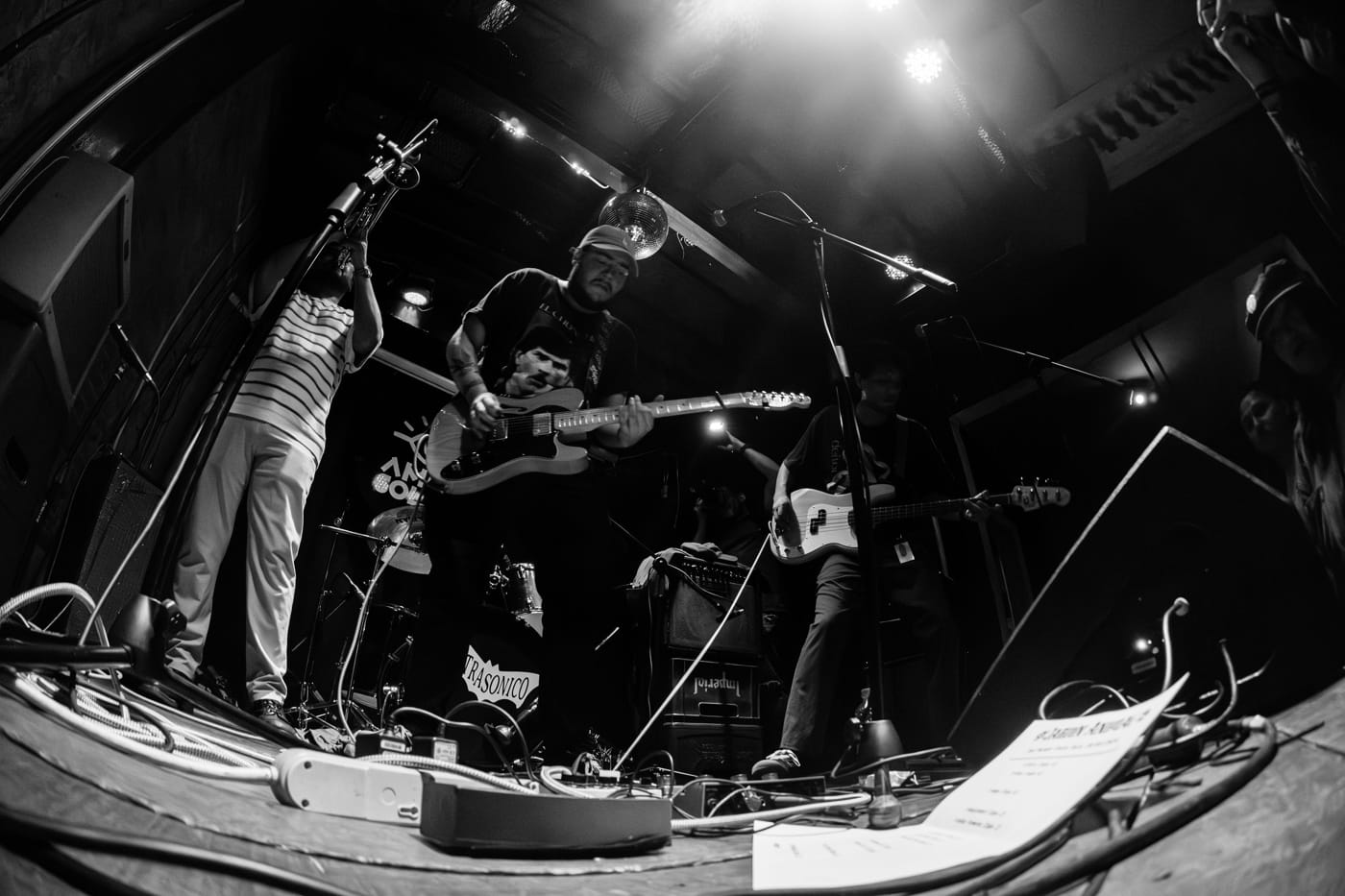
The record itself is a nine-track LP that moves through Midwest emo, punk and indie, recorded in Managua by Roberto Sánchez and produced and mixed by Jorge Blanco at Klinik Studios in Madrid. It steps between clean, bright guitars that splinter into distortion, with restless structures shifting from intimate moments into chaotic climaxes. Lyrically, the songs trace different stages of personal growth — nostalgia, uncertainty, the constant reconstruction of who we were versus who we are now.
To understand why finishing it feels like a small miracle, you have to know about La Casona. It’s a rehearsal space for rock bands managed by Don Ray, an older man who has opened the doors of one of his businesses for hundreds of bands across roughly 15 years. Young bands without instruments, more experienced ones, kids who don’t know how to play yet — Don Ray takes them all. “I am sure that many bands would never have existed if it were not thanks to ‘La Casona’,” Roberto says. There are maybe four rehearsal rooms in the country. The rest of the time, bands rehearse at home, if they have the gear and neighbors who won’t call the police.
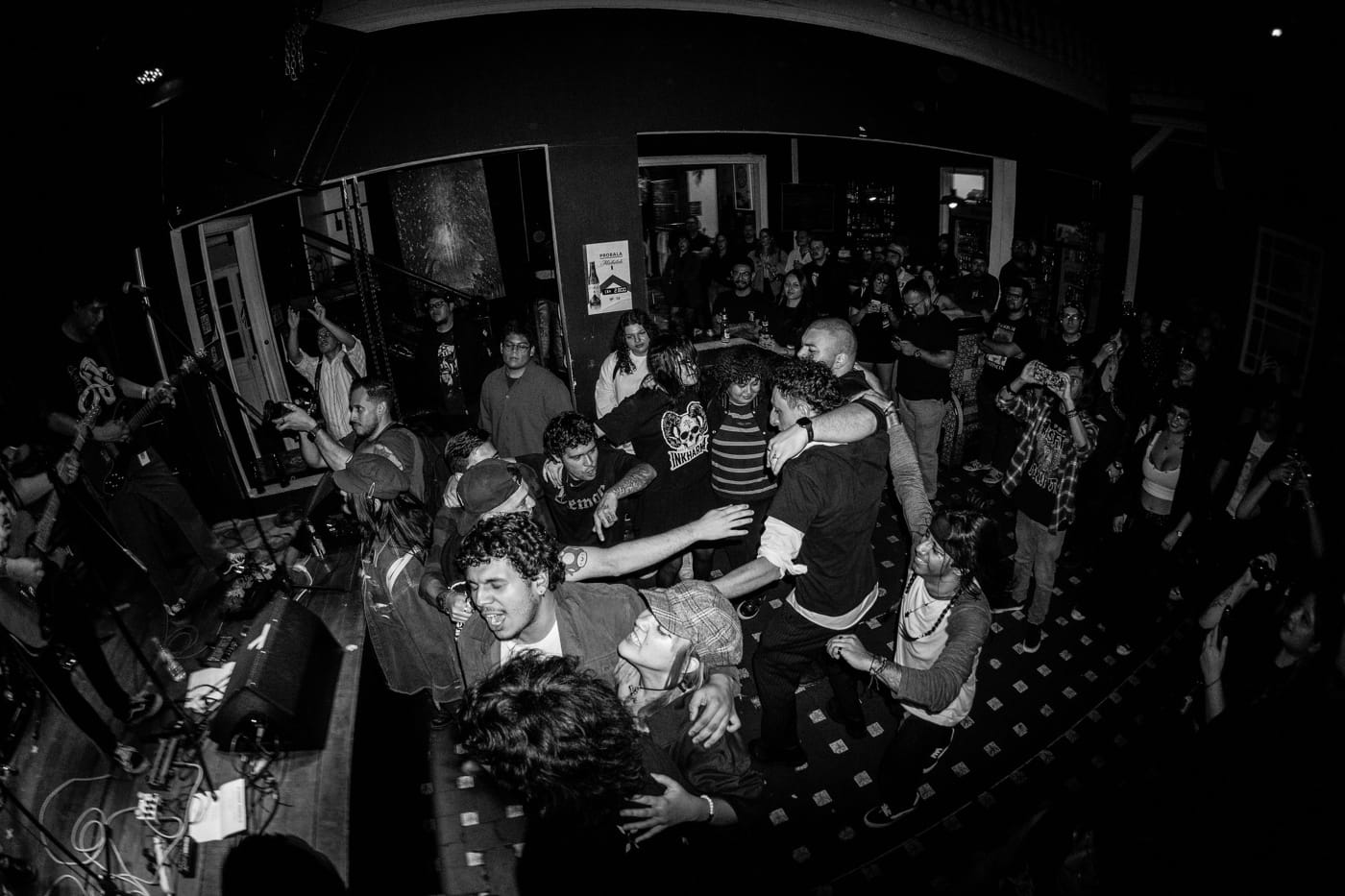
Where Jardín Animal play is wherever a venue says yes — bars, restaurants, backyards, parking lots, garages, houses on the seafront. Original bands draw small crowds, so they aren’t profitable for most bars, which prefer cover bands. They share bills with punk, indie rock, hardcore, progressive, funk acts, sometimes metal. “Organizing exclusive Punk or Indie shows would mean having the same 5 or 6 bands playing together all the time,” Roberto says. The split between heavier and softer audiences gets messy, but it’s the only option. “It is the daily bread here.”
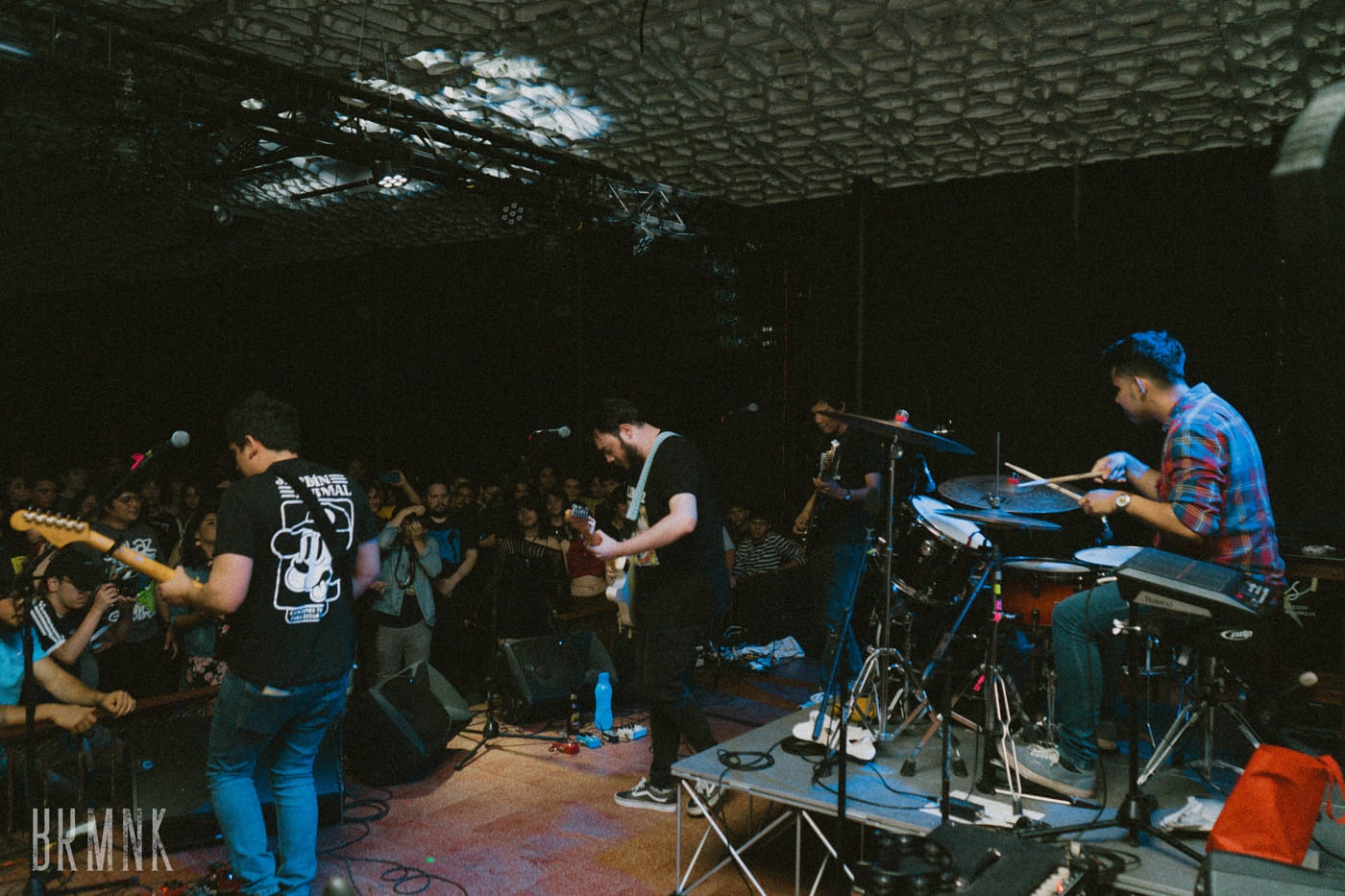
The reach beyond Nicaragua started almost by accident. After their first singles, the band met people from emo and shoegaze scenes in Mexico, Costa Rica, Chile and Peru. Sleepy Panda Records from Mexico was one of the first to write — Roberto specifically thanks Andrea for believing in them. The band ended up on a compilation called “All We Are Pop.” Then Emanuel from Sello Furia got in touch, and that became one of the most important alliances of their short career.
Sello Furia’s Costa Rica-based label invited them to Furia Fest 2 — their first international date, alongside Adios Cometa, Dylan Thomas, Lentamente, Asuladera and Montegrande. They didn’t expect anyone to know the songs. People sang along. “I remember that day we said ‘wow then we’re not that bad, the problem isn’t us, we just need to play in more places’,” Roberto says. They’ve gone back to Costa Rica every year since.
That confidence translated into reaching out to artists they admired for the new LP. The first contact was with Nacho from Nogato, the Spanish emo band whose first album, in Roberto’s words, blew his mind. Nacho recorded vocals for “Tren Bala” from his home studio.
For “A.M.P.M” the band wanted something extra, and Gol Olímpico — a Mexican emo project also working with Sello Furia at the time — came through. Roberto met Andrés through the Midwest Emo Mexico community, a scene that has welcomed Jardín Animal even though they aren’t Mexican. The third collab is with Nadiemuere, a screamo band from Costa Rica led by a Nicaraguan friend of the band. “Let’s say that this was the easiest because we already knew each other and talked about music all the time.”
The album also represents a real distance from where the band started. “Girasol” — their 2021 debut EP, recorded in Nicaragua and mixed in the United States by Thomas Gillmore — was, in Roberto’s words, a very experimental stage: friends wanting to make music, trying out math rock, post-rock, emo without necessarily knowing who they were yet. “Pudo Ser Peor” feels uniform by comparison.
The lyrics share one concept — growing up and coming to terms with oneself, accepting who they were and the fact that they’re now different people.
The songs feel tied to each other rather than scattered across genres. Other releases between then and now thread the gap: a contribution to “Todos Somos Pop Vol. 2” via The Black Mamba Studio in Mexico (a cover of Nikki Clan’s “No Me Digas Que No,” blending pop punk and Midwest emo); the Furia Acústico 01 y 02 compilations on Sello Furia, where they recorded an acoustic version of “Melodías felices de una canción triste” and an unreleased track called “Aranjuez”; and “Casa,” a then-demo placed on the Peruvian compilation “Algunas Ideas Pueden Ser Peligrosas II” via Movimiento Circular de los Árboles — a song about being lost, weighed down by bad decisions, while holding onto the hope of returning to whatever place, person or feeling counts as home.
About Nicaragua itself, Roberto is realistic without being grim. He calls it a country of slow cultural development and limited opportunities, but also one where many sounds, experiences and motivations converge — bands often emerge without thinking too hard about genre or concept, which can produce very interesting proposals.
He name-checks Televiser, Momotombo, Monroy y Surmenage, Q69K and Primate as unique sound proposals from the region.
The current cultural moment isn’t kind to rock — older crowds stopped going to shows, the audiences who used to be young are now adults, and the new young audiences are into trap or aren’t engaging with music much at all. But the small upside, he points out, is that without fashion attached to it, the proposals that do exist tend to be sincere and singular.

Franck pushes the same idea further. “This ‘Heart out of guts‘ phenomena is prevalent in Nicaragua, which is a poor country with very little people and culturally stuck. Which is why the whole ‘people don’t even like this anyways’ attitude to things does show in our music. We don’t cater our work to anyone because the only people that would care about it is us and small handful of friends who most of the time end up being part of the project in some capacity.”
For him, what started as the rush of playing together has become something else: sitting among peers as part of an underground emo canon from this corner of the world — something he calls totally unbelievable looking back.
“In that sense the band has evolved from friends doing nerdy music in Girasol to some sort of a third place in Pudo Ser Peor, in which anyone who likes the music and the art around it can become part of the crew somehow. It’s not even about the sound really, is just some sort creative survival mode that we’ve learned to harness to create music and I think some people are in that spot too and that’s why they gravitate toward us, even beyond Nicaragua.”
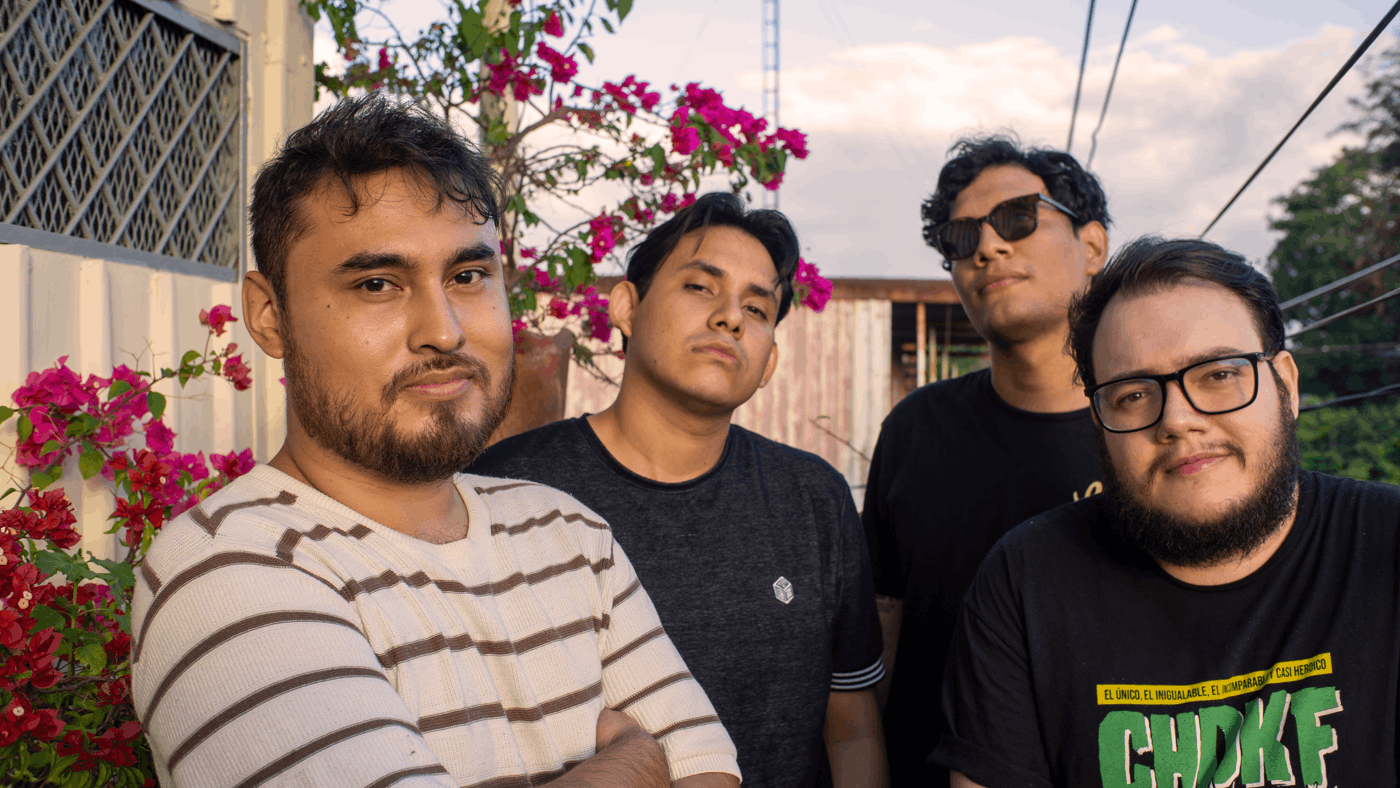
It’s a useful frame. “Pudo Ser Peor” is not heroic about its conditions — it doesn’t perform struggle, doesn’t ask for credit. It just is what it is: nine songs by four friends who kept showing up. As Roberto puts it: “many times it doesn’t matter your country or where you come from but rather what you create and believe in.”
🔔 IDIOTEQ is ad-free, independent, and runs on one person’s time. If you want it to stay that way: DONATE via PayPal 𝗈𝗋 SUPPORT via Patreon.
Stay connected via Newsletter · Instagram · Facebook · X (Twitter) · Threads · Bluesky · Messenger · WhatsApp.