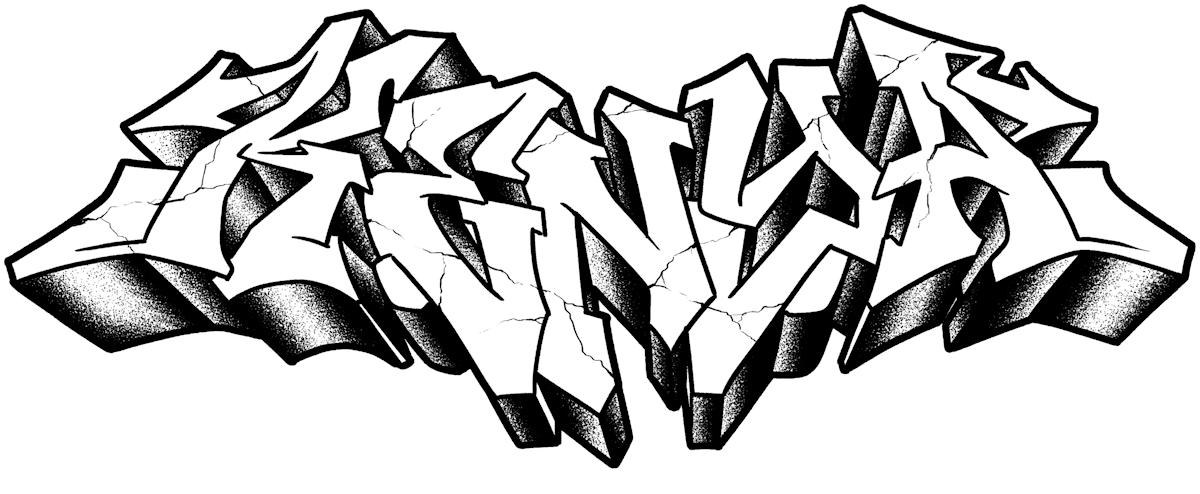


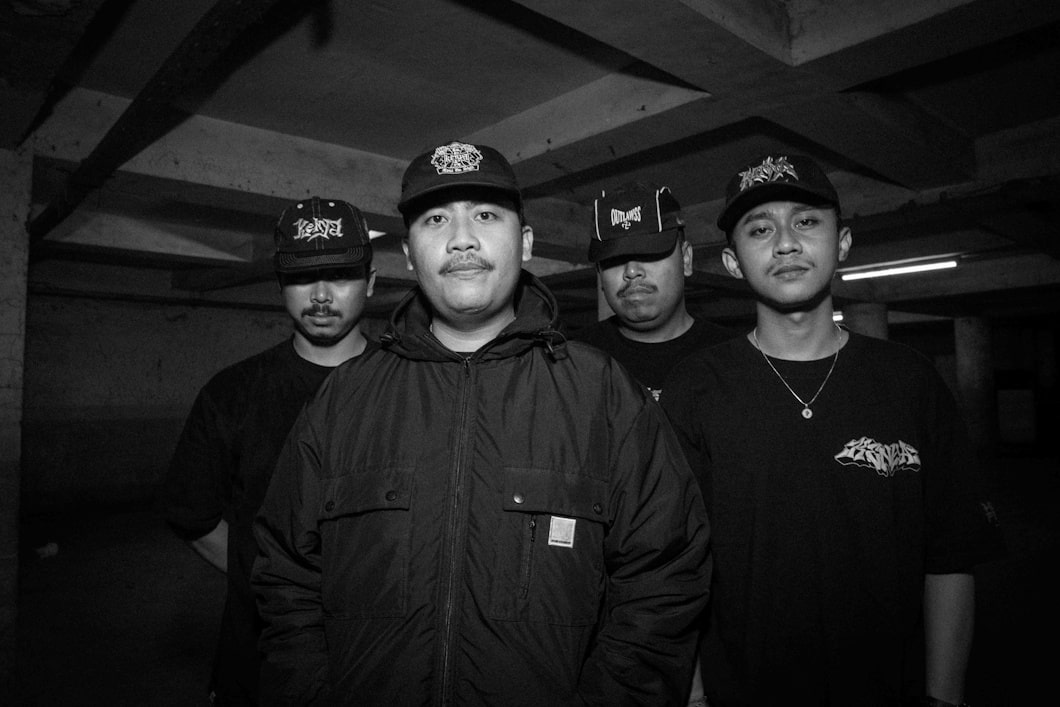
You don’t hear many bands talk about forming at the exact moment their local scene starts breathing again, but that’s how Kenya describe it. Their timeline lines up with how hardcore in Bali dipped, stalled, and then came back swinging. They grew up inside that pattern.
“Back in 2010, when we were still in elementary school, we were already drawn to this genre,” they say, tracing the story all the way back to when hardcore in Bali was buzzing and full of new projects. Between 2010 and 2018, dozens of bands emerged; the members of Kenya were part of it in different corners: Gungwah and Bagus were in Born to Destroy (2017), while Arya had been running Fromkids since 2010.
The downturn around 2018 didn’t come with any dramatic reason — people just got busy, and new sounds pulled attention elsewhere. But the DIY backbone stayed alive through small collectives, even as shows slowed down. When COVID hit, everything stopped. “The hardcore community pretty much disappeared, simply because there was no venue to hold shows.” No room, no stage, no momentum. Just a freeze.
2022 is where the switch flips again. Their collective 0361, which the band is part of, set up Stomping Day, the first hardcore show in Bali after COVID. “At that time there were very few active bands, and Kenya was formed from that very moment.” They treat that show almost like a starting gun — a point zero. Since then, the scene has been rebuilding at a pace they didn’t expect. New bands, new collectives, more energy, more people paying attention. Hardcore bands are suddenly headlining bigger concerts again. They see it as part of a global pattern of recovery, but they also know Bali is doing something on its own terms.
View this post on Instagram
Their Outbreak Festival slot in Manchester turned into one of those moments where a whole country watches. Social media in Indonesia blew up — “a million comments on IG,” as their manager puts it — because Kenya were the first Bali band to tour the UK, and performing at one of the largest hardcore festivals in the world meant something beyond bragging rights.
They talk about that weekend as a crash course in how things operate outside their island. “We learned a lot from playing at Outbreak Fest — from improving our sound, songwriting, and band management, to experiencing different cultures, learning proper English, and witnessing how hardcore fans abroad truly respect the culture of the pit.”
“There’s no fighting, just unity.”
Their manager frames it in a wider context. He’s been working mostly solo for years, building a loose roster that shifts depending on who needs what. Some bands are huge and tied to major agencies, others rely on him for full logistics. The list of tours he’s pulled off is long and scattered across continents: the first European tours for Armor and Big Laugh, the first post-COVID run for Spy, two Europe tours for Bib, a first UK tour for E-Town Concrete, UK/Europe routes for World Peace, Ultras, and Xiao, plus Brain Tourniquet, two tours for Wound Man, Fe*tanyl, Doldrey from Singapore, Mutually Assured Destruction, and smaller UK runs for Arkangel, Born from Pain, Dagger Threat, Moral Bombing, and more.
He also mentions how running UK shows for Czech bands — his home country — was “the hardest to be honest.” He manages Going Off from Manchester as well, which is how this whole exchange even started.
Plans for next year stack up in a similar rhythm: bringing Kenya to Europe again (some festivals already confirmed), a tour for Diploid from Australia, a Europe run for Dosser from Baltimore (“a bit emo stuff totally different”), UK/Europe dates for Hot Load, a UK run for Insurgent with Prozpekt, Bleach in Europe, and a UK run for Merauder.”
View this post on Instagram
What makes all of this relevant to Kenya’s story is how their rise slots into this wider ecosystem — one person coordinating global tours, a reborn local scene in Bali pushing new bands to the front, and a rare moment where a scene on an island becomes the focus of a global hardcore conversation.
For Kenya, the pride sits in the roots: “Today, the hardcore scene in Bali is something that really deserves attention. Bali has become one of the most exciting places to tour or visit, and we are incredibly proud to represent Indonesia — especially Bali.”
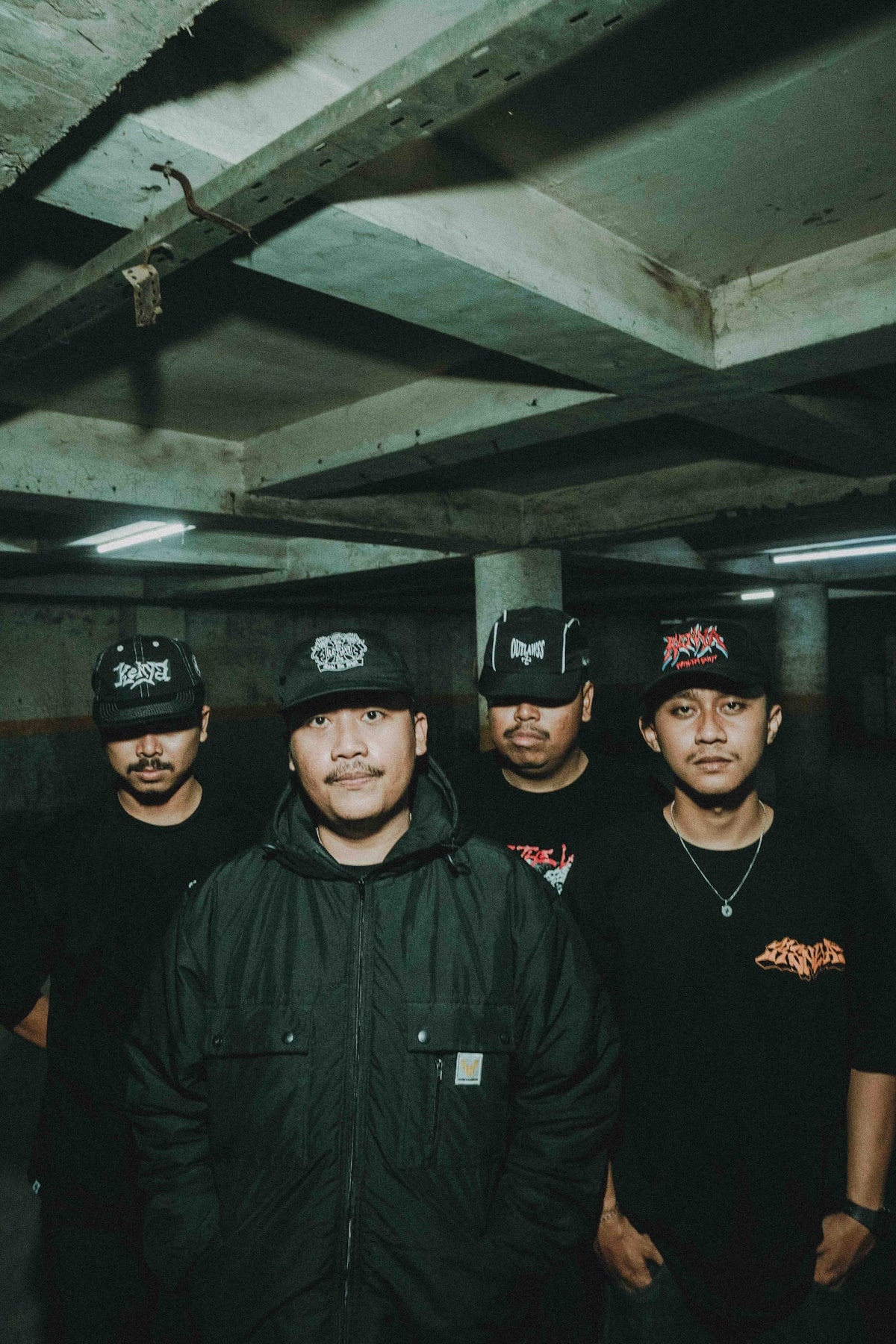
The way they talk about their scene now is half report, half responsibility. It’s not romantic. It’s just the truth of a place that went silent, rebuilt itself, and then sent one of its youngest bands to the other side of the world to test how far this thing can go. If anything, Kenya treat Outbreak less like a victory lap and more like a checkpoint — a place where they felt the weight of their community behind them and came back with a clearer sense of what hardcore can be when the crowd holds each other up, literally and otherwise.