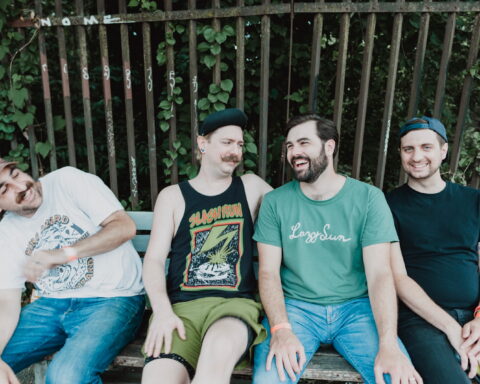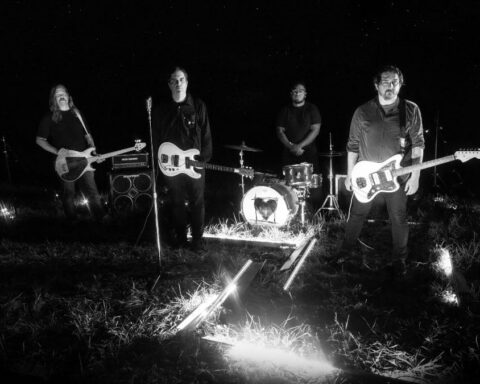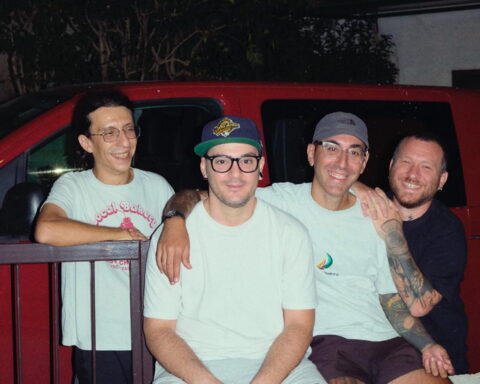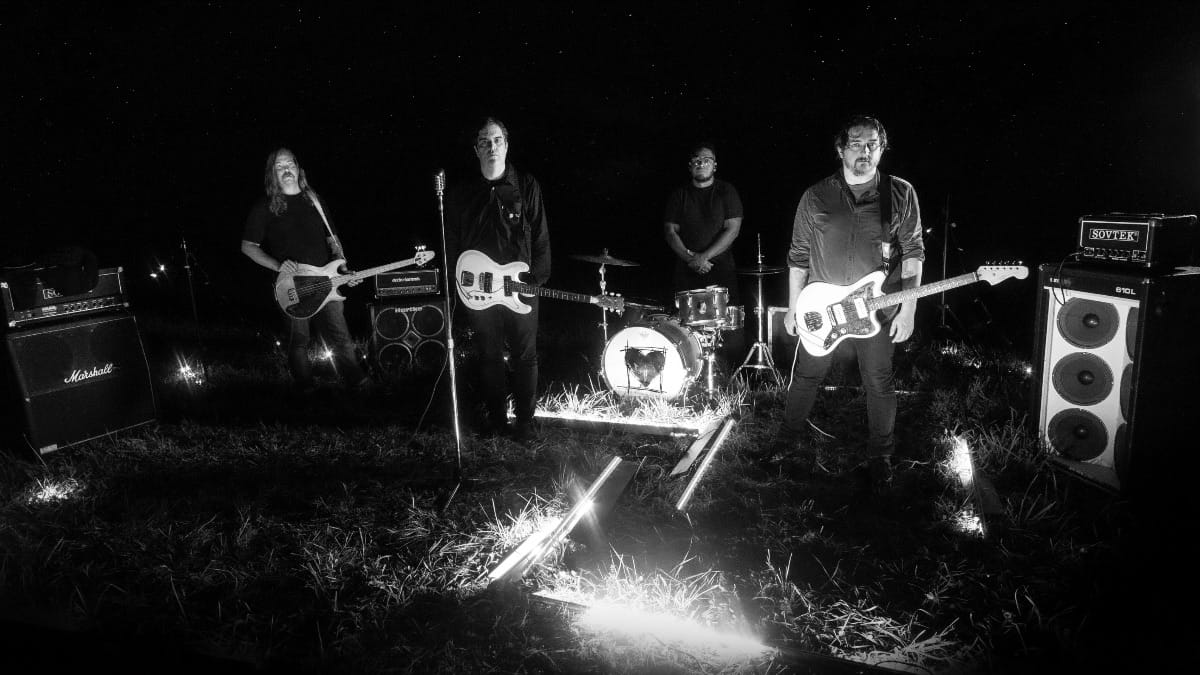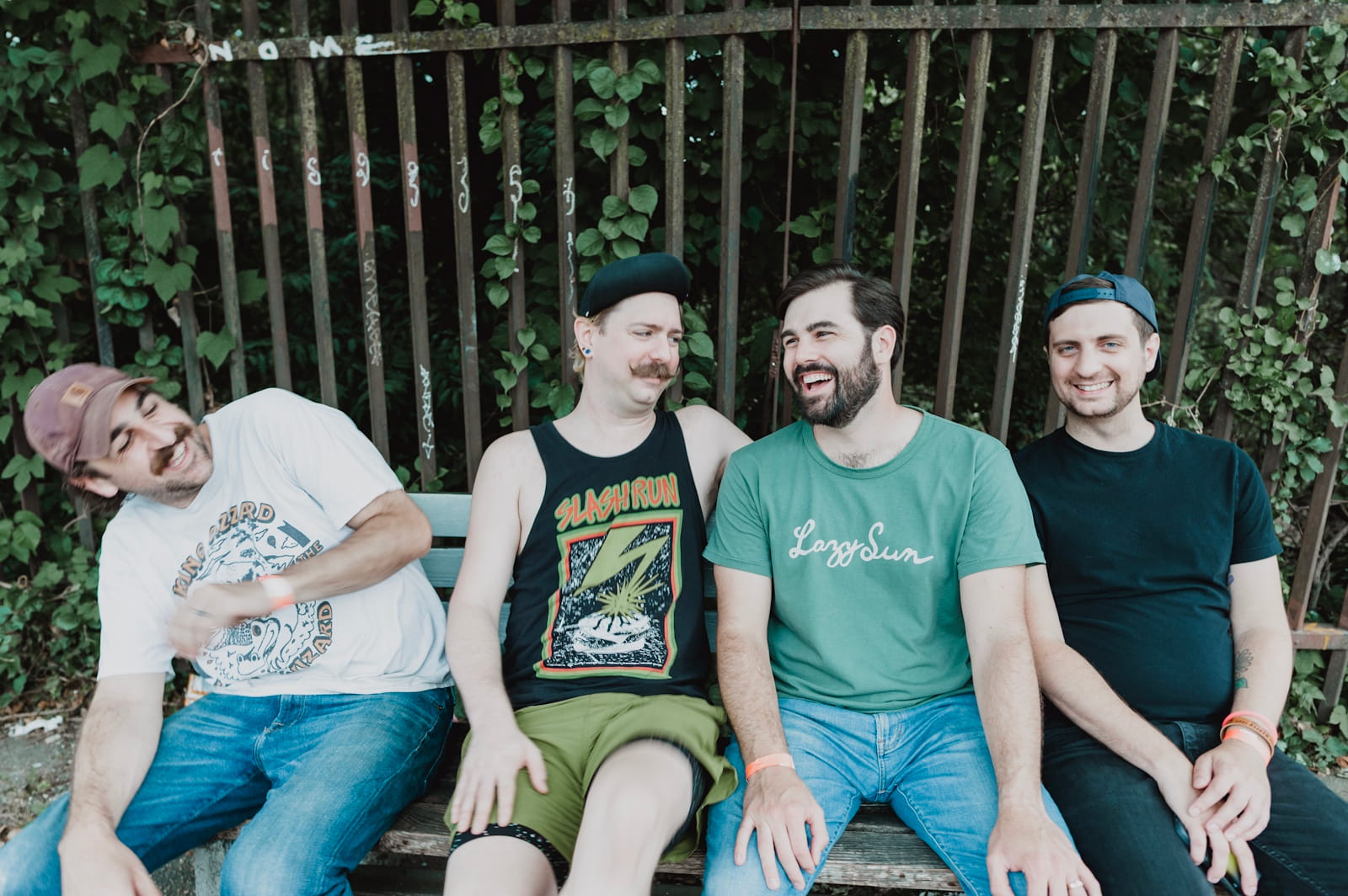


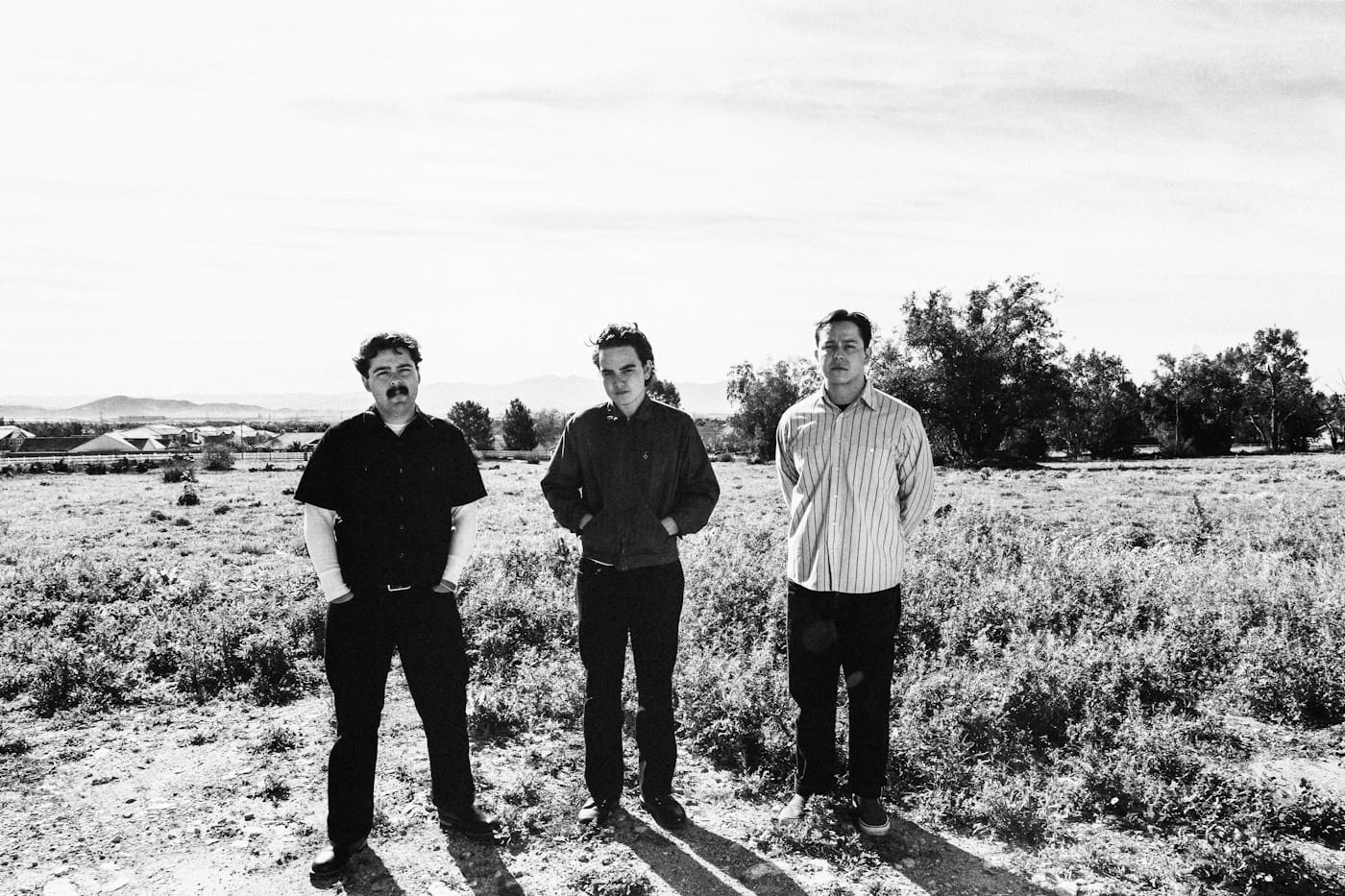
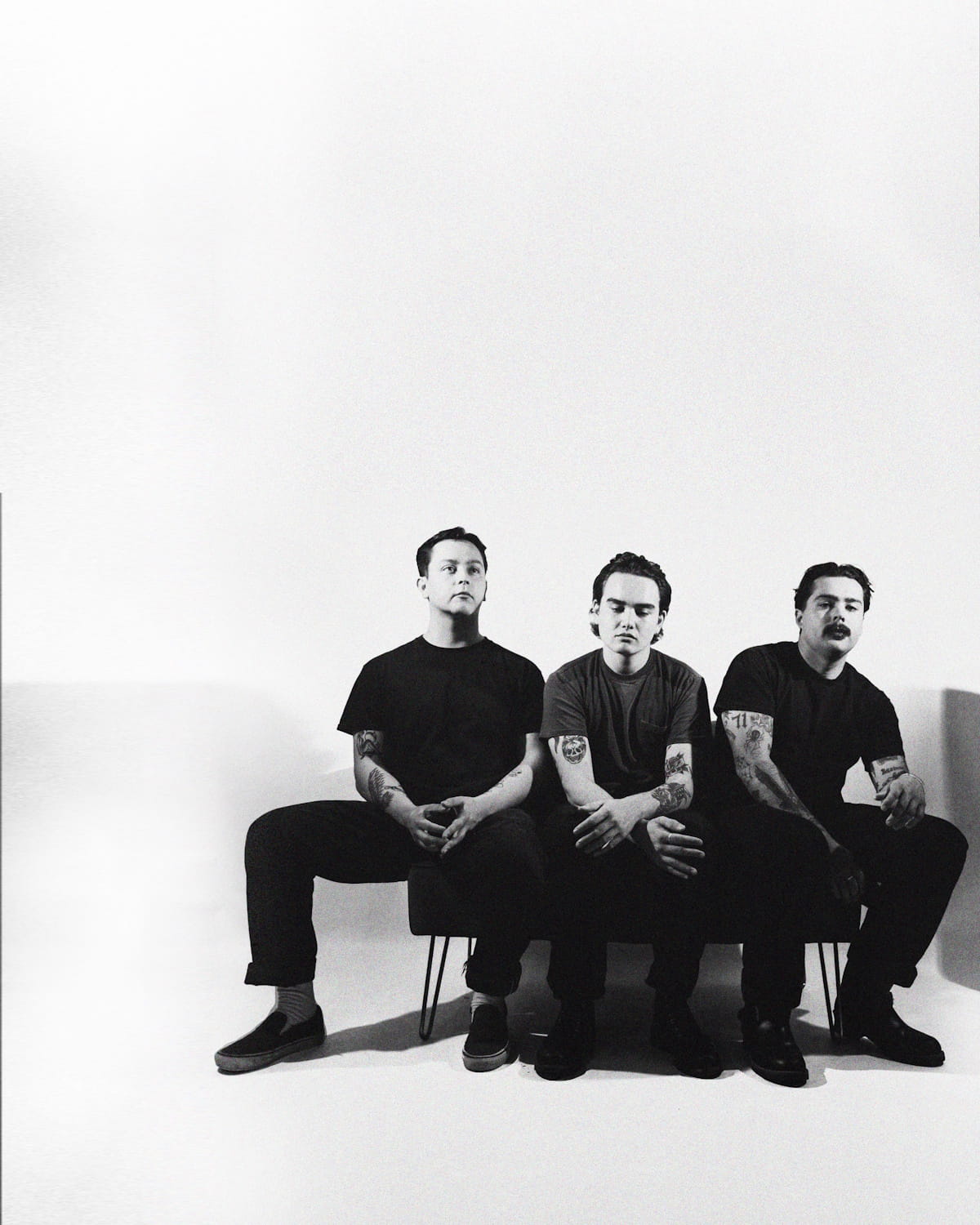
A blown-out bass line, two minutes and eight seconds, and a title that says more than it first appears to. “My Name” arrived as one of the clearest early signs of what Knumears were building on “Directions,” a debut that catches the push and pull of adolescence without trying to clean it up. The Southern California band have been circling that tension for a while now, but with the record out today, April 3, via Run For Cover Records and Summer Shade, the full picture is finally here.
Recorded with Jack Shirley at Atomic Garden, “Directions” came together in a way that still seems to surprise the band. Matthew Cole says they had been struggling creatively while trying to write the album, especially with other projects like Vs self, Elm, and Bettin Horses also taking up space. Then the switch flipped. A few weeks before going in with Shirley, they sat down and, as Cole put it, “basically wrote the whole record. It practically was flowing out of us.” That last-minute rush is all over the album. Not in a sloppy way. More like three people finally landing on the thing they had been trying to say.
For Cole, one of the first moments when Knumears stopped feeling like just another project came when he heard someone in the crowd screaming the lyrics back. “It was surreal then and its surreal now,” he says. That sense of immediacy has followed the band from local rooms full of kids climbing over each other to tours across the US, and it still shapes how they think about their recorded stuff. On stage, they are not trying to recreate the album. In his view, it works the other way around: live shows are where the band feels most real, and the recordings try to hold onto some of that.
That matters on “Directions,” because this is a record about movement, but also about standing still long enough to understand what is changing. Cole describes the title as something that came out of real life as much as reflection. “Change is scary but necessary,” he says, pointing to the way new opportunities and upheavals were hitting all three members while they were writing. The album sits right in that in-between state, where youth is still close enough to touch but adulthood is already making demands.
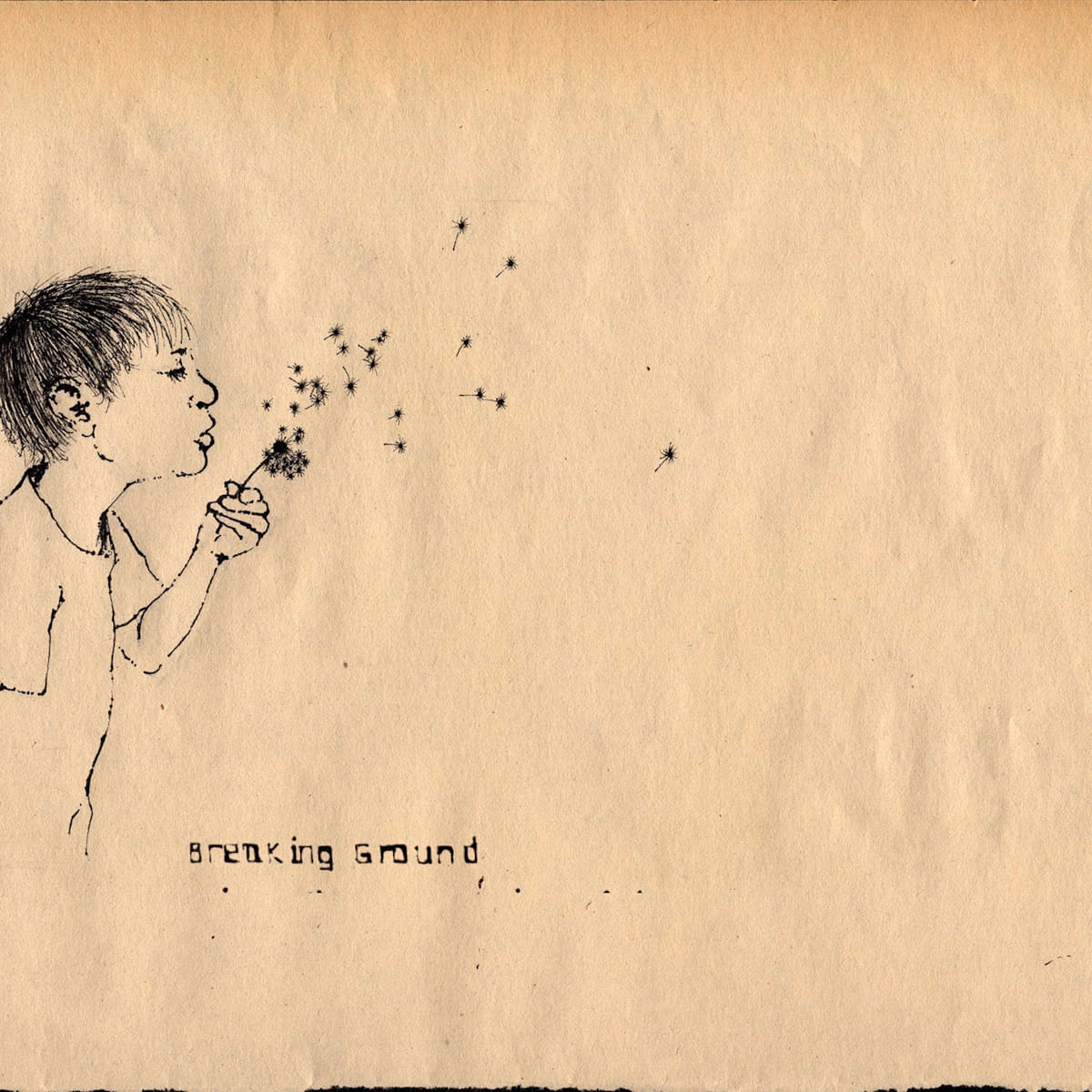
Tracks like “One Light, Sunshine” and “Breaking Ground” lean into that feeling, but the emotional center of the album is tied just as strongly to family.
Cole says he had matured enough to understand what he wanted to say, even if there was no single event that unlocked the lyrics. He keeps the writing deliberately open-ended, partly to avoid drawing too hard a line around private relationships, partly because he wants the songs to stay usable for other people. Even when he is writing about his mother, father, or grandmother, he tries to leave the words broad enough that someone else can still see their own life in them.
That approach runs deep through the record. Cole says he wanted to write about “the familial aspect of love and hardships,” pushing back against the idea that love songs only point in one direction. Your deepest attachment, he suggests, might be a grandparent or a friend rather than a partner.
“A lot of them are about my mother, father, and grandmother, who all shape my creativity a lot,” he says. On “Friendly Face,” one of the album’s late high points, that feeling comes into focus in one of the record’s most direct passages: “take me with you, we’ll watch the clouds / Each shape forming a different sound / Lay with me upon a bed of green, we’ll see things that only we can see.” Cole says those lines are especially close to him. “Whenever I’m lost or don’t really know who I’m supposed to be, I just think of my childhood and the people that helped me grow.”
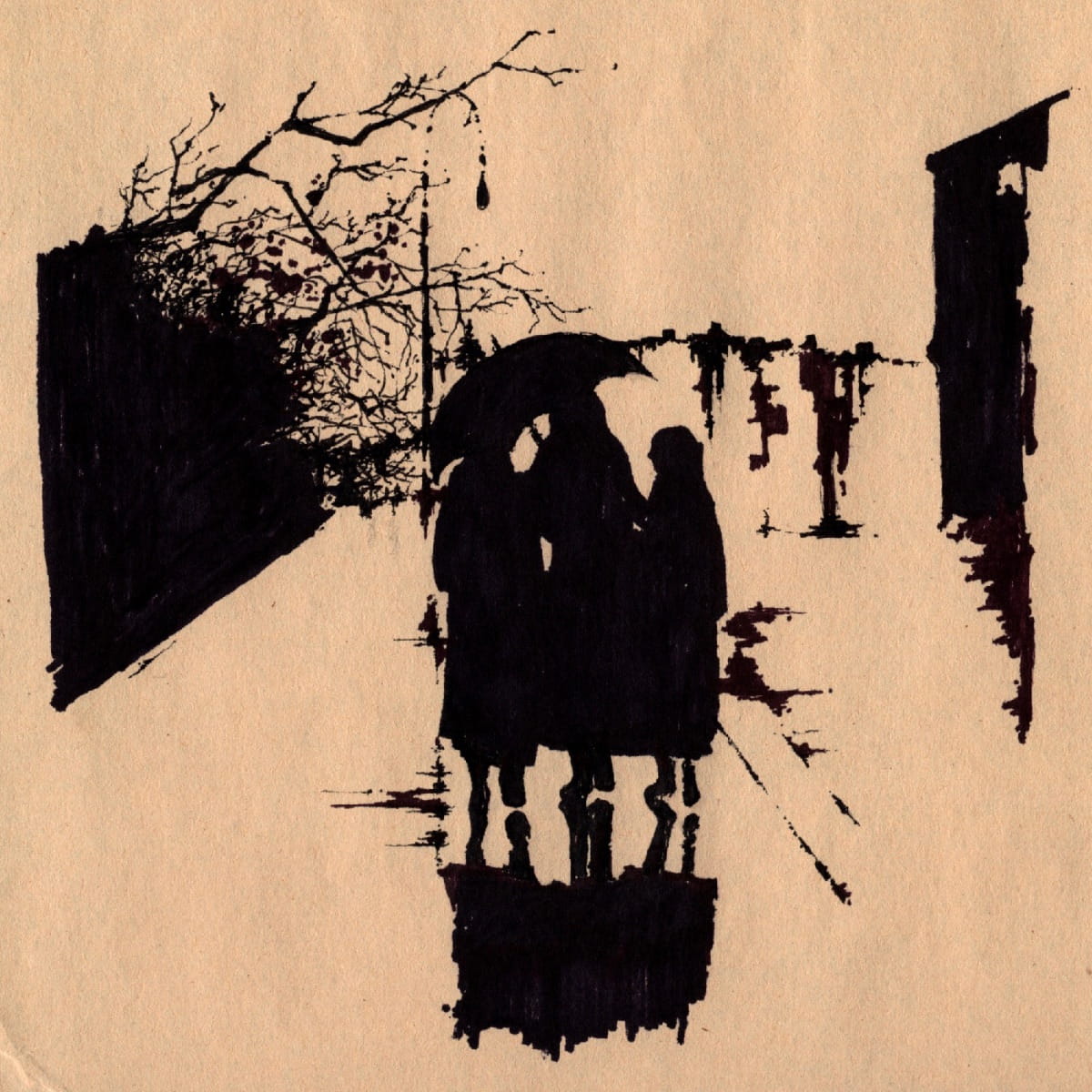
There is a similar mix of reflection and pressure in “My Name,” which channels fear, loss, and teenage disorientation through a ‘90s post-hardcore and screamo approach that Knumears wear plainly. Cole has no interest in dodging the word screamo, and he is quick to point out how badly the genre still gets misunderstood.
Too many people, he says, still reduce it to overly sad, cliché mall music, when the real thing has always held much more than that. He hears the early bands as people making this stuff because they needed to, not because it looked good from the outside. That idea clearly still means a lot to Knumears, who treat the style less like a costume than a living practice.

It also explains why “Fade Away,” with a guest appearance from Jerome’s Dream vocalist Jeff Smith, feels right at the center of the album rather than pasted on as a co-sign. Frankie Lopez says the band did not overthink the symbolism. They asked because Smith has “a sick voice,” and because they were grateful he took the time to be part of it. Even so, the collaboration lands as a quiet bridge between generations, especially on a record so invested in the line connecting older screamo to what is happening now on the West Coast.
That lineage was there from the start. Cole says Knumears did not spend much time trying to unlearn habits from previous bands because the sound came naturally once they knew what they wanted. The result pulls from old school skramz, post-hardcore, hardcore, and the more chaotic edges of the form without getting stuck in reenactment. “I think what draws us to this type of music, just like everyone else, is the absolute raw emotion,” Cole says. “We all grew up listening to hardcore, and I think that allows you to see the world in a completely different light—both more creatively and intellectually. Not being raised on music that had nothing real to say was the best thing that happened to us.”
Working with Shirley gave them another way to hold onto that intensity. Lopez points to one studio technique in particular, where Shirley pushed the tape hard enough to add extra abrasion to the songs. The band did not completely understand what he was after in the moment, but stayed open to it, and the method ended up helping capture the songs the way they wanted. There was very little left on the floor, too. Lopez says nearly every idea the band brought in survived, with only small tweaks here and there.
Outside the studio, Knumears still sound like a band shaped by rooms and scenes rather than abstract career arcs. They have shared stages with Touché Amoré, Vs self, and Jerome’s Dream, and Cole says it still means a lot when an older head comes up after a set and tells them the music connects. He describes the current Southern California screamo and hardcore-adjacent world with one word: eclectic. In his view, there is too much good stuff happening there not to feel partial to SoCal. He singles out Othiel as one local band that reminded him why DIY shows and live music mattered in the first place.
That openness extends beyond the immediate scene. Cole mentions Cameron Winter as a recent discovery that shifted the way he thinks about repetition in songwriting, especially the weight one repeated line can carry. It is not an obvious reference point for Knumears on paper, which is probably why it makes sense. “Directions” is not interested in purity tests. It is a screamo record, definitely, but one that keeps looking for meaning in what gets repeated, what gets inherited, and what has to change.
View this post on Instagram
Now that “Directions” is finally out, Cole says the dominant feeling is relief.
They had been sitting on some of these songs for a long time, and he is simply happy people can hear them.
Read the full interview below for more on the moment Knumears became a real band to themselves, writing about family without pinning everything down, recording with Jack Shirley, bringing Jeff Smith into “Fade Away,” how live shows feed the recordings, what screamo still gets wrong in people’s heads, the shape of the SoCal scene, Othiel, Cameron Winter, and what it means to move forward when there is no clean map.
Catch the band live on April 5 at their record release show at Lodge Room in Los Angeles.
Before getting into the record itself, I’m curious about the moment right before Knumears became “a real band” in your heads. Do you remember a specific rehearsal, show, or argument where it clicked that this wasn’t just another side project, that this one needed to be treated differently?
Matt: For me it was the first time I saw someone screaming back our lyrics. It was surreal then and its surreal now.
You’ve all been involved in other bands and scenes for a while, and that usually leaves some residue. What did you have to unlearn, consciously or not, when starting Knumears so the band didn’t just inherit habits, sounds, or expectations from your previous projects?
Matt: This was kind if it for us. We knew we wanted to have this sound and it came pretty natural.
The word “directions” feels loaded, but not in a dramatic way, more like standing at an intersection too long. When you were writing this record, did that feeling come from real-life paralysis, or was it more about watching people around you drift, change, or disappear?
Matt: A lot of both. Change is scary but necessary and i think the name directions kind of emulates that. There was a lot of change and new opportunities for the three of us while we wrote this record and it just felt like the one when we said directions.
A lot of the album circles around family, but not in a sentimental, polished way. When you’re writing about parents or grandparents, how do you decide what stays raw and what stays private? Is there a line you consciously don’t cross, or do you only realize it afterward?
Matt: I try to write lyrics as vaguely as possible. I don’t want to have one set idea that only i can relate to. Even writing about family i feel like certain things tend to be universal. Keeping the words vague enough kind of ensures i dont “cross a line”
Growing up without clear guidance is something many people relate to, but few articulate without turning it into a slogan. Was there a specific family dynamic or moment that unlocked the emotional tone of this record, something that quietly set the whole thing in motion?
Matt: There wasn’t necessarily a moment that sparked me writing the lyrics. I think i had just matured enough to understand what i wanted to say.
View this post on Instagram
Screamo often gets framed as youthful or reactionary music. Listening to Directions, it feels more reflective than explosive. Do you feel like this record marks a shift from reacting to the world to actually sitting with it, even when that’s uncomfortable?
Matt: I think exactly that. There is so much to react to in the world today which is a shitty feeling. I think sitting with the life around you in the present seems so ridiculous to do, but i think its crucial to understand the bigger picture.
You recorded with Jack Shirley, who has a reputation for understanding chaos without sanding it down. What was the biggest thing he pushed you on during the sessions, emotionally or musically, that initially felt wrong but later made sense?
Frankie: He explained this process of punching the tape super hard to create this natural grit to the songs. I don’t think we truly understood it at the moment but we kept our minds open and it turned out to be such a great method of capturing these songs.
Were there any songs on the album that almost didn’t survive the recording process, either because they felt too exposed or because they challenged what you thought Knumears was supposed to sound like?
Frankie: We pretty much used everything Matt and the rest of us brought to the table. Maybe a few tweaks but all ideas were seen through and basically used.
Jeff Smith showing up on “Fade Away” feels symbolic, almost like a bridge between eras of screamo. Did that collaboration change how you see your place within the genre, or was it more about honouring a lineage without trying to sit on a throne?
Frankie: I don’t think we thought about it too much. Jeff just has a sick voice and we are very thankful he took the time to do that.
You’ve been pretty open about defending screamo as a genre rather than distancing yourselves from it. What do you think people still misunderstand about screamo in 2025, especially those who only see it as noise or nostalgia?
Matt: People think of the overly sad and cliche music that they played in hot topic. Its so much more than that hahaha
Live shows seem central to how people talk about Knumears. When you’re on stage, are you trying to recreate the emotional weight of the record, or is the live space more about letting things unravel and seeing what’s left afterward?
Matt: I think we try to do the opposite. We try to portray the live performances in our recorded music. When we play live it is so much easier for us to feel real and let everything out. We try to emulate that everywhere else.
Playing alongside bands like Touche Amore, Vs Self, and Jerome’s Dream puts you in very different rooms with very different audiences. Have you noticed your music landing differently depending on the crowd’s generation or expectations?
Matt: We always appreciate when an oldhead comes up to us and says they like our music.
Zooming out a bit, how would you describe the current SoCal screamo or hardcore-adjacent scene from the inside? Is it more fragmented, more communal, or just quieter but deeper than it looks from the outside?
Matt: Eclectic is a good word for it. There is so much going on music wise in socal. Theres great shit coming out of here its hard not to be partial to socal over everywhere else.
Are there any local bands from your area that surprised you in 2025, the kind that reminded you why you started going to shows in the first place rather than why you started a band?
Matt: Othiel are a great band that we have been lucky enough to become really close with. They reminded me how awesome diy show and live music are.
Outside your immediate scene, what artists did you stumble upon recently, maybe accidentally, maybe through touring, that shifted how you think about songwriting or intensity without necessarily sounding like you?
Matt: as basic as it is, Cameron Winter really opened my eyes. The weight that just repeating one lyric can carry is insane and he shows that throughout his solo music.
Finally, now that Directions is about to be out in the world, do you feel any relief letting these songs go, or does releasing them just create a new kind of pressure, like being forced to walk forward without a map again?
Matt: I definitely look at it as a relief. We’ve sat on some of these songs for so long. Im just happy for people to hear them.
🔔 IDIOTEQ is ad-free, independent, and runs on one person’s time. If you want it to stay that way: DONATE via PayPal 𝗈𝗋 SUPPORT via Patreon.
Stay connected via Newsletter · Instagram · Facebook · X (Twitter) · Threads · Bluesky · Messenger · WhatsApp.