

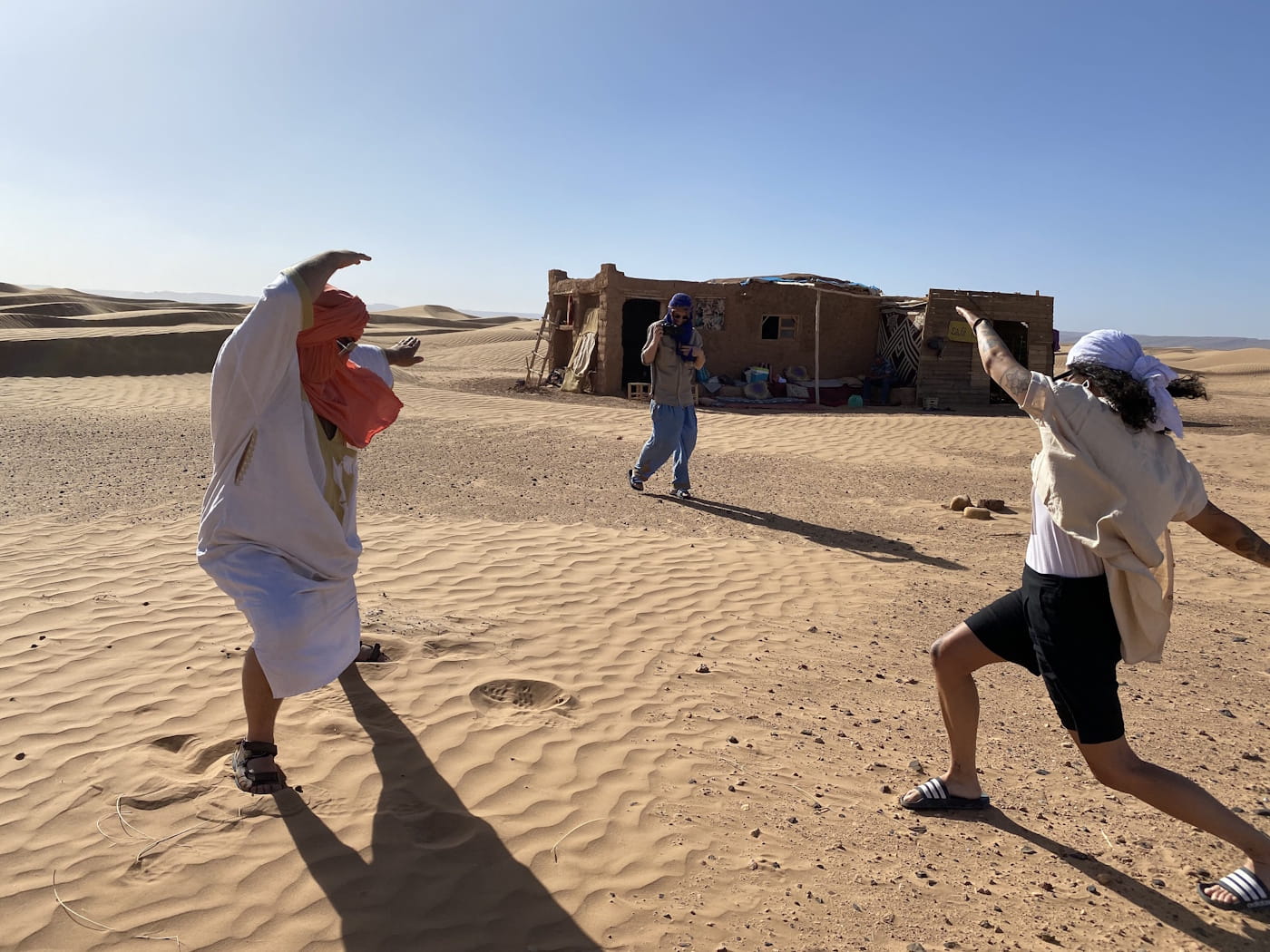
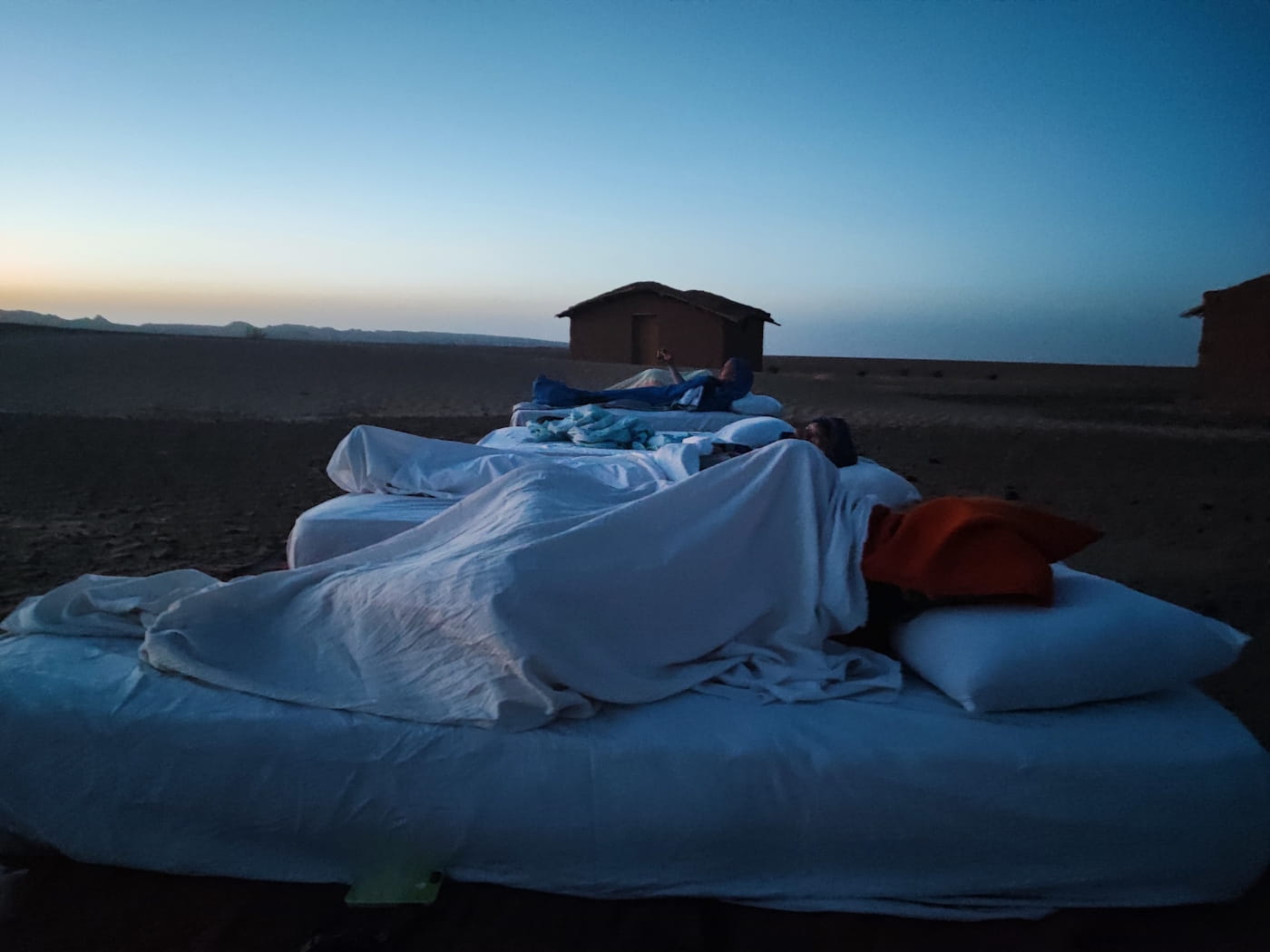
A sandstorm rolls through a village in southern Morocco. The air is thick with particles. Carlos Ibarra — the composer behind Gothenburg-based project Maulén — takes an inhale through his mouth and feels sand coat his tongue. Through the haze, women in traditional black dresses move like silhouettes from another planet. Two days later, a tiny amount of rain falls and the village erupts in celebration.
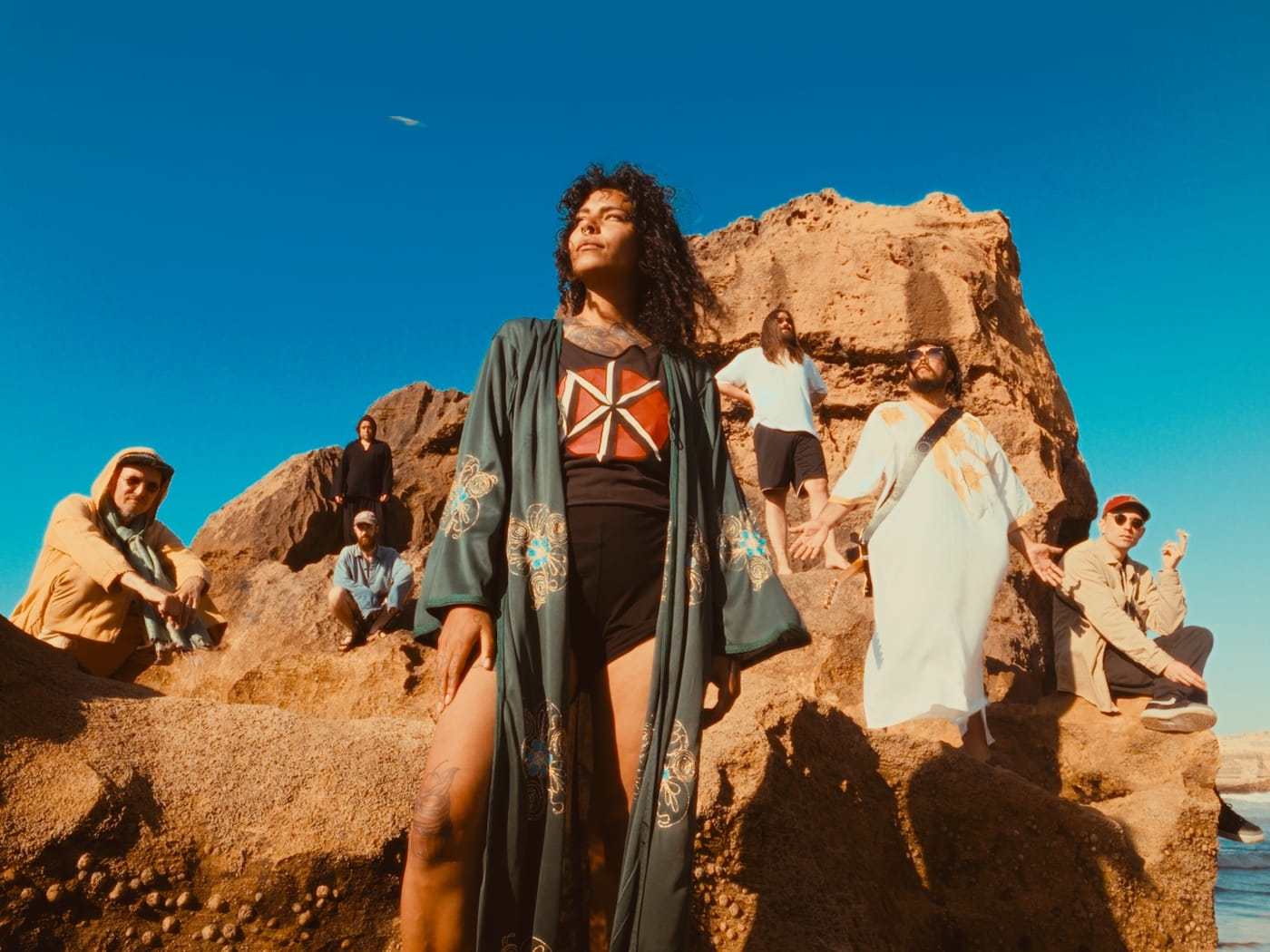
This is the kind of moment that sits inside “Enta Omry,” Maulén’s debut full-length album, out today on Icons Creating Evil Art. A single, uninterrupted 57-minute composition — a reinterpretation of the iconic song by Egyptian singer Oum Kulthum — recorded across villages and towns in Morocco over 30 days in 2022. It’s split into four movements: “Kroppefjäll,” “Tigmi Ozro Tafrawt,” “As-Sawira,” and “Tagounite.” It’s also the project’s first release recorded entirely in Dolby Atmos.
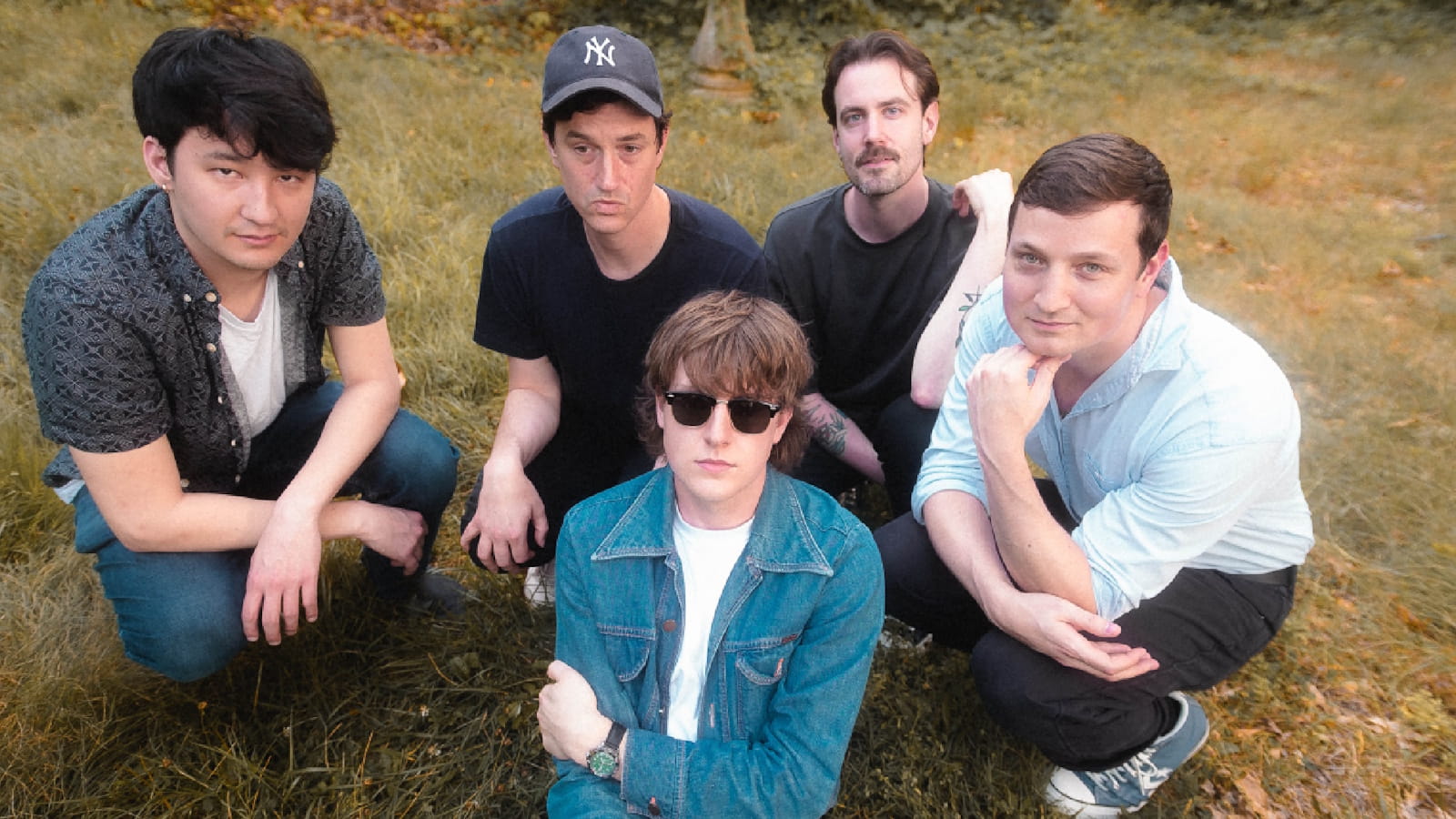
Maulén has been an IDIOTEQ featured artist before — but as a solo act. “Enta Omry” is the first time the full band steps into frame.
Sand on your tongue, music in the now
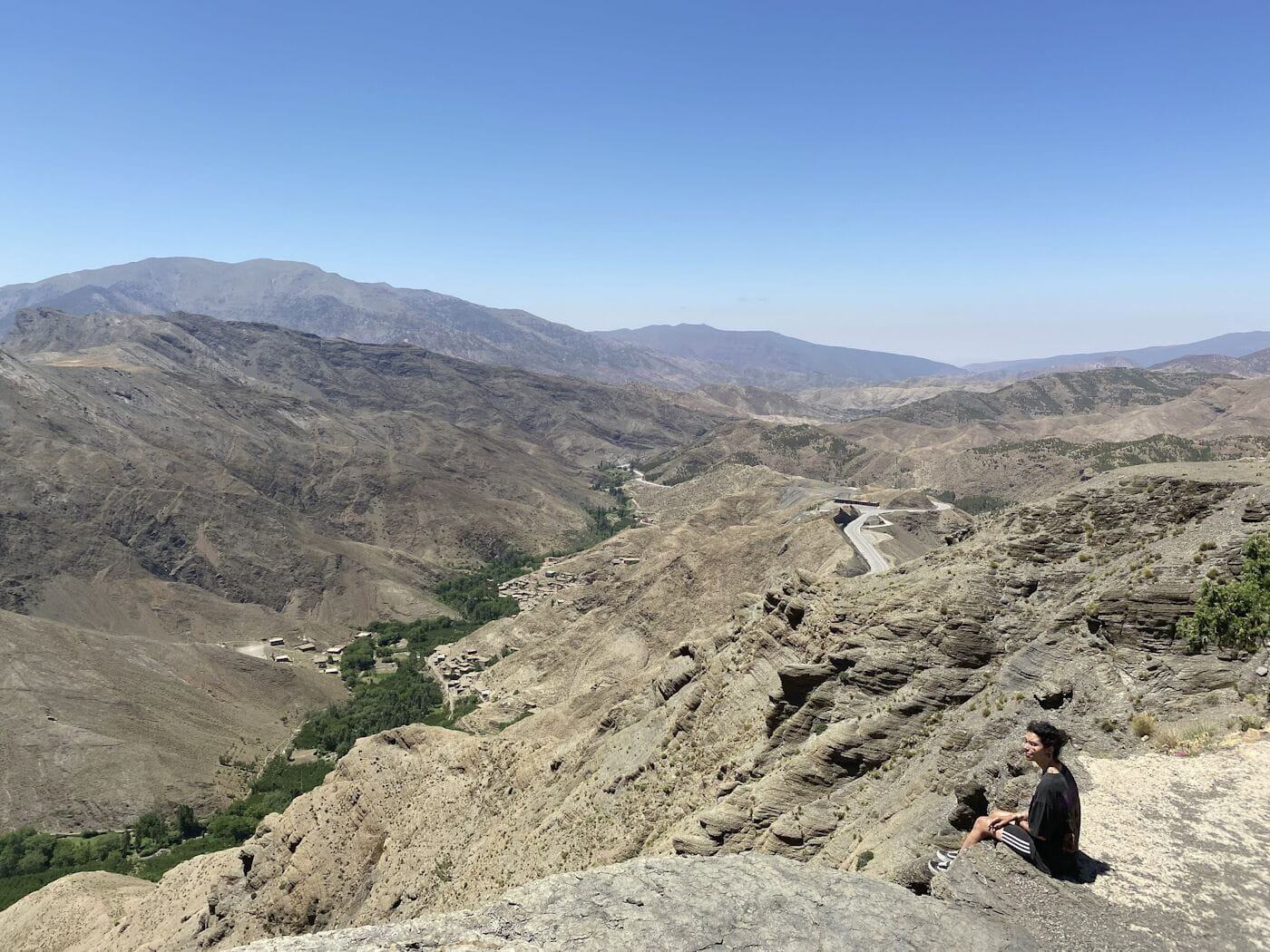
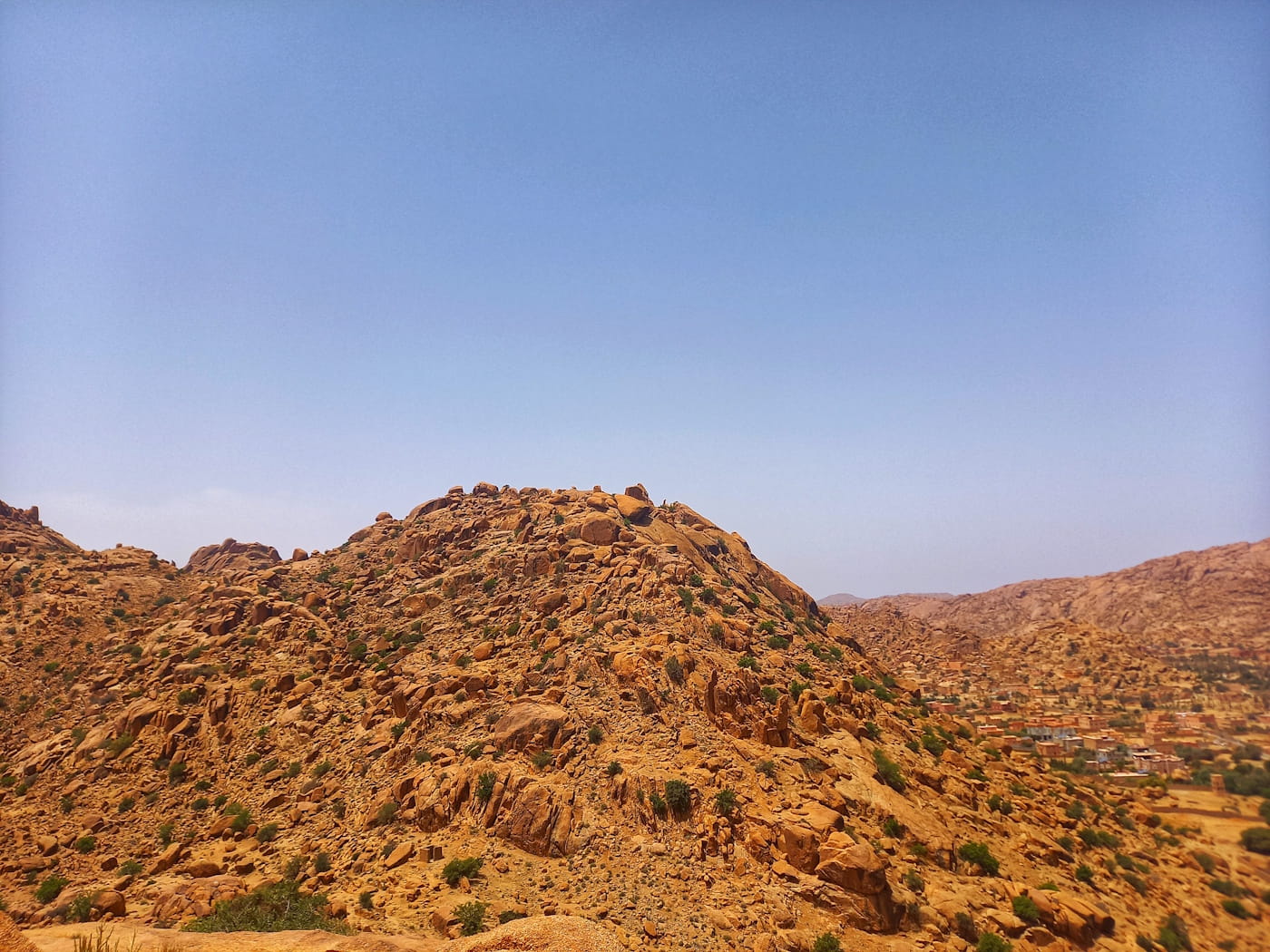
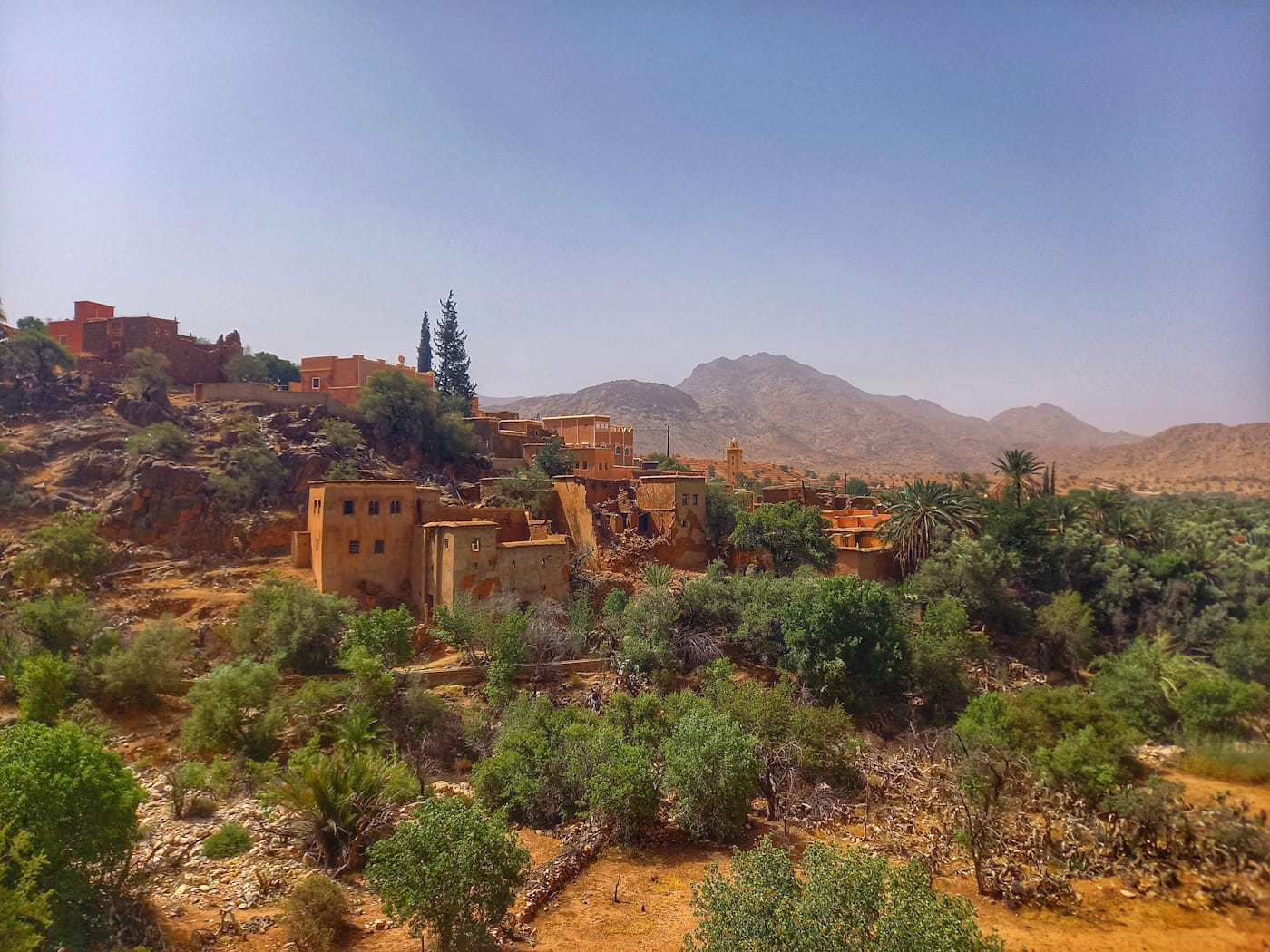
The whole thing started with a bus ride. In 2015, Ibarra heard “Enta Omri” by Oum Kulthum for the first time while traveling to a village called Tafraout in southern Morocco. He got stuck there, listening to the song on repeat, looking at mountains, captivated by a place that had no tourist attractions, no spectacle — just people living.
“It’s not like a place where there’s a lot of stuff going on or tourist attractions. No, it’s just a place where people live and it’s a beautiful place and it did something to me.”
The idea to bring a band to Morocco and record a reinterpretation of the song took root then, but it took a decade to actually do it. Part of the reason was practical. The other part was stranger — Ibarra wanted to confirm his own sanity. He could never explain what was special about the village. He just felt it.
“There was a part of me that just wanted to confirm my sanity, because I could never explain what was special about this village. I just felt it, that it changed me from the first time I was there. Just made me just turn slightly to a different perspective of things. And I wanted to take my friends with me there to see, do you see this also or am I just nuts?”
They saw it too.
Music only exists in the moment you play it
Ibarra talks about music as something fundamentally different from a painting or a sculpture. A painting, once finished, exists. Music — even recorded — only happens in the moment you press play. When the song stops, it’s a piece of plastic. Or a file on a hard drive. This means music is always in the now.
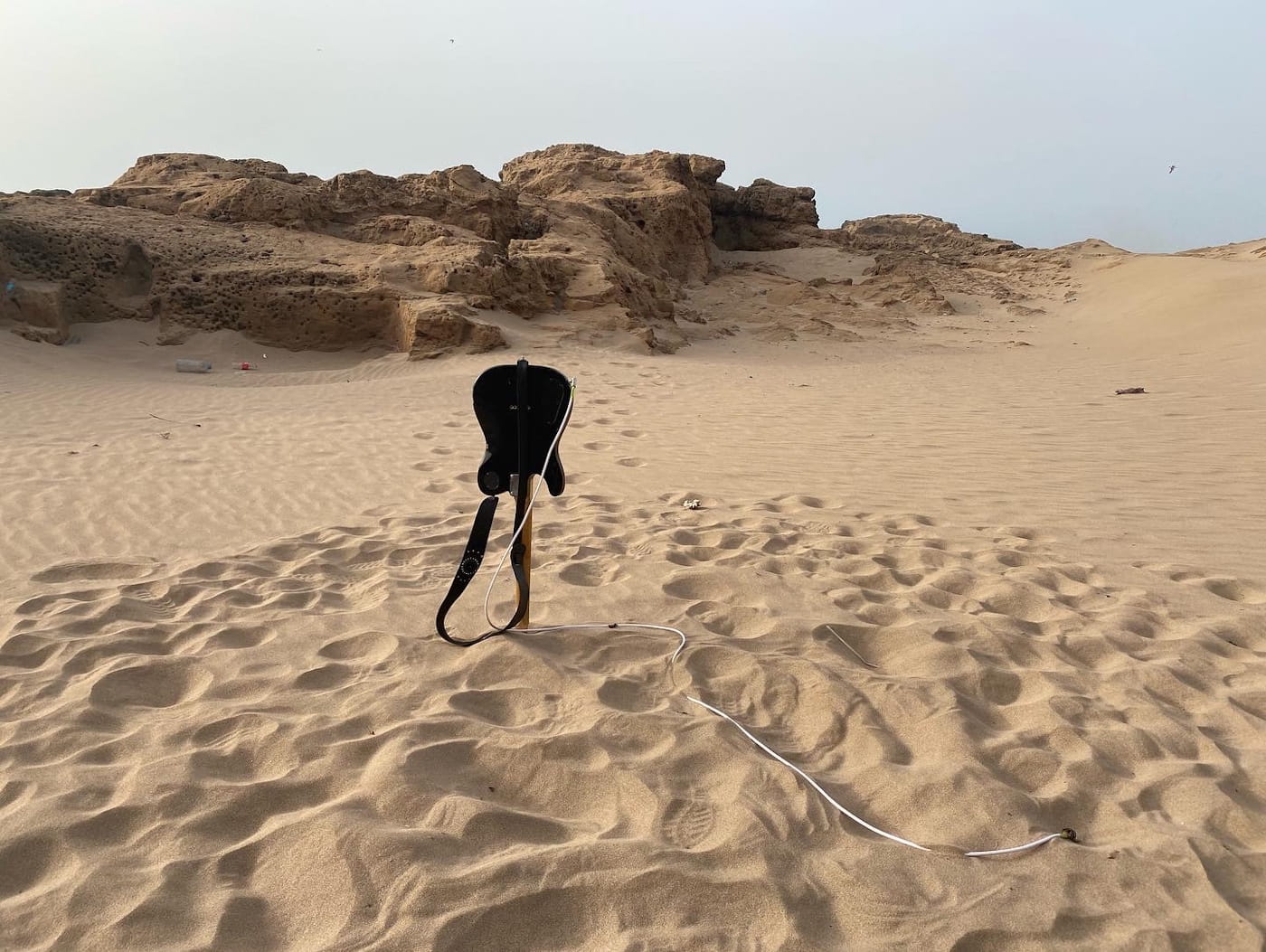
“Recorded music is about capturing moments. And when you capture a moment, inadvertently, you also capture a place. And the more you go and think about it, the more the place matters.”
He cites Nine Inch Nails recording “The Downward Spiral” in the Tate house, where the Manson clan committed the Sharon Tate murder. Everyone in the room knew what had happened there 25 years earlier, and that knowledge became part of the sound. Led Zeppelin recording in the British countryside, setting up the drum kit on some stairs in a house that captured John Bonham’s playing in a way no studio could — the place, not just the gear, creating the sound.
And then there’s Victor Jara, the Chilean folk singer Ibarra describes as enormously important to him personally. These references aren’t dropped casually. They map a specific lineage: music inseparable from where it’s made and the conditions it’s made under.
Wyświetl ten post na Instagramie
A grain storage building in Sweden, a water cistern full of rats
Before Morocco, Ibarra had already tested the theory. The first experiment happened around 2012-2013, when his previous band recorded with Lennart Östlund — the engineer behind the last Led Zeppelin album, among many others. Ibarra wanted to record live, which Östlund hadn’t done in a long time. Östlund suggested a location outside Stockholm: a 17th century estate in the Swedish countryside, about an hour and a half from the city. They recorded in a 200-year-old wooden grain storage building. No cell phone coverage. Beautiful nature. Middle of summer. Four days with Lennart.
“It really, really affected us and also the outcome of the album, and started going back to it’s not just what you do, what you play, it’s also where you do it, because the where affects.”
Later, Ibarra took the concept further underground — literally. In 2019, after a year of writing, he recorded in a subterranean water cistern abandoned for almost 100 years, located 20 meters under a small hill in Gothenburg. The space had natural reverbs up to 18 seconds long. It was also wet, cold, and full of rats and spiders, with limited electricity. Not many recording engineers would do it, but Carlos Sepulveda — known for work with Psycore and Leather Nun — was up for it. In four days, Sepulveda and drummer Stefan Johansson worked in that setting, recording what would eventually become Maulén’s debut EP “El miedo de amar pero igual lo hago” — which translates to “The fear of falling in love but I still do it.”
After the recording, Ibarra traveled to the Thar desert in India to write lyrics, only to get stuck there during the outbreak of Covid-19. The isolation became fuel for the writing. The record touches on loss, heritage, and the feeling of belonging or not belonging, with lyrics in Spanish, Polish, Arabic, Persian, and French.
The name Maulén
The project name itself carries weight. Maulén is the surname of Ibarra’s grandmother, a member of the Mapuche people in Chile. It means “a wet valley.” It’s also his real family name. The project collaborates with a rotating cast of musicians, built on what Ibarra describes as asking people he admired if they wanted to do something. Their response, in his words:
“Sounds fucking nuts, let’s do it.”

Tafraout: duct tape, hairdryer wind, and kids listening from below
June 2022. Seven people land in Marrakesh and face a seven-hour cab ride through the night to Tafraout. The driver is, by Ibarra’s account, dangerously fast — enough to traumatize some band members, though Ibarra, used to Moroccan driving, didn’t initially notice. He had to tell the driver to slow down.
They arrived at a small house on what looks like a hill but is actually a mountaintop, five minutes’ walk outside the village — the same house where Ibarra had spent a week listening to “Enta Omri” a decade earlier. The sun came up. It was getting hot. They went to bed.
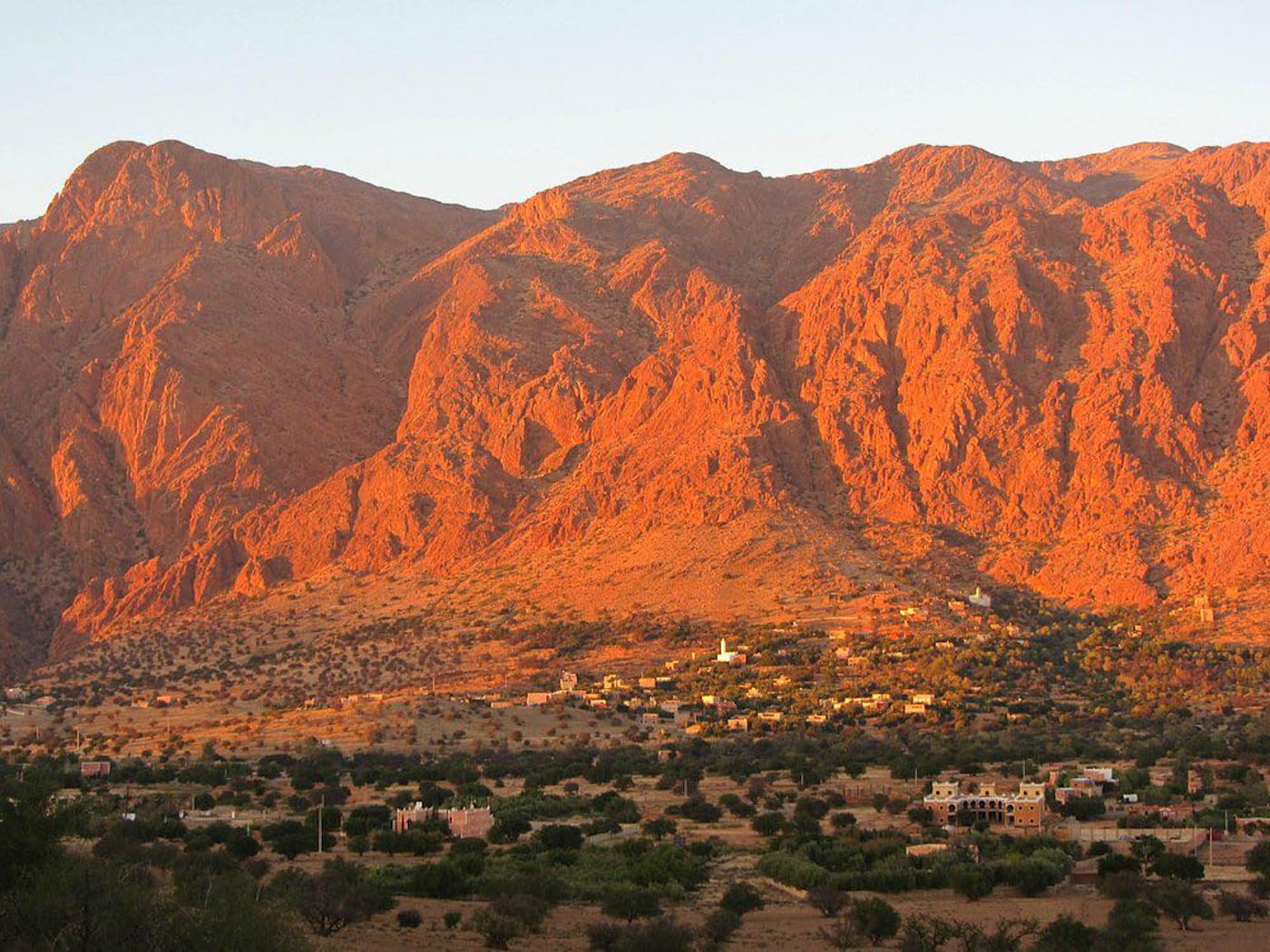
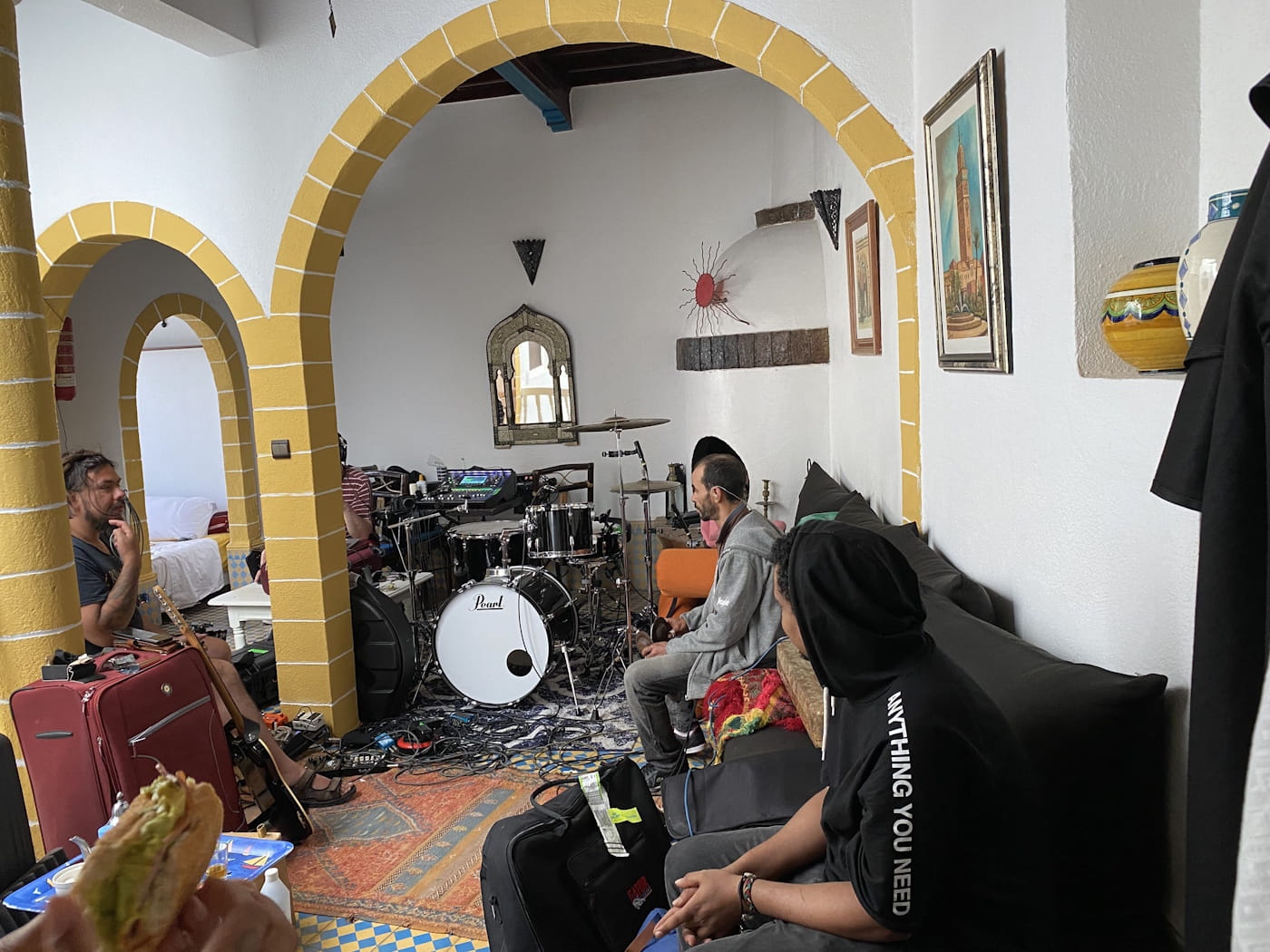
The first days were about acclimatizing. The heat in Tafraout was severe, and the wind made it worse — when the breeze came, it felt like a hairdryer in your face. They set up gear in the downstairs apartment, duct-taped microphones to the roof. Equipment was minimal by touring standards: guitars, some pedals, no amps, a computer, and an Allen Heath 32-channel desk. A friend named Mustafa from Agadir helped secure a drum kit in Morocco.
They quickly discovered that after 11 a.m. it was too hot to do anything. So the schedule shifted: up before six, breakfast served by Bushra and the hosts at the house called Tigmi Ozro, then work until noon. Lunch, naps, people swimming in a nearby hotel pool that locals could also use. Then back to work at night.
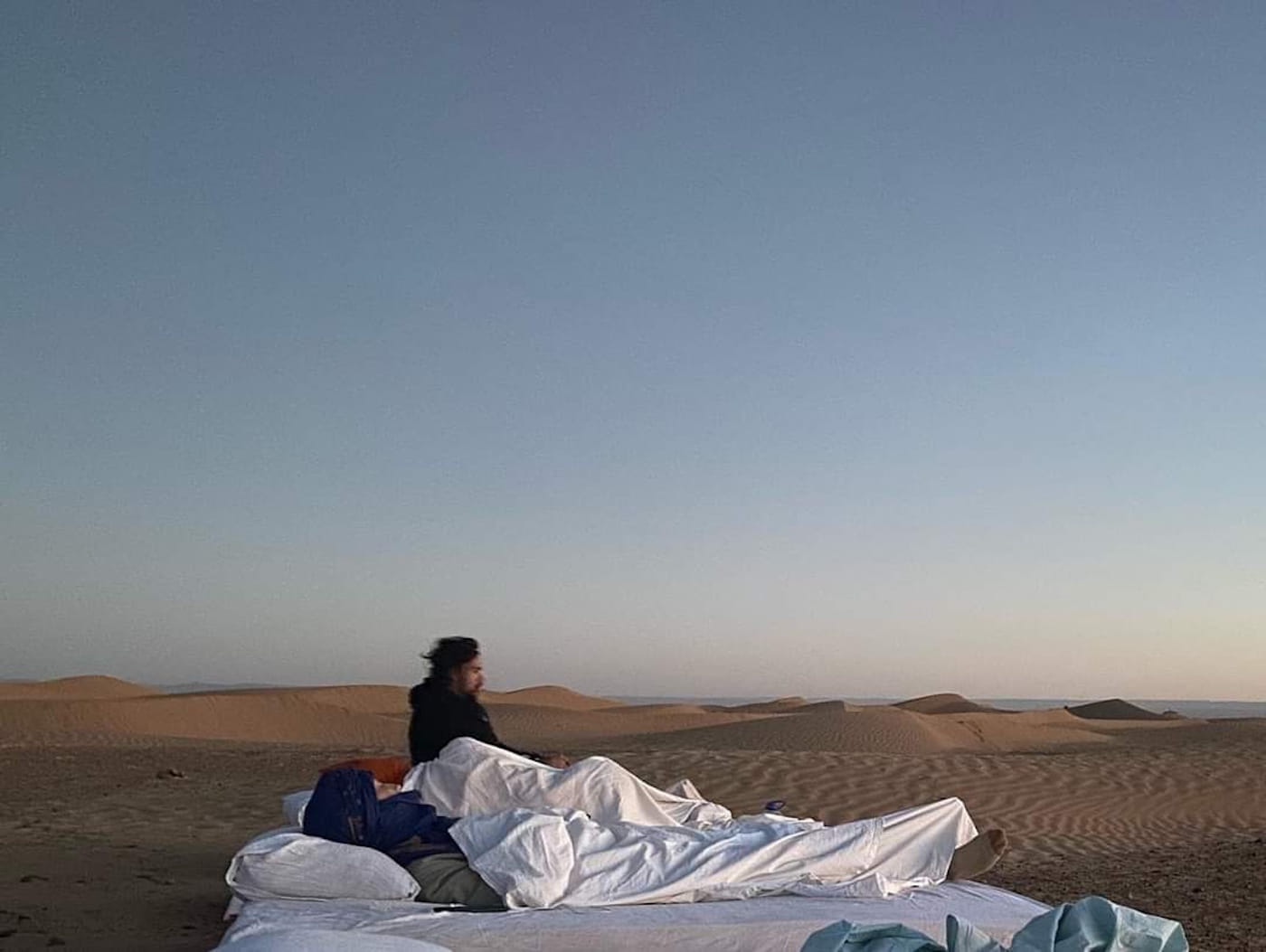
The evening sessions became something else entirely. Singer Lea started recording vocals on the roof terrace after sunset, when a cool breeze finally came over town. At first she wasn’t sure about it — doing vocals is personal, and this was open air with kids running around outside, dogs, cats, maybe a wild boar. But the sound bounced off the little hill behind the house, creating a natural reverb. Kids in the street would pause, look up, listen for a moment, then go back to what they were doing.
“To put it in her own words, she kind of said, this is where I found my voice for real. It was in Tafraout.”
That workflow held for about eight or nine days. Live takes downstairs, vocals upstairs at night. The circumstances were hard and beautiful at the same time.
Essaouira: pants again, and a plan that wasn’t one
After roughly a week, the heat started seriously getting to drummer Stefan Johansson — a guy from northern Sweden who wears shorts at 12 degrees. He did what Ibarra calls “a kick-ass job,” but it was clear they needed to move somewhere cooler.
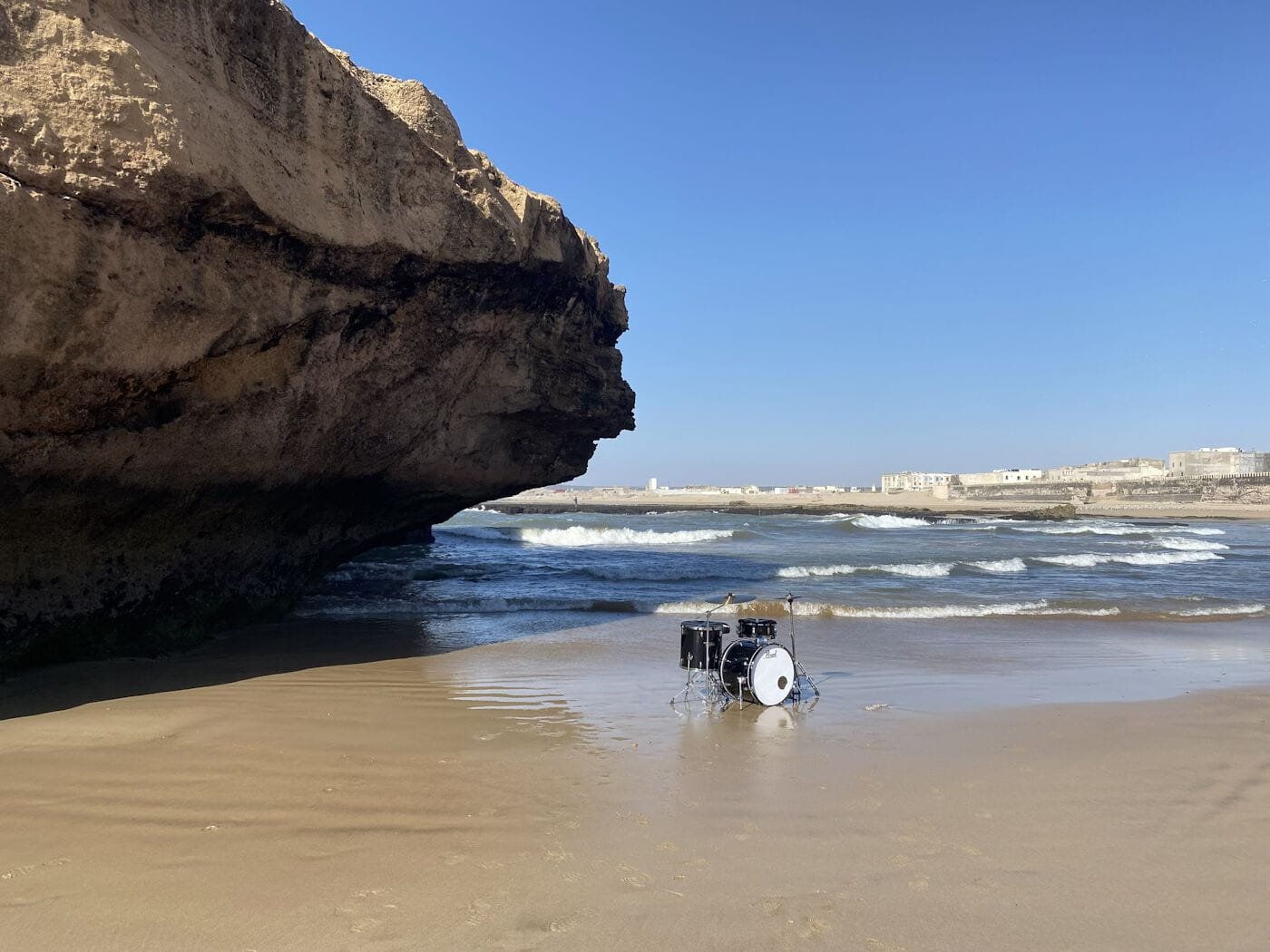
Ibarra sent messages to friends in Essaouira, a coastal city with deep musical roots tied to the Gnawa tradition — and a darker history as a slave port, one of many on Africa’s western coast from which enslaved people were shipped to the Americas. A bass player and guitar player friend there connected him with a woman who had a house for rent. She showed photos, it looked good. Two days later, they were in cabs heading for a seven-hour drive from Tafraout to Essaouira — down the mountain, then following the coast from Agadir.
“It’s a beautiful country to road trip in when it’s not dark, because it’s always something to watch and always leaves you with a sentiment.”
Essaouira was cooler. They could wear pants again. The house was two or three stories, with a big living room for recording and a terrace for additional takes. The band had assumed Ibarra had organized musician collaborations in what he calls “a Swedish fashion” — with plans and structure. He had not. Things in Morocco, as he describes it, happen on the fly. You meet people and it takes you on different paths.
Struggle as sound
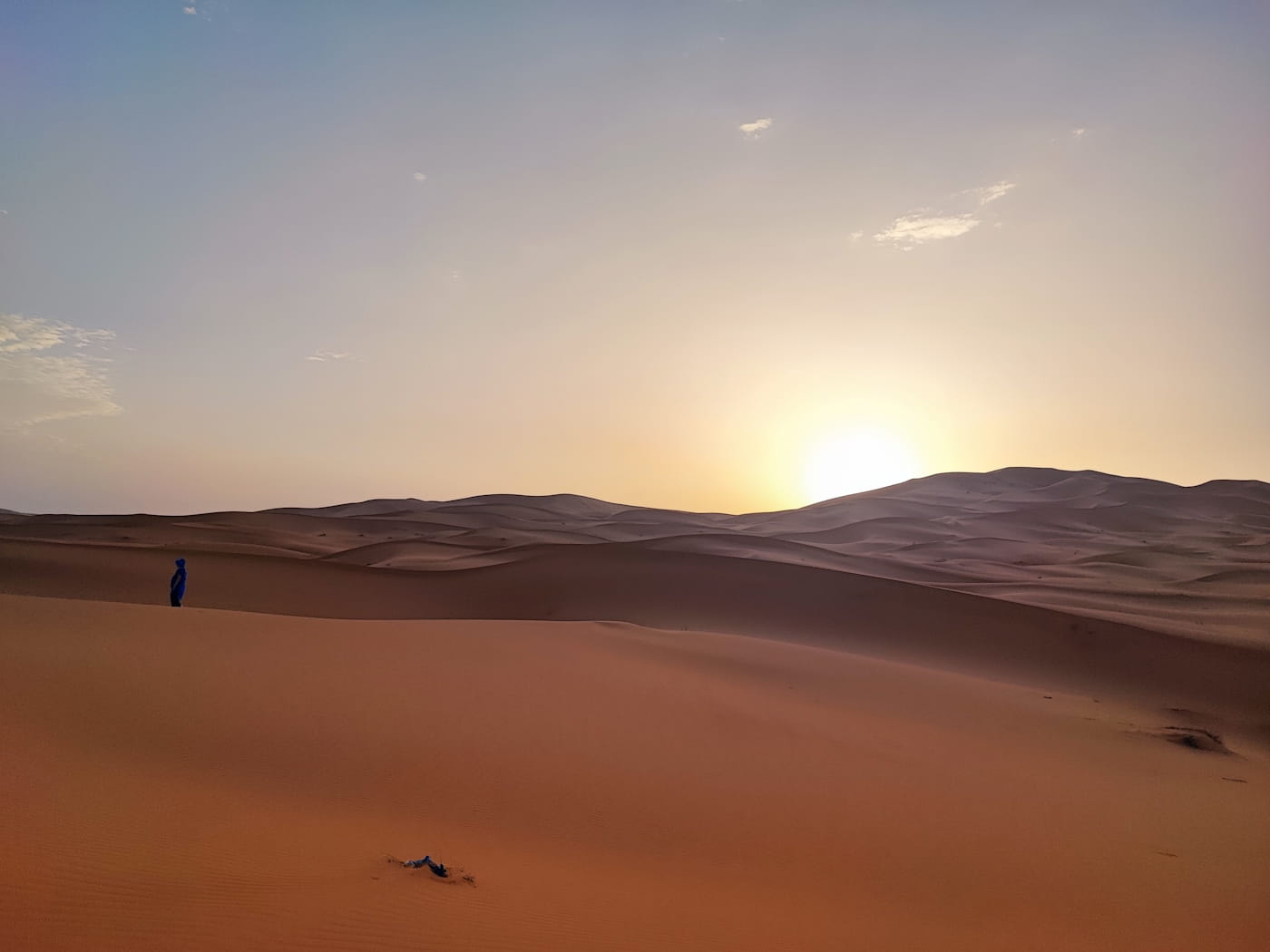
There’s a thread running through all of this that Ibarra keeps returning to: the relationship between struggle and the sound that comes out. He talks about Jimmy Page — not as a technical virtuoso, but as someone who messes up and lets you hear the struggle. That’s the emotion. The physical reality of freezing, or being fried by heat, or recording on a rooftop with an audience of stray cats and children — all of that shapes what comes through the speakers.
“A lot of times when you hear a lot of my favorite musicians, it doesn’t matter if it’s drummers or singers or whatever, it’s always the projection of some sort of struggle they’re in. Not just emotional and internal, but it can be physically in the moment that I’m freezing or it’s hot.”
“Enta Omry” is 57 minutes of that philosophy put into practice. Seven people, 30 days in Morocco, a single composition shaped by sandstorms, hairdryer wind, rooftop reverb, and the kind of experiences that don’t happen when you book studio time in a city. Whether or not the record captures exactly what Ibarra felt on that bus in 2015 is beside the point. What it does capture is a specific 30 days in the lives of seven people who said yes to something unreasonable.
“30 days that changed all of our lives.”
Background
Carlos Ibarra started as a guitarist and songwriter in local bands before gaining recognition across the European metal and punk scene as guitarist, songwriter, and producer of death metal act Age of Woe. He recorded two albums and two EPs with them — “Inhumanform” (Suicide Records, 2013) and “An Ill Wind Blowing” (War-Anthem, 2016). He has also released stuff with Terrorstat (featuring members of Walk Through Fire and Serpent Omega) and Wefring (with members of the Leather Nun, Exhale, and Psycore, among others).
In 2021, Maulén was awarded an artist residency by the region of Västra Götaland to begin work on the second album. In 2022, the project signed a worldwide deal with Icons Creating Evil Art. “Enta Omry” — out now — marks the first full-length release under that deal.
“Enta Omry” is available now via Bandcamp and all streaming platforms. Previous Maulén coverage on IDIOTEQ can be found here.