
The third single from Omoiyari’s debut album lands with the same wired tension that ran through “Forget my face” and “Bleed,” but “Hollow Faces” works on a different emotional frequency. It moves fast, stays sharp, and carries that frantic, hook-driven energy the project has been building, yet the tone leans less toward an explosion and more toward exhale. El Tyler calls it “cathartic release,” a way of dragging long-buried weight into daylight rather than just firing back at it.
Tyler frames the lyrics as a direct look at living with psychotic conditions and the surrounding stigma. They explain that recording it “almost felt like a therapy session. Like getting stuff off my chest that’s been sat there for too long.” The digital anxiety that shaped earlier work remains here, but it sits inside a broader meditation on honesty—what it means to say things plainly without contorting yourself to fit a genre voice. “It’s really easy to fall into the trap of worrying about being too honest or writing in a certain voice for certain genres but it’s pointless at the end of the day,” they say. “You just gotta say your piece and use your words, the right people will appreciate it.”
From the start, Omoiyari has been Tyler’s space to speak freely. “I’ve had a lot of shit to say for a long time, and now I have a place to say it,” they explain. The project borrows its name from a Japanese concept of selfless compassion—something Tyler ties back to growing up around Japanese lodgers—and twists it into an internal practice. Being kind to others is one thing; being kind to yourself enough to actually express emotion is the harder version. “I’m done with being stifled. I’m done with being quiet. This is me literally screaming ‘I am human. And to be human is enough.’”
That ongoing fight with virtual identity and algorithms sits underneath almost everything. Tyler describes a quiet pressure to meet some accepted standard—how music should sound, how output should look, when and how success is supposed to arrive. Omoiyari pushes in the opposite direction. “It isn’t just a band or a business or something marketable. It’s a movement. And if that movement moves one person, then it’s worked.”
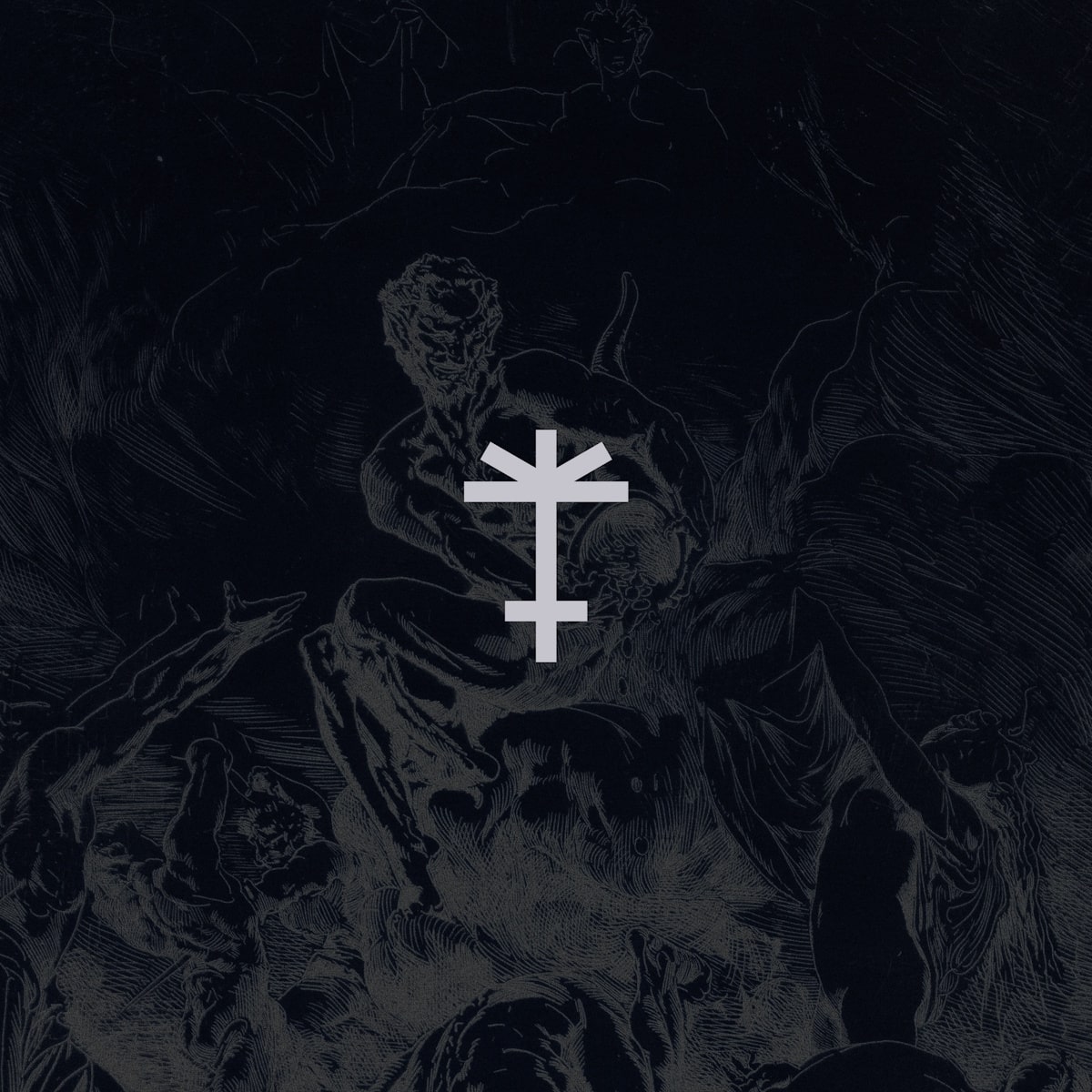
“Hollow Faces” folds directly into the larger architecture of the album, “The View from Halfway Down.” The title carries two intertwined readings: the moment of clarity when it’s too late to turn back, and the Icarus-like realization of having flown too close to the sun. Tyler is drawn to the newer take on Icarus smiling on the way down—because even if the wings melted, he flew. They describe their own version of a fall, seeing a platform disappear in a previous band and recognizing that shift long before it happened. “The waxen wings melted if you will.” That duality—regret, anger, relief—threads through the record.
The imagery of falling into water repeats throughout Tyler’s writing, including in “Hollow faces.” They point directly to the line “I feel the tide it laps my spine / and leaves me drowning in demise” as an intentional reference to the Icarian Sea. The story becomes a way to talk about ambition, risk, and refusing to shrink. “Maybe the moral of Icarus’ story is to know your limits, but I say fuck that. That’s what I’m trying to do with this album, keep pushing myself to my limits and beyond because I can.”
View this post on Instagram
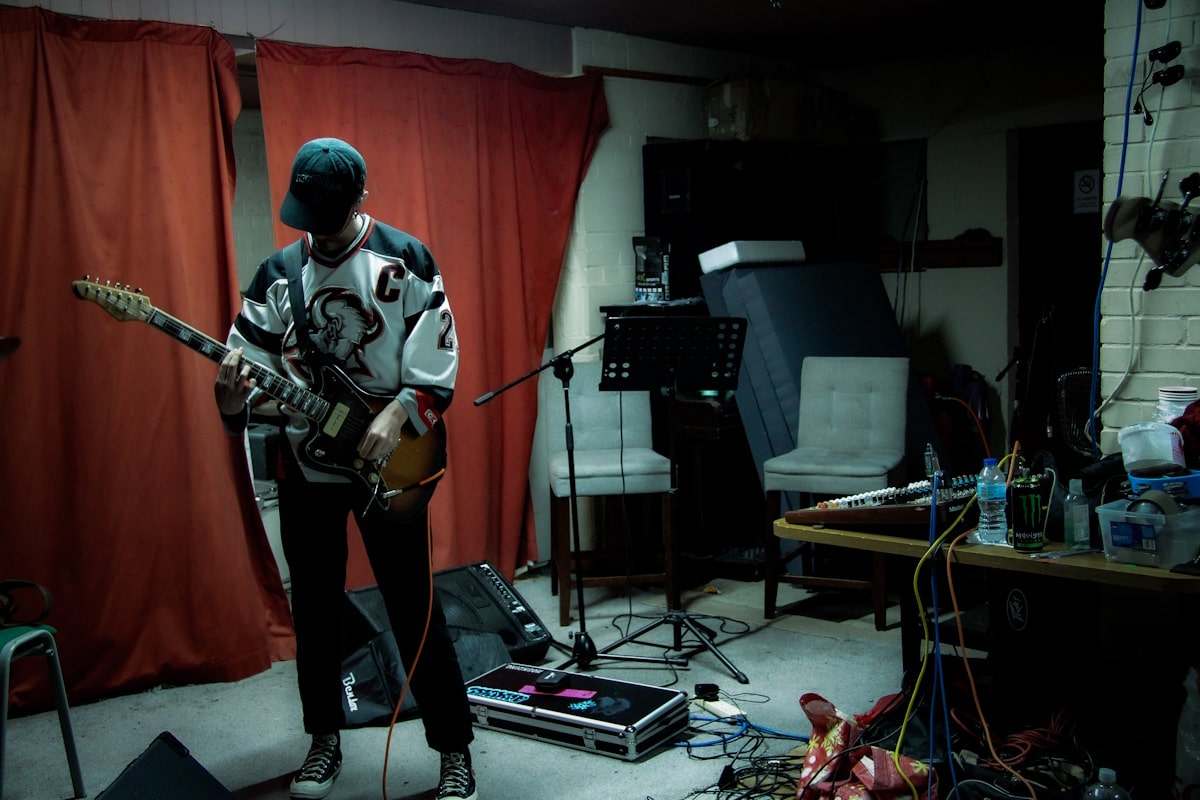
The album has been forming across several years. It began as a more rigid concept about digital suffocation and algorithm worship, but the idea eventually trapped Tyler instead of freeing them. Stepping out of that framework—just saying “Hey. This is how I feel”—let the writing finally move. Removing their identity from the project became a crucial part of that shift. “By trying to delete every trace of my face from Omoiyari, it’s actually allowed me to put more of myself into the lyrics and music.” If the project goes live next year, the plan is to use masks and keep a thin distance between Tyler and the persona onstage. That small veil makes an unexpected difference: “I feel I can be more confident, more honest and raw, and more unapologetic.”
The tension between physical limitation and artistic voice has shaped this period too. Tyler’s sinus issues forced a complete rebuild of their vocal technique. The loss hit hard: “Music is my voice and my platform, and suddenly my body decided enough was enough.” That clarity—from losing something central—became another version of the “view from halfway down.” Relearning how to scream safely made the newer tracks diverge from the older ones; “Forget my face” features a noticeably different tone, something Tyler had to accept as part of the project’s story.
On “Hollow Faces,” they leaned into a “more trashy Norma Jean style,” while other album tracks sit tighter and cleaner. That variation carries into the production. Tyler avoids polished edges and instead builds something intentionally loud, compressed, distorted, and rough around the corners. “I didn’t want it to sound refined,” they say. The single uses glitching vocal effects and small production details that don’t always reveal themselves on the first listen.
The lyrics follow the same approach—direct, unfiltered, and bent toward the psychological weight the song carries. Lines like “Another loop in the chain wrapped around my dying brain / Glitching in a rotting corpse, white noise in the decay” and “Phantoms afflicted and I see their hollow faces in the dark” sit next to the repeated spiral of “Try to run but you can’t hide / Twisting voices in my mind.” The imagery stays close to decay, looping thoughts, inner hauntings, and the sound of a mind picking apart its own machinery.
The broader record circles around those internal and external pressures—identity, illness, ambition, and the digital noise that makes everything feel flattened. Tyler has been writing, producing, and shaping the project independently, pushing into a unique production language while planning to bring the material live with a masked identity. The songs reflect that rawness and the adjustments forced by physical limits, artistic restlessness, and the urge to strip away expectation.
“Hollow Faces” carries all of that without overselling it. It’s another piece of an album built on self-interrogation and a refusal to obey the quiet rules of how heavy music “should” function. Tyler keeps the direction simple: keep pushing. Keep making the thing that feels honest. Let the movement move whoever it moves.