Four days in northern France, summer and autumn 2025, and “The Chaser” came out the other end without a single AI frame in it. The blood inside the American Ford van is SFX. The tracker device and the slaughter gun prop are homemade. Friends and family in front of the camera, most of them acting for the first time.
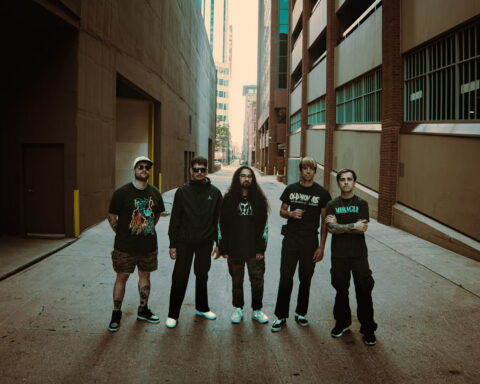
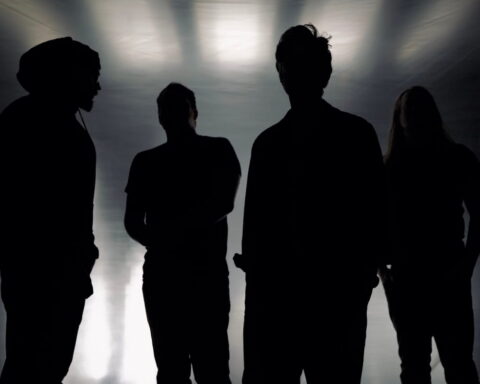
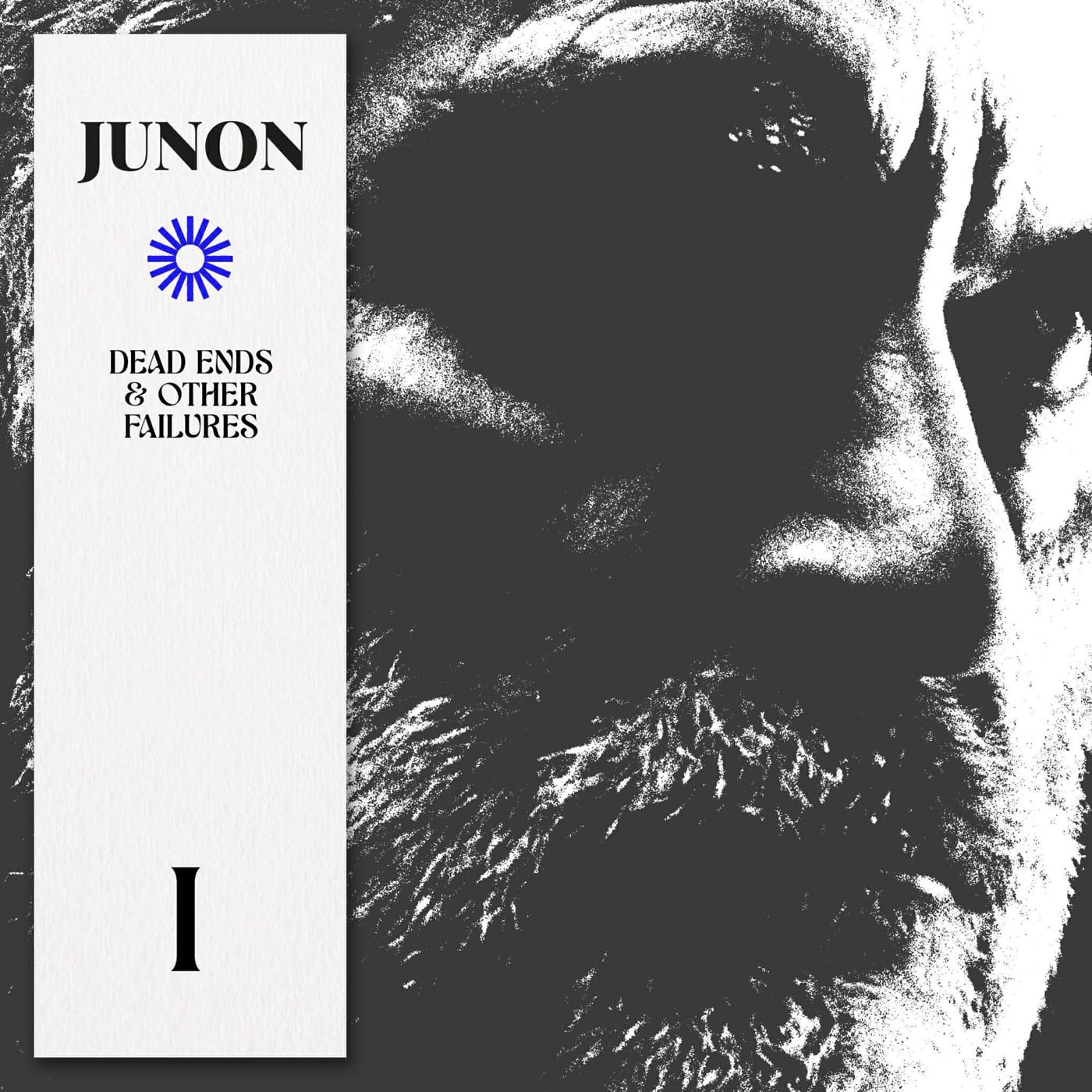
JUNON, the post-metal band from Lille whose 2024 debut “Dragging Bodies To The Fall” was recorded by Francis Caste and released via Source Atone Records, are back with the first piece of an EP trilogy planned across 2026 and 2027.
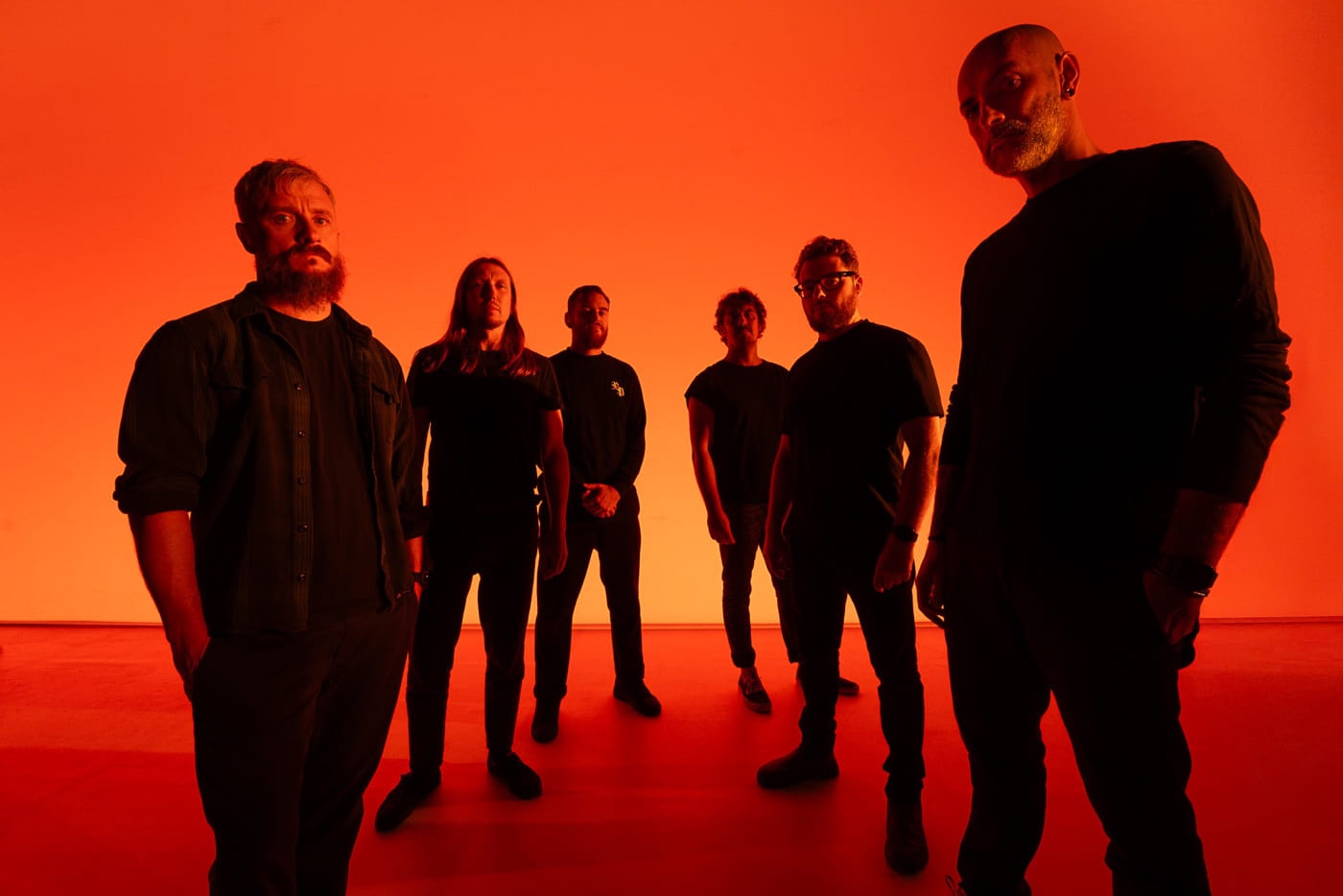
“Dead Ends & Other Failures – Part One” comes out today, May 1st. “The Chaser” landed on April 17th as the lead single, circling what Palmowski calls failure, escape, self-confrontation, and mortality.
The story itself is Coen-adjacent: a chase against an outside threat that’s also a chase against something internal.
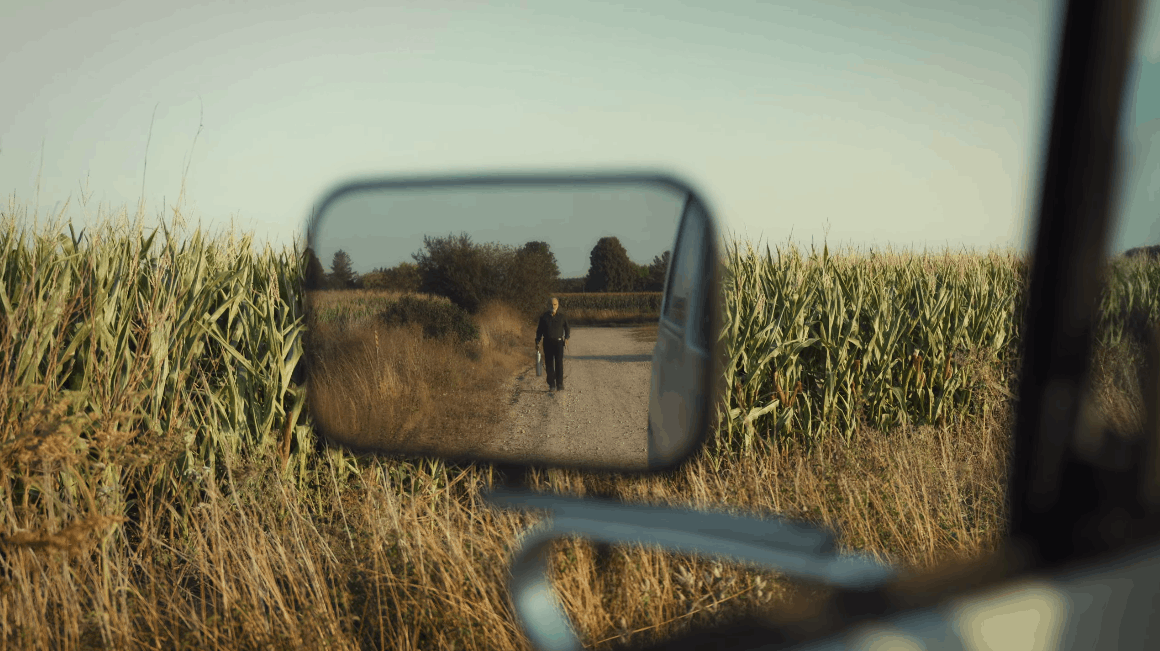
“A loose inspiration from No Country for Old Men, almost minimal, entirely serving the mood,” Palmowski says.
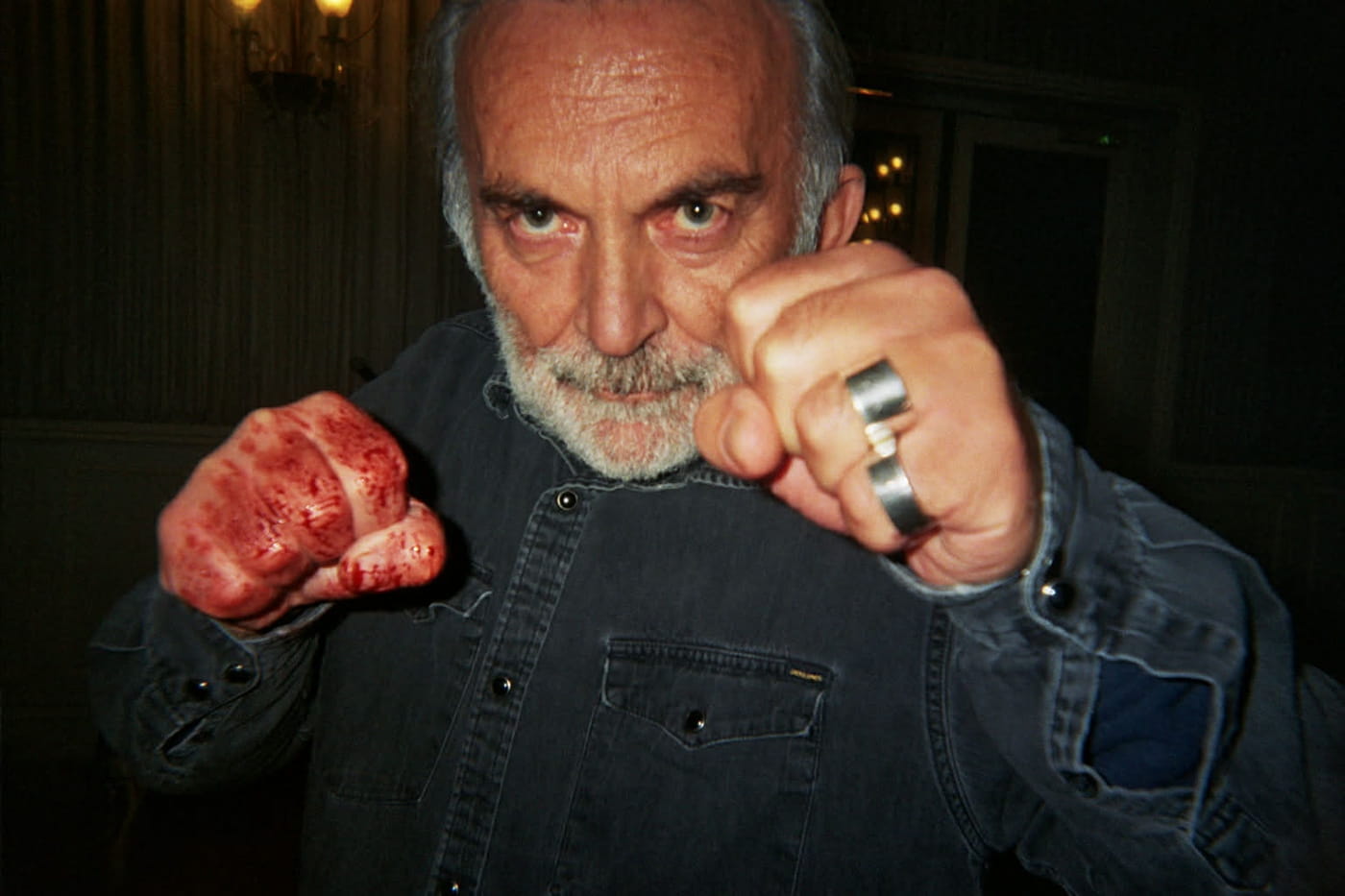
The band dropped an earlier plan for a single-take live performance and went narrative instead. On camera: friends and family, most of them acting for the first time. Behind it: directors Charles Masset and Thomas Ayrinhac with Charles Grenu on art direction.
Two outdoor days in August 2025, two indoor days that November. The first session was a cornfield in northern France with one non-negotiable condition — sun.
“Without it, the whole visual concept collapses.” Heat, dust, no shelter, no electricity, no permissions. Budget close to zero. Loïc Leclercq, originally brought in for lighting, ended up driving the Ford van and playing the first victim.
He doesn’t have a driving licence; his best takes came from rehearsals. Vasileios Malevitis took the killer role and brought, in Palmowski’s words, “exactly that cold, mechanical presence we were after.” At nightfall the crew moved to the Théâtre de Béthune for an arrival sequence that briefly drew police asking what was going on. The first session ended with a lift scene Palmowski tags as a Blade Runner reference.
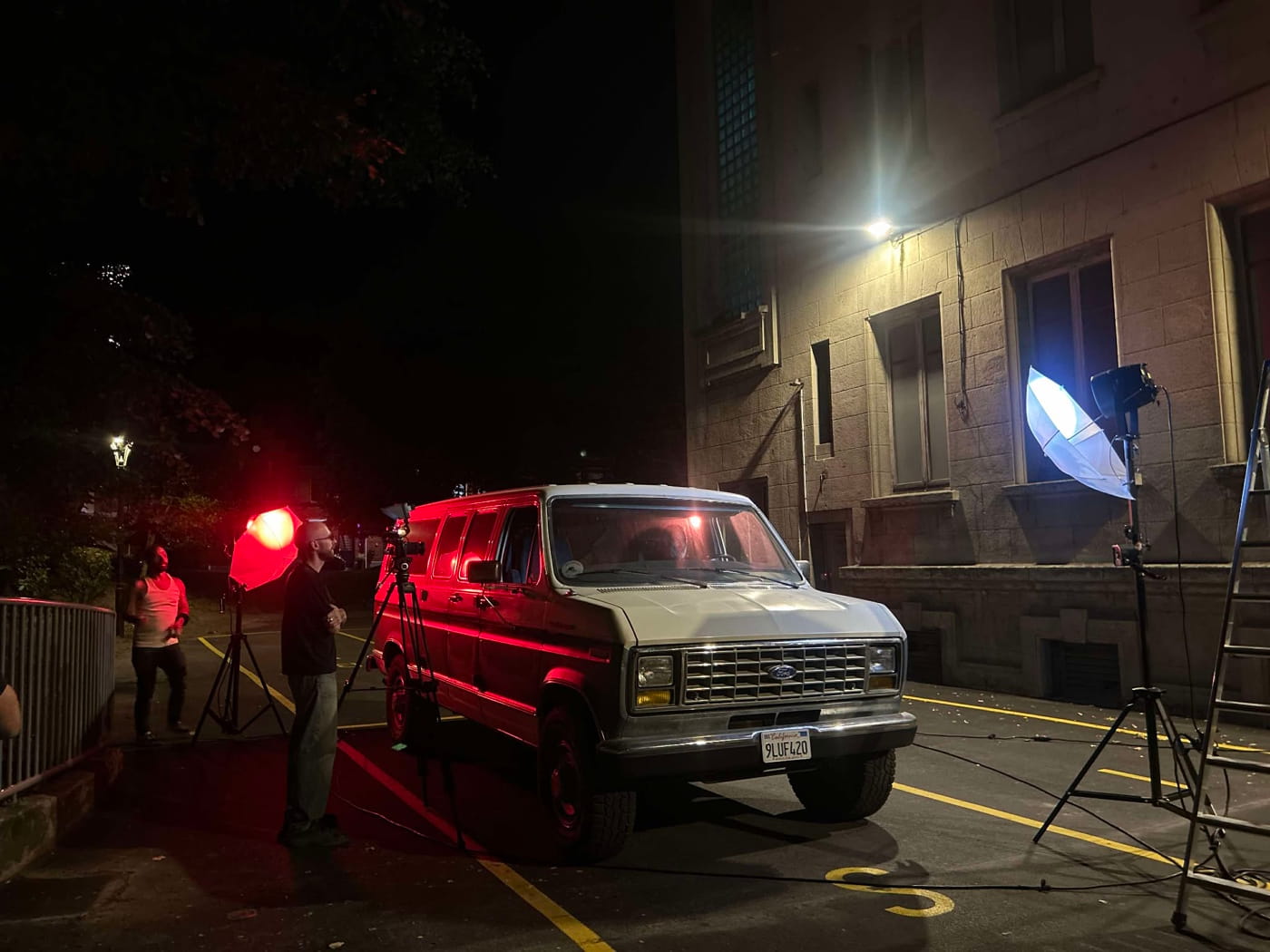
November brought the rest. Ayrinhac joined as assistant director, Grenu took on art direction and played the second and final victim.
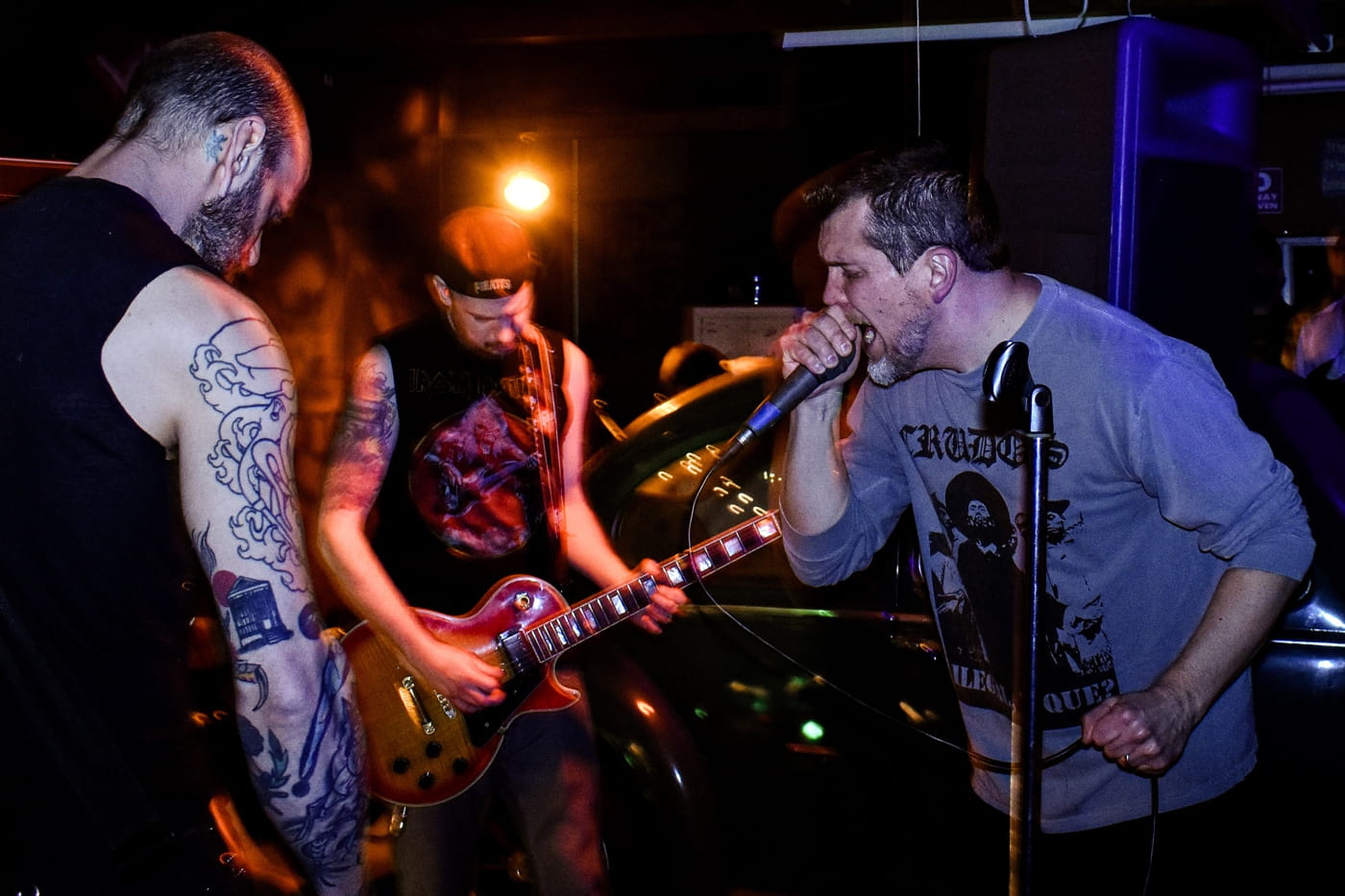
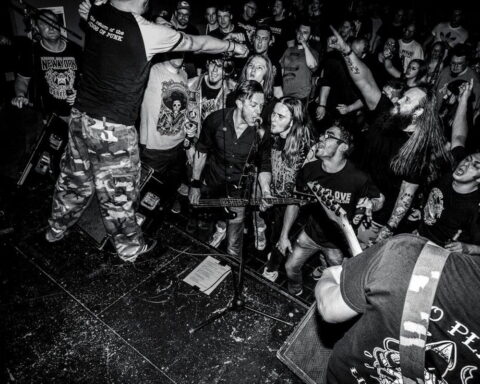
The team worked through playback, full band shots, solos, and duos — sometimes flooded with hard light, sometimes stripped to black and white, sometimes pulled into the bar atmosphere upstairs.
The most direct cinema lift in the piece is a backwards tracking shot that pulls out from a TV to reveal the killer. Palmowski points to The Shining, “when Danny and Wendy are quietly watching TV right before everything flips.”
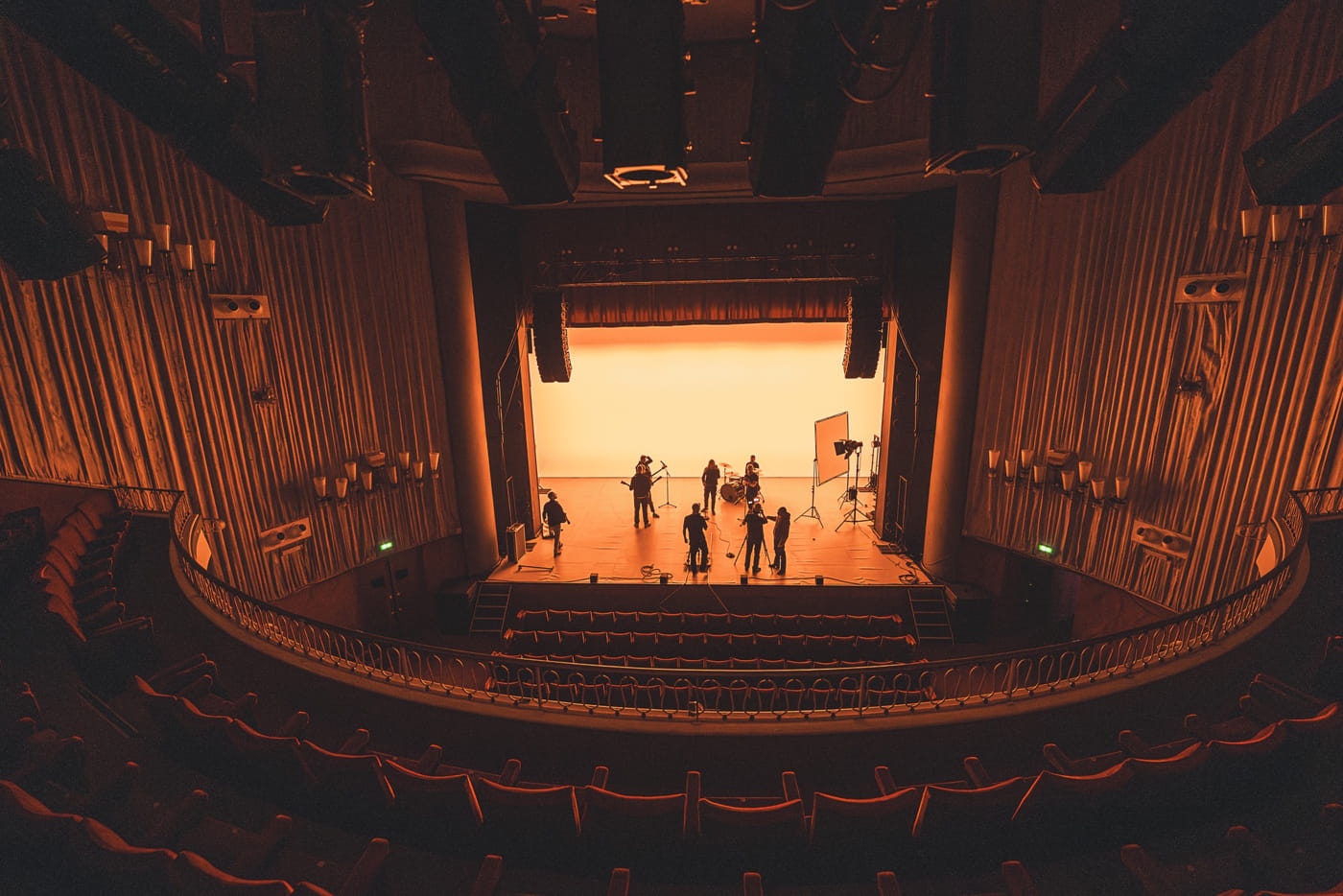
The fight scene is short on screen and long in the prep. The crew worked it out shot by shot: one impact landing on a light source, the rest filmed off-camera with the violence left to imagination. “Making a believable fight without stunt training is no joke,” Palmowski says. Vasileios kept laughing between takes; Grenu kept taking falls.
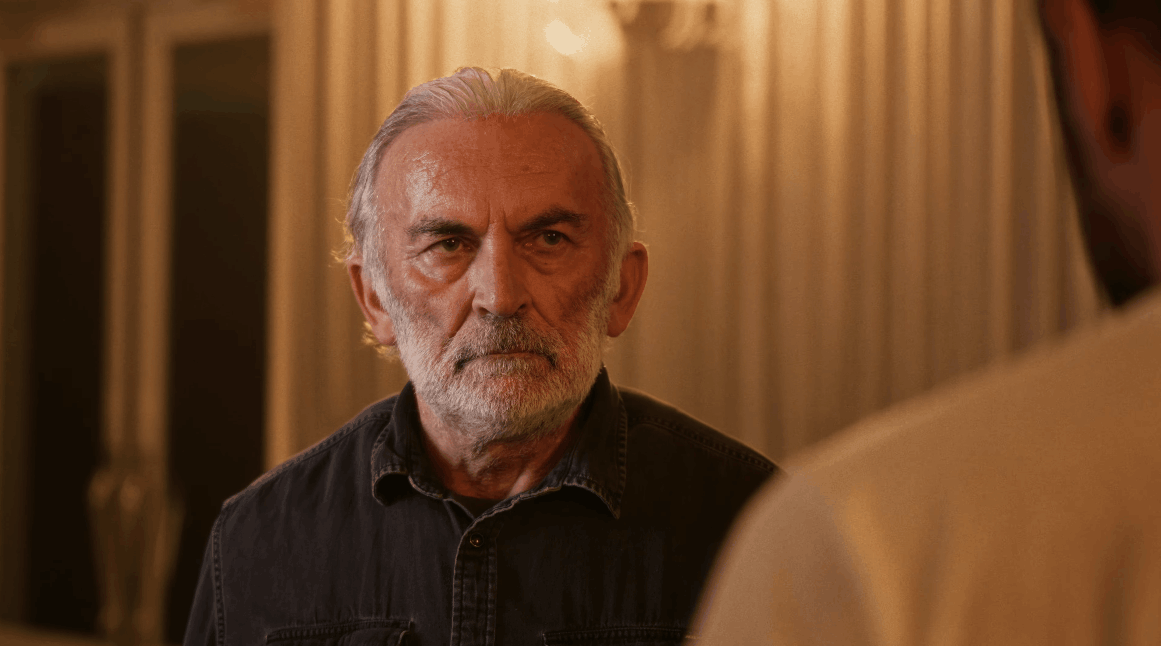
For Masset, the central problem was structural. “How do you mix cinematic storytelling with the raw energy of a live performance? At first it felt like two completely separate worlds. In the end, it became something more surreal, a coexistence.”
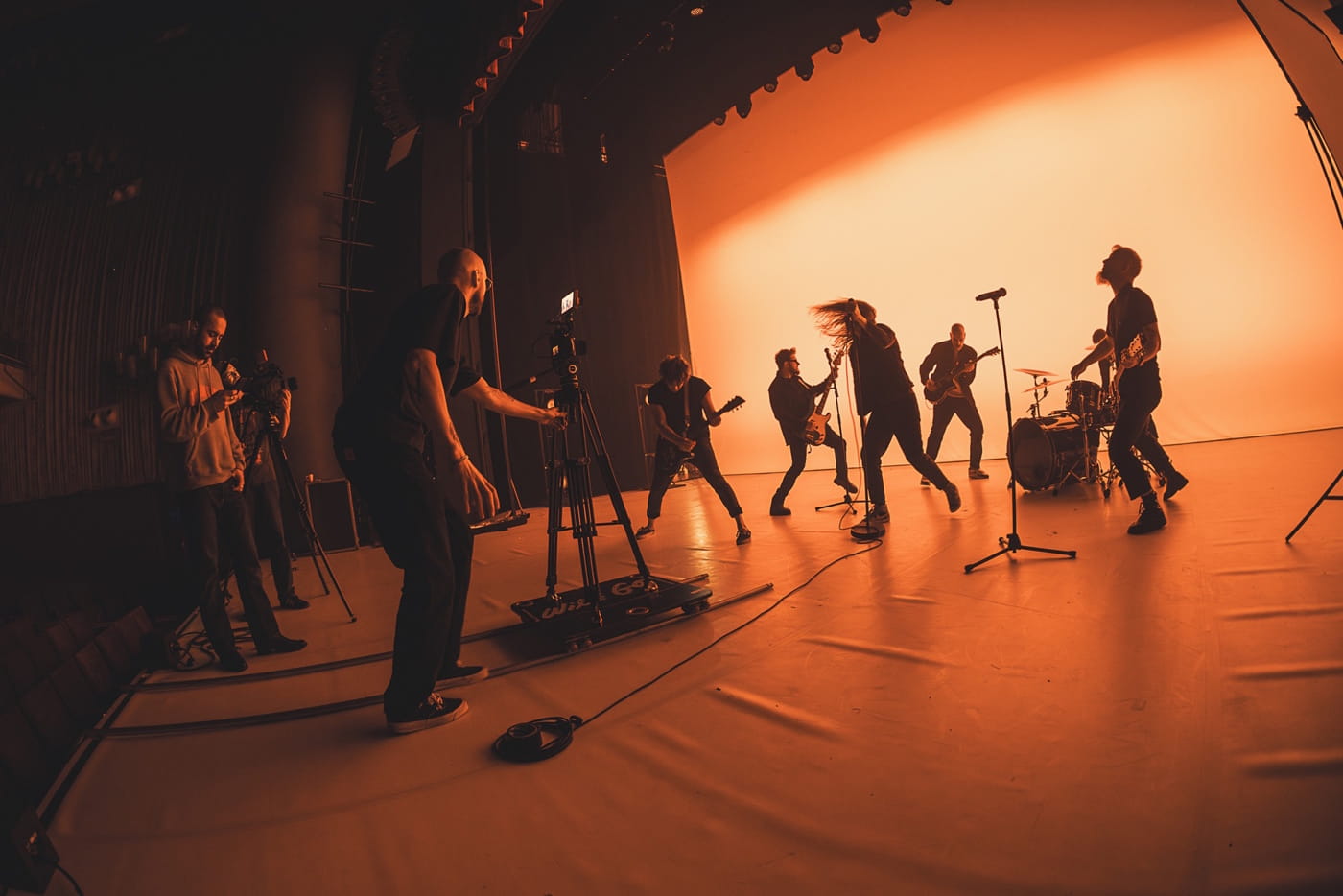
His solution kept the killer and the band in separate visual spaces. “The musicians are in a trance, he’s just following his path, no interaction. That contrast creates something quite powerful, the band almost becomes a Greek chorus, an invisible force to him, while he’s just a shadow passing through their sound.” The traversal itself echoes Park Chan-wook’s hammer fight corridor in Oldboy — the killer cutting through bodies in one continuous space.
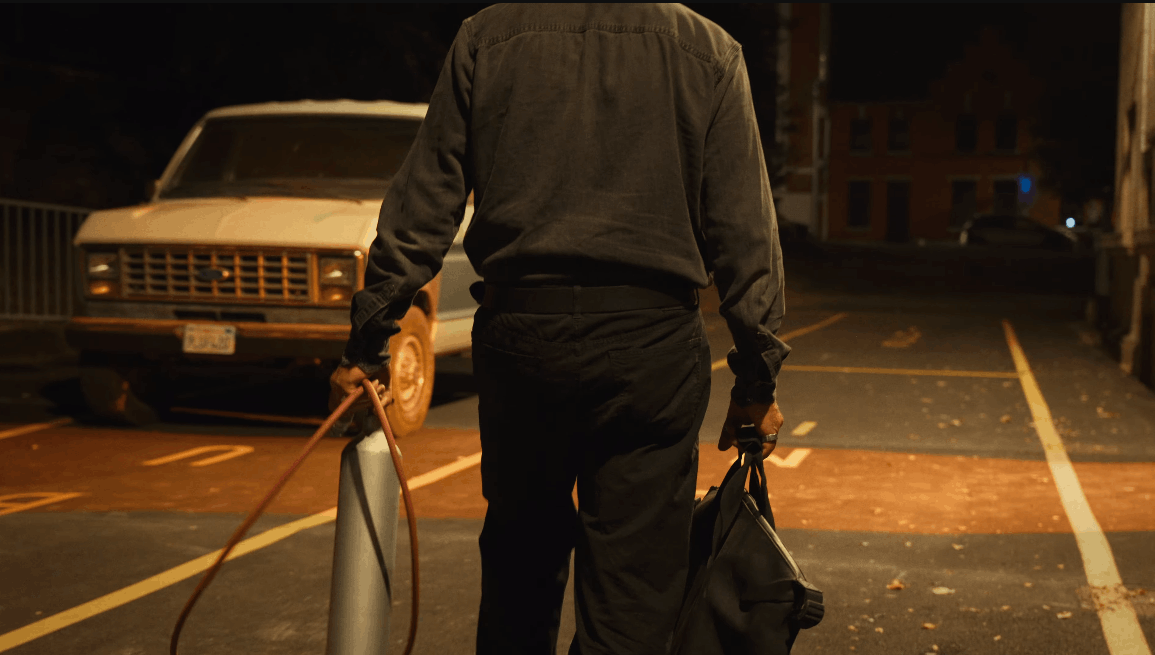
Ayrinhac’s part started with a phone call from Masset. The two already shared a reference shelf — Turnstile, The Hives, Royal Blood on the music side, and the long list of filmmakers Palmowski names directly: the Coen brothers, Park Chan-wook, John Carpenter, Richard Kelly, David Lynch.
Pre-production happened over calls and traded mood references. They moved quickly toward a cinematic look — off-centre shots, low and high angles — with the constraint that everything had to be achievable with simple setups and quick installation.
The kit list stayed tight: Masset’s gear plus rented lighting, Ayrinhac on an FX6 with zoom lenses and a Ronin. “Light, fast, reactive,” Ayrinhac says. The compressed schedule meant doubling camera angles per take to give the edit something to work with, and a working rule of moving on if a shot didn’t land.
“It wasn’t really a statement at first, but it naturally became one. We wanted a real live energy and a proper cinematic approach: shooting, framing, lighting, building it together,” Masset says. Ayrinhac puts it more directly: “At a time when AI is everywhere in image-making, doing something like this, properly shot with a real crew, it feels good.”
“Every limitation turned into a visual choice,” Ayrinhac adds. He also nearly got crushed by a light rig during pack-down — first time as assistant director.
Masset cut the four days down to five minutes. According to Palmowski, the first cut was already close to what’s now public. A prequel is in the works.
🔔 IDIOTEQ is ad-free, independent, and runs on one person’s time. If you want it to stay that way: DONATE via PayPal 𝗈𝗋 SUPPORT via Patreon.
Stay connected via Newsletter · Instagram · Facebook · X (Twitter) · Threads · Bluesky · Messenger · WhatsApp.