

“Ladra. Morde. A festa não para.” Barks. Bites. The party doesn’t stop. That’s the tagline Mangualde attached to their debut album, “A Festa,” released April 17. The Porto trio cross neocrust, black metal, grindcore, mathcore, post-hardcore, and noise rock across eleven tracks, but the through-line isn’t genre. It’s wrath sustained over a year of defeats.
By the time the record hits “Que Burrice…!”, guitarist and vocalist Jorge Antunes is just snarling about being a doberman that doesn’t bark. The Portuguese saying goes that a dog that barks doesn’t bite. He spends the song pointing out which one he is.
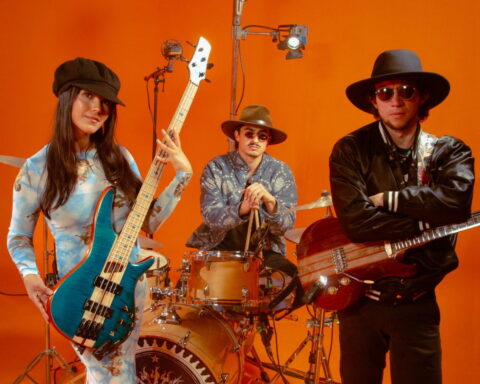
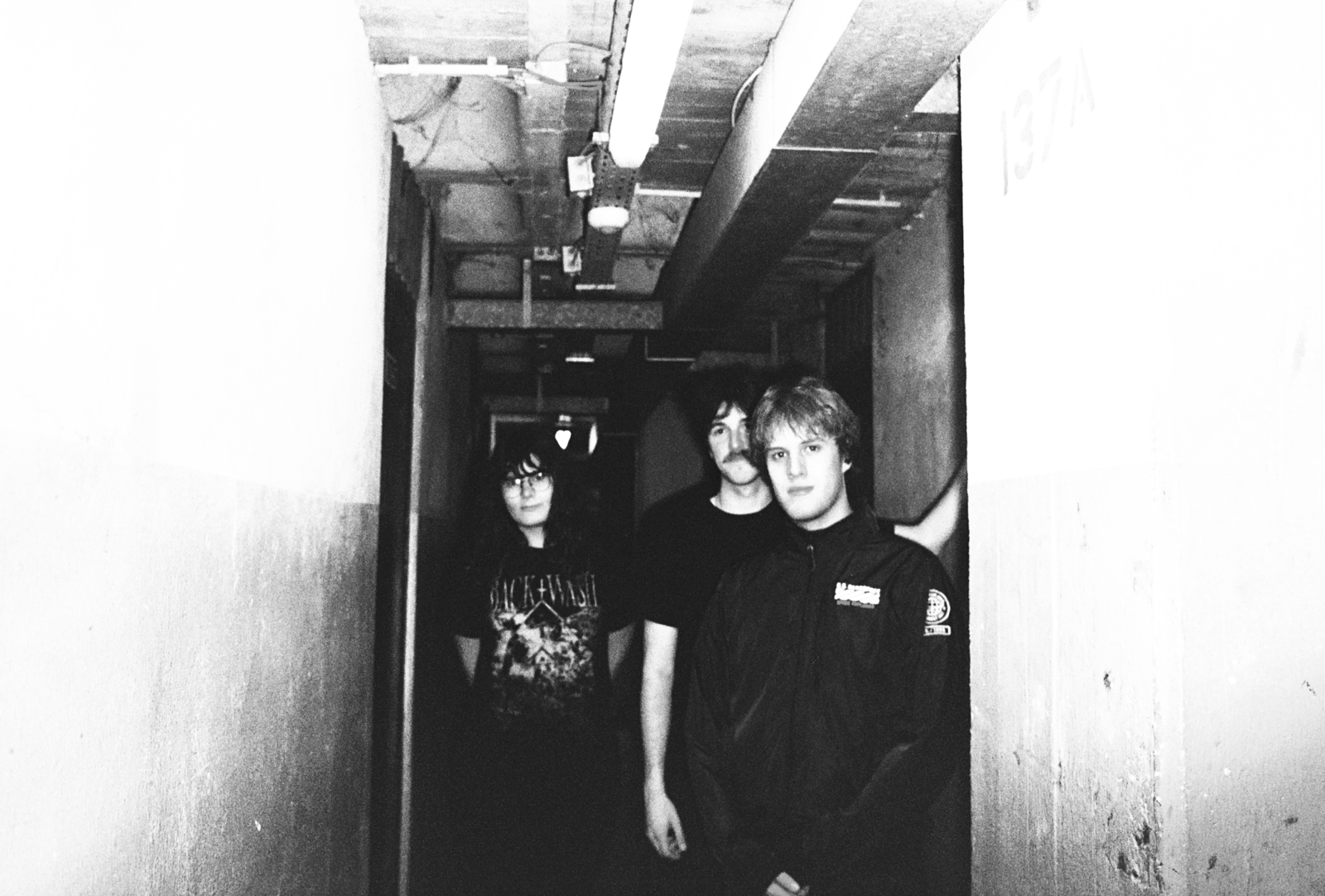
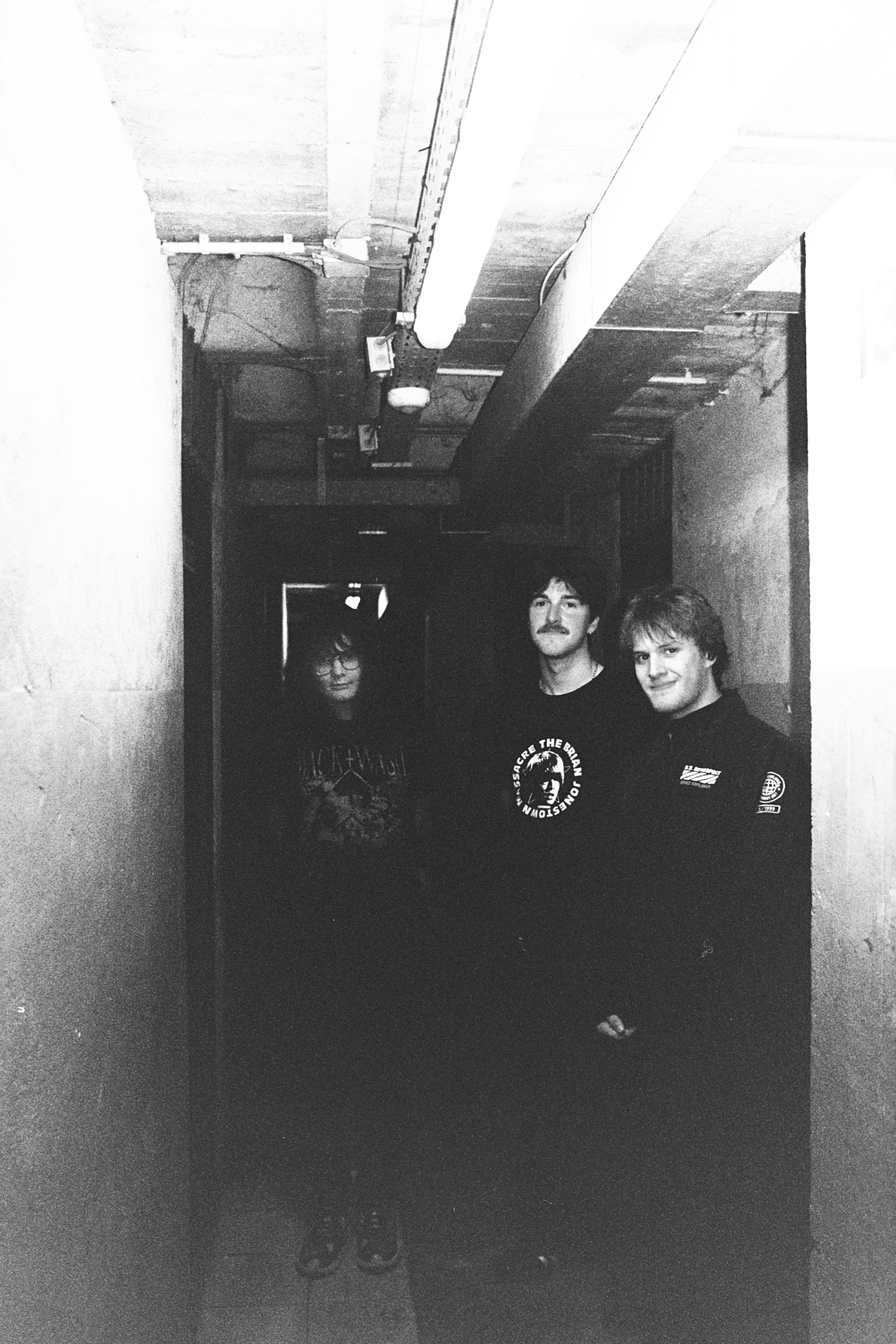
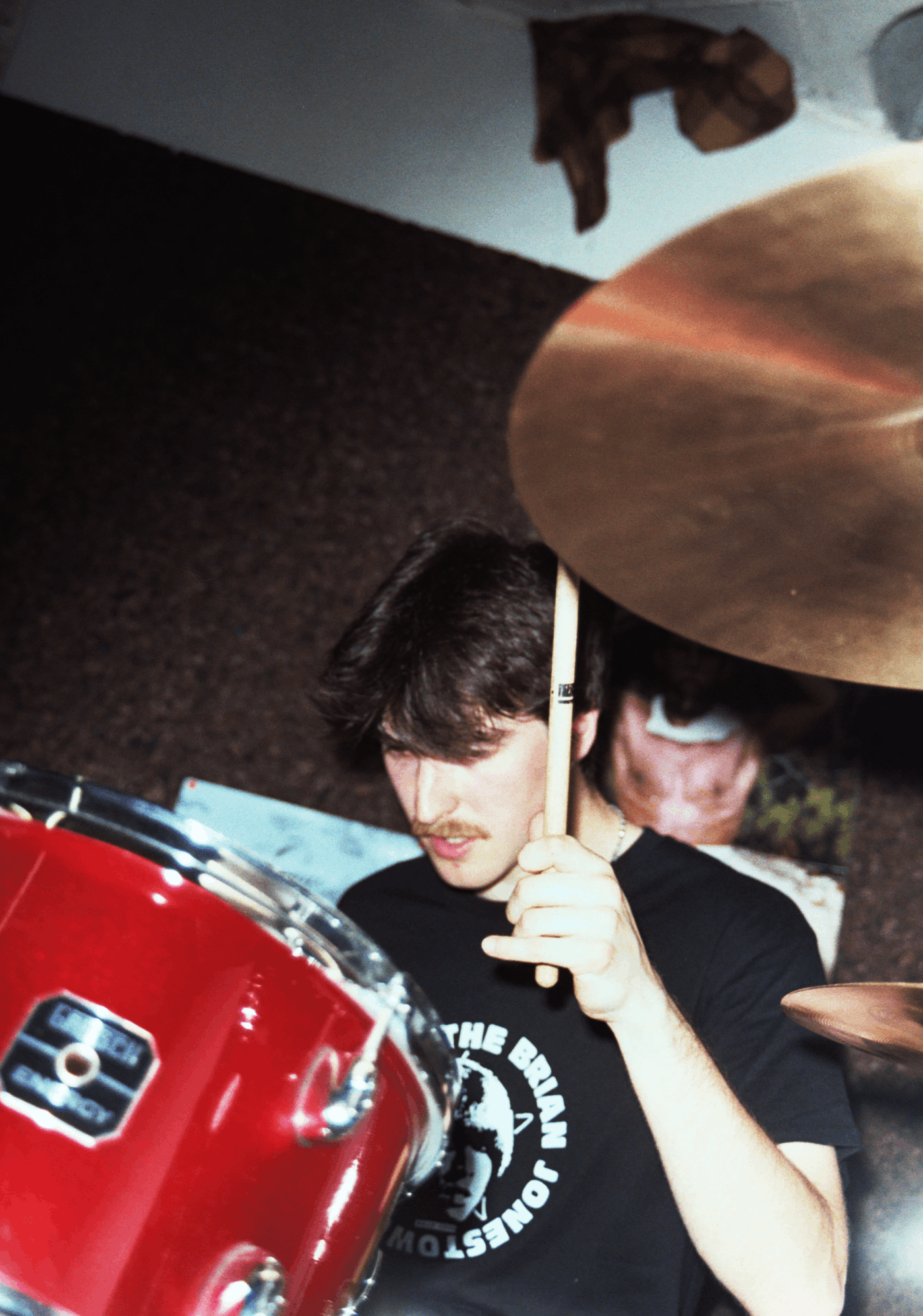
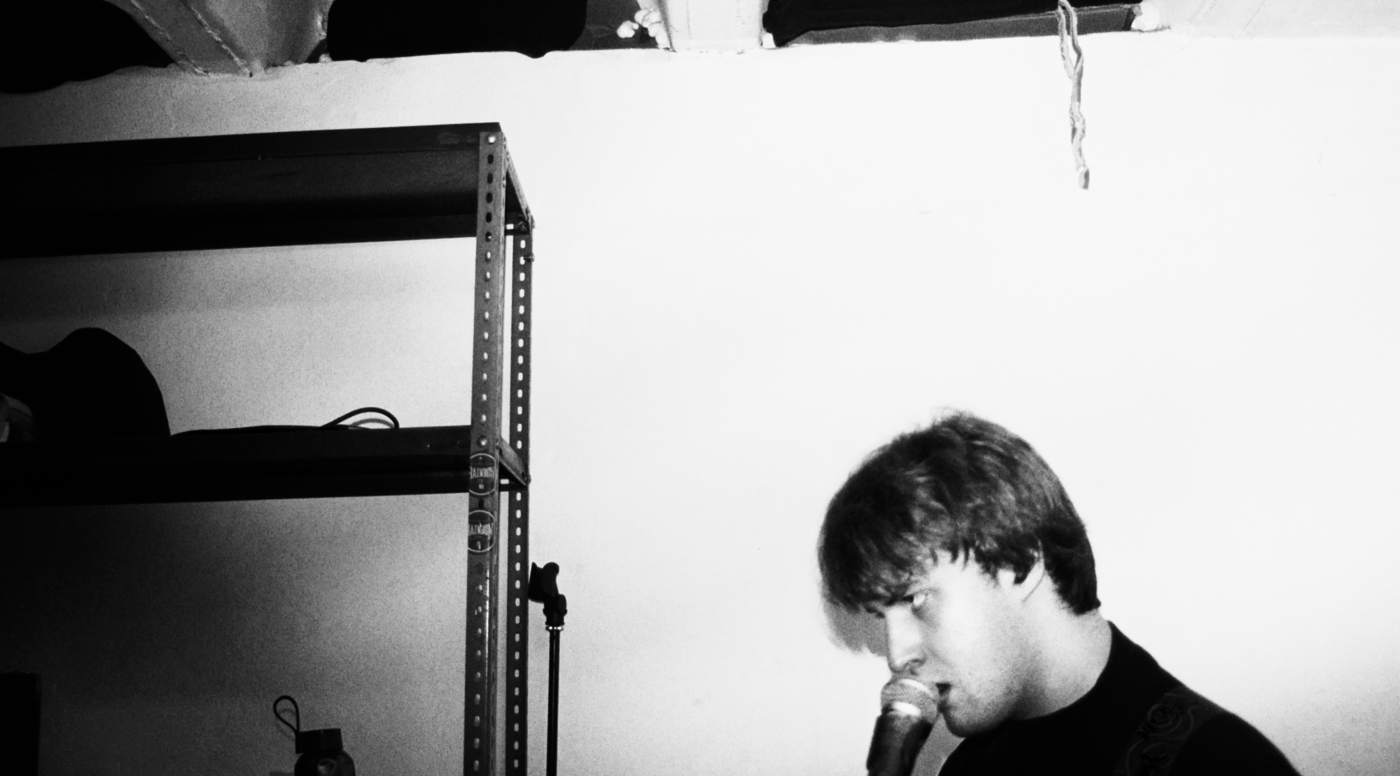
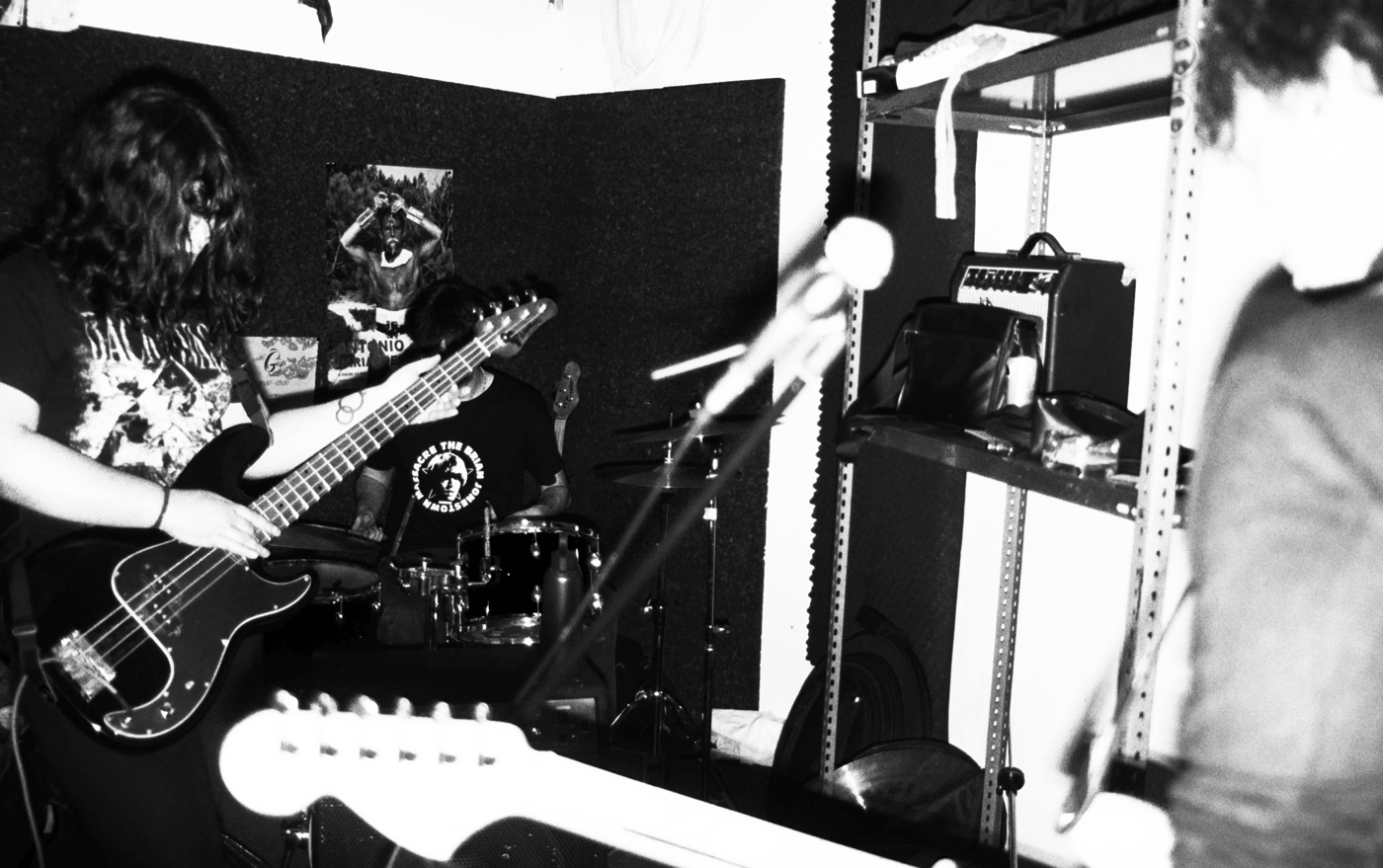
Mangualde are Antunes (guitar, vocals, editing, composition), Dominique Emília Santos / Domi (bass, composition), and António César Machado (drums, composition). The album was recorded at Seven Eleven in Cordoaria with David Amaral and Diogo Ferreira on tracking and pre-mix, then mixed and mastered by Rui Santos.
Antunes opens his liner notes with a contradiction. “Never been so integrated in the music community or scene but also never felt so alienated and isolated from it,” he writes.
“Never had so much hope in a project but also never been so aware of the lack of a path to follow next.” All eleven songs, he says, were written during a period of stacked losses: “Never had so many defeats, never been so close to bandmates as António and Domi but also never lost, changed and threw away so much in so little time.”
The party in the album’s title isn’t a celebration. It’s “the ugly and chaotic dance of the space occupied between” the pillars in his life. “The Party Whore Crazy Ugly Sad Angry Euphoric,” he calls it.
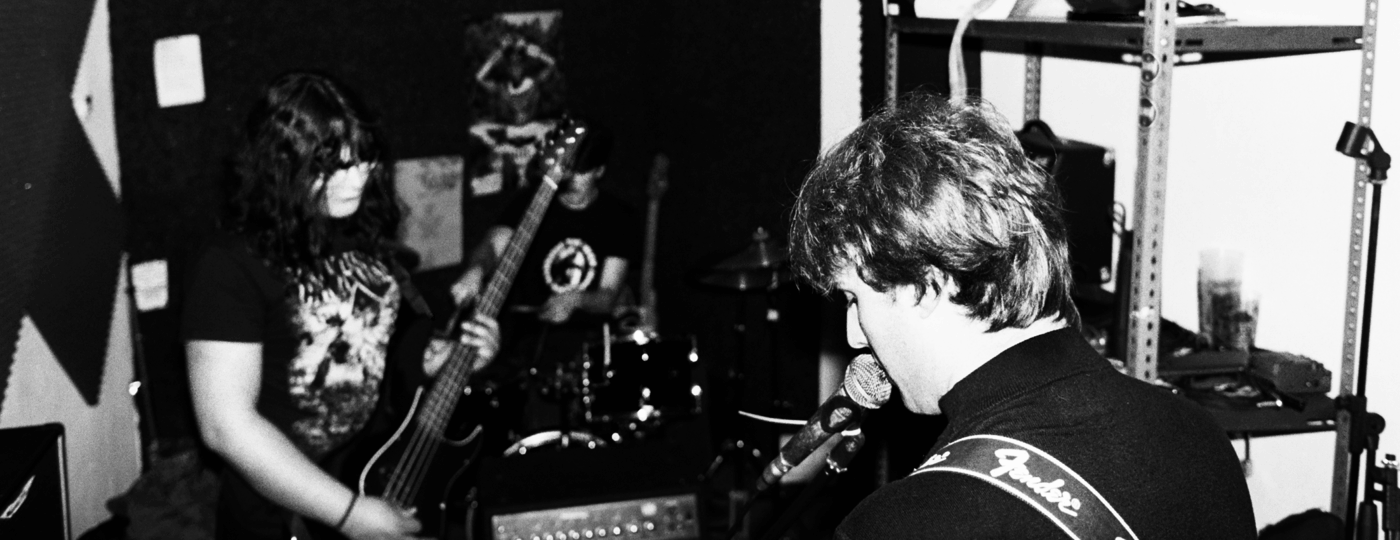
The blackened edge isn’t decorative. “Tranquilidade,” the album’s second track, started life as a different song entirely. There’s a version on YouTube from the band’s first ever concert that has almost nothing to do with the finished one.
Antunes rewrote it last October after months of feeling claustrophobic inside the Porto music community, watching people dismiss the band and then turn around once “A Festa” started getting attention. “A lot of people went to tell us that we sucked bad and now they loved us,” he writes.
The song now ends in a black metal stretch he says was pulled directly from the latest Deafheaven album, after he saw them live.
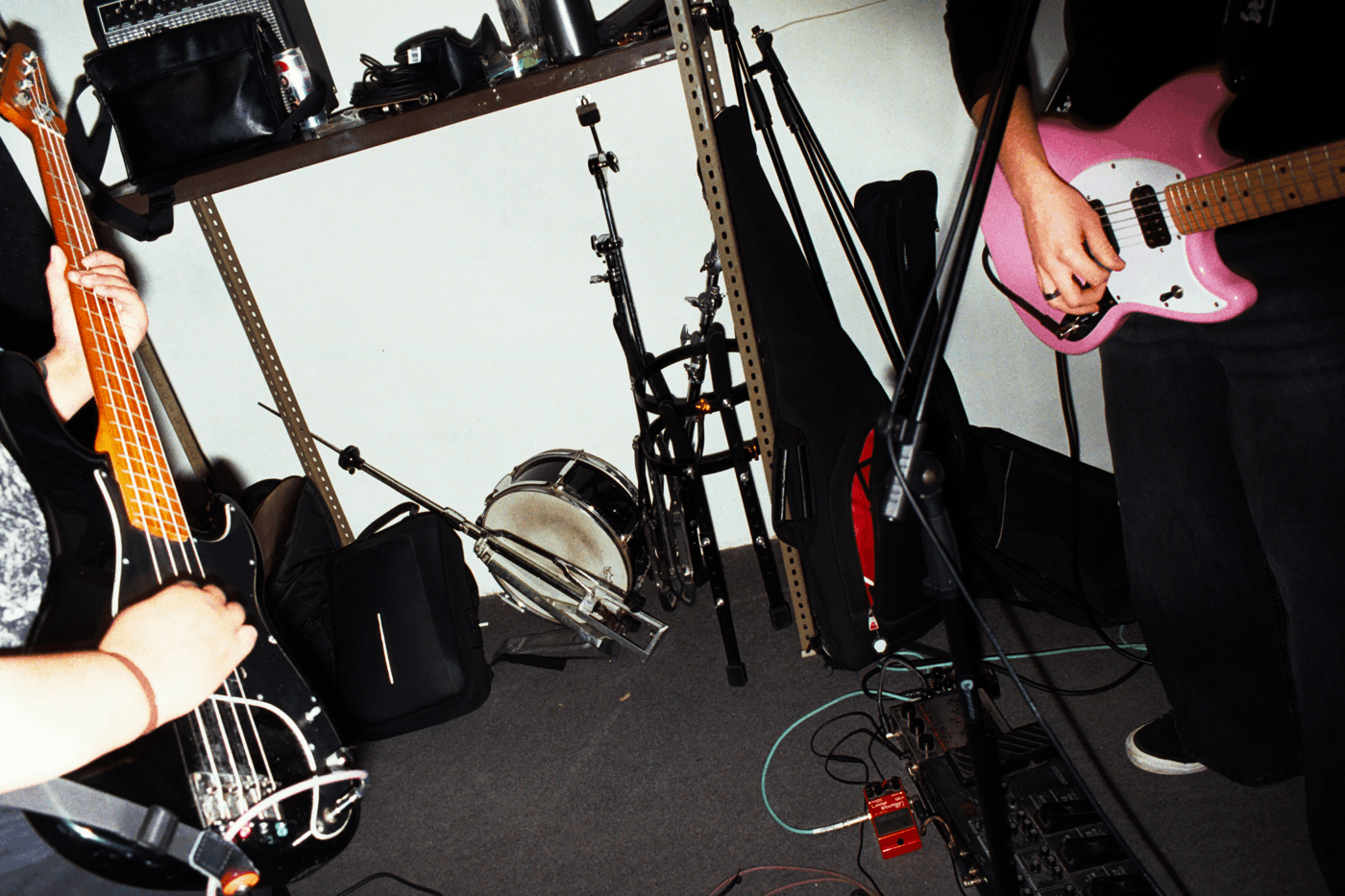
The crust punk centerpiece “Era de Prata” reads on the surface as a revolution song about fascism and authoritarianism creeping into every corner of the world, ending on a verse where the narrator would only go back at gunpoint.
Antunes says the politics are real but the song is also a coded piece about the art scene itself, where criticism is taken as a flame to the heart and no one moves anywhere together. The bridge twists into a doom metal section he traces back to His Hero Is Gone. “It’s a really good song to start a concert with a bang.”
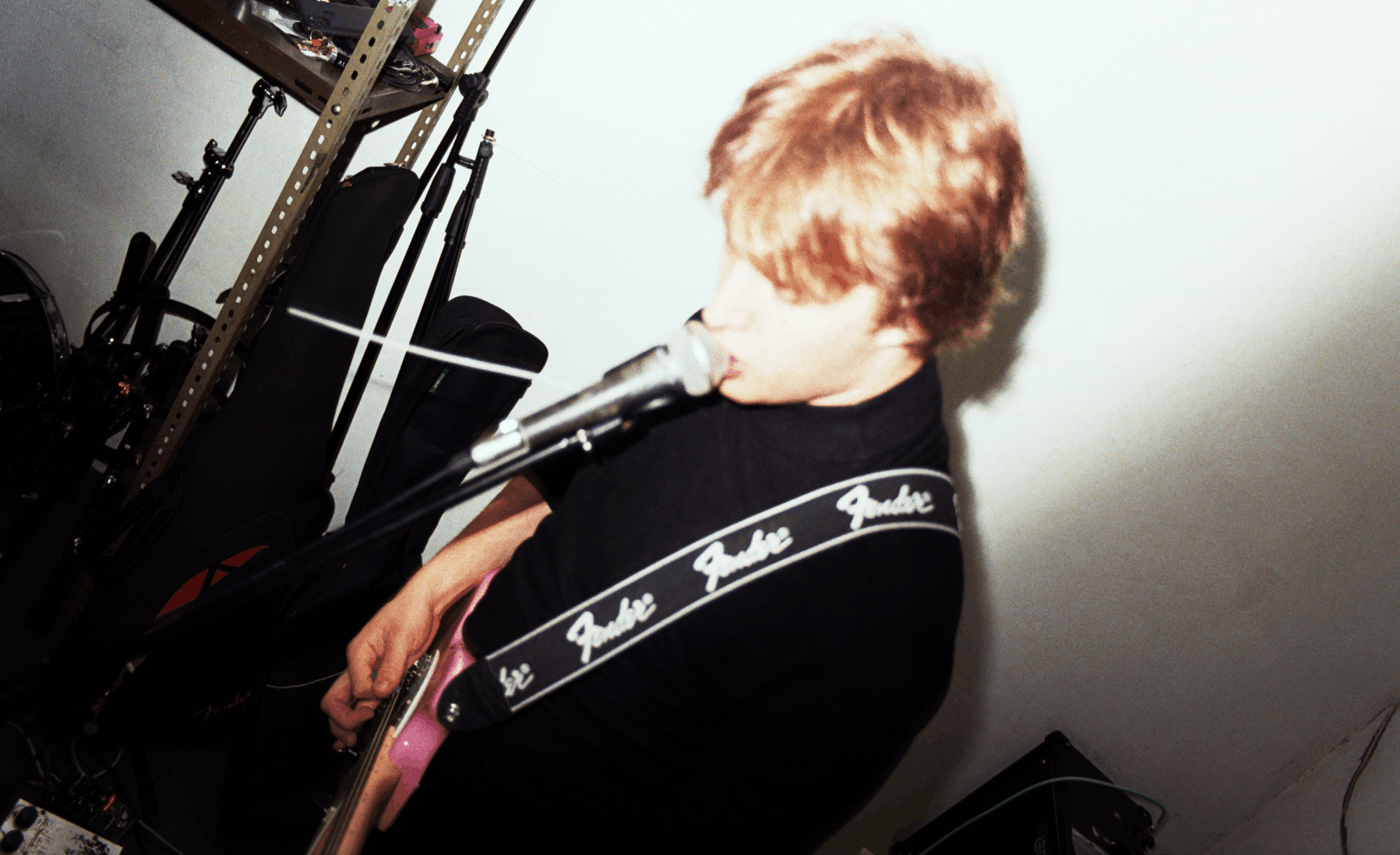
The middle of the album is a three-song grindcore stretch recorded with no gaps between songs. The band tracked it all in one take, along with “Era de Prata,” for maximum immersion.
The theme across the trilogy is humiliation. “Ritual em Penas,” the first of the three, is third-person commentary on daily humiliation rituals: people posting things they’ll regret for attention or money, dehumanizing jobs, powerful people surprised that the people they humiliate hate them back. “Orchid is all over this track,” Antunes notes. “Noite de Halloween de Mártires” is about Rua dos Mártires da Liberdade in Porto, a street he describes as the art-scene meeting place where everyone drinks and accusations get hurled in public for sport. “Que Burrice…!” is the rage payoff: the doberman line, and a refusal to keep humiliating himself.
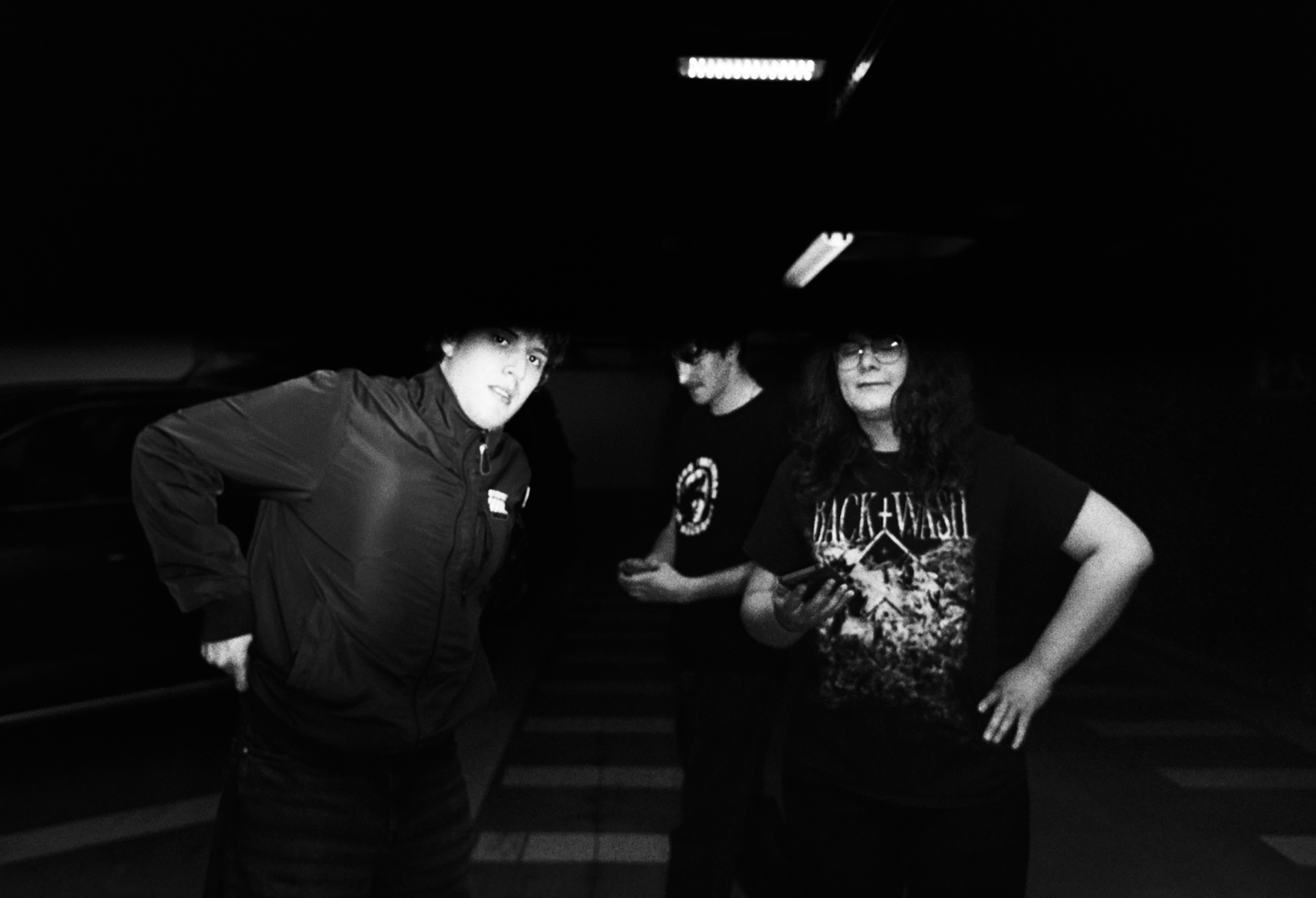
“Cabeça de Esfregona” sits outside the trilogy and breaks the writing pattern. The lyrics came from drummer António César Machado, with Antunes adapting them to fit his melodies.
Machado describes the song as a Lynchian story about a figure with a mop for a head, lurking around the house with a mission to clean an infinite puddle of mud kept in the backyard.
The narrator arrives at the scene and finds everything dirty, mud flying everywhere, all suspicions confirmed. “It was amazing how together we were able to come up with something that represents this scene so accurately,” Machado writes. The reference points he names are The Dillinger Escape Plan, The Blood Brothers, and David Lynch.
The title track, “Mangualde,” was the first song the current lineup wrote together. It includes a reference to a famously cheesy “pimba” song about the town of Mangualde and a section Antunes describes as a declaration of war on the audience: “we are always ahead.” Influences flagged here are The Blood Brothers and Nails.
“Ano da Morte dos Niilistas Sem Razão!” is the longest and most complex piece on the album. It pulls in fragments of older songs alongside the most recent additions, opening creeped-out and frustrated, swerving through a dance-adjacent black midi-like passage, and resolving into blackgaze and screamo.
Antunes wrote it on what he calls the most stressful day of his life, after serious trouble involving authorities, family, and friends. The song is about losing things: innocence, a best friend, peace of mind. The vivid dreams he references, the notebooks from the past, the puking in the backyard, the courthouse, all of it makes it in.

Closing track “QSFD” came together in the backyard at Antunes’s place during a small jam between him and Domi. She started a tapping pattern on the bass, and the song built outward. “It transitions between this dreamy, shoegaze-ish sound to these really low and dissonant chords and, at last, it finishes with this intense black metal/psych part and it goes back to being dreamy again,” Domi writes. The song’s theme is leaving the past behind, not in anger but in a decided, melancholic way. Antunes ties one of its riffs back to “God Knows,” the J-rock song from The Melancholy of Haruhi Suzumiya, which is the show that got him playing guitar in the first place.
Domi’s statement closes the liner notes with the most personal entry. She writes about growing up under pressure from a family figure who has since left her life, learning early to treat her own success as duty and her own mistakes as moral failure. She doesn’t yet feel pride in her work in the band. “There is only a ‘party’ for me when I learn to take pride in what I do and pride in what has been achieved so far,” she writes. “May this work be one of the first things I feel real pride in.”
Machado, in his own note, calls 2025 the most challenging year of his life and frames the record as a monument to what he and his bandmates were forced through. He calls it a turning point for the band in nearly every respect, and says the one thing that hasn’t changed is the trio’s appetite for doing things differently.
“A Festa” is out now via Bandcamp and other streaming services.
🔔 IDIOTEQ is ad-free, independent, and runs on one person’s time. If you want it to stay that way: DONATE via PayPal 𝗈𝗋 SUPPORT via Patreon.
Stay connected via Newsletter · Instagram · Facebook · X (Twitter) · Threads · Bluesky · Messenger · WhatsApp.