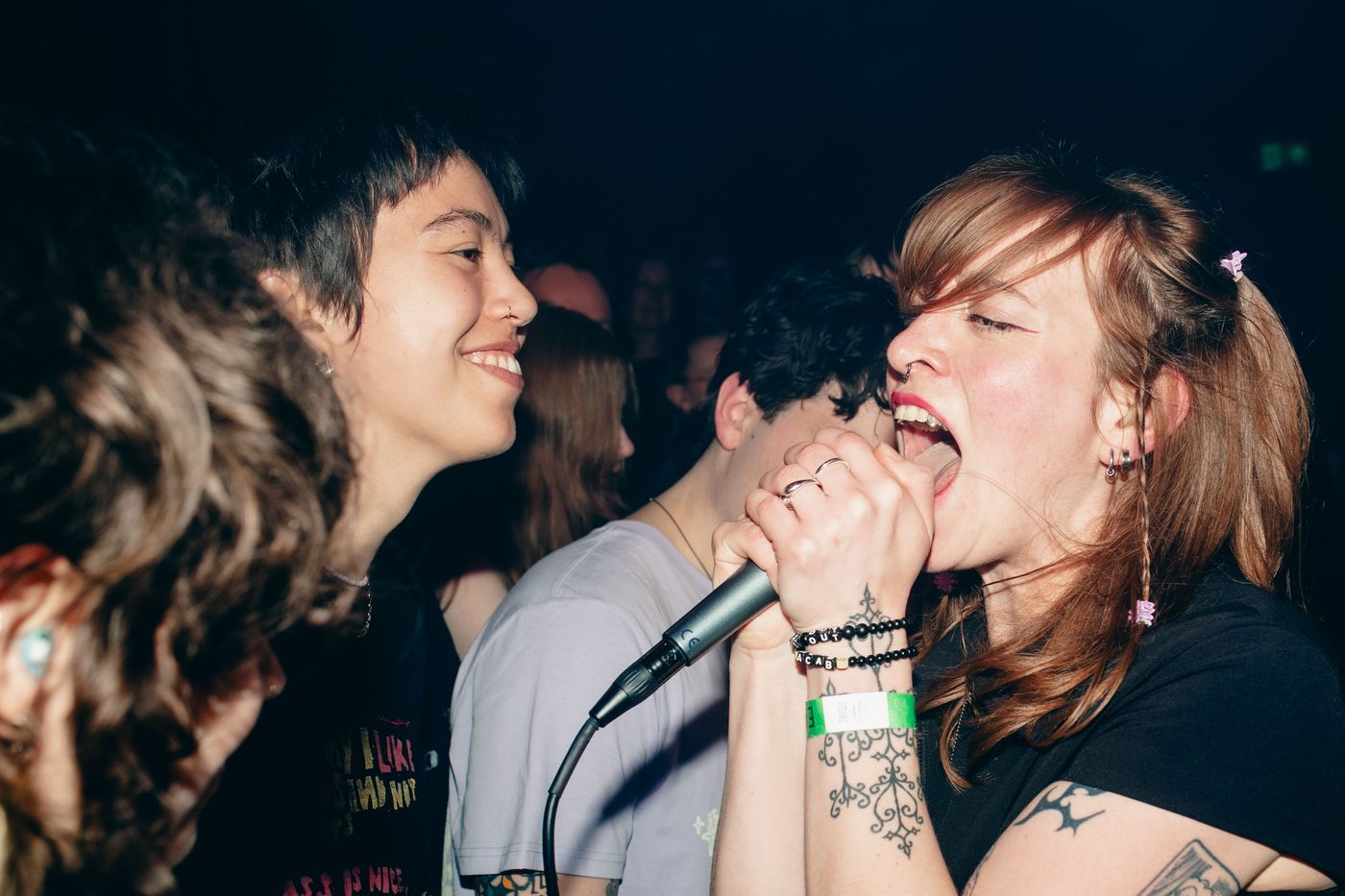


Getting a punk gig together in Makassar can involve renting a sound system, persuading a café owner to host loud bands, sorting permits and setting up everything yourselves. TAX came out of that local DIY circuit and play short, abrasive hardcore punk with garage punk and fastcore in the mix. Their five-song debut EP, “Dead Routine“, deals with the working week that leaves them so little time to play.
“It’s 100% literal. Outside the band, we’re all navigating the daily grind—dealing with regular day jobs, freelance hustles, commuting through Makassar traffic, paying bills, and trying to balance family life. The boredom, financial pressure, and feeling trapped in a repetitive loop directly inspired the lyrics. When you spend 8–10 hours a day doing stuff just to survive, playing in band is how we regain control over our lives. The songs are basically a reaction to that daily exhaustion.”
A hundred people at a show is normal enough in TAX’s account of Makassar’s underground; a few hundred can turn up, depending on the gig. What’s harder to come by is a permanent place to put one on. The band mention Raya, Beerbahagia and Offtrack Neighborhood among the spaces used locally, alongside Pysmetry Lab, Etika Studio, Kaika Space, O-ne Studio, RUH and Gedung Kesenian. These aren’t all dedicated punk venues. Shows move through rented creative spaces, art rooms, coffee-shop yards and temporary warehouses as organisers find places willing to accommodate them.
“Makassar doesn’t really have dedicated, permanent underground venues, so the scene relies heavily on DIY adaptiveness. Shows happen in rented creative hubs, coffee shop backyards, art spaces, or temporary warehouses. Collectives and independent promoters organize most of the gigs. Crowds usually range from 100 to a few hundred passionate kids. Behind the scenes, putting on a show means pooling money together for sound system rentals, negotiating with venue owners who might not understand loud music, dealing with local permits, and setting up gear ourselves. It’s entirely self-funded and DIY.”
Wyświetl ten post na Instagramie
Several crews help make that possible. Geladak Geng, NBOCHC, MTown, Rumah Air, Kandea Kampoeng Chaos and Rooster East Familia are among the names TAX recommend following. NBOCHC, short for New Blood of Celebes Hardcore, started as a sub-activity of Geladak, intended to get other activities going and give new bands somewhere to begin. TAX associate MTown more closely with hardcore and beatdown; Geladak Geng have their own musical interests and visual style. There’s a fair amount of overlap between all of them, with zine makers, screen-printers, skaters, visual artists and local activism taking place around the same gigs and spaces.
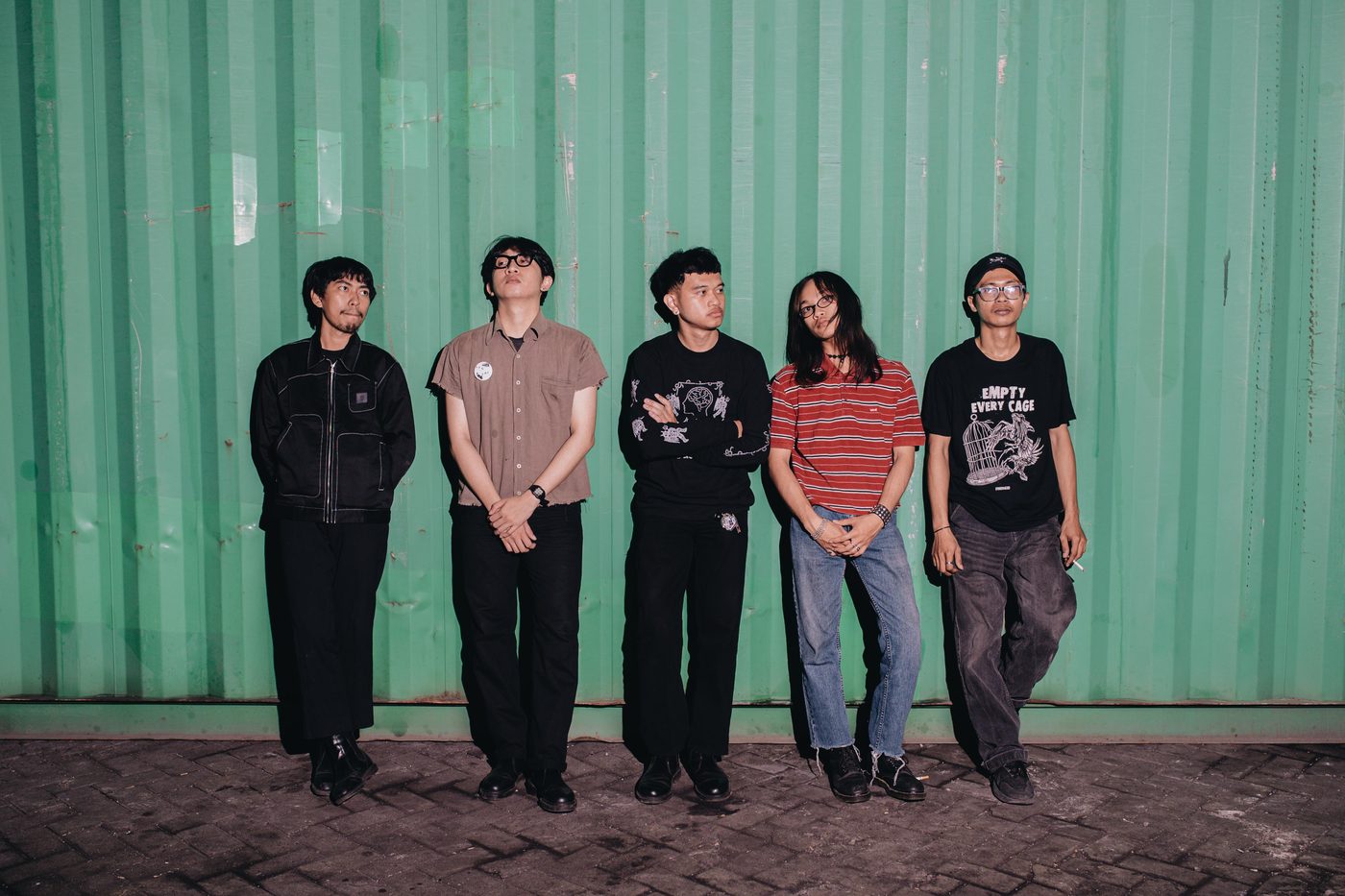
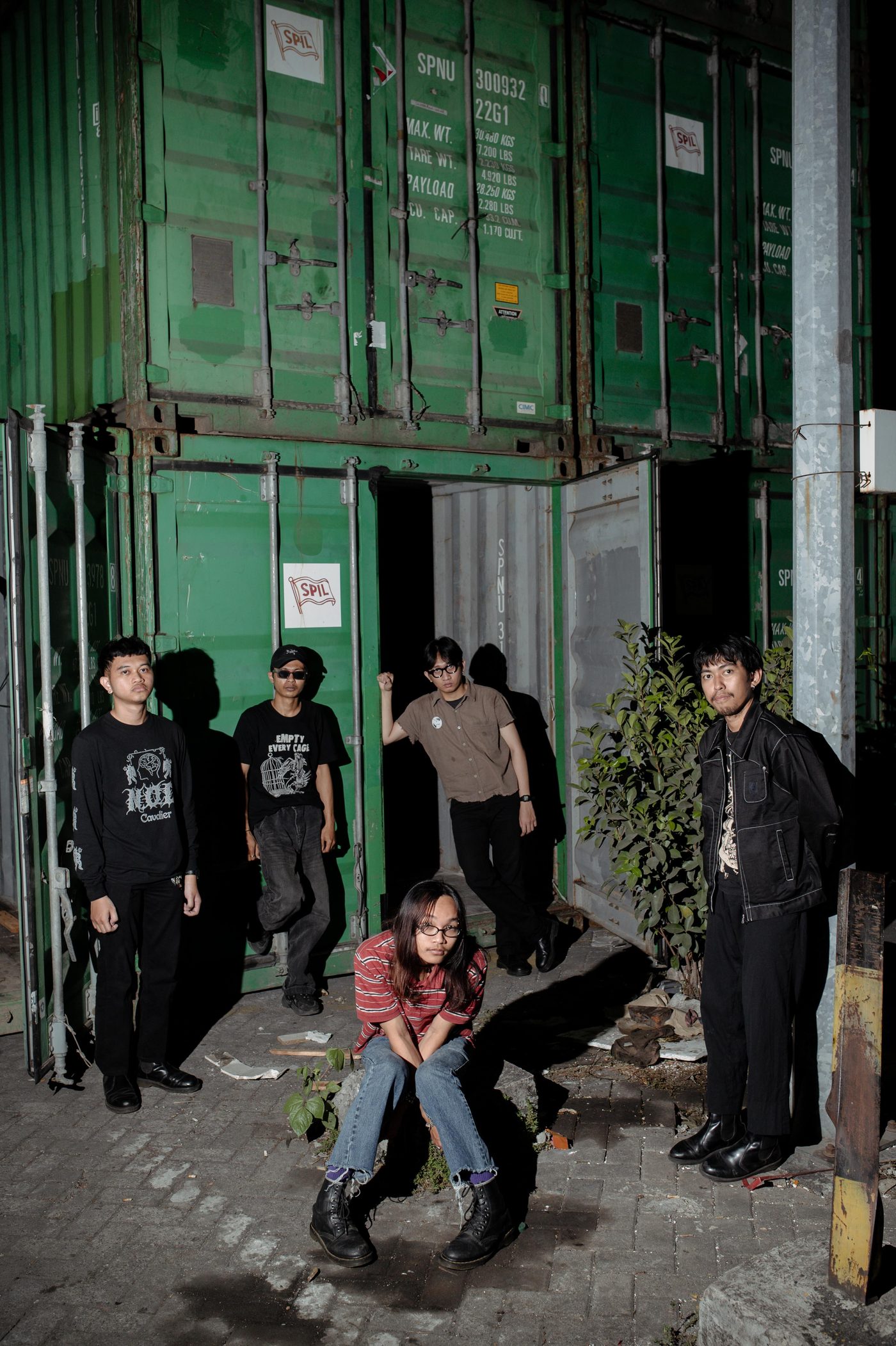
It’s also where TAX found one another. Fadlu handles vocals, Syam and Ai play guitar, Ivan plays bass and Pungs plays drums. They knew each other through NBOCHC and other local shows, and most already had bands or collective work on their plates. What they wanted to do together was fast, direct and fairly stripped-down: short songs they could throw their frustration into without spending too long polishing them.
Ivan’s route into the scene started with SVFR, his first serious band.
“SVFR holds a super special place because it’s actually my very first serious band—the one that officially introduced me to the local scene, and it completely shaped my love for the community.” Syam’s recommendation is The Fenomen, friends whose recordings and live shows he follows and who, he reckons, do a lot to keep Makassar’s scene busy.
The members don’t have identical music collections. There’s hardcore punk, indie rock, shoegaze, garage, fastcore and noise among what they listen to and play elsewhere. Ai’s other band, Seetrushkin, go for energetic pop-punk with quick riffs and melodic hooks.
Pungs also records solo noise as Anon Goli. TAX have a convenient way of dealing with disagreements about where their own music belongs. They call it “punk enough”.
“Calling ourselves “punk enough” is our way of avoiding rigid subgenre labels. We all come from slightly different musical backgrounds-some of us are heavily into hardcore punk, indie rock, shoegaze, garage, fastcore, or even noise music (incidentally, Pungs, the drummer, also has a solo project noise called “Anon Goli”). Instead of arguing about whether a riff is strictly “hardcore” or “punk,” we just ask: does it hit hard, and does it feel authentic to me and the band? If it does, then it’s “punk enough.” That label lets us stay flexible and keep things spontaneous without getting boxed in by scene purists.”
The instrumentals for “Dead Routine” were initially five separate short pieces. Once Fadlu and Syam brought their lyrics to the others, the band noticed the songs kept coming back to the same exhausting cycle. “poor” opens with economic lack; “burning tides” deals with desire and moral turmoil. By the time the words were in place, the frustration had started pointing outwards, towards what the members saw happening in Makassar.
The phrase “the ruling elite and their dogs” in “collection of parasites” comes from TAX’s anger at the relationship between political power, policing and working-class life in Makassar. They talk about corruption, unequal treatment and what they see as authorities using their power against local people. They wanted the song to take in the accumulation of those experiences, without tying every line to one incident.
“Living in Makassar, as anywhere in Indonesia, you constantly see the contrast between the working class and the ruling elites/politicians who exploit local resources and public trust. “Collection of Parasites” isn’t just about one single event; it’s about the recurring political corruption, police arrogance, and systemic inequality we witness daily. From land disputes and gentrification to the way authorities suppress local activists and working people—it’s an accumulation of anger toward those who abuse power and the enforcers who protect them.”
Wyświetl ten post na Instagramie
The band brought up the ongoing land dispute at Bara Baraya as one example. Families have lived in the neighbourhood for decades, and residents have contested ownership claims associated with the heirs of Nurdin Dg. Nombong. An earlier suit was dismissed in 2018 under case No. 222/Pdt.G/2017/PN Mks, but later appeals and judicial reviews generally favoured the claimant. On 21 August 2025, the Makassar District Court rejected the residents’ latest objection to enforcement.
Residents and their legal representatives continued to challenge the claimant’s standing and made allegations concerning evidence in the case. Ivan also alleges that people opposing eviction have faced intimidation, rough treatment from security forces and arrests. The dispute has not ended with a definitive court victory for the residents.
TAX also mention the CPI reclamation project and coastal evictions, what they call “CANALIZATION” and coastal slums, clashes between groups, children living and working on the streets, and difficulty accessing clean water in northern Makassar. These are all concerns they raised about their own city, alongside the land disputes.
After the anger of “collection of parasites”, “owness” deals with trying to keep hold of your own desires, decisions and direction when ordinary life is hard to manage. “The title refers to the struggle of owning your choices and your mind, even when you feel lost in the noise of modern life.”
They chose “enough” to close the EP. “By the time you reach “enough”, it’s not a peaceful resolution—it’s a breaking point. It’s saying “I’ve had enough of this routine, this pressure, and this system.” Ending with “enough” was necessary because it leaves the listener at that precise moment of tension, where you either break down or break free.”
There are bigger distances involved in being a Makassar band than a touring map might first suggest. Java is across the water from Sulawesi; getting there to play can mean an expensive flight or a long journey by sea. Getting a visiting act to Makassar involves the same calculation in reverse. Even sending records or shirts to people elsewhere in Indonesia can add a sizeable bill. TAX keep up with other bands and organisers through DIY contacts around the country, though none of that makes airfares cheaper.
“Geography is definitely one of our biggest hurdles. Sulawesi is an island, so touring or playing outside Makassar—especially in Java—means expensive flights or long sea voyages. Shipping physical records and merch also incurs high logistics costs. Despite that, we stay connected with bands and collectives in Indonesia through shared networks and DIY solidarity. Bringing touring bands to Makassar requires extra planning and budgeting for airfare, but when it happens, the energy in the room makes it totally worth it.”
For the recording, the five booked three hours at Lab.audiostudios. One person who happened to be on duty helped them through the session. Afterwards, the recorded tracks went to Dzaky Alghifari of Makassar alternative rock band Blumontana and Pungs. Both are credited for mixing and mastering, under the names Dzaky Alghifari & merekapungs. Syam and Ai’s guitar settings and Ivan’s bass effects were important to getting the result TAX wanted, especially with so little time in the studio.
“We didn’t want a production that was overly polished—the kind you hear in modern recordings (though, to be honest, our skills are pretty average anyway, haha); we wanted it to sound punchy, raw, and close to how we sound live in a small room.”
Pungs also chose Blumontana when each member was asked for a Makassar act they wanted people elsewhere to hear. He likes their guitar melodies and the way they bring 1990s Britpop and indie influences into alternative rock, singling out “Dreams” and “Let Me Out”. Fadlu went further across the city’s musical tastes and picked long-running indie-pop band The Joeys (Spotify). “Beyond their super catchy indie pop sound, I really respect how they’ve stayed true to their roots for so long.”
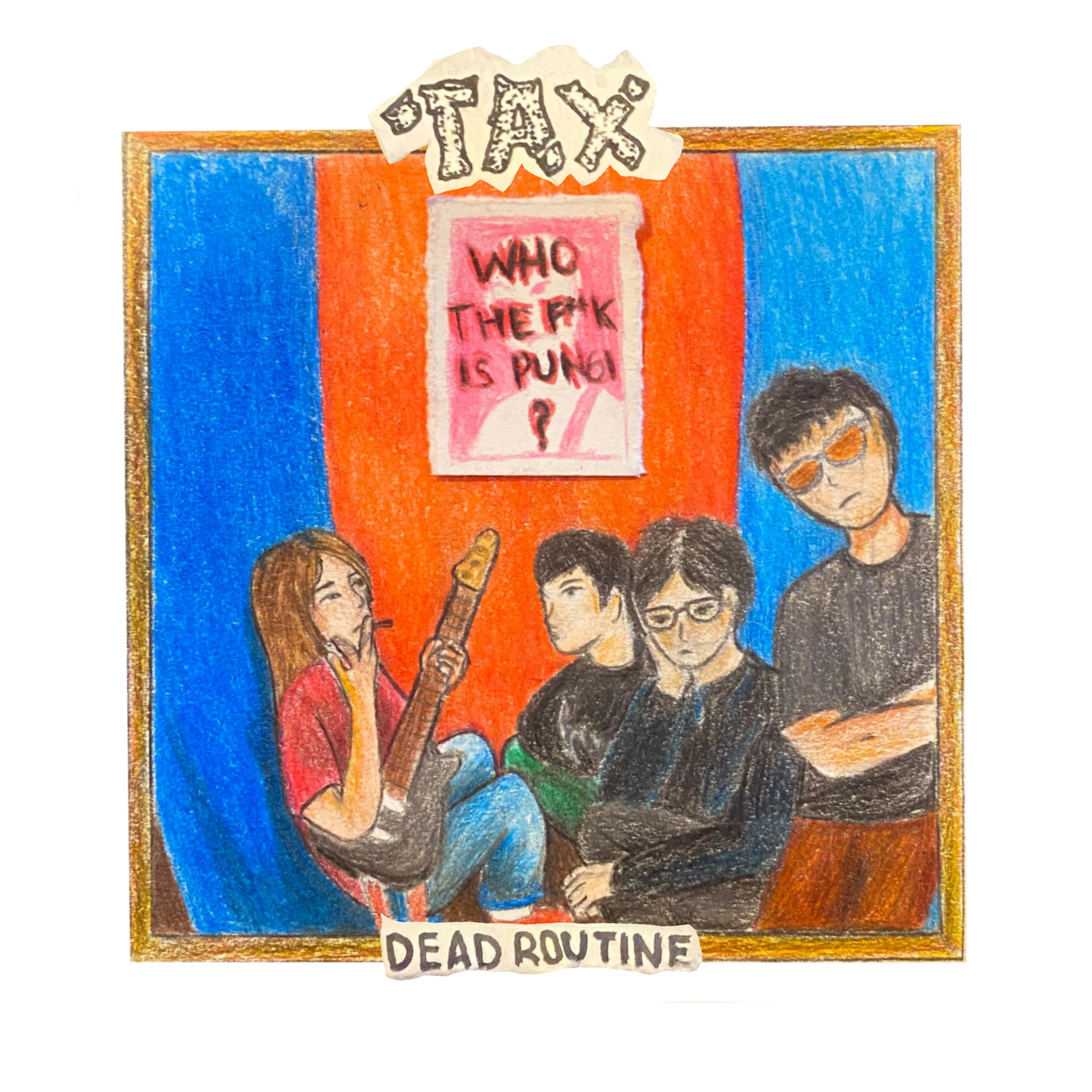
Cover art by mf.lost.
“Dead Routine” came out on 8 September 2026 and can be heard on TAX’s Bandcamp, with updates through @tax__see.
The band are currently working on physical copies and merch, while already discussing ideas for new songs.