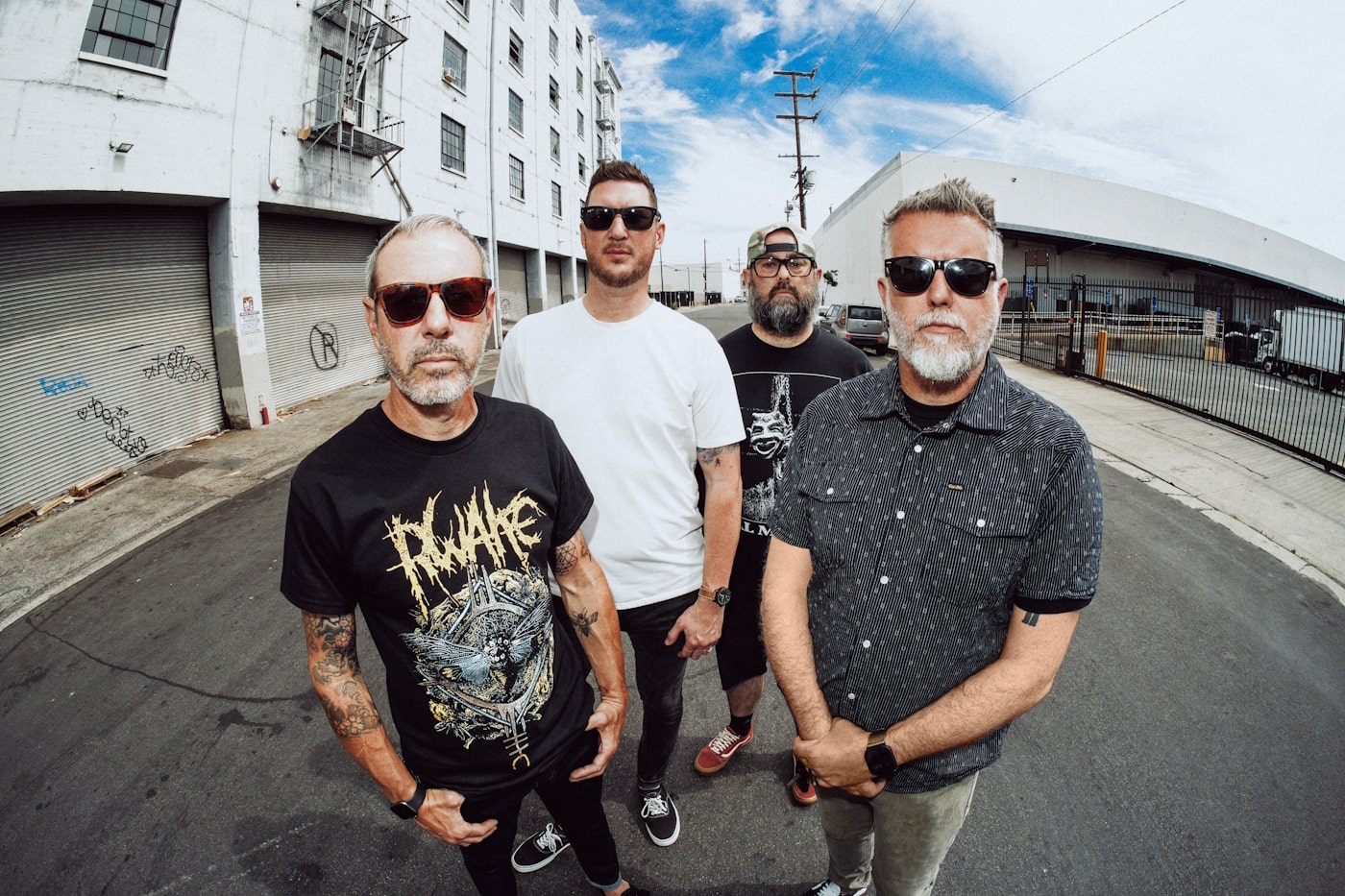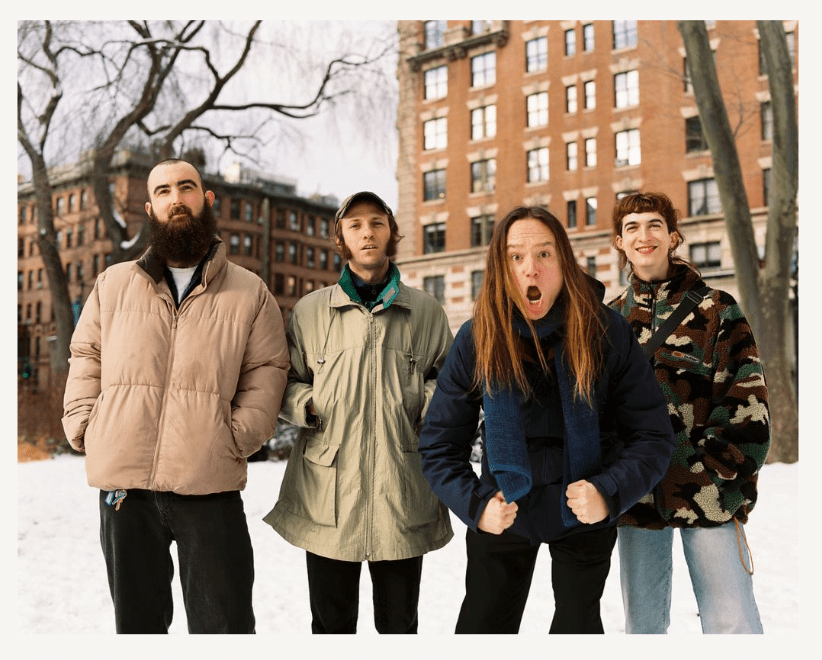

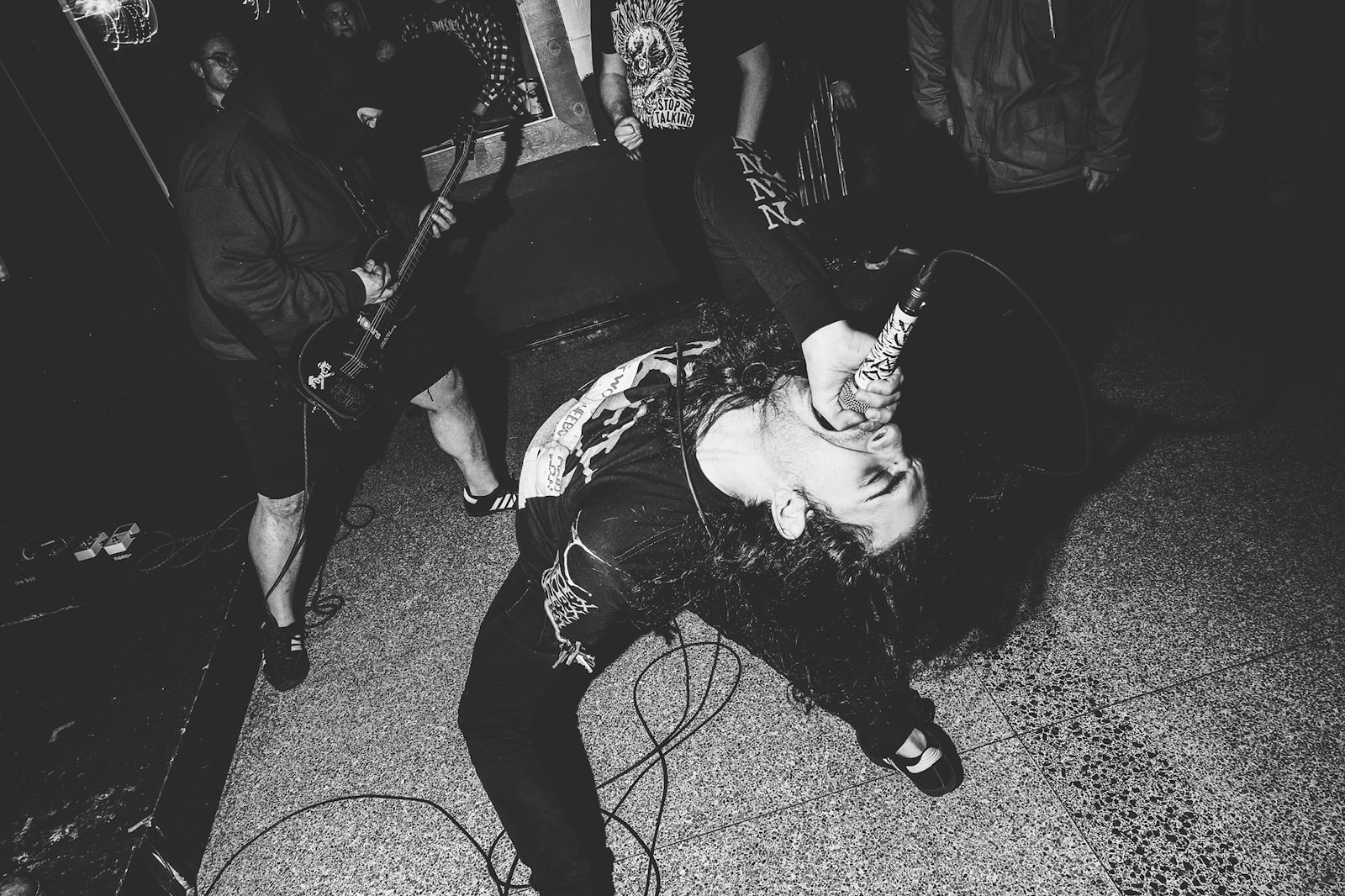
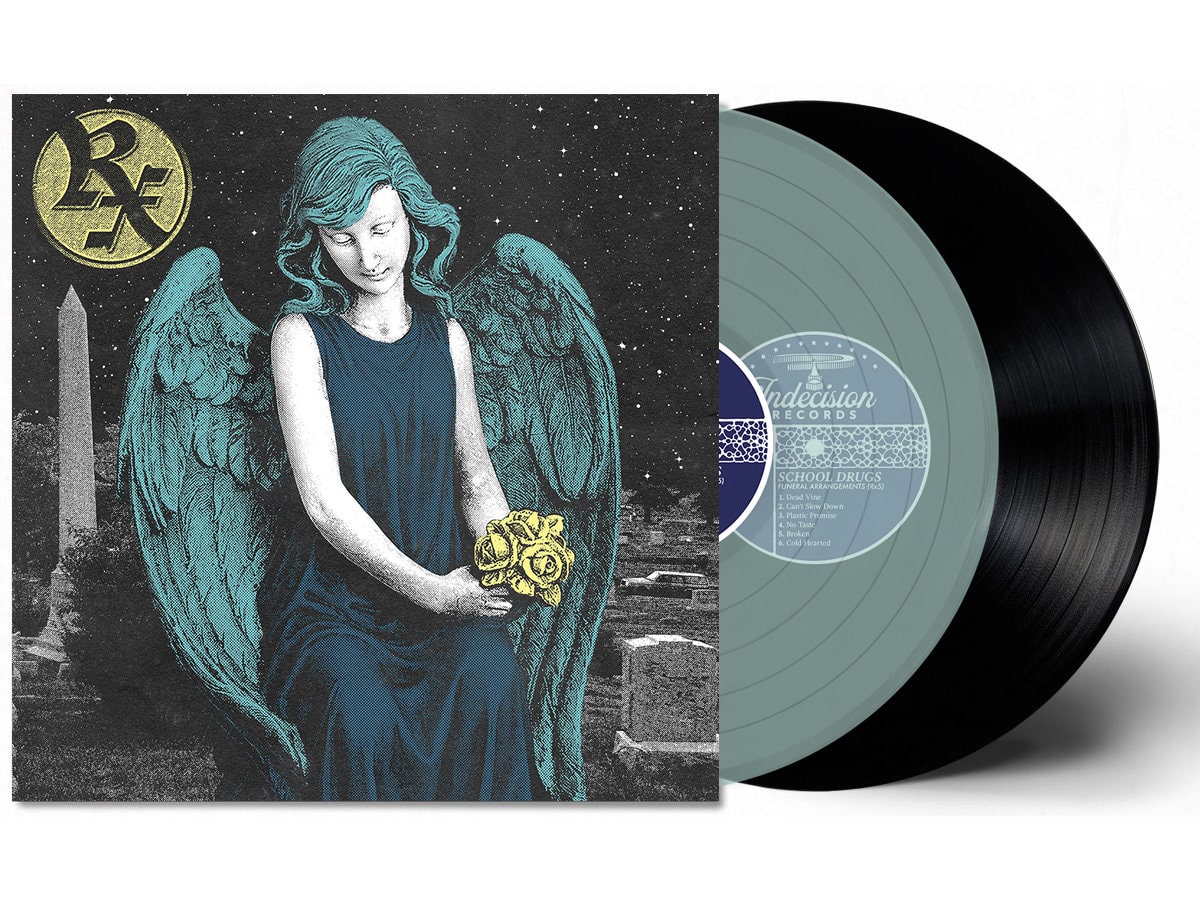
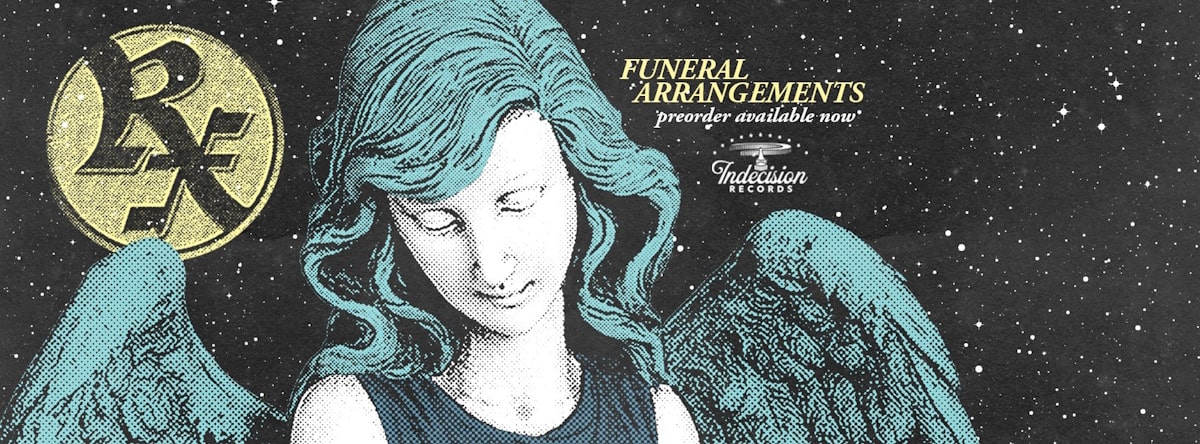
Hardcore punks School Drugs will release their new LP “Funeral Arrangements” on October 24, 2025, via Indecision Records. The record arrives six years after their last full-length “Modern Medicine” and marks a distinct shift in sound, trading in straight-ahead stomp for something heavier with strings, synths, and atmosphere. Brian Baker of Minor Threat and Bad Religion described it as “ambitious and excellent.”
The album had an unusual path, rolled out piece by piece over four years before taking shape as a full record. The band called it a survival tactic at first, a way of working around the impossibility of touring during the pandemic, but also a creative exercise. “It started as a survival tactic being right after the pandemic when it didn’t seem like we would be able to tour on an LP any time soon, then we realized we were able to do some interesting things with each release, and finally, parts of it were perfected as it was being recorded,” they explained.
Even with that slow process, abandoning the vision wasn’t on the table. As they put it, “Walking away would have been easy and comfortable. Great art is only reached after pushing your own boundaries.”
The darker palette took form gradually, and the band points to one exact moment: “Yeah. Side B, song one.” Sequencing became a crucial part of keeping the balance between raw urgency and wide-open sound. “You may run into situations where you want a certain song to come next on the record, but it’s not the song the record wants to be next,” they said. “Taking all that information and trying various orientations for hours is the easiest way I’ve found to do it.”
Baker’s praise doesn’t weigh heavily on them, though it does stick to the packaging: “I think it hangs on the hype sticker at the top of the record, so physically it’s looming over our album asking the listener ‘You gonna tell Brian Baker he’s wrong?’ We’re just glad he didn’t say it was dogshit.”
Comparing the new work with “Modern Medicine,” the band puts it simply: “We’ve progressed from the early 1980s to the late 1980s.” That growth is also evident in the way song titles veer from blunt to almost literary. With “Dead Vine” and “Feel Like Shit” sitting next to “Epicedium,” the response is equally dry: “Cursing can be a form of prose.”
Much of the record draws from lived frustration. “Most of that song is literal, about a shitty job I had a few years ago,” they said of “Work Forever.” Place itself doesn’t hold as much weight in their writing, though New Jersey’s punk history still gave them access to early influences: “The digits of my zip code have never had a particular effect on my songwriting.”
As for the scene around them, they credit community for motivation but keep their distance from certain trends. “Community keeps me motivated. I’ll never have a taste for crowd killing.” They also highlight individual creativity, pointing to Eric Raven as a figure worth attention: “When I grow up, I want to be like Eric Raven.”
Below, the full interview dives into the process of building “Funeral Arrangements,” the tension between old-school hardcore and new textures, their view of the Jersey scene, and the place of community and fragmentation in shaping the future of the genre.
This record took a strange route, being rolled out piece by piece over four years before finally becoming a full-length. When you look back on that decision now, do you see it more as a creative experiment, a survival tactic, or just the only way the songs could exist at the time?
All of the above honestly. It started as a survival tactic being right after the pandemic when it didn’t seem like we would be able to tour on an LP any time soon, then we realized we were able to do some interesting things with each release, and finally, parts of it were perfected as it was being recorded.
Living with a record in fragments for so long must’ve changed the way you relate to it—were there moments when you wanted to abandon the original vision, or did that slow process somehow harden your commitment to it?
Abandoning it was never an option. Walking away would have been easy and comfortable. Great art is only reached after pushing your own boundaries.
The title “Funeral Arrangements” already sets a tone, but then you lace it with strings, synths, and a darker palette. Was there a specific moment where you felt the band was crossing over from straight hardcore into something more shadowy, almost cinematic?
Yeah. Side B, song one.
I’m curious about that tension—hardcore is usually about urgency and immediacy, but this album breathes differently, it almost drags you into a ritual. How did you balance not losing the rawness while still opening the sound up that wide?
Sequencing is a lost art. You need to be your own editor, and above all, honest with yourself. You may run into situations where you want a certain song to come next on the record, but it’s not the song the record wants to be next. How does this song end, how does this one start? Taking all that information and trying various orientations for hours is the easiest way I’ve found to do it.
Brian Baker called the record “ambitious and excellent,” which is high praise from someone who’s lived through every hardcore reinvention. How do you take words like that—do they push you to prove him right, or do they just hang over your head like extra weight?
I think it hangs on the hype sticker at the top of the record, so physically it’s looming over our album asking the listener “You gonna tell Brian Baker he’s wrong?” We’re just glad he didn’t say it was dogshit.
Thinking about your last full-length “Modern Medicine” from 2019, it already hinted at darker tones but still clung hard to that old-school stomp. If someone listens to both records back-to-back, what do you think they’d learn about your band’s growth that maybe you couldn’t see at the time?
We’ve progressed from the early 1980s to the late 1980s.
You’ve got song titles like “Dead Vine” and “Feel Like Shit” that hit bluntly, but then something like “Epicedium” that carries an almost literary weight. Do you consciously play with that split between the gutter and the graveyard, or does it just bleed out naturally?
Cursing can be a form of prose.
“Work Forever” feels like a particularly cruel truth wrapped up as a track title—when you write lines like that, are you pulling from personal exhaustion, from watching people around you grind themselves down, or from a bigger cultural despair?
Most of that song is literal, about a shitty job I had a few years ago.
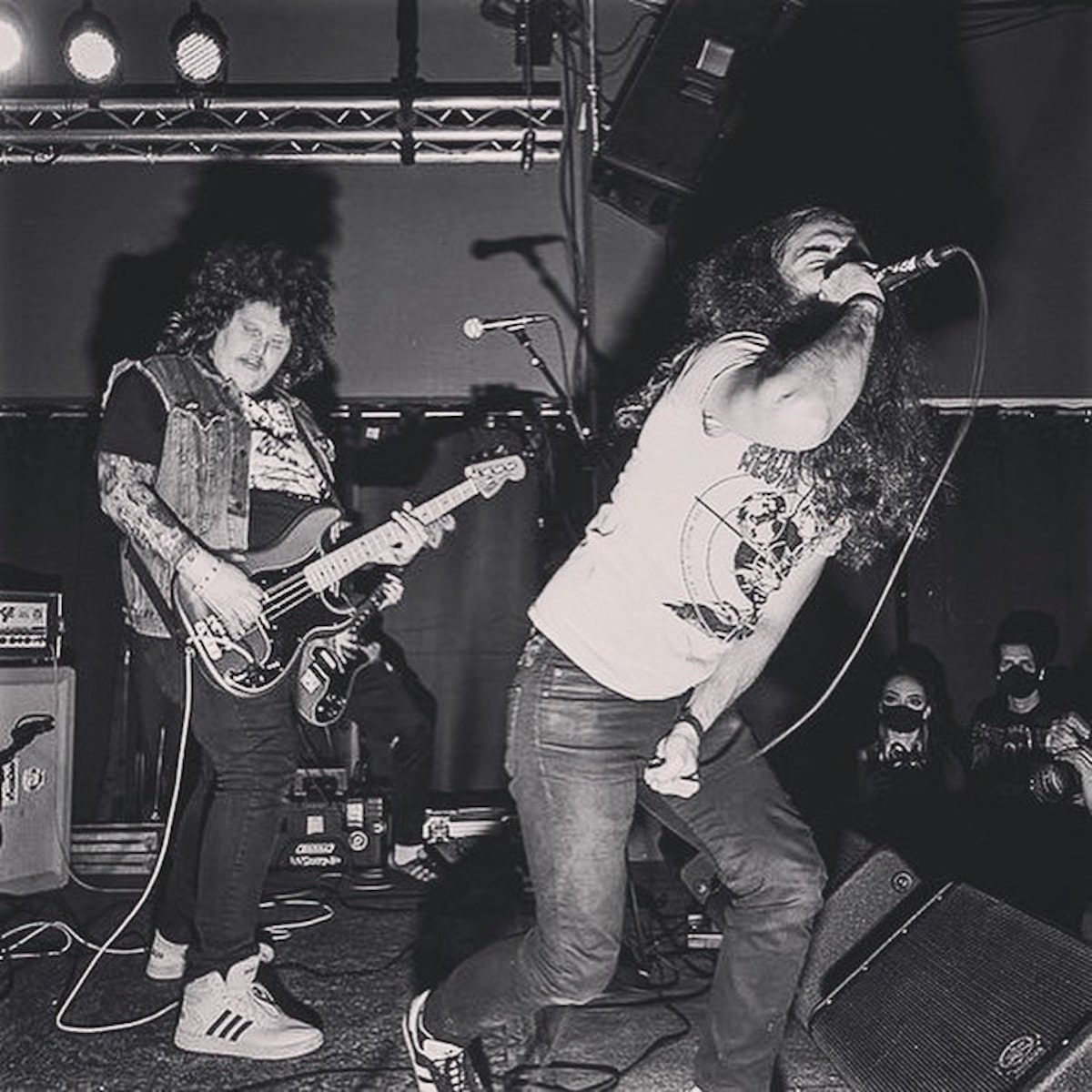
New Jersey’s always had this restless punk/hardcore identity that flips between suburban boredom and coastal grit. How much does where you live seep into the way you sound, or do you feel like you’re constantly fighting against it?
There’s plenty of bands that influenced me at an early age that I most likely never would have heard if I lived anywhere else. The digits of my zip code have never had a particular effect on my songwriting.
Scenes can be territorial, sometimes toxic, sometimes incredibly supportive. When you look at the Jersey scene right now, what parts of it keep you motivated, and what parts do you wish would just die off already?
Community keeps me motivated. I’ll never have a taste for crowd killing.
Outside of your own camp, who’s been surprising you lately—new bands you stumbled across in 2024 or 2025 that you think more people should actually pay attention to?
Eric Raven is one of the hardest working creative individuals I’ve met. It’s inspiring to see someone actively pursuing and achieving their vision like that. When I grow up, I want to be like Eric raven.
It feels like hardcore is in this weird spot—on one hand more visible than ever, on the other still splintered into micro-scenes that barely talk to each other. Do you think that fragmentation makes the music stronger, or is it diluting the fire?
It might make individual scenes stronger but progression of the art form as whole ultimately stagnates from it.
Some people are going to hear “Funeral Arrangements” and think you’ve strayed too far from the pit. Others will hear it and say you’ve finally carved out your real voice. How do you personally measure whether you’ve hit the mark—crowd reaction, self-satisfaction, or something else?
Self-satisfaction. The record is like saying “Here, I made this. This is what I wanted to make”. You’ll know you hit the mark when the anxiety of getting it wrong goes away.
When you step back and look at the body of work you’ve built so far, does it feel like chapters of one long story, or are they more like photographs from totally different lifetimes?
Chapters. It’s a progressive situation.
And maybe just to land softer—if someone only knows you from the chaos of your shows, what’s one unexpected side of School Drugs they’d never guess until they spent a night with you offstage?
I’m the only one that doesn’t snore.