


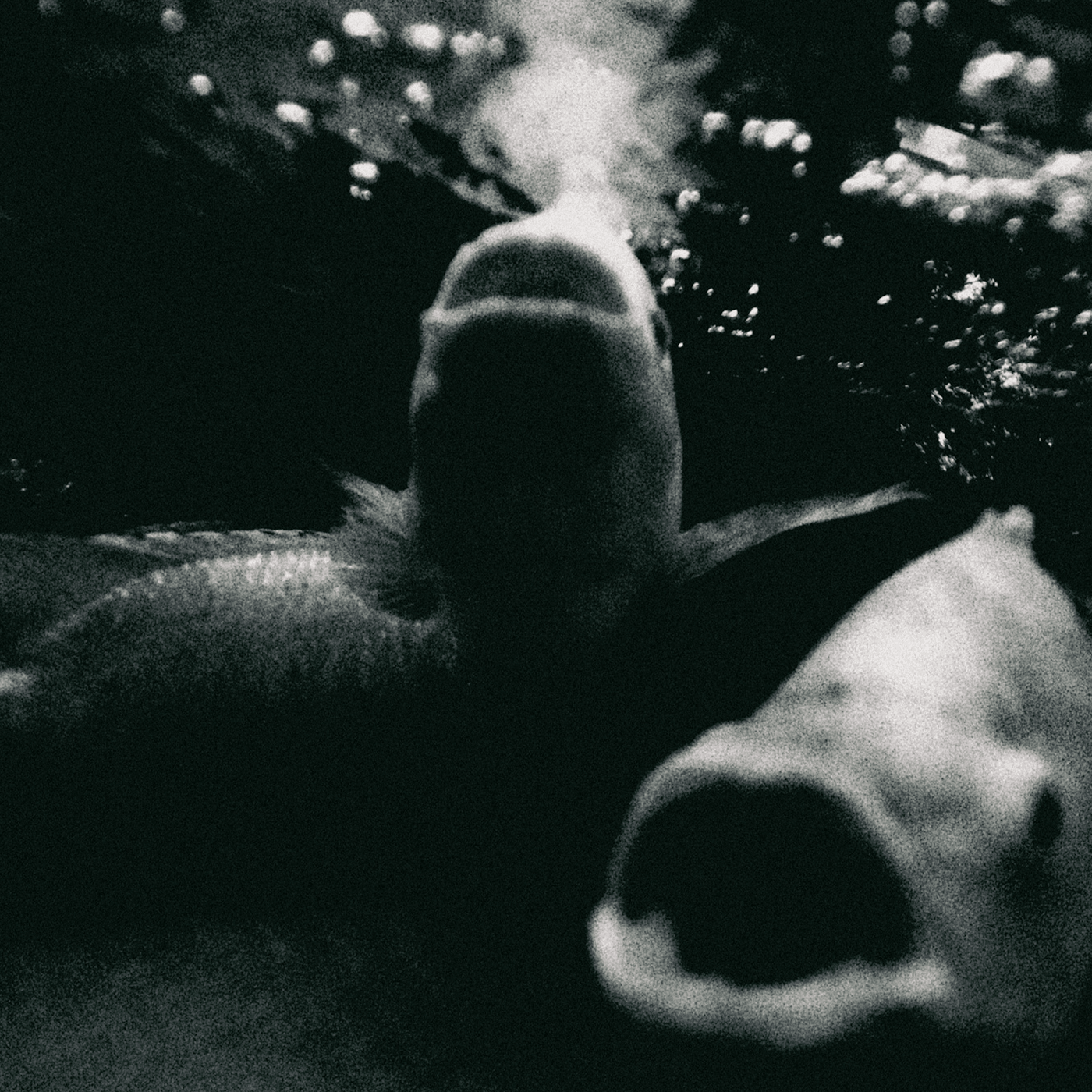
The image that holds Airline’s new EP together is an old one: a koi swimming against the current, trying to clear the Dragon Gate. But it is not a neat symbol for triumph. On “Koi”, the Eora/Sydney band treat it more like a test with no guaranteed finish line — courage as a daily choice, perseverance without certainty, the fight still worth it whether the waterfall ever ends or not.
That tension suits them. Airline have always worked in the space between intimacy and collapse, building songs that can feel almost weightless until the distortion rolls in and blots out the room. Across six tracks, “Koi” pushes that contrast harder. Shoegaze haze, post-hardcore pressure, emo unease, folk-like openness, flashes of metal heft — it all folds into a sound that keeps one foot in the fog and the other on the floor, trying to stay upright.
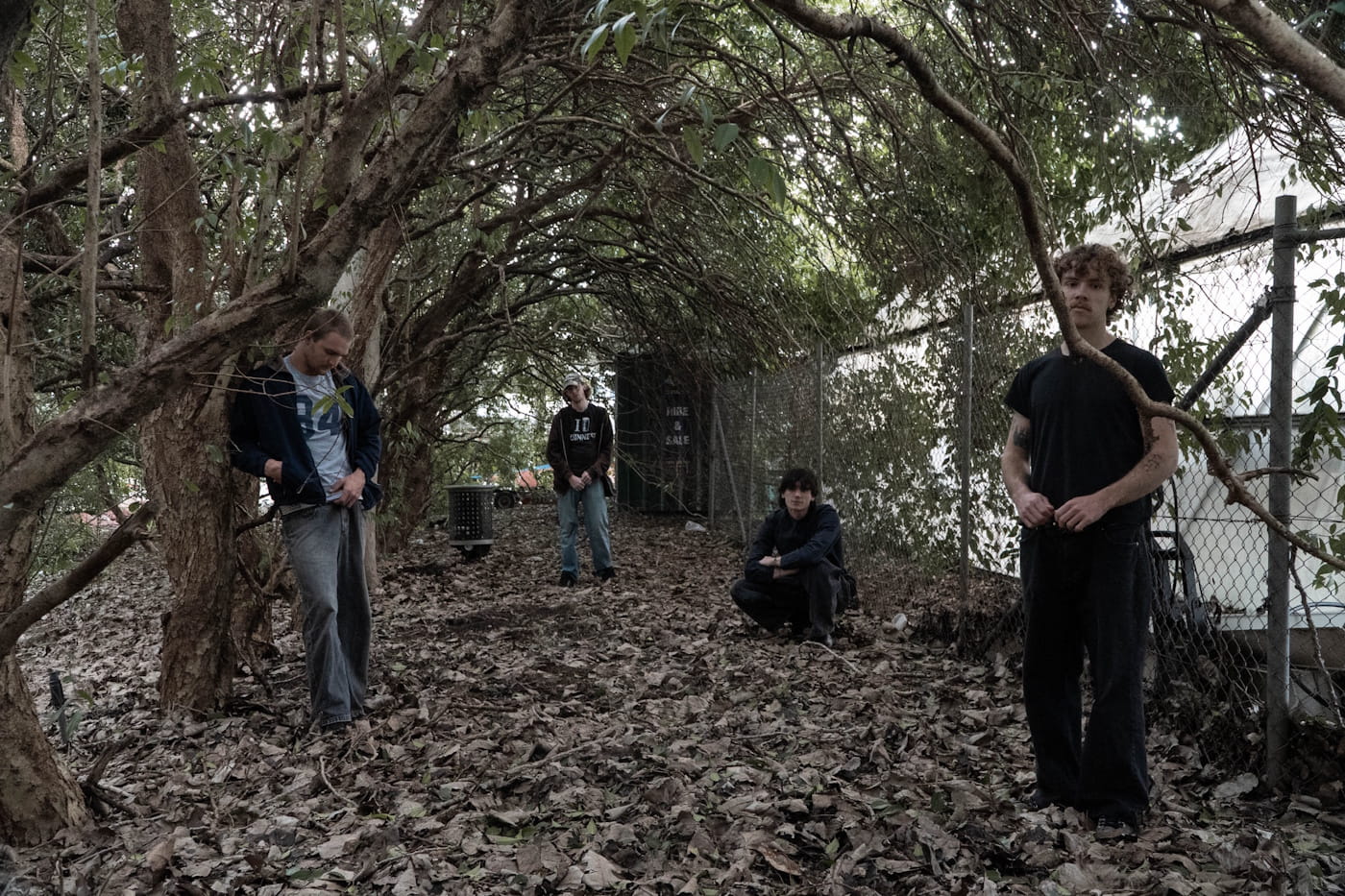
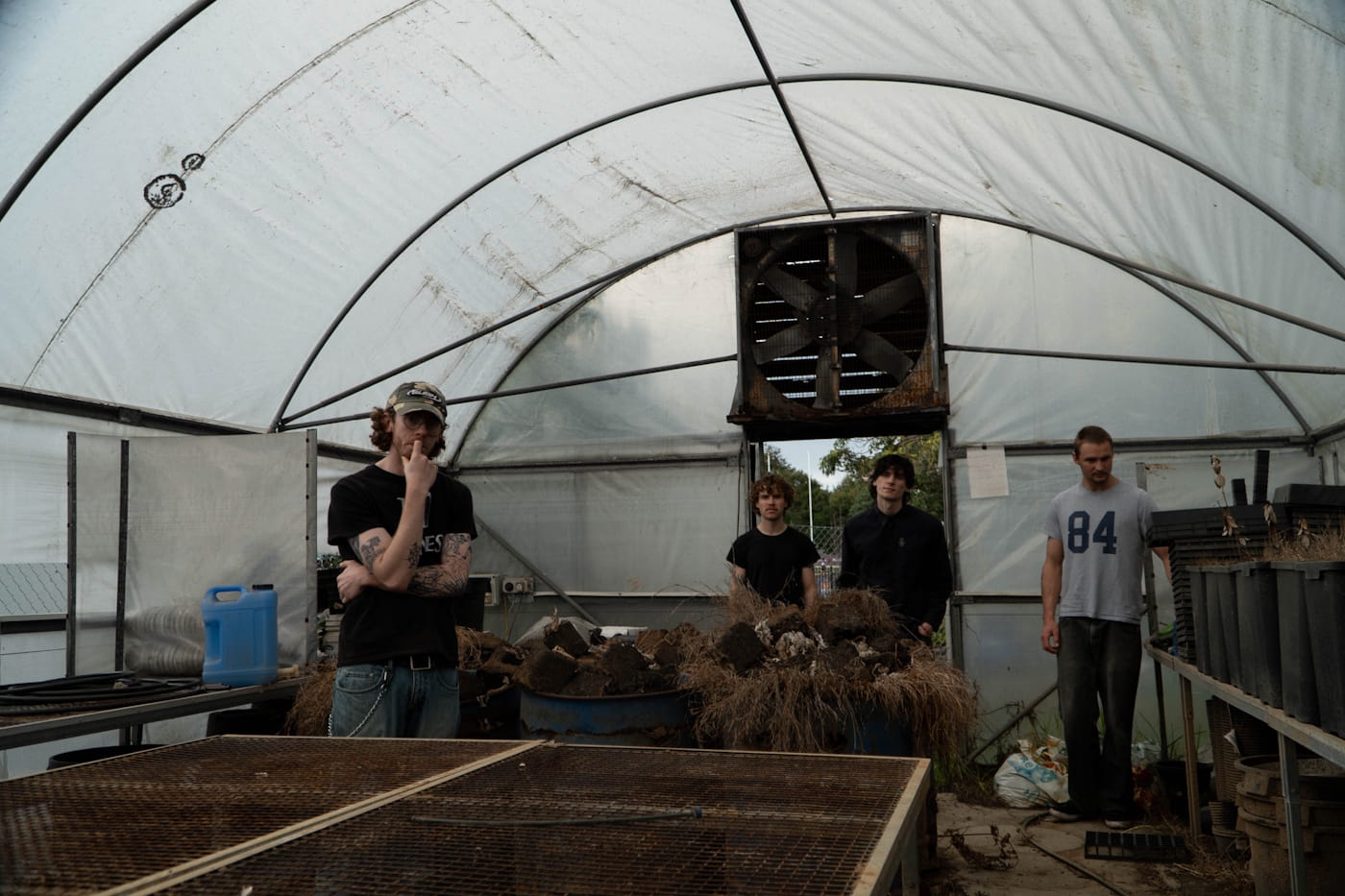
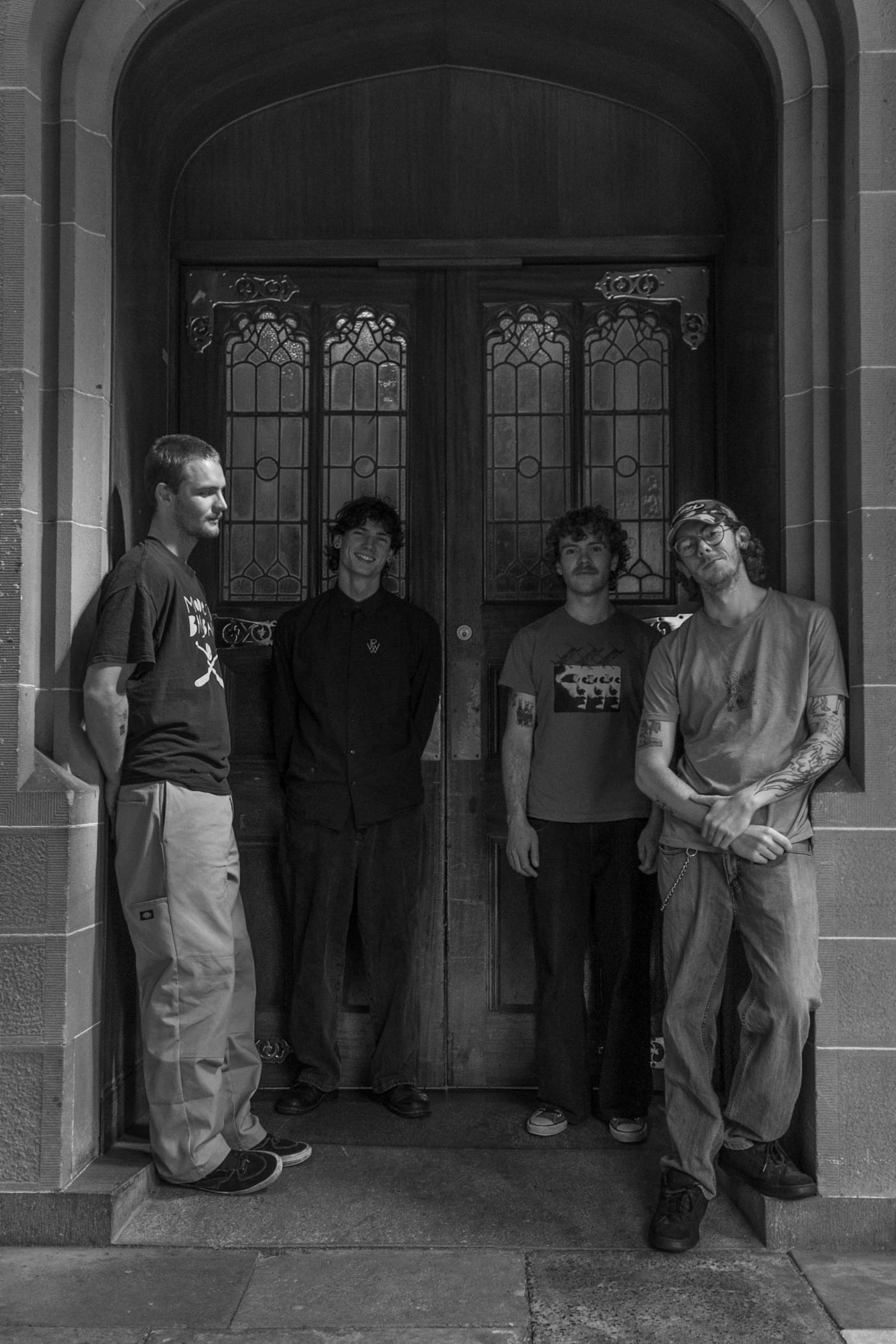
The band are four friends from Eora/Sydney who talk about music as both sanctuary and a reason to be together in the first place. That closeness matters here. Even when the songs deal in overload, fear, power, or the small humiliations of trying to connect, “Koi” doesn’t feel detached. It feels lived in.
The run-up to the EP laid out that range early. “Boring!”, the band’s first release of 2026, premiered via In The Pit on triple j Unearthed on March 1 and quickly found support beyond Australia, including here at Idioteq.
Then came “Total Collapse”, premiered on Unearthed Radio on March 12 before landing in full rotation at FBI Radio. Alongside late-2025 single “Bliss”, those tracks set the tone for a record more interested in emotional weather than clean answers. “Koi” arrived on March 23.
Wyświetl ten post na Instagramie
“Total Collapse” is one of the clearest statements on the EP, but not because it points to some grand external apocalypse. Airline place the collapse somewhere more common and more recognisable: inside the mind, after too much exposure to everything at once. Tragedy, humour, outrage, joy — all of it arrives seconds apart now, flattened into the same stream.
The song catches what happens when that constant intake starts changing the way a person reads the world, then starts pushing them away from it. Airline are not writing about society ending. They are writing about the inward caving-in that comes from trying to process too much of it.
“Falter” turns from information overload to the awkward, less dramatic failure of human contact. It sits with the feeling of wanting connection while living in a culture that demands polish too early and too often. The song is interested in facades — the ways people perform steadiness, desirability, control — and in the slower truth that comes later, when those surfaces begin to crack. Airline don’t romanticise vulnerability here. They make it sound difficult, mistimed, easy to miss.
Then “Lung” drops the pace and darkens the whole record. It is the heaviest track in both sound and intent, aimed squarely at greed and the kind of power that is happy to poison the future for immediate profit.
In the song’s logic, the lung is not only a body part but the wider system that allows life to continue at all: ecosystems, communities, the places and people that keep culture and survival possible.
What makes “Lung” hit is how little patience it has for euphemism. Environmental destruction is not treated as abstract drift or unfortunate byproduct. It is the result of repeated choices by people who know exactly what they are doing. Airline imagine the endpoint as a dead inheritance — scorched land, nothing left to breathe, nothing left to witness the wealth hoarded on top of it.
That severity is balanced by “Bliss”, though not in any cheap feel-good way. The song argues for joy as practice rather than reward. A second of laughter, warmth from the sun, the smell of rain — Airline keep it grounded in ordinary things, the kind people step past while waiting for life to improve enough to permit happiness.
“Bliss” refuses that delay. Its central idea is almost stubborn in its simplicity: there are entire industries invested in convincing people they are not enough yet, not ready yet, not complete yet. Airline answer by placing peace in the present tense.
If “Bliss” is the release, “Tourniquet” is the squeeze before it.
The focus single moving forward, it may be the sharpest expression of what “Koi” is trying to do. The tourniquet image is blunt and exact: fear, pain and vulnerability bound tight enough to let you keep moving.
The song lives in the space between outward competence and inward restriction, where someone can look composed while privately compressing everything that cannot be dealt with yet.
Airline tie that to the broader mood of the times — the anxious sense that the world is becoming harder to inhabit without some degree of forced numbness. The song’s central question cuts deeper than simple resilience talk: at what point does courage become self-blindness? At what point does survival start asking too much?
“Honestly” closes the set by pulling inward again, turning to self-improvement, recurring mental cycles and the search for whatever might count as an answer. It is less declarative than the songs before it, which makes sense. After the compression of “Tourniquet”, ending on a song about growth that still sounds unresolved feels truer to the record than any big release would have.
That is the shape of “Koi” as a whole. It is not a concept record in the strict sense, but it is clearly organised around a shared emotional state: uncertainty, fear, sadness, hope, and the need to keep moving through all of it without pretending the movement is easy. The koi metaphor gives that state a body. Airline return to the old legend of fish forcing their way upstream in the Yellow River, fighting current after current, with only the few that clear the Dragon Gate transformed into dragons. On this EP, the important part is less the transformation than the refusal to drift backward.

The band’s place in Eora/Sydney helps explain why that persistence never turns into isolation. Airline have been playing around the city for years, long enough to remember when there were barely any bands nearby working in adjacent styles, and long enough to see those borders blur. In the early days they found themselves on mixed bills before anything resembling a genre-specific lane had really formed around them. That, in turn, taught them where sounds crossed over, where local scenes touched, and who kept showing up. What lasted was not a strict category but a network.
Ask them about rooms and they answer like people who actually spend their weeks in them. Lazy Thinking gets the nod for best tiny room — too cramped to do much, smelling like hot chips, all the better for it. For a mid-sized room, it is the Chippo: underground, musty, loud as hell. Bigger spaces go to Oxford Art Factory and the Vanguard, both praised for their sound and layout. Best overall is still the Enmore Theatre, the aspirational one, the place where the bigger names have already stood.
More interesting than the venue guide is the way Airline describe the city around them now.
They speak about the scene less as infrastructure than as an extended friend group, a place where it has become rare to attend a show without knowing someone in the crowd, and rarer still to not know someone in one of the bands. There is a lack of posturing in the way they talk about it. No grand thesis. Just the plain fact that most people there seem keen to hang out with their friends and happen to make music too. Every show becomes one big hangout, which in Airline’s telling is not a dismissal of the scene’s seriousness but the reason it works. The people around them are saying important things and doing it well. They are also just around.
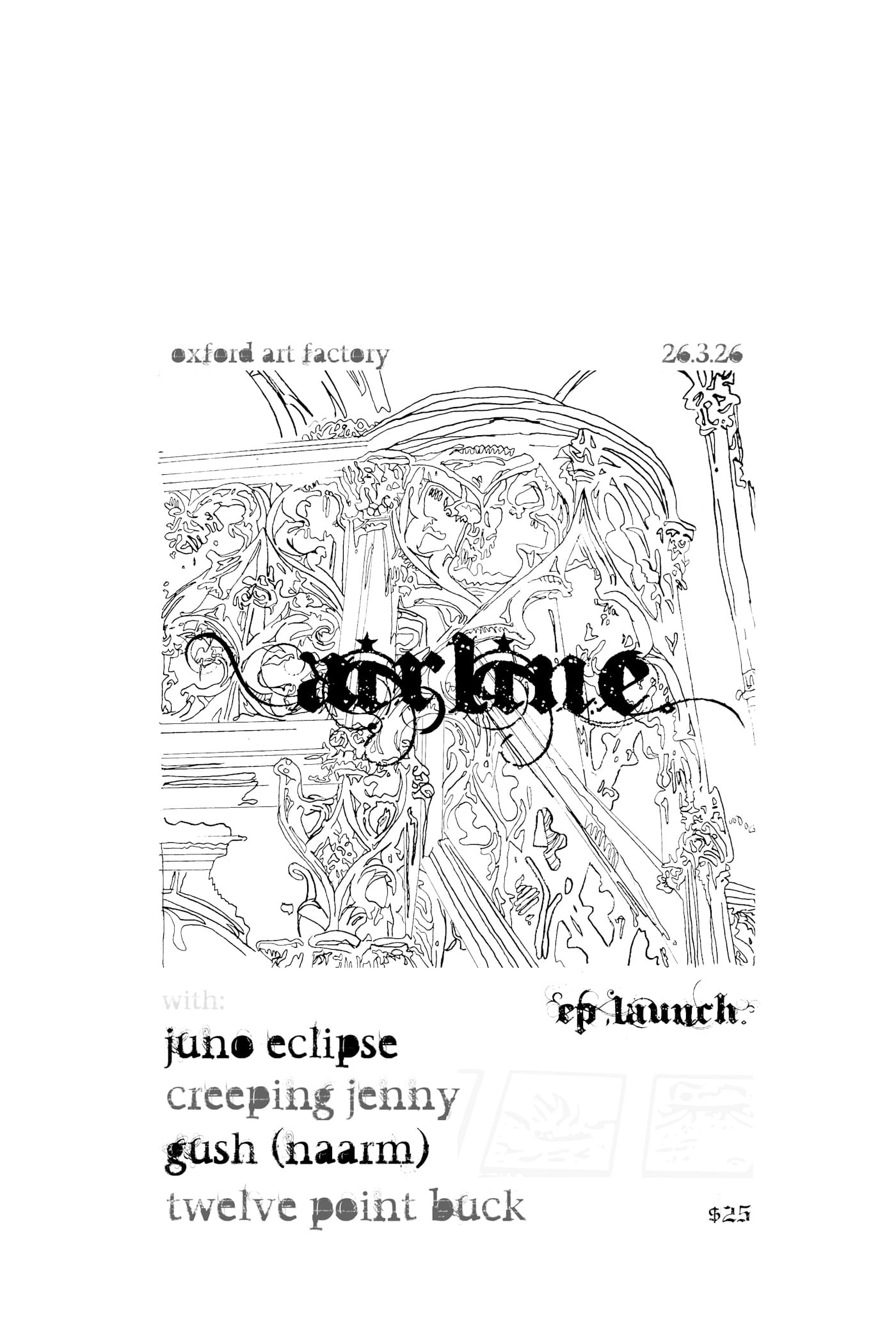
That closeness was all over the EP release show at Oxford Art Factory, where Airline were joined by Gush from Naarm, Juno Eclipse, Twelve Point Buck and Creeping Jenny.
None of those connections are casual. Drummer Lewis also plays bass in Juno Eclipse. Creeping Jenny mostly came up in the same small Southern Highlands town as Airline, and Lewis’ brother Rhys plays guitar in that band; their bassist Liv also played in an earlier version of Airline back in high school. Gush were one of Airline’s early inspirations and later invited them onto their 2024 tour, a relationship that became genuine friendship. Twelve Point Buck have been one of the scene’s most prolific bands for years, and Airline bassist Callum also plays bass for them. It is a stacked bill, but more than that it is a family tree.
That wider sense of momentum sits behind the EP as well. Airline talk about the last few years in Sydney as a comeback story, a period where different genres and styles have been revived, bent into new shapes, and made to matter again. They see themselves inside that, not above it. “Koi” sounds like a band trying to document the pressure of living now without giving in to paralysis, but it also sounds like the work of a group surrounded by enough real community to believe resistance can still be collective.
🔔 IDIOTEQ is ad-free, independent, and runs on one person’s time. If you want it to stay that way: DONATE via PayPal 𝗈𝗋 SUPPORT via Patreon.
Stay connected via Newsletter · Instagram · Facebook · X (Twitter) · Threads · Bluesky · Messenger · WhatsApp.