


There’s a moment. It happens right after you plug in. The room isn’t quiet, not really—there’s always a hum. But something shifts. Maybe the amp pops. Maybe your fingers tremble. Maybe you forget every chord you swore you knew by heart.
And then? You play anyway.
That, right there, is the real music moment. No filters. No producers whispering in your ear. Just you, that half-tuned guitar, and whatever you’ve got to say.
This isn’t about stadiums or charts. This is about sweat-soaked basements, busted pedals, and lyrics scrawled on takeaway napkins. It’s about the sound of people figuring life out—loudly.
Where Perfection Fails, Passion Lives
There’s a reason most chart-toppers don’t stick with you. They’re polished, they’re pitch-perfect—and they’re utterly forgettable. Because perfection is sterile. And sterile doesn’t scream. It doesn’t choke on its own words. It doesn’t drop the mic mid-verse because it meant something too real.
But punk? Hardcore? Indie? The kind of lo-fi metalcore recorded in a mate’s attic while someone’s mum made tea downstairs?
That stuff stays with you.
It has scars. And we trust scars more than we trust shine.
Why the DIY Scene Still Matters
In an age of algorithms and synthetic voices, it’s almost rebellious to just… plug in and play. No pitch correction. No TikTok dance challenge. Just noise.
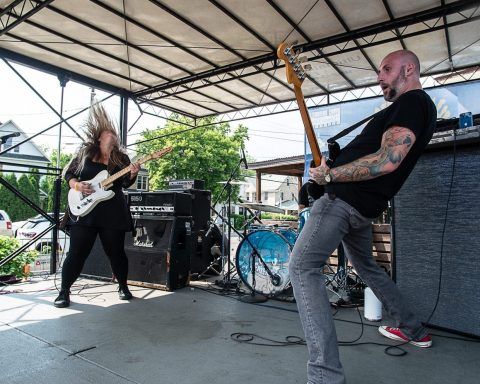
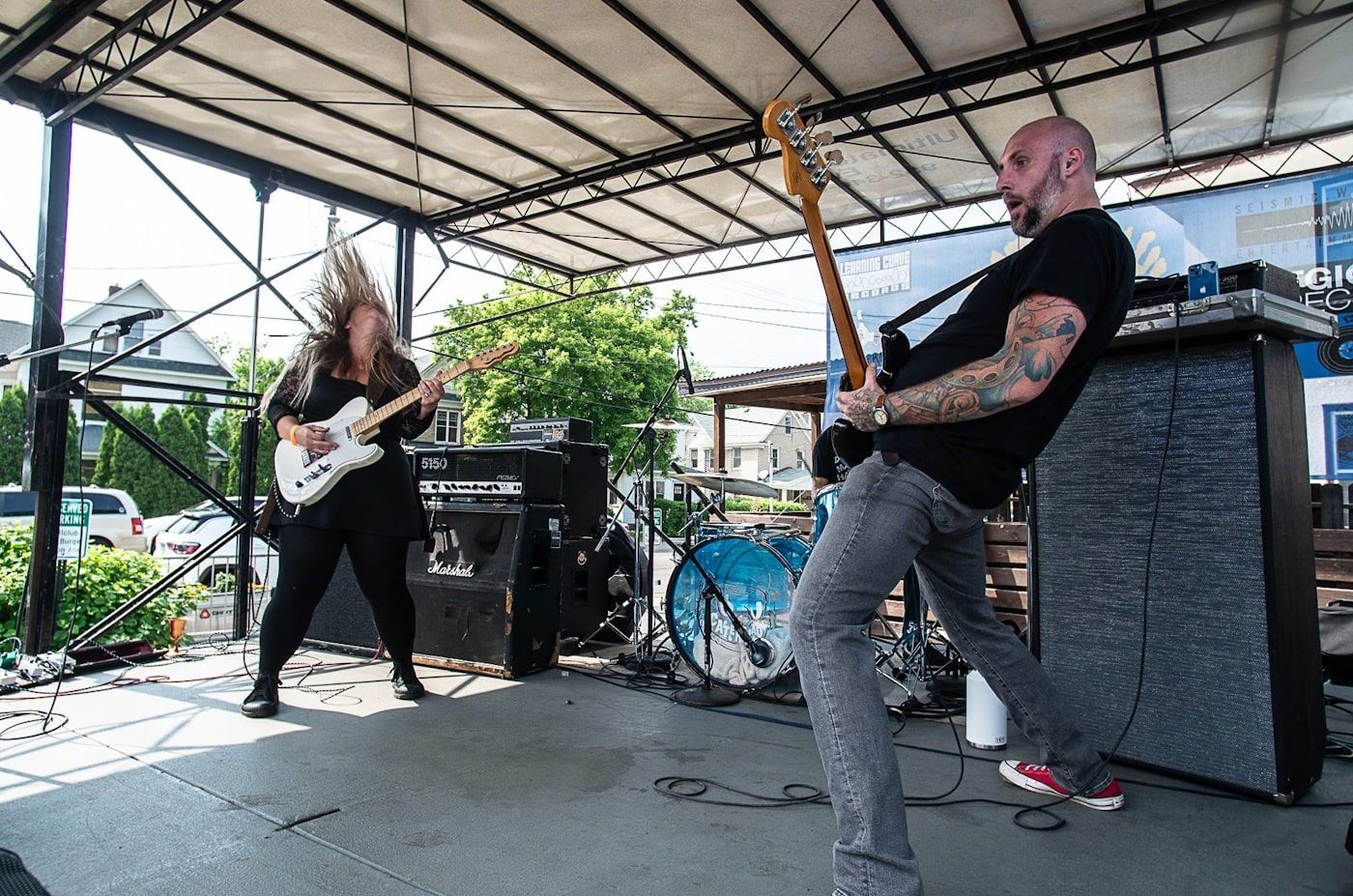
The DIY scene isn’t a nostalgia act. It’s a reaction. A counterweight to overproduced sameness. And it’s alive—pulsing through college towns, tucked into Eastern European warehouse shows, shouted over handheld mics at backyard gigs where the stage is four milk crates and a dream.
It’s also more inclusive than ever. You don’t need a major label. You don’t even need “gear.” You need a message. And the guts to scream it.
Guitars With Dirt Under Their Strings
Ask anyone who’s lived through the grind of gigging on weekends and working day jobs midweek: your first gear probably sucked.
And yet, some of those “starter” setups ended up being magic.
Because good music isn’t about perfect tone—it’s about intention. A hand-me-down Strat knockoff through a borrowed practice amp can still punch you in the gut if the hands behind it are playing from something real.
That’s why the world needs cheap guitars just as much as it needs handmade boutique ones. Because they get instruments into the hands of those who can’t wait. And that urgency? That fire? That’s the seed of movements.
Sites like Own4Less understand that. It’s not about selling “gear”—it’s about making sure the next voice in punk, in emo, in mathcore—can afford to shout.
The Magic of Imperfect Sound
Lo-fi isn’t a trend. It’s survival.
It’s how the best bands have always made do. Recorded demos with phones. Tracked vocals in closets. Laid down drums with one mic and blind hope. And it works—because constraints force creativity.
Ever notice how some of the most chilling guitar tones come from setups that cost less than a night out? That’s because musicians are forced to make do and dig for new sounds. They get weird. Desperate. Honest.
And that honesty bleeds into every note.
Music As a Punch, Not a Product
Here’s the thing: some artists want to sell records. And that’s fine. But others? They just want to matter.
They want to say something that hurts. Or heals. Or confuses the hell out of you. They want to question things—gender, politics, capitalism, tradition—and music is their weapon of choice.
Those people aren’t trying to trend. They’re trying to testify.
And it shows in how they write, record, and tour. They crowdsource albums. Crash on couches. Sew their own merch. Trade sweat for stage time. They’re not waiting for permission.
They’re just doing it.
Community Is the New Record Deal
Ask around. The bands that survive the long haul aren’t just the ones with good songs. They’re the ones with good people behind them.
The ones who know how to pack vans. Who split the door fees fair? Who shouts out openers? Who load their own gear and help you load yours.
DIY scenes run on mutual respect. No green rooms. No entourages. Just family built from feedback and long drives and badly rolled cigarettes behind the venue.
Music becomes more than sound—it becomes a connection.
Breaking Genre for the Hell of It
Another thing happening in real-time: genres are melting.
Your “emo” might come with a trap beat. Your “hardcore” might use synths. Your “folk punk” might turn into ambient noise halfway through and still make you cry.
And that’s a good thing.
Because rules were made to be broken. And the best scenes—the ones that breathe—don’t gatekeep. They evolve. They experiment. They collaborate across cities, continents, and scenes. And they make room for sound that doesn’t fit into nice little boxes.
Your Gear Doesn’t Define You
Let’s circle back. Maybe you’re reading this thinking, I don’t have the right setup. Or I’ll start recording when I can afford that one mic. Or my guitar’s too busted.
Here’s the truth: the only gear you need is the stuff you’ll actually use.
Not the perfect, polished rig. Just a working setup that lets you make noise. That lets you start.
And sometimes, the cheapest gear ends up being the most treasured. The guitar you threw into a tour van 50 times and dropped on stage more than once? That’s the one with stories. That’s the one with spirit.
Keep Making Noise—Even When No One’s Watching
Sometimes you’ll play shows to five people. Sometimes one of those people will cry. Sometimes you’ll mess up a set so bad you’ll want to quit. And sometimes you’ll have a night that makes everything worth it.
The point is: keep playing.
Write the weird song. Start the awkward band. Cover your feelings in distortion and feedback, and call it healing.
Because this world needs more real music. Made by real people. With bruises on their knuckles and passion in their lungs.
Music isn’t dead. It’s just hiding in your garage.
Go wake it up.