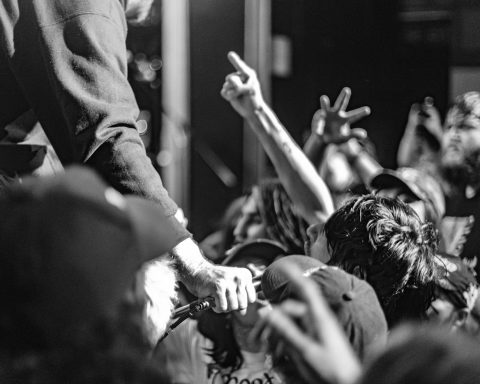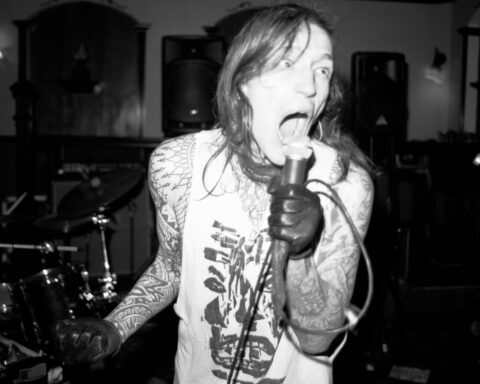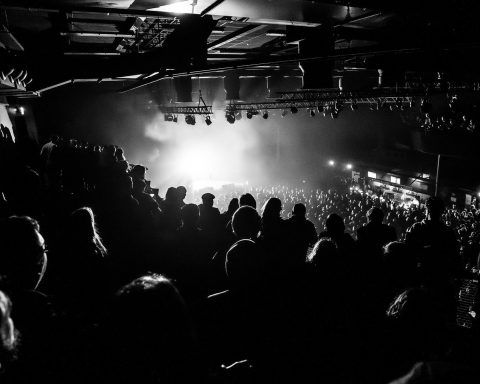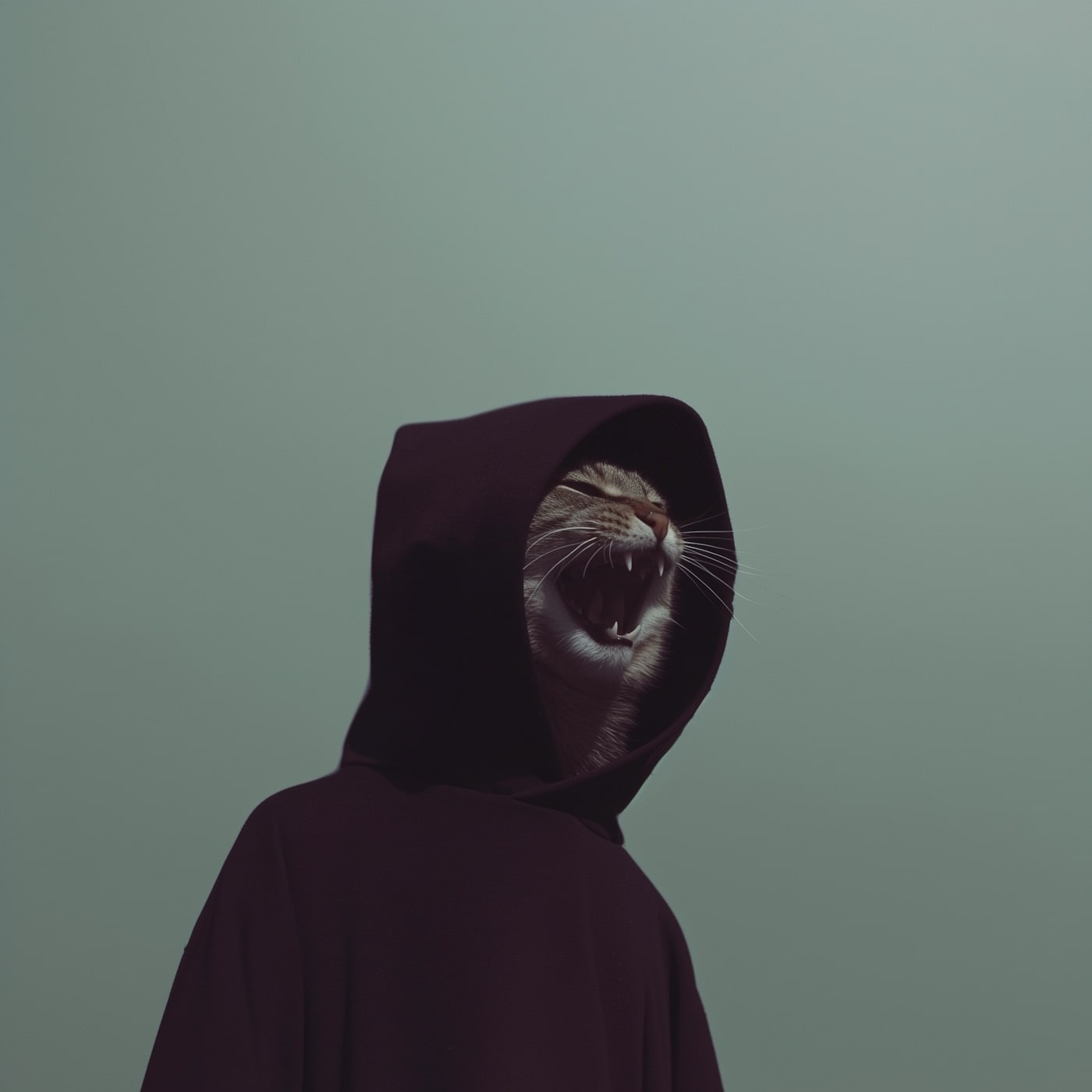


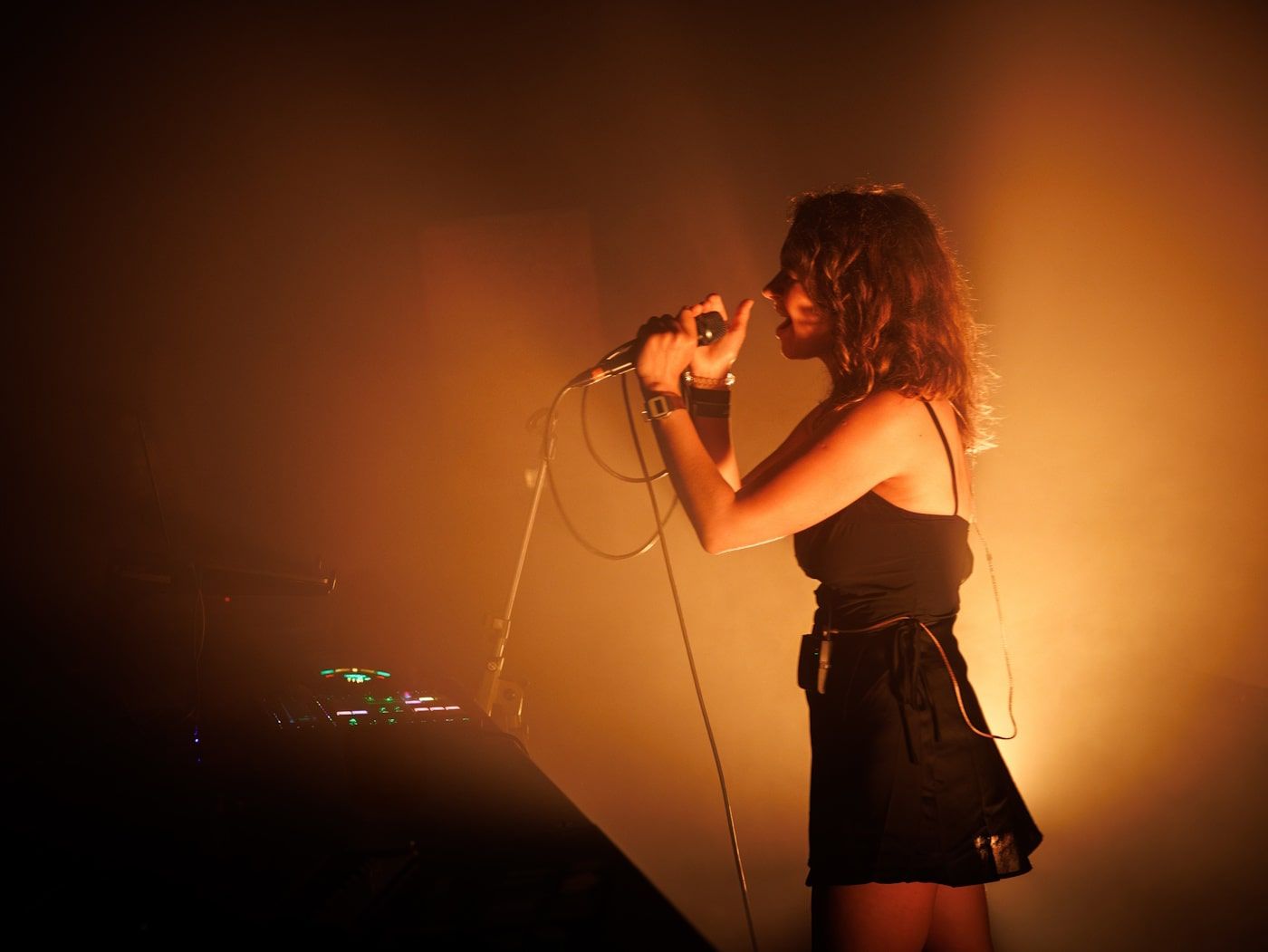
On June 7–8, Kyiv’s cultural venue ∄ hosted Vegan Weekend X — the tenth anniversary edition of the festival organized by Every Animal NGO.
For the first time, the event took place in its new annual format, spanning two full days and featuring over 20 artists, immersive exhibitions, and a message that cut through entertainment: the fight for justice continues, even — and especially — in war.
The theme, “The Illusion of Safety,” shaped the atmosphere across both stages, visual installations, and exhibition spaces. Animals were placed at the emotional center — not metaphorically, but in direct, concrete ways.
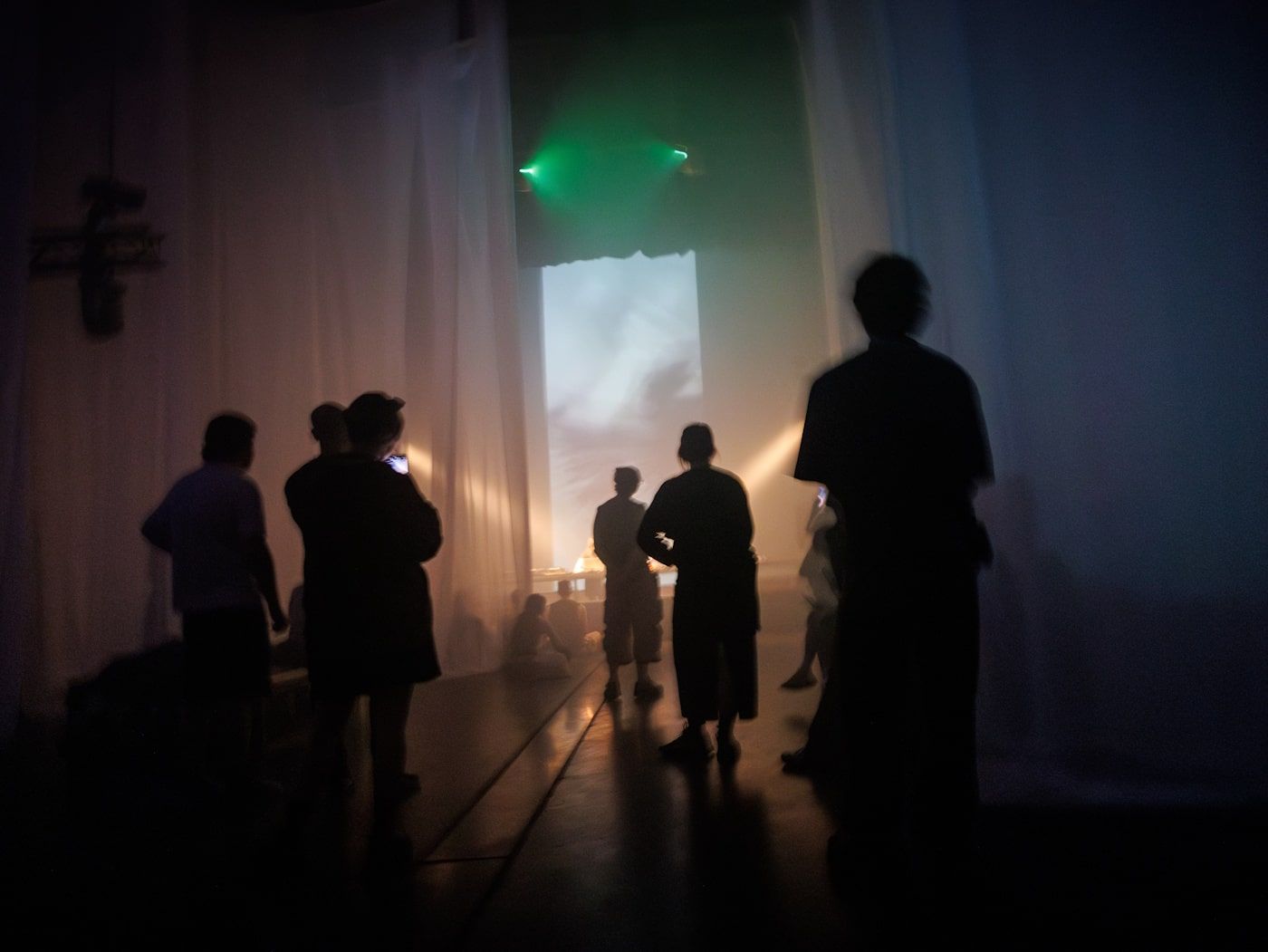
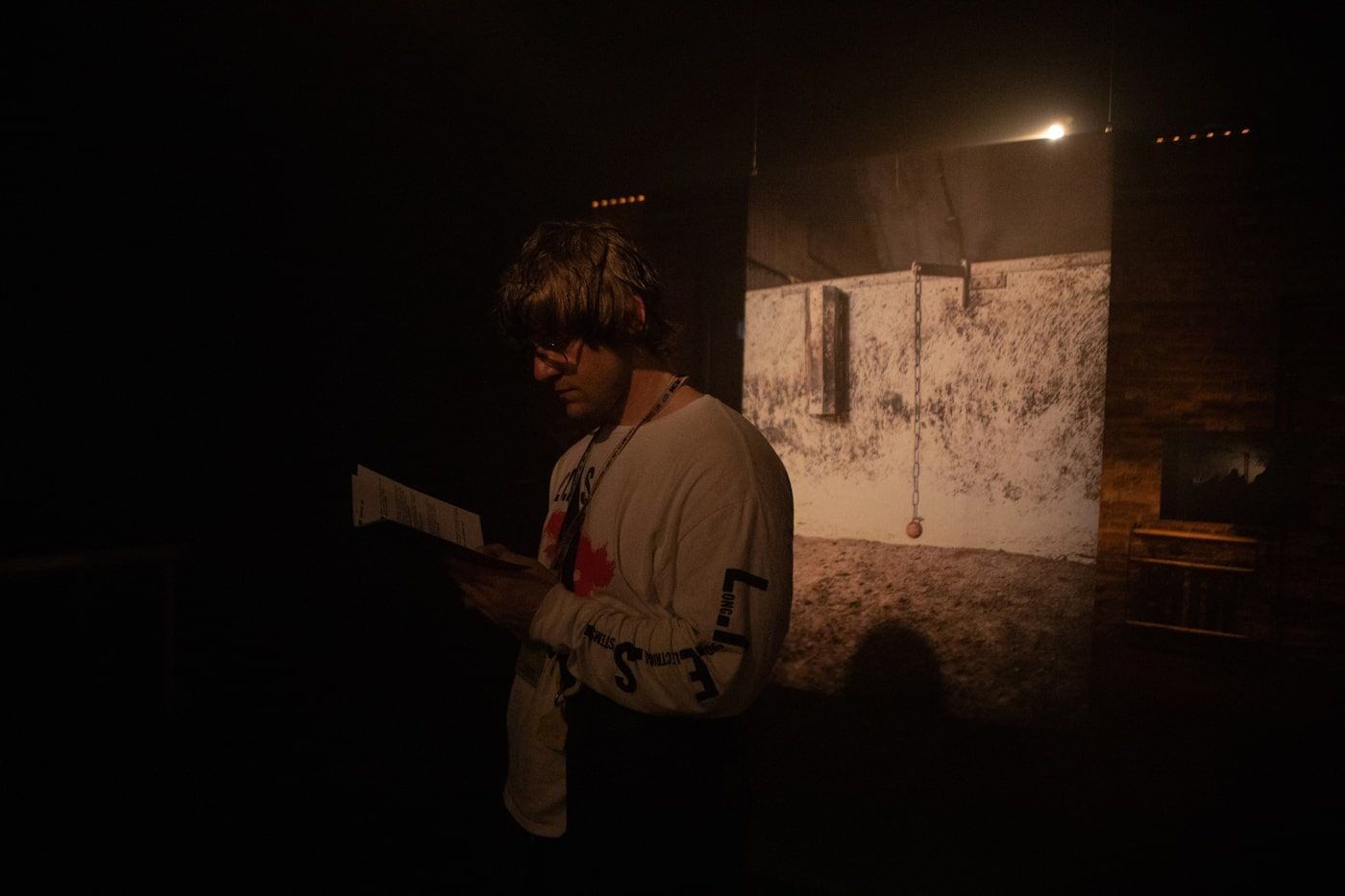
A multimedia exhibition curated by u2203 and Photinus Studio featured semi-transparent fabrics, light, and projections that emphasized partial truths and filtered realities. Jo-Anne McArthur’s photo exhibition, created in collaboration with We Animals Media, offered a raw counterbalance: documentary-style imagery depicting animal suffering and resistance in spaces usually hidden from public view.
The organizers explained that the theme emerged from a need to address how people shield themselves from uncomfortable realities — particularly the systemic suffering of animals. “We live in an illusion we ourselves have built,” they said. “That’s why this year’s festival is dedicated to awareness and rethinking our attitude toward animals.”
Vegan Weekend X took place under the constant backdrop of war. Still, the team emphasized that the event was not a form of escapism, but rather a mirror held up to harsh truths. “Kyiv is our context,” they noted. “We don’t choose it as a symbol — we act within it.” For the team, the act of creating the festival was not separate from reality but fully immersed in it — a way to stay connected, grounded, and useful.
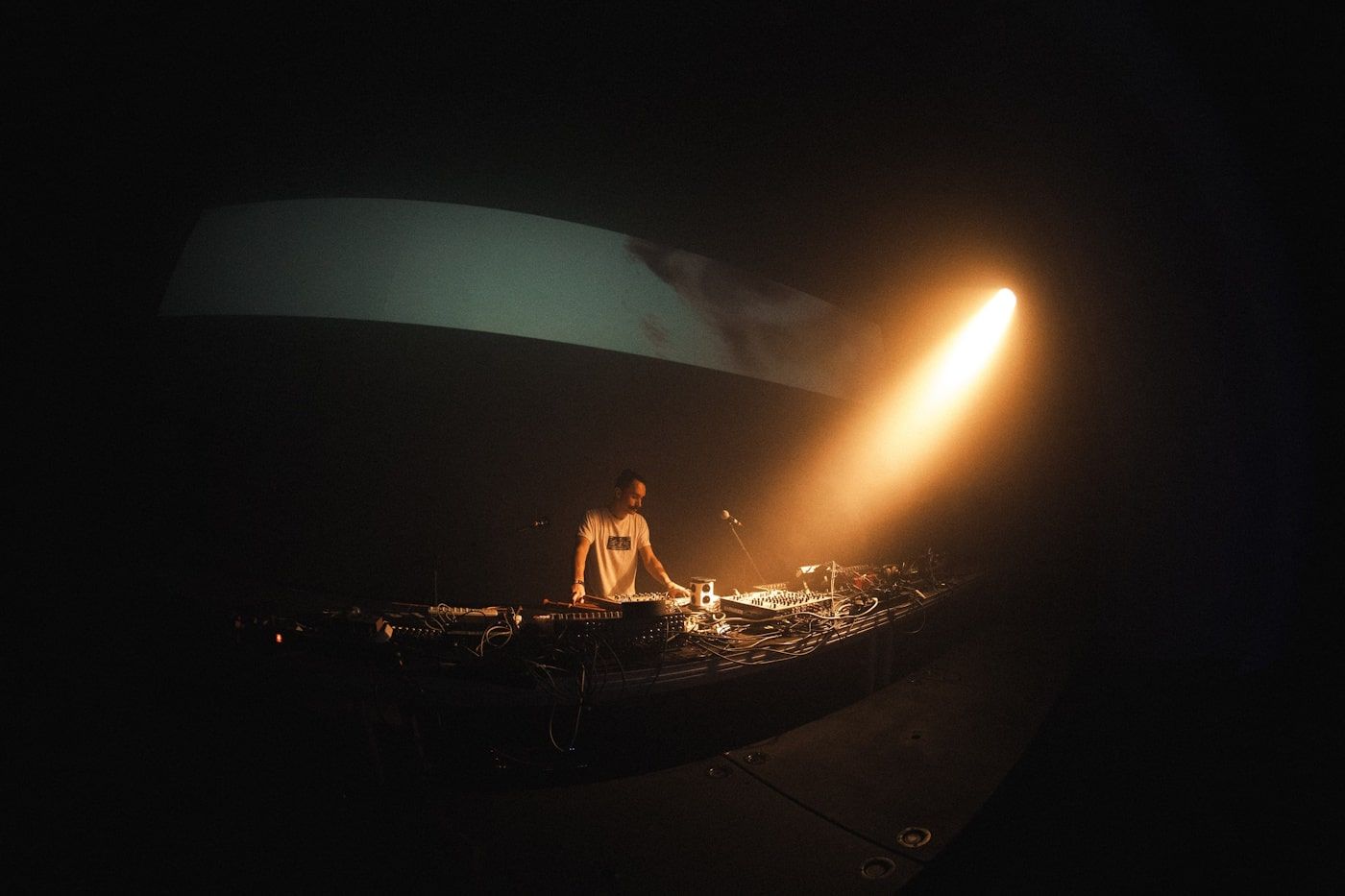
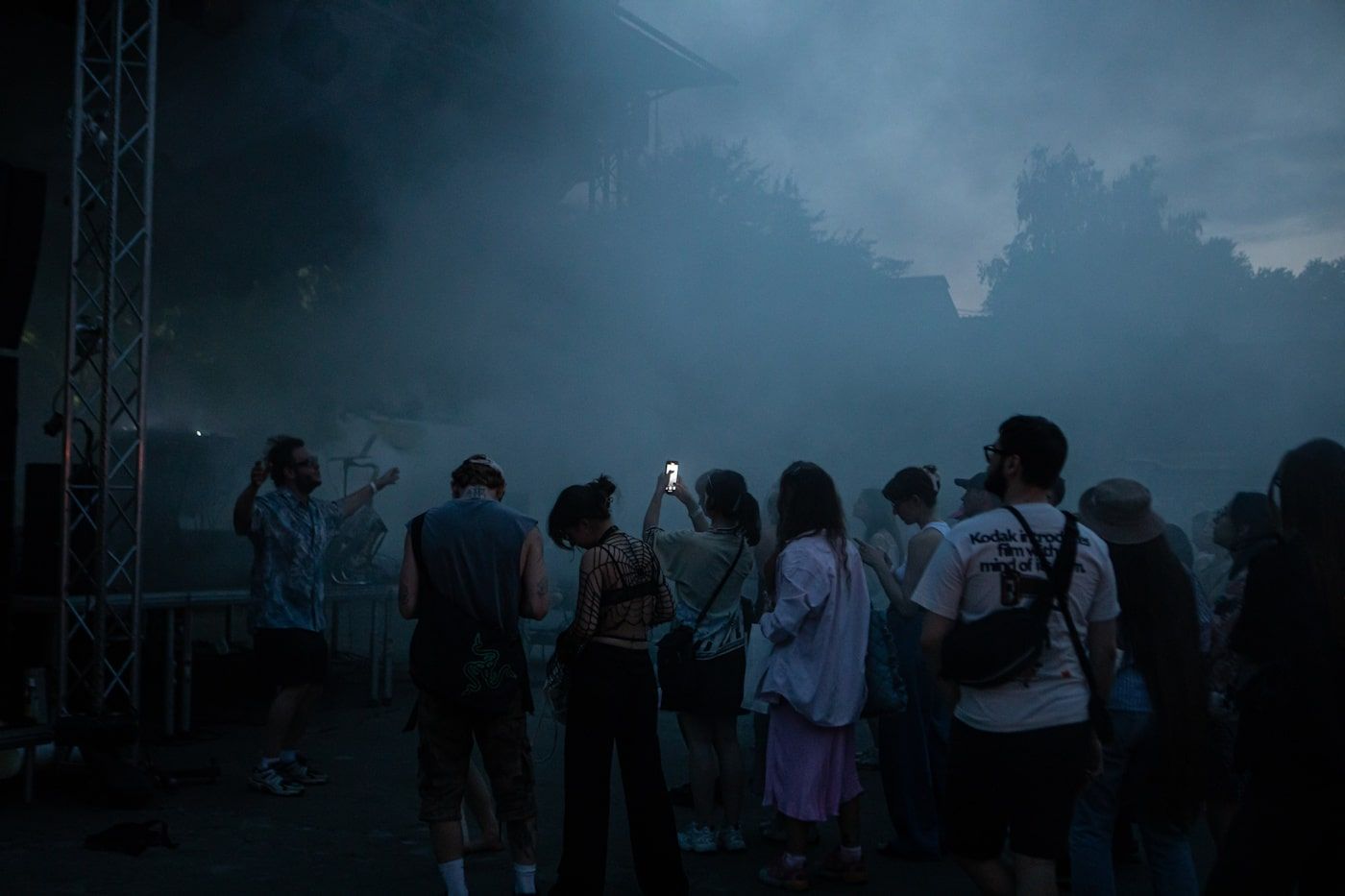
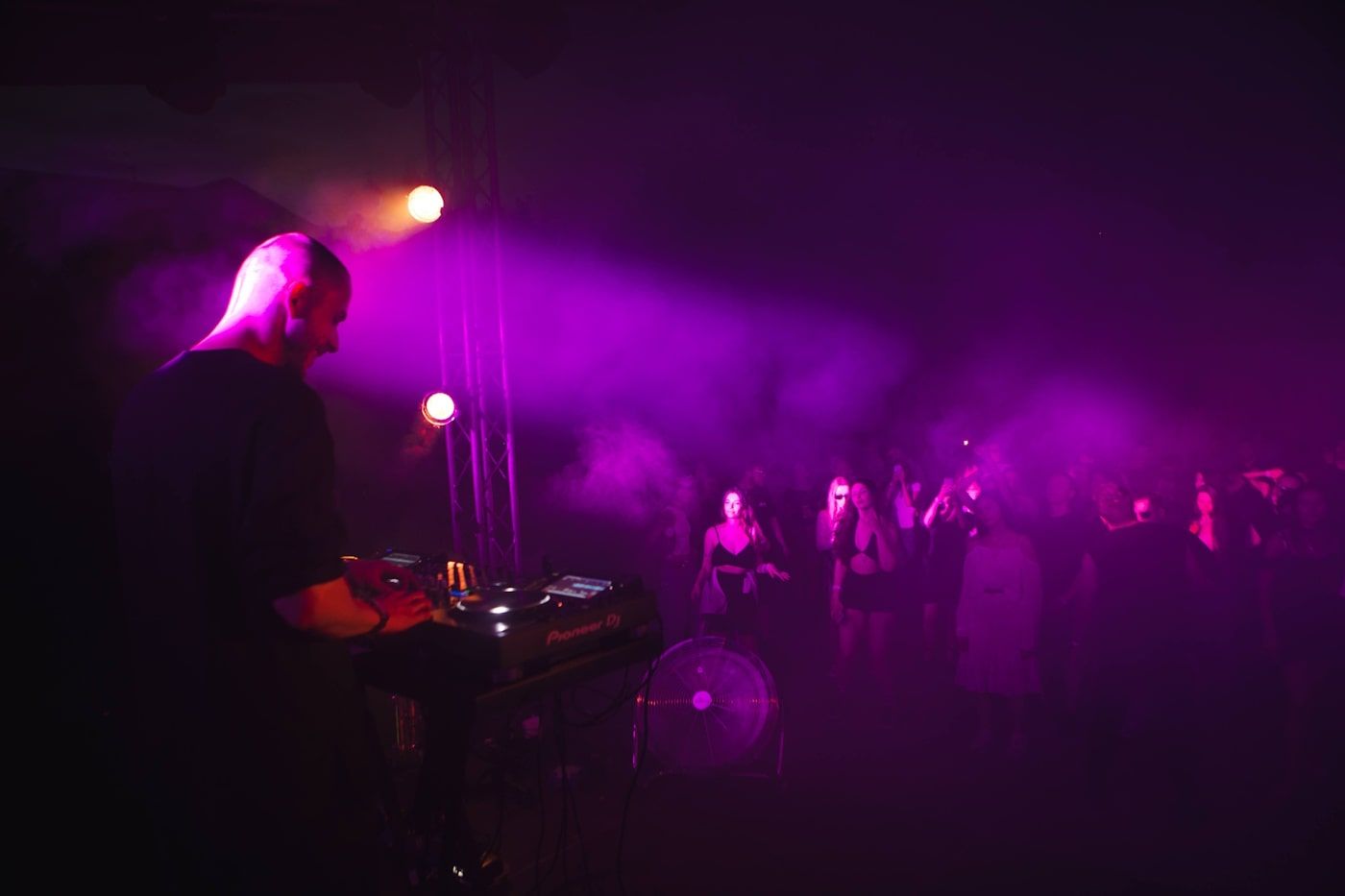
In terms of sound, the festival broke with genre divisions. The Garden Stage leaned into live performances and DJ sets — from soft electronics to indie — while the Concert Hall Stage offered experimental electronic music designed to coexist with visual art. The idea, they said, was to create a “living, flexible dynamic” that would resonate differently with each person. “We want to break down the barrier behind which it’s comfortable to hide — ‘I didn’t know,’ ‘I didn’t see.’”
View this post on Instagram
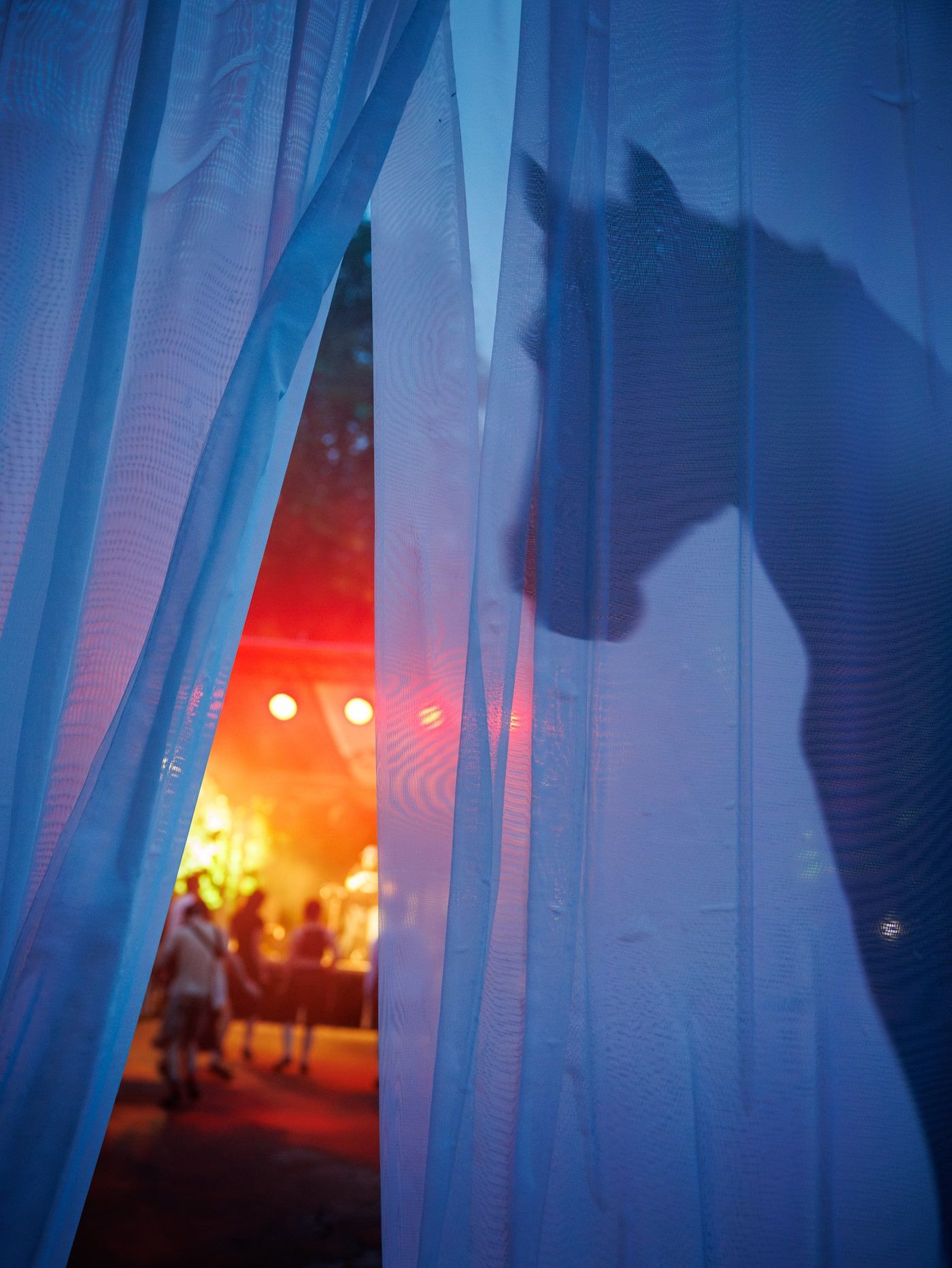
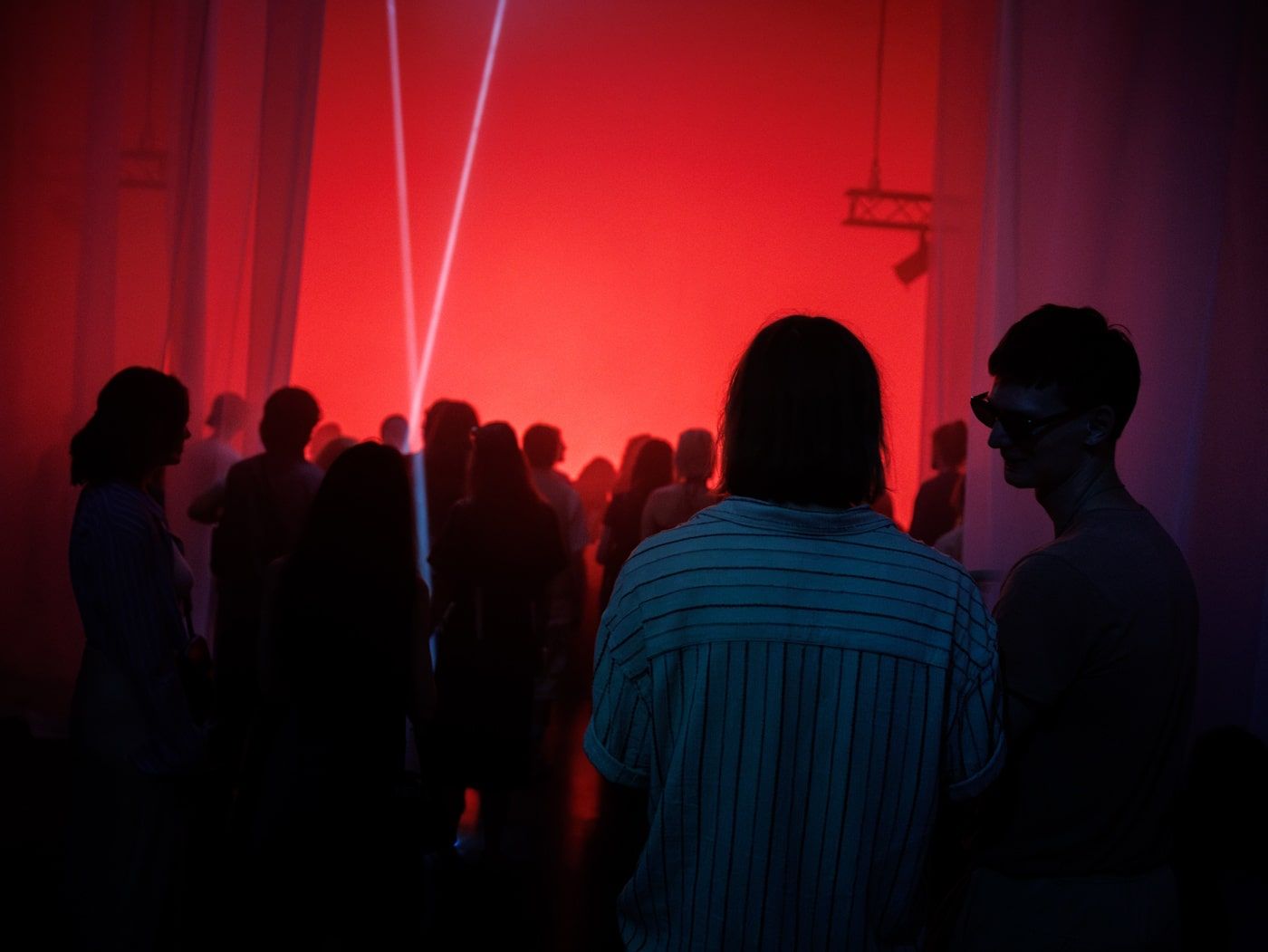
Many elements were intentionally immersive. Visual language — nets, tulle, fragmented lighting — was used not as decoration but to evoke the idea of safety as something flimsy, breakable. “They symbolize the fragility and artificiality of the barriers behind which we often hide from reality.”
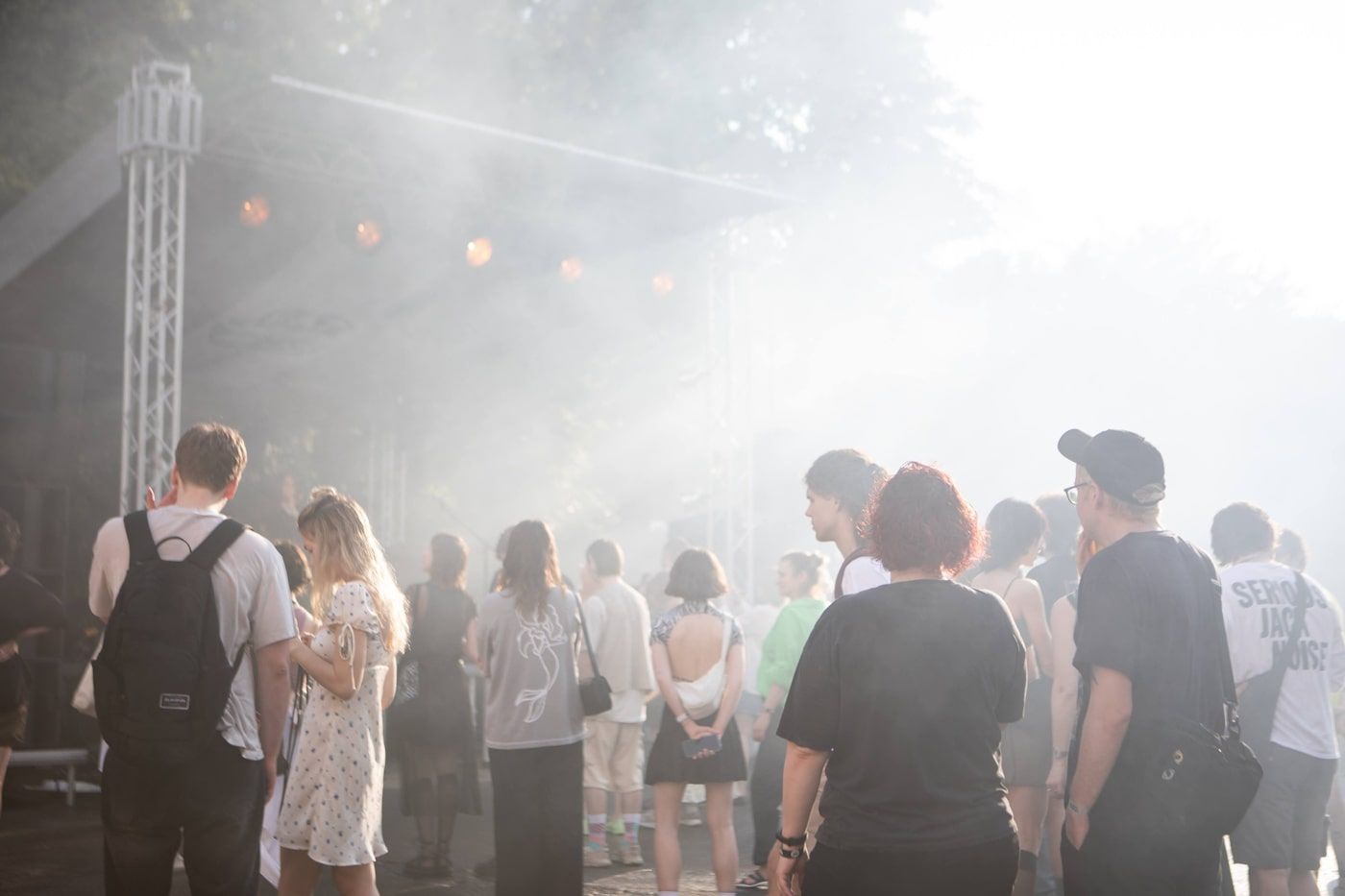
The emotional tone of the festival was just as layered. “We don’t aim to shock or provoke, yet it’s not simply a ‘pleasant event,’” they said. Rather than offering a singular experience, Vegan Weekend X invited reflection, discomfort, openness, and ultimately — connection. Music, they said, acted not only as an aesthetic gesture, but a tool: “It has become a way of adaptation, self-awareness, and support — a tool through which artists formulate their positions, create meanings, and help others endure.”
The stakes of the event were higher than performance or production. Part of the funds raised — ₴1,001,635 (~$24,000) — supported Ukrainian Defense Forces, including the 72nd Separate Mechanized Brigade, the National Guard brigade Khartia, and vegan rations for soldiers. “Vegan soldiers prove every day that it’s possible to defend the country while staying true to their convictions,” the team stated.
Organizers described the experience not as a showcase but as a process — one constantly shaped by tragedy and urgency. “We create it under constant Russian shelling, literally while tragic events unfold daily with our country, our city, and our people.” Despite this, or perhaps because of it, the festival remained a space of purpose. “Art ceases to be something extra. It becomes what helps endure reality.”
The full interview below expands on these themes — from curating sound and visuals to confronting ethical responsibility, supporting vegan soldiers, and shaping new scenes in the shadow of war.
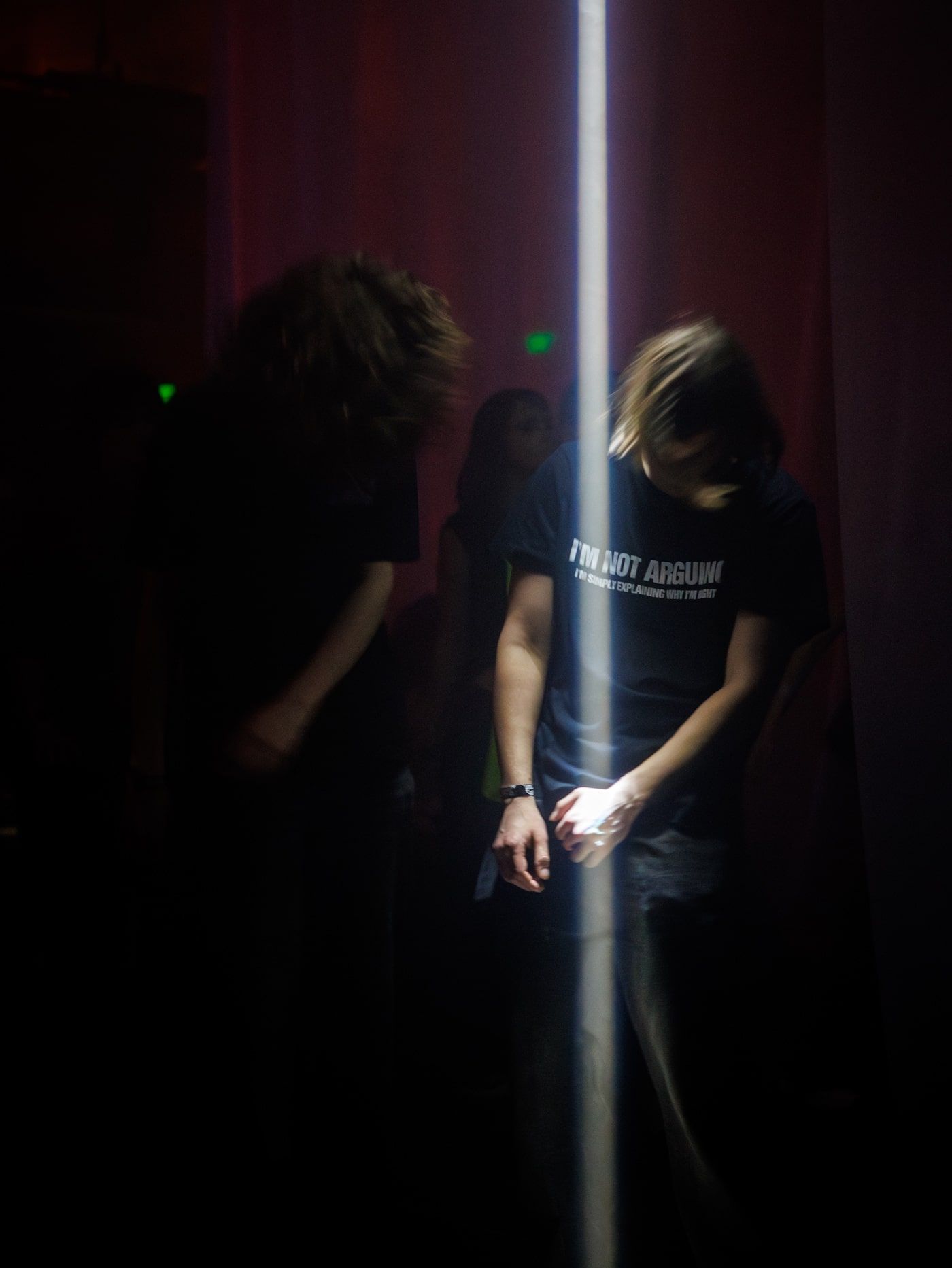
You’re organizing a festival in a country at war — and yet it comes across as a celebration, a manifesto, a call to stay human. How did the idea to shape Vegan Weekend X in this tone emerge? What did it mean to you to create that kind of atmosphere — despite everything?
With the full-scale invasion, we redefined our role. Some of the team’s projects focused on supporting Ukraine’s Defense Forces. At the same time, we felt the need to keep the focus on animal rights — both as a distinct topic and as part of a broader struggle for justice.
In 2022, the idea emerged to create a charity festival — not as an escape from reality, but as a space where that reality is reflected on. It was a natural decision. It gave us a sense of wholeness: we were not only not silent, but actively creating something vitally necessary. That’s how the first Vegan Weekend happened. Vegan Weekend is also about solidarity with animals. We don’t want animals to be forgotten just because people are also suffering. On the contrary — it adds another dimension of responsibility. We strive to keep empathy alive in any context. Since then, the festival’s mission has remained unchanged — to support Ukraine’s defenders and spread ethical values even in the toughest times. Over 10 events, we have donated more than ₴4.5 million (~$110,000) to the Defense Forces.
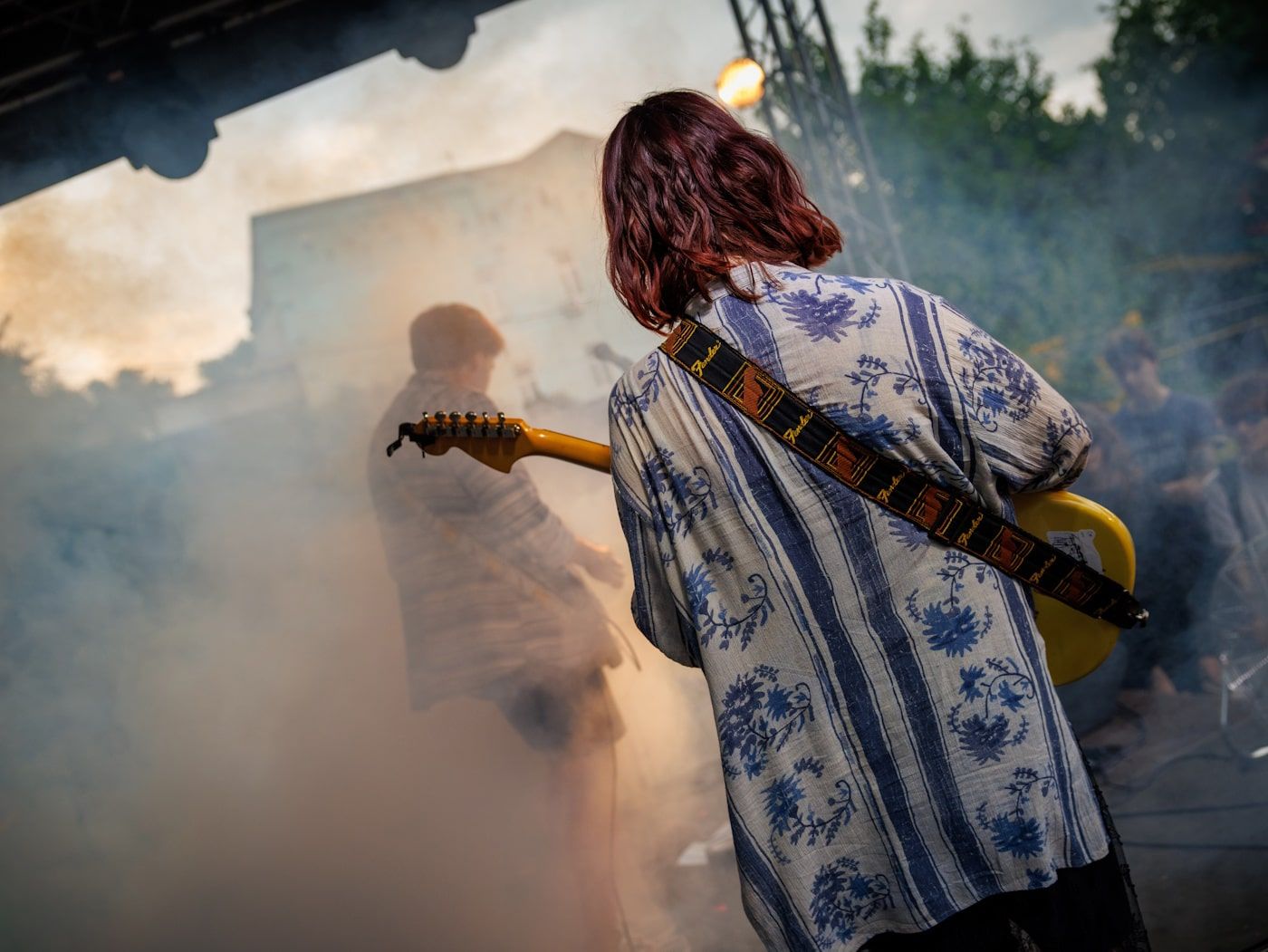
Do you feel a different level of responsibility organizing a festival in Kyiv right now — compared to any other place? Not just in terms of logistics, but emotionally, politically, even in terms of values?
Kyiv is our context. It’s a place where feelings of risk intertwine with a readiness to keep living, where daily struggles coexist with the desire for normality. The city has enough infrastructure for a large-scale event and enough engagement so that such an event truly matters.
We don’t choose Kyiv as a symbol — we act within it as a real environment where events like this are not only possible but necessary. This responsibility is felt by every team member. Also, most of our team is based here, which gives us a deeper understanding of the context and shapes not only logistics but how we feel and perceive our work.
One of the core themes of the festival is “The Illusion of Safety.” It resonates on many levels. Why did you choose to bring that idea into the public space? What does it mean to you personally — as an organizer?
This theme touches on many forms of defense mechanisms people use — including avoiding painful topics related to the life and death of animals. Sometimes we think that if we turn away, avoid, or close our eyes, then nothing is happening. Such defense mechanisms protect us from unwanted or painful emotions and experiences. But therein lies the danger: while we avoid reality, reality itself doesn’t disappear.
Unfortunately, animals in our world find themselves exactly in such a situation — their lives, suffering, and deaths remain out of human attention. More than that, they become victims of human activity while people ignore the consequences of their actions. We live in an illusion we ourselves have built. That’s why this year’s festival is dedicated to awareness and rethinking our attitude toward animals.
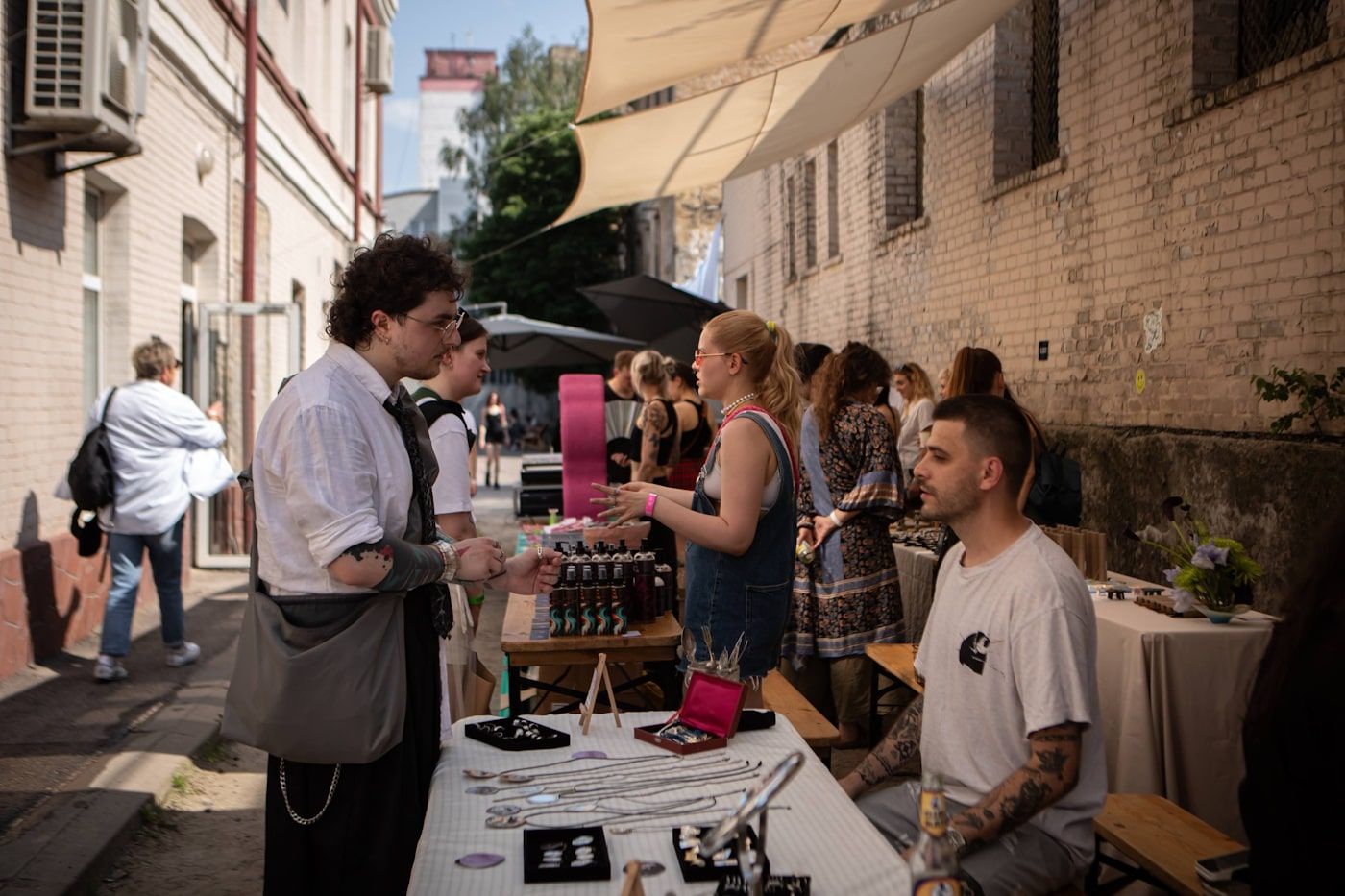
The idea that comfort can be a kind of lie — a shield that prevents us from seeing reality — hits hard. Was it your intention for the festival to break that shield? Or maybe to offer a different kind of safety — one grounded in truth?
Every time, Vegan Weekend sets the goal of speaking about animal exploitation in a way that cannot be ignored. A large part of our audience is not vegan, and we consciously create a space where this topic cannot be avoided. We want to break down the barrier behind which it’s comfortable to hide — “I didn’t know,” “I didn’t see.” That’s why we work with images that cut through this protective shell: through music, visual gestures, exhibitions, film screenings. This year, we paid special attention to the theme of animal exploitation in art — where it is often hidden or normalized. The media art exhibition, the We Animals photo exhibition, and other interaction zones at the festival create a space that is not only safe but honest. And that is another form of safety.
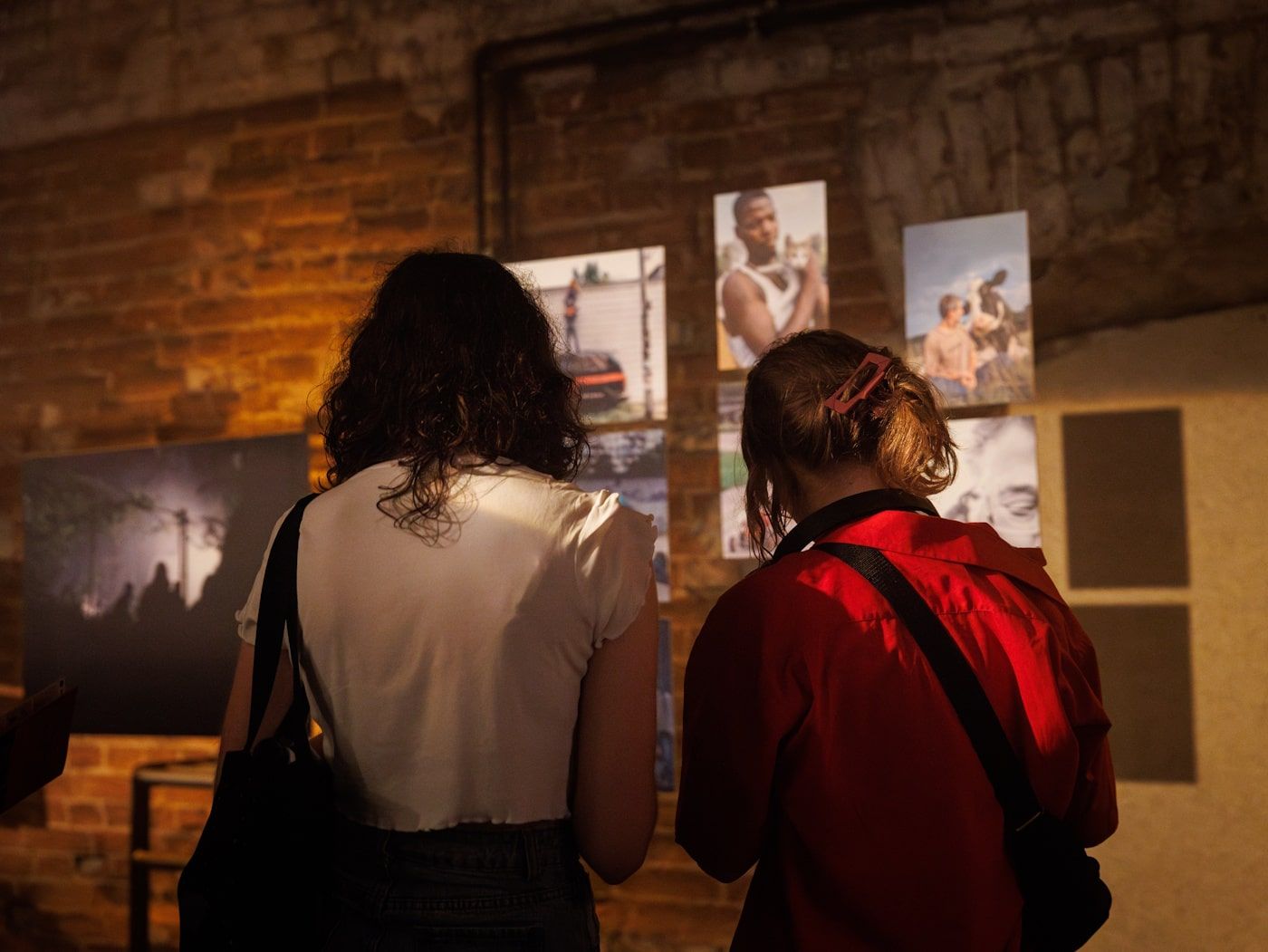
The visual layer of Vegan Weekend X is intense — nets, translucent barriers, immersive installations. How did you shape that visual lazguage of the space? What was it meant to emphasize — or disrupt — in the way people experience the festival?
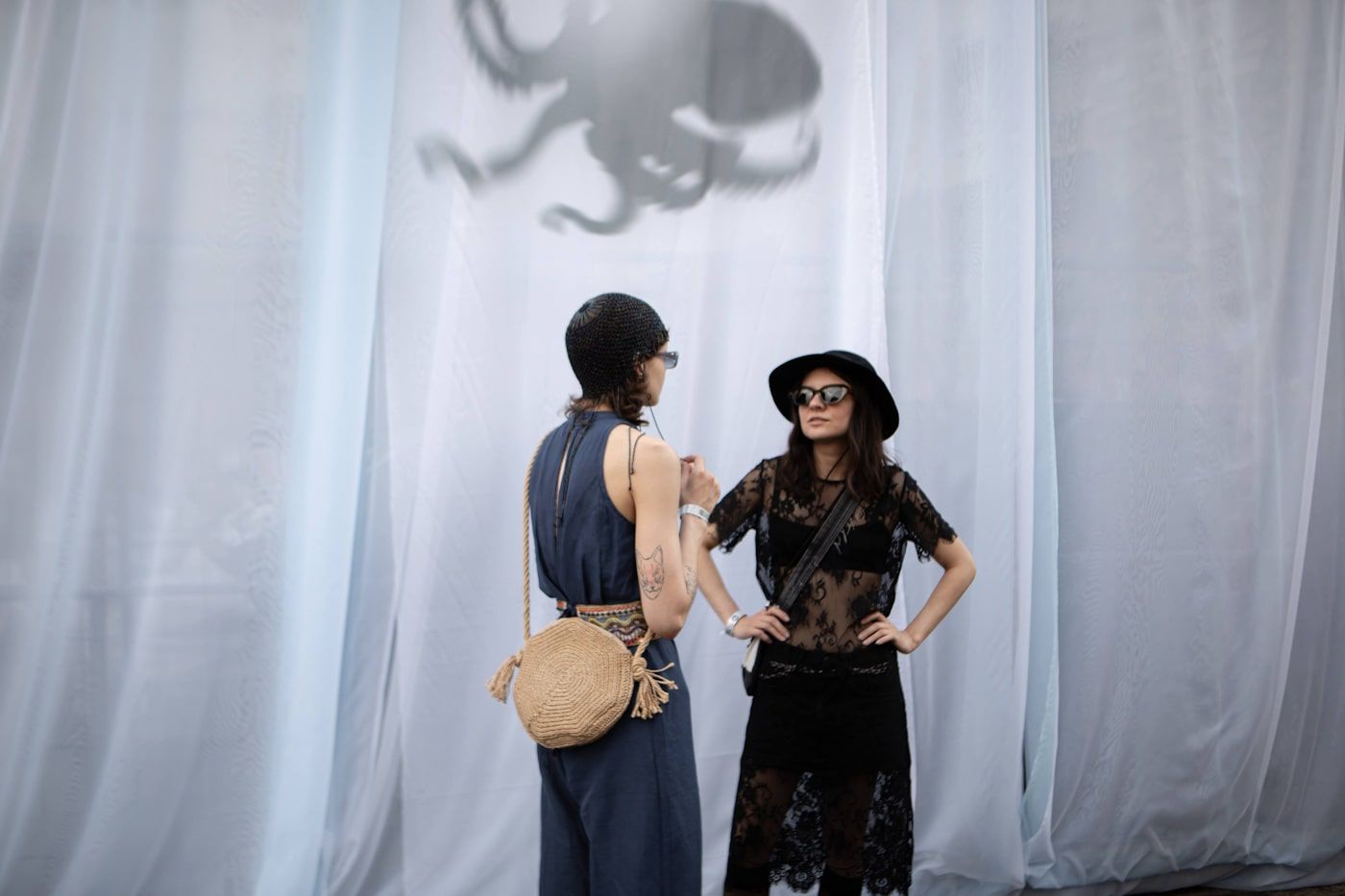
The visual environment is not just a backdrop but a full part of the festival experience. The Vegan Weekend space conveys the idea of the illusion of safety through nets, tulle, projections, light — elements that look like protection but actually hold nothing back. They symbolize the fragility and artificiality of the barriers behind which we often hide from reality.
The overall effect is partial openness. On one side, the viewer sees a “picture,” but on the other, it is never fully transparent. This reflects how we often perceive reality — fragmentarily, filtered, in doses.
Installations by studios u2203 and Photinus worked with the theme of interaction between humans and non-humans. Silhouettes of animals in projections conveyed anxiety, helplessness, desire for freedom. And We Animals Media’s works showed realities usually pushed out of public space — systemic exploitation, suffering, the everyday invisibility of animals. We create an environment that does not dictate but invites honest internal questioning: what else do I need to realize?
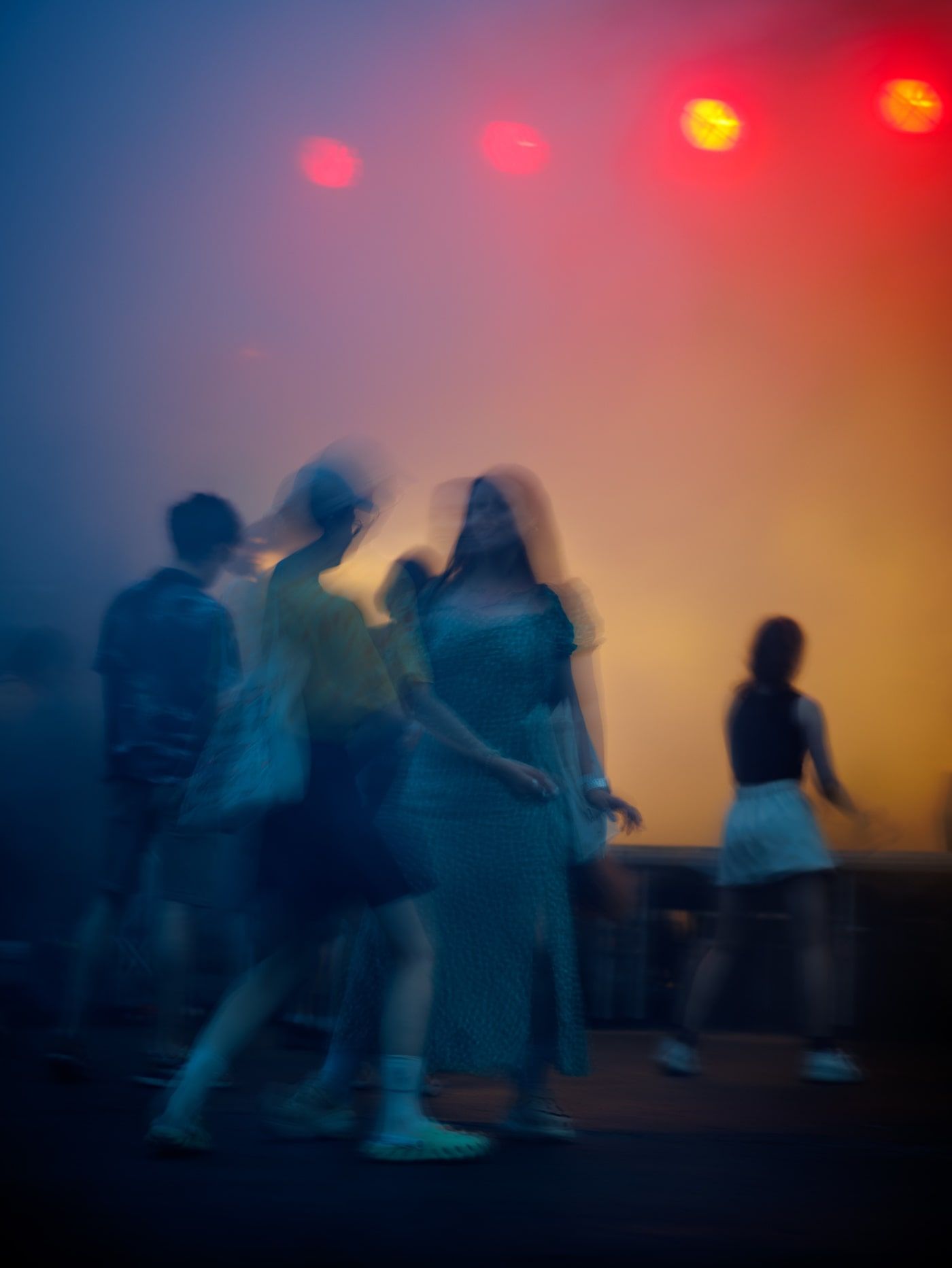
This year’s lineup blends experimental sound, indie acts, DJ sets, improvisation — genres bleeding into one another. Why was it important for you to curate such a genre-fluid program? Is it about taking creative risks — or is it simply the new normal in 2025?
This year’s Vegan Weekend X lineup was consciously genre-fluid. We combined styles that flowed into each other, creating a living, flexible dynamic. For us, this is not just an aesthetic choice but a way to expand the festival experience: to provide more entry points, more varied opportunities for interaction with the music and environment.
For the first time, the festival featured two stages with separate concepts.
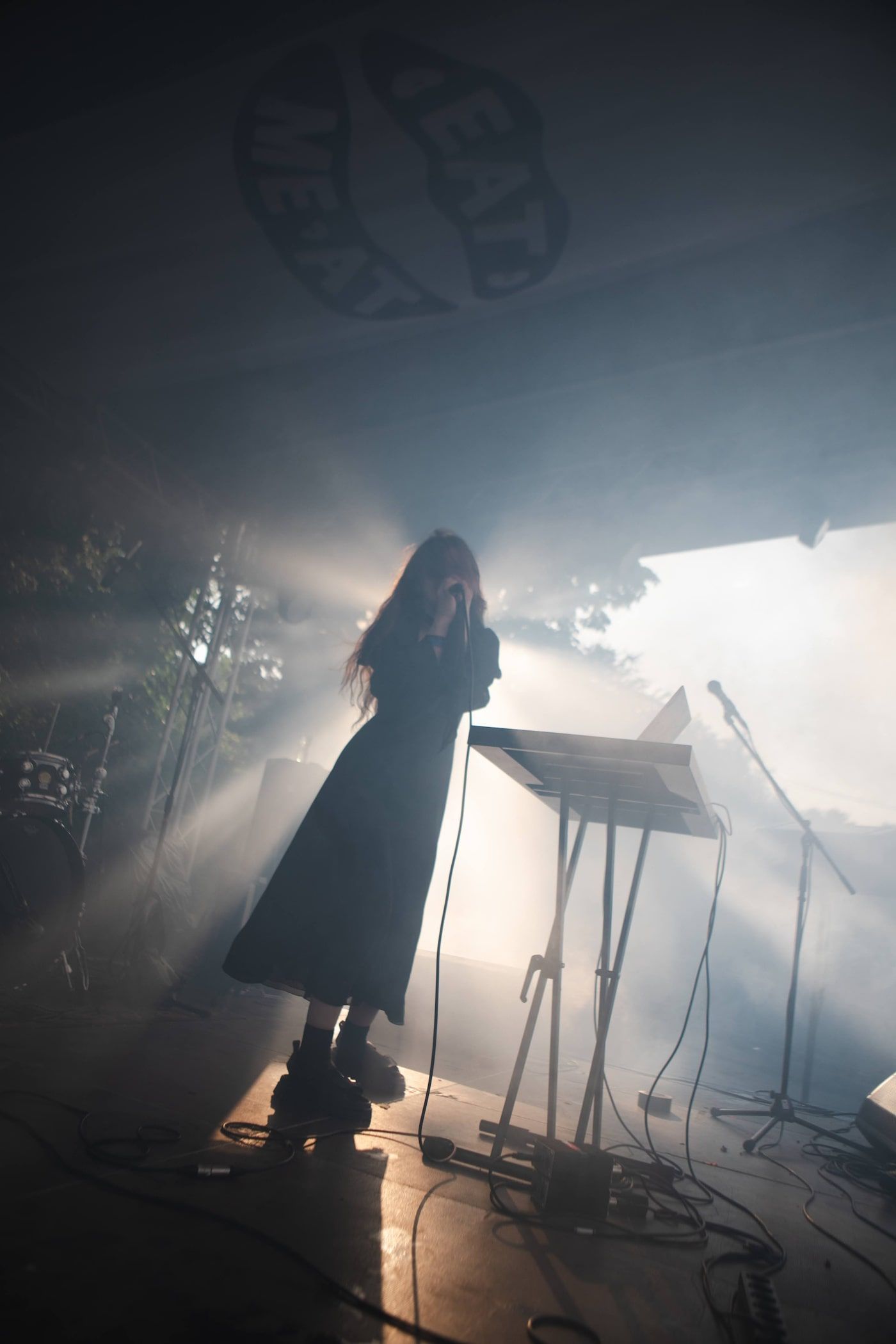
The Concert Hall Stage worked in synergy with the media art exposition. This was a space for experimental electronics — not danceable, at times noise-driven. The kind that creates depth and inner space. It was a stage for reflection, viewing media and photo exhibitions, contemplation, where sound and image supported each other.
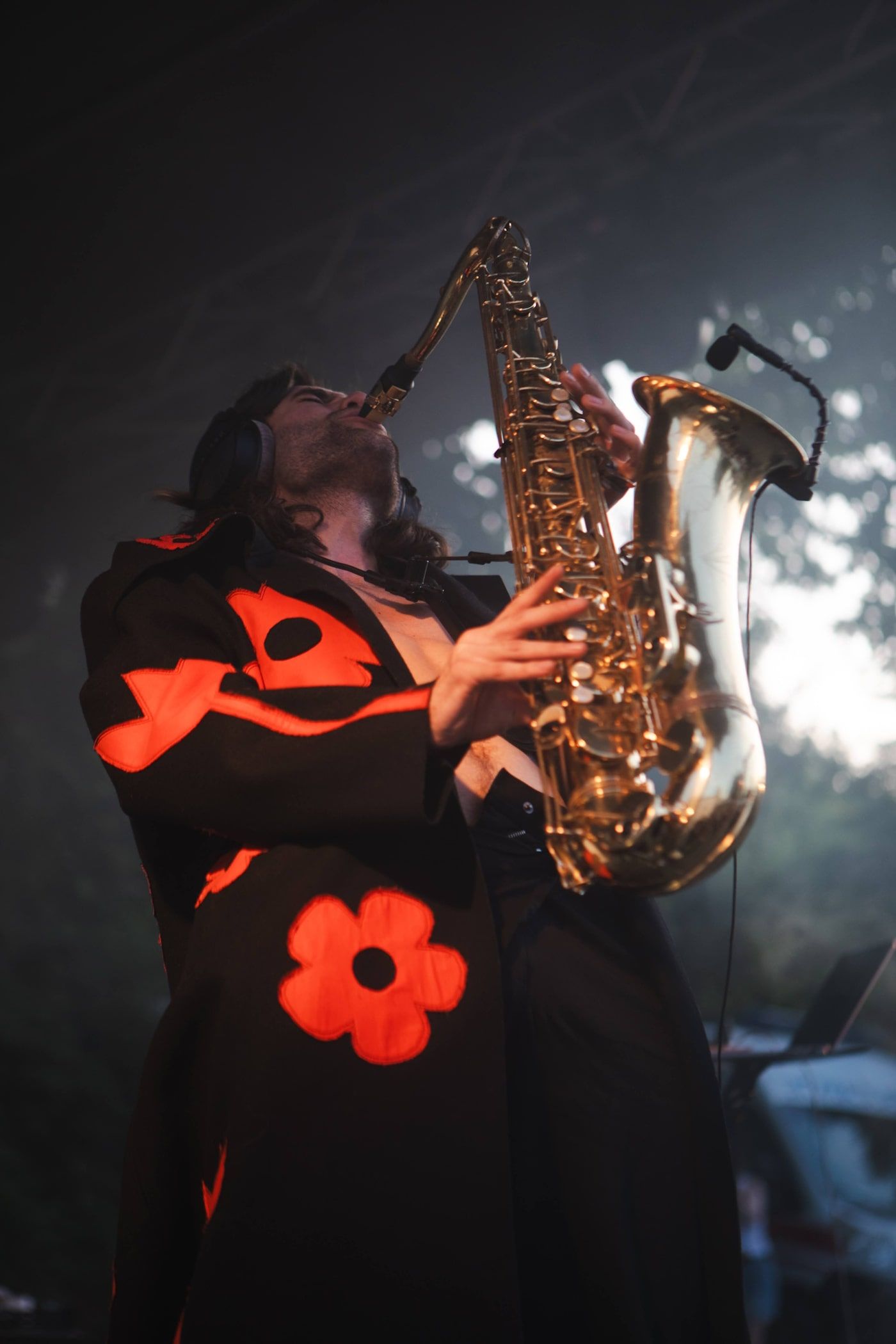
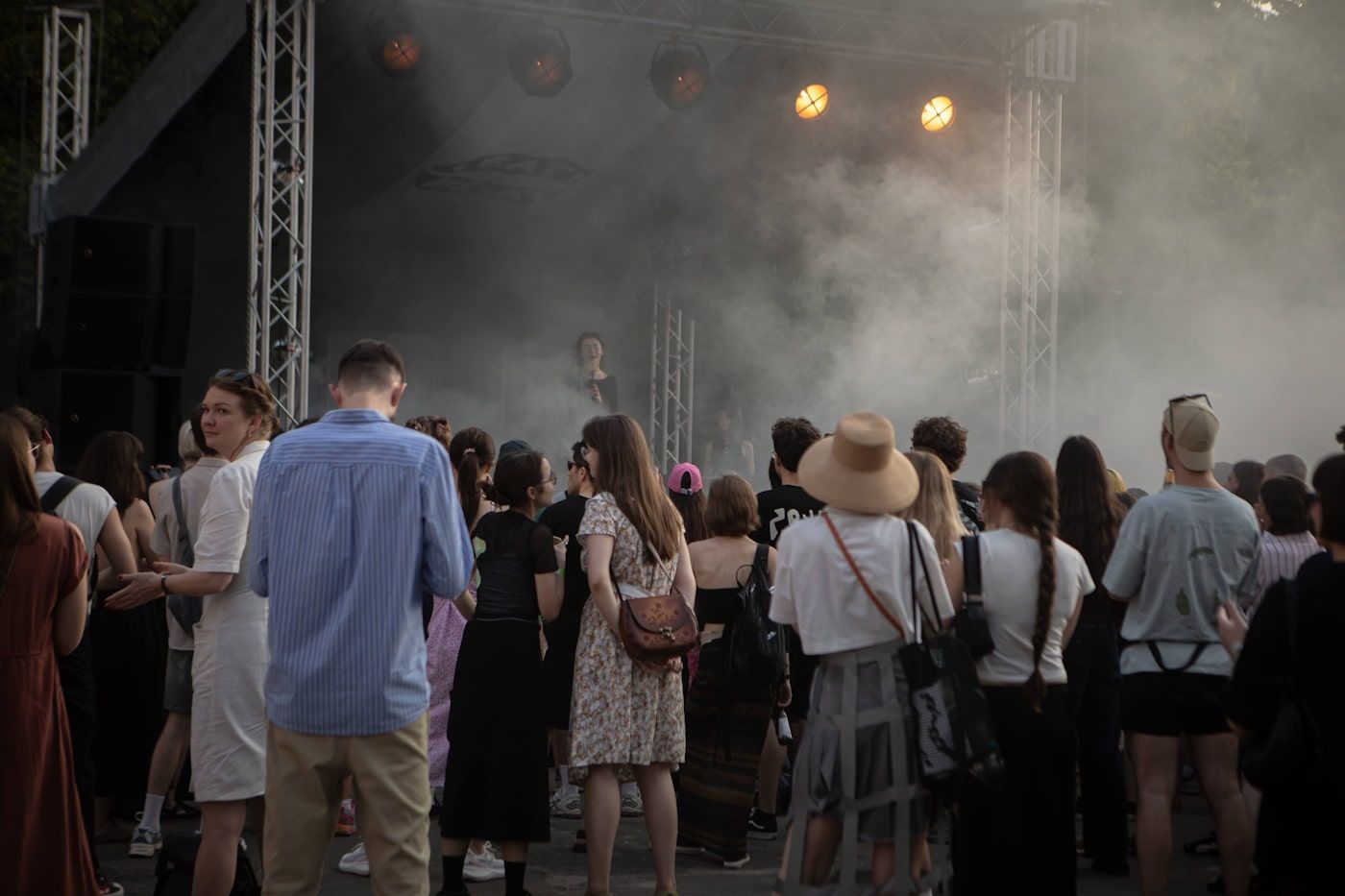
The Garden Stage was more open, lighter, about shared experience. Here were DJ sets and live bands: dance electronics without rave aggression, indie, instrumental music. It was a space to relax, dance, or just be in the music.
Eclecticism became our way to break expectations — with a new quality of listening. In 2025, this is no longer a risk but a response to the modern listener’s request: to seek new but honest experiences, and to feel part of something bigger than just a concert.

Do you think festivals with a clear cause and meaning behind the curation change the way people listen to music? Can the context itself force deeper attention?
Yes, context matters. A festival with a clear value framework changes the way people listen. People come not only for the music — they are open to meanings, looking for connections, reflecting. Music in such an environment is not a background but an instrument of contact, an entry point into experience.
This creates a different level of attention. Audiences engage not only emotions but also ethical sensitivity. It’s not “a festival about music,” it’s an event where music sounds within a field of shared responsibility.
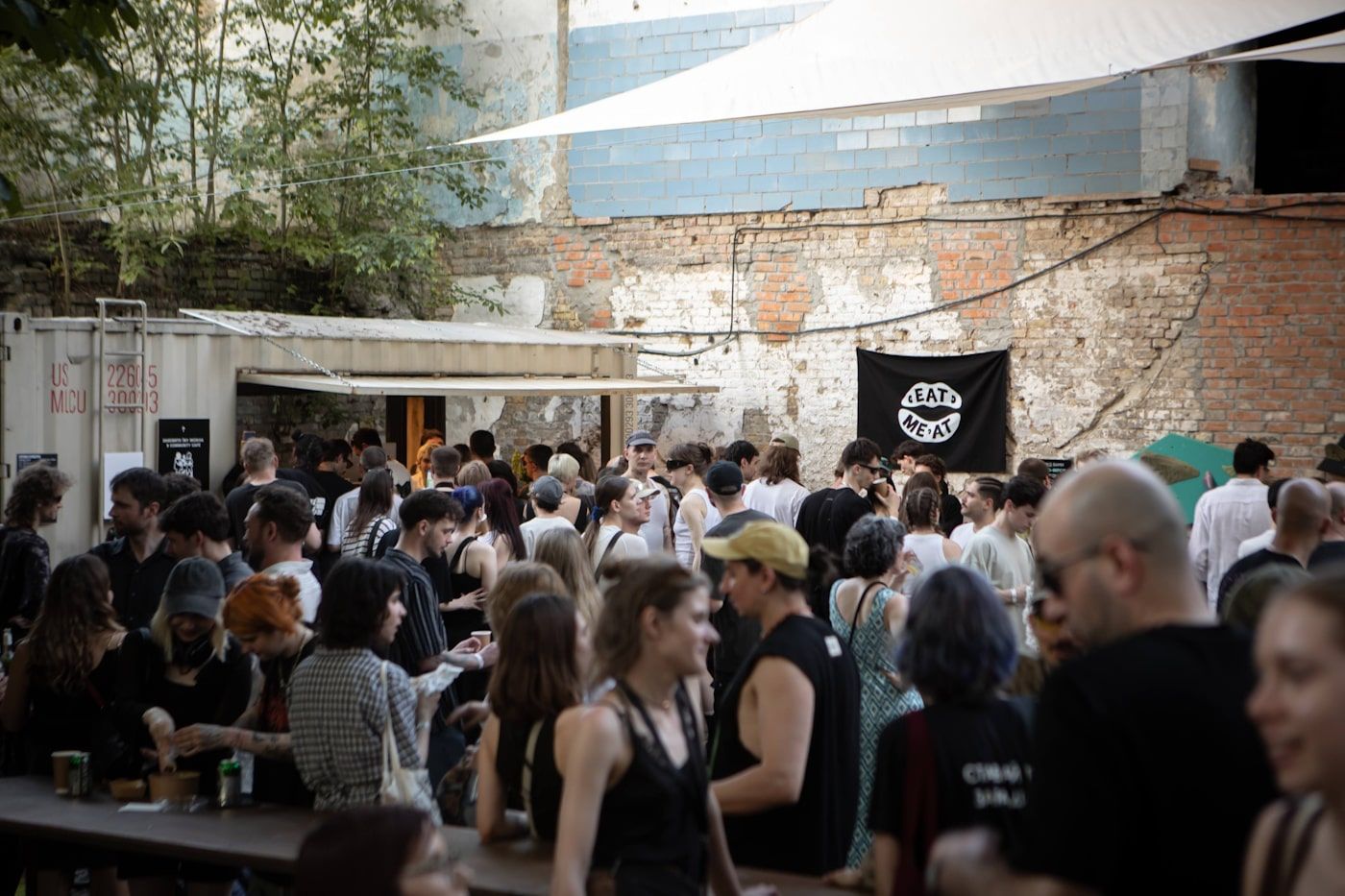
Let’s talk about animals — a topic not always directly addressed in music, but front and center here. How do ethical issues around animal rights influence your work as an organizer? Has this festival changed your personal perspective or approach to these questions?
The “Every Animal” team — all of us vegans — see animal rights as ethics, not just a lifestyle. We don’t organize the festival for the sake of the festival. We organize it to change attitudes toward animals — and do everything possible to achieve this.
At the same time, we understand that not everyone who comes to Vegan Weekend shares these views. That’s why it’s important to create a space with respect for everyone — regardless of where they are in their journey. We do not diminish the importance of the topic. On the contrary — we speak about it honestly, openly, ethically. Without judgment, but with a clear position.
We want animal rights to stop being a “radical” topic. To sound as what they really are — a question of justice.
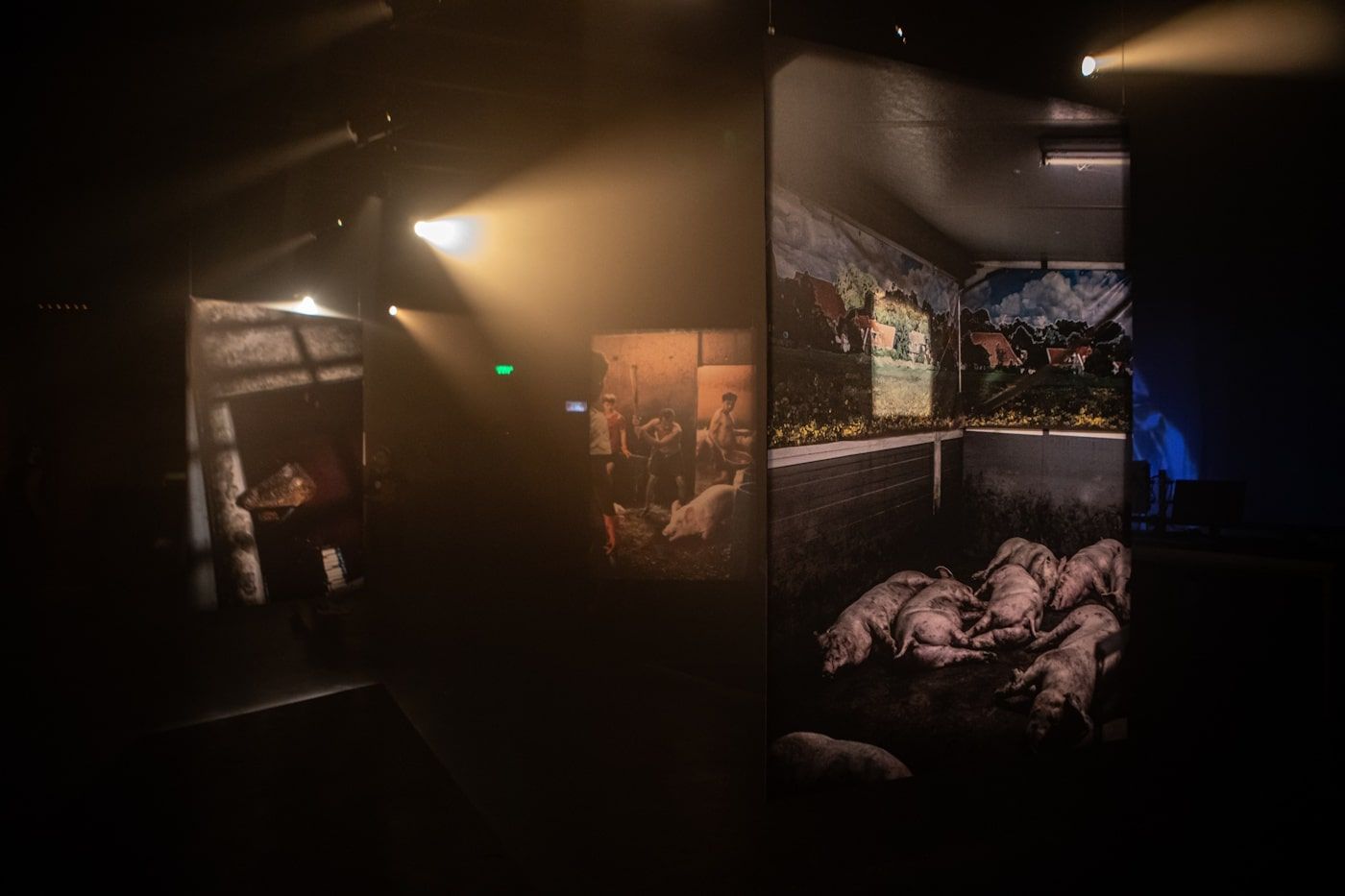
Jo-Anne McArthur’s photography carries a raw honesty. Showcasing her work in a music festival setting is a bold choice. What emotions or thoughts does it evoke in you, and how has it influenced the festival’s concept?
Jo-Anne McArthur is a renowned photo-documentarian and founder of We Animals — an independent platform that collecting truthful stories of animal lives in conflict zones, farms, laboratories, and beyond human sight.
Together with We Animals, we formed a photo exhibition made worldwide, including Ukraine. These photographs show what usually goes unnoticed — exploitation, violence, and vulnerability of animals in the human world.
For us, this exhibition is not just an art object but a full and important part of the festival experience. It creates a space to meet the truth that is often hidden, and a starting point to rethink our attitude toward animals — without shock, but with respect and hope.
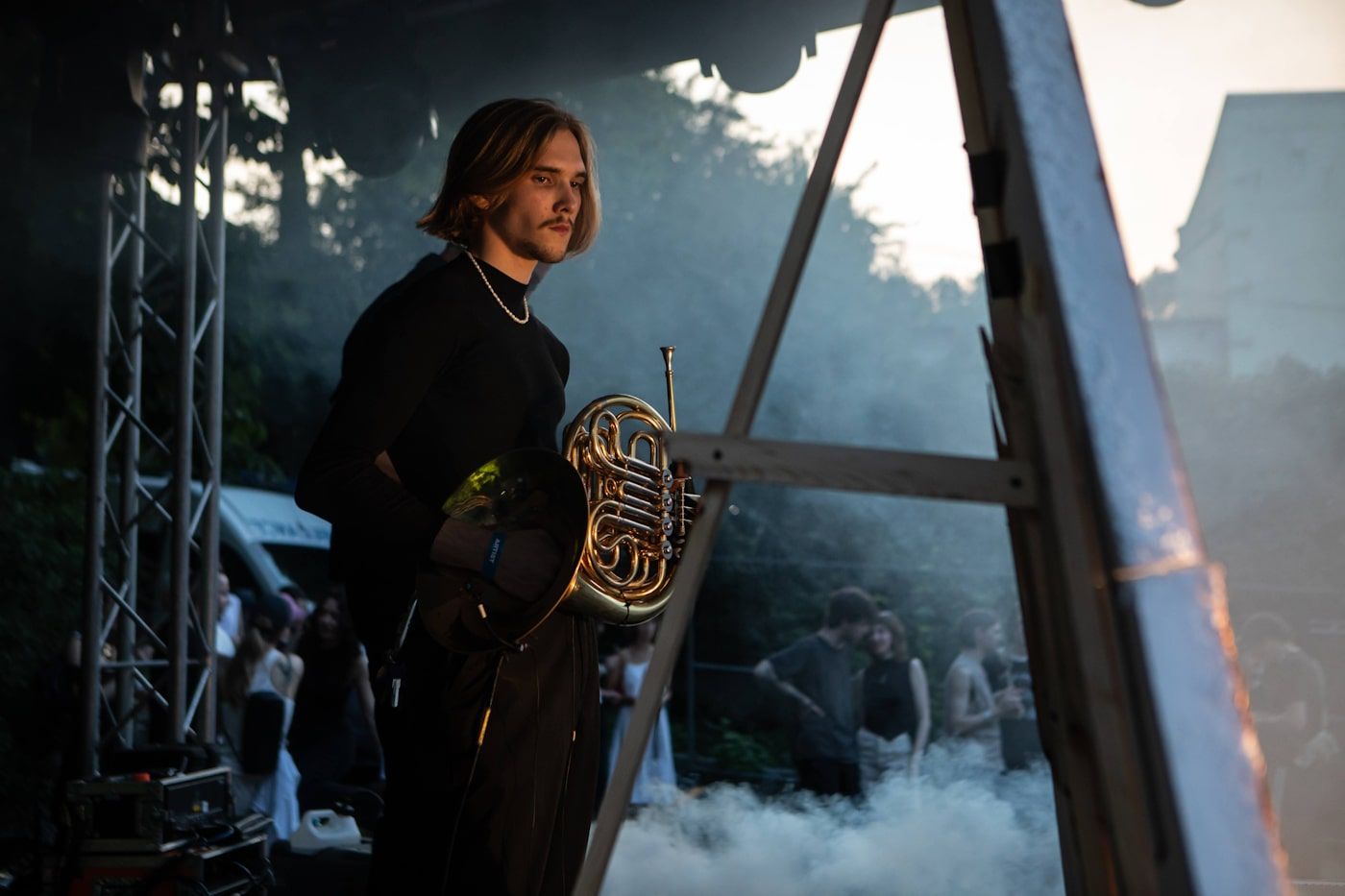
You’re contributing to something much bigger than just music — part of the funds raised goes to support vegan soldiers. That feels almost surreal. How do you perceive this combination — fighting with compassion in a world that often sees these as contradictions?
For us, it’s not a contradiction — it’s a matter of boundaries, respect, and freedom. Soldiers defend our autonomy and the possibility to live civilian lives, organize festivals, and fight for values. Animals equally need protection of their autonomy.
Vegan soldiers prove every day that it’s possible to defend the country while staying true to their convictions. We see them as part of important changes in society. Supporting their position is our duty — as festival organizers, as part of the vegan community, and simply as human beings.
Switching gears a bit — I’m curious about the community around the festival. What’s the local scene like right now? Are there places or people holding it together when things feel like they might fall apart?
The local scene is very active, conscious, and motivated. Volunteers, activists, and caring people invest their energy daily in developing the animal rights movement and spreading veganism.
For many, Vegan Weekend is more than a festival — it’s an important gathering point where like-minded people can meet, find their place as volunteers or guests, exchange experience, and get inspired to continue acting. During organization, we constantly feel how many people need this anchor point — and how strongly they engage when given the chance. For many participants — volunteers, artists, technical team — this is more than a job or contribution. It’s a way to be useful, to speak about what matters, to not feel detached.
Thanks to such people and meetings, the movement keeps living and growing.
2023 felt like a strangely creative year, even during dark times. Did you discover any new artists last year who really blew you away — either from your city or elsewhere?
The war became a moment of discovery for many talented artists, as a number of more well-known or mainstream performers left the country. Simultaneously, there was a shift in the focus within the scene itself. The Russian cultural code — language, sound, symbolism — could no longer exist in the public space as “neutral.” Those who stayed either rethought their approaches or gradually disappeared from view.
A space opened up — filled by younger, independent, local artists who had something to say in the new context. This is not just an “update” in terms of new names. It’s a qualitative change: the scene speaking Ukrainian is growing, thinking through the experience of war, and actively distancing itself from everything associated with Russian influence.
We see new connections, new aesthetics, and a new ethics forming — including in animal rights and social responsibility — and we try to support this process by giving space to those who resonate with the times and the environment.
And even if it’s not always about “discovering” new names, every festival gives us the opportunity to invite those we’ve long wanted to work with. Expanding the program and adding a second stage has opened more room for creative experimentation.
What inspires us most is when collaboration with artists goes beyond the formal — when we feel a shared set of values and interest in the issues we raise.
If someone came to your town for the first time and asked where they could feel real energy — not hype, but something honest and deep — where would you send them?
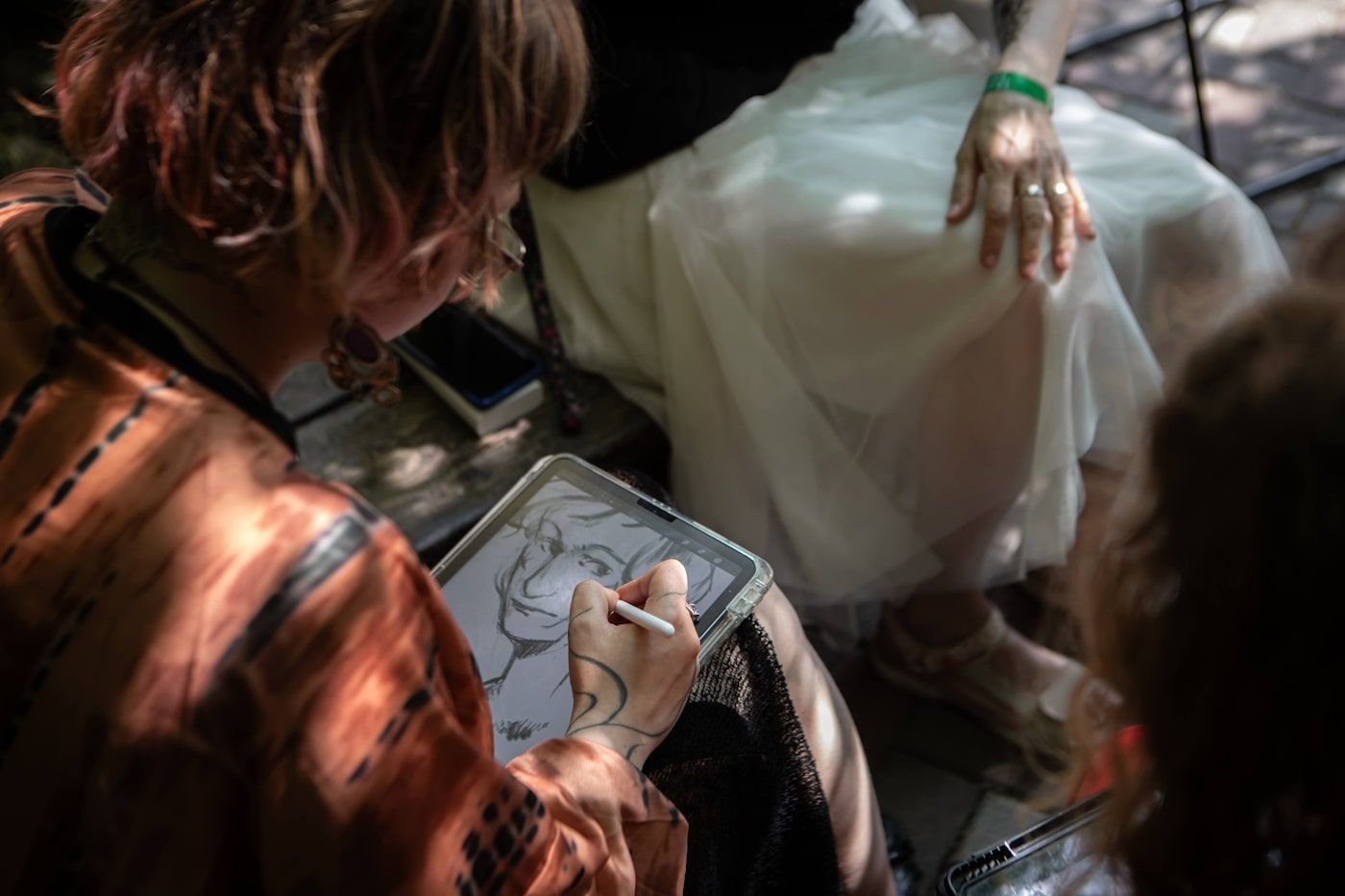
We hold the festival at Kyrylivska 41 — a space that itself is a cultural institution, independent and autonomous. Community Café is a place that supports and lives by values close to ours: veganism, respect for life.
Regardless of the festival, it’s a place with high-quality formats — both in cuisine and cultural events organization. It’s a place where vegan values organically merge with cultural life.
Do you sense a shift in how people around you are making music now? Has the war or ongoing political tension influenced the sounds and moods they pursue?
We really feel changes — both in the sound itself and in how music is formed and why it sounds. But the way it manifests is very diverse — just like the experiences of the artists themselves. Some explore fragility, instability, the need for silence or slowing down. For others, it’s important to speak loudly, aggressively, in resistance mode. It can be delicate noise, a guitar riff, or cutting electronics.
Often music becomes not an answer but an invitation to questions. It does not dictate an emotion but creates a space for living through it. At the same time, some help to hold together through rhythm, speed, and body — DJ sets, live performances, a stage as a point of unity.
Overall, music has ceased to be just an artistic gesture. It has become a way of adaptation, self-awareness, and support — a tool through which artists formulate their positions, create meanings, and help others endure.
It seems that for many, art is becoming less of a luxury and more of a necessity — a survival tool. Do you feel that in your work organizing the festival and in the creative processes involved?
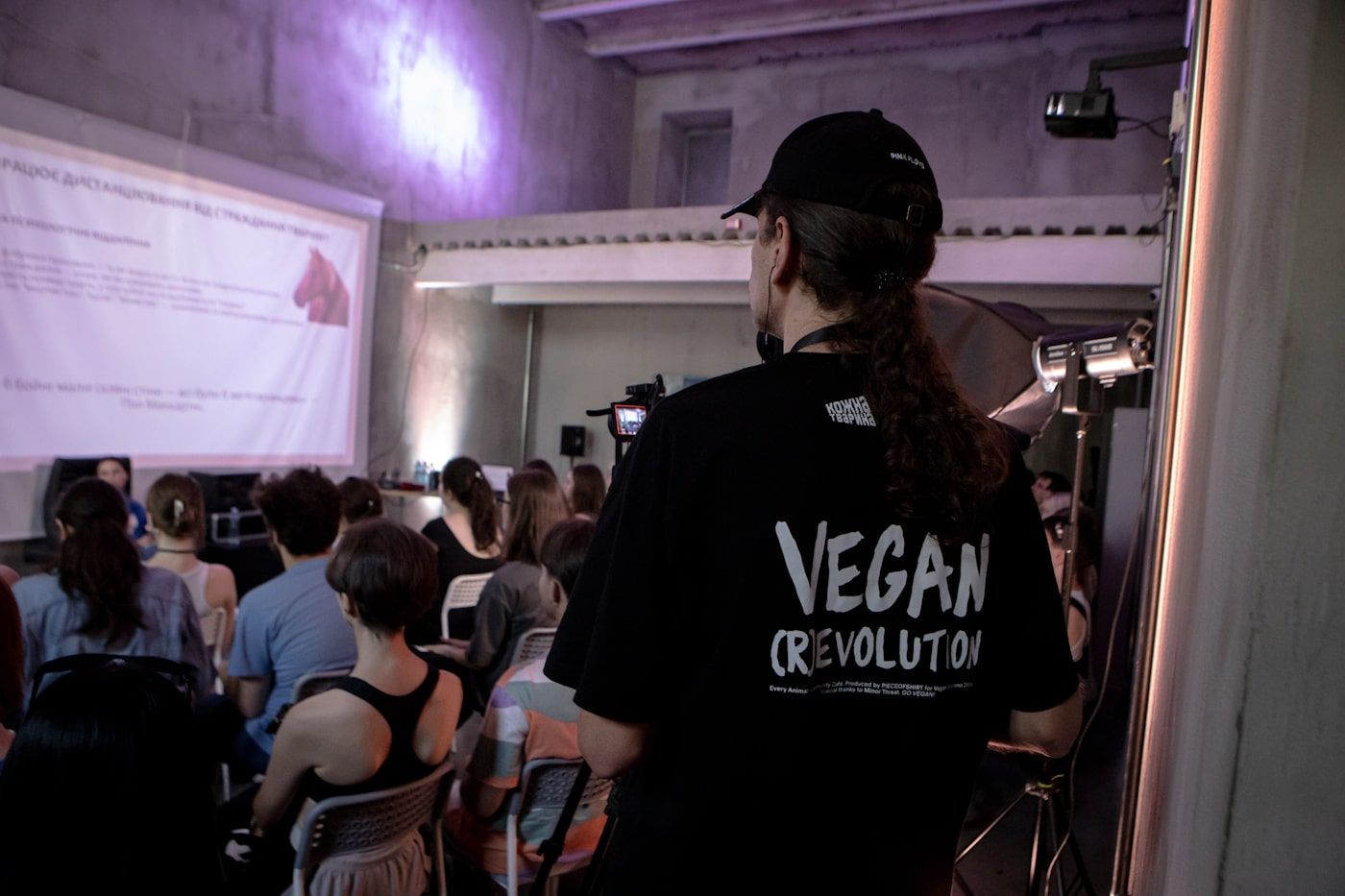
Yes, we see that art ceases to be something extra. It becomes what helps endure reality. People come to events not just for aesthetics — they seek meaning, support, a way to be with something heavy not alone.
In our festival work, we take this into account. We don’t just show art — we create conditions where people can think, ask themselves questions, break out of automatic modes. It’s about a situation where a person comes to conclusions on their own.
When it comes to animals, we don’t pressure but speak directly: animals are in danger. And we show it through art — through images that work on an emotional level.
We don’t aim for a quick reaction. It’s important for us that people remember something, mentally return to what they saw, reconsider something inside. Art is a tool of long action. It works not on loudness but on depth.
This approach influences organizational decisions: what projects we choose, how we build space, how we communicate with the audience. Everything must be honest, precise, and appropriate. No noise for the sake of noise.
When you organize a festival with such a multilayered meaning — political, emotional, sensory — how do you prepare for it? Do you have any rituals, a particular mindset, or do you just enter the process fully open?
Our main “ritual” is to give our all at every step. We carefully analyze what worked, what needs to change, and constantly look for ways to make the experience deeper and more meaningful.
It’s important for us that every decision — from event formats to communication — is conscious and purposeful. If something loses relevance or does not resonate with what we want to convey, it’s not just left “as is,” but rethought.
The festival is alive; it changes with the context, the team, and the people who come. But not only that. We create it under constant Russian shelling, literally while tragic events unfold daily with our country, our city, and our people. This cannot be ignored — and this is exactly what motivates us to keep moving forward.
Because of this, the festival and its concept are in constant flux. We continuously reflect on its appropriateness and relevance. We enter the work with an open mind and responsibility — carefully listening to how the audience experiences the space and messages.
What kind of atmosphere do you aim to create during the festival? Do you want attendees to feel something soft and safe, or rather confront something deep and honest?
We don’t aim to shock or provoke, yet it’s not simply a “pleasant event.” Our goal is to create a space where people can truly feel genuine emotions — from calmness and reflection to sadness, unease, inspiration, or realization. These states don’t exclude one another but complement the festival’s atmosphere, making it multilayered. We want participants to establish a real emotional connection with the topic — without artificiality or exaggeration, but through honesty and openness.
If you could capture one feeling from this festival — one fleeting, unusual, unrepeatable moment — what would it be? What would you want to hold on to?
It would be a moment of sincere awakening — when a person perhaps for the first time realizes their connection to veganism and animal rights, and that feeling is deep, personal, and unlike anything else. It’s the moment when you begin to see the world differently, and that moment is unique.
We strive to preserve this sincerity and openness so that such moments happen as often as possible — they inspire moving forward.
And to wrap up — when all this is over and you look back on Vegan Weekend X, what would you want to remember most vividly? Or maybe… what would you want others to remember about your role in this festival?
We want people to remember not us as a team, but the festival as a living experience that changed their attitude — toward animals, the world, and themselves. For us, it’s important that this experience helps to realize that veganism is a normal and right path of development, an ordinary way of life that doesn’t differ from others but is based on respect, non-violence, and ethics toward animals.
Regarding our role — we strive to be professional, honest, and uncompromising in the quality of what we do. Every festival is an opportunity to be better, more precise, and more conscious. For us, it’s not just an event, but a tool of influence, a way to change perspectives and values. And we cannot afford to do it poorly.
About the Vegan Weekend X
Vegan Weekend is a charity festival organized by Every Animal NGO, aimed at promoting veganism, supporting Ukraine’s Defense Forces, and fostering an ethical and conscious society where animals are free and no longer viewed as food, commodities, or clothing.
The next edition is scheduled for 2026.
Every Animal NGO was founded in 2019 to promote veganism and build a movement for the rights of all animals. Our work includes creating educational courses, hosting public events, organizing street actions, running charity festivals, encouraging vegans to become activists, and rescuing animals from exploitation. Our mission is to create a world where animals are free from exploitation and are not perceived as resources or property.