
The origins of Post Modern Therapy trace back to the heart of Warsaw’s underground, deeply embedded in the squats of Syrena and Przychodnia. Frontman Kira Aseev describes it as a place where everything started, a time when the meaning of home had already slipped through his fingers. “Let’s not go too far back—the band was formed two years ago, and in those two years, we’ve been through a lot. But still, it’s worth noting that everything happened in a magical way,” he says.
Those early days, steeped in psychological struggles and self-destructive habits, shaped the raw emotion that courses through the new album.
Recording “Silent Promises of Love” was the closing act of that chapter, capturing the instability, obsession, and chaos that defined its inception.
“At the time of recording, even though the songs already felt like a part of us, we still kept finding new meanings in them,” Kira explains. Perfectionism clashed with the urge to destroy, a push and pull that found its way into every detail of the recording. “I paid attention to every detail, even though my life was already going through a rough period. And even after the hardest day, coming home, I just couldn’t be alone—I think I visited every possible bar nearby.”
The recording coincided with a major shift in the band’s lineup. The departure of their guitarist and drummer marked an end to one era and the start of another. “By the time of recording, I understood that I was willing to compromise as much as possible for the sake of what we were trying to portray, trying to open each band member,” Kira reflects. The result? “It couldn’t have been better; it couldn’t have been worse. That’s exactly how I’d describe this recording. Somewhere, I messed things up on purpose. Somewhere, I managed to surpass myself.”
For Kira, the lyrics hold particular weight. “I wouldn’t want to explain a single word I’ve sung or a single line I’ve written… You know better what it’s about.”
Bassist Cezary Antkiewicz is more reserved in discussing his personal role but acknowledges that the band has been a defining force in his life. “I won’t say much about myself—it’s not my style to overexpose,” he admits. “But playing and creating gives me a voice that I wouldn’t otherwise have.”
Musically, Cezary draws inspiration from ‘90s icons like Jane’s Addiction, Smashing Pumpkins, Nine Inch Nails, and Red Hot Chili Peppers. “Does it reflect in our sound? Hard to say—I mostly just write basslines,” he jokes. The band’s creative process is fluid and intuitive. “Most often, Kira throws in an idea, and we build on it from there. No one tells anyone what to play, which is a healthy approach because everyone learns from their own mistakes.”
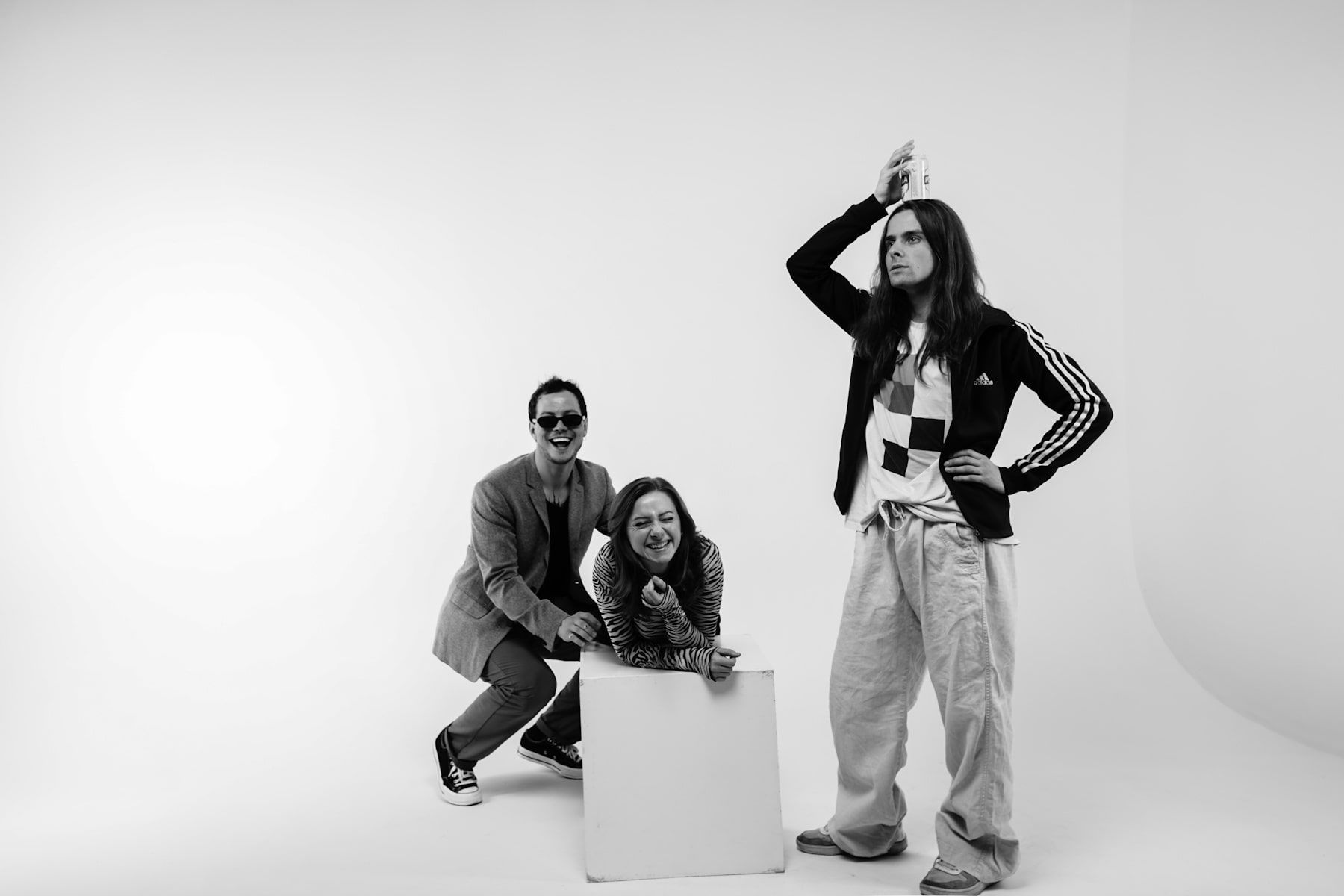
With the album finished, the focus now shifts to bringing it beyond the underground. “Our plans for this year? Promote the album as much as possible. We have just as much material waiting to be recorded, and we plan to revisit some of the older songs as well,” Cezary shares.
The goal for Post Modern Therapy is clear—more shows, a bigger reach, maybe even a tour. “This project should pull us out of the underground and get us playing more gigs. That would be the best outcome. And we’re still hungry to record more songs, which in my opinion have even more potential than what we’ve released so far.”
Despite the drive forward, there’s no illusion of grandiosity. “This album doesn’t carry a specific message beyond what each listener interprets for themselves. It’s not a groundbreaking work by any means. But somehow, we either enchanted this album, or it enchanted us, because there’s a certain magic to it… You can’t easily describe feelings, but the nostalgia and history within these songs can’t be denied.”
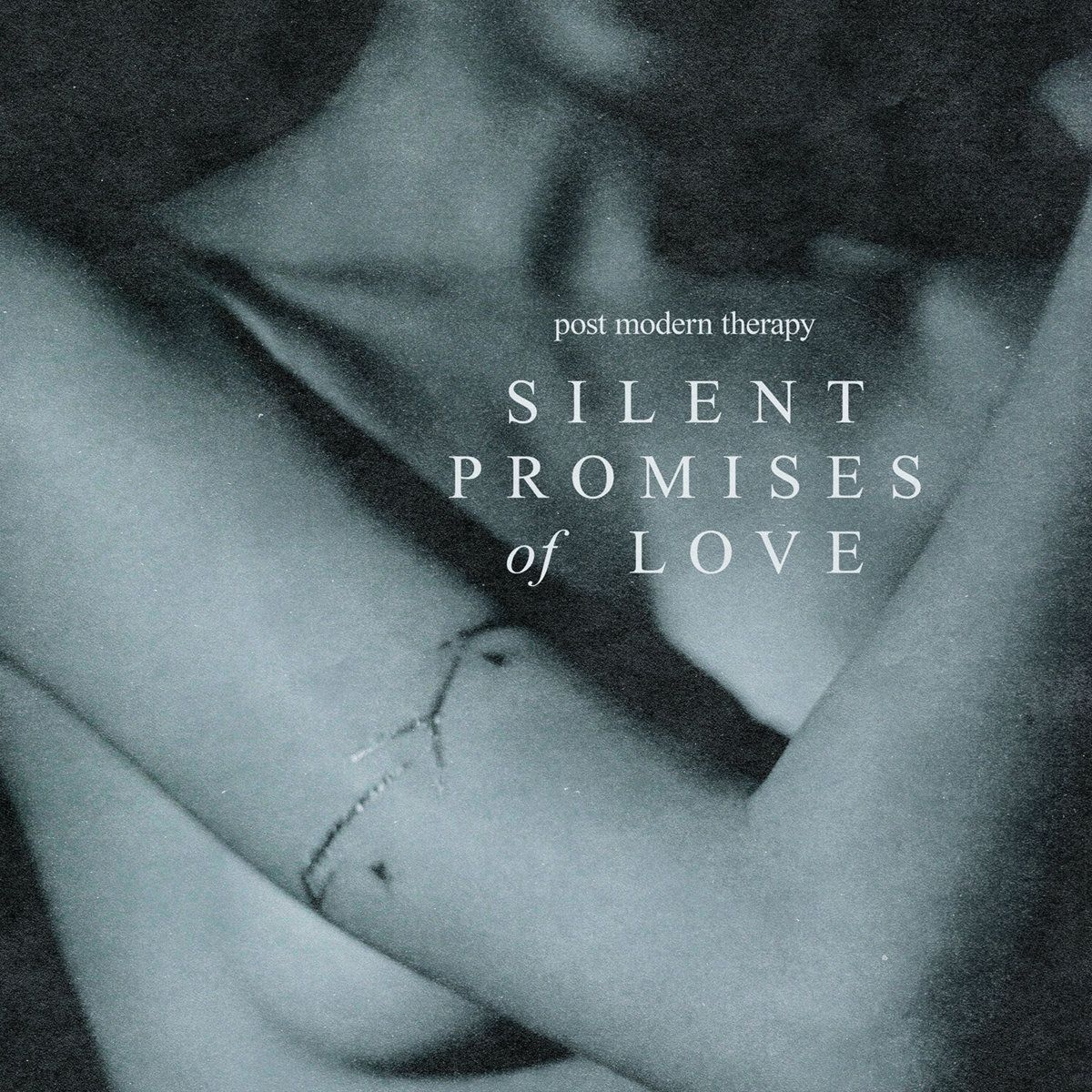
The album artwork reflects the same precision and intent poured into the music. “For me, it’s yet another important detail. I see it as art,” says Kira. The vision was clear—minimalism that carries weight. “I wanted something that reflects the melancholy of our songs. The pain of the soul and the beauty of the human body.”
Arriving at the final cover was a process of its own. “We took about 100 photos, selected a few, created around ten different versions of the cover. Then we meticulously worked on the final version…” The credit goes to Kamil, who handled the design and editing. “I’d like to thank Kamil for his work.”
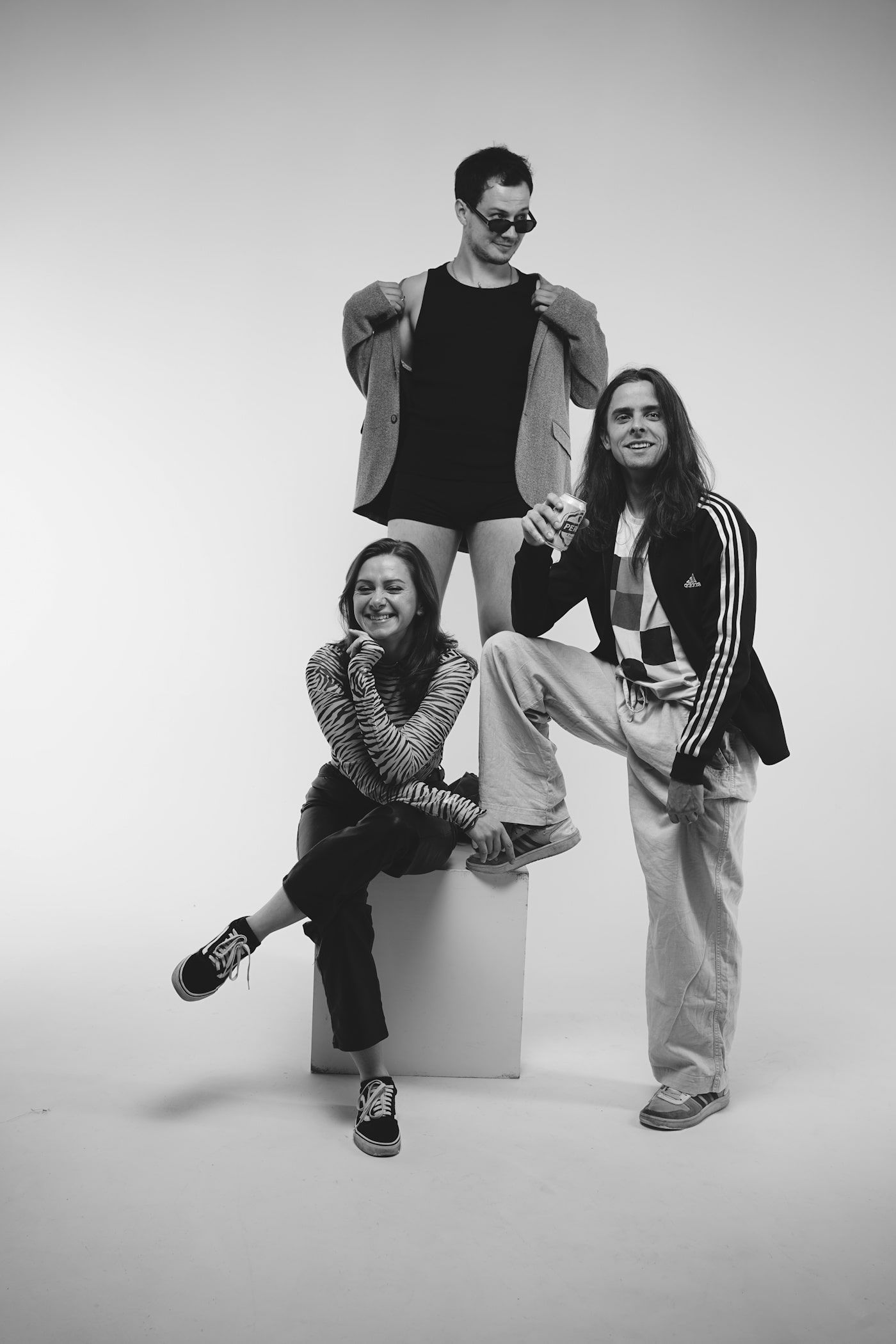
The album is a collision of post-punk rawness, ‘90s grit, and a sincerity that isn’t easily faked. It’s cold and warm at the same time, tense yet intimate. Evolution is inevitable—what started in the Warsaw squats is pushing its way outward, not by chasing trends but by staying honest to its own trajectory.
“We don’t want to make music we wouldn’t enjoy ourselves,” Cezary says simply. “And if more people want to listen? Even better.”