
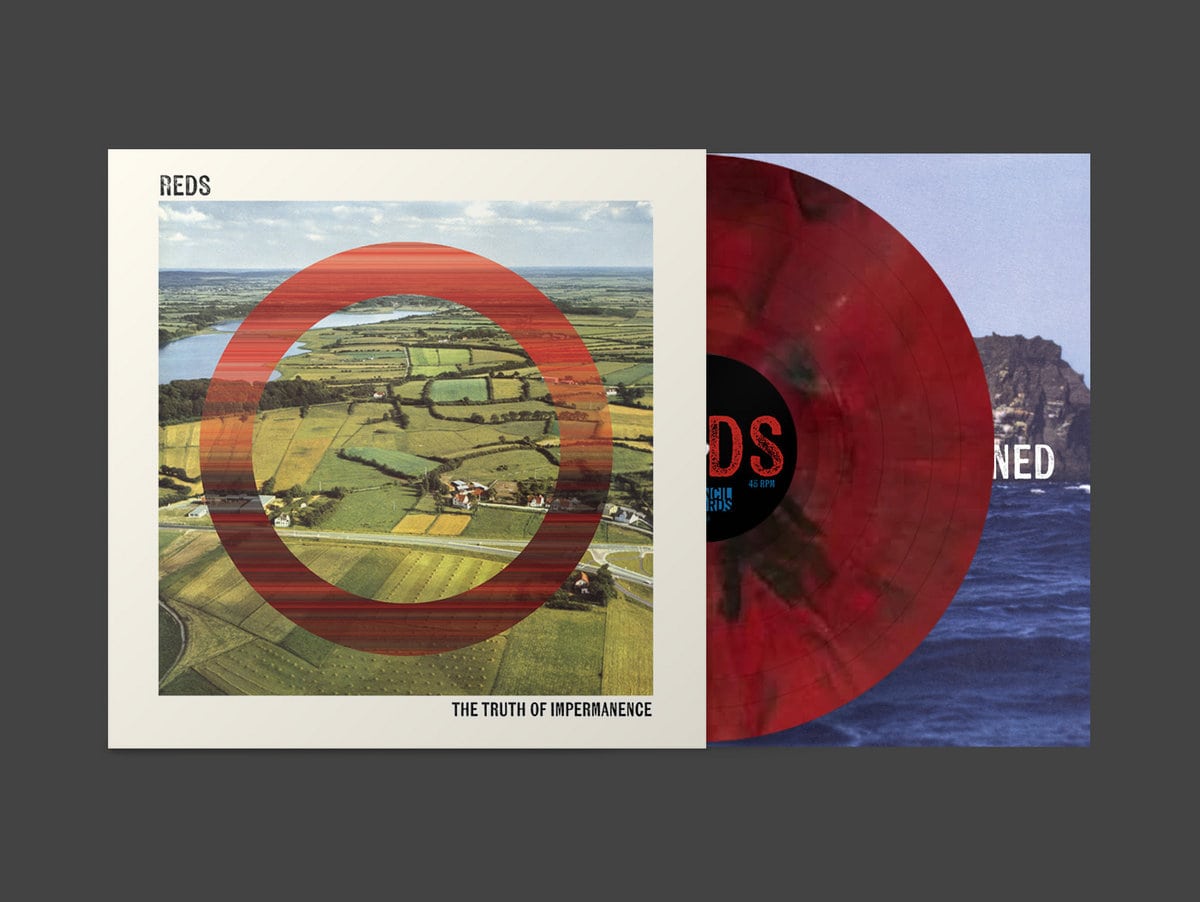
Twenty years after is:means, REDS crawled back into the room where it all began — older, looser, but still wired to the same current. “The Truth of Impermanence,” out October 24 via Council Records and Jean Scene Records, sounds like a band that’s lived through the storm, looked around at what’s left, and decided to keep going anyway. It’s not about reunion nostalgia or chasing what used to be; it’s about decay, renewal, and the small, stubborn act of staying hopeful when it feels pointless. Today, we’re stoked to be a part of this new chapter and give you an early stream of the full album below!
“The Truth of Impermanence” is out October 24 via Council Records (LP) and Jean Scene Records (cassette).
“The world was falling apart all around me,” vocalist Evan Kilgore said, remembering the months that shaped the record. “Writing about that was my way to find hope amongst the rubble. To accept for myself the truth of impermanence, and challenge myself to believe that better days would come.” He doesn’t romanticize it. The songs move between collapse and recovery, tracing what happens when the same anger that built your world also burns it down. “My need to be in a band seems to directly correspond to the level of anger, desperation, fear, or grief I’m feeling,” he said. “At the low points, I need a release valve—to turn that mess into something that feels alive again.”
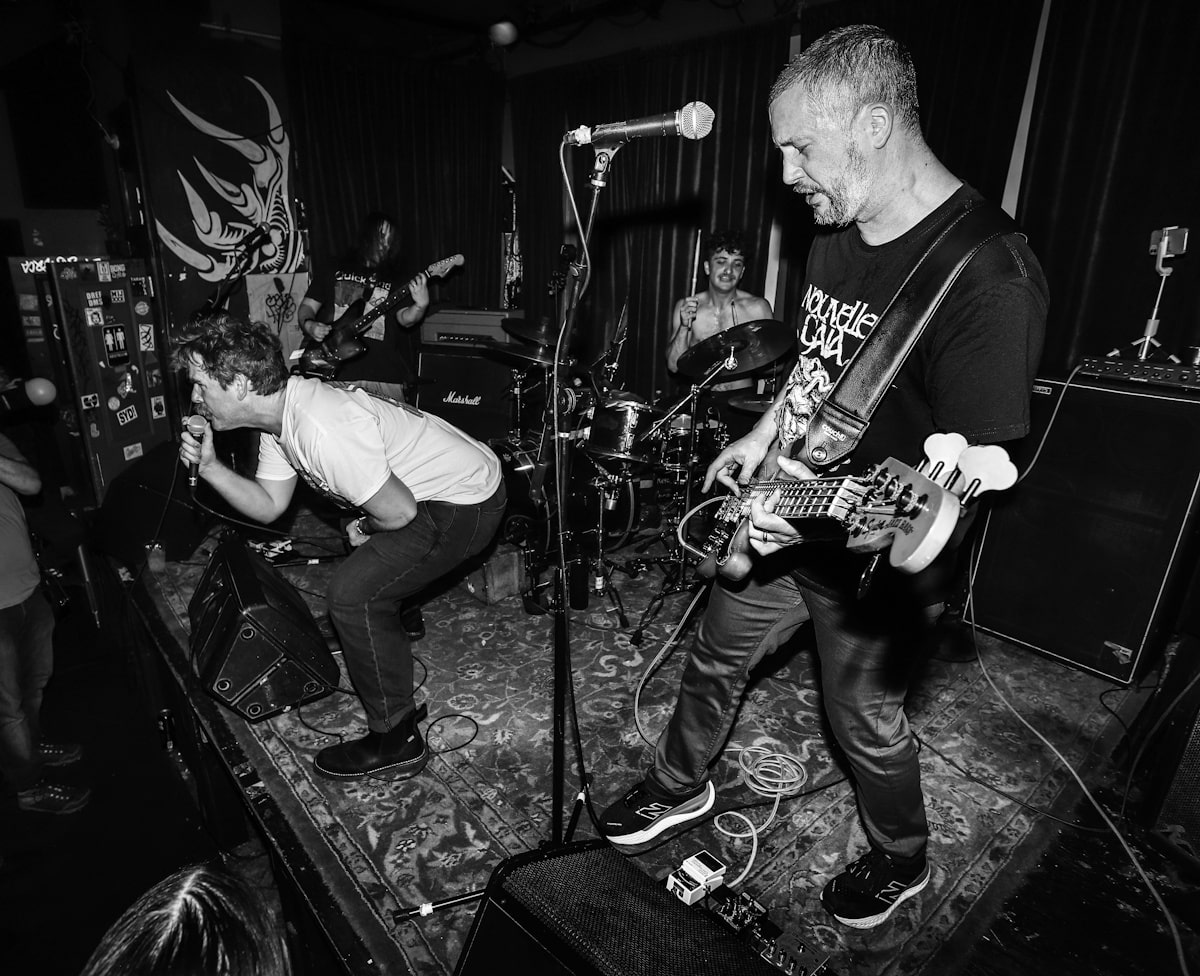
Guitarist Dima Drjuchin talked about the new record like unfinished business finally getting its ending. “Some of these songs I’ve had in my pocket for over a decade,” he said. “It’s fun to hear them all together as a new REDS record, something I didn’t think was even a possibility.” Bassist Colin Bartoldus, who also plays in Saetia, figured out how to stop chasing the past. “It’s not REDS in 2005,” he said. “It’s a modern version of REDS. Once I realized that, I felt freer to write to our collective strengths rather than try to be a REDS cover band.”
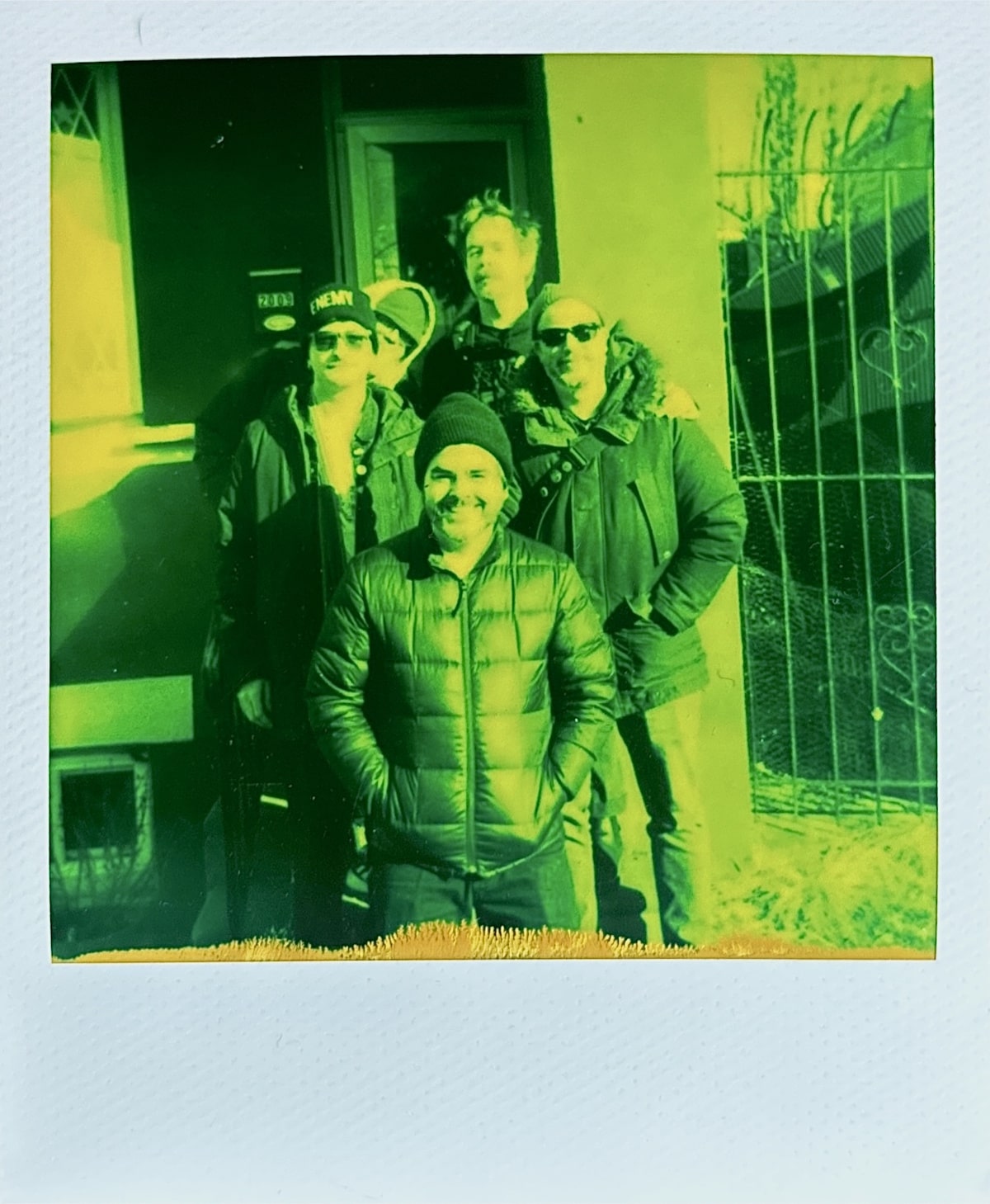
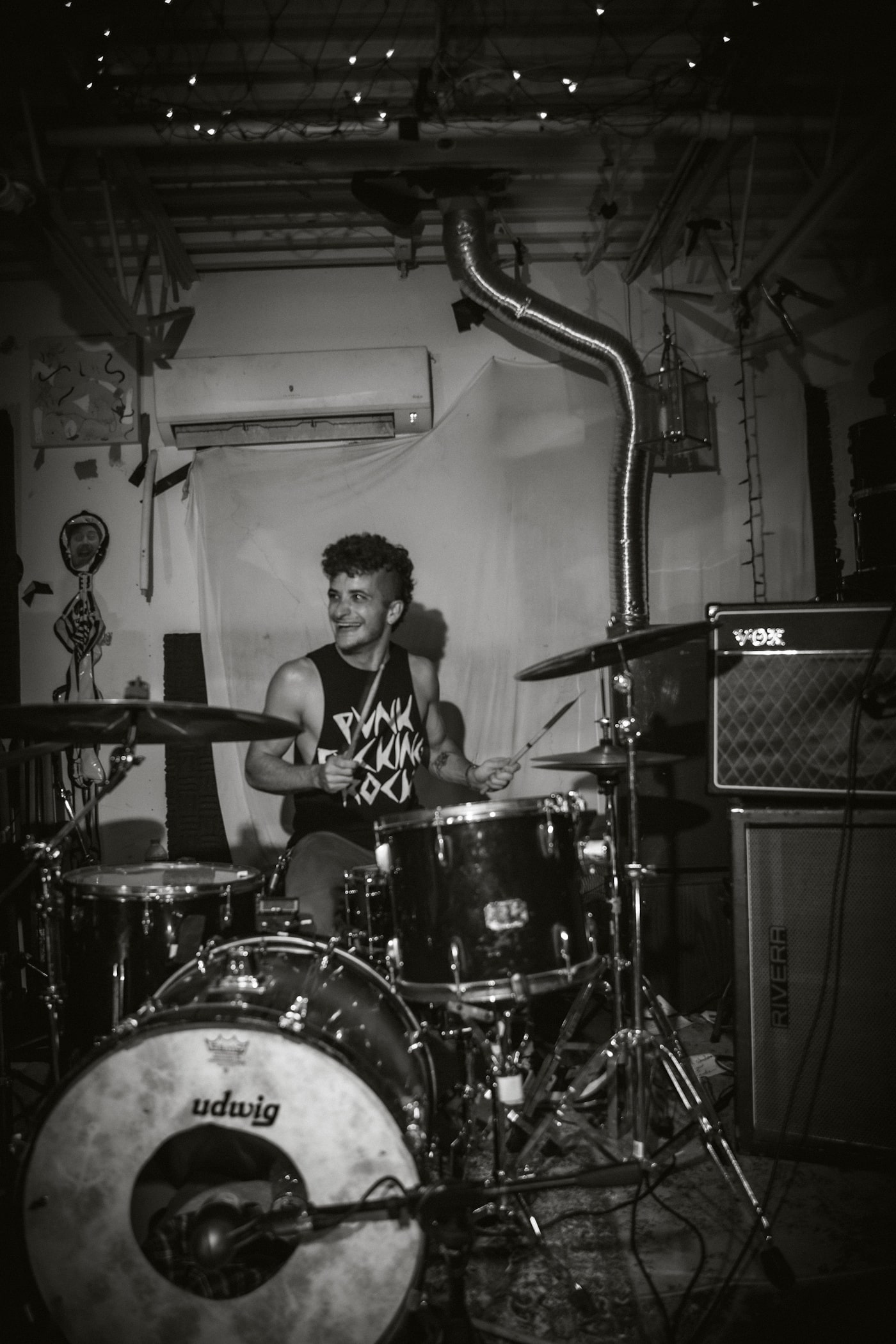
The chemistry between them—old and new—anchors everything. Drjuchin and Kilgore go way back, and you can hear that shared language in how the guitar twists around the vocals, never too clean, never too predictable. Bartoldus locks it down, and drummer Zach Rescignano—fifteen years younger—brings the kind of energy that keeps them from drifting into memory lane. “These songs really tested my stamina,” he said. “But I’m a better player now because of it.”
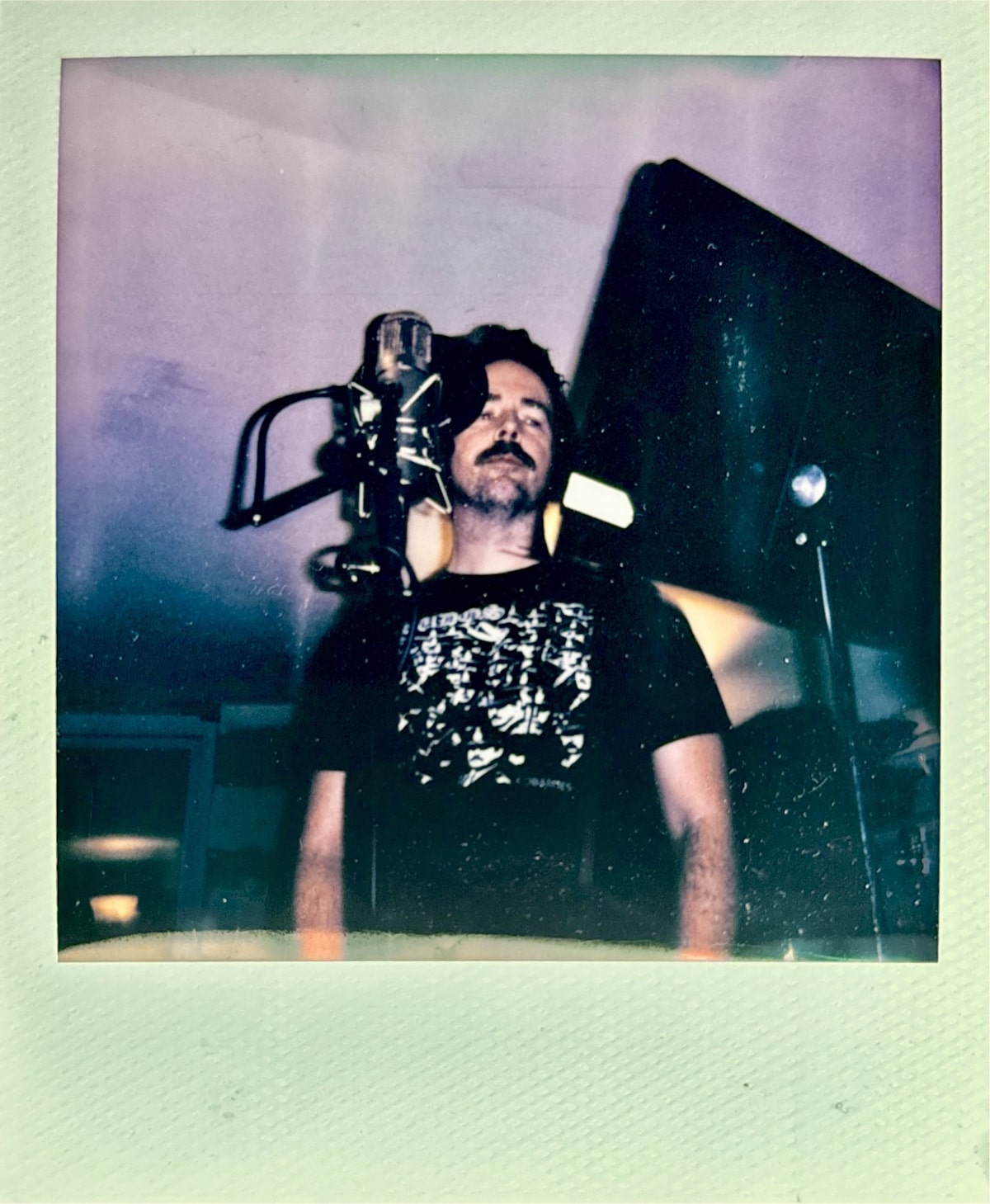
They recorded “The Truth of Impermanence” with Steve Roche, who’d tracked their earlier projects, and had it mastered by Will Killingsworth at Dead Air. It wasn’t just another studio run—it felt like returning to old ground with clearer eyes. “Recording vocals while two of the best vocalists from our scene were listening [Billy Werner from Saetia and Blake Midgette from pg99 came by the studio to hang out] made me feel like an ant under a magnifying glass,” Kilgore said, laughing. “But it made the process feel like a community gathering more than just work getting done.”
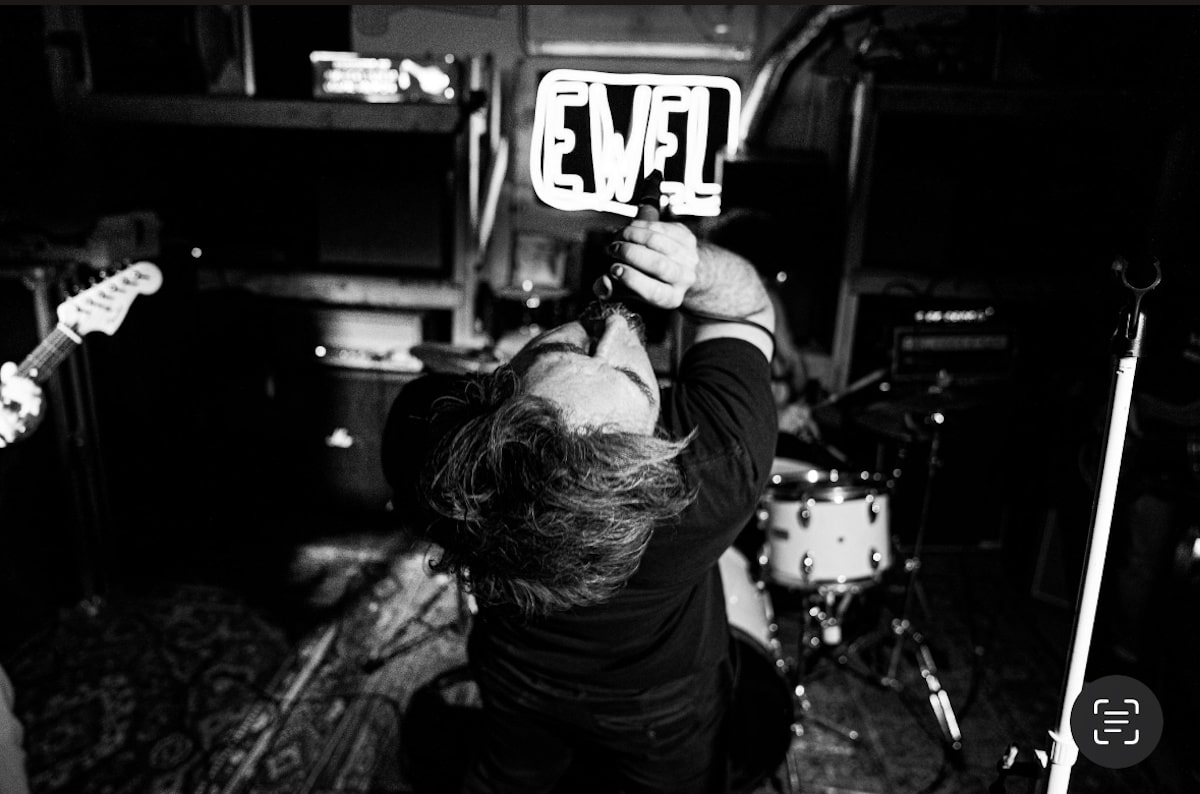
That sense of belonging, of making something real in a world that often isn’t, runs through every line. Kilgore sees the DIY hardcore scene now as survival, not just a hobby. “It’s always been more than music to me,” he said. “But now participation in this community feels absolutely essential to my well-being. The values of inclusivity, equity, collectivity, mutual aid, interdependence, self-reliance… these are what keep me hopeful.”
It’s not a young man’s record, and that’s the point. “A healthy scene holds space for truly all ages,” Kilgore said. “We make the road.”
When asked what he wants people to take from the record, he didn’t talk about legacy or genre. Just energy. “If this record helps someone find their strength to confront something standing in their way—that’s all I can ask for.”
Rescignano nodded to that same idea: “If our record can help someone emotionally, even a fraction as much as music back then helped me, I’ll be happy.” Drjuchin added, “I want it to make you feel hope, but I also want it to make you dance.” And Bartoldus closed the thought in his own quiet way: “Sometimes the choir needs to be preached to. This is how we recharge so we can go out and do the work to make this world a better place.”
Now we dive into the full interview — we talked about coming back nearly 20 years after “is:means,” what it felt like to write and record again with both old and new energy, digging up old tapes and building something new with Zach behind the drums; about the weekend recording session with Steve Roche, mastering with Will Killingsworth, and the sense of community that wrapped around it; about why “The Truth of Impermanence” had to be written now — the personal wreckage, the political backdrop from 2004 through 2016 to 2024, and hope as an act of resistance; about how the DIY and hardcore scene has evolved and what “all ages” really means when you’ve lived through it; and finally, about where this record belongs in 2025 — that liminal sound between worlds, the pulse of “Slow Decay,” the need to move, to connect, and to keep the choir singing. Phew… Check out the full interview below.
Coming back nearly 20 years after is:means, how did it feel to write and record together again?
Dima (guitar): It was a lot of fun. I was always kinda bummed out we only had one record in our discography. I started listening to Is:Means a bunch after a few years away from it and started to enjoy it detached from playing it. So as a fan of the band it’s fun for me to hear us sing new songs. I think there is something special with the dynamic between the way I play guitar and the way Evan sings. I don’t think it’s a sound that I can make with other bands. I think I feel a certain type of freedom in the way I play guitar in this band because I don’t write with vocals in mind. I just try to write things that are fun to play and listen to. Evan’s approach to writing to REDS music is always different then the way I would do it and that’s what I enjoy about it. He’s really good at finding his place in these unexpected spots and creating unique moments within a relatively short song. Likewise it’s been great collaborating with Colin again, while we were not in this band together, we played in The Fiction together, this time with our roles reversed. I’ve been in two bands with him previously and I always played bass and he always played guitar, the switch has been a fun change in our dynamic. This is my first band with Zach but he’s been a great addition to our little gang. He’s about 15 years younger than the rest of us and he’s been keeping us in line. He’s also a great sound engineer and was instrumental in getting us in shape for recording. We demoed every song as we wrote it at our practice space.
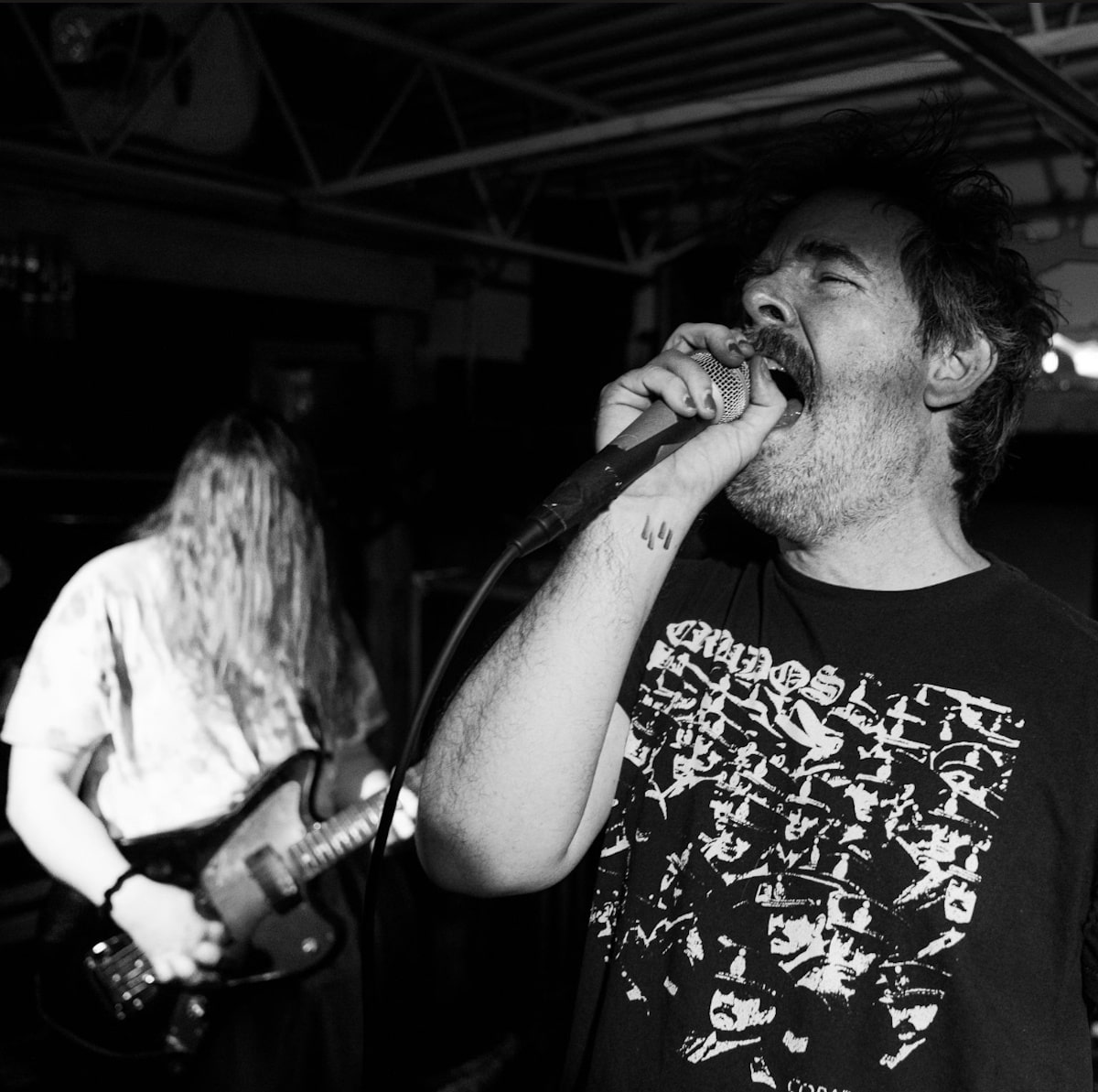
Evan (vocals): For me it was a really inspiring mix of reconnecting with old friends and collaborators, while also being energized by new members and new dynamics. Really comfortable, but not to sound like a soap commercial, with enough freshness to be invigorating. Though Colin hadn’t been in REDS in the first life of the band, he’d played with Dima for years in the Fiction and I’d toured with them a bunch, put out their records, and kinda weaseled my way in as an unofficial fourth member. Getting to actually be in a band and create with him was exciting. I hadn’t met Zach until our first practice but he’s one of the nicest people you’ll ever meet, and an incredibly talented and hard working drummer, so playing with him immediately felt like a privilege. And it felt great to be creating with Dima again. We’d not only played in REDS together, and toured with The Fiction together, but had done a lot of work together on my old record label – Waking Records – for which Dima did a ton of art and design work. I think Dima and I work really well together – partially because we have lots of differing views and opinions on things. I’ve always appreciated the ability to question and push and challenge each other’s perspectives. It makes whatever the final product is much stronger.
Zach (drums): Coming into the band as a new member 20 years after the start was an exciting challenge. Dima and I knew each other from our Brooklyn music scene. I’ve always admired his guitar (and bass) playing and looked forward to the opportunity to play with him in this context. The music resonated with me a lot and I was looking for an excuse to stretch out some of my hardcore chops. Once I met Evan and Colin at our first practice, I knew we were in for a fun ride.
Colin (bass): I was stoked to be playing with Dima and Evan. I have played in more bands with Dima than anyone else and I feel we’ve built up a good chemistry over the years. Evan is one of my favorite lyricists and I was excited to hear what he had to say after twenty years. Zach slotted right into our friendship with no problem. His drumming is so fun to lock in with and gives REDS a steadiness that it didn’t really have in the past.
Did it feel like picking up where you left off or starting from scratch?
Evan: Reviving REDS has been a really nice mix of returning to something that meant a lot to me while also starting something entirely new. We had relationships and a shared language to build on – but are also all at very different places in our lives now with a lot more experience and perspective than we had in our mid-20s. And we had new voices in the process which was really welcome. That said, we quite literally dusted off some old practice tapes with unreleased 20 year old REDS songs, and used some of those as a starting place for what we wanted to do. I think one of those ended up on the new lp – albeit with new lyrics. We also had several we left to history, wanting to make sure we were in fact creating something new together rather than just trying to recreate what existed before.
Zach: Coming into this as a new member, the guys gave me room to make the songs my own. I still wanted to honor the past (and keep some of those tasty grooves on the IS:MEANS record), while making the music feel right within my own playing style. While I come from a background in punk music, this was a bit of a new venture for me. I’ve always been a high energy player, but these songs really tested my stamina limits (they still do! Haha). It took some time to build those chops, but I’m a better player now because of it.
Dima: The new record is kind of a fun mix of (as Evan said) old songs that never saw the light of day in 2004, to a few songs from a short lived band Evan and I did that never played shows, and new songs that either I wrote or Colin. Some of these songs I’ve had in my pocket for over a decade so it’s exciting for me to finally hear them come to life. All of it felt like unfinished business, and it’s fun to hear them all together as a new REDS record, something for a long time I didn’t think was even a possibility. In a lot of ways it felt like picking up where we left off but just as older versions of ourselves. I think a lot of people our age are getting their bands back together because they realized this stuff is fun to do and there’s no good reason not to do it. It’s been a lot of fun reconnecting with these dudes and this scene in general.
Colin (bass): I was a big fan of is:means when it came out. When we first started to write for the new record I was initially concerned with whether the new material fit in with what that album had started. As we continued to write, I began to view what we were doing as its own thing. It’s not REDS in 2005, it’s a modern version of REDS. After I had that realization, I felt freer to write to our collective strengths rather than try to be a REDS cover band. With that said, Dima has joked that I wrote the most REDSy sounding song on the record.
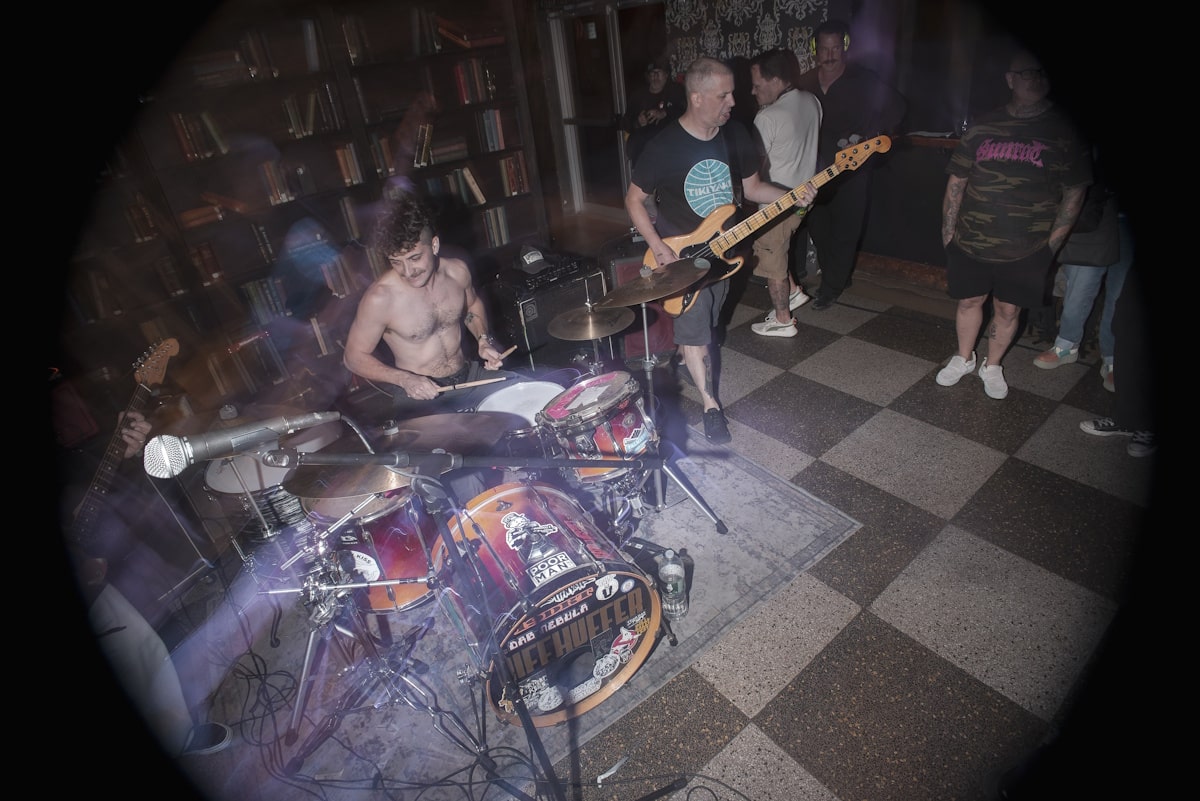
The new record was made with Steve Roche and Will Killingsworth, both tied to the same DIY lineage as REDS. How much of that shared history shaped the atmosphere in the studio?
Dima: Steve was the first person I’ve ever recorded with. The Fiction did all of our records with him. It was fun coming back to him after 20 years. It was productive as always. Very much like old times.
Evan: We have a long history with both Steve and Will, so collaborating with them on this record felt like natural choices. We barely discussed alternatives, if at all. Obviously Colin goes way back and has had a very close history with Steve from both playing in Saetia, and Dima and Colin recorded with Steve numerous times in The Fiction. REDS played with Steve’s bands back in the day too. We’d also played a bunch of shows with Will and Ampere, and Will helped release the first REDS LP on his label Clean Plate. All of this meant that there was a lot of trust and faith in both of them heading into this. They know where we’re coming from, and we know they share the values, both ethically and sonically, that we hold on to. We didn’t sit in on the mastering with Will but trusted him completely without us there. In the studio with Steve it very much felt like hanging out at a friend’s house. Sitting around Steve’s house in the evenings chatting, grabbing lunch and dinner together. Billy (Werner from Saetia) came and hung out for a while, and so did Blake (Midgette) from pg99. Blake happened there at the perfect time to contribute some gang vocals to a song. Recording vocals while two of the best vocalists from our scene were listening did make me feel a bit like an ant under a magnifying glass, but it all made the recording process feel like a community gathering and a celebration of what we’d created rather than just work getting done. Steve existed in just the right space to feel safe with, while also being outside the band enough to see and hear things we might not, and to push us when needed. But again, because of that shared background, the pushes he made were always in alignment with what we were going for. He never tried to pressure us to include accordion solos or anything like that.
Zach: Steve was great recording this record. I had the opportunity to record a couple songs with him a few years prior, in an old band of mine called Awful Din. So, when it came time to record this new record, Steve was our first choice. We knew he had an ear for the music and that he’d take good care in the session. The weekend felt like hanging with old pals, even though their history has got 20+ years on me.
Colin: Steve is my oldest friend in the hardcore scene. At various points, we have been bandmates, roommates, and friends over the course of almost 30 years. It was a no-brainer that we would record with him. As an engineer, he has perfected that perfect balance between maintaining the “good hang” and focusing the band on the task at hand. He has an amazing way of letting you know that you could do a better take without making you feel like shit. We recorded everything in a weekend. That quick turnaround felt very much in line with our punk roots.
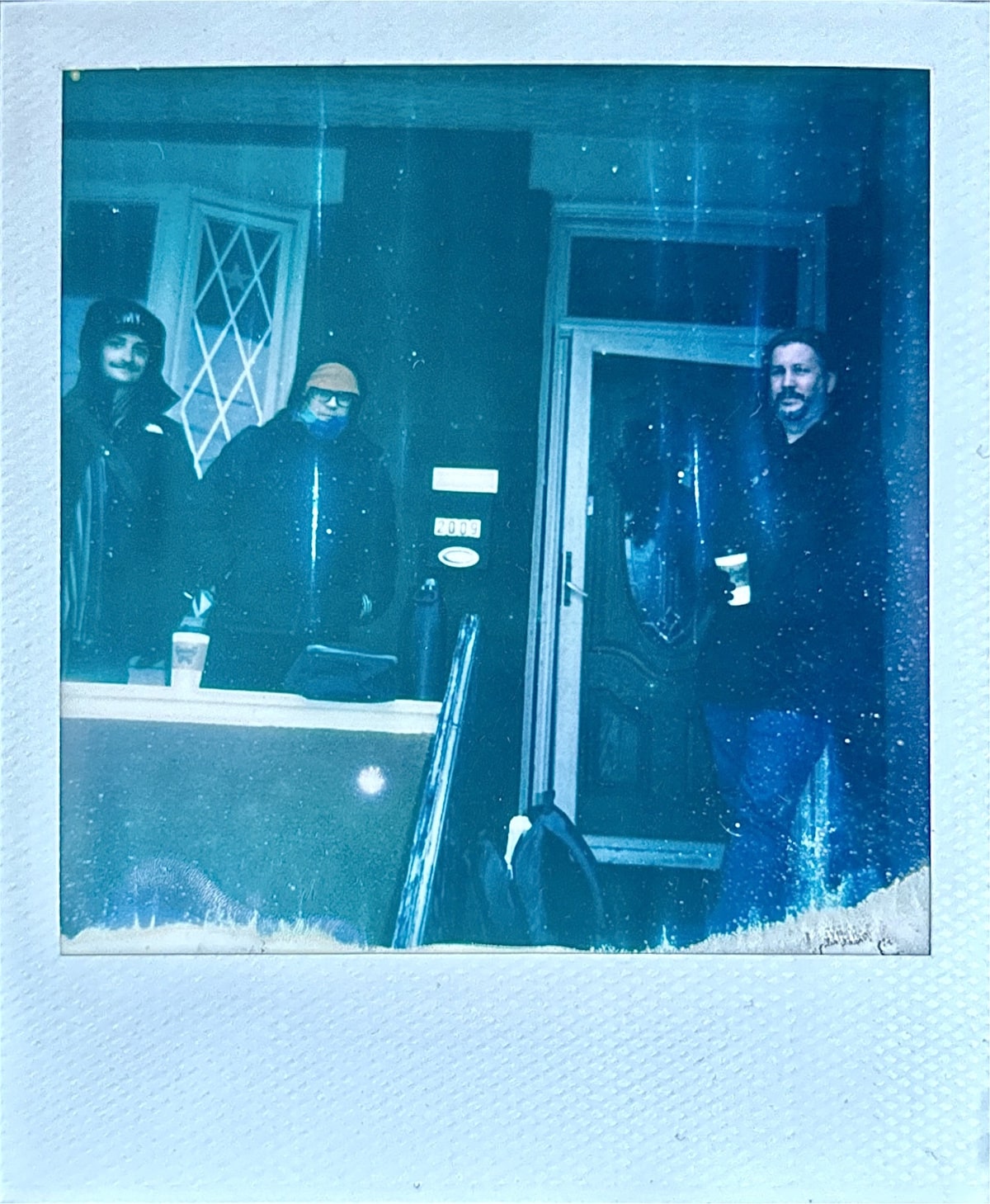
There’s a lot of personal and political weight in the new material. What made this the right time to put those thoughts into songs again?
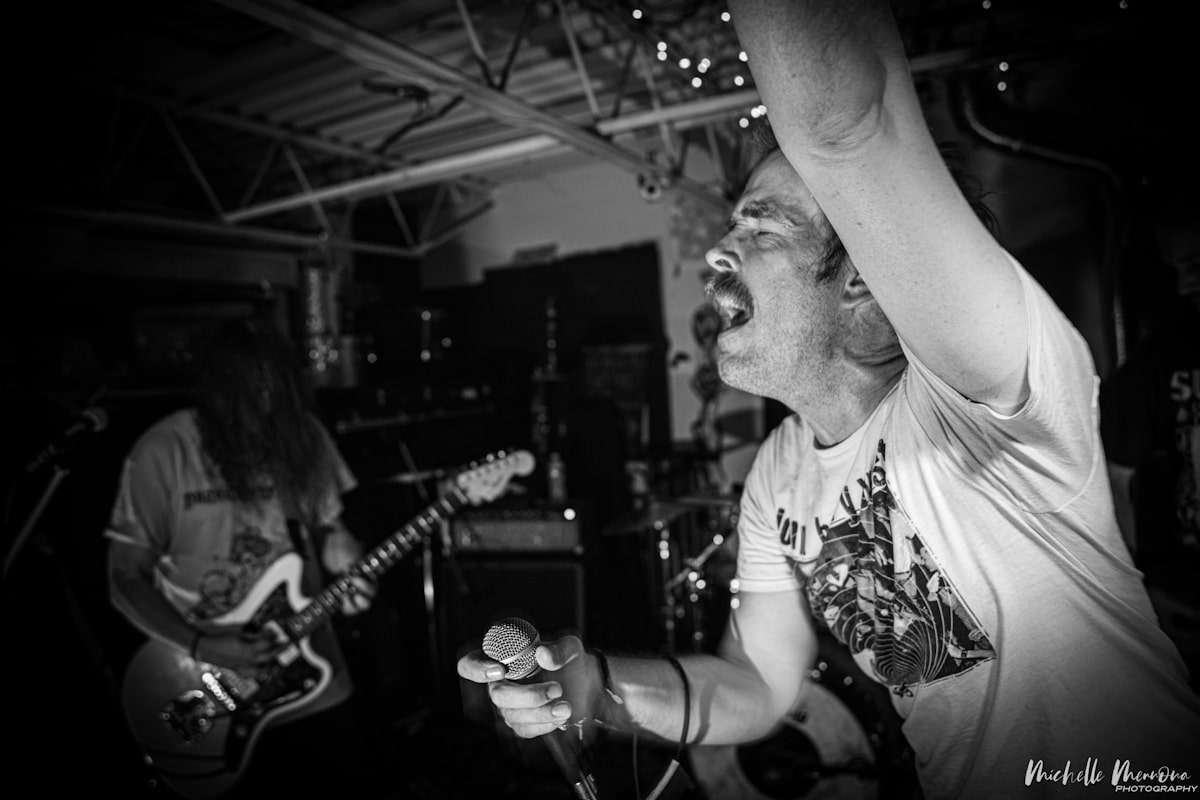
Evan: My need to be in a band and to create music seems to directly correspond to the level of anger, desperation, fear, or grief I’m feeling about the state of the world or the state of my life at a given point in time. The low points are when I really need a release valve to get all of those challenging feelings out of myself – to be able to transform them into something positive and productive rather than just curling up into a ball and being consumed by them. An outlet that allows me to process whatever fresh hell I find myself in, to seek the opportunities in it, and to connect with people with shared values in order to find a way to remain hopeful and optimistic. It also gives me the space for physical catharsis to scream until my head throbs and throat is raw.
REDS initially began in 2004, towards the tail end of George W. Bush’s first term and the start of the war in Iraq. Our first show was a month after his re-election. Twelve years later, I spent the day after Trump was elected comforting crying students and teachers, and then I posted on Facebook that I needed to start another band. That ended up being Dima, Colin, and myself (so pretty close to this version of REDS), along with our friends Myles Karr who had been in Books Lie and The State Secedes, and Aaron Nice from Burial Year and Suicide Nation. That project evolved a bit, and didn’t end up making it beyond the practice space – but it existed again for the same purposes for me. A couple of the songs on the new LP also have roots in that project – primarily “Slow Decay” which I kept the lyrics for, and was a reflection on how in the hell we’d ended up in such a bleak place as a country back in 2016 and found ourselves returning to 2024.
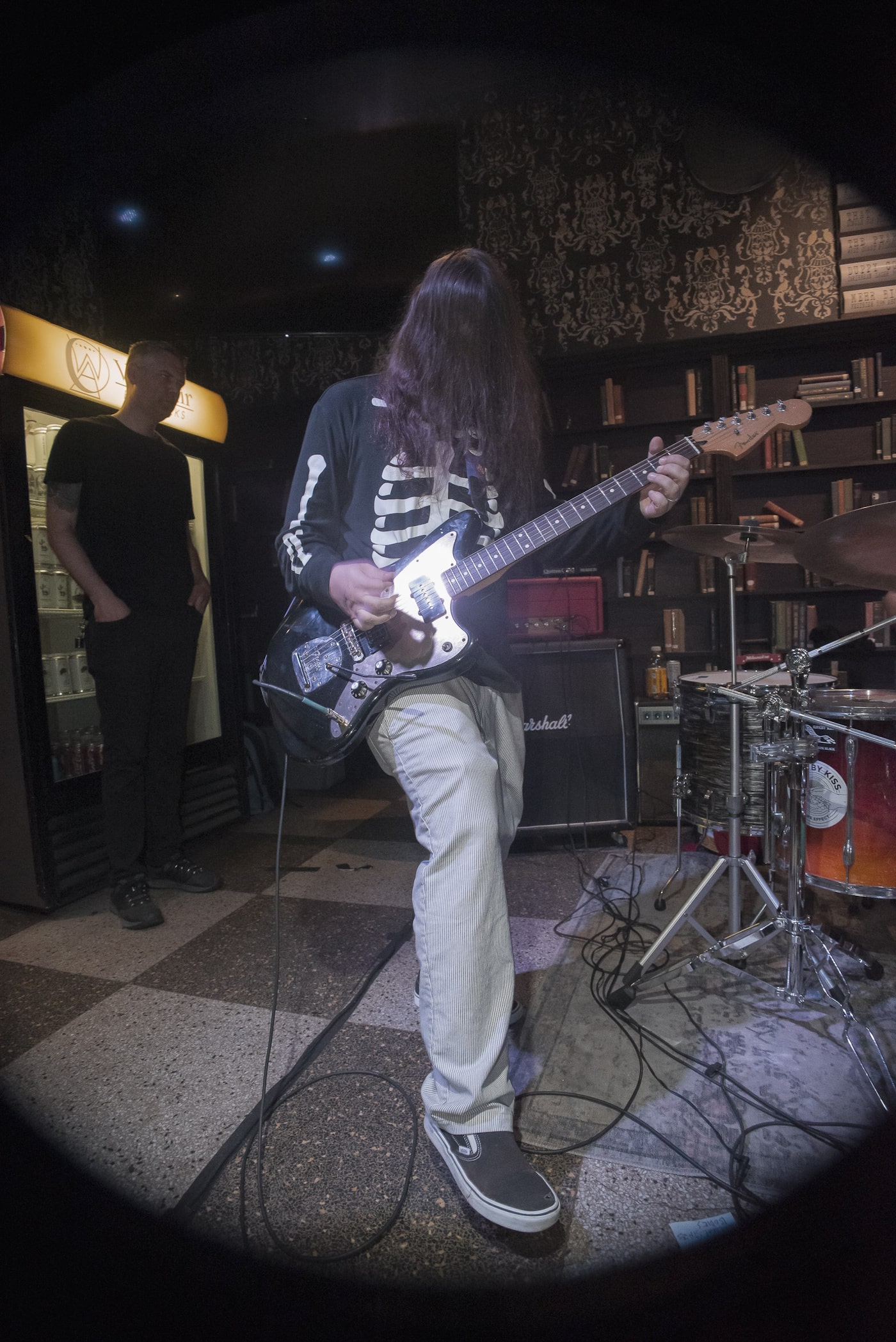
On a more personal level, when REDS reunited in 2023 my relationship of 23 years was coming to an end. It definitely felt like the world was falling apart all around me – and writing about that was my way to find hope amongst the rubble. To accept for myself the truth of impermanence, and challenge myself to believe that better days would come. It’s always been important to me when creating to not just be wallow in the faults and flaws – I have no desire to simply pile hopelessness into already desperate situations – but to also share my belief in the possibilities that lay ahead. And because I believe that those possibilities are more likely to come to fruition when we come together, my coping mechanism in the bleakest times always seems to be to be in a band.
Colin: The thing that I have always loved about Evan’s lyrics is the sense of hopefulness. Even in songs that depict feelings of paranoia or frustration there isn’t a sense of desperation. There’s far more a sense that we can work together and do our part to confront the issues we, as a community and as a world, are facing. I remember reading an interview with John Cusack about his approach to playing Lloyd Dobler in the movie Say Anything. He said that Dobler viewed optimism as a revolutionary act. Evan’s lyrics have always evoked that idea for me.
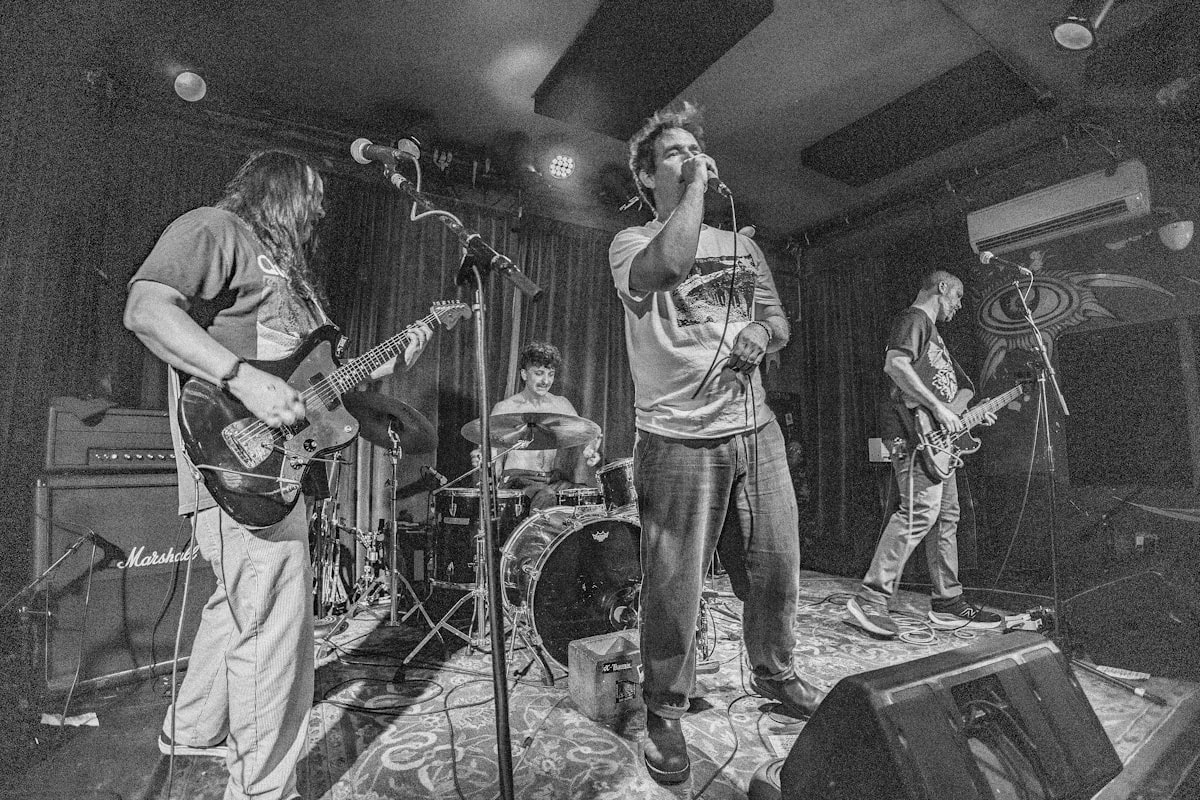
Looking back at the early 2000s NYC scene and where you all come from — Gospel, Saetia, The Fiction, etc. — what’s changed most about how you see hardcore or DIY culture now?
Evan: While I never really “dropped out” of the scene between then and now, there were certainly years where I was less active – having a kid and founding a school instead of going to shows. So I had some space to feel distance from the scene – and also not be present as it evolved. Coming back into it beginning around 2018, and really reconnecting when REDS reunited, it’s been super exciting to see the ways the scene has become more diverse and inclusive. More identities and voices are being represented in bands – voices of people of color, women, queer and trans folks – and this contributes to increased diversity in the scene as a whole as people feel represented in ways they haven’t been in the past. It makes it so much more interesting, dynamic and exciting! I’d always seen DIY hardcore as this welcoming, inclusive safe space for everyone, because that’s what it espoused, but also recognized that it wasn’t really living up to that ideal. There’s still plenty of room for growth – but to see the evolution has been really exciting.
I also see the DIY punk and hardcore community more now than ever as a survival mechanism. It’s always been “more than music” to me, but in the past it may have felt like an optional alternative to mainstream life. Now, participation in this community feels absolutely essential to my well being. At its best, it can show us a path through and beyond the christo-nationalist capitalist hellscape we find ourselves in and the alienation of largely on-line lives. The values of inclusivity, equity, collectivity, mutual aid, interdependence, self-reliance… These are entwined with the scene for me, and we see clear proof that a strong, supportive community can be built outside of the prevailing mainstream. We don’t need to sit and hope that someone else makes things better. We make the road. This of course doesn’t mean our scene is the only place this is happening, or exists in isolation, or is perfect, but it provides clear examples of ways we can work together to build a better world. Sure, that might be overly optimistic and the battles we face are huge – but this community collectively and the personal relationships I maintain through it are largely what give me hope for the future and keeps me sane.
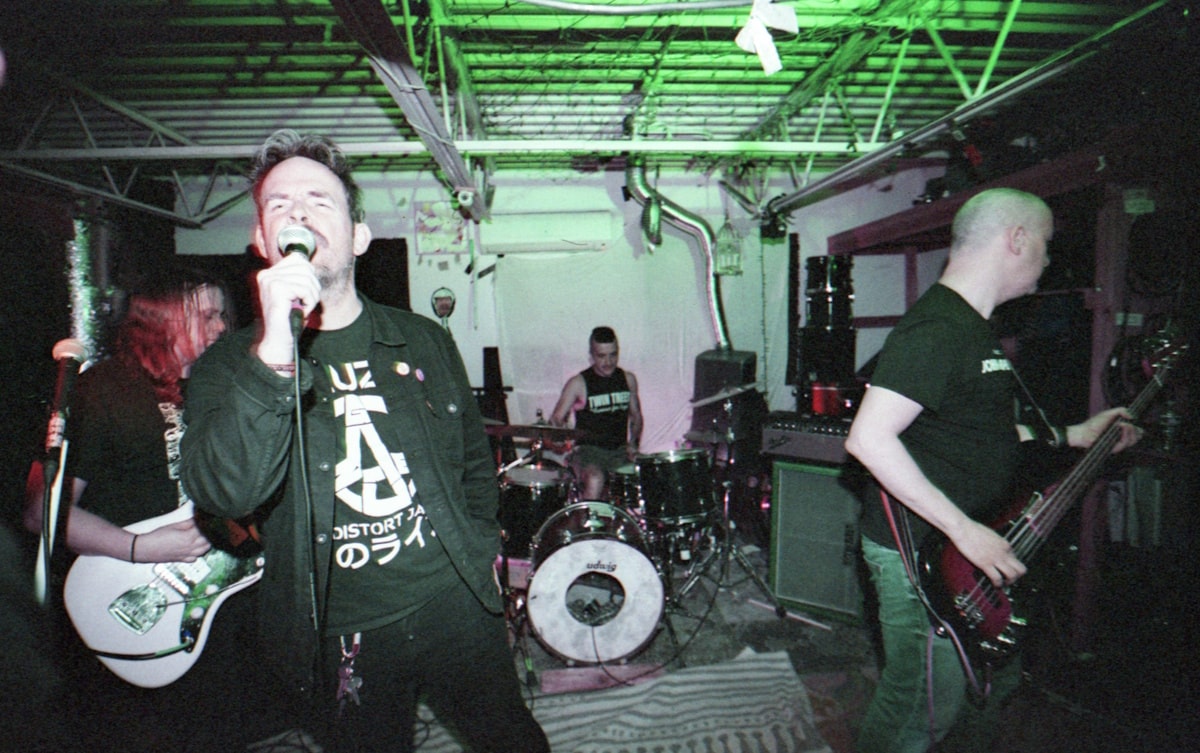
Related to that in a way – when we were around the first time, I was in my mid-20s. Everyone in the band was roughly that age – as were all of the other folks in the scene we primarily existed within. Back then, even the “elders of punk” I looked up to (Ian Mackaye, Sarah Kirsch, Aaron Cometbus…) were younger than I am now. I think I felt like it was inevitable that at some point I’d age out of the scene, because there weren’t a ton of examples of what it meant to age and continue to exist within this scene that has generally been seen as a youth movement. I wasn’t sure if I wanted to become the middle aged guy hanging on in a room of 20-somethings, or attempting to cling to my youth by continually retreading the same footprints. But here I am, 46, and my perspective on that has definitely changed, and that’s largely because so many of the people from the scene we were a part of in the early 2000s are still here, still existing within the same DIY spirit and framework, while creating something new and meaningful in this moment. Last weekend we played a show with Medicinal, Spiritkiller, and Kirkby Kiss. Folks from Helen of Troy, Gospel, Kill Your Idols, You and I, and The Assistant. People we’ve collectively been playing shows with from 20 to 25 years. As exciting as it has been to see and play with new, younger bands, it’s equally as exciting to come back to these lasting connections. And I think we’re all still here because this is what survival looks like for us. Because we can’t imagine our lives without this. So while I used to feel, on some level, that the DIY punk and hardcore scene was a young person’s world and “all ages” was entirely about making space for young kids, now I more deeply understand that a healthy scene hold space for truly ALL ages and benefits greatly from this. That said – it’s important for the older among us to not try to cling to the ways of the past too firmly, and give the younger folks space to challenge and innovate and keep making this newly interesting and unique. And to do so ourselves! Also – after two knee surgeries as a casualty of a stage diver, I’m staying out of pits these days.
Zach: Though I wasn’t a part of this specific community back then, I’m familiar with the history and standards that were set. I’m grateful to be a part of the present NYC DIY community now. I come from upstate New York where inclusivity and acceptance of the “other” isn’t always the norm. Luckily, I was able to discover hardcore and the DIY ethos by way of pop-punk and the Vans Warped Tour communities. My first hardcore show was at The Booker T. Washington Community Center in my hometown. This was back in like 2009. In classic fashion, it was inside a large gymnasium with a bunch of bands from different genres on the bill. When I moved to the city and began going to shows, I was immediately struck by the diversity of musicians and points-of-view I was being exposed to. Within this DIY culture, there is an insistence on inclusivity and support for people of every gender, race, and ethnic background.
Colin: I think there is a tendency for people to think that the scene coincidentally dies when they stop going to shows. People have been saying this since 1983 or so. Having taken an extended break from actively going to shows in order to raise my family, it was really amazing to return to an extremely healthy, vibrant, and diverse scene. It’s also been great to see how many people who were playing in bands when REDS and the Fiction were around are still playing in bands and putting out records.
What kind of space are you hoping this record takes up in 2025 — both musically and emotionally?
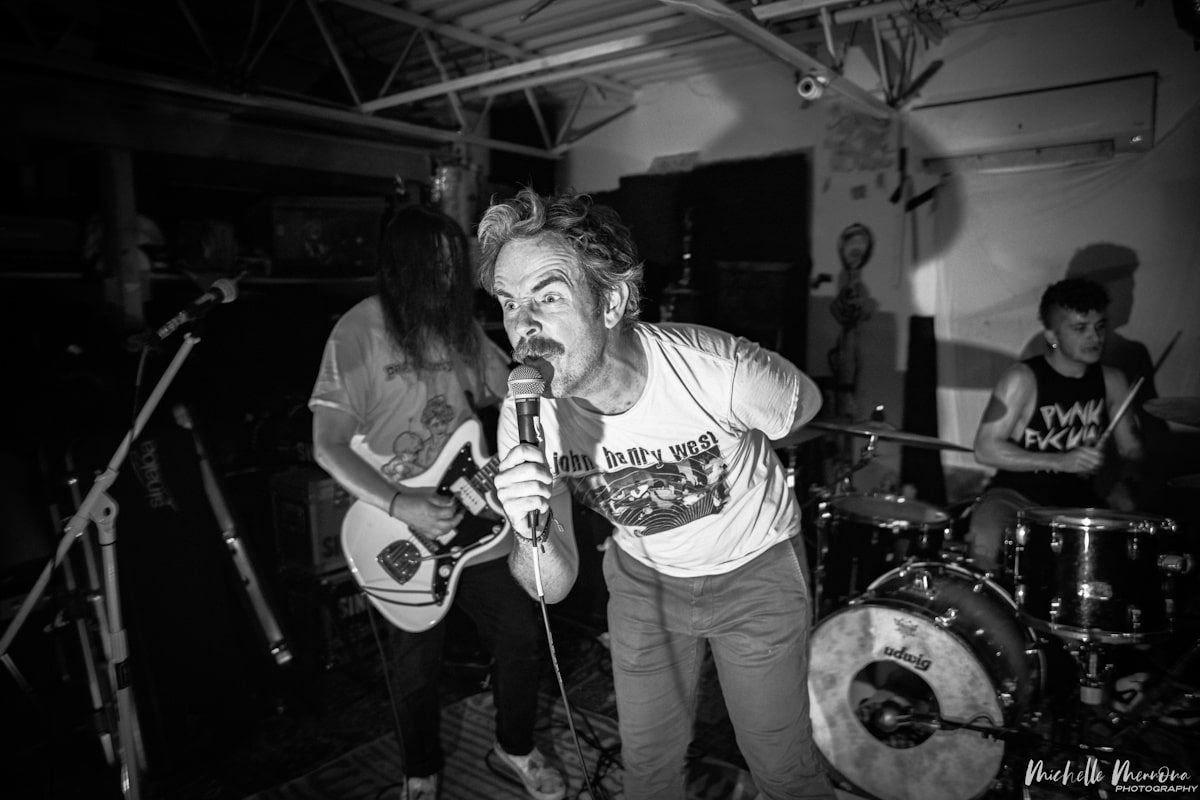
Evan: Musically, I hope this record finds a home with people. I think sonically we’re a little hard to place in any clear scene. If we’re operating under narrow definitions, we’re generally not hard enough for hardcore and not screamy enough for screamo, but too emo or noisy for lots of post-hardcore or indie folks. On almost every show we play, sonically we’re a bit of an oddball because of this, with the other bands sharing a more similar sound. I love that space because it can disrupt expectations, but it can also feel hard to know if what we’re doing is resonating for people. So my hope is that it finds its way into the ears of folks who are excited by that liminal space. Emotionally, I’d love for the record to help people feel a bit of hope. Hope that we can work through the shit that may fall upon us – individually and collectively – and come out stronger and better on the other side. It would be incredible if the record helps someone find their strength to confront something standing in their way. That’s what “Slow Decay” is about – that we can’t create something better simply by ignoring things as they fall apart. So, if this record in any way provides energy to “change old patterns” and “take action,” that would be incredible. I can point to records that got me through the really hard times recently, and if even just a few people come to me in the future and say this record did that for them, then that’s all I can really ask for.
Zach: I agree with Evan. My hope is that some people are able to listen to this record and feel energized to make change happen, whether it’s within their community, or within themselves. I remember what it was like when I first discovered heavy music. It was around the same time I started learning how to play the drums. I was too young to understand the full context of what it was about, but I remember the cathartic feelings the music gave me. On a personal level, I come from a home that struggled with drug and alcohol addiction. I’ve seen and felt the effects that kind of coping can create. If I hadn’t been able to shut my door and lose myself for hours on the drums while blasting loud music, I might’ve ended up on the same path as some of the people closest to me. If our record can help someone emotionally, even a fraction as much as music back then helped me, I’ll be happy. As for how I want this record to take up space musically, I just want people to be able to come to our shows and dance. Maybe it’s the drummer in me, but if the grooves I’m playing compel the crowd to move, then that’s a win for me.
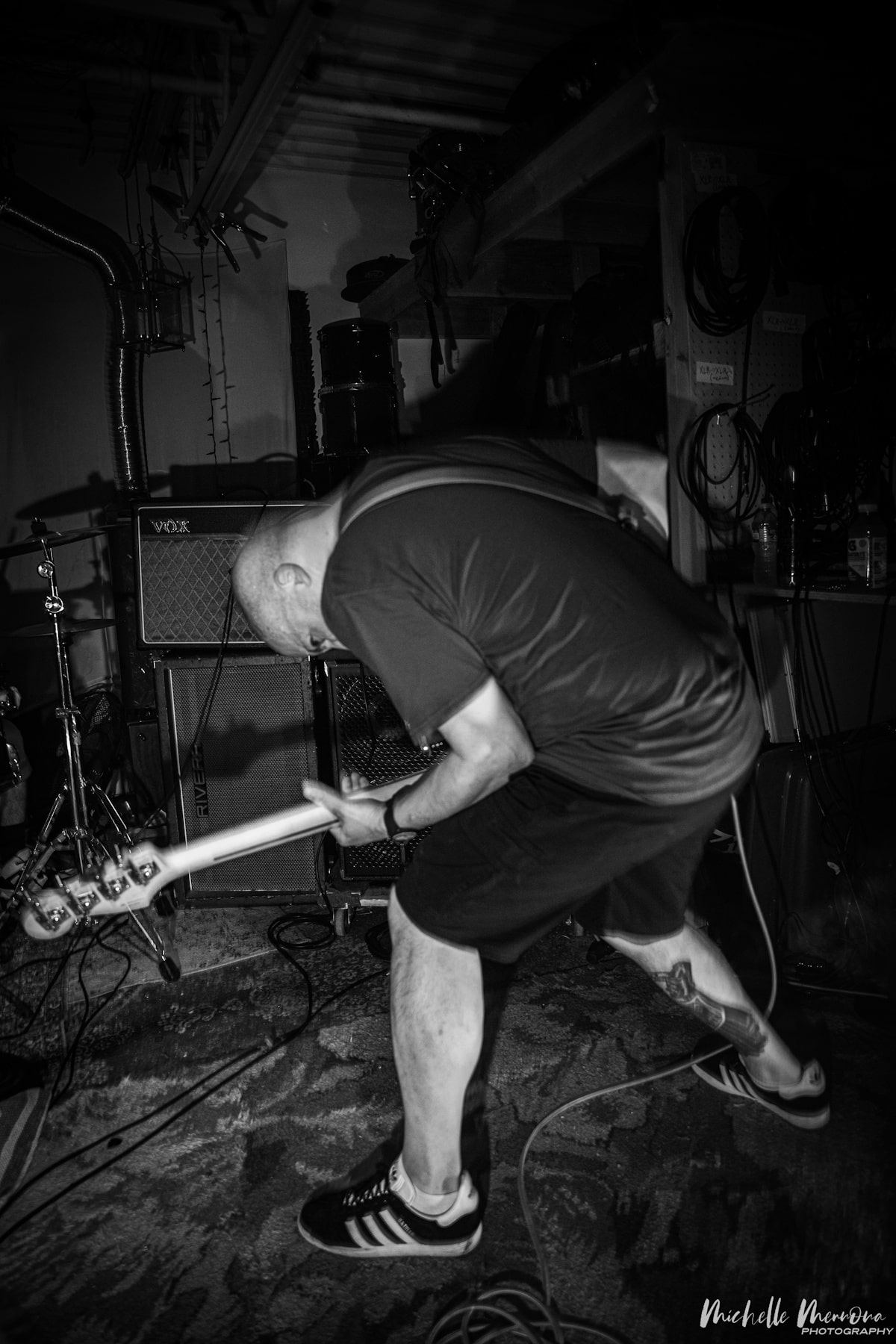
Dima: My favorite part about his band is how sincere it is. I feel that was about the lyrics and the music. Like Evan and Zach said, I want it to make you feel hope, but I also want it to make you dance. I think it’s a fun and energizing record. I only want to make music to uplift people.
Colin: I hope this record and our live performances can build on a sense of community. There have been times in my youth that I have been critical of bands for “preaching to the choir.” The older I get, the more I realize that sometimes the choir needs to be preached to. This is how we recharge our batteries so we can go out in the real world and do the work to make this world a better place.