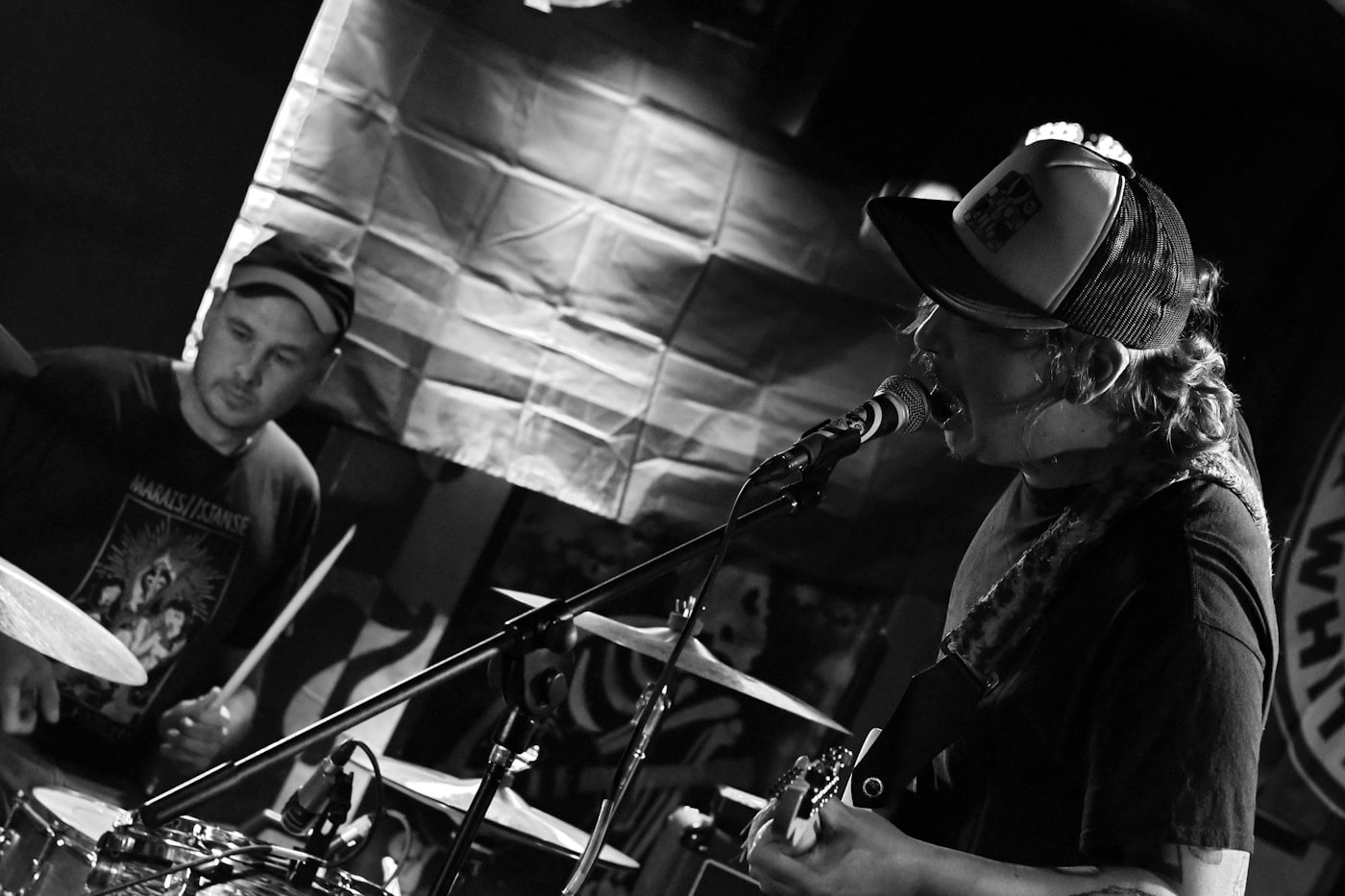

AVL come out of a crust and sludge background, and that weight is already moving in the first seconds of their self-titled EP, released on December 6th, 2025. The record drops straight into slow pressure, blown-out distortion, and harsh vocals that sound less like performance and more like function.
The band formed from an overlap between punk and electronic scenes rather than a single lineage. Luke K and R Denham first connected through electronic music, after both playing sets tied to Four Track Nights in Paisley.
An online post linking their work led to a conversation, then an invite. Denham was already using harsh vocals in electronic material, which carried directly into what AVL were doing at the time.
Early on, the band leaned closer to traditional crust punk, something still audible on “Garden of Midas” and “The appropriate amount of guilt,” whose instrumentals were written before Denham joined.
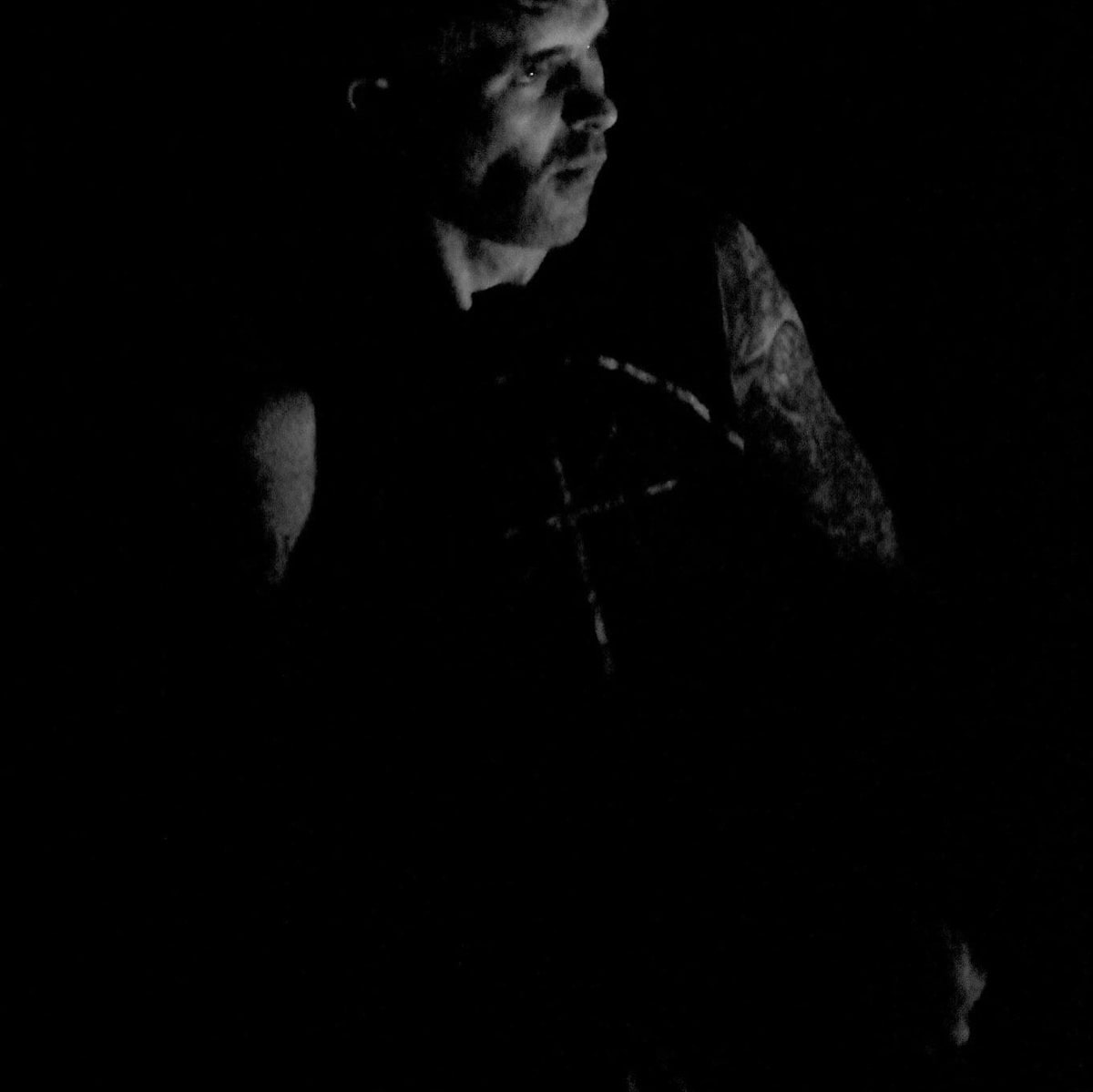
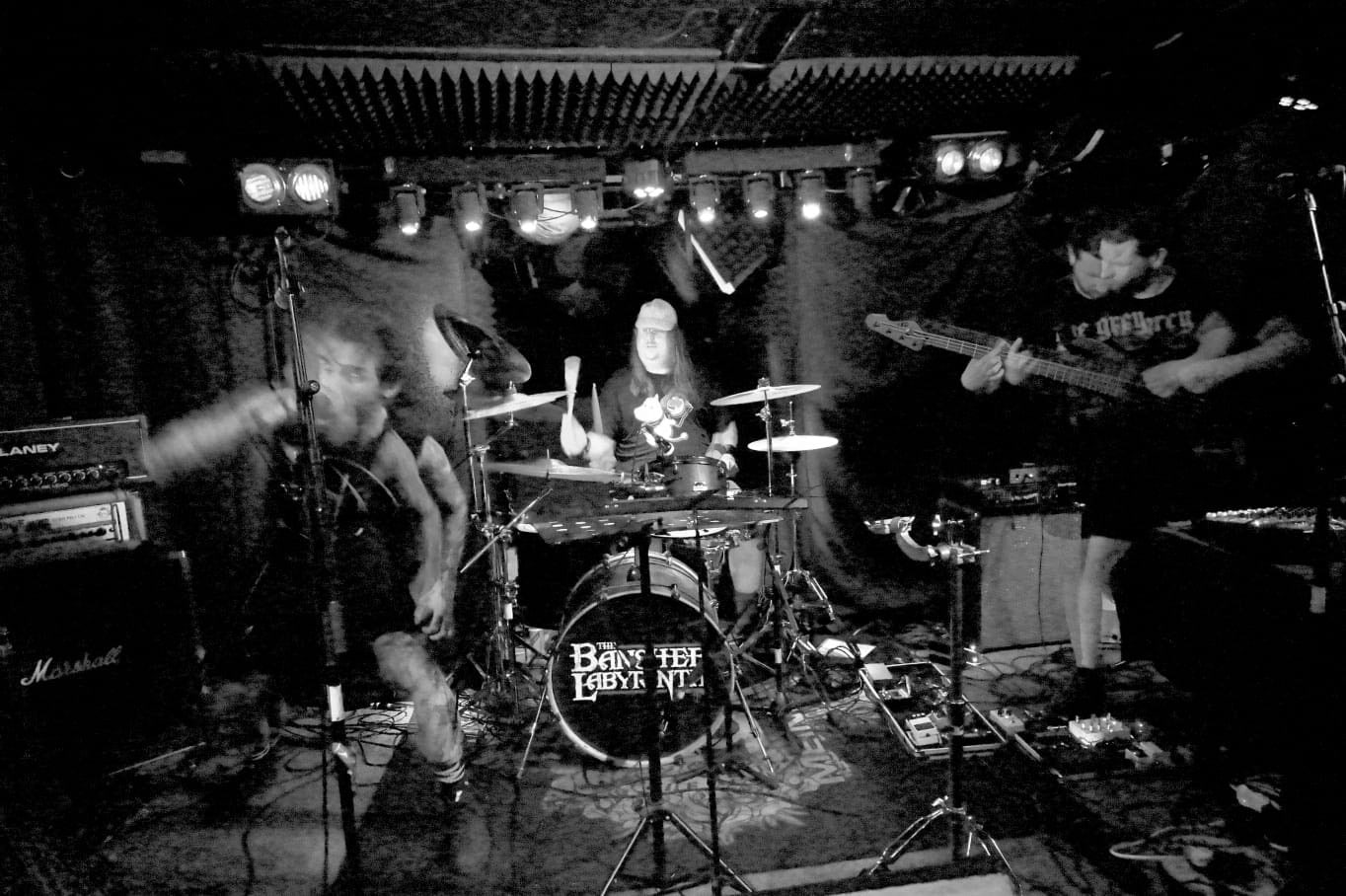
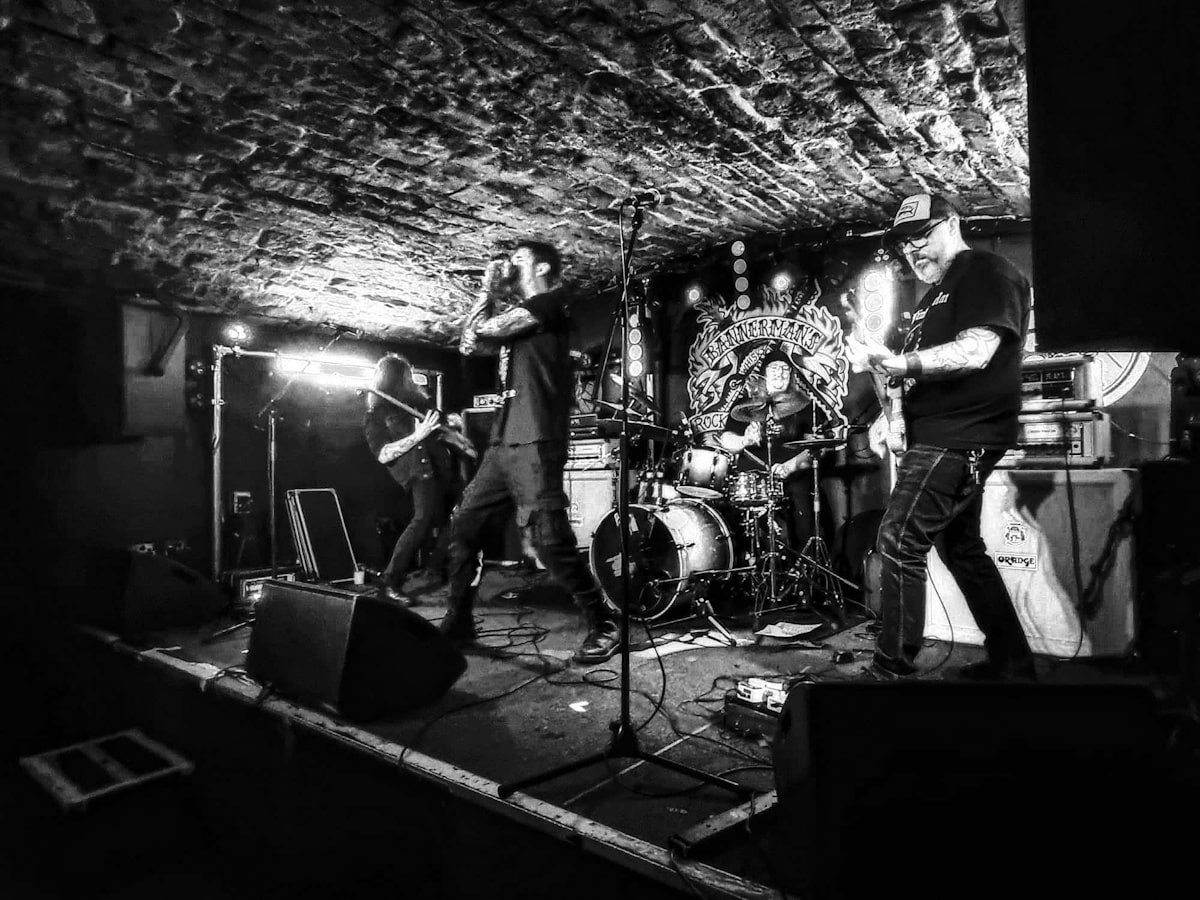
AVL didn’t stay fixed for long. Lineup changes came with time—some necessary, some leaving a sense of loss. When their guitarist left, the band chose not to replace that role. Instead, they stayed a trio. That absence created space, and rather than filling it with more riffs, they let noise, ambient electronics, and industrial textures move in. With Topi K joining on drums—someone already connected to electronic music—the sound shifted naturally. The record reflects that: heavy sections sit next to long, uneasy stretches that feel more like environments than songs.
View this post on Instagram
Those quieter, noisier parts aren’t breaks. They’re structural. The band wanted the EP to feel like a single place you sit inside, not a sequence of tracks meant to stand alone. The sludge and crust passages carry weight; the ambient and noise sections stretch time and make that weight harder to escape. It’s all part of the same motion.
View this post on Instagram
Lyrically, the EP is direct and specific. There’s a shared thread across the tracks: solidarity, community, and a refusal to participate in systems designed to keep people divided. The band says it plainly. “Garden of Midas” targets capitalism at a human level, focusing on landlordism and the idea that denying people shelter for profit is treated as normal or acceptable. The band rejects that logic outright, calling it “fucking rotten.” The song doesn’t argue; it condemns.
“Horizon Rising” deals with generational damage—how repeated selfishness, exploitation, and short-sighted decisions have piled up over time. The song doesn’t frame the current generation as guilty, but it does insist on responsibility. The band makes a clear distinction between blame and obligation: the mess may not be theirs, but dealing with it is.
“Cauldron” shifts toward connection and the lack of it. The song reflects on being born into systems built to exploit and discard people, and how that makes real human connection fragile. The answer offered isn’t ideological. It’s practical. Holding on to each other is framed as the only way not to be pulled apart.
The EP’s most personal track, “The appropriate amount of guilt,” was written after the death of Denham’s abusive grandfather. It rejects the idea that death demands forgiveness or emotional closure. The song insists that no one owes their abuser absolution, even in death, and that moving forward without carrying inherited guilt is not cruelty, but necessity.
Everything on the EP was handled by the three members themselves, from writing and recording to production and artwork. The well known DIY approach isn’t presented as ideology. It’s described as freedom—freedom from labels, producers, and external expectations. That freedom shows in the record’s structure, pacing, and refusal to resolve itself neatly.
AVL’s self-titled EP doesn’t chase impact through volume or speed. It works through pressure, repetition, and proximity. It’s a record about staying together, saying no clearly, and not pretending damage disappears on its own.