

“Nothing Is The Same Anymore” is out today, February 16, 2026. It’s the debut full-length album by London melodic hardcore/emo band Death of Youth, released through a scattered but precise DIY network: Engineer Records in the UK, Cat’s Claw Records (cassette only), Sell The Heart Records in the US, Remorse Records in France, Dancing Rabbit Records in Germany, Vina Records in Italy, and Pasidaryk Pats Records in Lithuania.
The album came together at Rogue Recording Studios between February and April 2025. Michael Kew and Rob Parnell handled the recording and production, with Kew returning in July to mix and master it. It’s the first Death of Youth record written from the ground up as a band, not a solo project later stretched into one, and that change sits quietly underneath everything.
Wyświetl ten post na Instagramie
Death of Youth began back in 2018 as a bedroom project run by vocalist Rob David. Early releases, “Between Chapters” and the 2020 EP “Suburban Dystopia”, were upfront and emotionally bare, but they were already looking past purely personal collapse.
That second EP leaned harder into social and political observation, which eventually led to Engineer Records releasing the compilation “Some Demons Never Die” in 2021.
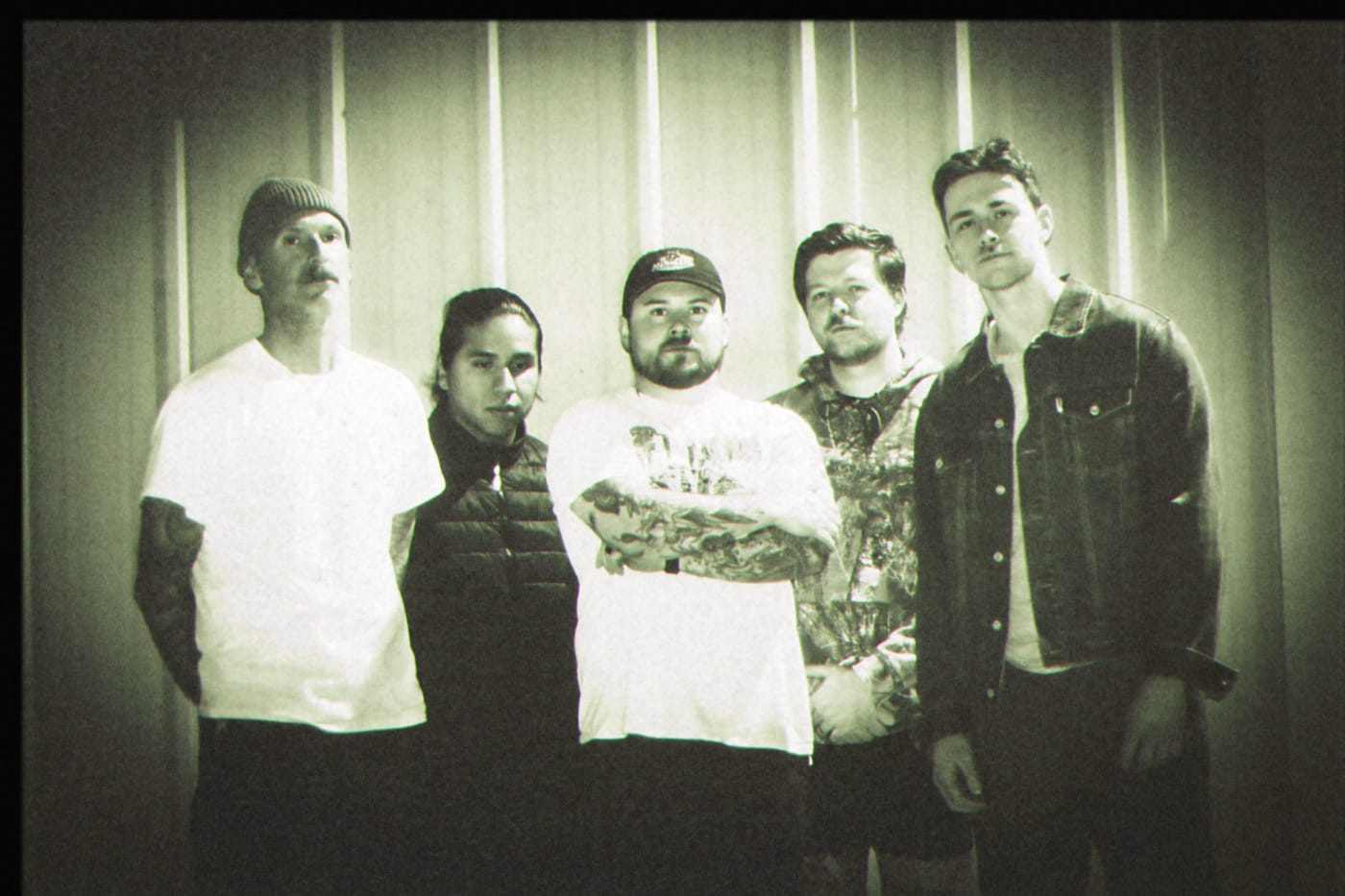
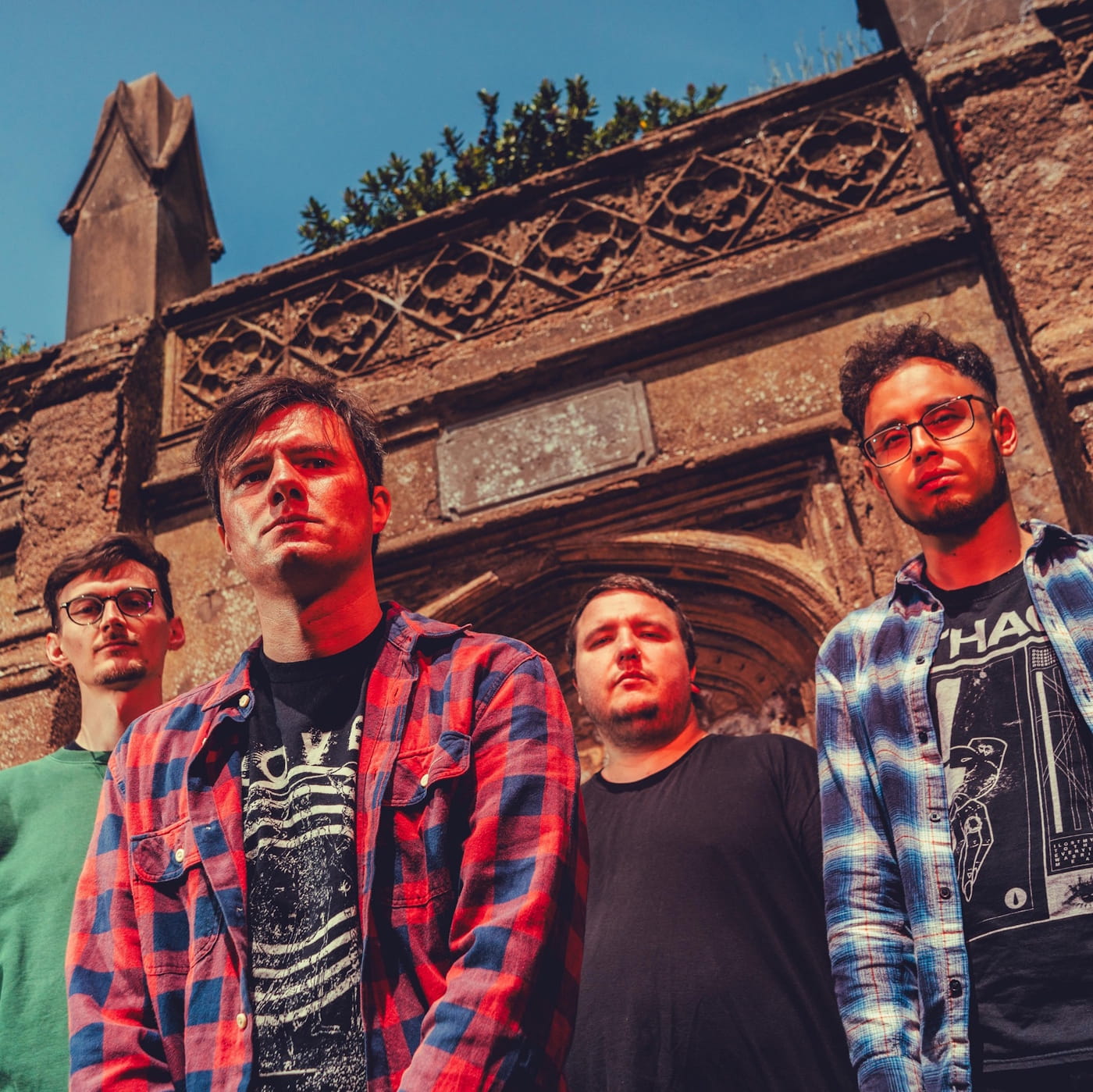
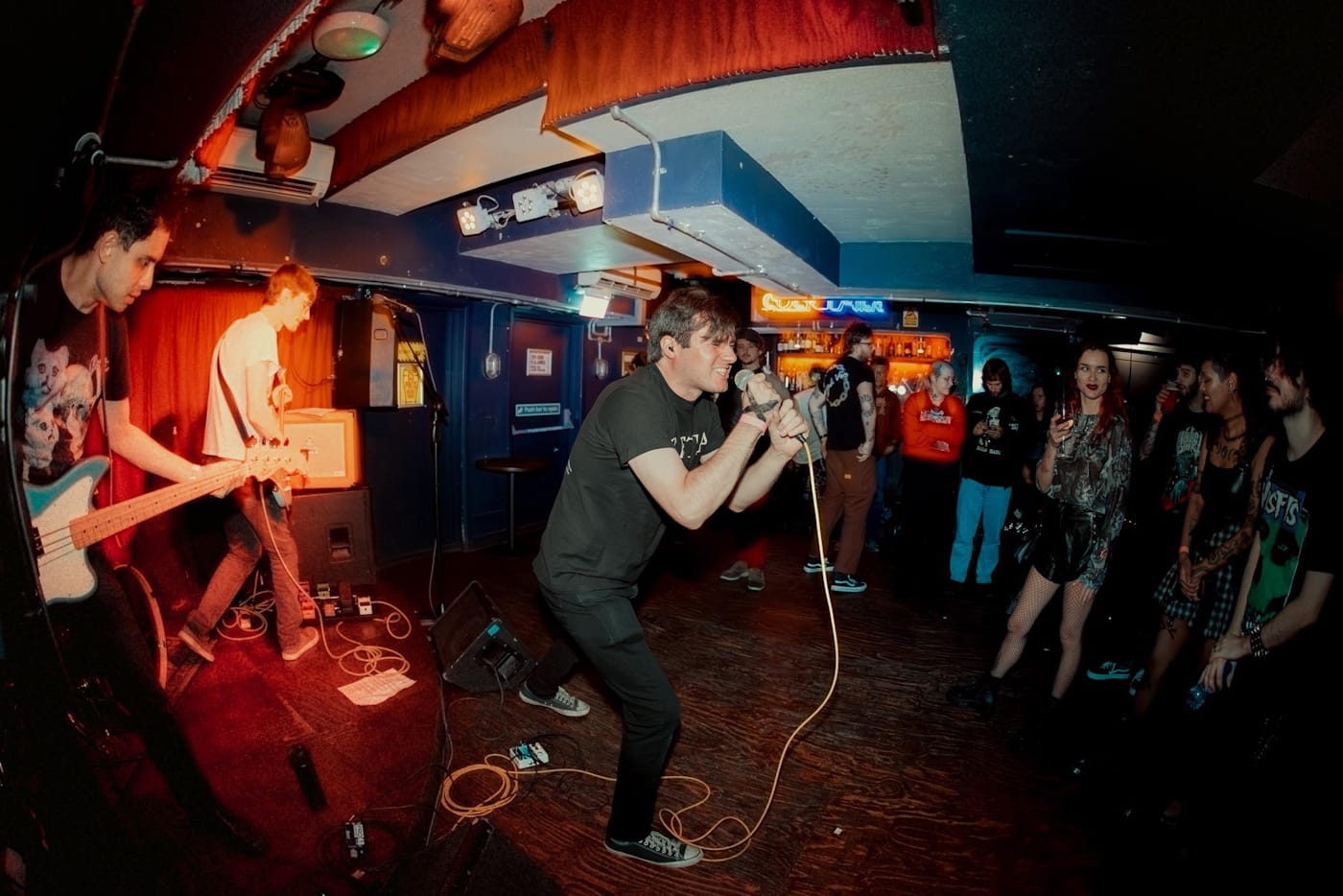
After a break, the project reappeared in 2024 as a full lineup, with Joe Arnold on guitar, Carlos Zelaya on bass, and William Page on drums. Their first shows as a band happened in London, sharing bills with Chalk Hands, Still in Love, Zeddon, and Pothole.
David doesn’t dress up what pushed this record into existence. “Nothing Is The Same Anymore is both a reaction to the current state of the world we live in as well as a means to explore and process some experiences I went through that I felt needed to be expressed through some form of creative output,” he says. Hardcore felt like the right place to put that weight — not to dramatise it, but to let it sit under pressure.
His musical entry points are straightforward. Early and mid-2000s post-hardcore bands like Funeral for a Friend, Thrice, and Thursday were the gateway, but it wasn’t just about sound. “The bands from that scene who have stuck with me over the years were the ones whose music was more than just about singing about heartbreak and personal woes.” That idea runs through this album. Even when the focus turns inward, it’s never sealed off from what’s happening outside.
Politically, David describes that side as “a call to action rather than complacency.” That thinking is clearest on “Bystander”, a song aimed at people who claim to “not do politics” and treat disengagement as a neutral stance. The same tension appears right at the start, on “Desensitised”, which looks at male reactions to violence against women. The song isn’t about shock tactics; it’s about everyday deflection — men shutting conversations down with “it’s not all men” while quietly excusing behaviour close to them.
Bigotry, and how easily it spreads, runs through several tracks. The lead single “Fix Your Heart or Die” focuses on trans rights and the way governments manufacture moral panics around trans communities to distract from their own failures. David points to “the whole absurd notion that we have to debate somebody’s right to exist.”
“The Inverse of Patriotism”, written in 2021, came out of his frustration with life in the UK after Brexit, the response to Black Lives Matter, and the ongoing celebration of traditions he sees as long past their meaning. The song appears on the album unchanged, simply because it hasn’t stopped applying.
“Performance Art” turns that lens back toward heavy music scenes themselves. The song was partly sparked by a situation involving the band Architects, when a transphobic repost by one member led to a flood of similar comments underneath the band’s posts. It’s not framed as a response to a single incident, but as an example of how quickly silence can turn into permission.
The personal material on the album doesn’t offset the political side; it sits alongside it. Two songs trace a relationship that ended abruptly, without theatrical framing. “Rumination” looks back at the relationship itself, stuck on what might have happened if circumstances hadn’t intervened.
The title track, “Nothing Is The Same Anymore”, follows later, focused on the slower process of recovery. “Invertebrate” connects loosely to the same period, addressing emotional abuse more broadly and drawing partly from stories David was told about a previous relationship.
“Castle Rock”, the penultimate track, comes from a different place entirely. David found out through others that a high school friend had passed away — someone he’d lost contact with after cutting ties with his school years, which he describes as traumatic. The song isn’t about reconnecting or rewriting the past, but about stepping back and taking stock. The title nods to the Rob Reiner film “Stand By Me”, less for its plot than for its reflection on lost innocence and the distance that forms around childhood friendships.
Across nine tracks, “Nothing Is The Same Anymore” stays rooted in emotional hardcore framework, pulling in screamo, Midwest emo, and early-2000s post-hardcore without leaning on nostalgia. Comparisons to Touché Amoré, Departures, and La Dispute are easy enough to place, but the record doesn’t chase those reference points. They feel like tools, not destinations.
Wyświetl ten post na Instagramie
Also, this album didn’t land in a vacuum. Even before release day, a few outlets were already treating “Nothing Is The Same Anymore” like something worth sitting with, not just skimming and scoring. Boolin Tunes came at it from the nuts-and-bolts angle — the record’s structure, the way the tracks are paced, and how the Rogue Studios work (Michael Kew and Rob Parnell) gives it a clarity that doesn’t feel accidental. Dying Scene zoomed in on details like the waves at the start of “Desensitised” and the way the album keeps sliding between political songs and personal ones without acting like they live in separate rooms.
And alongside the reviews, there’s also been context from outside the usual press-cycle language. Rob David recently appeared on the Scream Therapy podcast with host Jason Schreurs, talking about living on the autism spectrum and how that feeds directly into his process — hyper-fixation when writing, then the hard stop of writer’s block. He also talks about being bullied growing up, and how the punk scene ended up being the place where he could open up and feel more comfortable being his authentic self.