


Experimental music moves across a wide field with a lot of shades, and on any given week we end up in a different corner of it. Earlier today it was Transmission Zero leaning into the melodic edges of post-rock. But Pamięć take us somewhere else entirely — darker, stranger, further out — and test how far our ears will follow a record before the map becomes the territory.
The Warsaw eerie duo work fully DIY, without a label, outside established scenes and industry structures. What they’ve said they want is simply to mark a presence — to show this kind of music exists and is being made in Poland.
Their mind-bending debut album “Ireneo Funes, Clementine and Prospero” arrived on April 10, and rather than send it out with a standard bio, we have teamed up with the band to put together something rarer from a DIY band at this depth: an annotated guide to every reference, leitmotif and thematic thread buried inside the record.
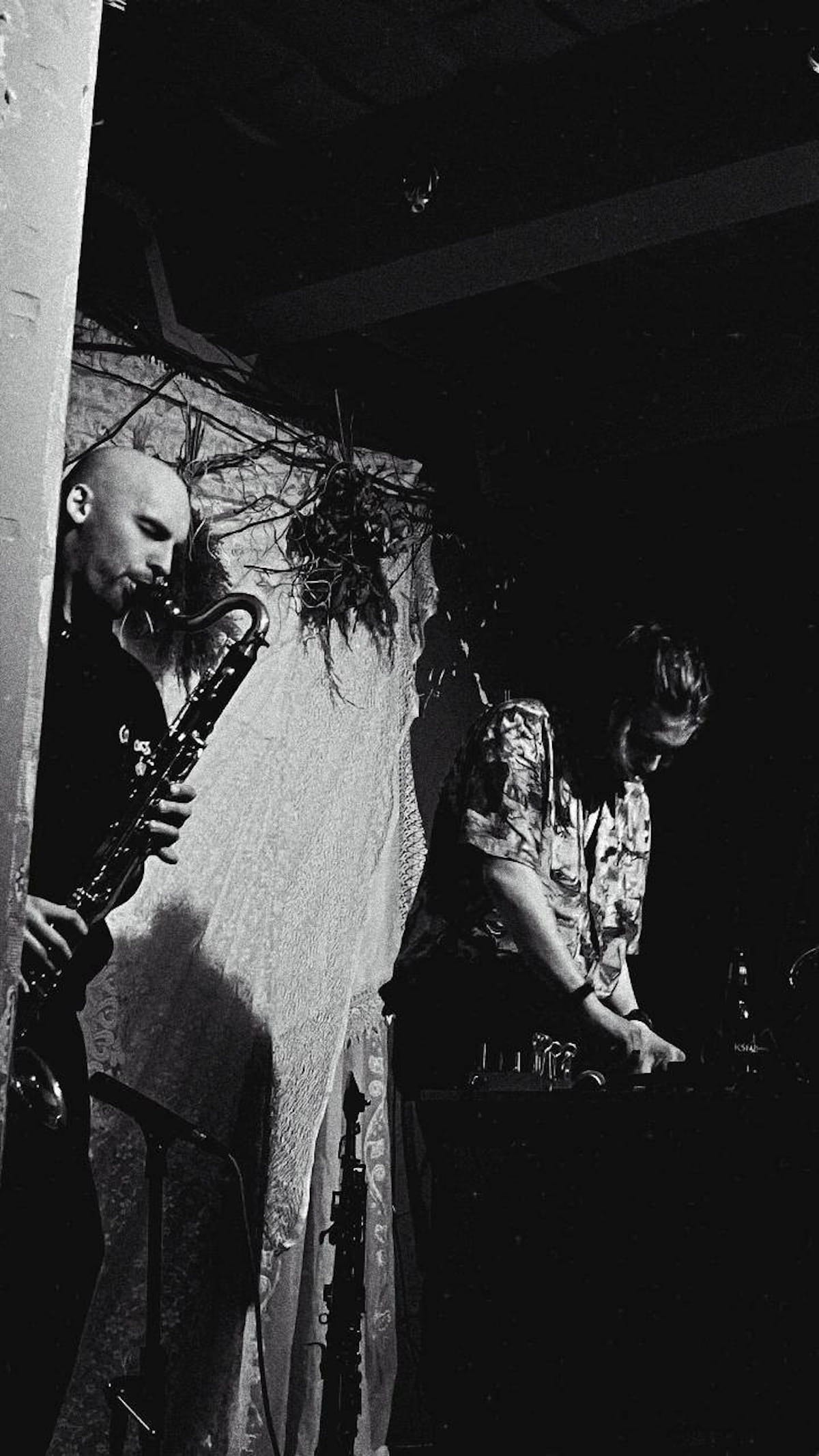
They’re careful upfront that the guide isn’t an instruction manual. “We’re not here to tell you how to hear or interpret our music,” they write. “Instead, we’re pointing to the ideas that shaped this film for the ears.” They make a point of saying the music stands on its own — the guide exists because DIY releases at this depth rarely get close attention, and they’d rather give readers a map than be misread.
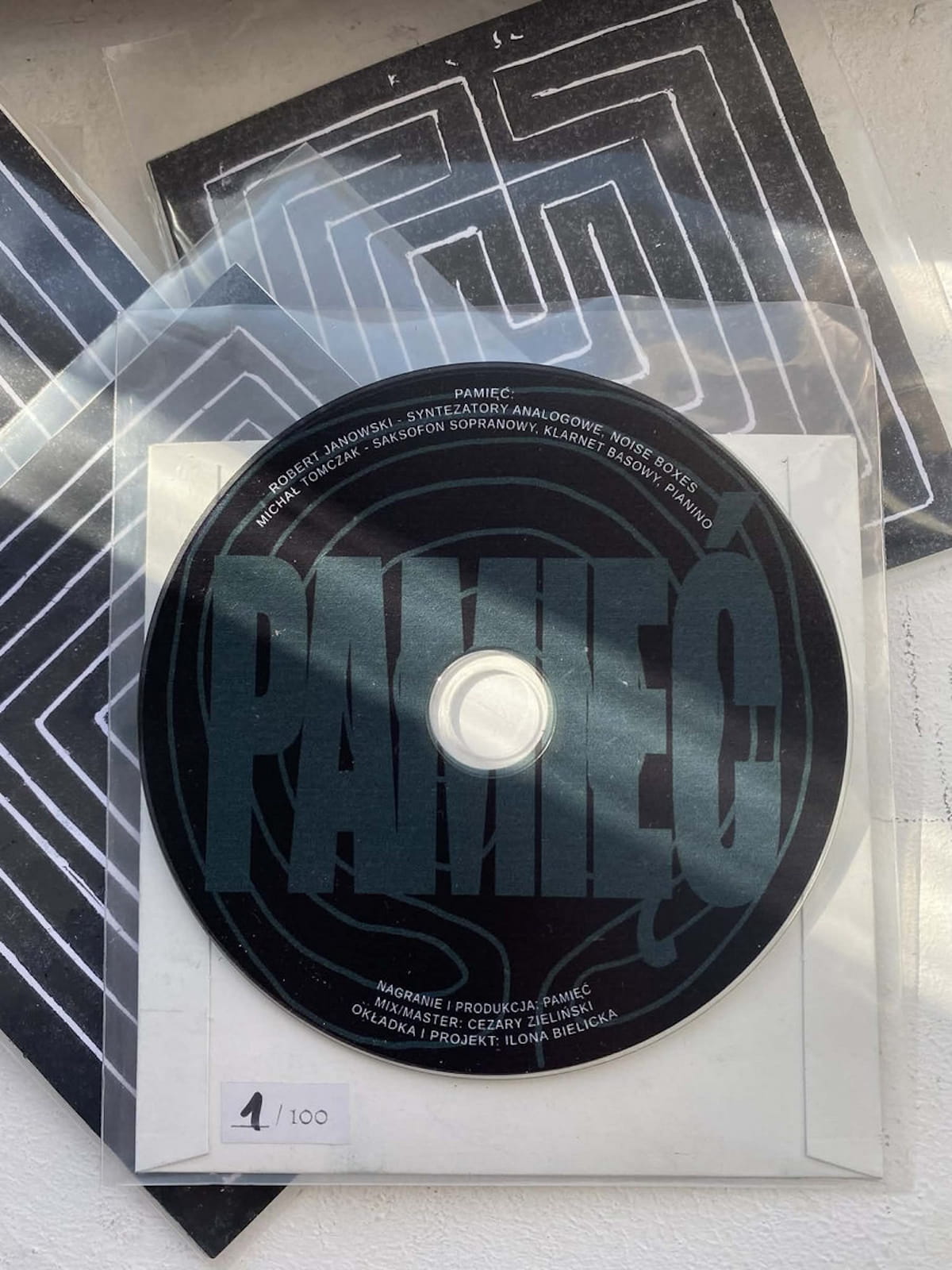
Pamięć — meaning Memory in Polish — is Michał Tomczak on soprano saxophone, bass clarinet and prepared piano, and Robert Janowski on analog synthesizers, noise boxes, knives and electronics. Production is their own. Michał recorded the album; Cezary Zieliński (spopielony) handled mix and master.
It’s out digitally on Bandcamp on a name-your-price basis, alongside a hand-assembled, numbered CD edition of 100, each with a linocut print by Małgorzata Niewińska in place of the digital cover (Made by Aleksandra Niewińska). It won’t be reissued
The cover is the first set of clues. The geometric labyrinth and the lettering directly reference a Jorge Luis Borges manuscript for “The Two Kings and the Two Labyrinths” — two labyrinths, two kings, and not incidentally, a band of two.

The labyrinth on the album is two-dimensional on purpose. The band logo, drawn by Ilona Bielicka (who also did the single cover art), traces back to Borges as well, specifically to a published edition of his short stories.
Borges is the spine. The band’s name, the cover, the logo, the album title, the themes of dreams, nightmares and memory — all of it routes back to him. “Borges was one of the key artists who influenced this album,” the band writes. By the time you’ve walked through the map they’ve drawn, it’s hard to miss.
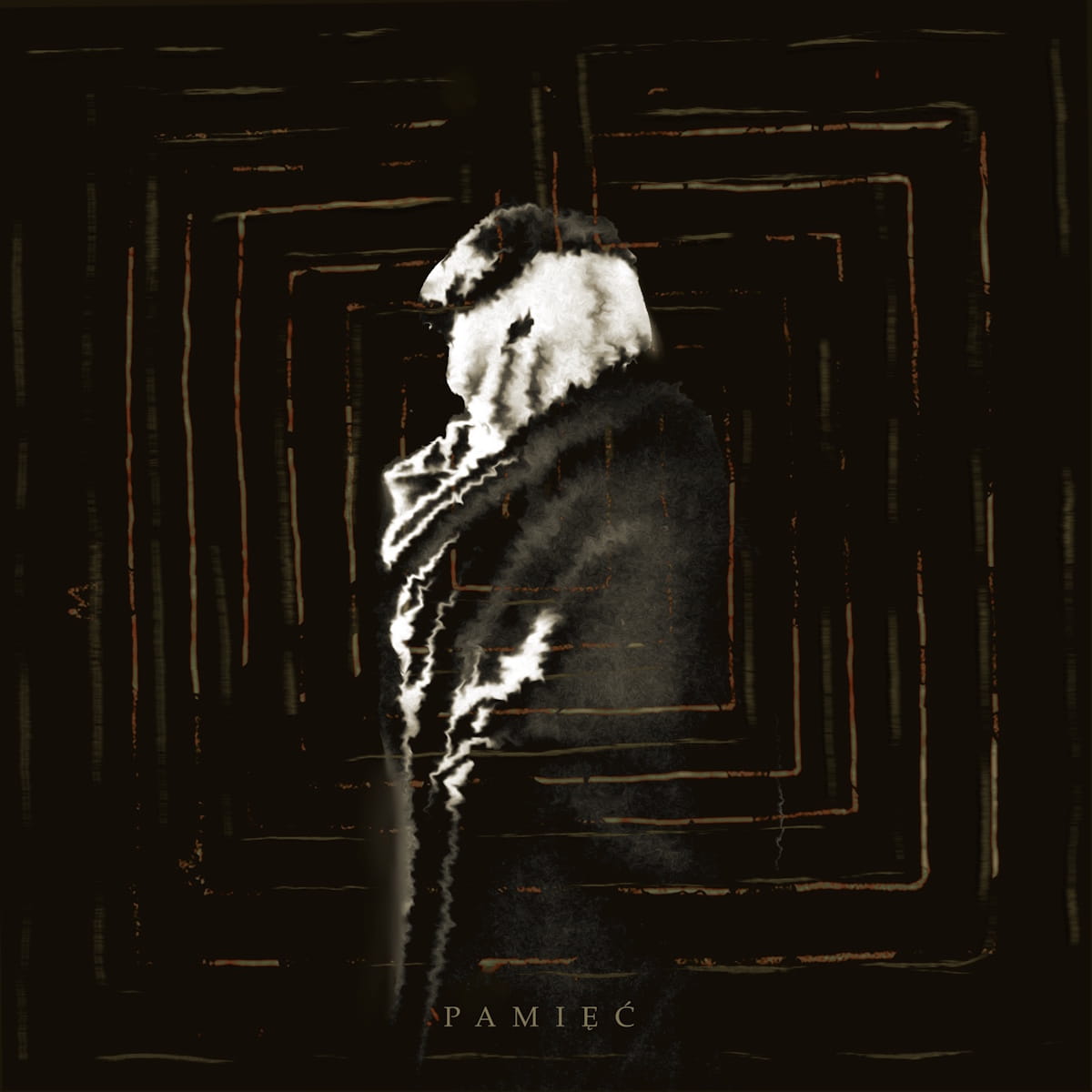
At the center of the cover stands the Elephant Man, which is also where the music starts. The growling saxophone that opens the album is the Elephant, and the soft textures around it are meant as footsteps, a dream, a premonition.
“It’s the roar that you hear first inside the labyrinth — the sound that pulls you out of sleep.” The reference is to David Lynch’s “The Elephant Man,” a figure carrying, as the band puts it, “the seemingly deformed aspects of human nature, but also an inner struggle for dignity and humanity.” In the album’s visual world, he’s never shown uncovered.
The band also offers a single-line answer to the question their name asks. “We don’t remember. Do you?”
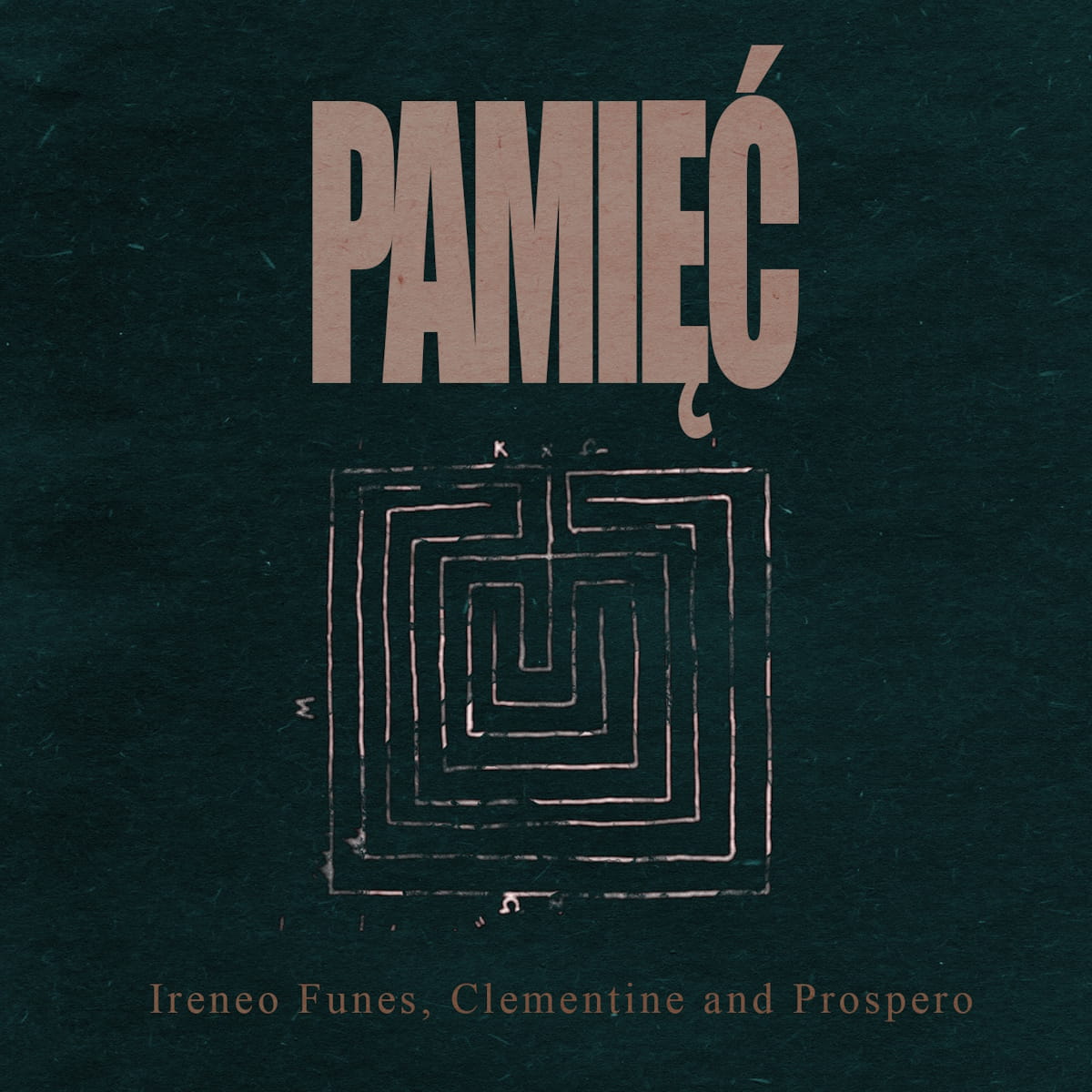
The album title names three characters, each representing a different stance on what memory is or does. It’s the clearest way into the record.
Ireneo Funes comes from Borges’s “Funes the Memorious” — the short story about a man who, after a severe accident, remembers everything in absolute detail. “What might seem like a gift turns out to be a burden or even a denial of what memory naturally is.” Total recall as suffering. A consciousness trapped in a damaged body.
Clementine is the figure from “Eternal Sunshine of the Spotless Mind,” and the band says the album’s nonlinear form loosely mirrors the film’s structure. Where Funes can’t stop remembering, Clementine chooses to erase. “This approach is just as unnatural as Ireneo’s condition — a different kind of imbalance.”
Prospero pulls from three sources at once: Shakespeare’s “The Tempest,” Borges’s “Shakespeare’s Memory,” and Peter Greenaway’s “Prospero’s Books.” He stands for knowledge, control and wisdom earned over time, and he’s the counterpoint to the other two. “Despite his name (prosperous, fortunate), he does not arrive at happiness through knowledge alone.”
The three don’t resolve into an answer. They sit next to each other as three conditions the album moves through — none of them offered as the right one.
The five tracks run long, 11 to 14 minutes each. The guide follows them in order.
“The Elephant, The Sleeper, His Mistress and Her Pet” takes its title directly from Peter Greenaway’s “The Cook, the Thief, His Wife & Her Lover.”
It was chosen as the album’s lead single because it’s the entry point — the characters and musical motifs introduced here return throughout the rest of the record.
“The composition was shaped by Greenaway’s work in terms of its formal precision, its surreal visual logic, and the way brutality and rawness exist alongside aesthetic refinement. Even the rhythm of the title itself felt compelling to us.”
“II Krzyk (Dziecko)” — Scream (Child) — references a demo tape by the Polish band Furia.
“It opens a passage into memory, or perhaps into a second, inner labyrinth. Escaping memories, represented by a looping saxophone, are suddenly interrupted by a desperate, abrasive outburst carrying both pain and melancholy.”
Furia started as black metal and moved somewhere else entirely, and Pamięć cite them as formative.
“We grew alongside them, both as listeners and as artists. What matters is that they still capture the atmospheric essence of black metal even after moving beyond it, and in some way our approach is similar — the music is dark and atmospheric, but not metal.”
“Śniący zbudź się” — roughly “May the Sleeper Awaken” — carries the subject into adolescence and carries a half-buried joke alongside it: the title echoes a viral scene from the game Gothic, part of the band’s shared youth.
They’re unembarrassed about the humor. “To answer Frank Zappa’s question, ‘Does humour belong in music?’ — yes, it does, especially when the music operates on the edge of seriousness or even pretentiousness. Humor helps release tension.”
An earlier version of the track had Mikołaj from their other band Głód reading a fragment of a Borges-inspired poem the band had written. They cut it. “Even though the vocals were ultimately left out, it works much better this way and doesn’t spell out the album’s narrative for the listener.” Michał had already switched to prepared piano to make room for the voice. He stayed there.
“To nie są kropki, które się łączą… / … To jakieś inne kropki” — “These Are Not the Dots That Connect… / …These Are Some Other Dots” — takes its title from a painting by saxophonist-painter John Lurie. It’s also the structural pivot of the record.
“I was thinking about records like Wayne Shorter’s ‘Odyssey of Iska,’ where the penultimate track shifts the atmosphere of the whole album. At the same time, the motifs and characters still move through the piece, so the dots do connect, but not in an obvious way.” Michał switches to bass clarinet here; Robert’s analog synthesizers move to the foreground. The title is also a nod to the band’s love of Charles Mingus. Their personal top three Mingus titles, for the record: “All The Things You Could Be By Now If Sigmund Freud’s Wife Was Your Mother”; “If Charlie Parker Were a Gunslinger, There’d Be a Whole Lot of Dead Copycats”; and “Oh Lord Don’t Let Them Drop That Atomic Bomb on Me.”
“II Spokój (Sen)” — Calm (Sleep) — circles back to Furia, this time to their second demo.
It closes the loop. “At this point, you as the listener return to the beginning. After the culmination of the roar, which gradually becomes clear, harmonic, and almost beautiful, you return to the footsteps you first heard. You fall asleep again, and the cycle closes.”
The labyrinth never opens out. It folds back on itself, and if you wanted to try to escape, the band suggests the only thing to hold onto is the memory of every step.
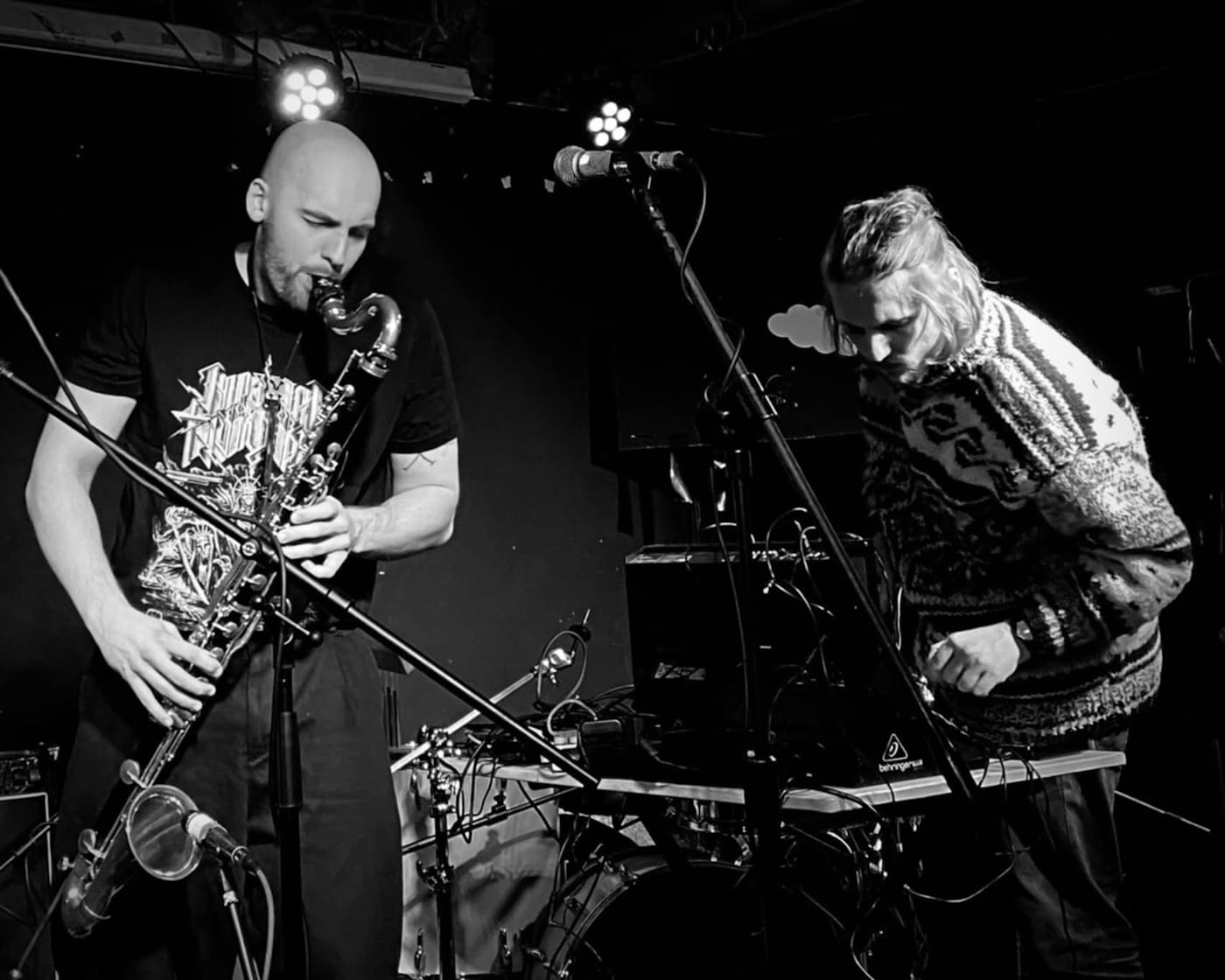
Pamięć draw a specific line through their influences.
On one side, the post-minimalists: Tim Hecker, Terry Riley. On another, the sound explorers of wind instruments: Rahsaan Roland Kirk, David Jackson of Van der Graaf Generator, Colin Stetson. And running underneath everything, the intensity and atmosphere work of post-metal.
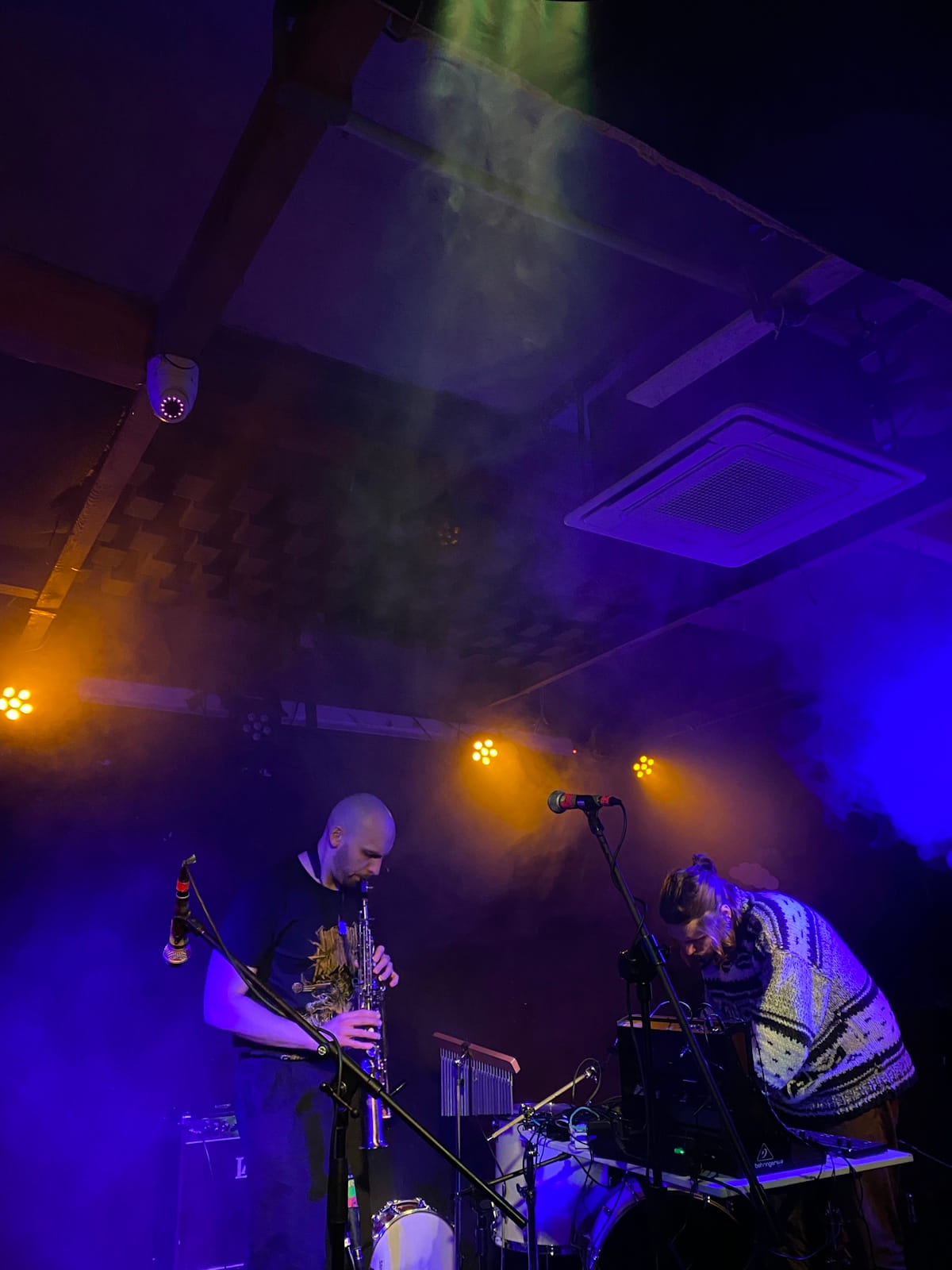
“The term post-jazz refers primarily to the style of improvisation and approach to form that we have developed. We have completely departed from jazz structures in favor of intensity and the creation of atmosphere associated with post-rock or post-metal music created by Neurosis.”
What they were looking for, in their own words, was “an original musical language — dark, yet at the same time nostalgic and leading toward catharsis.” Across roughly 64 minutes, they mostly get there. The guide is a kindness to anyone willing to follow the threads; the record, on its own terms, holds without one.
Pamięć play Warsaw’s Młodsza Siostra on May 14.