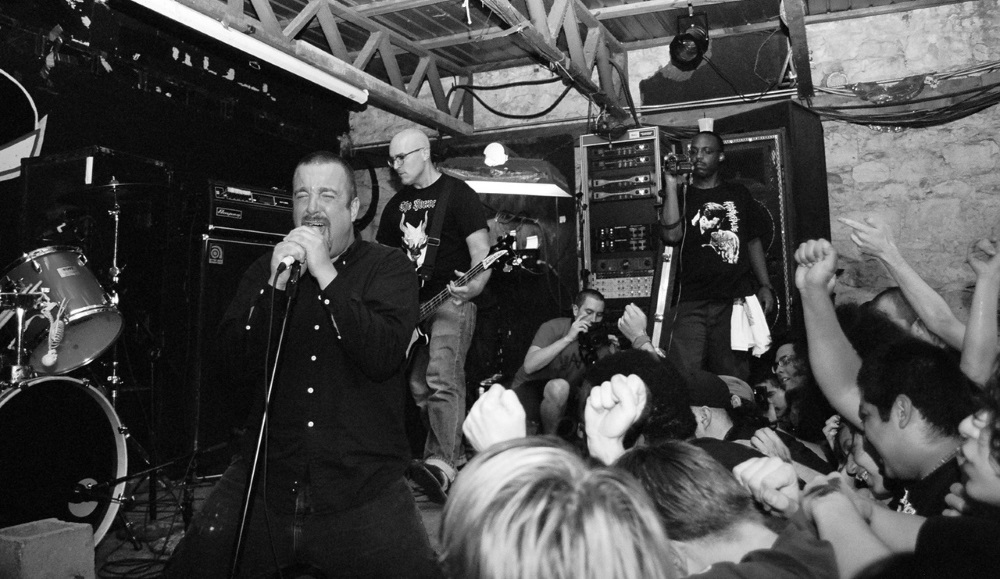


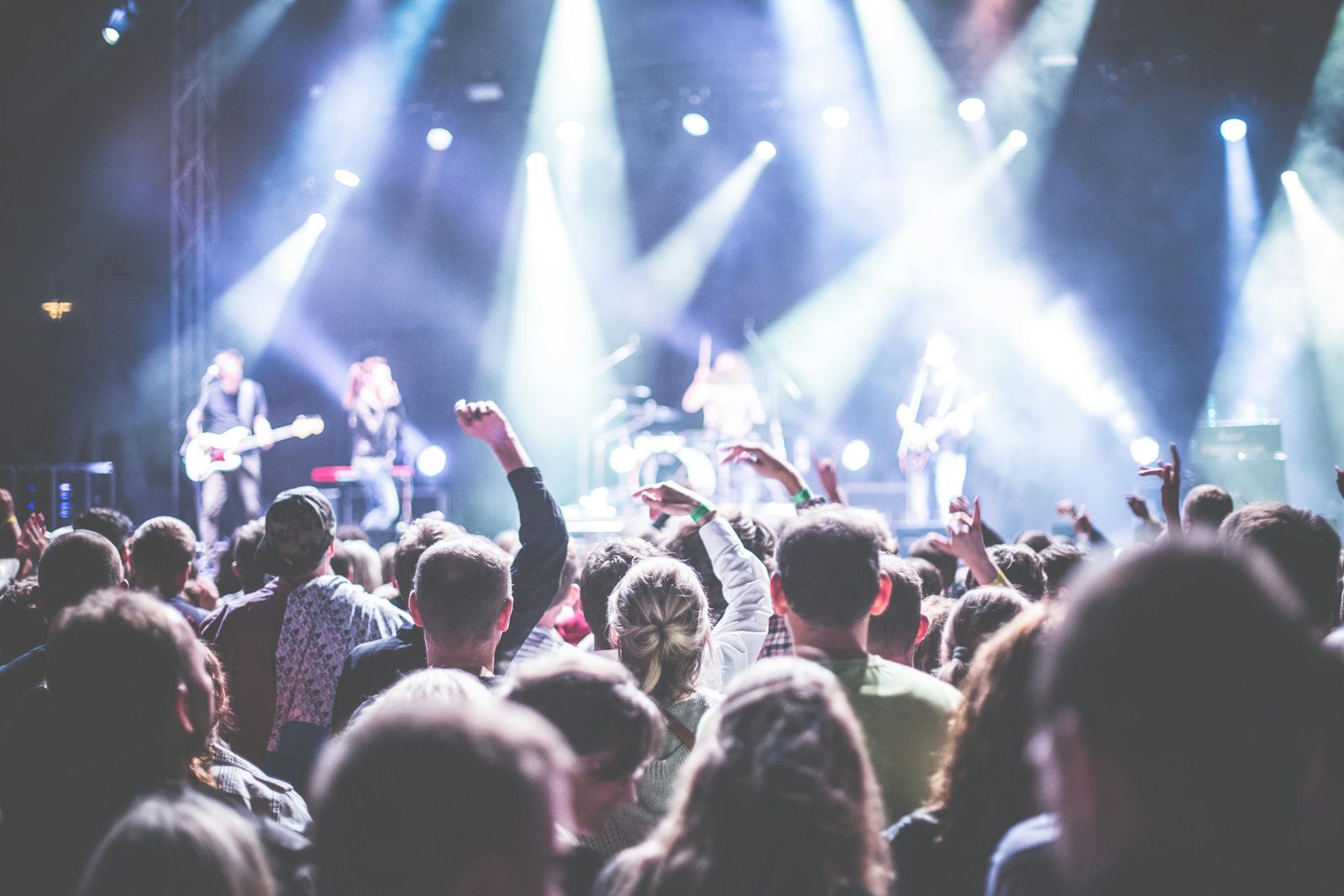
Anyone who’s stood through a fifteen-minute gear swap at a hardcore fest knows the feeling. The barricade empties out, roadies scramble with pedalboards, and the room goes from full sensory overload to awkward small talk in about four seconds flat. That gap between bands isn’t really “dead time” though — it’s become its own weird little ritual, and phones are right in the middle of it.
For a scene built on physical presence — sweat, mic grabs, two-steps that could take your teeth out — it’s a little ironic how much of the changeover experience now happens on a screen. But that’s not necessarily a bad thing. It’s just a different kind of participation.
Why Set Changeovers Feel Like Dead Air
Changeovers exist because bands need time to load in and line check, not because promoters want a lull. Still, that lull feels different depending on venue size — a basement show barely has a gap, while a multi-stage fest can stretch it to twenty minutes or more. Fans fill that space however they want, and increasingly that includes quick digital diversions, whether that’s texting a crew member two stages over or glancing at something unrelated entirely, like TikTok, mobile games, or online casinos within the looser international regulative (source: https://esportsinsider.com/crypto/bitcoin-instant-withdrawal-casinos). None of it competes with the music. It just occupies the gap the music leaves behind.
What Fans Actually Do Between Bands
Talk to anyone at a fest and the answers are pretty consistent: find water, find the merch table, find your friends. Group chats light up with “where are you” and “next band is worth staying for” messages constantly. This tracks with broader live-event research, which found that roughly half of younger concertgoers actually want their live experiences to feel less curated and more real — suggesting the phone use isn’t replacing connection, it’s often facilitating it.
The between-set scramble is logistics as much as socializing. Set times shift, stages get crowded, and a quick text saves you from missing a band you drove three hours for.
Phones, Streams, And Scrolling Habits Backstage
Backstage and barricade-adjacent areas tell a slightly different story. Photographers are reviewing shots, bands are checking their own socials, and merch runners are coordinating restocks over text. Stadium-level research on phone habits found that fans typically spend around eighteen minutes on their devices during an event, with only a fifth using their phones for half an hour or more — a pattern that lines up with how hardcore crowds seem to treat screens as a tool for specific moments, not a constant companion.
That distinction matters. Nobody’s filming the whole set through a screen at a DIY show — the etiquette against that is pretty strong. But checking a text during changeover? That’s just logistics.
The Pit Doesn’t Pause For Wi-Fi
Once the next band starts, the phones mostly disappear. That’s the unwritten rule of the scene, and it holds up even as broader conversations about screens at shows keep growing louder. Debates over whether venues should limit phone use entirely have picked up steam recently, with some outlets asking whether phone-free formats belong at gigs the same way they’ve popped up at other cultural events.
For hardcore and screamo crowds, though, the answer already feels baked into the culture. Downtime is for the phone. The pit is for everything else. That balance, unofficial as it is, seems to be exactly what keeps both the scene’s social fabric and its physical intensity intact.