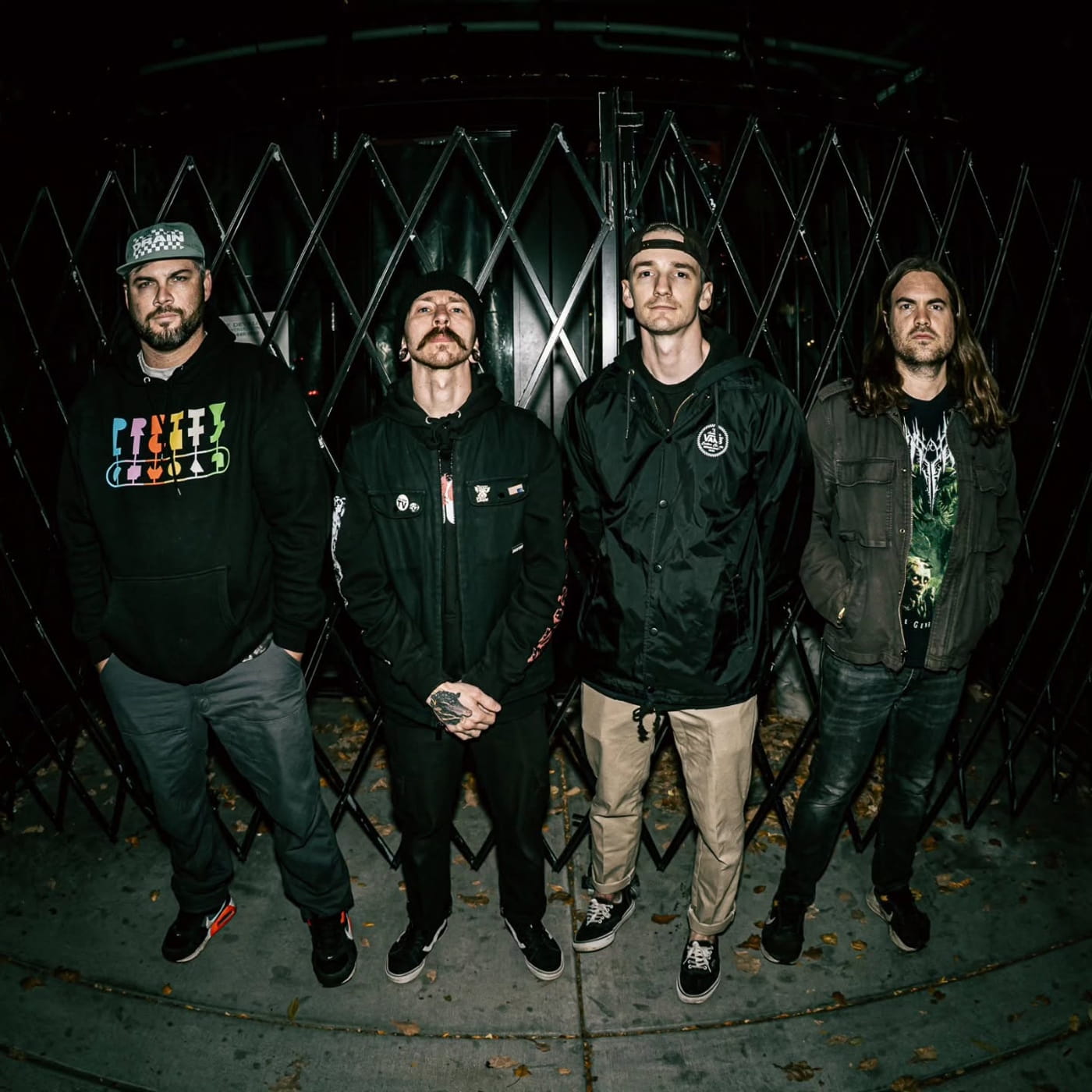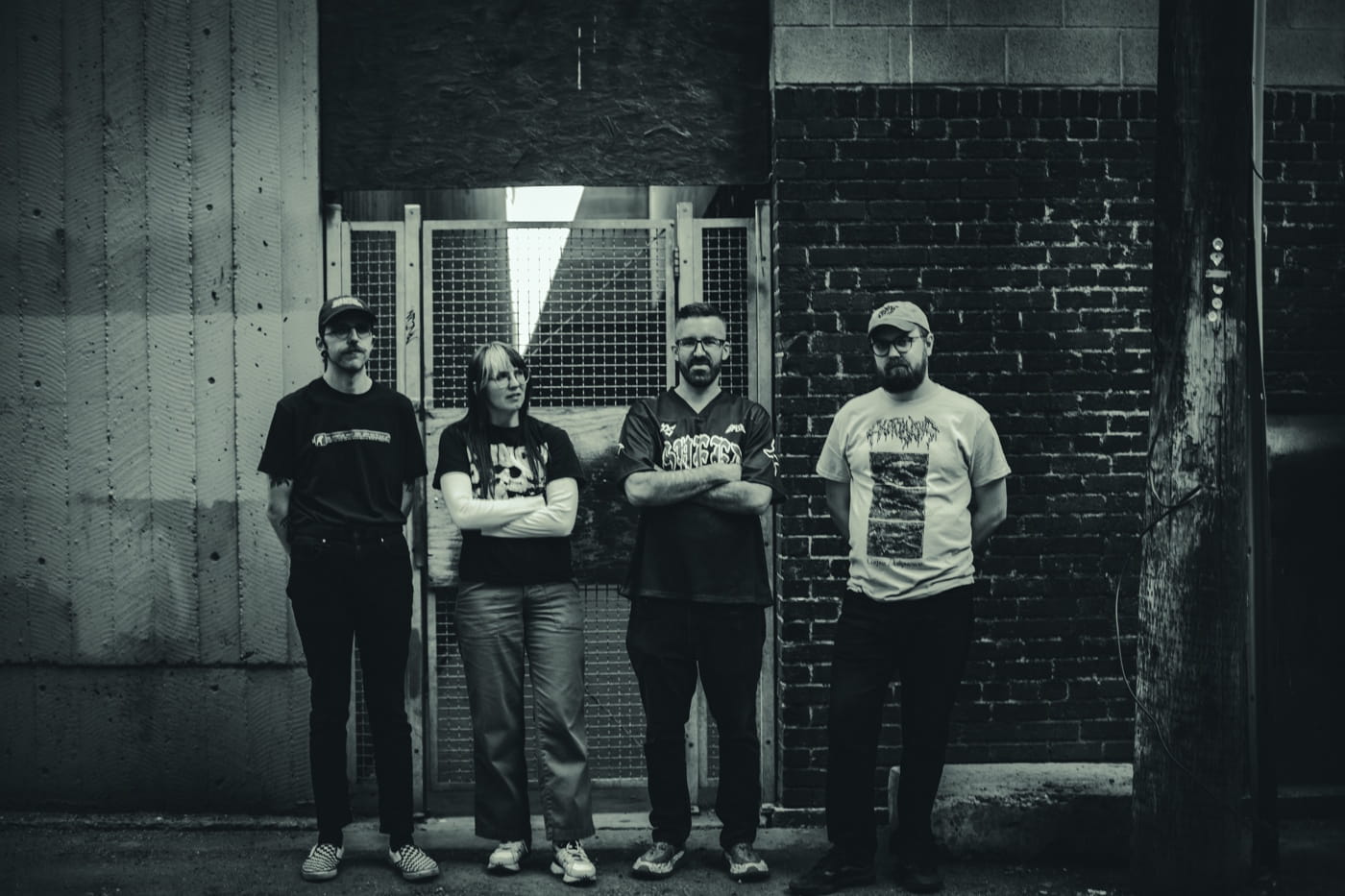

PPR PPL are a new Boston project from Peter W. Bartash, working here under the P. Willem name after thirty years as a drummer. Their music pulls alternative rock through post-hardcore, shoegaze and alternative metal, with live drums, programming and heavier industrial weight running underneath. Debut single “Taller Trees” arrived on August 28 and starts a run towards the six-track “PPR PPL // 01” EP, due digitally and on limited-edition vinyl on November 17.
The project began in 2025. The question underneath it is much older. In 2009, while studying architecture and psychology at Roger Williams University, Peter completed a 130-page thesis called “Identity Factory: the Mass Production of the Masses.” He was writing about how people construct identity, what gets absorbed from other people and social systems, and whether a person can consciously create a version of themselves from within. He did not connect any of that to PPR PPL when he started the band. He only saw it after reopening the thesis while answering our questions seventeen years later.
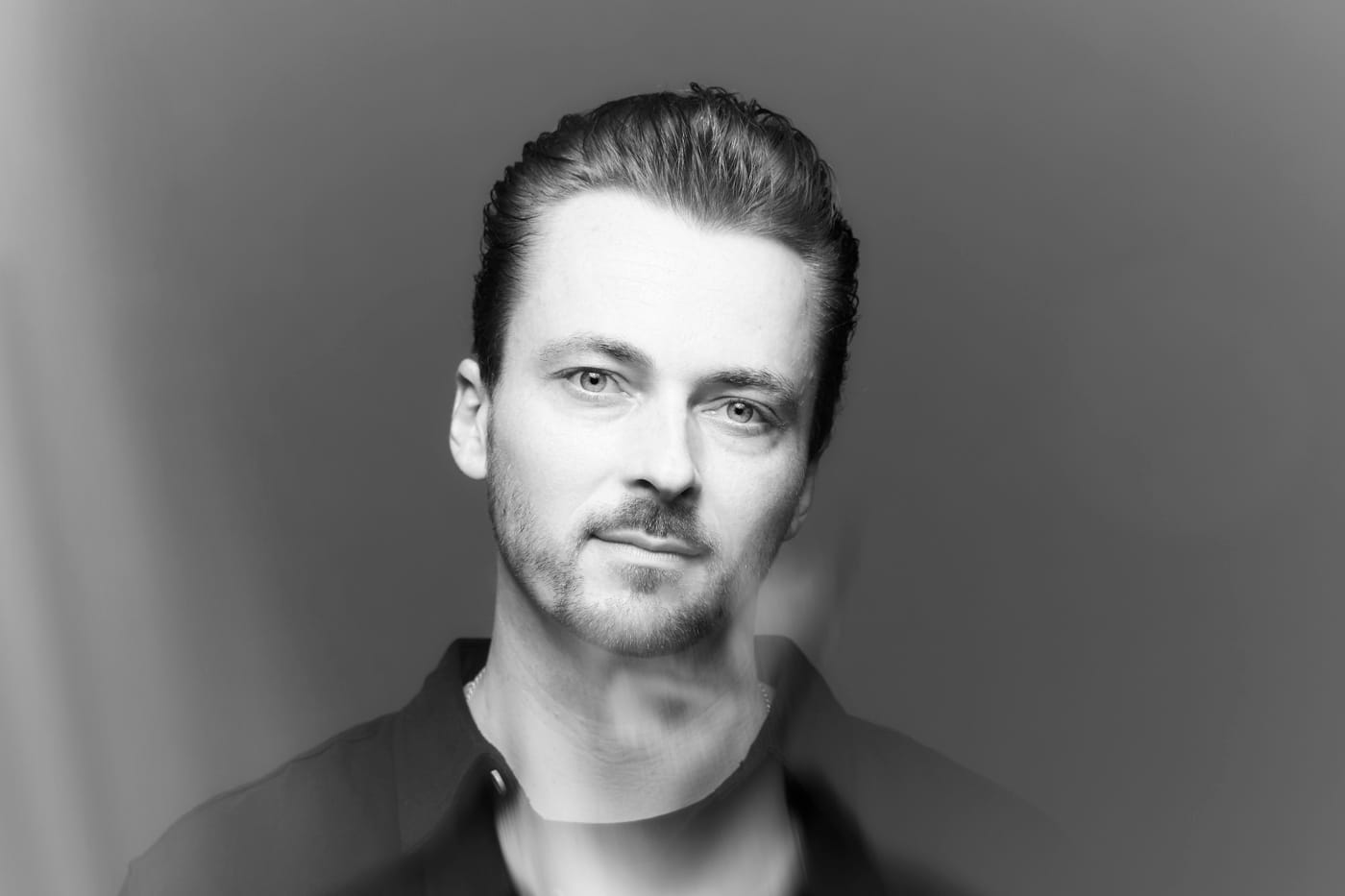
Peter grew up in a small town in New York’s Hudson Valley, surrounded by farmland and apple orchards. He remembers whole days outside building forts and exploring the woods, before the internet had entered everyday childhood. National Geographic, The Discovery Channel and encyclopaedias were early obsessions. Music was already around the house and in the car, and several of his father’s friends played together. Occasionally his dad would let him stay up late and watch them rehearse in a barn.
The town also had a strong sports culture and clearly defined social groups. Peter had severe club foot disorder, went through surgery and physical therapy, and was left with physical limitations and an unusual gait. Sport was difficult. Singing came first, then percussion in fifth grade, and he learned drums at home around the age of ten.
By sixth grade, architecture had entered the picture too. His father had studied at Brooklyn Tech, and Peter spent hours looking through his old technical drawings, pencil work on thick paper showing machine parts and other complex objects. A school report on Frank Lloyd Wright and the Imperial Hotel introduced him to the idea that an unconventional design could survive circumstances that seemed stacked against it.
There were other small signs of where his attention was going. After elementary school he would walk over to the middle school and play chess with a seventh-grade English teacher while waiting for his mother, who taught computer science, to finish work. He eventually finished fourth in a class of 253, reached All-Eastern and All-State level in music and travelled with a vocal choir. The further he moved into learning and music, the harder things became socially.
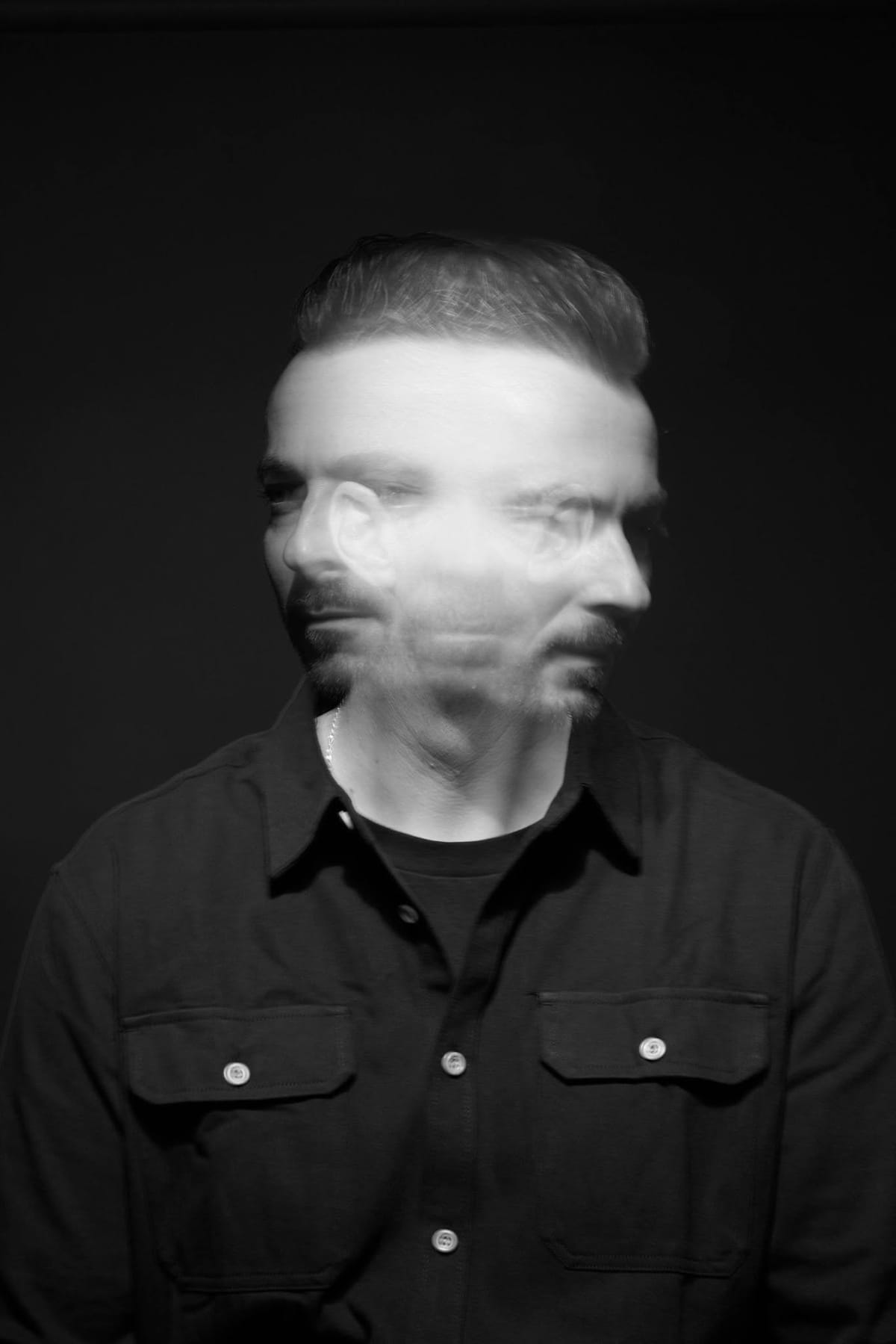
Peter endured heavy bullying. By eleven or twelve, he had started consciously turning inward.
“Now, I realize I was trying to survive the sadness and isolation by controlling the only thing I could control – my own mind, and that I could train it if I worked hard enough (a concept I now know was neuroplasticity). Granted, I was also blaming myself the entire time, and it felt more comfortable to believe there was something wrong or lacking with me rather than doing the harder work of defending myself through learning how to set and hold boundaries against others’ behavior.”
By 2008, he had already spent around eleven years thinking about identity in one form or another. At university he majored in architecture and minored in psychology as part of a combined bachelor’s and master’s degree. Neil Leach’s Camouflage entered his reading alongside Baudrillard, Bataille and other writers looking at identity, representation and human behaviour. One of Peter’s professors had also written about how decisions made in physical environments can affect the psychology of the people entering them.
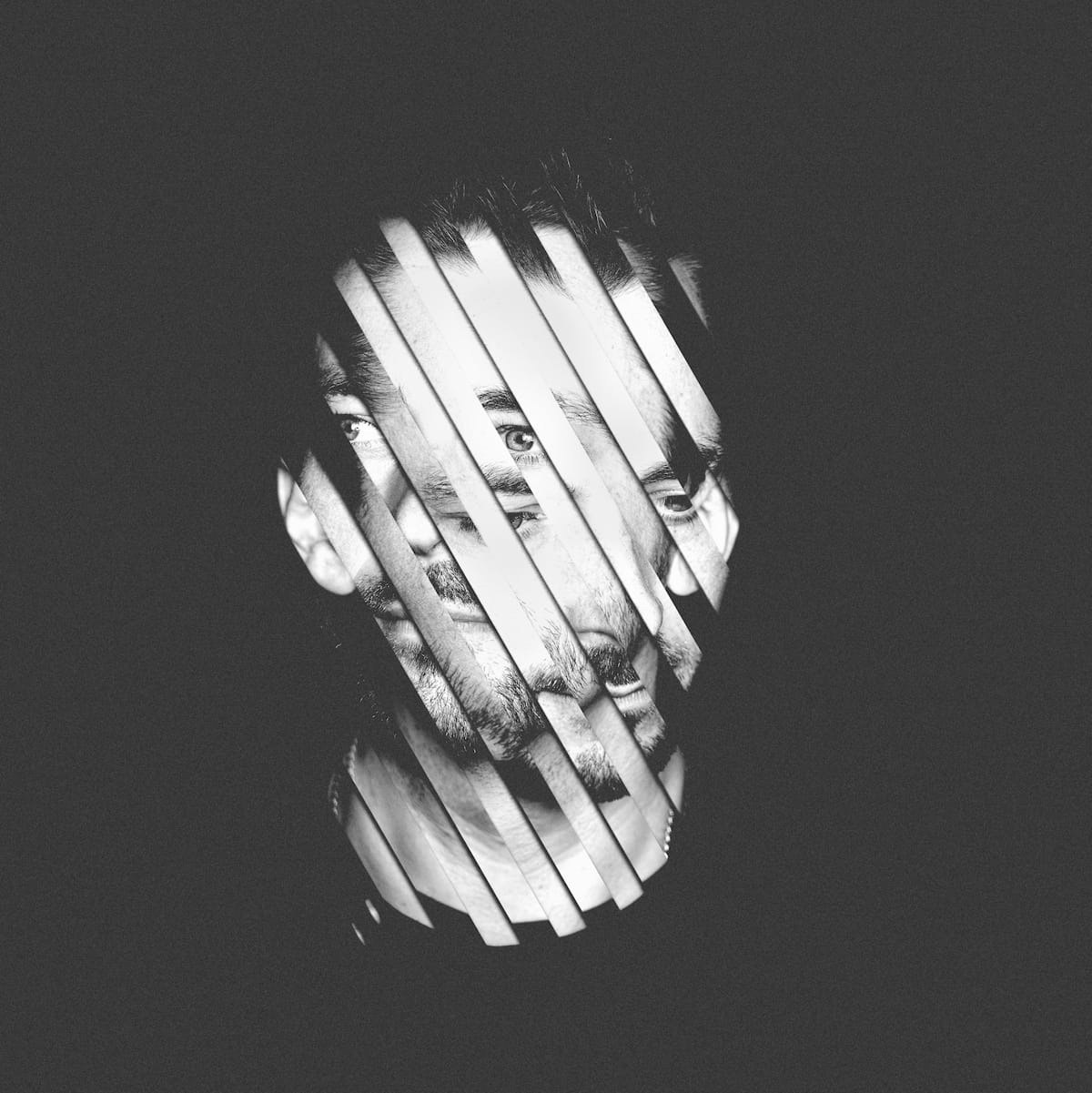
Music kept running alongside all of this. He had already put much of it aside for five and a half years to concentrate on architecture, yet he would still drive back to New York for shows on weekends. His architecture friends would be hanging out while he went to play with his band. After the show he would leave before everybody else because he needed to get back and work the next morning.
“I was constantly switching between personas as I spread my time across these competing interests, and never quite felt like I fully belonged to either community.”
Wyświetl ten post na Instagramie
Facebook was spreading quickly when he started developing “Identity Factory.” Peter imagined a place where people could not simply pick up a ready-made identity from what surrounded them. They would have to create one and, in the process, establish some connection with their own internal sense of self. He wanted to understand what a society might look like if its people had to do that work.
The foreword ended with a sentence that stopped him when he read it again this summer: people refuse “to control the one thing we have the ability to make: ourselves.”
“I wrote that at 23. It’s the same idea I gave Michael when he asked me what Paper People was about — I just didn’t know I was repeating myself.”
Two terms buried deeper in the thesis made the connection even harder to miss. Peter used “nonproduced identity” for a version of a person that had to be made internally and could not be assembled entirely from outside pieces. Seventeen years later, PPR PPL use the simpler phrase “who you are within.”
The second term was “assimilated differentiation,” Peter’s academic description of people putting themselves together from projections and pieces taken from other people. PPR PPL arrived at the same subject through the line, “we take on external identities layer after layer as we seek connection, all while losing connection with ourselves.”
“What once took 130 pages I’m now able to say in a set of lyrics – the part of me that wrote the thesis is still alive and present.”
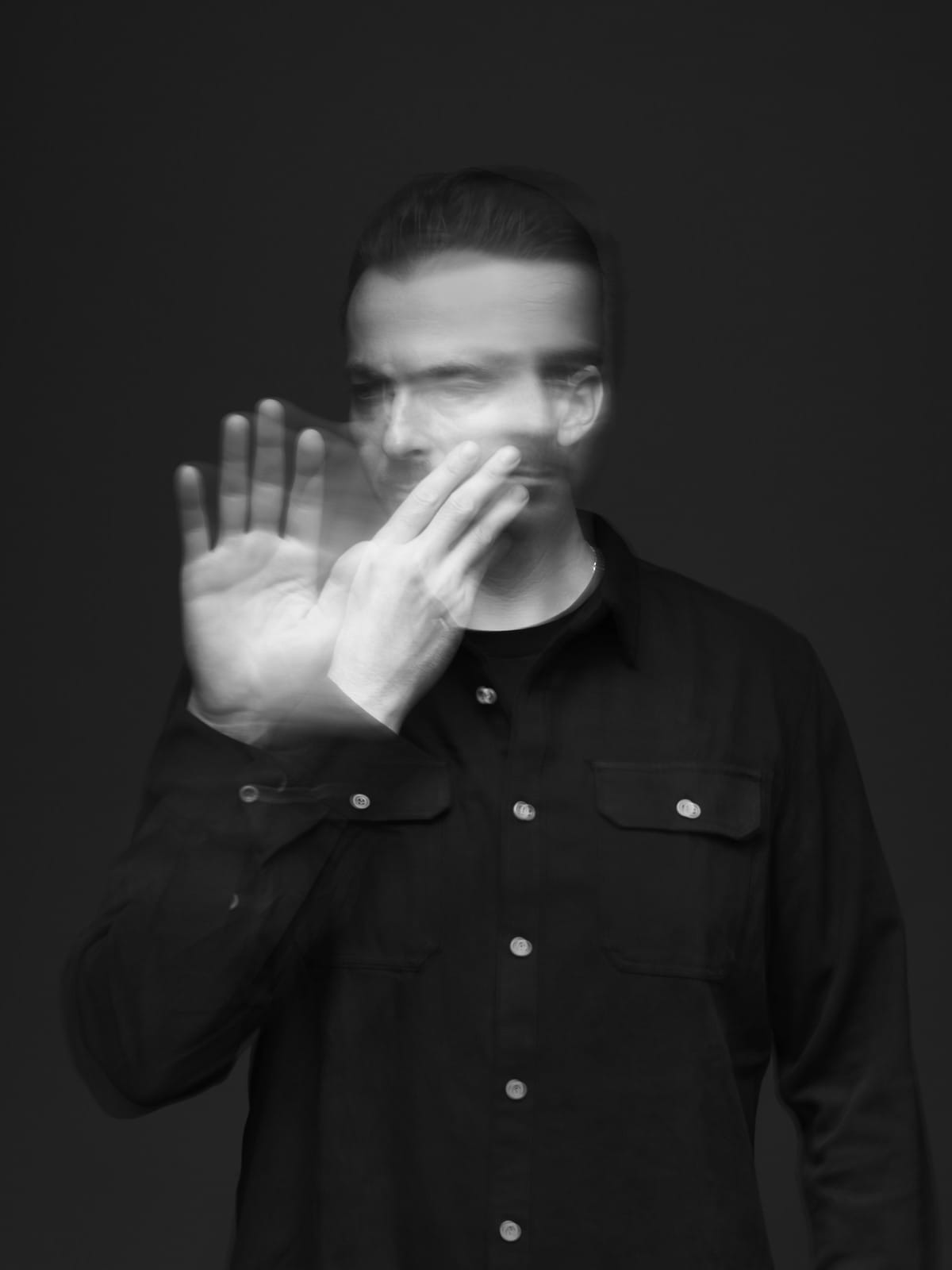
Peter left university and moved into the design side of a growing firm. Commercial work often pushed towards similar solutions, so he would create a conceptual story for a project and use that to find some room for originality within the practical requirements. At the same time, work became an easy place to disappear. Seventy and eighty-hour weeks became normal.
“Work was like a drug that helped me stay as far away from those underlying feelings as possible – I’d work 70, 80 hour weeks and always had more in the tank.”
The list of roles kept growing: architect, entrepreneur, drummer, musician, husband and father. Peter does not consider any of them false. Each one simply covered one part of him.
“The architect and entrepreneur are real — I still take the risks that accompany exploration while thinking in systems and structures, and it’s all over how I arrange and program. The drummer is real. Husband and father are the realest of them all.
“The truth is they’re all too small and inaccurate to capture the essence of who I am. Every room I walked into for twenty years had already decided which Peter it needed, and each one was accurate and each one was a fraction. They were all hard to inhabit in different ways because I saw them in opposition rather than additive. I hadn’t stepped back far enough to see the connection between them all, so it felt like I constantly needed to choose and that led to an incredible amount of internal tension. That’s the quiet violence behind the themes of PPR PPL — being reduced to whichever single version the room demands.”
One version had barely appeared on any official record at all: the singer. Peter had sung as a child and describes that early version of himself as an imaginative storyteller. Then he kept the voice hidden for more than twenty years.
Before it came back, there was a false start. The first form of “No History No Home” dates to around 2010, when Peter had finished architecture school and was living with his parents during the aftermath of the financial crisis. He set up drums, guitar, keyboard, a desktop computer and a Focusrite Saffire interface in the basement. The main piano line had begun a year or so earlier in his dorm room.
The recording setup was basic. He tracked drums with one microphone. Every guitar chord change required him to stop the recording and start again. MIDI would not work. He slowly assembled an instrumental demo and then unexpectedly found a job. Work took over again.
Early in 2025, Brian Charles called Peter into a session at Rare Signals in Cambridge. It had been roughly a year since Peter stopped playing with Boston psych-rock band The Rupert Selection, one part of a much longer history as a drummer and session player around New England. Brian asked what he wanted to do next. Peter had already passed on a few opportunities because none of them felt quite right. Brian asked whether he had considered starting something himself.
A few days later, Peter was sitting on his couch late on a Friday night when the question came back.
He checked Reason, expecting the software to still cost somewhere around $1,000. Instead he found a subscription and a $1 thirty-day trial. He signed up, opened a track and started drawing “No History No Home” into the program note by note.
Within about a month, he was back at Rare Signals recording “No History No Home” and “Transition.” The second song also carried an idea left over from the same period as that old basement demo.
Naming the band went much faster. Peter had previous experience with the opposite extreme. When Moniker became Killer Cortez, he remembers going through more than 500 potential names over three months. Paper People took about ten minutes.
He opened a Word document and started playing with fonts. A few minutes later he removed the vowels.
“I’m a Between the Buried and Me fan, and always thought it was cool how they used ‘BTBAM’ as a word mark that fans turned into a chant at their shows. Something about reducing the name by stripping out the vowels felt so strong as an echo of what the project is about.”
PPR came with extra meanings once he started looking. In aviation it can mean Prior Permission Required. In copyright, Public Performance Rights. Peter liked that the same three letters kept opening into other definitions.
“I love concepts that function like an onion, layers and layers of meaning – I committed on the spot.”
None of this sent him back to “Identity Factory.” That happened during this interview.
“Interestingly, I didn’t make the connection back to the thesis until you brought it up, and I’ve enjoyed using the exercise of answering these questions as an opportunity to connect the dots. Stepping back and reading these answers, I’m honestly overwhelmed by the connections across such a long span of time – it’s like one of those photos that are made up of a thousand small pictures, and you’ve been zoomed in so that you can’t see more than two or three at a time until all of a sudden you scroll all the way out and can see that they all combine to form a much larger photo.”
The first real test of PPR PPL came in the vocal booth. Brian and Rare Signals assistant engineer Annie Hoffman, also of Weakened Friends, had heard the instrumental work. They had never heard Peter sing.
Wyświetl ten post na Instagramie
He had spent decades entering studios with drums and sitting behind other artists. On the first vocal day for “No History No Home,” he arrived with a backpack and a bottle of water. There was no extra hour for loading drums from the rehearsal room, no 135-pound case to drag through an alley in the heat. He had enough spare attention to notice light coming through the trees and across the cobblestone walkway outside the studio.
Wyświetl ten post na Instagramie
Peter sang the first take. Annie pushed back from the console and, as he remembers it, said something along the lines of: “Peter. Where the heck did THAT come from?”
That session ended the idea of keeping PPR PPL as a private demo project. One of Peter’s next moves was finding a vocal coach.
“The version that was truly inaccurate isn’t on your list at all, because it never made the official record: the singer. That was one of the first versions of me that ever existed, starting as a little imaginative storyteller, and it stayed hidden for more than twenty years. It feels important to note that even though this version is now stepping forward again, it isn’t diminishing any of those other versions and, instead, they’re all much stronger together. Confidence is contagious, and as one part of you becomes confident and comfortable with itself, the rest seem to follow.”
PPR PPL now give that voice a fairly wide musical space. Peter wanted something heavier and dynamic, with the rhythm section setting much of a song’s emotional temperature. The reference points in his head came from several directions.
“I knew the quality of sound I was after, and that I wanted it to be heavier and dynamic, but honestly had no idea where it would lead. I started searching for sounds and shapes that made me feel the way I feel when I’m listening to a Thrice record, singing along with a Biffy Clyro chorus, seeing a Deftones show, or sinking into James Blake’s textures.”
“Taller Trees” gives the first public version of that mix. Peter hears the song beginning with a bouncy drum introduction before the arrangement gets much denser, then drops into a softer melody and opens again with the chorus. Post-hardcore and alternative metal provide much of the weight, with shoegaze and electronic layers widening the quieter sections.
“‘Taller Trees’ literally tells the story of stepping out behind the kit and knowing exactly what I want to say – starting with this bouncy drum intro, dropping into a wall of layers, then settling into a gentle melody that quickly soars as the chorus sets in. It’s a little more direct than some of the other songs on the EP, but it made sense that I’d start with a story about what it feels like to stand among all of the seeds you’ve planted, and to realize you’ve got so much story left to write.”
The trees in the title are real.
A black walnut was planted in the back garden of Peter’s childhood home on the day he was born. His family would periodically measure Peter against it. He was taller at first. Eventually the tree overtook him.
Peter remembers imagining its tap root extending deep below the property. Thinking about the tree could calm him even when he was somewhere else because it represented one fixed thing in a world that kept changing. He has never asked his parents exactly why they planted it, though he imagines hope, connection and strength were somewhere in the decision.
Around the age of six, Peter and his father planted another row of trees on the property. Nearly fifteen years passed between Peter’s visits to the house. When he eventually returned, those trees were more than thirty feet high. The place that had once seemed huge to him suddenly looked much smaller.
The image sat there for years.
Later, Peter was travelling with his wife, Talia, on a remote island in eastern Canada, looking across the North Atlantic in subarctic conditions. A guitar riff appeared in his head as the wind moved around them. He closed his eyes and saw the trees outside his childhood home. He started sketching “Taller Trees” that night.
“Something about the expanse of that landscape, the confluence of all these events in my life, and the fact that it took me 40 years to find a way to express it all hit me at once — when I closed my eyes, the first thing I saw was a memory of that moment in front of my childhood home.”
The house held several versions of Peter at once. It was where he learned drums after surgery and physical therapy for club foot disorder, where he returned after travelling with the choir, and where he lived again after leaving college as an architect and watching his professional life accelerate faster than his music.
The black walnut gave him one way of measuring time. The trees planted with his father gave him another.
“Standing in front of that house, the scale flipped on me the way it had with the black walnut as a kid — I was the small one again, surrounded by things I’d set in motion before stepping away. The song is about realizing that I had grown too, that it wasn’t too late, and that everything that had come before is making the next moment possible.”
That thought also sits behind the first statement Peter sent with the single.
“I’ve had an incredible range of experiences in my life thus far, including some major setbacks and detours, and I want this song to be an anthem for people who feel like it is too late, or that they aren’t sure who they are – the answers are within you, and your system has known it all along.”
Paper People takes its name directly from the gap Peter sees between a written description of somebody and the full person behind it.
“Who we are on paper is not who we are in reality — and that we’re all of those parts that we try to hide from. Paper People is a commentary on identity in a world that keeps asking us to be flatter than we are. We take on external identities layer after layer as we seek connection, all while losing connection with ourselves. This EP is about the quiet violence of being reduced to a version of yourself, and the journey to becoming who you are within.”
For Peter, the record also follows twenty years in which work made it easy to keep the singer out of view.
“I spent more than 20 years hiding from a part of myself because it was too painful to carry into the life I’d chosen. This record is what happened when I stopped.”
When Peter works on a masterplan, he starts by studying the constraints of a site. A nearly complete image of the finished building and its surroundings can appear in his mind, almost like a remembered photograph. He sketches the basic idea, adds notes and then works through layer after layer of trace paper, resolving problems and checking each decision against the original concept.
Songs can arrive in a similar way. Sometimes he hears almost the entire piece in his head, with the clarity of a finished recording through high-definition headphones. Other times he gets a verse, chorus and post-chorus, or just a single section. Once the main idea is documented, he starts adding harps, synths and choir pads, then tests those layers against different rhythms. When only one section exists, he returns to the song in his head and waits to hear what happens next, paying attention to his physical response as it develops.
“Imagine one of your favorite artists and now think back to the first time you heard your favorite song of theirs. Anything that doesn’t meet or exceed that whole-body excitement gets set aside and makes space for me to keep experimenting until the song lands where it needs to.”
Peter wrote, produced, programmed and arranged “PPR PPL // 01.” He performs vocals, drums and programming, plus keys on tracks one through five. Brian Charles co-produced the EP, played guitar and handled recording, editing and mixing at Rare Signals in Cambridge. Annie Hoffman plays bass across all six tracks, keys on track five and also engineered the sessions. Jamie Rowe of Jesus The Dinosaur handled engineering on tracks one, two and four.
Joe Bozzi mastered the EP at Bernie Grundman Mastering in Los Angeles. Peter designed the black-and-white artwork, with photography by Adam Krauth, who also shot the press photos. The release carries a 2026 PPR RCRDS copyright.
Brian and Annie have been particularly important in getting Peter to trust the project.
“Brian Charles and Annie Hoffman were the first people to ‘coax me out from the shadows’ and their belief in me was the spark that lit this fire. It’s hard to describe in words what it’s like to work with them — they’re so genuine, thoughtful, and absolute masters of their craft. I’ve been incredibly fortunate to meet, and learn from, so many insanely talented people — many of whom have become great friends, who are extraordinarily generous with their time, input, and support …surrounding myself with these people has been such a source of excitement and inspiration.”
The EP credits also thank Shawn Zuzek, Nick Crescenzo, Sam Bouve, Ryan Ainsworth, Pat Hanlin, Kyle Harris, Alice Malone, Phil Todisco, Tad Bouve and Paul Sullivan, along with Talia, Alyana, Harlan, Peter’s parents and his sister.
“Special thanks to Shawn Zuzek, Nick Crescenzo, Sam Bouve, Ryan Ainsworth, Pat Hanlin, Kyle Harris, Alice Malone, Phil Todisco, Tad Bouve, Paul Sullivan, my wife Talia, Alyana and Harlan, my parents and sister, and to the many friends who without hesitation asked to give this a listen.”
PPR PPL are also putting together a live band, while Peter continues working as a session drummer. The next single, “Ache (Hiraeth),” arrives on October 2. “PPR PPL // 01” follows on November 17.
At forty, Peter is looking at the project after two children, decades of drumming and twenty years in which seventy-plus-hour working weeks were common.
“It’s hard to believe that this long-dormant part of me was coming to life again — at age 40, after welcoming two kids into the world and having put in 70-plus hour work weeks for the past 20 years, at a point in my life where all of these seeds I had planted had surrounded me.”
The first EP is built around the same identity problem Peter was trying to write through as a 23-year-old. His language has changed. Architecture gave way to songs. The words “nonproduced identity” became “who you are within.” He needed our questions to notice that he had been working on versions of the same problem across childhood, university, work, family and music.
The project leaves him with one particularly strange outcome. Paper People started from the idea that paper reduces a person to whatever can be recorded about them. Writing all of this down produced the opposite result.
“One thing I can’t stop thinking about – this whole story is coming together on paper…of all places. The whole idea behind the world of this project – that paper is the place where people get flattened into a version of themselves – in contrast with the fact that putting this story on paper is the fullest account of me that’s ever existed. It was there the whole time, and I just couldn’t see it until now.”
“That journey — discovering yourself again — is extraordinarily challenging, lonely, and painful. But the life that awaits on the other side, one of intention and freedom, is worth every ounce of effort. So if someone hears these songs and feels like it’s too late, like they missed their chance, like they’re not sure who they are anymore – this record is for them. My story wasn’t finished. Neither is theirs.”
🔔 IDIOTEQ is ad-free, independent, and runs on one person’s time. If you want it to stay that way: DONATE via PayPal or SUPPORT via Patreon.
NEW: IDIOTEQ Explore 🗺️ Browse 15+ years of our archive by city, country, and style. Find artists on the world map or trace related sounds through the styles map.
Stay connected via Newsletter · Instagram · Facebook · X (Twitter) · Threads · Bluesky · Messenger · WhatsApp.