

Cannabis has always been in a gray area historically and socially. While often associated with underground culture (from music to certain neighborhoods), it’s always been provocative because of it’s controlled aspect and legal taboo. It’s always been seen as a tool for junkies, druggies, you name it, painted with a brush of deviance and nonconformity.
But then, these days, in an age where everything is researched, cannabis has been proven to have countless benefits as well. Some would describe it as a wonder element. So, does cannabis still represent junkies and rebellion when legal? Here’s how the culture has shifted in the modern era.
Far from Representing a Certain Culture Only
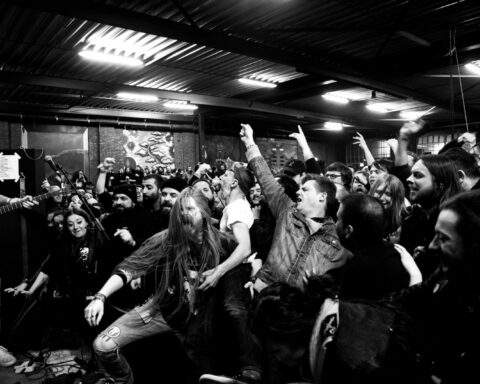
Cannabis has been embraced by more cultures and scenes over the years than most people realize. Take the weed-friendly scene from a local neighborhood, then take a look at cultures and bands that made intoxication a commercial element, especially in punk and hardcore.
Minor Threat took a strong stance against alcohol and drugs, while Youth of Today pushed the same culture even further with clean-living activism. Promoting veganism and environmentalism (among others) as non-negotiable focal points, Earth Crisis brought an unprecedented level of militancy to the culture.
These days, both cannabis use and abstinence challenge mainstream culture by overcoming core values. The use is against mainstream sobriety and pushes legal boundaries further. On the other hand, abstinence rejects consumerism and promotes self-control over the body and mind.
The use rejects the modern hustle mentality, defies sobriety and validates an alternative lifestyle. The abstinence resists modern commercialization, defines pressure from counterculture and pushes for control.
Why Cannabis Became Central to Doom and Stoner Metal
The classic THCA flower has become an integrated part of heavy music. Cannabis is no longer about beliefs or ideas, but also about atmosphere and sound.
Take a look at Black Sabbath’s “Sweet Leaf”, which is basically a love letter to cannabis. Sleep’s “Dopesmoker” treats cannabis as a sacred element, rather than a recreational aspect.
And the list can go on, including Electric Wizard’s “Dopethrone”, Bongzilla and even Weedeater.
Now, compared to these examples, traditional punk and hardcore maintained the same stance on cannabis. The wonder plant was more controversial and less likely to be mentioned too often in the genre’s top hits.
Most of these examples are slightly fading into the past. Over the past years, cannabis has become part of a more chilled culture. The use is no longer as controversial, with different genres adopting a more relaxed approach that blends casual listening with lifestyle habits.
What Legalization Changed
Based on the location, cannabis can be controlled, partially legal (with a series of conditions) or perfectly legal. It’s worth noting that cannabis is widely accepted, even in locations where it’s not perfectly legal.
Take most parts of the USA or even the UK, for example, where cannabis is extremely common. You can smell it down the street, while driving or on people walking by. And unless they get involved with serious crime, no one’s really bothered about it.
Over the past years, cannabis has shifted from an illegal underground element to an ordinary consumer product. It no longer feels oppositional, controversial or countercultural, especially when legal. Instead, it feels like normalization, yet, there will be occasional voices contesting it.
The legalization (whether full or partial) has thoroughly changed the concept of cannabis. And this idea applies in every aspect of life, including music. New brands feature ideas that normalize the use of cannabis, as it’s part of everyone’s life these days.
From DIY Imagery to Commercial Branding
The mainstream cannabis landscape has moved toward a cleaner aesthetic. But at the same time, the counter-movement is still there. From cannabis brands to actual festivals, more and more entities reject minimalist designs to focus on a more aggressive visual language of underground cultures.
From some perspectives, this could easily support some scenes. But from other points of view, rebellion seems to become a bit of a trend. It’s a mix between the past and the present, with cannabis being generally accepted, but still used as a raw form of rebellion.
This isn’t necessarily an aspect of being trendy. Instead, it feels like the industry is trying to say that cannabis should never have been so controversial. It’s a victorious cry that can easily become a marketable aesthetic.
Based on all this, there are more and more artist collaborations with the independent cannabis market. From small companies to large corporations, everyone is trying to get a slice of this big cannabis pie.
And although some may still see it as controversial, you’ll find names like Martha Stewart, Sir Patrick Stewart, Morgan Freeman and Jay-Z (among countless others) endorsing cannabis or getting actively involved in the industry.
Bottom line, cannabis is no longer a countercultural issue. It’s more common than ever. And no one can contest its benefits either.
However, his rebellious profile mainly depends on who represents the market and how it does it, as there’s a massive difference between independent culture and the marketable feel of rebellion.