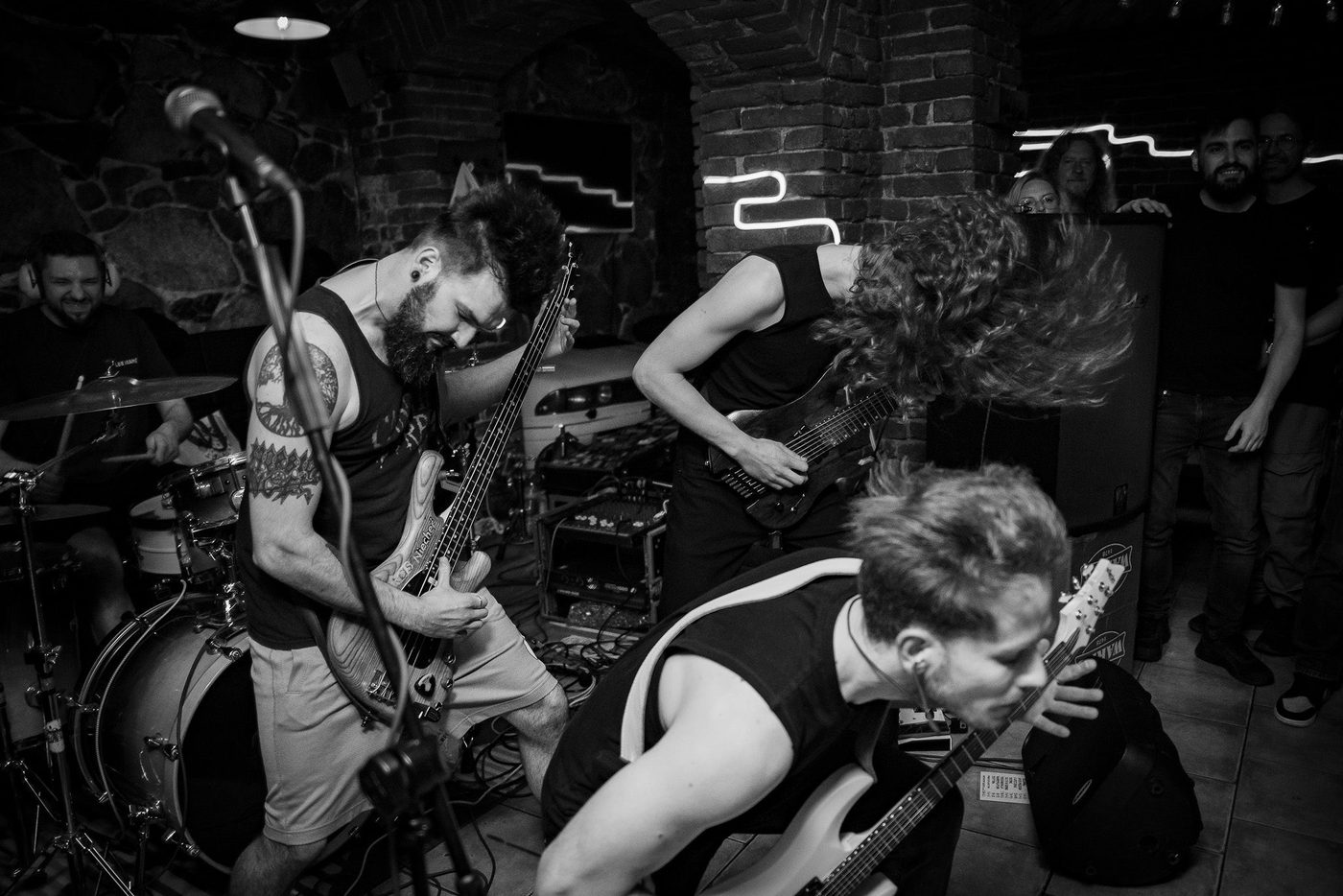


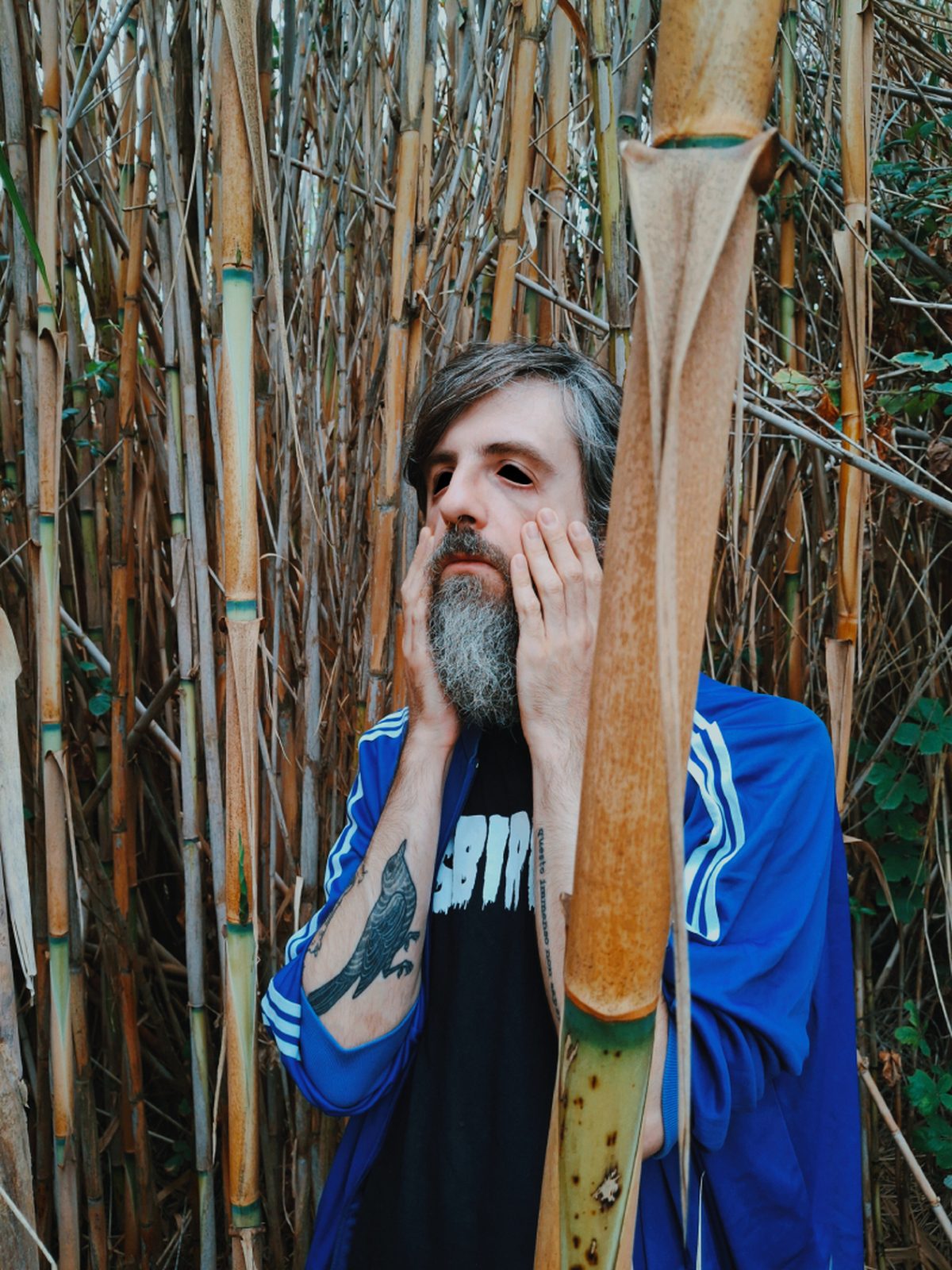
Talking with The Promise Ring drummer Dan Didier gave Amedeo Berta a thought he had never really allowed himself before: a band can still work when the friendship between its members has changed. For Amedeo, who had always treated being bandmates and being close friends as inseparable, it was a useful thing to hear. He was only months into life outside Low Standards, High Fives, the three-guitar emo band he had started in Turin fourteen years earlier.
He left in January 2026. The music was going well, and there had been no huge argument. Something between the people involved had shifted, though, and Amedeo could no longer see himself staying. He had started the band himself, spent years travelling and rehearsing with people he called family, and then had to tell them he was leaving.
“There was no big fight or anything. Just me explaining why I was leaving and how hard it has been for me. And that was pretty much it. I left wishing them the best and telling them how important the band has been for me.”
For nearly fifteen years, he had a rehearsal to go to every week. Afterwards there was an empty slot in his diary and, much harder to get used to, the absence of the people who had been part of his everyday life. He had been playing in bands since he was fifteen, and for more than twenty years had put most of his own musical ideas into writing with other people. Losing the regular time together took away a big part of his week.
“The most notable change is, for sure, the absence of the weekly rehearsal, which has been a constant for the last 15 years. And then of course the realization that those people you spent so much time with, are just not a part of your life anymore. That’s just a fact, like it or not.”
He describes months of waking up anxious, crying and going over things that had happened in the past. The decision had taken him a long time; he is still working through it now. He admits he may still be too close to what happened to give the full picture. All he can say for now is that the change in those relationships was enough to make him leave.
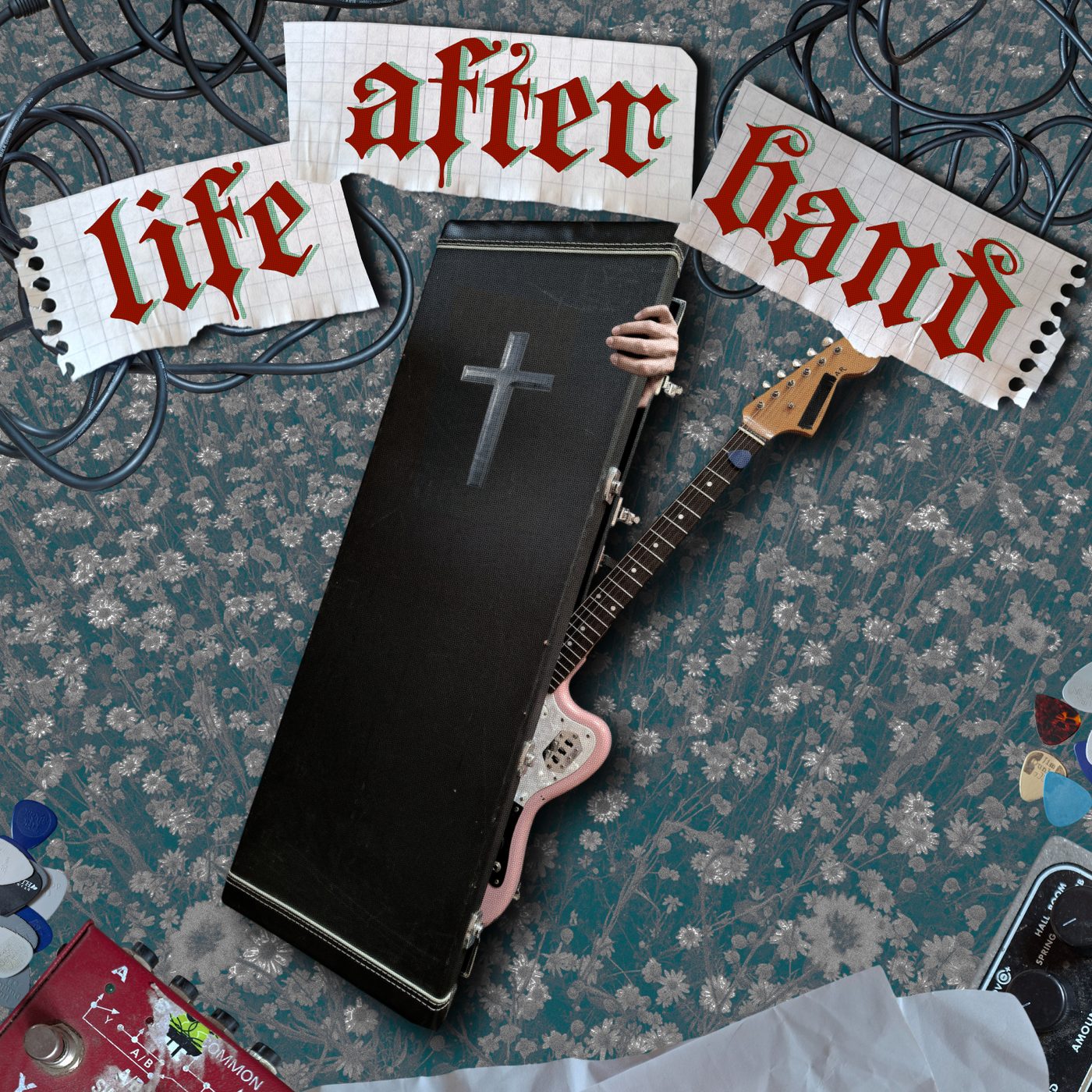
His way of working through that loss was to make “Life After Band”, an independent interview podcast about musicians whose groups have ended or who have left them behind. The first two conversations, with Dan Didier and former Iron Maiden singer Blaze Bayley, came out on 23 October 2026. They put a drummer from one of Amedeo’s favourite emo bands alongside a singer whose departure from a huge metal group had played out on a completely different scale.
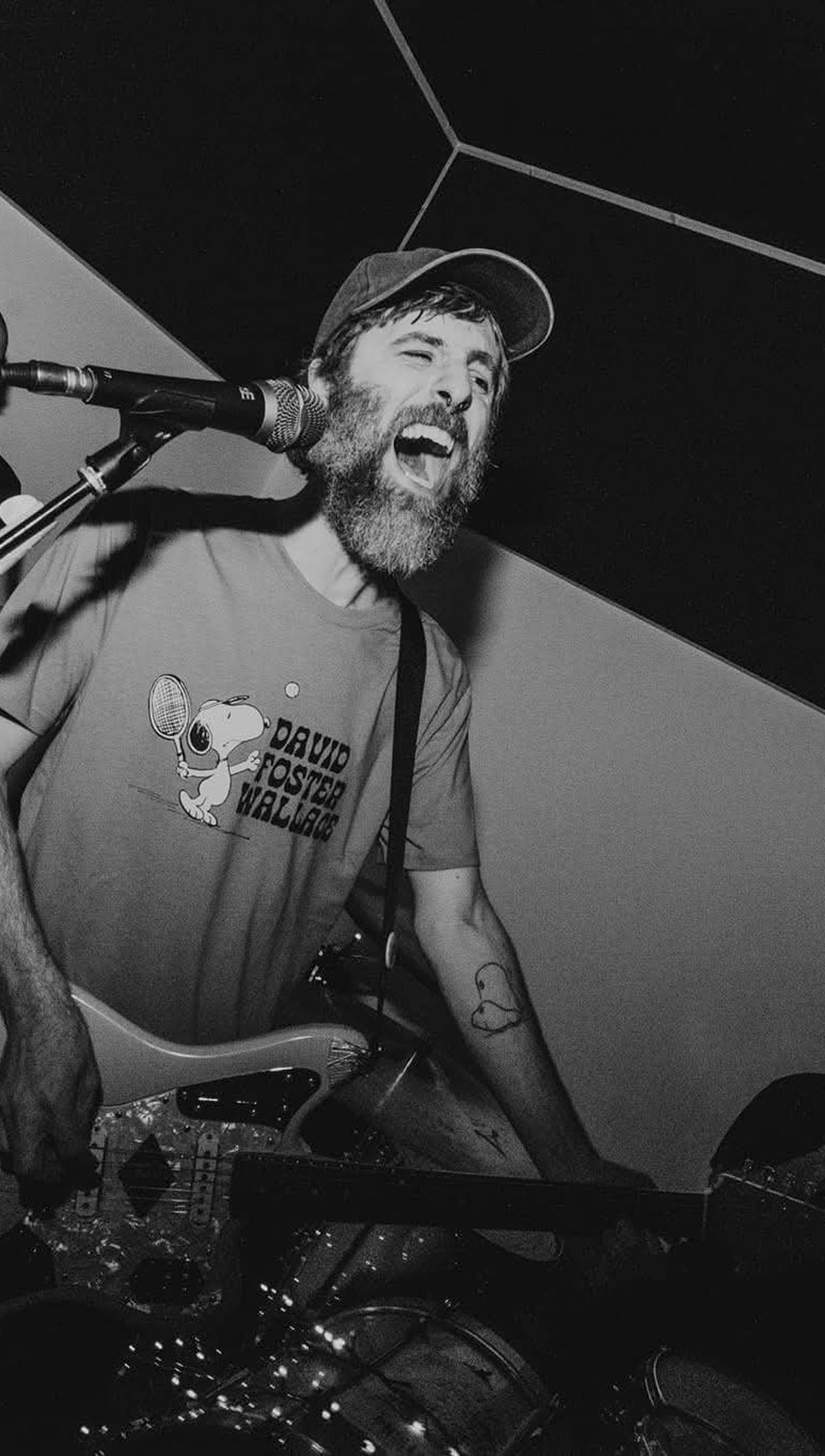
There is a bit of history behind that first choice of guest. In May 2018, Amedeo wrote to IDIOTEQ about “Are We Doing the Best We Can?”, the Low Standards, High Fives album released through Engineer Records. He introduced the Turin group as a three-guitar indie band indebted to the emo records of the 1990s and early 2000s, naming American Football, The Appleseed Cast and The Promise Ring. We suggested a track-by-track feature, and he was keen to put one together. Eight years later, he was back in touch with a podcast featuring one of the musicians who had helped shape that earlier band.
He had already interviewed The Promise Ring’s Davey von Bohlen for his long-running STRANO podcast in 2025. Hearing Dan’s side of things gave him another way of looking at the years those musicians spent together. Amedeo found that the two men had different relationships with music now, both of which he could understand. More immediately, the conversation with Dan made him question something he’d taken for granted throughout his own time in bands.

“To me, the two things have always been inseparable. I mean, I really never ever thought that, at our level, you could be bandmates without being deeply in love, like brothers. It just never occurred to me, because my experience has always been like that.”
“Talking with Dan helped me understand that sometimes you can still be real good bandmates, even if the friendship is spoiled. And that can be very confusing.”
Amedeo is careful to leave blame out of it. “And I want to make it clear: I’m saying this without any resentment at all.” He wanted to understand a situation he had never previously been able to name, without judging the people involved. “It gave me words to describe a thing I didn’t know. It helped me to perceive new shades.”
Blaze Bayley brought something else to the microphone. Iron Maiden had been one of Amedeo’s first bands, apart from the music introduced to him by his parents and older brother, and he had fallen for their records again and again over the years. Talking to somebody who had actually fronted them was a big deal in itself. What stayed with him afterwards was Blaze’s response to losing that job.
As Amedeo recounts it, Blaze had never expected to be picked as Iron Maiden’s singer in the first place. He was a fan who suddenly found himself in the band. The dismissal, when Bruce Dickinson returned, was just as unexpected. Amedeo was struck by how practically Blaze spoke about surviving those years, continuing to make music and finding a way to build a career of his own. He was also moved by the respect Blaze still showed the band, and by his dislike of hearing people run Iron Maiden down.
“I cried while we were recording the episode. I cried when I was editing it. It was deep.”
“He saw a dream come to life, and then he saw it crumble. But he slowly found his way to building a new dream, one of his own. There’s a huge lesson there.”
There were obvious differences in the lives of the people sitting at those microphones. Amedeo had spent years playing underground emo gigs. Dan had been part of The Promise Ring. Blaze had sung in one of the biggest metal bands in the world. But Amedeo kept coming back to how much a band can mean to the people in it, whatever size of room they play.
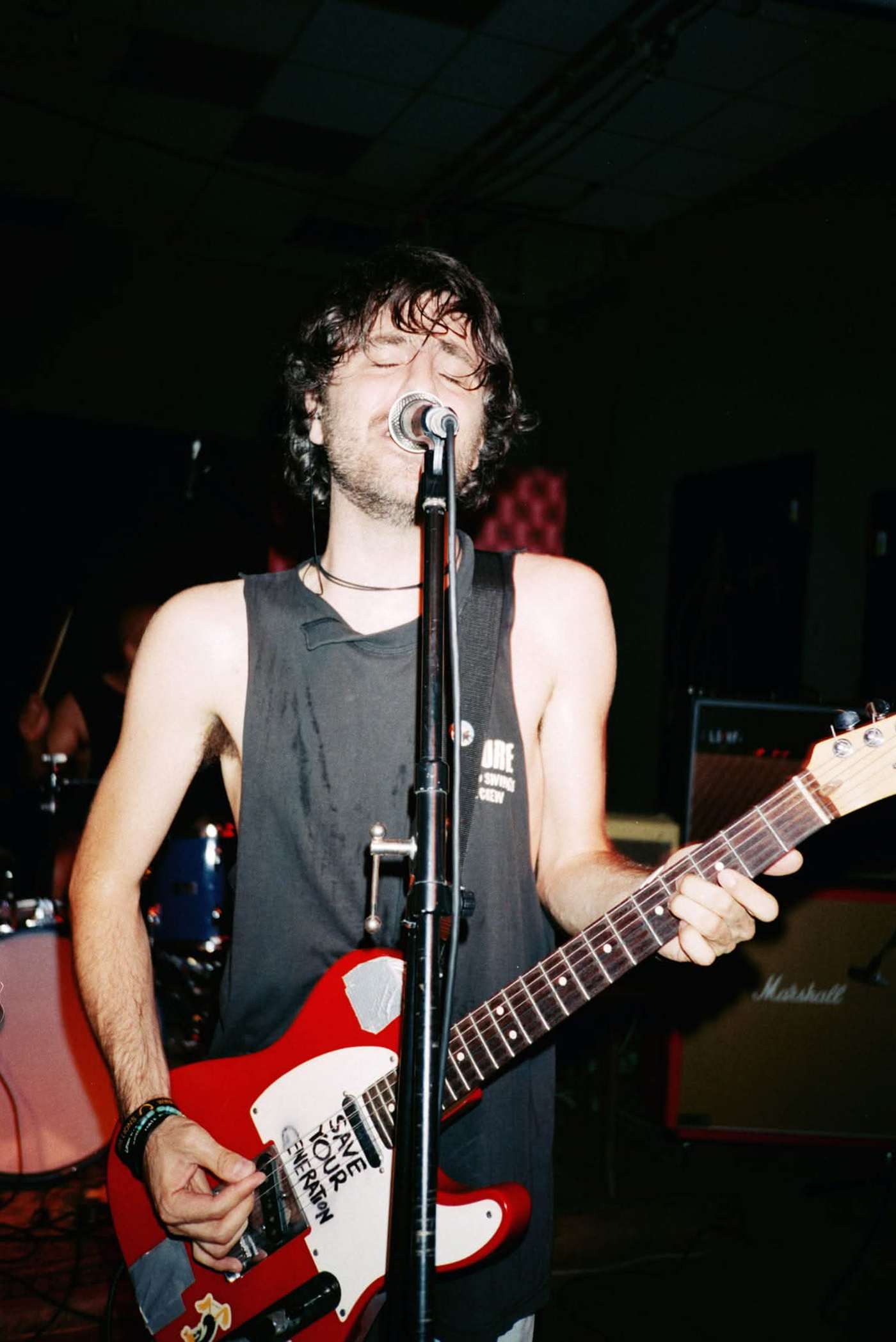
“One thing this podcast is teaching me is that it really doesn’t matter much how big your band is: it’s all about how important it is for you.”
He has also begun to accept that a band can change in the same way any group of friends can change. People get older, their relationships move around, and even a band that once seemed impossible to imagine ending can end. Amedeo puts it plainly: “Don’t feel guilty if that happens. Don’t think your limits are defined by your band.”
The microphone was a familiar place for him to deal with all this. Since 2019, Amedeo has written, produced and hosted STRANO, a show in which he talks to people about growing up, feeling strange and trying to make sense of earlier years. It has passed 115 episodes and was named Best Indie Entertainment Podcast at the 2023 Italian Podcast Awards. His work as a podcast producer also includes two audio documentaries for Italy’s national public radio in 2023 and 2025.
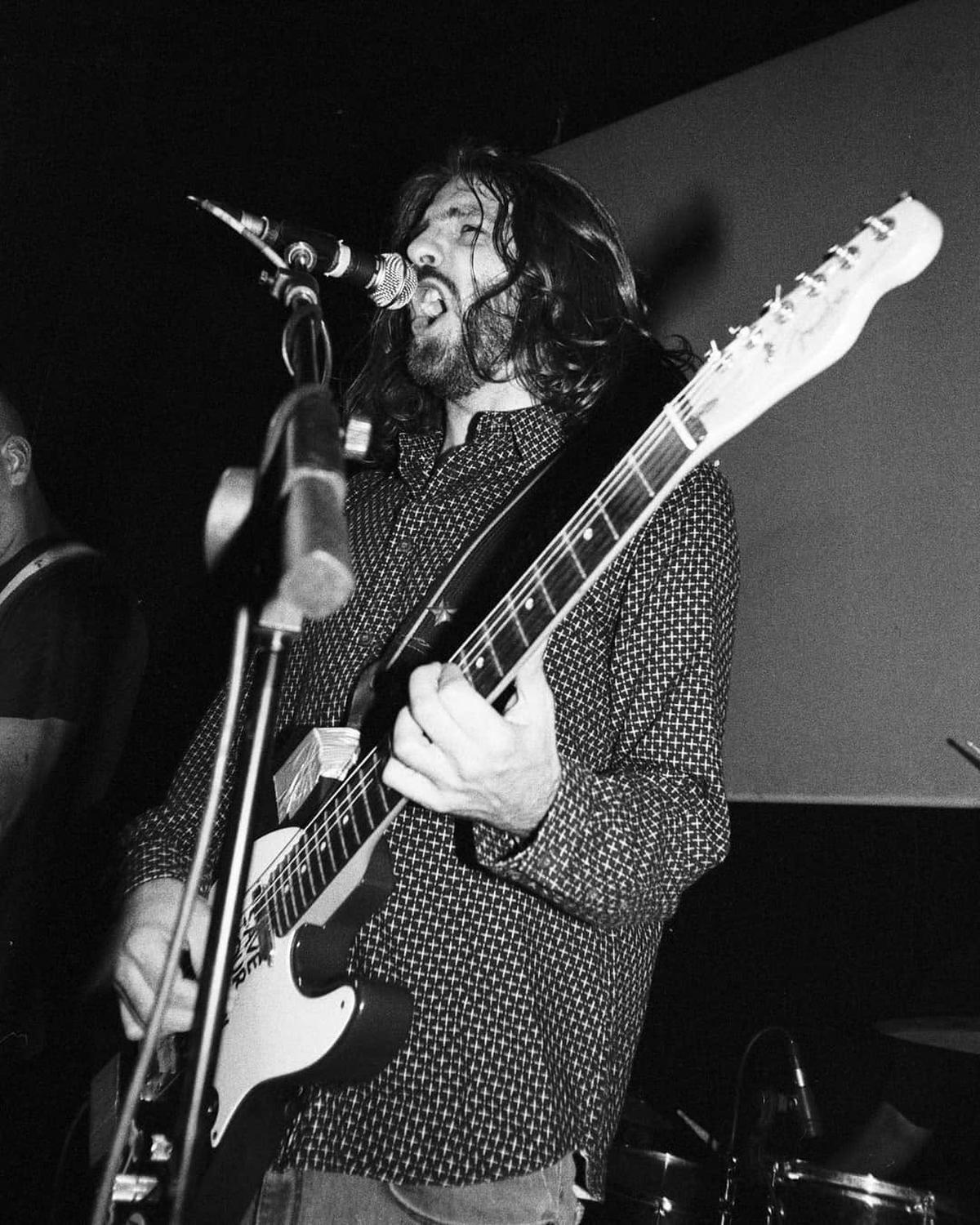
STRANO has brought him into conversation with musicians he grew up listening to, as well as people outside music. “Life After Band” has a much narrower starting point. “Both podcasts I do for myself, first. They answer to a deep need of understanding I have,” he says. The new one came directly out of his departure from Low Standards, High Fives. He has spent more than six years in psychotherapy and has long relied on talking things through with other people. Making a series of conversations about leaving bands was a natural extension of that habit.
Still, he didn’t immediately try to replace the lost rehearsals with another group. He was already making his own music, anyway, and that had begun in June 2025, seven months before leaving Low Standards, High Fives was even on his mind. While composing and recording music for a podcast, Amedeo realised he had finally assembled everything he needed to record songs by himself. He’d wanted to try it for years. Up to then, he had never had the proper equipment or seriously followed through.
He called the project Merricat, VT, after Shirley Jackson, and began writing what he describes as spooky, sad songs. At the time, he expected the solo recordings and Low Standards, High Fives to carry on side by side. In the band, the songs and most decisions were made together, which had taught him a great deal and produced music he says he couldn’t have written alone. Working as Merricat, VT gave him the final say over everything.
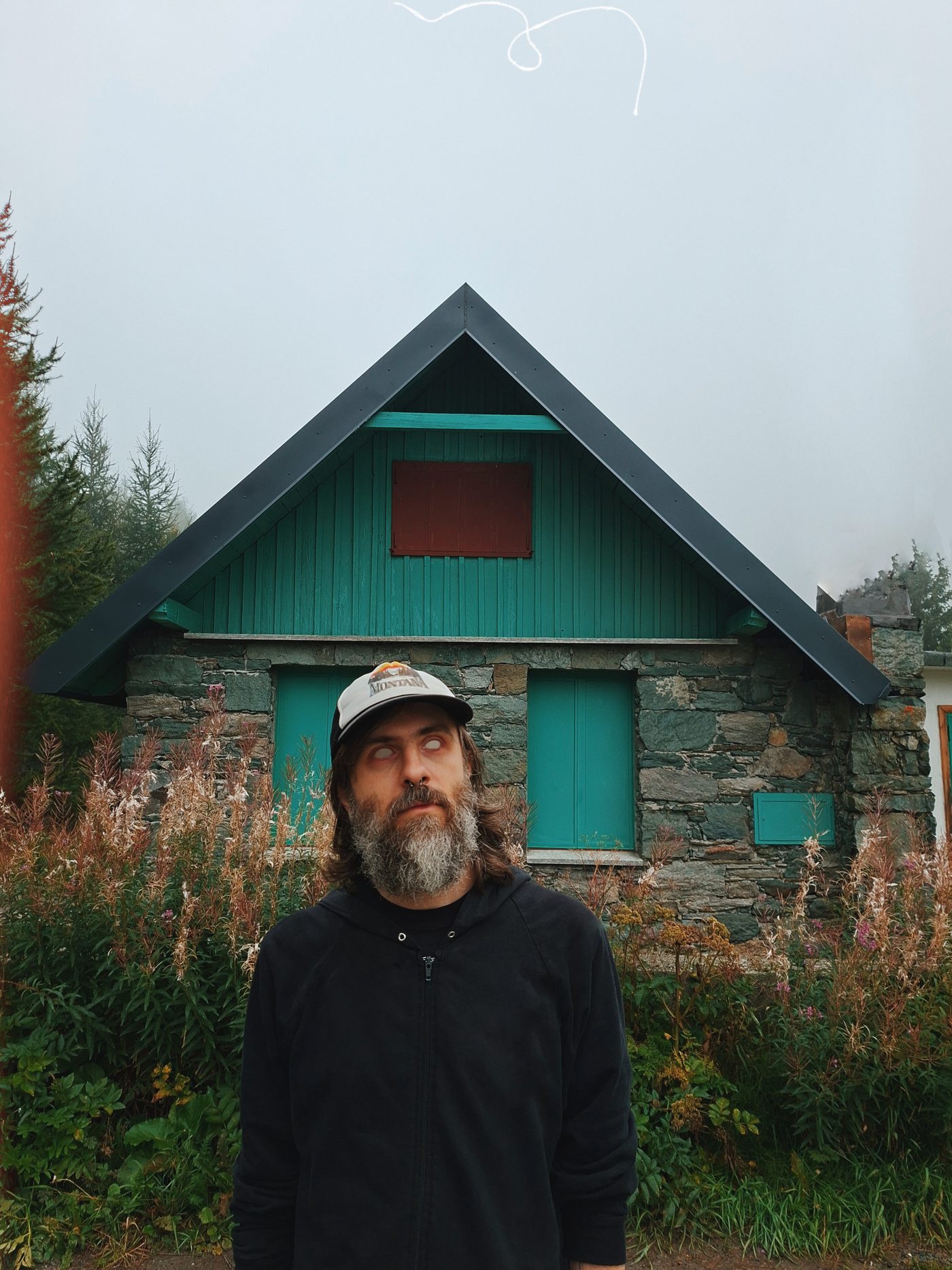
“Merricat, VT instantly became a space in which I could express my things without any intermediary step.” He values the way making music with his bandmates shaped him and still feels proud of what they did. Working alone is teaching him different things about himself, and he wants to leave very few limits on where those songs can go.
Having a solo project and two podcasts hasn’t persuaded him that every empty hour needs a new use. He compares leaving a band to the end of a marriage, with all the unfamiliar space that follows. A line from Huey Lewis, one of his favourites, has been in his head: “Step by step, one by one”. He is trying to take the same approach to everyday life after so many years of gigs, rehearsals and close friendships.
“There’s no rush to fill that space: the last thing you need are fillers.”
He is grateful to the musicians who agreed to talk. Those conversations have helped him, and so has being willing to listen before committing to anything else. He is still dealing with what leaving cost him.
“I have no regrets about leaving the band. But that does not mean (at all) it was a painless and easy choice.”
At the end of our conversation, Amedeo reaches for a line by Jets to Brazil: “Don’t confuse your truth with your pain”. He has no better way to put it, and doesn’t pretend the pain has gone away.
“Life After Band” is an independent podcast by Amedeo Berta. Dan Didier and Blaze Bayley appeared in its first two episodes on 23 October 2026, followed by Jennie Cotterill, whose time in Bad Cop/Bad Cop ended in 2022, on 6 November. You can hear the episodes on Spreaker or find other listening platforms through the podcast’s Linktree.
🔔 IDIOTEQ is ad-free, independent, and runs on one person’s time. If you want it to stay that way: DONATE via PayPal or SUPPORT via Patreon.
NEW: IDIOTEQ Explore 🗺️ Browse 15+ years of our archive by city, country, and style. Find artists on the world map or trace related sounds through the styles map.
Stay connected via Newsletter · Instagram · Facebook · X (Twitter) · Threads · Bluesky · Messenger · WhatsApp.