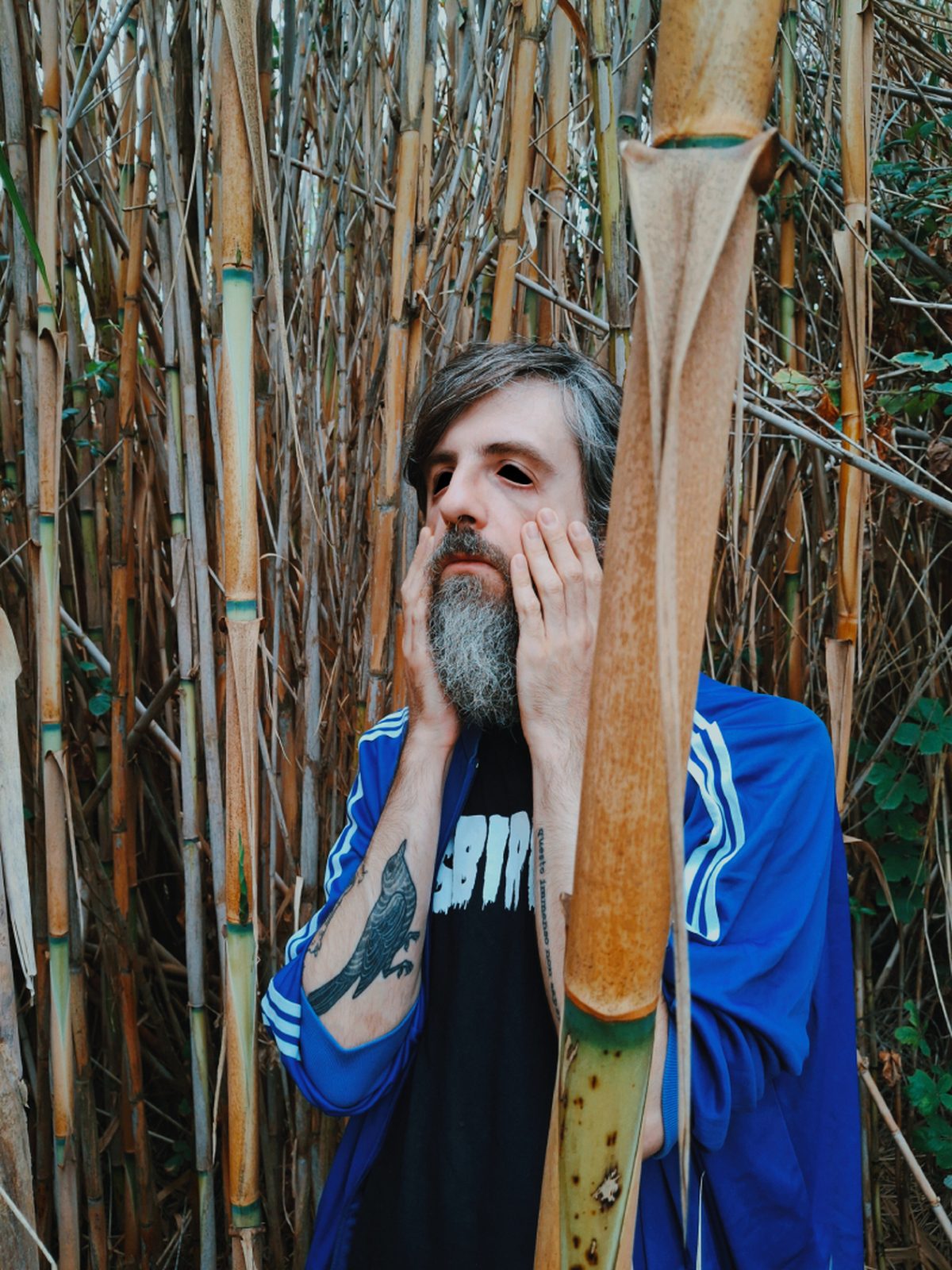

Spit for the Masses have never been especially good at leaving a song alone. The Arnhem-based Dutch quartet specialize in blackened grindcore built around blast beats and tremolo-picked guitars, with sudden turns into shoegaze, post-punk and lighter indie-rock parts. Their twelve-track debut, “Mind–Body Disconnect“, brings together songs they’ve spent years rewriting, alongside lyrics about feeling stuck in your own life, struggling with family relationships and wondering what sort of person you’re becoming.
Guitarist Kaj Heesakkers wrote most of those words, and some came out of a fairly ordinary experience that left him feeling deeply unsettled. He’d done what people had always told him to do. He studied, got his degree and found a job that matched his education. Almost immediately, he began wondering whether this was really how he wanted to spend the rest of his working life.
“I did the things I was told I had to do for a good life and I almost immediately felt stuck in the idea of having to work in an office for forty to fifty more years.”
There were family problems too, going back much further than his first job. Kaj had grown used to some difficult relationships and had started accepting them as part of who he was, even when he wished things were different. He began putting those thoughts into lyrics because writing gave him somewhere to leave them for a while. He doesn’t claim to have discovered some extraordinary new problem with modern life. He knows plenty of people probably recognise the feeling.
The title “Mind-Body Disconnect” comes from the final part of the album’s closing song, “Bourgeois Cowardice”. It describes the experience of mentally checking out, looking at your own life from the outside and feeling as though your brain is doing things to you without your permission. Kaj has experienced periods of dissociation and has sometimes imagined his mind as a separate entity, something he has to live with and occasionally escape from.
“I’ve had periods of time where I’d just be mentally checked out to ignore reality for a while.”
Wyświetl ten post na Instagramie
Radiohead’s “How to Disappear Completely” was one inspiration for that state of mind. Kaj loves the song’s sense of being present somewhere and simultaneously feeling absent from it.
The phrase that eventually named the album was already sitting at the end of “Bourgeois Cowardice” on the band’s 2024 demo, “For the Masses”. The group have since gone back and recorded the song again, giving that old ending a place on their first full-length.
There’s also a lot of sarcasm on the record. The opening track, “Glisten“, came from several encounters with people under the influence, and one particularly exhausting conversation at a gig. Kaj found himself listening to a man who had supposedly attended every legendary show imaginable and played alongside all sorts of famous bands in his younger days. The longer he talked, the less his stories added up.
“It was like a monologue of lies.”
Wyświetl ten post na Instagramie
Kaj initially wrote a much longer account of the conversation, filling the gaps between repetitions of “Yes brother, you were there” with examples of the man’s increasingly unlikely claims. He had LCD Soundsystem’s “Losing My Edge” in mind, especially the way that song lets an obsessive music-scene monologue run on and on. Eventually he cut nearly all the rambling passages because they were making “Glisten” too wordy and getting in the way of the song.
What’s left is pretty close to the response Kaj remembers giving at the time. The bloke had spent so long boasting that there was hardly anything left to say beyond acknowledging him and hoping the conversation would end. Other bits of dialogue on the album came from friends and strangers talking nonsense after drinking or taking drugs. Kaj includes himself among the offenders.
“I’m really not much better after a few beers,” he admitted.
Wyświetl ten post na Instagramie
He enjoys writing those sorts of lyrics when he’s had enough of dealing with his own problems. “Mukoda’s Dream” came from somewhere else again. It’s inspired by a manga by Japanese horror artist Junji Ito, whose work Kaj enjoys, and has no particular autobiographical meaning for him.
The song is also the band’s second single from “Mind-Body Disconnect“, following October’s “A Foray Into Legume Taxonomy to Reject the Perversion Within“.
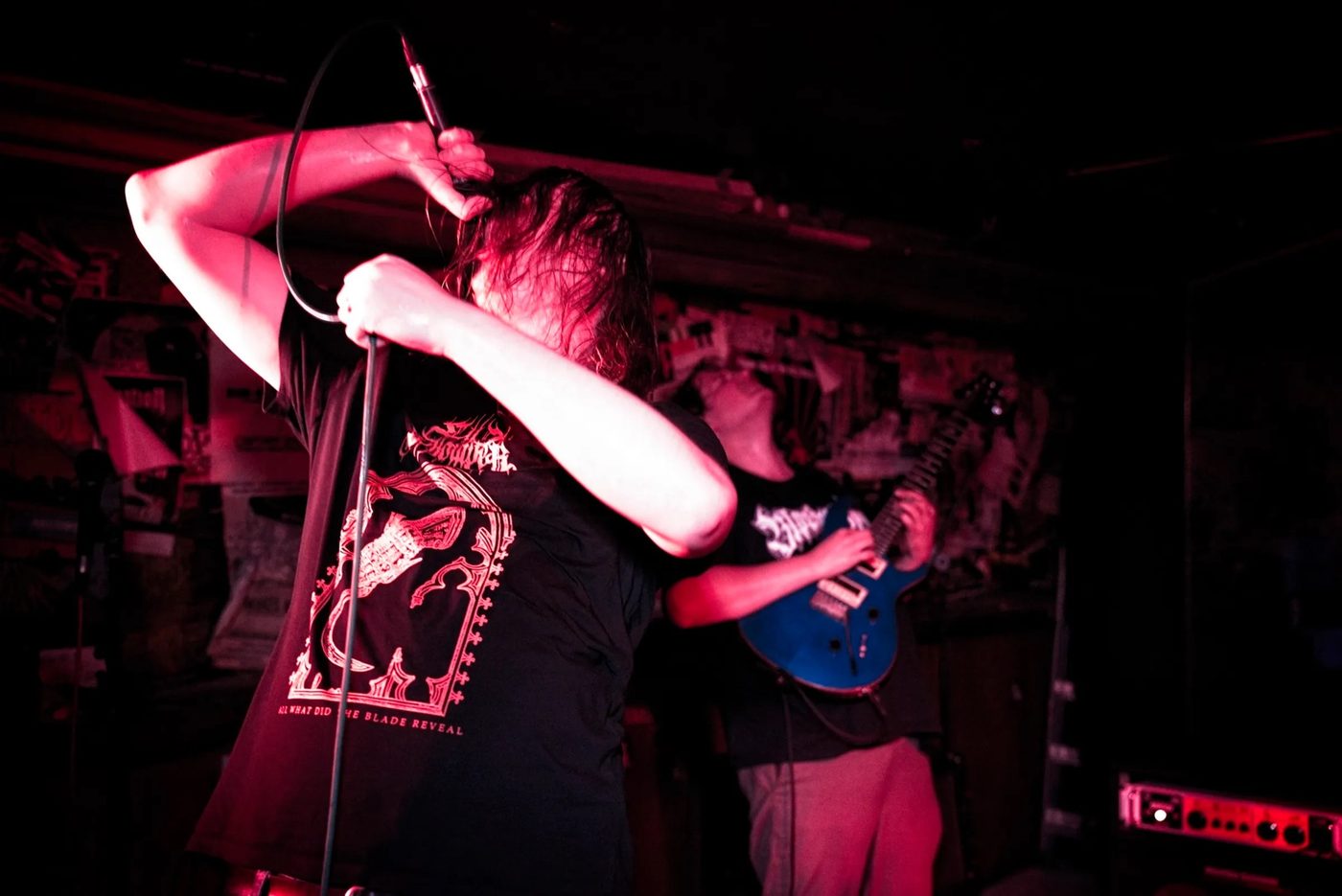
The writing process can be equally unpredictable. A surprising amount of Spit for the Masses’ music starts with Kaj playing an acoustic guitar at home. He often fingerpicks an idea and sends it to the band in their group chat. Later, in the rehearsal room, the same notes might become a black metal-style tremolo riff or get rearranged into an entirely different strumming pattern.
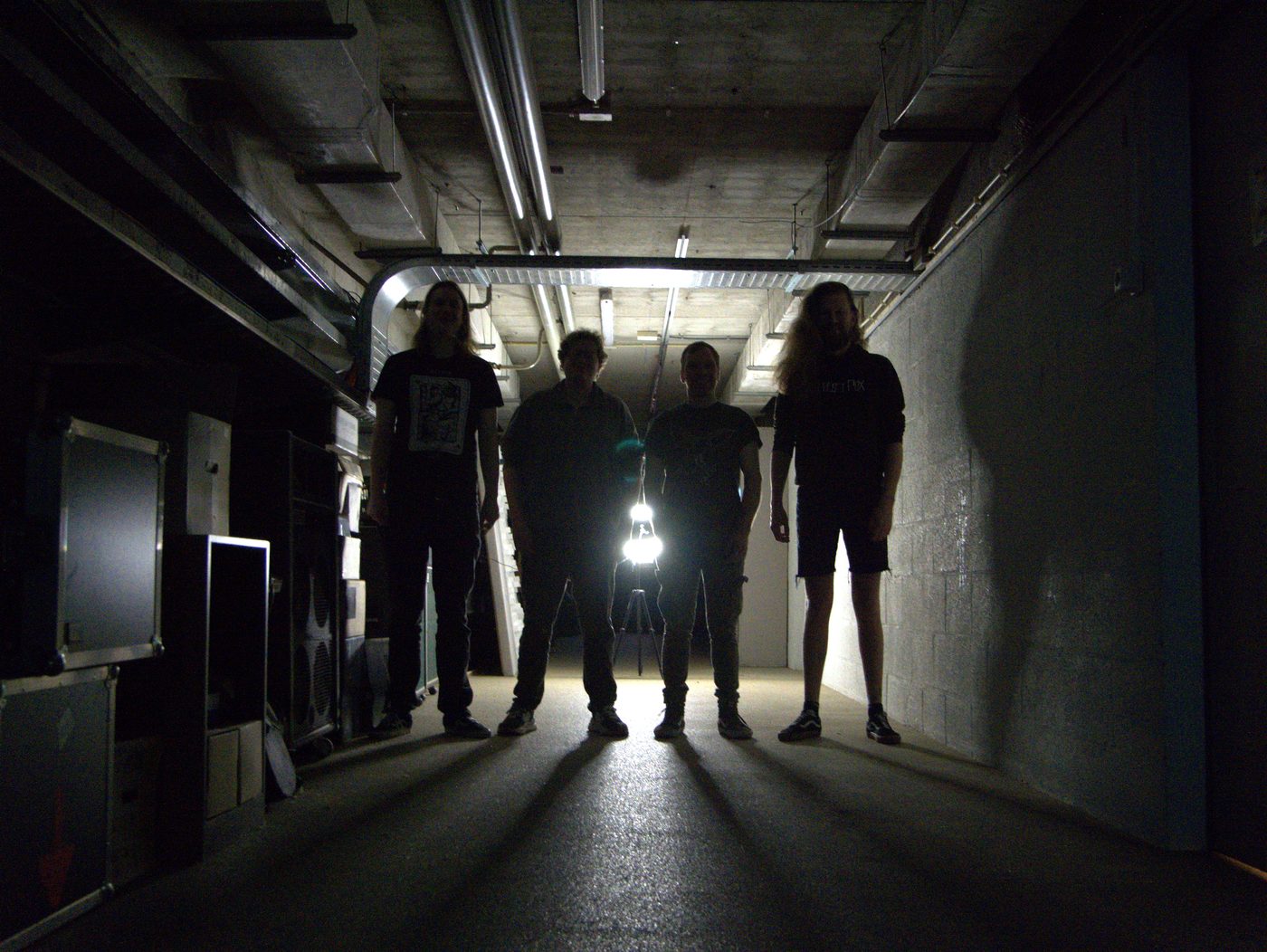
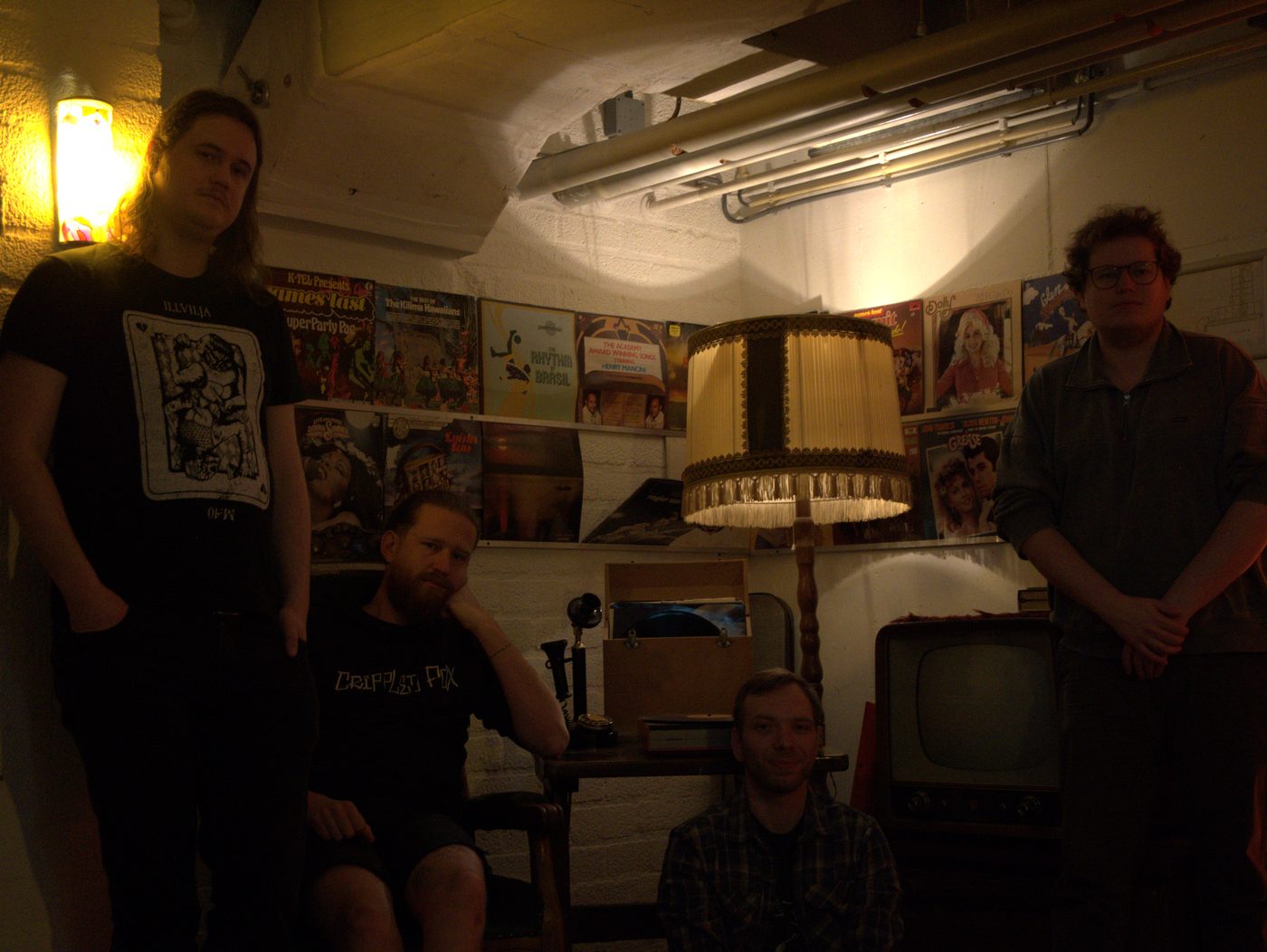
Kaj and drummer Nojus Dobrotinas usually work out the first version together. Jelmer Kokx adds bass and Sam van de Putte handles vocals, with all four getting involved as the arrangement develops. The musicians have quite different tastes, and nobody seems especially worried about keeping a song within one style.
“I think we have a massive soft spot for unexpected turns in songs like you’d see Beaten to Death, Converge or The Dillinger Escape Plan do.”
That taste for abrupt changes can make their rehearsals complicated. Someone will play a grindcore riff and another member will suggest following it with something closer to blackgaze. They might find themselves trying to join a typical indie or post-punk guitar part to a much faster metal section, then spend ages working out a transition that everyone can actually play.
“The key parts to any of our songs are an unreasonable amount of blast beats and tremolo-picked riffs slathered in reverb. Other than that, we try to switch it up as much as we can.”
There’s a long history behind those arrangements. Spit for the Masses began jamming in late 2021 as an instrumental trio, with Kaj, Nojus and Jelmer working on the first songs. They had lyrics before they had anyone who could sing them. Initially, the hope was that one of the three might learn to do vocals while playing an instrument, but nobody managed to make that work.
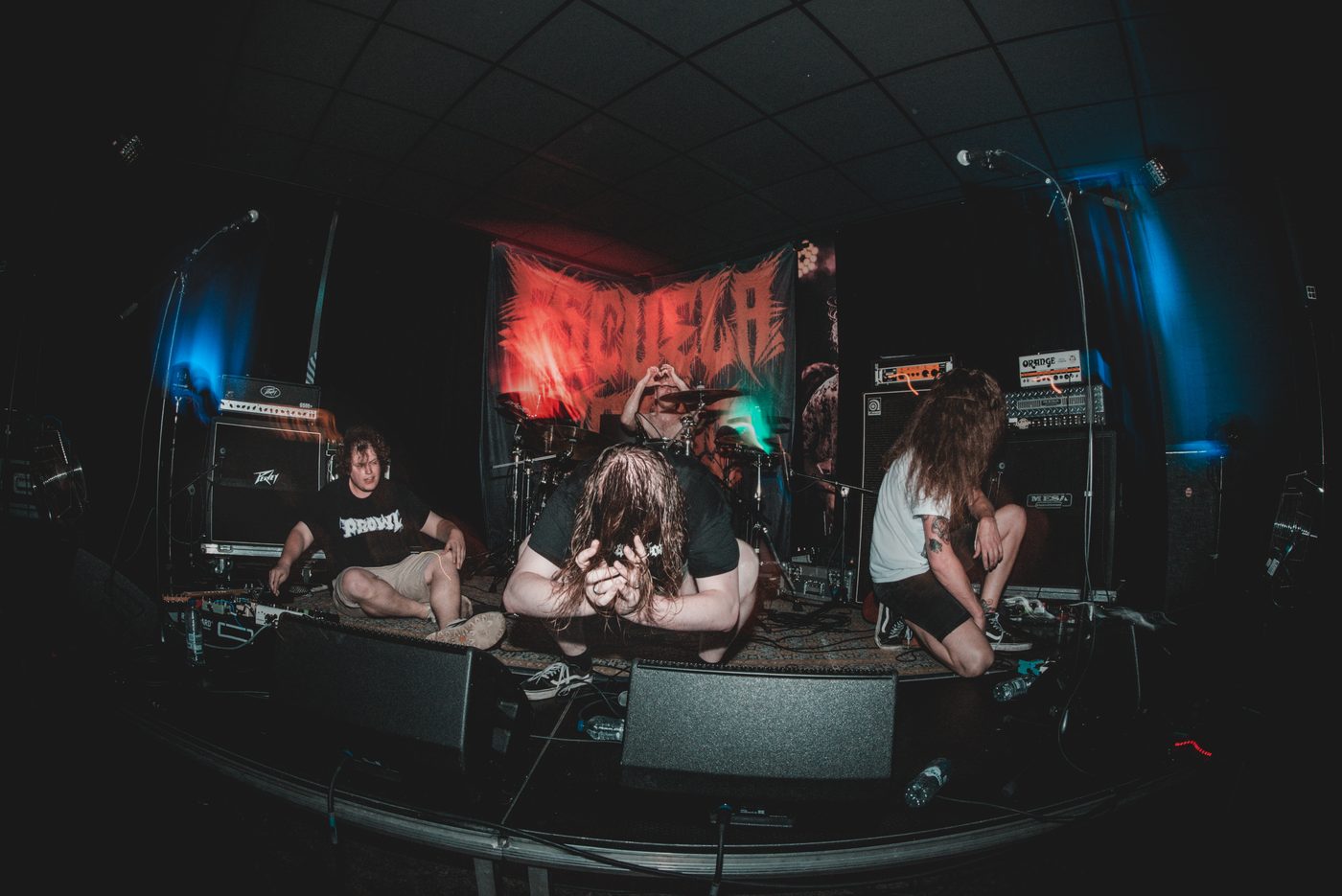
Sam finally joined in the summer of 2023. By then, the five songs that would appear on their first EP had already been through numerous rewrites. Some lyrics had been moved between different pieces of music, and the group had spent a lot of time changing arrangements without ever having played a show.
Sam’s arrival also changed how the words were handled. Kaj remained the main lyricist, but Sam started working with him on the flow, switching verses around, removing passages that didn’t fit and occasionally adding his own lines. They’ve continued developing that approach and want future songs to involve more shared writing.
The quartet began releasing music and playing shows in early 2024. Their first “Glisten” demo appeared in January, followed by the five-song “For the Masses” EP in May. The gig diary kept growing, and by 4 September 2026 they had played 43 shows. Plenty of the older songs had been getting regular outings, though familiarity certainly didn’t stop the band from messing with them.
“Centrist Hot Takes for the Chronically Online” spent a while going by the working title “Christmas”. That came from a tremolo riff that somehow reminded the musicians of the holidays. They liked it enough to build the song around it, but after playing the tune repeatedly, they started getting fed up with the arrangement. At one point they considered changing almost every riff.
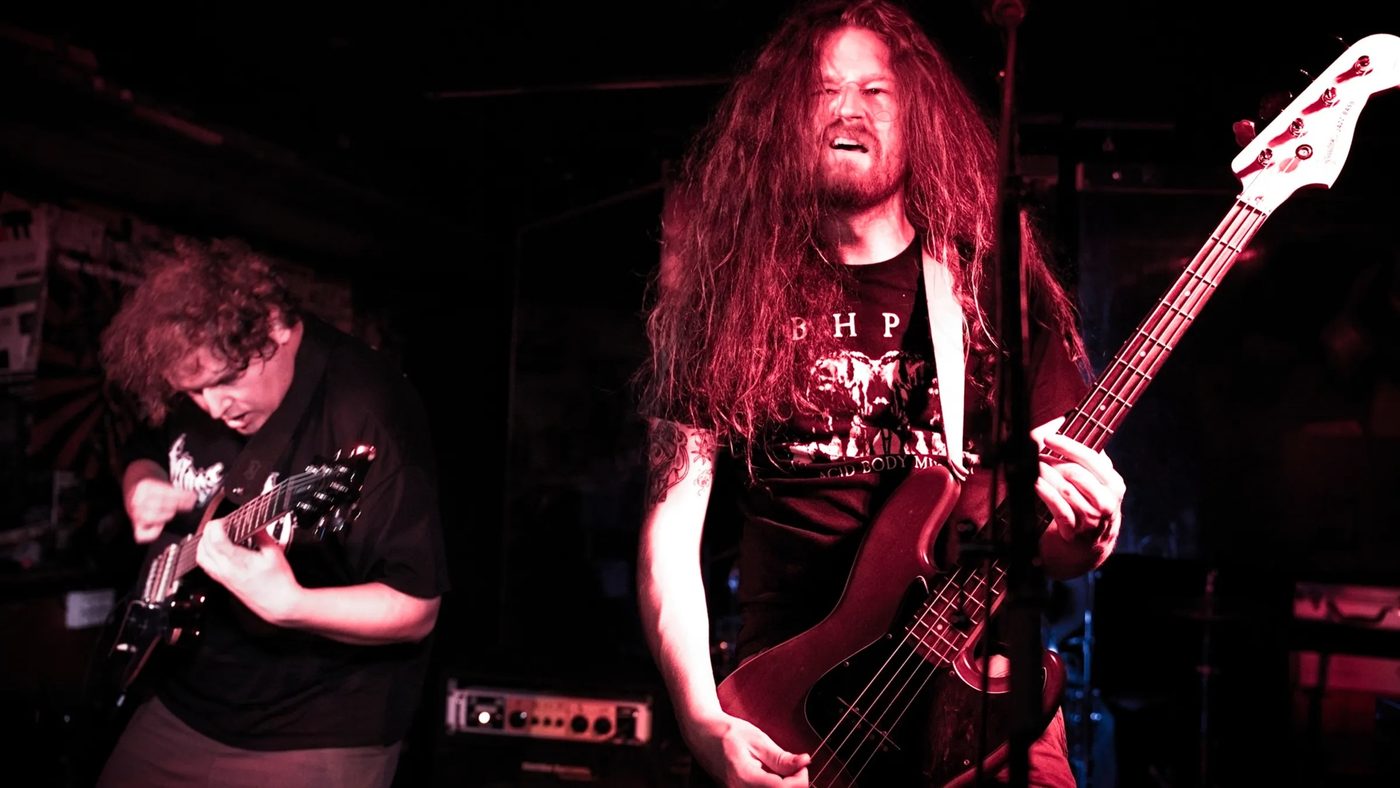
They eventually added a new introduction, which gave them a way to approach the song again. It was a small enough change on paper, but it pulled them out of the rut they’d reached after playing a version they no longer particularly enjoyed.
“Schnapspraline” was an even bigger nuisance. It’s the shortest song they’ve written, yet it took the longest to finish and proved especially difficult to record. One riff near the end refused to fit with the rest of the arrangement. The band took it out and put it in what Kaj calls their “riff vault”, where unused ideas go until somebody finds a reason to bring them back.
Almost a year later, that riff turned up at the end of “A Foray Into Legume Taxonomy to Reject the Perversion Within”. By then, the band had found another song where it made sense. “Legume”, as they usually call it, became the first single from the new album.
Another abandoned part had a less successful afterlife. An early version of “Thresh (The Combine Harvester Will Devour You if You Don’t Get Out of the Field)” began with an extremely fast death metal riff, influenced by Suffocation, in an awkward time signature that apparently changed partway through. The idea was technically demanding and difficult to fit into the song.
“I’m glad we erased that riff from existence, because it was a total mismatch and really was just complex and weird for the sake of being complex and weird. I also couldn’t play it.”
Those rewrites continued as the band started building a name through gigs across the Netherlands. The songs changed in rehearsal, sometimes after the musicians had already spent months playing an earlier version in front of people. By the time they were ready to make the album, they also wanted to revisit recordings that had been around for a couple of years.
Kaj had been interested in recording with Wessel Reijman long before Spit for the Masses existed. He’d become a big fan of “Tijd Verdringt” by Dutch band Second Guessing, a record Wessel had recorded and mixed. Years earlier, when Kaj was playing in a stoner band and looking for somewhere to record their first album, Catacomben Studios had been one of the options. That band went somewhere else, but the idea stayed with him.
Wessel’s name kept appearing on records Kaj enjoyed, including releases by Throwing Bricks and Noctambulist. His own work with Laster gave him plenty of experience handling strange ideas within heavy music. Spit for the Masses eventually booked him for their 2025 double single, “Milk Cartons (Cartons of Milk) / Schnapspraline”, and got along well with him.
When the debut LP came together, the band decided to record both songs again, along with the older demo tracks. There were several reasons. The first concerned Jelmer, who had been travelling around the world during the 2025 sessions. Their friend Bart Schmitz had taken over bass duties for gigs and recording while he was away. Spit for the Masses wanted the album to feature their regular bassist playing those songs.
The recording setup had changed as well. Wessel had built a new studio since the double single, and the band wanted all twelve tracks recorded together under consistent conditions. The original demo had been made in their old rehearsal room, where the acoustics weren’t good, and Jelmer had mixed everything himself. The group still like those early versions, but they were keen to hear what the songs could become with a proper studio recording.
“Mind-Body Disconnect” was recorded and mixed by Wessel Reijman, also known for his work in Laster, at Catacomben Studios in Hilversum. For mastering, Kaj reached back to another part of his musical upbringing and contacted Will Killingsworth at Dead Air Studios in Massachusetts.
As a teenager, Kaj spent a huge amount of time listening to Orchid. Combatwoundedveteran and Jeromes Dream were equally important to him through his teens and twenties. Those bands seemed to belong to a distant world, populated by musicians he knew almost entirely through records. It fascinated him when he found out that Second Guessing had managed to work with Orchid guitarist Will Killingsworth on “Tijd Verdringt”.
Years later, the idea of contacting somebody like Will had become much less intimidating. Spit for the Masses simply sent an email to Dead Air and arranged for him to master the album. There was no elaborate introduction or special route into that older DIY scene.
“I spent a lot of my teen years and twenties obsessively listening to bands like Orchid, Combatwoundedveteran and Jeromes Dream etc., so that era of music became somewhat of a mythical thing for me. Only to find out later that all the people in those bands are just regular folks with a taste for abrasive music.”
Kaj also hears a strong screamo influence in Spit for the Masses’ music, so Will’s involvement made musical sense to him. The connection turned out to be straightforward. That experience has changed how he thinks about contacting people in underground music, whether it’s an engineer, somebody booking a show or another musician he’d previously only admired from a distance.
The band’s own collection of friends and contacts has grown through a similarly uncomplicated process of playing gigs together. Although Spit for the Masses are based in Arnhem, none of the four currently lives there. They still rehearse in the city, sharing a space with two other bands, and half the group live nearby.
Around Arnhem and Nijmegen, groups such as Radeloos///Ziedend, Kelsey and Lodyne occupy related corners of heavy music. Duister Collectief has also helped bring together musicians playing black metal, doom and other heavy styles, leading to friendships and shared bills. Spit for the Masses have moved around those circles while keeping an interest in playing with bands from very different backgrounds.
Some connections are much older than the band. Members of Noctambulist have been friends with Jelmer for years, while Spit for the Masses met Dooie Mus at a festival where both groups were playing. They’ve shared gigs with the latter regularly since 2024. Those friendships reach across the country, and Kaj reckons much of their activity now involves musicians from other Dutch cities.
“The funny thing is, we’re based in Arnhem, but none of us live there (anymore).”
The four musicians still return to the same Arnhem rehearsal space, where Kaj’s acoustic guitar ideas can end up as frantic black metal riffs and songs they’ve played dozens of times may suddenly need another change. “Mind–Body Disconnect” finally gives those pieces a complete studio recording, with Jelmer back on bass, Sam’s vocals worked into the arrangements and years of revisions documented together.
Spit for the Masses will independently release “Mind-Body Disconnect” on 27 November 2026. The first single, “A Foray Into Legume Taxonomy to Reject the Perversion Within”, arrived in October. The second, “Mukoda’s Dream”, is scheduled for 13 November. You can also find the band’s earlier releases and current music through their Bandcamp.
🔔 IDIOTEQ is ad-free, independent, and runs on one person’s time. If you want it to stay that way: DONATE via PayPal or SUPPORT via Patreon.
NEW: IDIOTEQ Explore 🗺️ Browse 15+ years of our archive by city, country, and style. Find artists on the world map or trace related sounds through the styles map.
Stay connected via Newsletter · Instagram · Facebook · X (Twitter) · Threads · Bluesky · Messenger · WhatsApp.