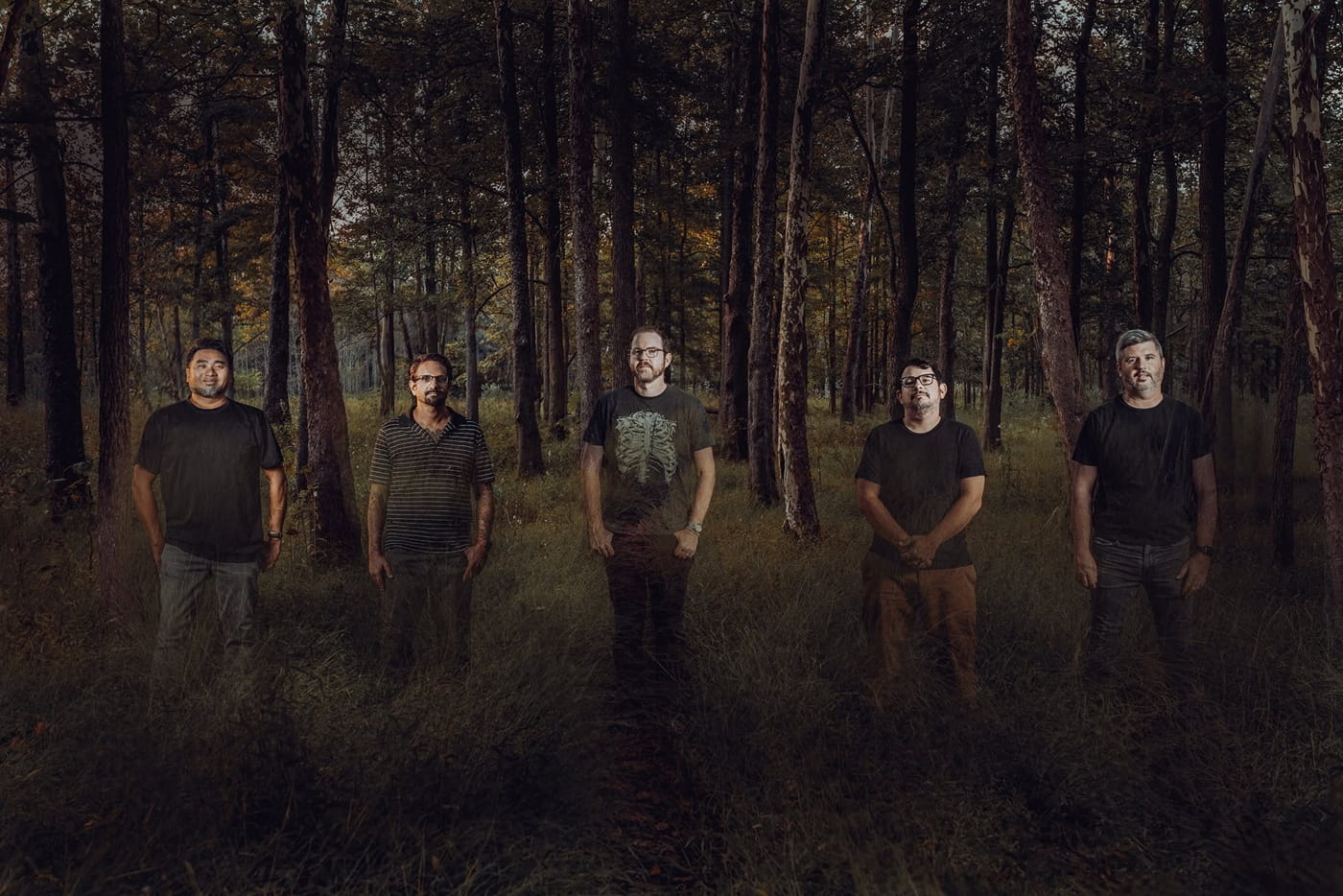

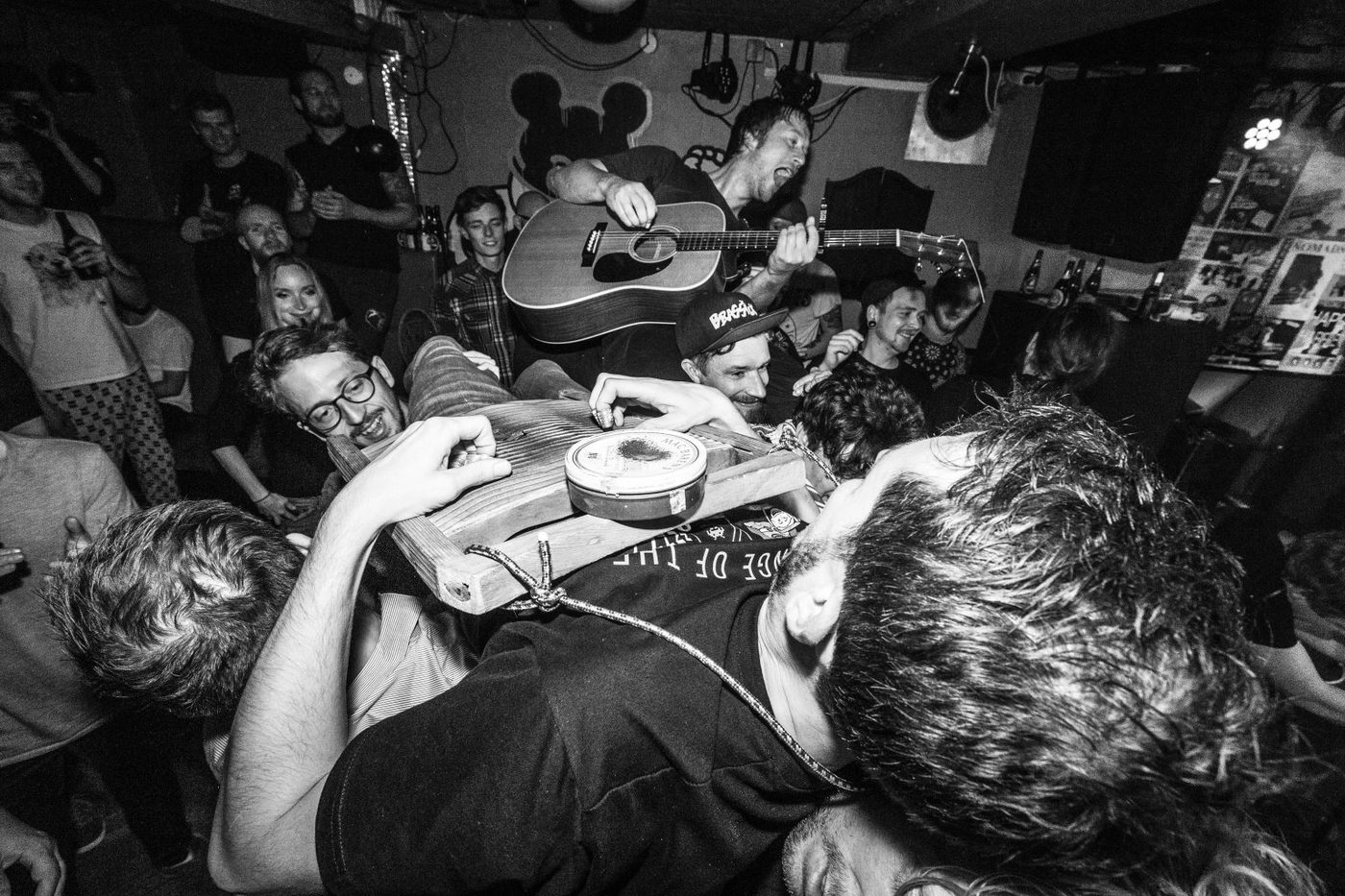
Stöj Snak’s new EP has a quiet duet about needing somebody to catch you, a song written after an uncomfortable walk through a childhood neighbourhood, and a folk-punk track that finally gave drummer Rasmus Glassau Clausen somewhere to put a hardcore breakdown. The four songs on “Gravity” took shape over several years, during and after a break in the Aalborg band’s activities. Niels Højgaard Sørensen kept writing and recording, then struggled to imagine them belonging to the same album.
Stöj Snak have been around since 2012, starting as Niels’ solo ScreamerSongwriter project and growing into a quartet playing acoustic, melodic punk with washboard, double bass and a fair amount of shouting. On this record, there’s room for slow, personal folk writing as well as the distorted, skatepunk-influenced direction of “Philosophical Malnutrition“. Niels eventually stopped trying to make the songs agree with one another.
“I couldn’t see the songs fit into a cohesive album and they ended up just rotting in my computer. At some point I just said ‘fuck it!’ and decided to put a few of them together for this EP – this band can be whatever we want it to be.”
He wanted the title track released. The other three were picked from the collection of recordings he already had. Nothing was re-recorded simply to make the EP sound more consistent. “Playgrounds” had been finished since at least May 2023, and the earliest complete recording of “Philosophical Malnutrition” was made in 2021. In that second case, the song itself had changed quite a bit before it reached its final version.
“Same time as the Happy Earth Overshoot Day songs. That particular song changed a lot since then. Lyrics were pretty much the same but the instrumentation and vibe was completely reworked for the final recording that I did with our drummer Rasmus. We added all the heavier parts and pushed it closer to a skatepunk kind of tune, including the final heavy part which did not exist at all before that (finally realizing the idea to have a hardcore breakdown in folk song).”

Rasmus played the full drum kit and organ on “Philosophical Malnutrition”. Jesper Olsen brought in the washboard, Jeppe Nørgaard helped with the low end, and Niels took care of guitars, bass, vocals and synth. The credits also contain ‘pillow slapping’. Apparently that part didn’t require much advance planning.
“He he. I don’t really remember what happened with the pillow. The recording is mostly very improvised and I have a setup at home where I can quickly try out stuff. I like recording and just trying out stupid shit, playing weird instruments and beating things lying around (that day I must have grabbed a pillow). Some of it sticks, some of it is scrapped.”
He puts plenty of work into the songs and lyrics, but will happily make up instrumental parts as he’s recording. His home setup makes that easy, and there’s a shop next door to his new place whose owners have offered to let him borrow instruments. The band sometimes develop the songs together, which can take longer and produce unexpected changes. Other times, Niels finishes a recording and the four of them figure out how they’ll play it at gigs. The live arrangements often end up quite different from the records.
The words of “Philosophical Malnutrition” reach back further than its first recording. On “Privacy Is a Crime”, from the 2016 EP “Happitalism”, Niels was writing about online surveillance, personalised marketing and the prospect of devices that couldn’t function without a permanent internet connection. The Xbox Always On controversy and the use of online activity to identify supposed terror suspects were on his mind. Ten years later, those worries have acquired a far more everyday form.
“I make video games for living and I am completely wrapped up in the digital world – currently AI is the big topic at the moment – maybe a song on that would wrap up this trilogy nicely 🙂”
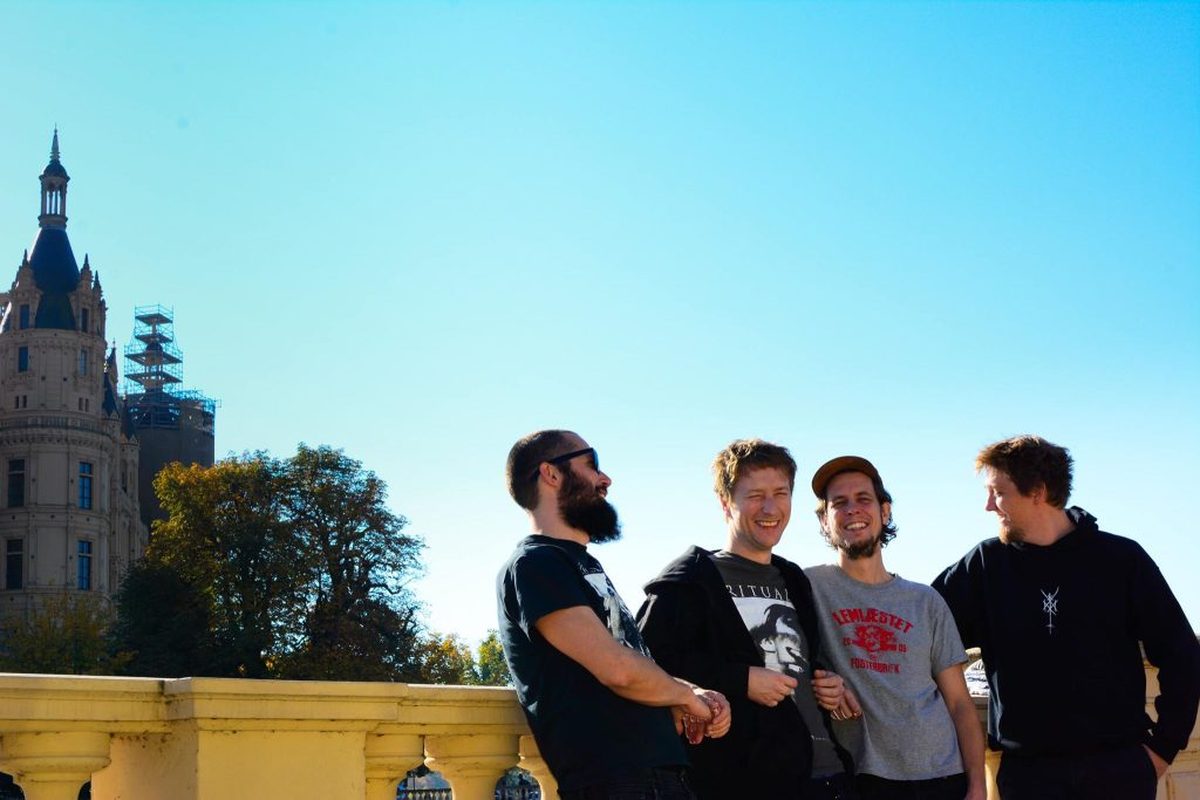
In the newer song, information is abundant and wisdom is scarce. Niels writes about feeds that exploit self-doubt, platforms that keep rewarding the loudest opinions and online connections that become products to be sold. One of the harshest ideas is that the same systems people use to communicate are helping to tear those relationships apart.
He faces the problem whenever Stöj Snak have a record to promote. Social media can put a small Danish punk band in touch with people overseas, and avoiding it means losing a useful way to reach them. He knows how the applications are designed to keep people checking their phones. He still gets caught.
“The SoMe platforms are so “well-designed” to keep you scrolling. I know this. I read books about the psychological tricks in play and how all the quick dopamine triggering is fucking with your mind long-term (which is especially bad for young minds, still developing) and still I catch myself getting caught in the doom-scroll.”
He had been away from social media for some time before returning to share news of the EP. “I’ve stayed off it for a long time but I recently got back in to share this record and suddenly I find myself checking multiple times a day. It’s like having a drug in your pocket.” The correct song title, incidentally, is “Philosophical Malnutrition”. One promotional sheet accidentally called it “Philosophical Malfunction”, which Niels thought was a pretty good title too.
“Playgrounds” came out of one of those pandemic walks when meeting a friend meant getting outside. Both men had grown up in the same part of town, though they hadn’t known each other as children. They decided to go back there together. Niels recognised the physical surroundings and was surprised by how distant they seemed.
“The thoughts in the song came out of our talks and the weird detached sensation of walking through my childhood neighborhood for the first time in many years and recognizing the physical location but feeling like a total stranger, mentally. Probably even more so because of the pandemic going on at the same time.”
The lyrics have old swings, peeling paint and a playground that belongs to somebody else’s childhood now. Niels questions whether he misses those places at all, or the way being there once felt. He wonders if his memories are accurate, and whether the child he recalls can really have been him. The recording was completed in May 2023, after more than a year of work, with Niels playing the guitars, bass, piano, melodica, drums and synth himself.
“It’s one of the songs where the feeling it’s about is super tangible for me to tap into. It’s part of me and I can almost touch and taste it. I know exactly what I’m trying to describe. Sometimes songs are much more abstract, a matter of searching for something or a more intellectual thing where I’m trying to put words to a more concrete topical thing but this one is easy.”
The title track arrived through a more unusual arrangement. A friend who worked as a librarian was matching artists to write and perform one song together as a library project. Niels brought in an unfinished Stöj Snak idea, and Icelandic/Danish singer and guitarist Andri Sigurdsson, who releases music as Sigurvin Sigurdsson, wrote his own verse and helped work out the song’s final shape. The duet carries two different experiences of life at that moment.
“I was in a pretty shitty place when I wrote the song and Andri and his partner were very close to the birth of their first child so he was kind of pulling the whole thing in a positive direction. It created this dichotomy where the song doesn’t really know if it’s sad or hopeful. I like that.”
Niels’ words go back and forth between asking to be caught and insisting he can let go on his own. Andri’s verse had a less dramatic beginning: he was on the sofa watching Star Wars with his pregnant partner. Niels likes how that everyday moment changes the rest of the song when the two voices come together.
“But in the context of the rest of the song (and because he’s a poetic guy), it creates something deeper that doesn’t just wallow in its own self-pity. Cool how art can work like that.”
They performed “Gravity” at the library first. Niels quickly recorded a version afterwards, and Andri added his vocals and electric guitar just before the baby arrived. Slagterens Tove played drums on the track. It became the song Niels most wanted to put out, even when the other recordings seemed too different to accompany it.
Those differences also have a political edge. “Late Stage Capitulation” goes after the concentration of wealth, the way people are kept busy fighting over scraps and the distraction offered by endless entertainment. Its choruses keep coming back to people looking after one another. For Niels, anger at the state of the world has grown with age, along with a stronger sense that songs cannot really be separated from politics.
“Also, I don’t really believe non-political songs exist. The songwriters who claim otherwise, typically just assume the values of the status quo and sing for the prevailing order. If anything, I feel I get more and more radical in my views as history rolls over me. The world needs protest songs more than ever.”
The song has melodica, vibraphone and percussion from Niels, plus nyckelharpa, shakers and drums from Slagterens Tove. As angry as its verses are, the repeated chorus asks two people to hold on to each other. Niels is trying to concentrate his energy where he can do some good, including the people he knows through punk.
“It’s so easy to isolate yourself and just tune out (and that’s also necessary once in a while to not lose your mind, I think). Also, finding out where you can actually make the world (a little) better so you don’t spend your energy on things you have no control over. For me, this is community, being creative and hanging out with other like-minded people. It’s where I feel I make a difference, shape my beliefs and the energy I put in create immediate positive change. Action is the antidote to despair.”
He remembers a punk scene in which listening to Green Day could get you mocked by older fans who wanted nothing outside anarcho-crust. The metal crowd had its own rules. Niels ended up loving Pig Destroyer and Nasum anyway, and these days might start a morning with Nina Simone or Willie Carlisle. He reckons younger people are generally less concerned with genre boundaries, although a recent conversation in which somebody defended Oasis’ “Wonderwall” tested even his tolerance.
He also sees more room for people to join punk communities before they’ve settled on a whole set of beliefs. Homophobia and transphobia, which he remembers being widely accepted when he was young, are far less tolerated by the younger people he knows. He acknowledges having had to unlearn some of those attitudes himself. At the same time, he worries that social media is making young people afraid to look different or get things wrong, with every awkward moment potentially filmed and shared.
“You are accepted into the community first and then discussions of ideals happen dynamically from being part of a community and through the actions in the community. You are not expected to be an anarchist scholar to be let into the group.”
Stöj Snak’s years in the underground have given Niels quite a few examples of people sticking together. Members of Stöj Snak have also been involved in Mighty Midgets, Vægtløs, Columbian Neckties and Batholit, and Niels helps run the independent label 5FeetUnder Records. Across the years, Stöj Snak have released two albums, eight EPs and three game soundtracks. The group have grown from a one-person recording project into a four-piece whose gigs don’t always follow the studio versions.
The friendship with Manchester’s TNS Records started when Mighty Midgets shared a split with Revenge of the Psychotronic Man, who were behind the label. TNS helped Stöj Snak play in Britain, and have taken part in almost all their releases since. Niels expects to return for Manchester Punk Festival in 2027, even though he might go years without seeing the friends involved.
“Though there’s often years between I see the gang, I feel a kinship with them and their way of operating. They are very dedicated, creative and have a strong DIY ethos. And most importantly, they are awesome people.”
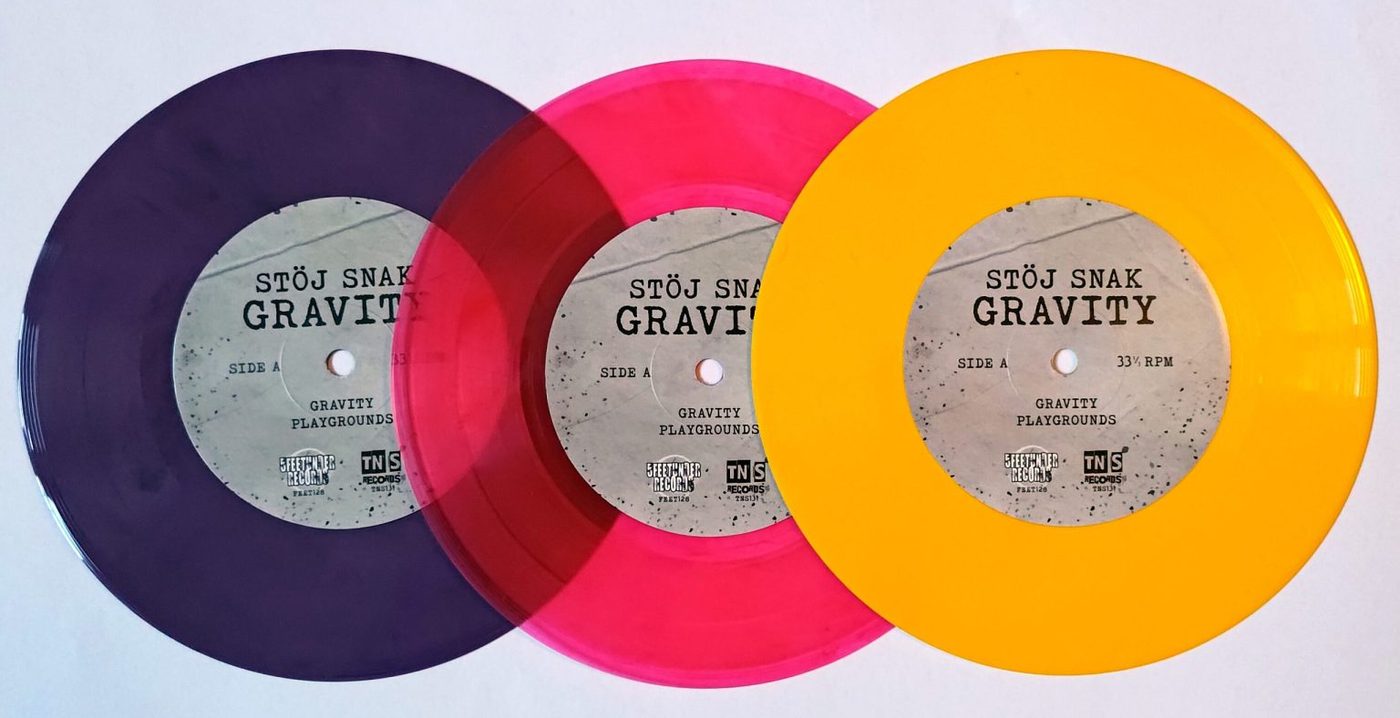
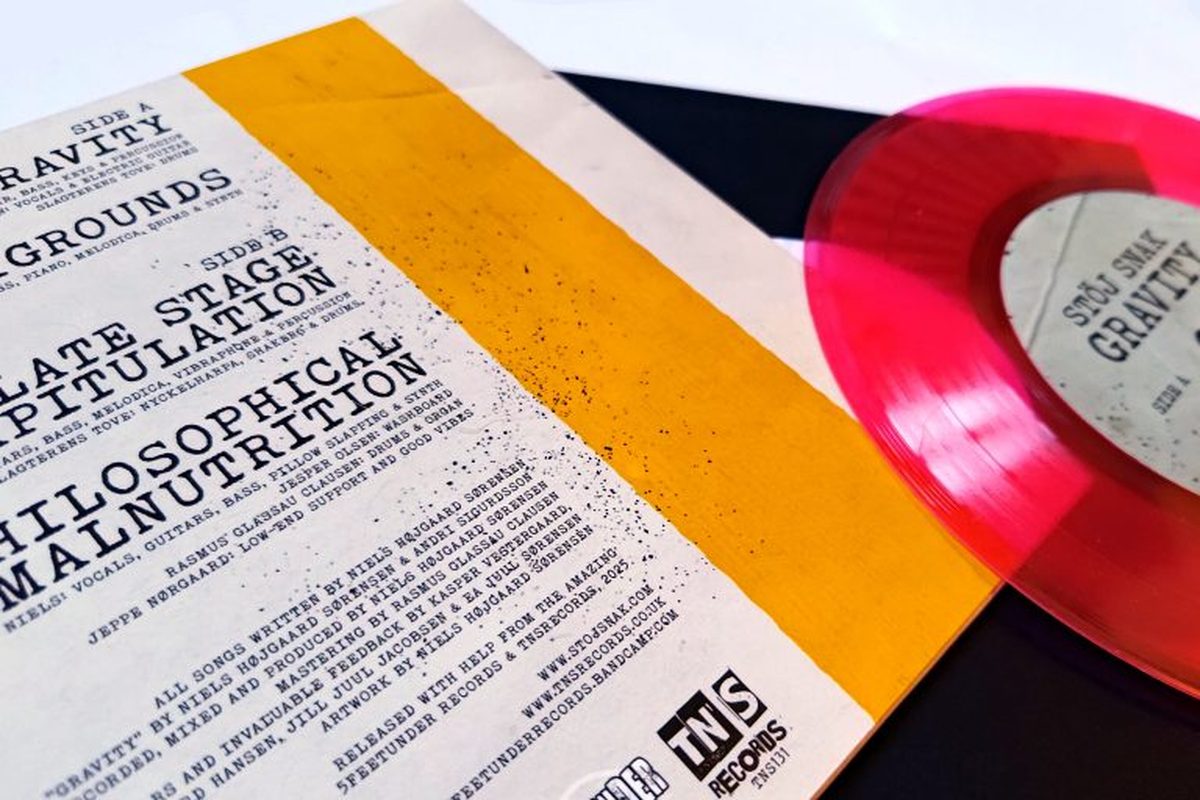
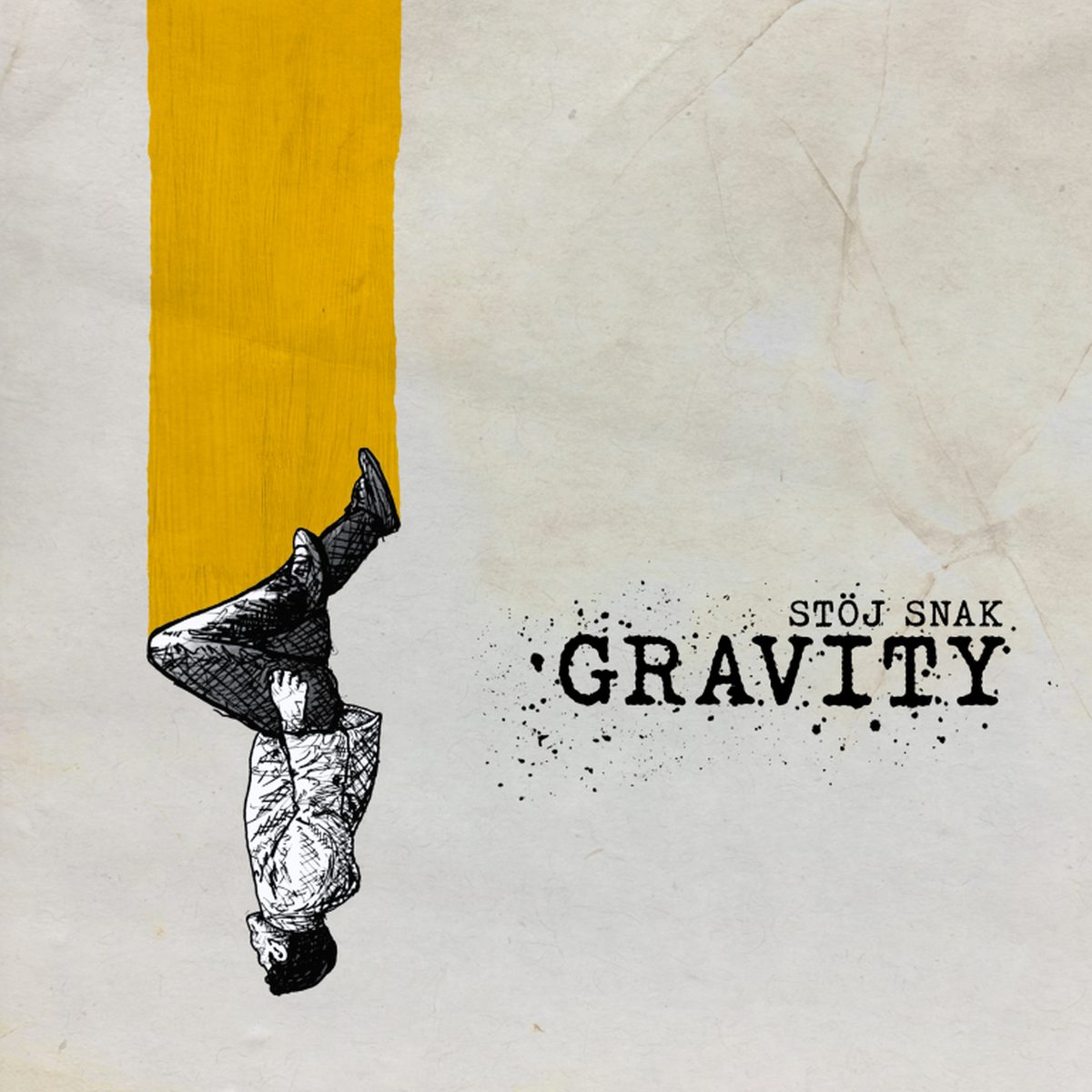
One of them has even had a large Stöj Snak tattoo done on his leg. For “Gravity“, Niels asked TNS to join 5FeetUnder on the vinyl release, giving the Manchester label an exclusive transparent orange pressing with black marbles. Three other versions, yellow, lilac with black marbles and transparent with red marbles, are being handled through the band and 5FeetUnder. Niels produced, recorded and mixed the songs at home and created the cover art; Rasmus Glassau Clausen mastered the EP. Kasper Vestergaard, Kasper Voldsgaard Hansen, Jill Juul Jacobsen and Ea Juul Sørensen helped by listening and offering feedback.
In recent years, Niels has found himself wondering whether the internet’s flood of ads, bots and AI-made content will send more people back to gigs. He hopes it will. “Nothing beats the feeling of standing in a crowd of real people, hearing someone perform a real song that they wrote.”
“Gravity” comes out on 28 November 2026, digitally and on 7-inch vinyl through 5FeetUnder Records and TNS Records. It can be found on Stöj Snak’s Bandcamp, with the TNS-exclusive pressing available through the label’s own shop. Niels is still looking forward to real people getting together in front of a band: “Real-time, real-life. Right here, right now!”
🔔 IDIOTEQ is ad-free, independent, and runs on one person’s time. If you want it to stay that way: DONATE via PayPal or SUPPORT via Patreon.
NEW: IDIOTEQ Explore 🗺️ Browse 15+ years of our archive by city, country, and style. Find artists on the world map or trace related sounds through the styles map.
Stay connected via Newsletter · Instagram · Facebook · X (Twitter) · Threads · Bluesky · Messenger · WhatsApp.