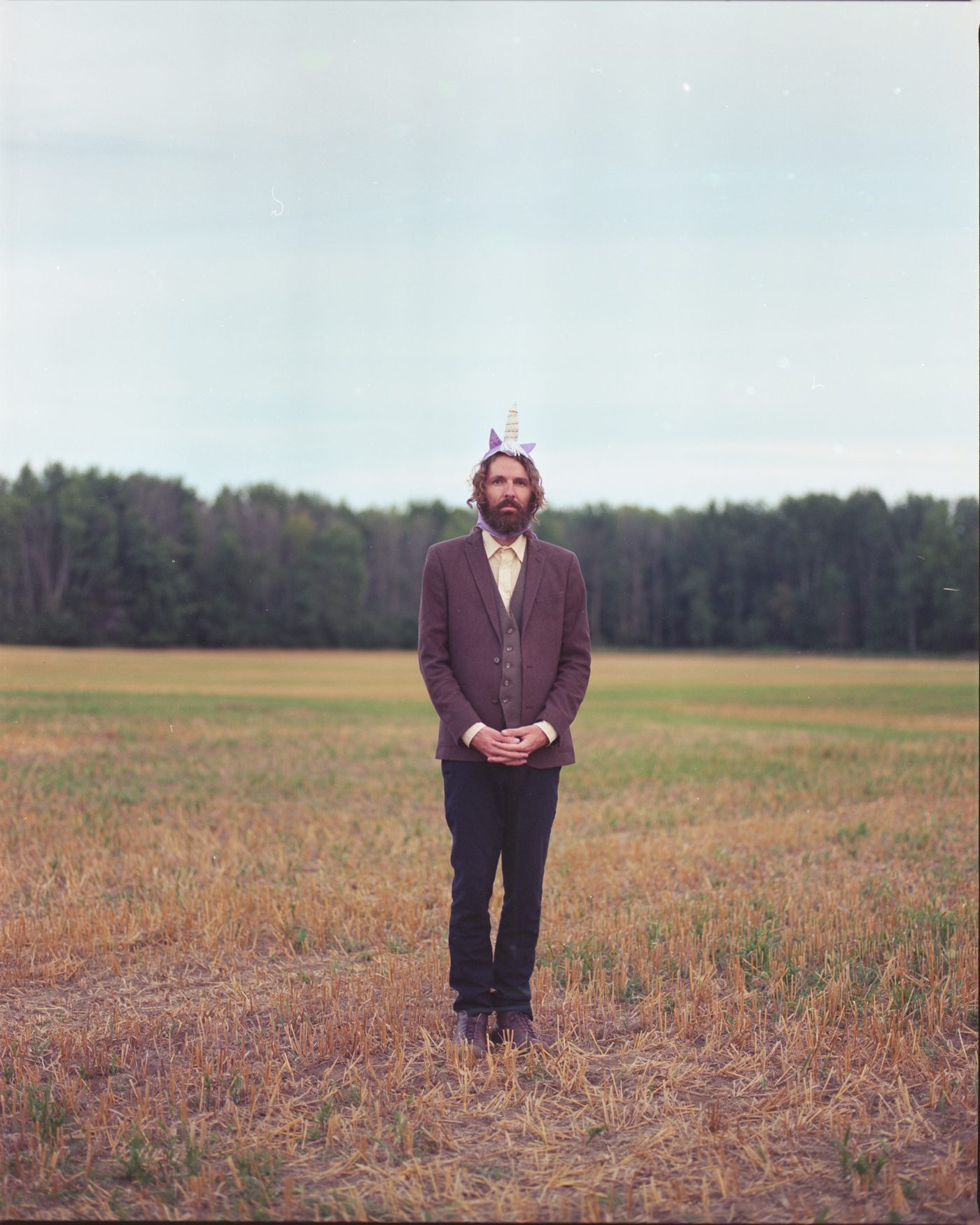

Asbury Park instrumental post-rock band Chemtrail have been playing some of the music on “Crossing the Night” for close to a decade. Other parts go back even further. Their new album brings those older compositions into a heavier, more electronic version of the band, with seven-string guitars, synthesisers, sampling and arrangements that have been taken apart and rewritten several times.
Seven years passed between 2019’s “Collider” and this record. During that time, Chemtrail lost their original drummer to cancer, went through an extended break during the pandemic, welcomed a new guitarist and dealt with several difficult events in their personal lives. There were marriages, children, new jobs and happier experiences too. All of this was happening while five friends tried to find enough time to finish the same eight instrumental songs.
The title “Crossing the Night” existed before most of those events happened. It acquired a different meaning as the years went by. The band began thinking more carefully about where their compositions should end, and whether the darker passages could reach some kind of closure.
“Ironically, we had already thought of the title “Crossing the Night” before our hardships really began, but it came to mean something much more profound as we worked through these hardships while simultaneously writing a record.”
The group have been making instrumental music together since the autumn of 2006, although the friendship between founding guitarists Michael Burke and Dan Ridenour goes back much further. They have known each other since they were around six years old and played together intermittently through their teenage years. In 2005, they began working on demos that would eventually become Chemtrail.
By 2013, when Michael spoke to Fade To Yellow, the band had already released several records and moved towards a songwriting method built around playing together in rehearsal. Somebody would start a riff, the others would join in, and the composition would take shape through the different ways they reacted to one another.
That approach has stayed with them, even as the music has changed. Earlier records such as “Youth Obsessed Death Culture” and “Your Frequencies Have Been Missed” brought heavier playing into the band’s post-rock, while “Collider” hinted at a growing interest in electronics on “Void Crawler”. The new album takes that further. Michael and bassist Cory George now play more synthesisers, drummer Randy Kovac uses electronic percussion and samples, and guitarist Jeff Speidell has brought his seven-string guitar into the arrangements.
For Jeff, who was already familiar with the group’s music before joining, the idea was to give the songs a fuller, heavier sound while keeping the melodic character that had drawn him to Chemtrail in the first place.
“I’m happy the band was receptive to the idea, because I didn’t want to necessarily play metal, however I did want to play music that had a rich depth to it without spoiling the essence of what made Chemtrail, Chemtrail.”
Wyświetl ten post na Instagramie
Randy also noticed the way Jeff played guitar. His progressive-rock influences and rhythmic style gave the band new possibilities when they returned to unfinished songs. One result was the breakdown-style riff Jeff added to the ending of “No Reflection“.
That particular song had already been around for years. At one point, Chemtrail regularly used it to warm up at rehearsal or saved it for the end of headline shows. It was a song they liked playing, but it never quite belonged on any of their albums.
There is a strange bit of history attached to it. In 2016, Chemtrail celebrated their tenth anniversary with a show that included “No Reflection”. Randy and Jeff were both there as fans. Neither had joined the band yet, although both would eventually help record the finished version ten years later.
By the summer of 2019, Chemtrail had almost completely written “Crossing the Night”, “No Reflection” and “We Are Waiting For Your Images”. Cory remembers that the latter two were already being performed at the “Collider” release show. The band had also recorded early versions of the title track and “No Reflection” during the previous album’s sessions.
Wyświetl ten post na Instagramie
Dan had been carrying some of the riffs for “Crossing the Night” around since 2012. He remembers coming up with them during an afternoon of playing guitar without any specific plan.
“We all have a lot of riffs in our heads, it just takes time to get to them in the real world.”
The recordings made during the “Collider” sessions were intended for a two-song EP. Adding them to that album would have made the record too long, and Chemtrail felt that the compositions belonged somewhere else. The band wanted to release them shortly afterwards as a set of B-sides.
Good Fight Music, who had released “Collider“, were interested in giving the songs more time and a proper promotional plan. The full-length was still relatively new, and the label felt that a quick follow-up would be difficult to support.
Dan later clarified that there was no dispute with Good Fight. Everybody was trying to work out what made sense for the release, and the pandemic eventually put the whole discussion on hold.
“We wanted to just release it as a fun B-side and they wanted it to be something bigger, which is also cool. And all the while that this discussion was happening, Covid took over and the world changed so we just collectively stopped entertaining the idea all together.”
Looking back, he is glad they didn’t rush those recordings out. The band eventually rerecorded the songs, with a different line-up and several years of new ideas behind them. Dan feels that the finished versions are stronger, and the music became a starting point for the rest of “Crossing the Night”.
The album was already going through significant changes in 2019. Original drummer Chris Lukens had left Chemtrail on good terms in 2017, with Randy joining that same year. Chris wanted to make changes in his life and eventually moved to upstate New York. His departure had nothing to do with the illness that would come years later.
Randy had a very different background and playing style. He enjoyed revisiting compositions that Chris had helped develop and finding new ways to play them.
“it was really fun to build off of the ideas that Chris Lukens [original drummer] laid down and put a fresh spin on some songs that the band had already been playing for most of their career”
Chris Camano, another founding guitarist, left shortly after “Collider” came out in July 2019. The remaining members continued writing as a four-piece, with Michael taking on the synthesiser duties Camano had previously handled.
Several songs were incomplete when the pandemic arrived. “Shoes of Gold” and “[reset]” already contained parts the band wanted to keep, but both were missing large sections. They also had “Nature of the Machine”, which had begun during the period when Chemtrail were changing drummers.
By late 2019, the band were hoping to build on the momentum of “Collider”. Then rehearsals stopped, shows disappeared and the members spent almost two years unable to work together in the way they always had.
Cory remembers the uncertainty:
“We had a lot of momentum coming out of Collider in late 2019. Due to the rapid succession of events and immediately going into the pandemic, we weren’t sure at this point if reconvening was ever going to be a possibility. In the thick of things, the path forward was anything but clear.”
Dan and Randy kept writing music separately from Chemtrail during the break. Some of those ideas eventually entered the album, while most were released through their side project, Elements of Something Really Beautiful. There is also a complete song from those sessions that remains unreleased, and Dan is keen for it to come out eventually.
When Chemtrail returned to regular rehearsals, organising five people’s schedules had become harder. Jobs and families had changed during the pandemic, and the band needed time to remember sections they hadn’t played together for years. They sometimes ended up reinterpreting their own songs in the process.
Jeff joined around this period. He had been a friend of Chemtrail for a long time, having shared bills with them in his previous band and regularly watched their shows. After going through personal difficulties, he had relocated to the Asbury Park area. One evening, he happened to run into Michael, and their conversation about the band eventually led to an invitation to join.
Jeff had to learn a considerable amount of existing music. The group sent him rough recordings and encouraged him to come up with his own guitar parts. He worked on much of it at home, which became an effective way of finding his place in the new line-up.
“this was pretty much how I auditioned! The band gave me some very rough demos and said “let’s see what you can do with these!” So that method worked well and it became how I finished writing most of my parts to the existing music at the time I joined”
He also spent time learning Chris Camano’s original parts by ear. Their styles were quite different, and Jeff wanted to respect what had already been recorded. When a part didn’t suit his playing, he found another way to approach it while keeping the original song in mind.
“Because I had already known Chemtrail well since my old band frequently played shows with them, it was important to me that I honor the parts that Chris had recorded on prior albums. If something wasn’t quite “me” or the song spoke to me differently, I did my best to take care to write something tasteful and still in the spirit of serving the song”
Cory felt Jeff brought a much-needed change of energy. He came in with his own influences and wrote new riffs for sections the band had been struggling to complete. By spring 2023, Chemtrail were playing together consistently again, had announced their new line-up and were back on stage.
The biggest problem now was finishing the songs. Chemtrail had spent years writing compositions that moved from one idea to another, often ending somewhere completely different from where they began. Some of that approach survived on “Crossing the Night”, particularly in “Wolf of Second Avenue”. Other songs worked better once the band started bringing earlier motifs back near the end.
“[reset]” went through the most extensive structural changes. Cory’s bass riff originally appeared towards the end, which made the closing section less forceful than the band wanted. They tried bringing back a heavier riff that had appeared briefly in the middle, but it sounded disconnected from everything before it.
At the same time, Chemtrail had been writing another section built around a synthesiser break. They eventually realised it could become the ending to “[reset]”. Cory’s bass part moved earlier in the arrangement to connect the opening passages with the new climax. The old heavy riff disappeared entirely.
Dan remembers the moment they knew it was finished.
“We dropped the original heavy riff entirely. And once this was finished we all understood that this would become the album opener and the vibe for the whole record.”
The title also made sense after the band had spent years restarting work, relearning old songs and getting used to a new line-up. The finished composition became the opening statement for “Crossing the Night”.
“Shoes of Gold” took even longer to get right. Its final few minutes were rewritten at least three times. The first version ended abruptly. Another tried a more conventional rock ‘n’ roll ending that Dan thought sounded cheesy and didn’t suit the music.
“We then came up with an alternative, a very ‘rock and roll’ ending that was kind of cheesy and not very heartfelt. We didn’t like it.”
Wyświetl ten post na Instagramie
The band eventually intensified the main theme from the second half and brought back the opening chord progression after a sustained note. It gave the composition a sense of returning somewhere familiar, which became an idea Chemtrail used elsewhere on the album.
“No Reflection” followed a different route. The group had been playing it for around ten years without finding a record that suited it. Jeff adapted parts of Camano’s older guitar arrangement and introduced the breakdown-style riff at the end. The finished version contains contributions from several different periods of the band’s history.
“Nature of the Machine” still has a drum-machine part from its earliest version. It had originally been used because Chemtrail were between drummers, but they liked the way it worked in the song and decided to keep it after Randy joined.
The machine is a vintage unit with its own imperfections. Dan explains that it doesn’t always keep perfectly steady time, especially after the band run it through effects. They liked the results and built the rest of the percussion around it.
They are also reluctant to bring the original equipment to shows. The band already have more than enough gear to carry, and damaging an old drum machine would be an expensive problem.
“We are actually afraid to play the machine live because we don’t want it to break or develop more wear and tear. The exact recorded track is sampled and triggered by Randy when we play live.”
For Chemtrail, this kind of equipment is a serious interest. Their live set-up can include multiple guitar cabinets, very large pedalboards, four keyboards, a laptop, sampler and the drum kit. It takes time to get everything into a venue and set up. On smaller stages, they sometimes choose songs that allow them to leave some of the equipment at home.
The electronics also changed the recording process. Michael and Cory played more synthesisers than before, while Randy’s electronic drum pad gave the band access to sampled percussion and other sounds they could work into the arrangements. Dan had been going to plenty of metal shows and bringing heavier music into the studio as a reference during guitar sessions.
Jeff’s seven-string guitar added another dimension, particularly when combined with the rhythmic approach Randy had noticed in his playing. The band were interested in making the record more intense, and that was something they discussed with Charlie Berezansky when it came time to record and mix it.
Charlie, at Rival Sound Studios, recorded the drums and handled most of the mixing. Chemtrail liked his earlier work, particularly his drum editing, and wanted him to control that part of the record. Dan recorded the guitars and keyboards at his own Satori Clubhouse studio.
Working across the two studios was straightforward enough. The band could record guitars and synthesisers around their schedules, spend more time getting performances right and save money on booked studio sessions. They sent recordings back and forth until everything was ready for mixing.
Mastering was a less obvious decision. Chemtrail tried several outside engineers and received test masters, but nothing quite gave them the result they wanted. Dan had already been mastering recordings for other artists for years, so he eventually took on the job himself.
“We were trying to avoid the stigma around mastering your own music as it’s a little unorthodox, but I knew exactly what we were going for so I decided to take a stab at it myself. It is not out of my wheelhouse as I’ve been doing for years in my own studio for other artists.”
The record was also being made during some exceptionally difficult years for the people involved. Chris Lukens was diagnosed with cancer and died in 2024, while Chemtrail were still recording. The group also experienced the deaths of close relatives, and one member survived a serious car accident followed by a long recovery.
Dan was comfortable discussing Chris’s illness and passing. He wanted people to understand that Chris’s decision to leave the band in 2017 had been entirely separate from what happened later. They had remained close friends, and his death was a loss for everyone who had known him.
“Chris was our brother, in our band of best friends and every memory is cherished.”
There were positive developments during the same years. Cory welcomed two children into the world, Jeff got married, and several members found their careers going in good directions. Michael’s job took him to new places, sometimes far from home. Those experiences were part of the reason Chemtrail wanted the album to contain brighter passages alongside the heavier compositions.
“In the Interest of Time” became the clearest example. It was written entirely by the current five-piece line-up, making it the only song on “Crossing the Night” that didn’t begin in an earlier version of the band. Nicole Scorsone also contributed to the finished recording.
After several attempts to write something more uplifting in a major key, Chemtrail found the right idea through the interplay between Michael’s and Cory’s keyboards. Dan then introduced the chord progression from “Shoes of Gold”, connecting the two compositions on the album.
“And with the song placed in the middle of the record, we hope that it conveys that even when things seem dark, there is still light and hope to be found.”
For all the difficult circumstances, the members say they never seriously believed the album would remain unfinished. They had long breaks and sometimes disagreed about how to get things done, but they kept working towards the same result. They were also handling the work of releasing the record themselves, with no label or outside team taking care of promotion and organisation.
“We’ve all known eachother for a very long time and are friends in addition to being bandmates, so there’s no competition or ego at play. Ultimately we all wanted the same thing and always knew we’d rally to get it done, however long that it would take.”
When the recordings were finished, Chemtrail also wanted to make videos that would give the songs a visual identity. They worked with two different creators, and each collaboration developed in its own way.
Michael Burke had originally written a storyboard for “We Are Waiting For Your Images”. His idea involved the band running through a post-apocalyptic setting, trying to escape some kind of threat. Old television sets would appear throughout the video, broadcasting emergency messages.
Director Andy Jean Louis developed his own storyboard and combined several of Michael’s ideas with new ones. During a visit to the filming location a few weeks before the shoot, the concept changed again. The threat eventually became something living inside the televisions, capturing the characters as they tried to escape.
The location was an abandoned pharmacy in a strip mall owned by a friend’s family. Dan had heard about the empty building during an ordinary conversation. His friend thought it might make a good setting for a film, and when Chemtrail asked whether they could use it, he was happy to help.
The band had expected a fairly small production. They arrived to find Andy had assembled a much bigger team.
“When we showed up on set, we were STUNNED by what Andy’s had going on. He had a 13 person film crew there, set designers, Hollywood style lighting, costume and make-up… everything. It wasn’t just your friend with a camera and a few random lights. It was truly an experience.”
Andy had previously worked on productions for Nike, Sprite and other bands, but Chemtrail hadn’t fully appreciated what he could bring to their video. Michael, whose everyday profession includes video editing, handled the final edit. Andy was given considerable freedom during production, and the band were happy to follow the direction he took.
Dan found the experience similar to working with Charlie on the album. They had started with their own ideas, then allowed somebody else to take responsibility for parts of the process they were already capable of handling themselves.
“A lesson in letting go, sharing responsibility and trusting someone with something you already are capable of doing yourself and landing on a spectacular final product.”
The second video, “Shoes of Gold”, came from Jeff’s interest in animated visualisers. It was his favourite song on the album, and he had long imagined a character travelling through a dangerous place, encountering obstacles but eventually reaching their destination.
Jeff knew animator Mark Reynolds through his brother, who had worked with Reynolds on a documentary called “The Conspiracy”. Mark used CGI to turn Jeff’s idea into the finished visualiser.
With two videos, a new album and a twentieth anniversary to celebrate, Chemtrail returned to a place that had been part of their history for years.
Asbury Park has always been a welcoming environment for the band. Dan and Michael admit that instrumental post-rock can be difficult to fit onto some bills, especially when the songs are long and the other groups are playing more immediate punk or hardcore.
They accepted that position quite happily. Having no vocalist also meant they could play with all sorts of acts, and over twenty years they built friendships with people from different parts of the local scene.
Dan and Michael once described Chemtrail as the “redheaded step child on the bill”. Their long compositions could be a strange addition to a night of much shorter songs, but the band enjoyed playing with different people and making the most of the opportunities they were given.
Some of the venues that helped them get started have disappeared. The Saint and Brighton Bar were two of Dan’s favourites, small rooms that regularly gave local acts somewhere to play. Jeff remembers many nights there with his old bands, sharing stages with Chemtrail long before he joined them.
Asbury Lanes has survived, although it went through major renovations that changed the room. Chemtrail played there in its earlier form and continued returning after the work was completed.
On 2 October 2026, Chemtrail returned to Asbury Lanes for a show celebrating both the release of “Crossing the Night” and their twentieth anniversary. Prop House, Brackish and Afterneath joined them on the bill.
The evening brought together old friends, people who had followed the band for years and newer fans discovering the current line-up. Michael spent some time between songs talking about Chemtrail’s earlier shows at the venue and remembering what the room had looked like before the renovations.
During one of those conversations, the venue staff turned a spotlight onto the floor. They illuminated the exact spot where the original stage had stood.
It was a small gesture that brought back plenty of memories for the band. They had played on that stage years earlier, with different members and songs that were still being written. Now they were standing in the renovated room, celebrating a record that had taken seven years to finish.
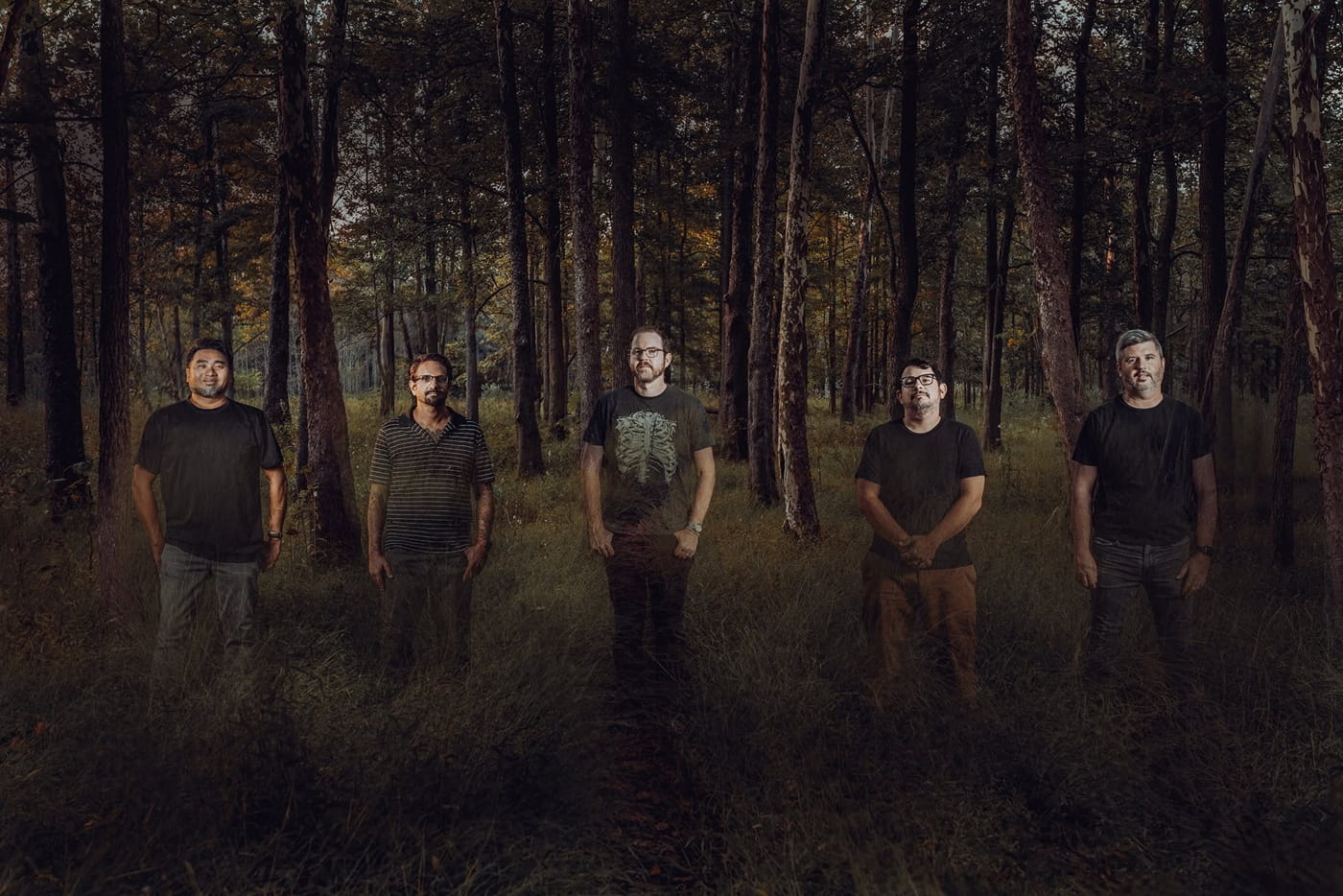
“Crossing the Night” was self-released on 2 October 2026 and is available through Chemtrail’s Bandcamp in digital and vinyl formats. Michael Burke created the album artwork and woodland band photograph, while Dan Lobacz photographed the band live.
The artist helped fund this feature by covering our production time. The writing and editorial decisions remain entirely ours.
🔔 IDIOTEQ is ad-free, independent, and runs on one person’s time. If you want it to stay that way: DONATE via PayPal or SUPPORT via Patreon.
NEW: IDIOTEQ Explore 🗺️ Browse 15+ years of our archive by city, country, and style. Find artists on the world map or trace related sounds through the styles map.
Stay connected via Newsletter · Instagram · Facebook · X (Twitter) · Threads · Bluesky · Messenger · WhatsApp.