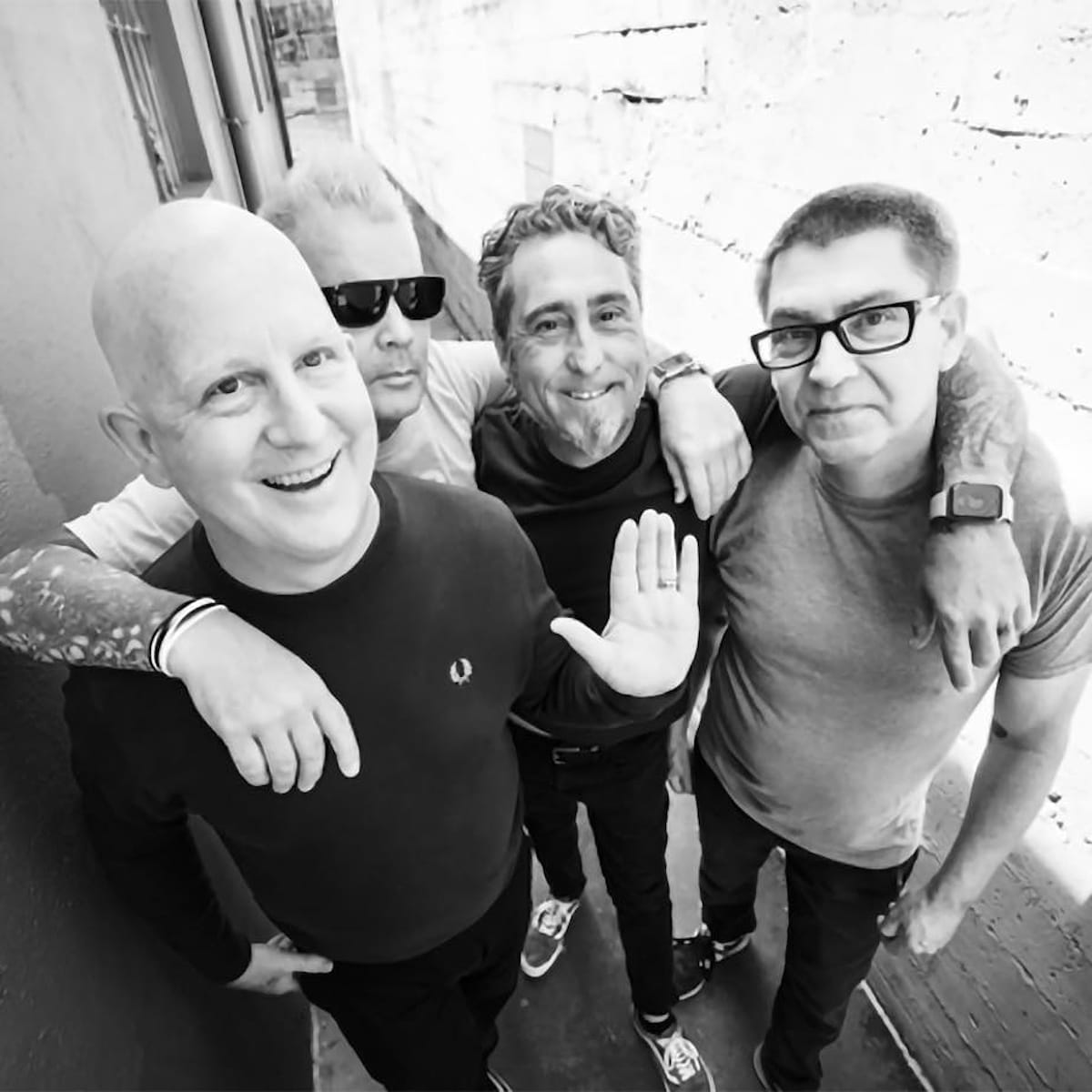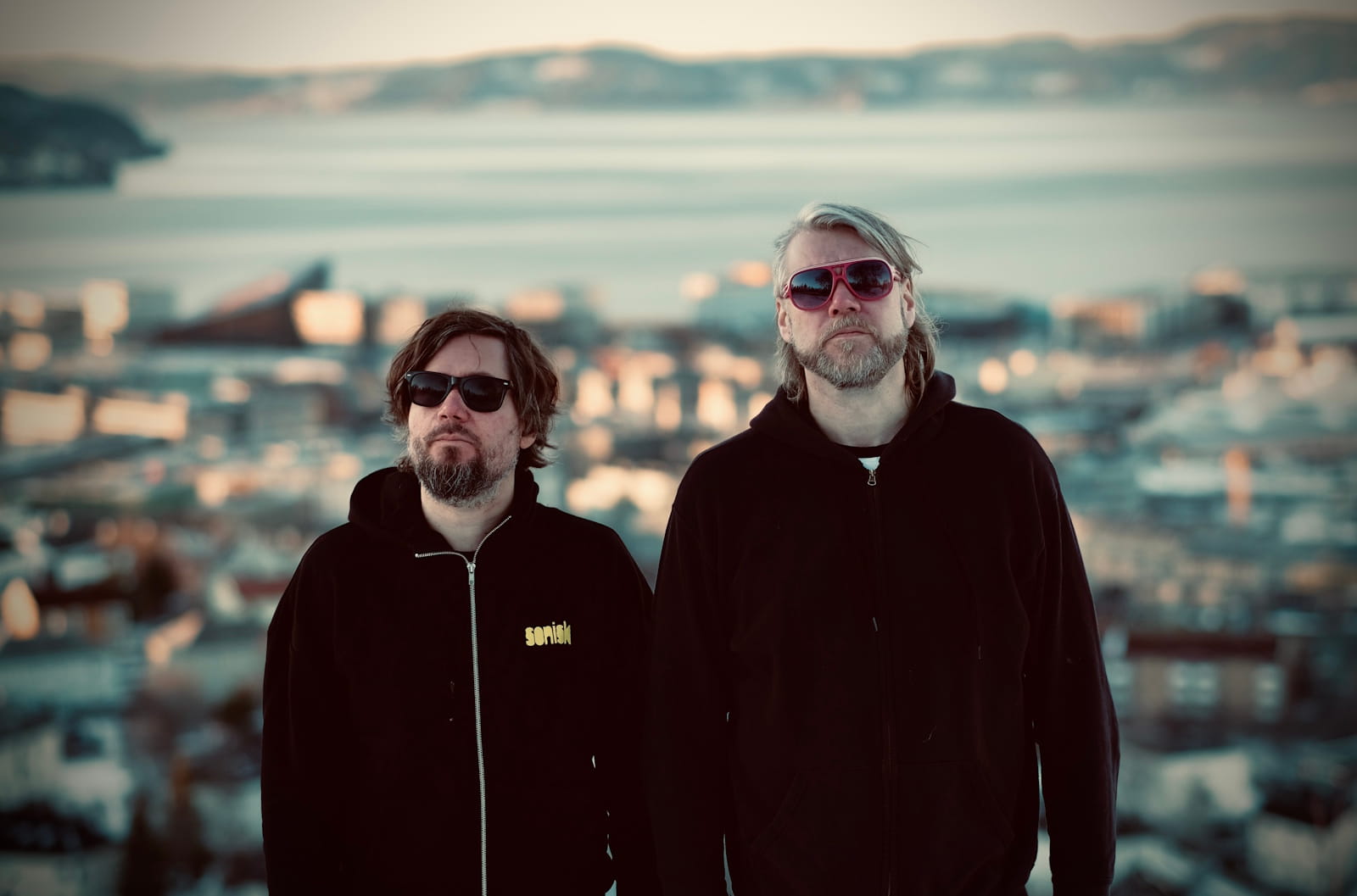


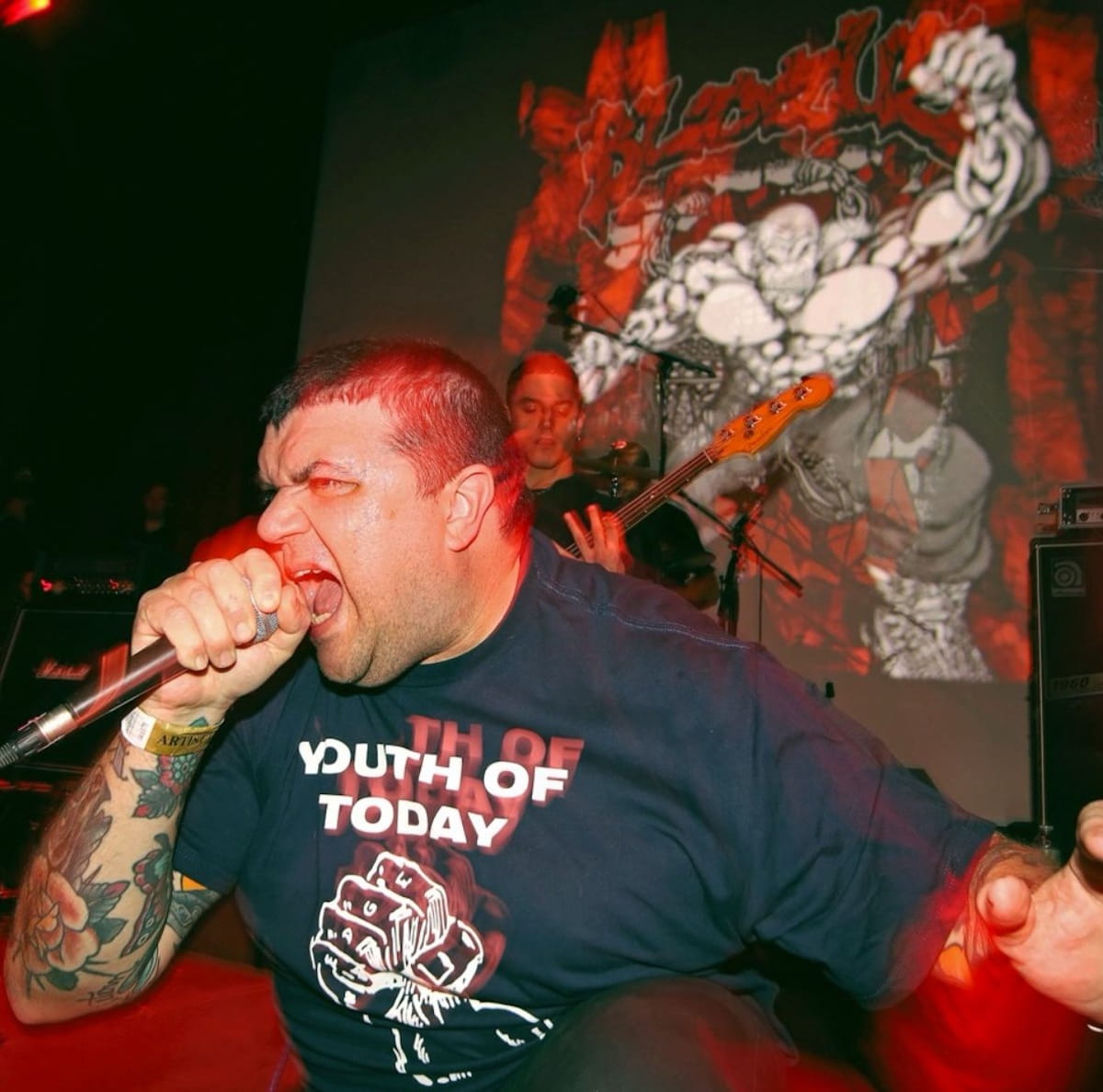
Three members of a defunct Barcelona hardcore band called Pulso, a record nobody got to hear live, a pandemic that ate two years — and somehow, out of that, five people from Colombia, Catalonia, and Venezuela decided to start something with no blueprints and no safety net. That band is Bloque, and they’re already moving faster than anyone around them expected.
Recruited from Constrict, Pulso, Mestiza, Appraise, Seerpent, Golem, Taqbir, and Third World Youth, Bloque dropped a 7-song self-titled EP backed by four labels — Bcore, Refuse Records, Conviction Records, and Cementerio Records. For a band that initially planned to just throw some songs on Bandcamp, that escalated quickly.
“We recorded in the middle of the pandemic and had the record ready but we couldn’t play any show or do anything,” one of the founding members explains about Pulso’s final stretch. “When things were back to normal, we had to relearn the songs again. Some of us got busy with life and family — and lack of interest — and we didn’t have a steady lineup. So after a while, it felt right to stop and do something new without the heritage of previous bands.”
There was no dramatic break-up, no big falling out. More of a slow fade. “Don’t get us wrong, we still did some stuff to be proud of. The LP, I think it’s very decent, actually I like it a lot. We played all around Spain and a couple shows in Germany. I would have liked to do more but that was the vibe towards the end.”
So they killed it. And from the start, Bloque operated under one principle: no frames.
That phrase keeps coming back in conversation, and it’s worth unpacking because it’s not just about sound. “Right now, no one will say that it will ‘resound’ louder. Everything is nice, super nice but sterile,” he says. “When I listen to a band, I want them to provoke a reaction on me. I need them to impact. Unluckily, everything is very framed — there are aspects, topics you can’t touch, or you have to behave in a certain way because you don’t want to make anyone uncomfortable.”
He’s quick to clarify this isn’t about provocation for its own sake. “I don’t want to make anyone uncomfortable, but I can’t write topics without meaning, or not going deep. In this world, there are many things that are wrong — as well as good ones — but what’s the point of not pointing them out to fix it? Most of the time, there is a selfishness behind it but no one wants to accept it. Even if you are not affected, those things are still fucked up.”
He’s talking about real life, not social media posturing. “I am talking about acting in real life, not behind a screen, when it comes to machismo, racism, transphobia, working class and immigrants’ rights, tolerating attitudes that you shouldn’t because you don’t want to have a conflict.”
On the musical side, the freedom was always there. “We will do whatever we like and we have fun with it. All in all, it was very nice to set up the rule of ‘no rules’ — it gave us a new perspective where everything feels fresh and honest. What else can you ask for?”
What makes Bloque land differently from the usual “new hardcore band with ex-members of” story is partly the chemistry. Eric, Raúl, and Gabi go way back. But the addition of Jerson and Luis changed things in a way that none of them fully anticipated. “People you don’t know that long but they are part of your life. It felt so right to get closer. I personally have the feeling I know them for so long but actually it’s not. I am very glad of our friendship. Plus, they brought their own energy making everything very, very cool.”
And then things just started happening. La Diferencia DIY from Madrid asked to do a short run of demos. Firestomp Records from Japan did the same — “it might be nothing to other people, but to us having our demo released in Japan is soooooo awesome and unexpected,” he laughs. Then several labels decided the songs were solid enough for a 7-inch, and suddenly a band that was thinking demo tapes had proper vinyl in multiple countries.
Shows are stacking up through summer. They had to turn down a trip to Scandinavia due to work schedules, but that’s a matter of when, not if. This summer brings a weekend tour with Shelter — “I would have never said that I would have the chance to do something like this” — with plans for South America in fall 2026 and Europe in early 2027. There’s another 7-inch being recorded, plus a split with a band they’re keeping under wraps for now.
Wyświetl ten post na Instagramie
A song called “Doblegado al Suelo” sits at the center of what Bloque is actually about, more than any political statement or scene commentary. It took months to write, and it’s probably the most uncomfortable thing the vocalist has put down.
“It’s a bit abstract because I didn’t want to fall into sensationalism, but it goes deep on a time where I was growing with not much support — or better said, not the support I needed. That affected how I was, and it took me years to understand that anger was coming from there.” He pauses. “I had to do a lot of work to overcome all of that — well, I am still working on that — but fixing that part of me, I am fixing somehow the ones around me. So yeah, it’s real, it’s not cliché. Unluckily it was real, but I turned upside down things.”
That realness is what separates bands who list the things they oppose from bands who make you actually feel it. Bloque’s members carry different realities — Colombian, Catalan, Venezuelan — and the writing comes from long conversations between them, not from a checklist of what hardcore is supposed to address. “We react to what happens in our life, our jobs, at home, family, friends, this crazy world. We won’t write a song because it’s what you are supposed to sing about — that’s bullshit, and when you see this live you can realize it’s fake.”
“The anger sticks because it’s real and it’s mandatory to relocate it in a positive way. Use that energy for something worth it.”
Wyświetl ten post na Instagramie
Barcelona, as a scene, gets a complicated read from the band. The sense of community that once held things together feels thinner now. “It feels cold sometimes. Before, it had a sense of community. It seems lost sometimes nowadays. It’s hard to get people involved, excited about hardcore without big names.” Covid accelerated a broader drift toward individualism, they say, but they’re not interested in sitting around complaining about it. “We are more likely to do something to change what we don’t like. So that’s what we are doing.”
The physical spaces are disappearing, too. Squats and community centers are struggling, and with them, the rooms that hardcore actually belongs in — small, no fences, no barriers. “The City Council will deny this, but they will just do two or three acts a year and say they support culture. But that’s monopolizing and monetizing through huge festivals in a very cruel way. Small venues are struggling, some have already closed, and I am afraid more will end up the same way.”
About a month before this conversation, Bloque played a benefit show for Meteoro, a small Barcelona venue with a 100-person capacity, teetering near bankruptcy from City Council fines — mostly, the band says, because people talk in front of the venue. On top of that, the venue has been asked to return government aid from the lockdown period. “In contrast, you can find the City Council overpaying artists, companies, festivals in a very crazy way. So real promoters, DIY projects, and who really maintains the culture alive are struggling harder and harder.”
It’s not a uniquely Barcelona problem, and anyone running a small space in any mid-to-large European city right now would probably recognize the pattern.
For Bloque, hardcore belongs in those rooms. No stage barriers, direct interaction whether you’re playing or watching. That’s the vision. And if the infrastructure keeps eroding, they’ll keep building it show by show.
Asked about who else is carrying that energy right now, the response comes fast and without much filtering. From Barcelona alone: L’irreal Omega, Verdugo, Fck My Life, Enyor, Nul, Enuig, Machete Law, Mestiza, Bait, Belgrado, Flamsteed, Dark Side of Soul, Udol, Ayucaba. Across the rest of Spain: Worth It, Bajo Control, Fractura, Derradeiro Nível. And worldwide, a new favorite: Brave Out from Japan.
“Just to make it clear — hardcore and punk is really alive. No doubt about it.”
Bloque’s “S/T” is out now on Refuse Records, Bcore, Conviction Records, and Cementerio Records.