


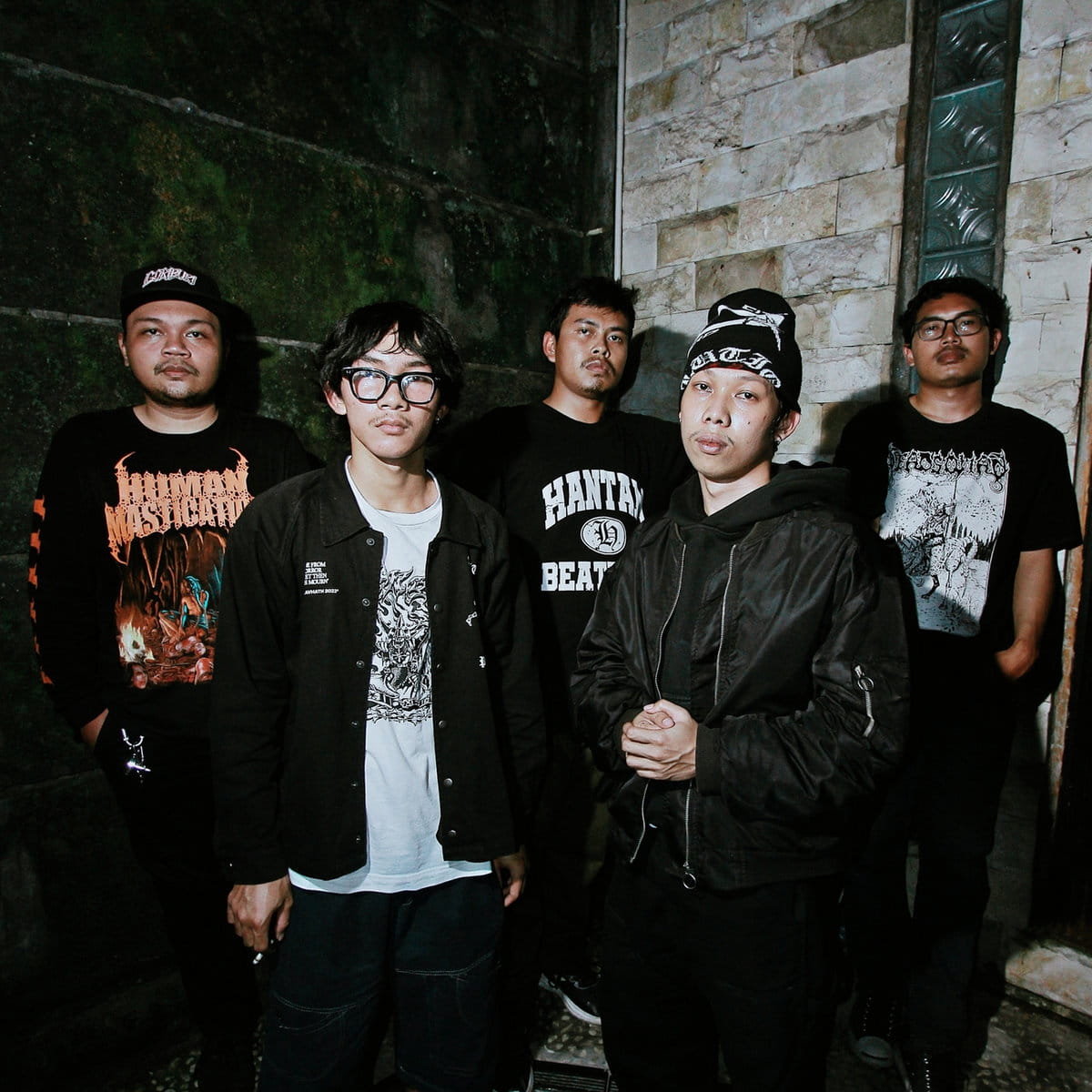
When WOLFBREATH went quiet, it wasn’t a disappearance you were meant to miss week by week. The band from Magelang stepped back for a full year, intentionally, calling it a hiatus but treating it more like a reset. Internal evaluation. Clearing noise. Relearning how to move together. Their return arrives through “Climb The Ravine”, a massive single that strikes back as a proof that something fundamental has shifted.
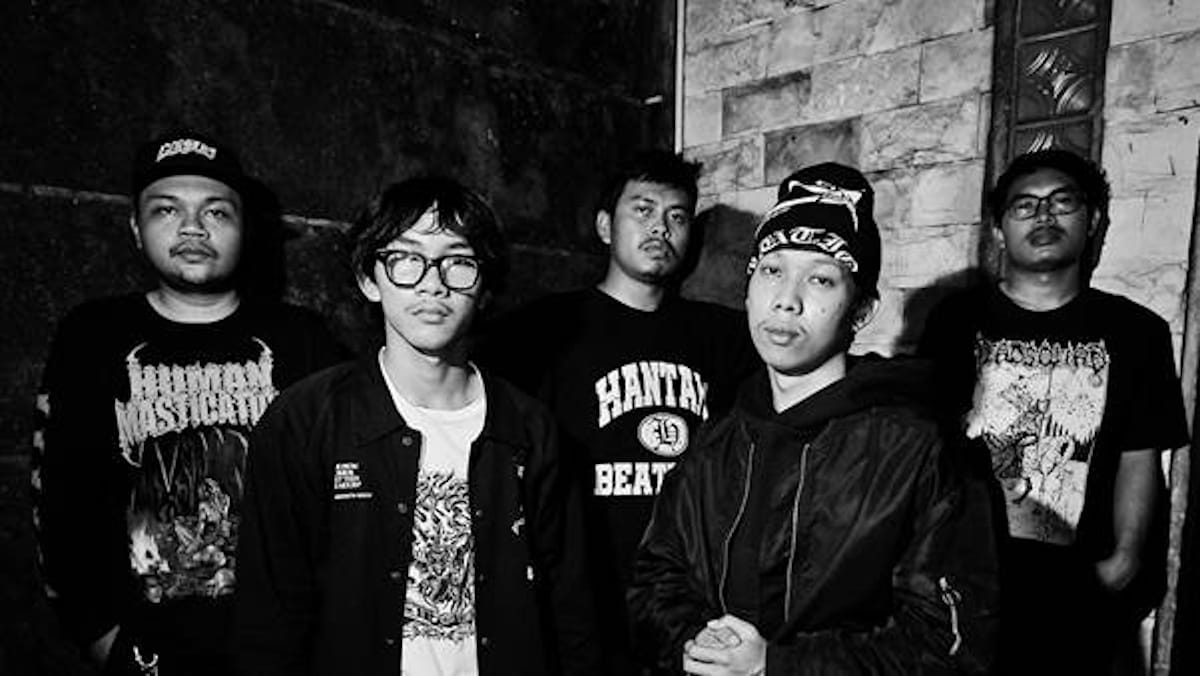
Wolfbreath didn’t come back unchanged. The most visible difference is in the lineup. Asa joins on guitar, Falax steps in on drums, completing the formation with Skak, Petrus, and Fikri. It’s not presented as a rescue or a replacement story.
View this post on Instagram
The band describe it more practically: new riffs, new drum patterns, a different internal chemistry. The result, by their own words, is a sound that feels more “ferocious” and denser than before. Not louder for effect, but heavier in how it carries weight.
That shift feeds directly into what “Climb The Ravine” is about.
Lyrically, the song is positioned as space — a place for Skak to unload something real rather than dress it up. Depression is not treated as a dramatic concept here, but as a maze: directionless, repetitive, exhausting.
The band point to that feeling of being stuck without knowing which way is out, circling the same thoughts with no clear exit.
There’s also adulthood pressing in on the song from all sides. Not nostalgia, not regret — more the anxiety that arrives once life stops feeling provisional.
View this post on Instagram
Responsibilities harden, choices start to matter longer than a season, and the future loses its safety net. “Climb The Ravine” acknowledges the weight and lets it sit there. The band are clear about that: this is not fantasy, not metaphor for show. It’s a “brutal tribute” to internal darkness that already exists.

Structurally, the single isn’t meant to stand alone. It functions as a gateway to Wolfbreath’s second full-length album, setting both the emotional range and the bar for what follows. If the first album worked as an introduction, the next is framed as a deeper descent — further into isolation, mental pressure, and the things that don’t cleanly resolve themselves.
That intention carries into how the record is being made. The production stays in-house at Degan Idjoe Studio, with Petrus handling mixing and mastering himself.
The band describe this as a way to keep the vision intact — to deliver the record’s “grim” tone without outside distortion or softening. Less interpretation, more direct transmission.

“Climb The Ravine” sits in the middle of the climb — documenting the pressure, the recalibration, and the point where the band decide to keep moving, even if the path is narrow and uneven.


