

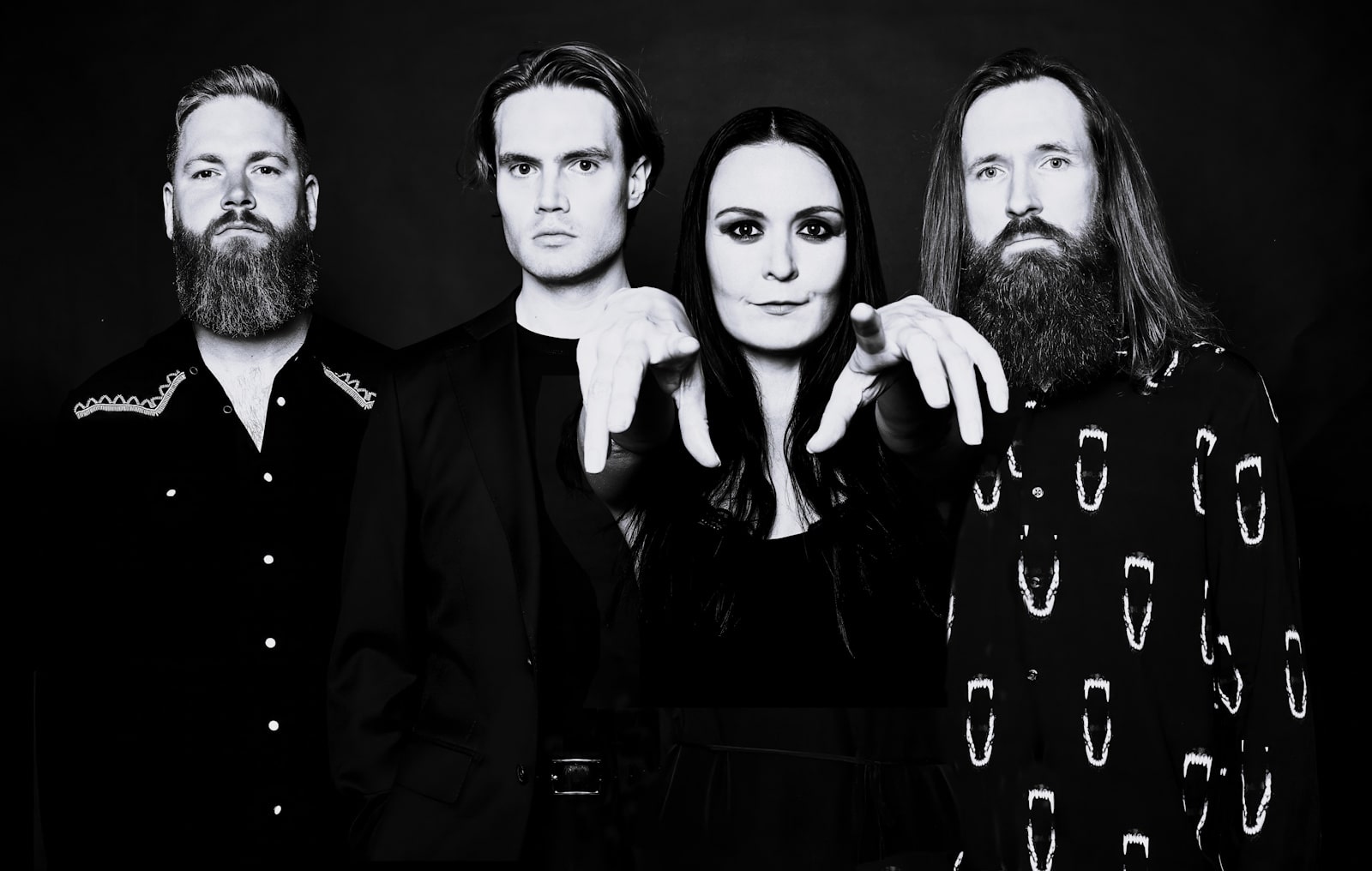
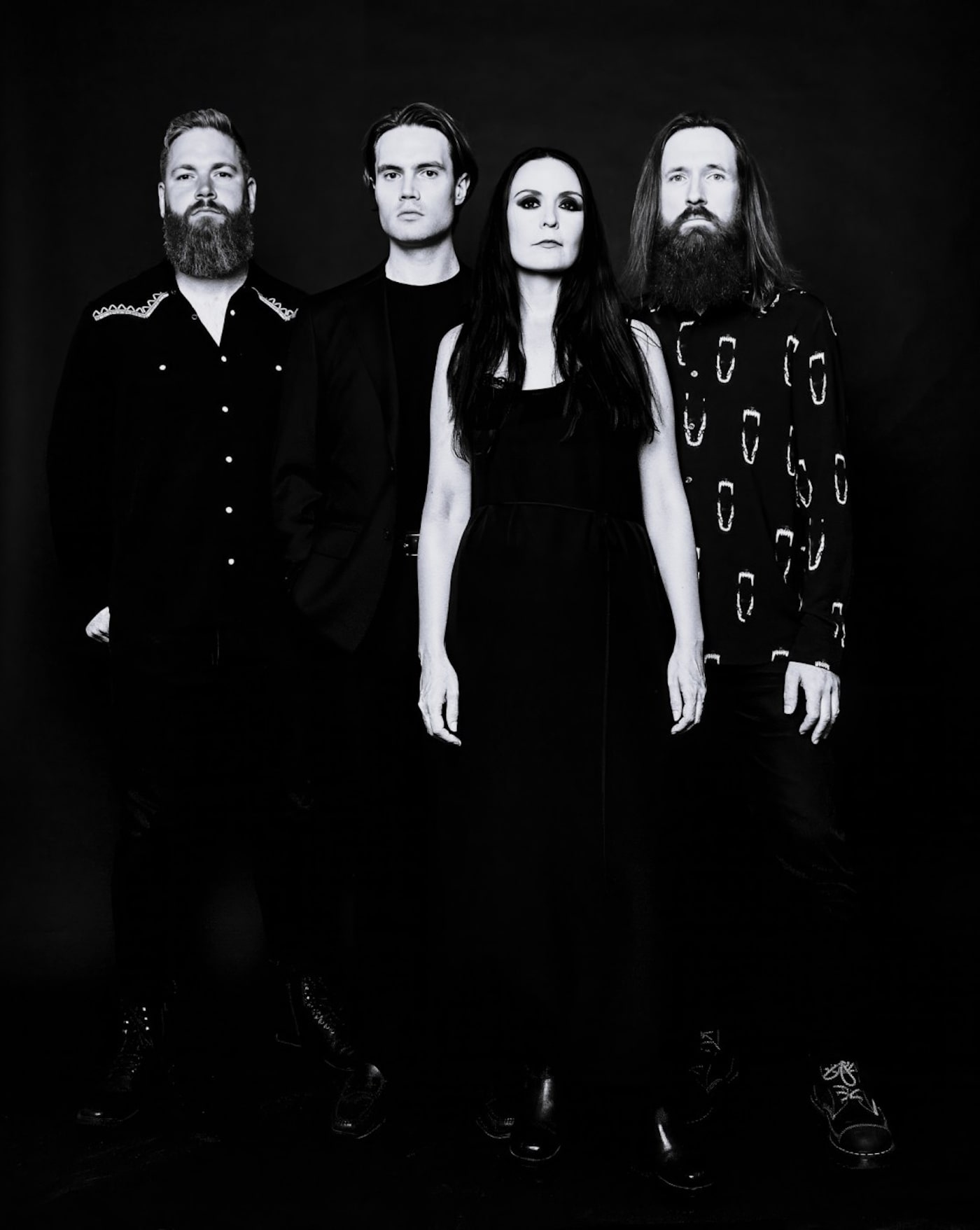
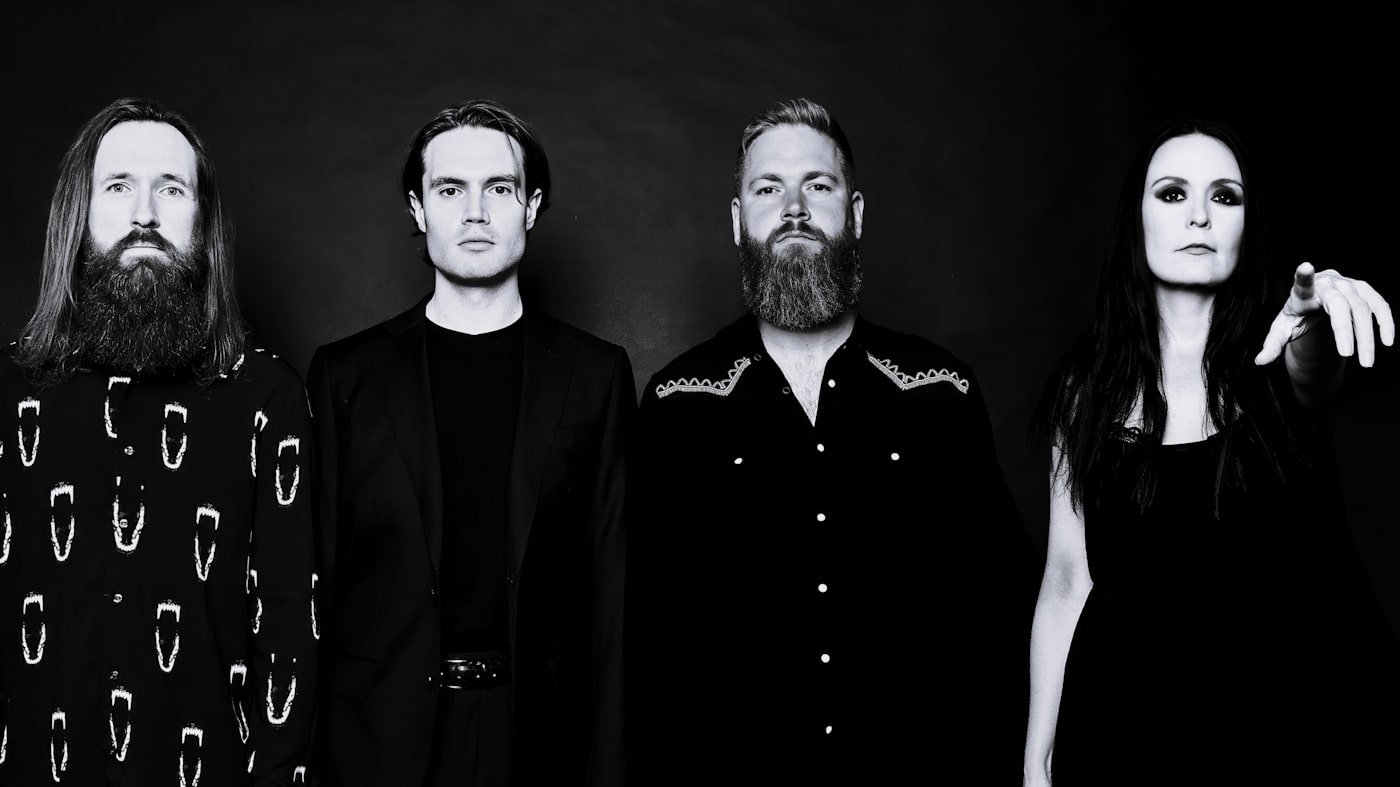
Wounds, by London’s Cold in Berlin marks their first record in six years, and it arrives with the same gravity that has followed them since their early East London days—post-punk, goth, doom, and krautrock channelled into something sharp, heavy, and quietly volatile. Maya’s voice leads the charge again, fierce without theatrics, sitting inside arrangements that bend between cold-wave unease and the slow crush of post-metal.
The band frame “Wounds” as a record about how people live with the marks left on them. Maya puts it plainly: “‘Wounds’ is a series of songs about the different ways people live with and process ‘the wounds’ of their lives… the loss and joy of survival – the celebration of finding others like us, the gift of knowing life comes after fire.”
That sentiment threads through the album without softening it. This offering stays grounded, looking at pain as something that shapes people rather than something that grants mystique.
We caught up with the band for a full track by track analysis for this album and you can check it out below.
Taken as a whole, the album circles a few recurring themes—survival, the tension between longing and danger, the way harm travels through relationships, and the blurry edges between love, obsession, and self-preservation.
There are stories of unreturned affection that turn violent; songs about wounds that shadow the future; moments where conscience and temptation fight for the wheel; visions of destructive love that feels like a kingdom of two; and reflections on addiction, grief, and the pull of dark comfort.
Maya’s descriptions often invite multiple readings, giving the tracks room to be emotional states rather than fixed narratives. Whether she’s talking about a wound that doesn’t heal, a dangerous affection, or the weight of grief that borders on ritual, the through-line stays the same: people carry their damage into every room they walk into, and that burden becomes part of how they choose, break, endure, and connect.
The band’s quotes sketch the internal mechanics behind this weight. Alex notes how certain songs grew from sprawling noise pieces into controlled force, or how a “doom waltz” picked up grunge edges and blaring saxophone. Lawrence talks about double-tracked drums, synth reworks, and bass lines that turned quiet sketches into heavier forms.
Maya consistently returns to the idea of wounds showing themselves—whether through the body, through memory, or through the choices characters make. Some tracks explore waiting for the dead, some step into addiction, others tangle with destructive romance or the ghost of unfinished grief. The emotional register stays dark but not theatrical—more lived-in than dramatic.
Cold in Berlin are Maya Berlin (vocals, lyrics), Adam Richardson (guitar), Lawrence Wakefield (bass), and Alex Howson (drums).
Below, you’ll find the complete track-by-track commentary from the band, offering the full story behind each piece.
Hangman’s Daughter
Maya: It’s an unrequited love song. A woman was loved but could not love in return, so she is drowned by the man who loves her. She is not lost though – she haunts the killer, and he can’t escape her.
View this post on Instagram
The title hints at the past, but actually this is a very current issue for women today – how to literally survive when they can’t love a man who has decided he only wants her.
12 Crosses
Alex: We started with the idea of a ‘doom waltz’ – like Electric Wizard going ballroom dancing. Later, following the vocal steer, it grew a more grungy edge – especially in the heavier instrumental passages. Underneath, though, there are strands of jazz woven in, some subtle and some not so subtle, like that blaring saxophone that kicks in from the first chorus.
Maya: 12 Crosses is about the wounds we carry – how they stand against the future we could have, how they come with you towards the endings, maybe they are the endings? Maybe they give us the strength to face what comes next.
Messiah Crawling
Alex: Messiah Crawling began as a sprawling 10-minute drone track, with everything circling around that guitar intro riff. That was the hook, the thing we kept coming back to. From there it just grew into this massive, charging animal of a song. The whole process was about taming it, shaping that chaos into something we could actually capture in the studio and control onstage. It still feels wild, but it’s got a pulse you can hold onto.
Maya: I knew I wanted to tell a story in “Messiah Crawling” – a woman, in trouble somehow, standing by the edge of the road. This is the man’s conscience, the voice of reason or of madness deciding what to do next. To help or to help himself.
They Reign
Lawrence: Overdubbing two drum kits over each other is a trick we started messing with in 2010, and it appears again at the end of this synth-forward ballad. We wrote this on guitar, but moving the chords to synths turned out to be the right call. We then had the synth parts reimagined and recorded for us by Berlin musician Bow Church, a long-time collaborator.
Maya: “They Reign” is a love song. That kind of dangerous love where you can destroy each other – reigning over the lost love like some strange kingdom – a place you can’t stay but you can’t seem to leave.
The Stranger
Maya: “The Stranger” is a song that is meant to allow for multiple interpretations… Perhaps it is a song about addiction – the wound that doesn’t heal. The way the focus of an addiction sings to you, searching you out, twisting and flowing through the body – whispering beneath the skin until you answer the call and find home once more. Perhaps it is a song about finding your place in the world – groups of people watching and experiencing something meaningful together – a way to heal and close old wounds. How live music can stay with you even as you are separated from it. How finding the strange songs, sang in dark places can actually bring you home to yourself.
Or perhaps it is a song about that sharp kind of love at first sight that can overwhelm, offering freedom and constraint all at once. When you are drawn to that person that you know can destroy you, but you cease to matter because they are somehow instantly your home and only resting place.
“The Stranger” can be all these things – a healer, a cage, an addiction, but it is most definitely a call into the darkness, reaching out to the listener to join us in the howl of life, to wake up the bones and the skin. Be with us in the noise and know that whatever it is that led you to us, we are grateful you are home.
View this post on Instagram
We Fall
Alex: Don’t bore us, get to the chorus isn’t a phrase repeated much in this band, but this record had the space for a 3.5 minute pop song, and we’d been sitting on an instrumental demo of this for ages. The hooks really carry it; they’re stitched together from all sorts of little influences we won’t name, because then you’d spot them instantly. Then Maya came in, nailed the lyrics right away, and suddenly the whole song just locked into place.
Maya: “We Fall” could be a song about love and what we risk to find it or it could be the fall out of love gone wrong. The way love wounds softly around the edges at first until we fall into the ending.
The Body
Alex: The oldest track on the album, we were playing a version of this live in 2021, has gone on a journey, from The Fall-esq repetition dirge to synth enhanced doom rocker that made the cut.
Maya: I think I wanted the lyrics of this song to express the way that the body can betray us, sharing our wounds almost without permission. The ending brings the sunrise and strength – the wounded standing together – everyone has experienced their own pain and their own fight for the next dawn in their own way.
I Will Wait
Lawrence: The bass groove on this one; meandering and menacing, provided solid foundations for what started out as a quieter moment on the album. Over time, it evolved into a rock monster, various metal influences abound.
Maya: The lyrics for “I Will Wait” tell the story of someone waiting for their dead loved one – calling them back, waiting and singing, praying, casting spells and refusing to leave. Grief is the heaviest wound for anyone to carry – it causes madness and deals with the spirits to end the pain.
Wicked Wounds
Alex: Spoken word has always been in this band’s DNA – even if it rarely finds its way into the studio. “Wicked Wounds” is an exception, bringing an unsettling tension to the album’s closing moment. From the beginning, the arpeggiated guitar part set it up as one of the ‘quiet’ tracks, but we’ve always believed songs should go somewhere. Inevitably, the quiet gave way to noise.
Maya: I wanted a song which blended spoken word with singing. “Wicked Wounds” gently rages against the strange way in which life can harm us – wounding us softly and making its mark in a million tiny ways.