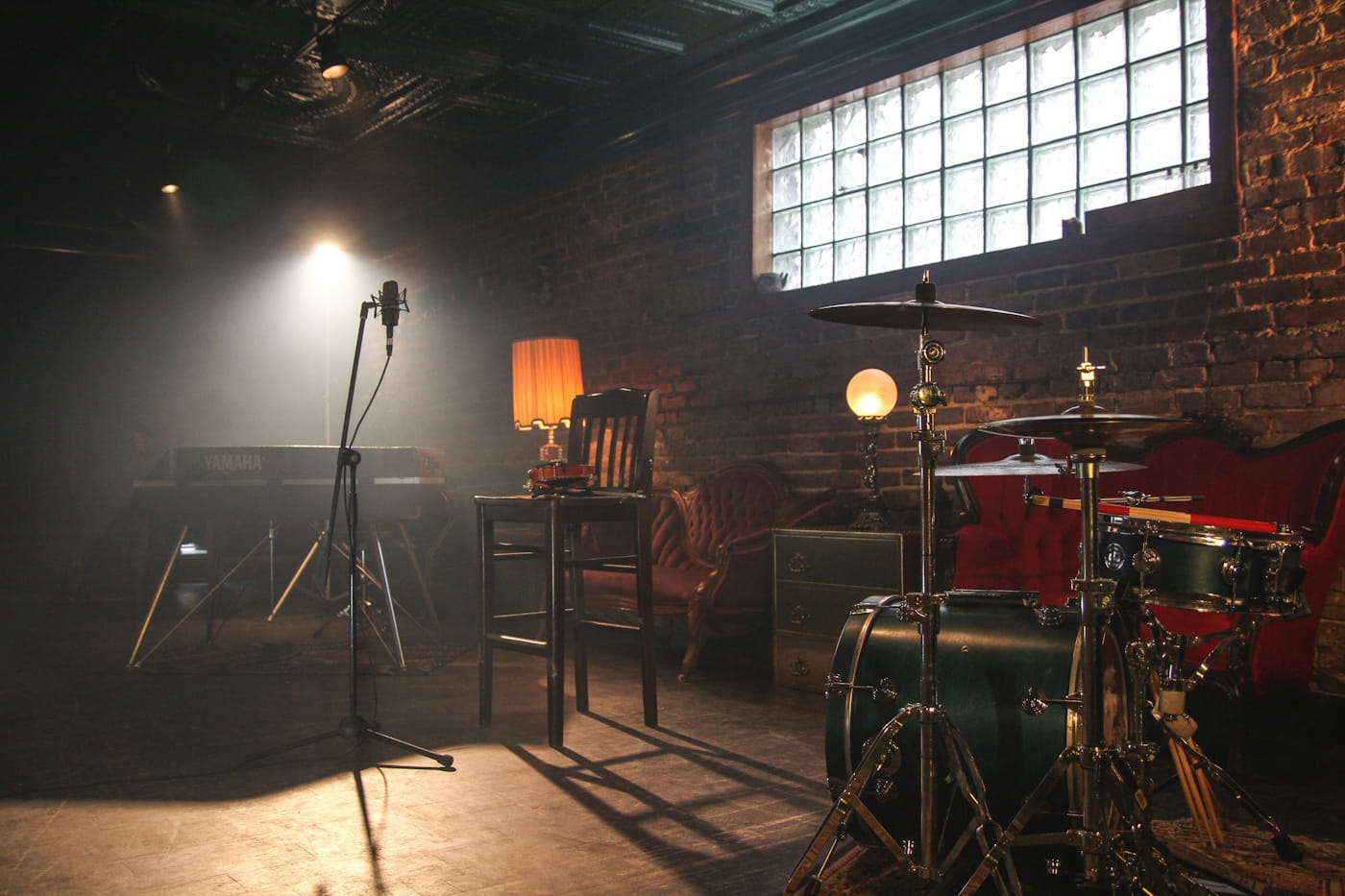



Ask anyone who has spent time making a record, and they will tell you the same thing: studio time is mostly waiting around.
While the engineer spends two hours getting the drum mics to phase-align properly, or while the guitarist tracks their twentieth layer of rhythms, the rest of the band is left sitting on a worn-out couch in the control room. It is a weird environment. You go from 100% focus and intense creative energy during a take to complete downtime five minutes later. Handling those long lulls without frying your brain before your next track is a skill every independent artist has to figure out.
Why Modern Studio Sessions Need Circuit Breakers
When you are tracking a song, your ears get fatigued fast. Listening to the same 4-bar riff on loop at high volume will make even the best mix sound like mud after a while.
Musicians used to fill that downtime by pacing around the block, smoking outside, or running to the nearest diner. Today, most artists turn to their phones to step away from the music for twenty minutes. Getting your brain out of “analysis mode” gives your ears a break and lets you come back to the desk with fresh perspective.
The mental pipeline in the studio relies on a simple three-step cycle: moving from high-intensity tracking and takes, to a low-stress mental break using casual apps, to a complete reset of your hearing before stepping back in for a fresh ear check.
The trick is finding distractions that take zero creative energy. Browsing gear forums, streaming a quick video, or playing low-stakes casual games, like checking out dynamic strategy titles in online casinos NZ during a tea break, gives you a complete mental shift without requiring heavy brainpower.
| Downtime Activity | Mental Impact | Ear Fatigue Level |
| Listening to other tracks | High | Heavy (Ears stay tired) |
| Scrolling social media feeds | Medium | Low (Can spark annoyance) |
| Casual digital gaming | Low | Zero (Ears rest completely) |
| Stepping outside for air | Zero | Zero (Best for physical reset) |
4 Easy Ways to Keep Your Energy Up in the Studio
If you want to survive a week of tracking without burning out or getting on your bandmates’ nerves, keep these simple habits in mind:
- Protect Your Ears During Downtime: Turn off the control room monitors when you are not actively tracking. Put your phone on low volume and let your hearing rest.
- Keep Food and Cash Organized: Studio days run long. Pack simple meals, bring plenty of water, and keep your personal spending separate from the band’s studio fund so nobody stresses over who paid for dinner.
- Swap Places When You Track: Don’t sit in the engineer’s chair all day if it isn’t your turn. Head to the lounge, play a casual game, or grab a book so the person tracking gets space to work.
- Set Hard Stop Times: Deciding when to call it a night stops you from doing 15 useless takes at 2:00 AM when everyone is exhausted.
Keeping Your Data and Accounts Safe on Studio Wi-Fi
Most commercial recording studios have open Wi-Fi networks shared by dozens of visiting bands, producers, and session players every week. Protecting your phone and your band’s digital files takes just a couple of simple steps:
- Use strong, unique passwords for your cloud storage accounts where raw session stems and unreleased demos live.
- Enable two-factor authentication on all personal accounts, especially if you use online wallets or entertainment apps during downtime.
- Keep your phone’s operating system updated so automatic security patches stay active while connected to public studio networks.
Stepping away from the desk between takes isn’t lazy, it’s how you protect your ears, stay sharp, and lay down better tracks when the red light turns back on.