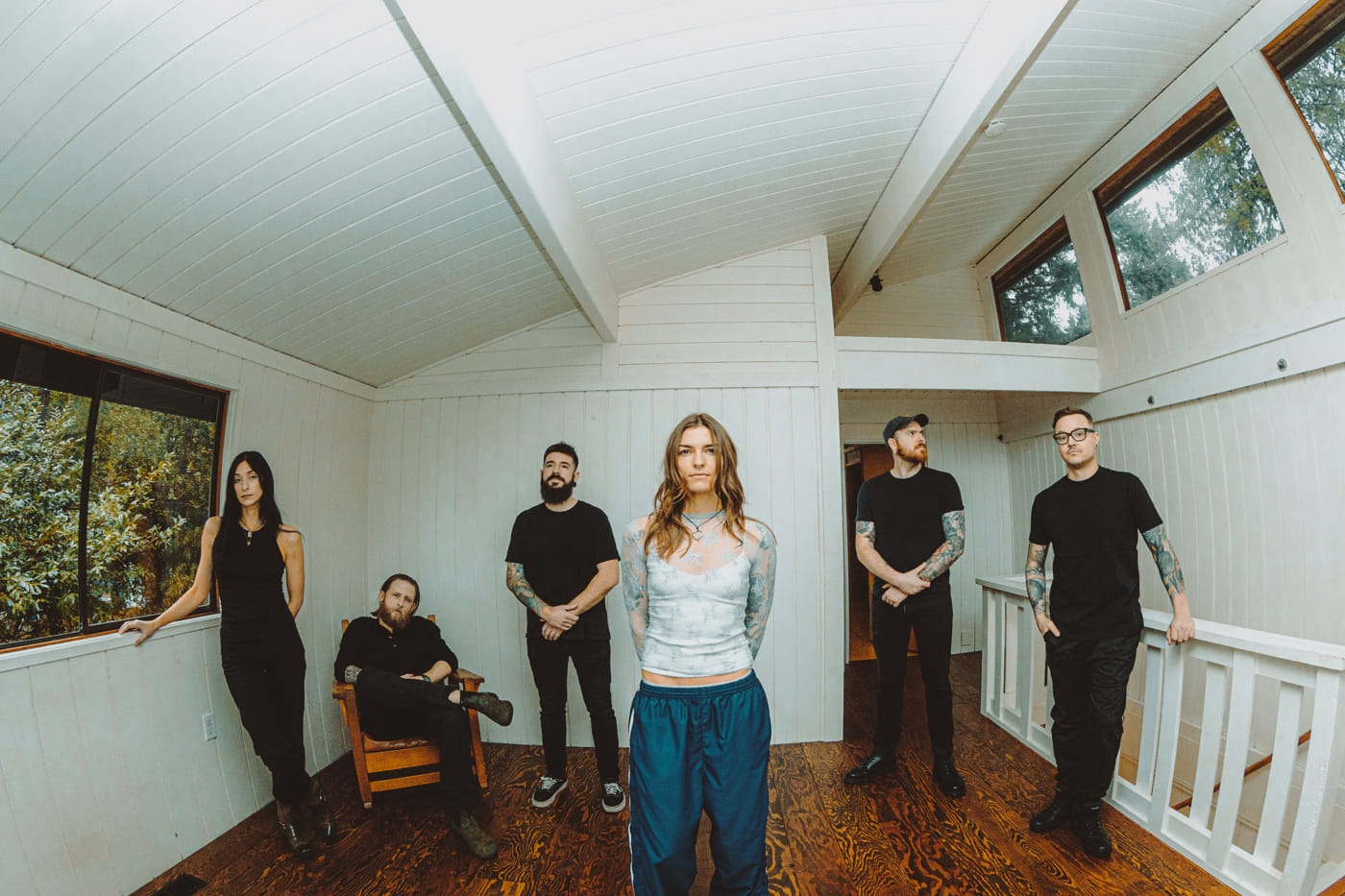


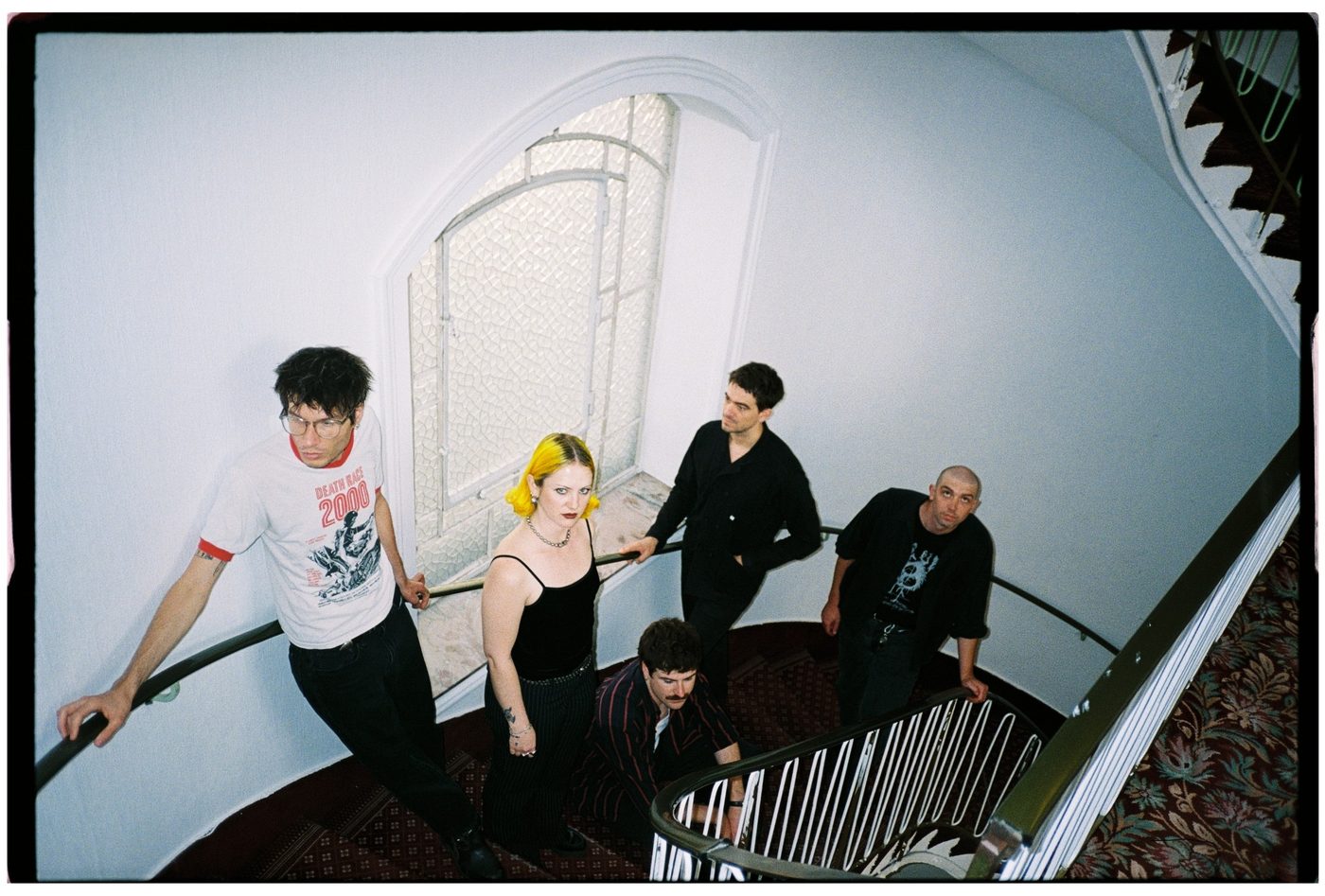
On “Gotta Run“, the dogs in the yard are biting each other, leaving scars that get passed off as birthmarks. One of them is small enough to slip under the fence and get away. US-German art-punk band SMILE put that ugly little family scene inside a fast, restless post-punk song, driven by tight drums, a rolling bassline and Rubee True Fegan’s near-spoken vocals, which grow increasingly forceful before the music gradually slows down. It’s the first single from their second album, “Gun–Shy“, and Rubee has a lot to say about what happens after somebody manages to get out.
The American-born vocalist grew up in Albuquerque, New Mexico, and now lives in Europe, where SMILE have members scattered across Amsterdam, Berlin and Cologne. Leaving the United States has changed her circumstances, and she’s found social systems in Europe that she thinks do a better job of looking after people. She also continues to experience the financial and social difficulties of being a working-class immigrant, while watching the conditions she left behind affect her family back home.
“When poor/working class people exist in a system that can only exist off their constant oppression, that oppression doesn’t get left at the doors of your work. It seeps into every corner of life, and that violence starts from birth.”
Rubee’s account of American working-class life begins with parents who have to return to their jobs soon after having children. She points to the lack of guaranteed paid maternity leave, the constant pressure to earn money and the physical toll of work that leaves people with very little energy for anyone when they finally get home. Exhaustion leads to neglect, people turn to self-medication to cope, and family members end up taking their frustration out on each other.
It’s an angry diagnosis, drawn from her own experience and the questions she’s been asking herself since leaving. The damage becomes something people learn to live with, and sometimes repeat, even when they’re trying to care for one another.
“Beaten dogs nip even at the hand that’s trying to help them.”
The dogs in “Gotta Run” have grown up together. The lyrics describe littermates biting until they scar, with the resulting wounds treated as ordinary marks of their upbringing. Someone gets punished, somebody else learns to expect it, and the cycle carries on. Rubee connects that behaviour to the way families can turn against themselves when everyone is trying to survive.
“Desperate people do desperate things and the cycle repeats. But I started to wonder: If we were taken care of, would we still hate each other so much? If we were taken care of, would escape have been so involuntary?”
She’s still working through those habits herself. The move across the Atlantic has given her some distance, although the difficulties of being poor don’t disappear when somebody finds a new country or another job.
“I’m still learning to unlearn it, and how do you unlearn it, especially if the system follows you? Poverty follows you from one job to the next, from one country to the next and we all pass around the same $20.”
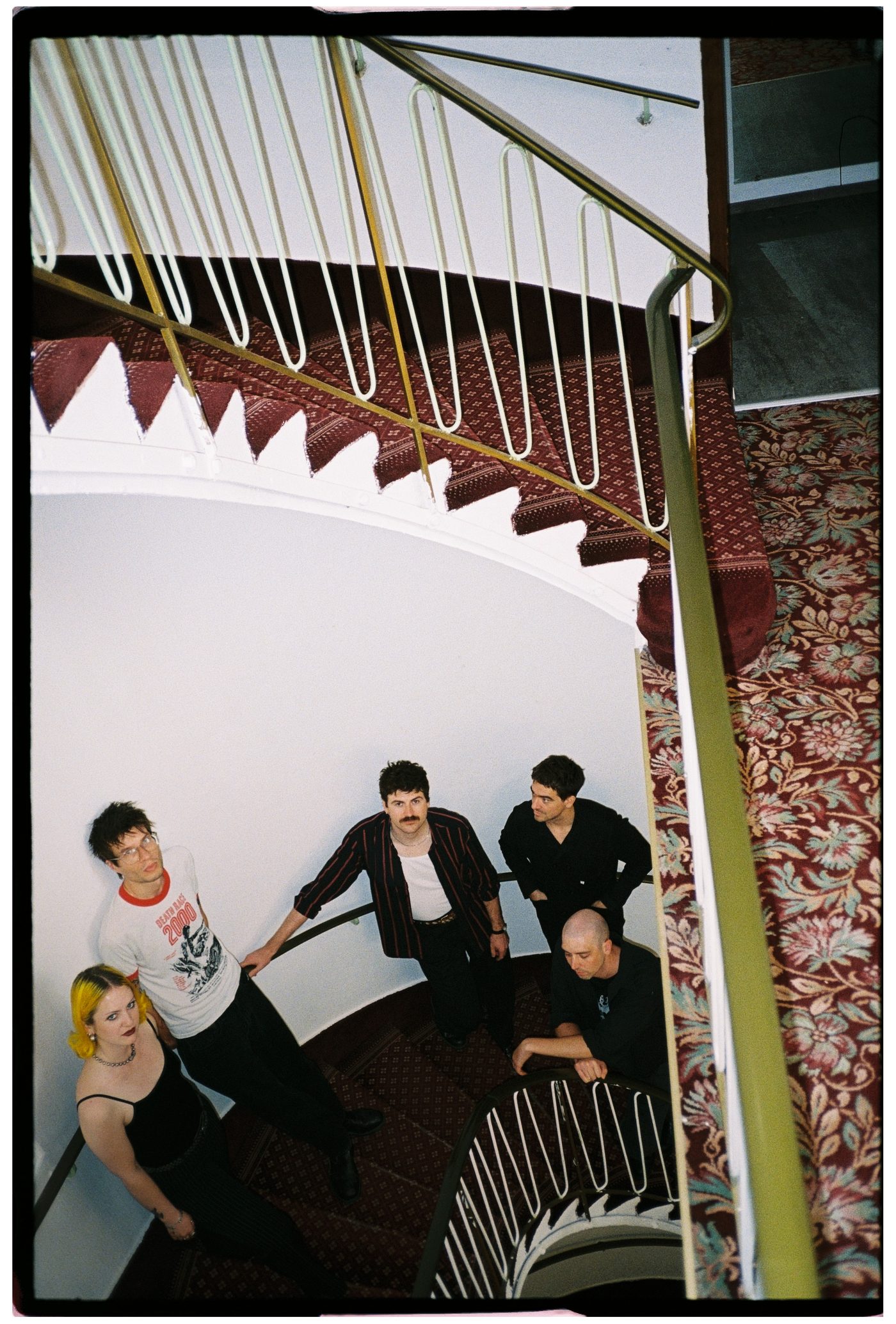
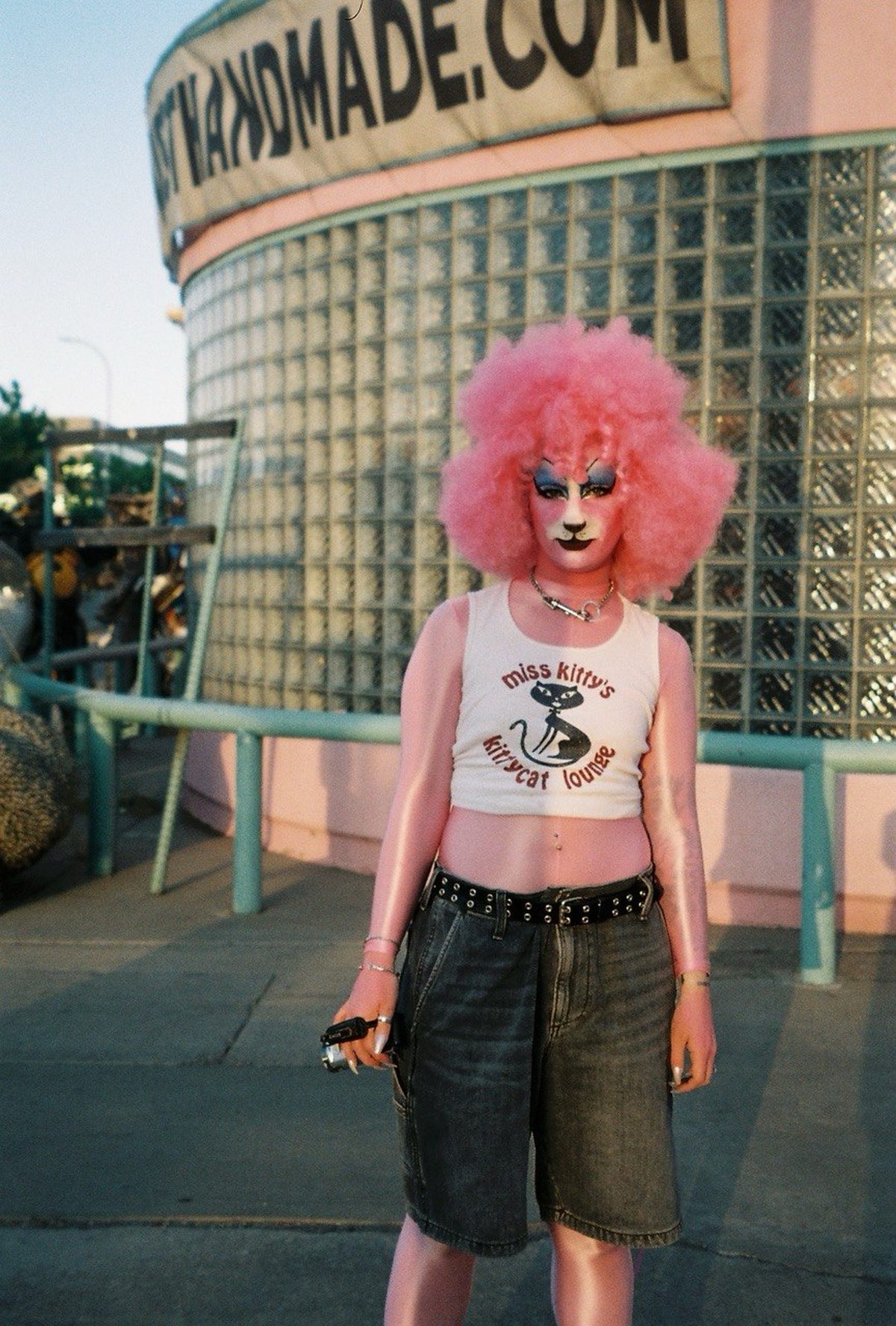
Albuquerque plays a big part in all of this. Rubee went back there to make the video for “Gotta Run”, beginning at the house where she was born and travelling through the streets she knew growing up. Those neighbourhoods carry her earliest memories, and she wanted to spend time with them again.
She wasn’t particularly interested in choosing recognisable landmarks or making a guided tour of the city. The locations came from her own life.
“As for the streets, there was no particular choice of what streets/places to include or not, they were just the streets I grew up on. With the music video starting on the house I was born in, it takes off to the streets that feel like home, streets where I have all my first memories and the memories that shaped me. I wanted the music video to be a love letter to Albuquerque and for the city to take centerstage as the main protagonist.”
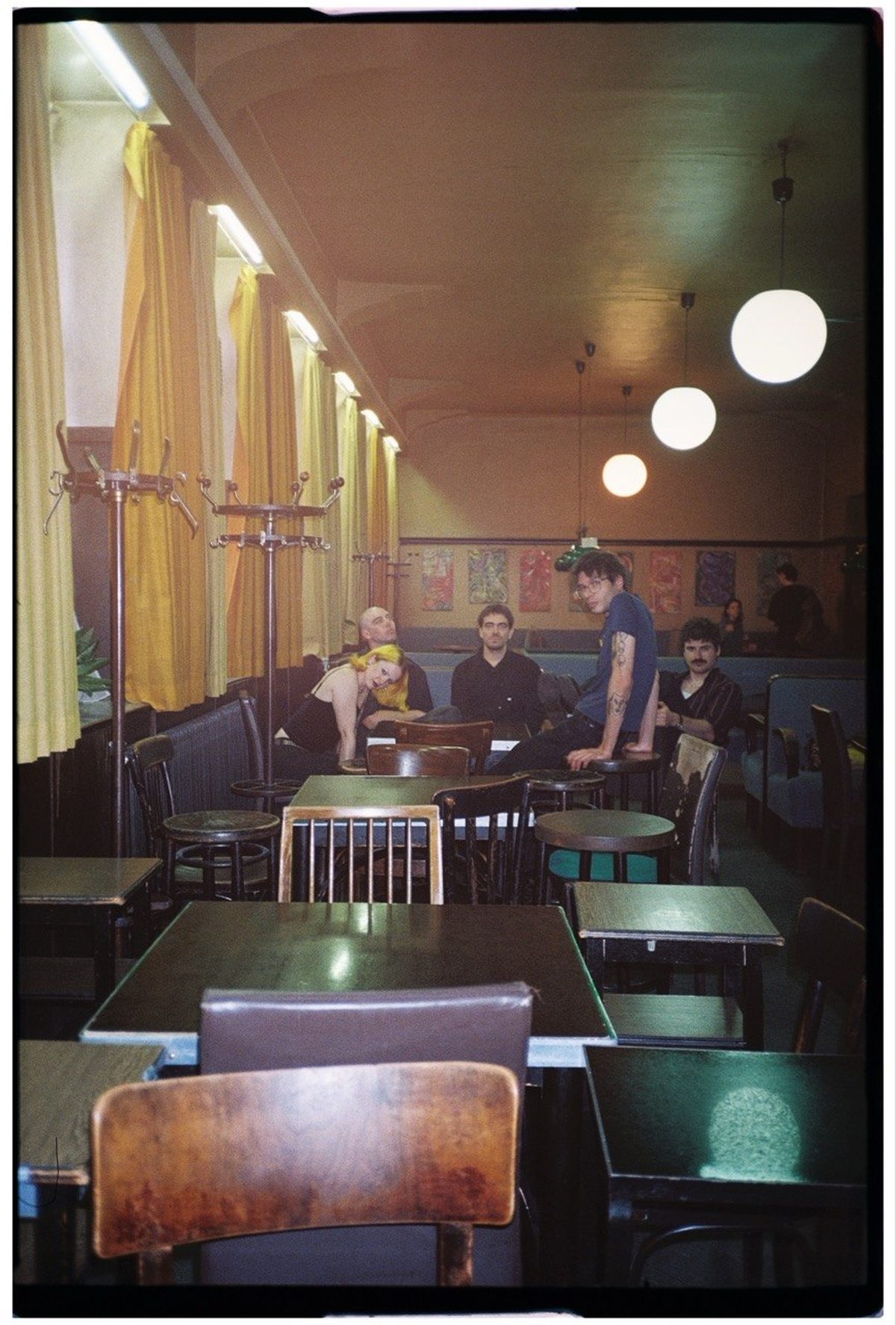
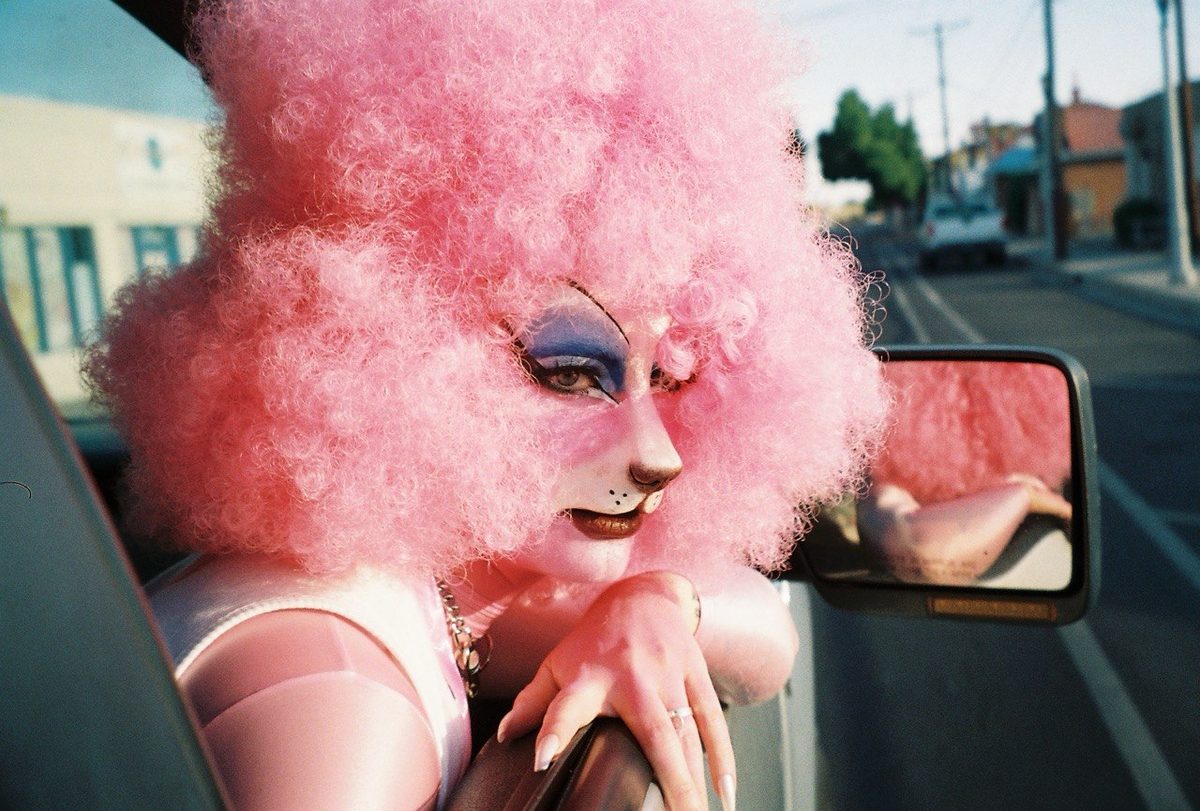
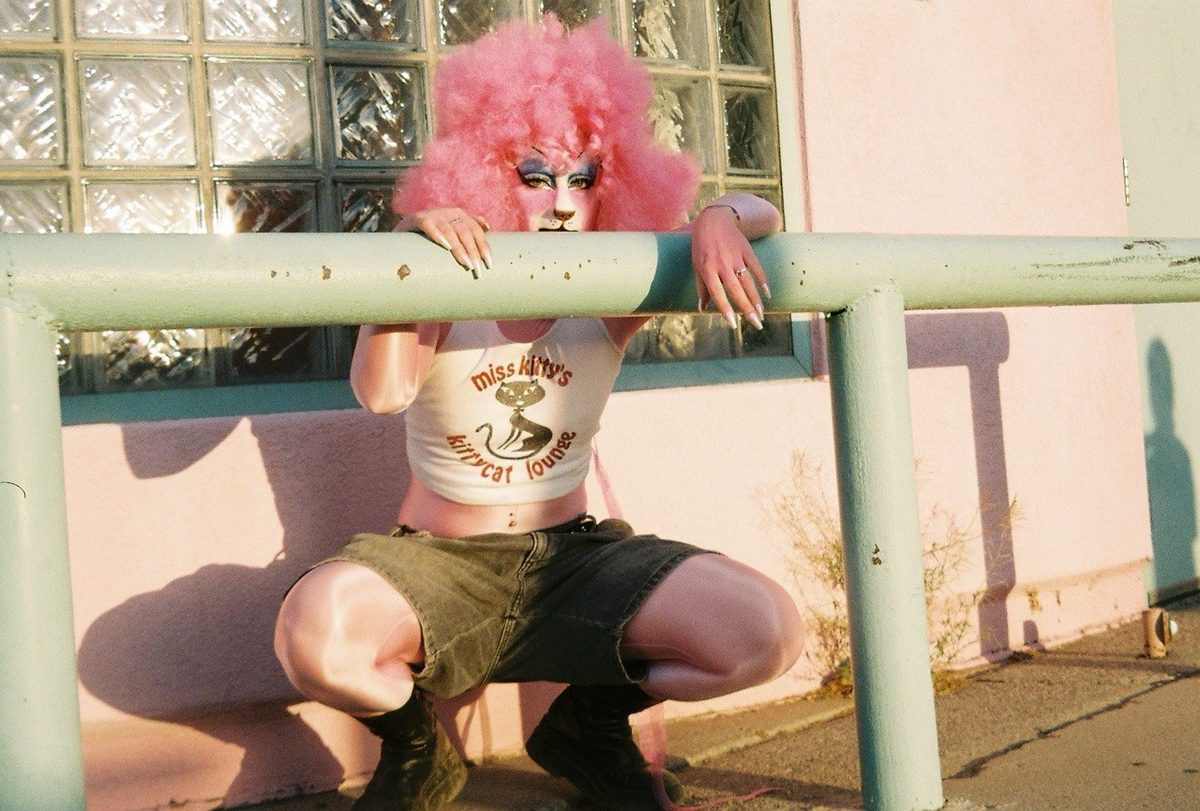
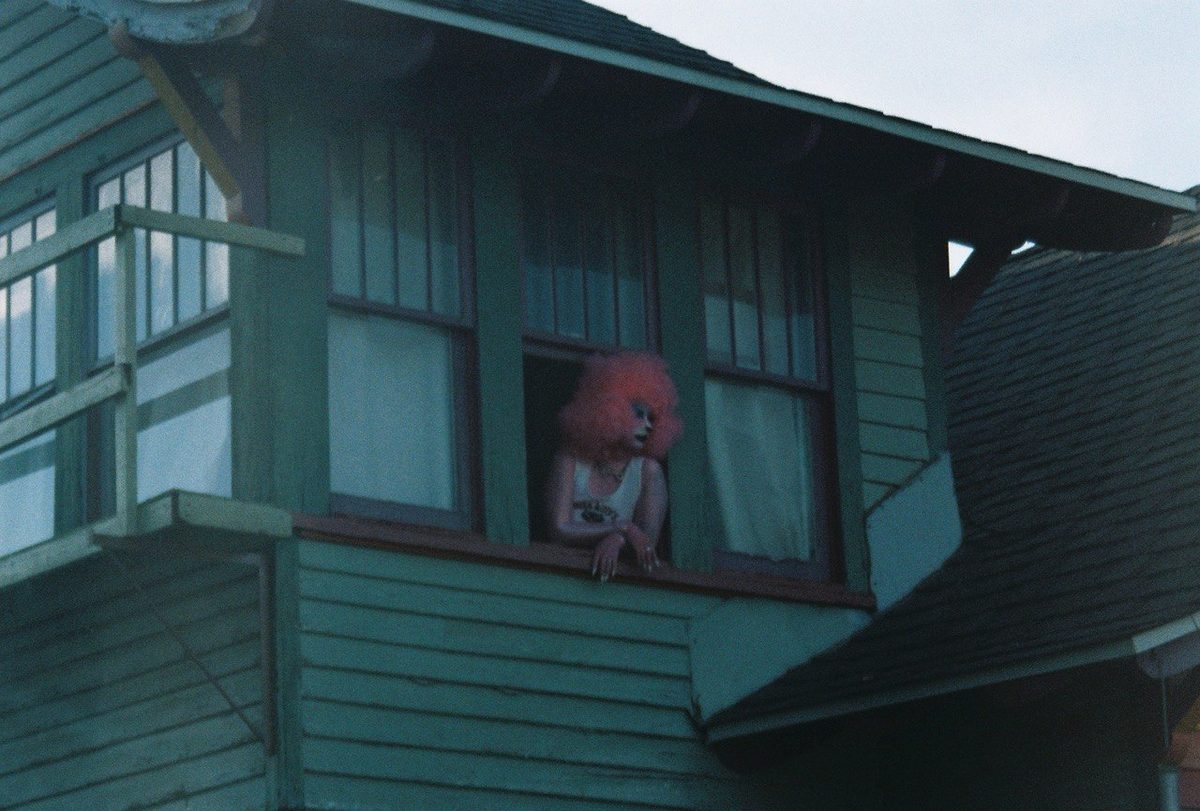
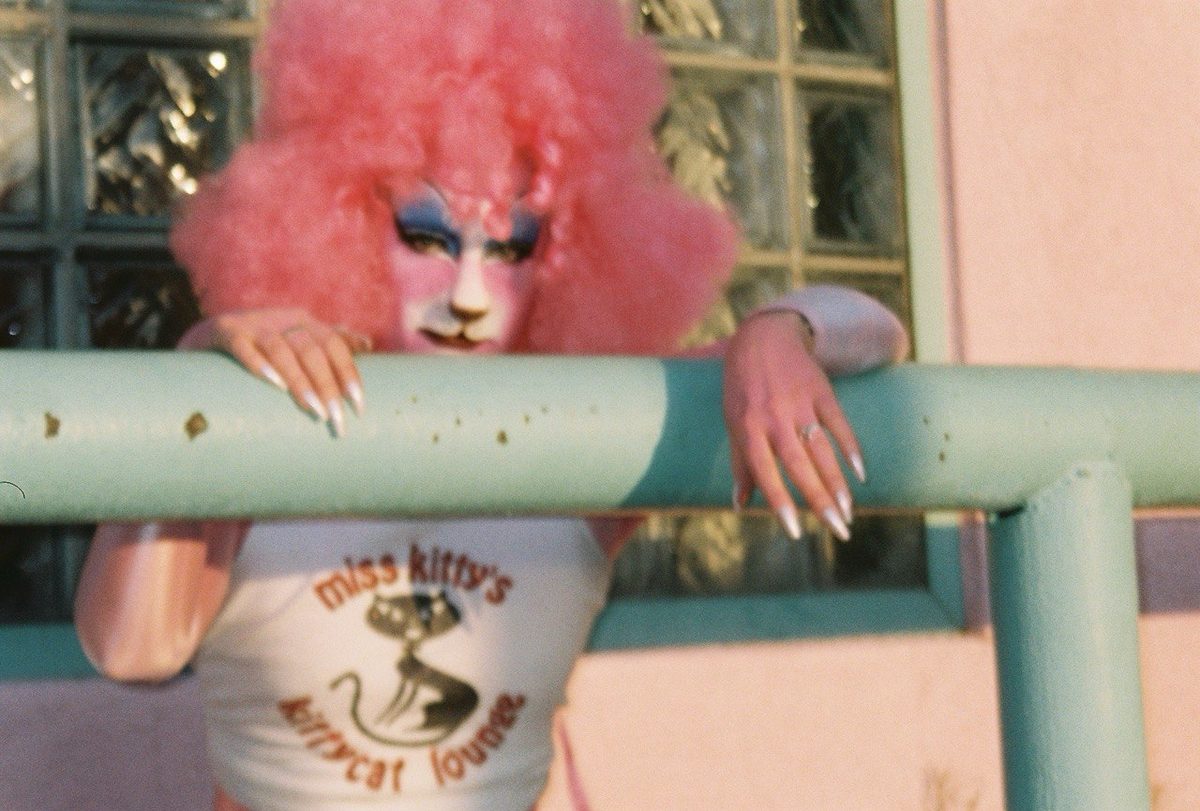
The video follows a rather unusual visitor through those familiar surroundings. Rubee appears dressed as Leslie, an oversized pink poodle with an attitude problem. There’s a certain absurdity in seeing this character roaming around Albuquerque, but Leslie had been on Rubee’s mind for months before filming began. She’d even made a stuffed-animal version of her.
Poodles are funny to Rubee because of everything people do to make them look sophisticated. Their coats are carefully maintained, somebody handles them, and the whole presentation suggests a creature that has somehow risen above ordinary dog life. Strip away the grooming and they’re still animals with the same basic habits.
“A poodle needs a very specific regimen, performed by a handler, to uphold the perfection that it evokes. But even the poodle plays fetch, likes a treat and shits on the street.”
Leslie has none of the manners that might be expected of such a carefully maintained animal. Rubee imagined her as bitchy, badly behaved and thoroughly uninterested in playing the respectable poodle. **For Rubee, she became an icon of rebellion.** The character also gave her a wonderfully ridiculous way of bringing some of the song’s questions about class and social expectations into the video.
“I had this image of a bitchy pink poodle named Leslie in my mind for months. She’s everything a poodle shouldn’t be. I made a stuffed animal version of her before I started making the music video and she quickly became this icon of rebellion for me.”
Rubee made the video with Taylor Coppage and Olivia Martinez, handling the edit herself. Alongside the animal costume, the footage has a handheld, street-level quality, with Albuquerque and its surrounding desert doing much of the visual work.
She wanted the whole thing to resemble the open world of *Grand Theft Auto*. The comparison comes from what living in Albuquerque has often been like for her. You can travel around the city, take different roads and keep exploring, but eventually the streets end and the desert takes over.
“I wanted the music video to also feel like this GTA open world, cause that’s often what living in Albuquerque feels like. But even in the open world the map only generates to a certain point, after that it’s just vast pixels, which is also what it feels like to find the city’s edge in ABQ where there’s nothing but open desert.”
There’s a similar thought in the accompanying writing by Annika Henderson, better known as ANIKA. She calls “Gotta Run” an escape room, an analogy Rubee immediately connected with. You’re trying doors, searching for clues and hoping to find a way out before time runs out. The answer somebody else found may be completely useless to you.
“And one person’s way out isn’t necessarily the way out for everyone else.”
Albuquerque also found its way into the recordings for “Gun-Shy”. Some early demos were made there, and Rubee later recorded vocals in the city for songs that needed another attempt. The band had been working with Olaf Opal again, recording at Bear Cave Studio in Cologne, although they were happy to keep sounds from the earliest sessions whenever those performances felt right.
They’d been through a similar process on their first album, when Covid meant working separately in different places. For “Gun-Shy”, they wanted the songs to sound immediate and easy to get into, without spending unnecessary time trying to recreate something they’d already caught.
The recording-process answers came from SMILE collectively, and the five musicians have some good examples of moments they decided to leave alone.
The introduction to “What Is There to Say” happened when everyone started playing to make a demo and one member ran back to the computer to see whether the microphones were switched on. The recording survived and became part of the album. Other songs retain guitar parts from their earliest versions because the band had grown used to hearing them that way.
“In some songs, we kept the original guitar takes from the very first recordings, simply because that was the sound: the way we got to know and love the songs in their earliest form while they were still taking shape.”
There are also recordings that the band tried to redo and eventually decided to keep as they were. The ending of “Lola Moon” came from an iPhone microphone on a park bench in Albuquerque. They couldn’t get the same performance again, however many times they tried. Some vocals were redone in the city, but that one stayed.
The rest of the sessions brought in Olaf’s production and mixing, engineering by Luis Müller-Wallraf, additional mixing by guitarist Lars Fritzsche and mastering by Norman Nitzsche. The band wanted Olaf back because he’d worked with them before and knew how to bring their recordings together, even when they arrived from different places and at different stages of completion.
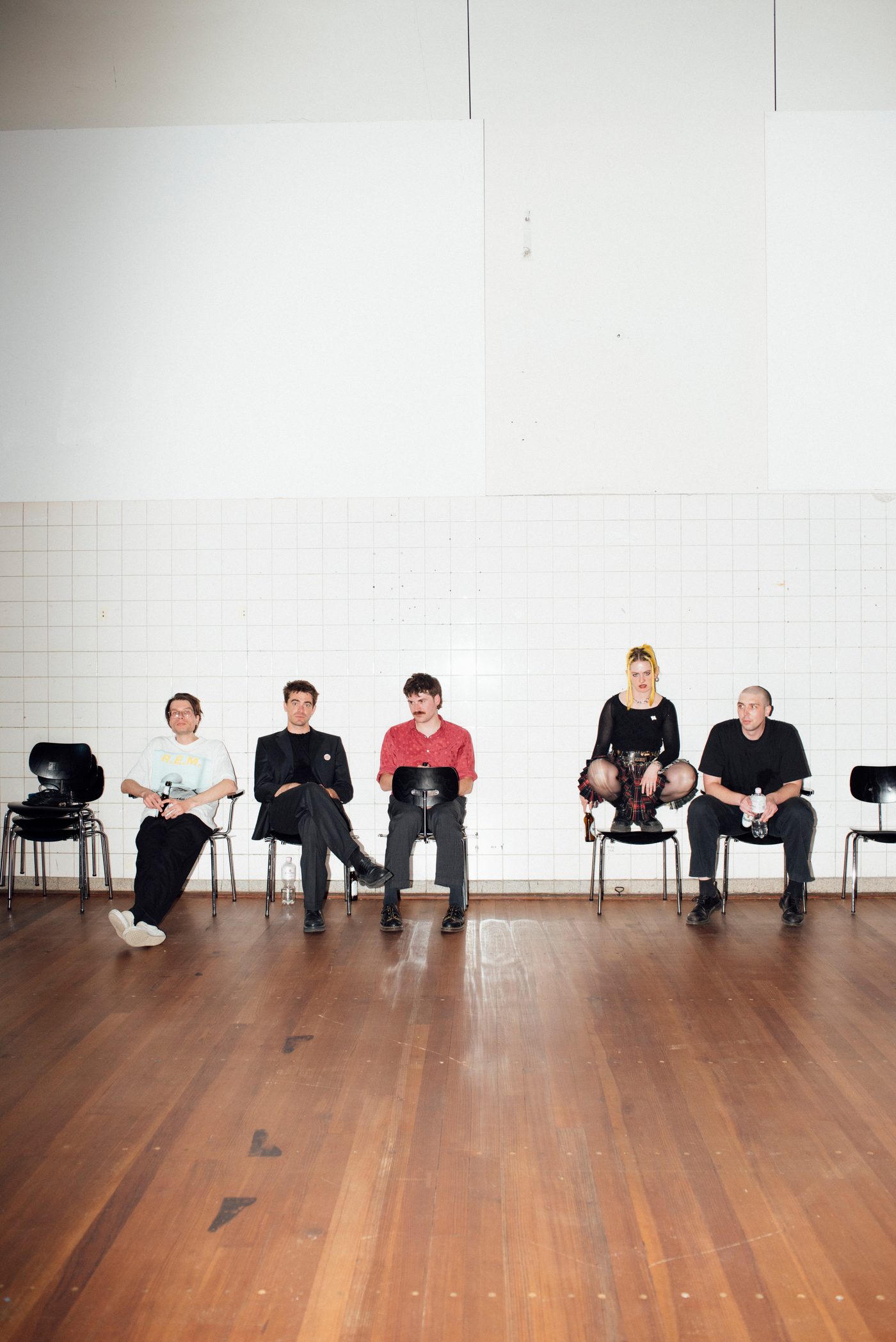
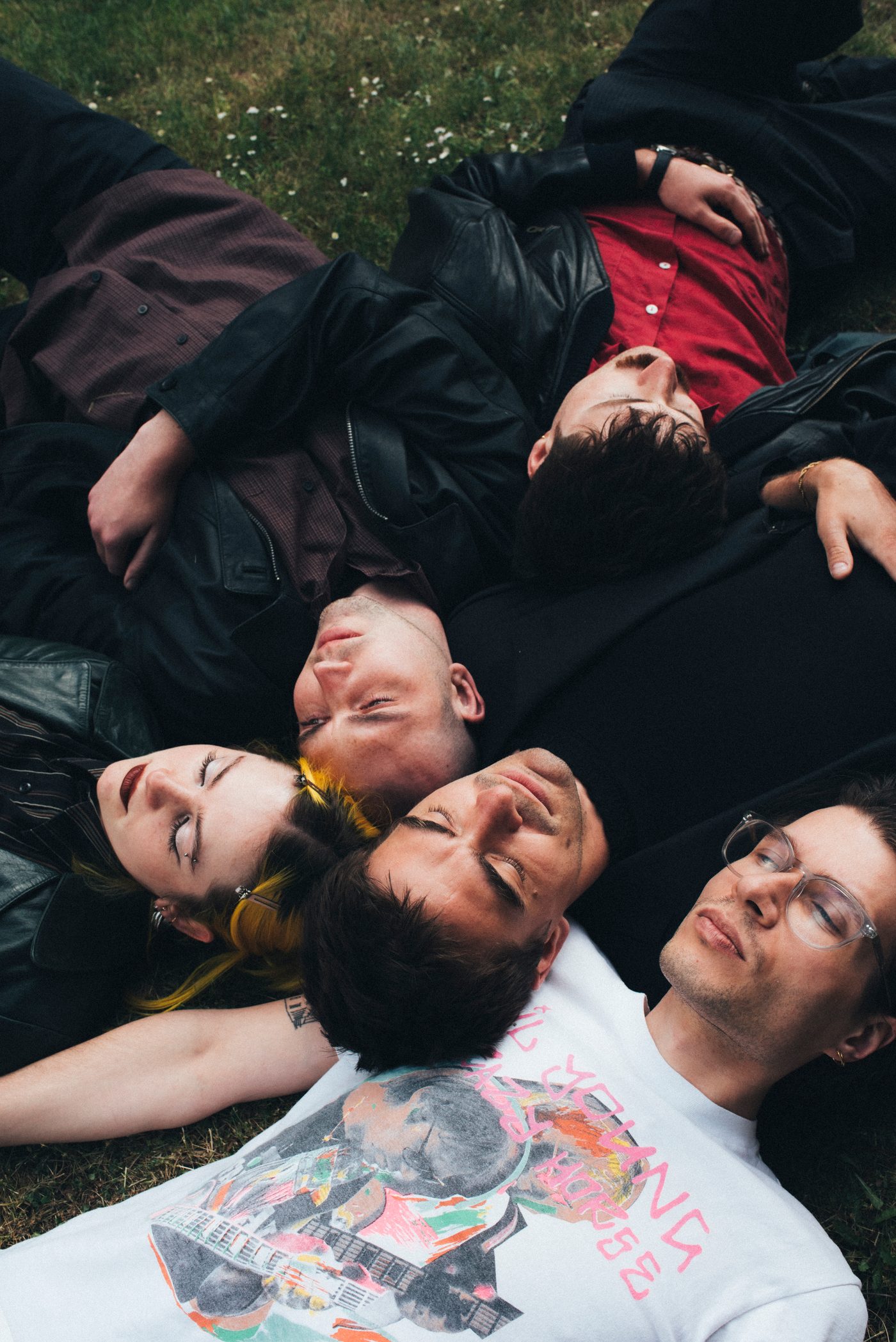
SMILE have been working like that, in one form or another, since the pandemic. The band began with Rubee, drummer Marius Szarnych, guitarists Sebastian Lessel and Lars, and bassist Max Schmidt. Their early releases were the 2022 EP “I Hate It Here” and the following year’s debut album, “Price of Progress”, which also came out through Siluh Records.
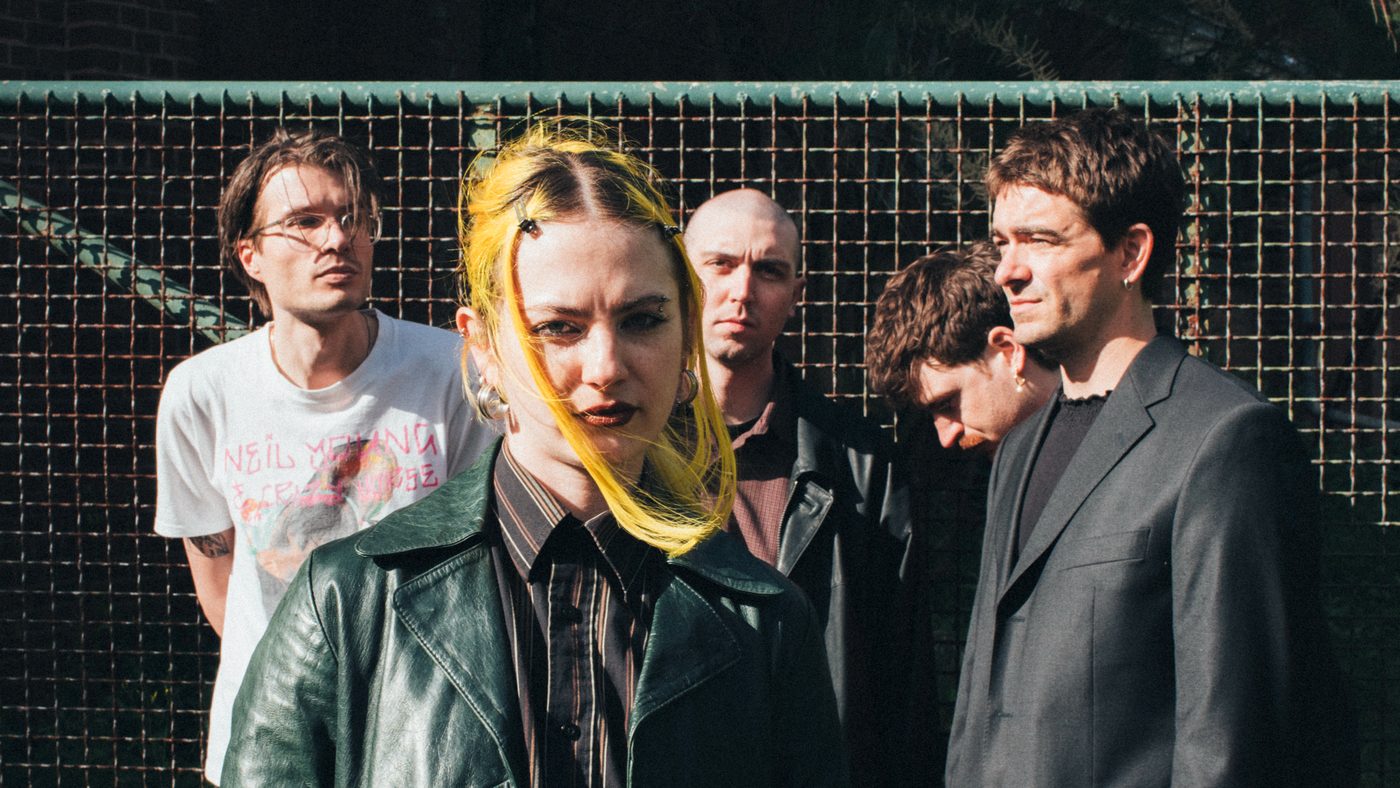
Their music has always left room for odd turns. Sometimes a song starts with a word or an idea from Rubee, sometimes with a beat Marius brings in, and the others start working around it. The result can move through post-punk and noise-rock, with Rubee speaking, singing or pushing her voice into much harsher territory. They like arrangements that take them somewhere a little strange, and they’ve carried that approach through to the new record.
The band have also spent a fair amount of time playing live. They’ve supported Fontaines D.C., toured with Touché Amoré, shared a bill with Squid and appeared at festivals including ESNS/Eurosonic, Reeperbahn Festival, MENT and c/o pop. In 2024, they took second place in the newcomer category at the popNRW-Preis and won a best music video award at the Riga International Film Festival.
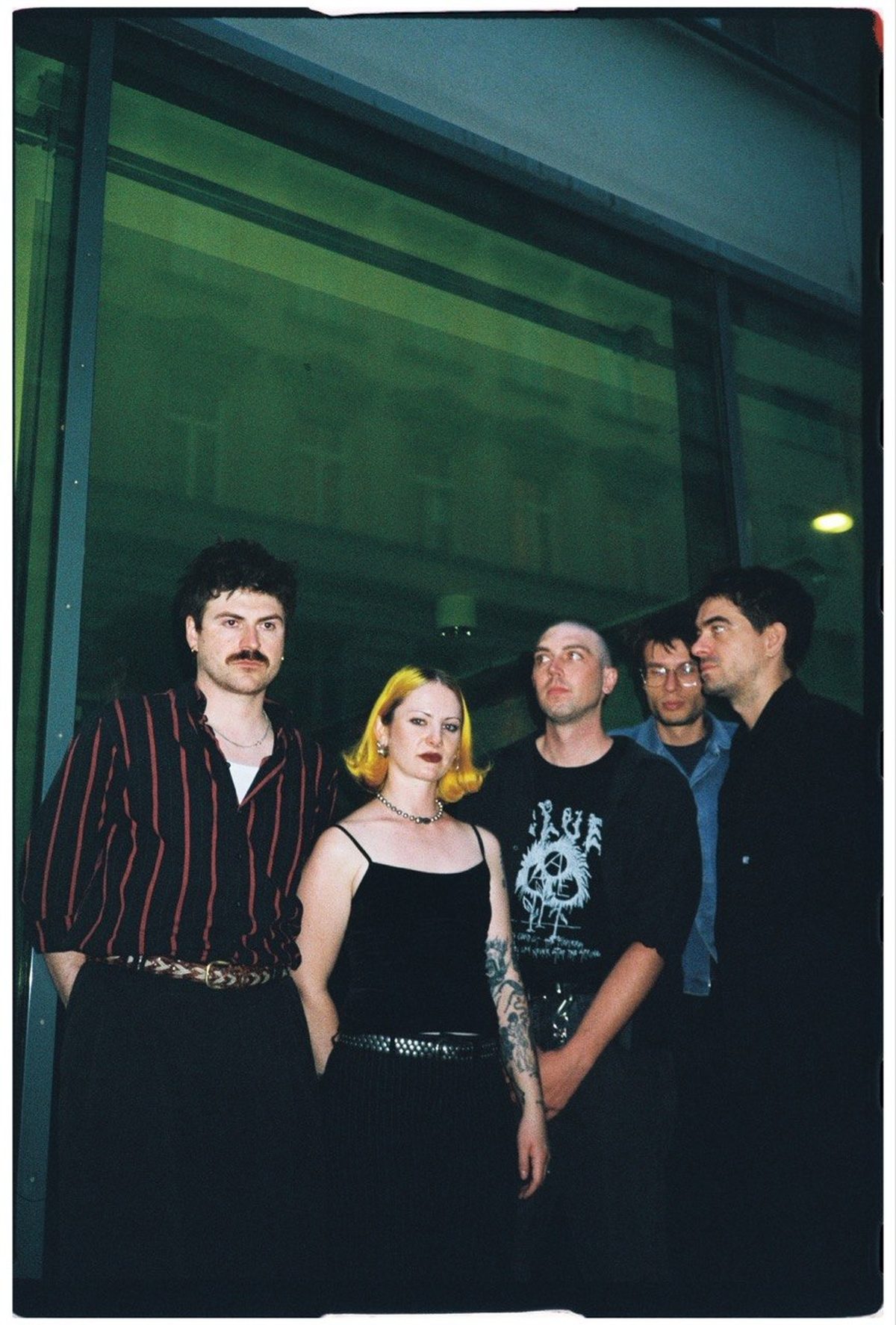
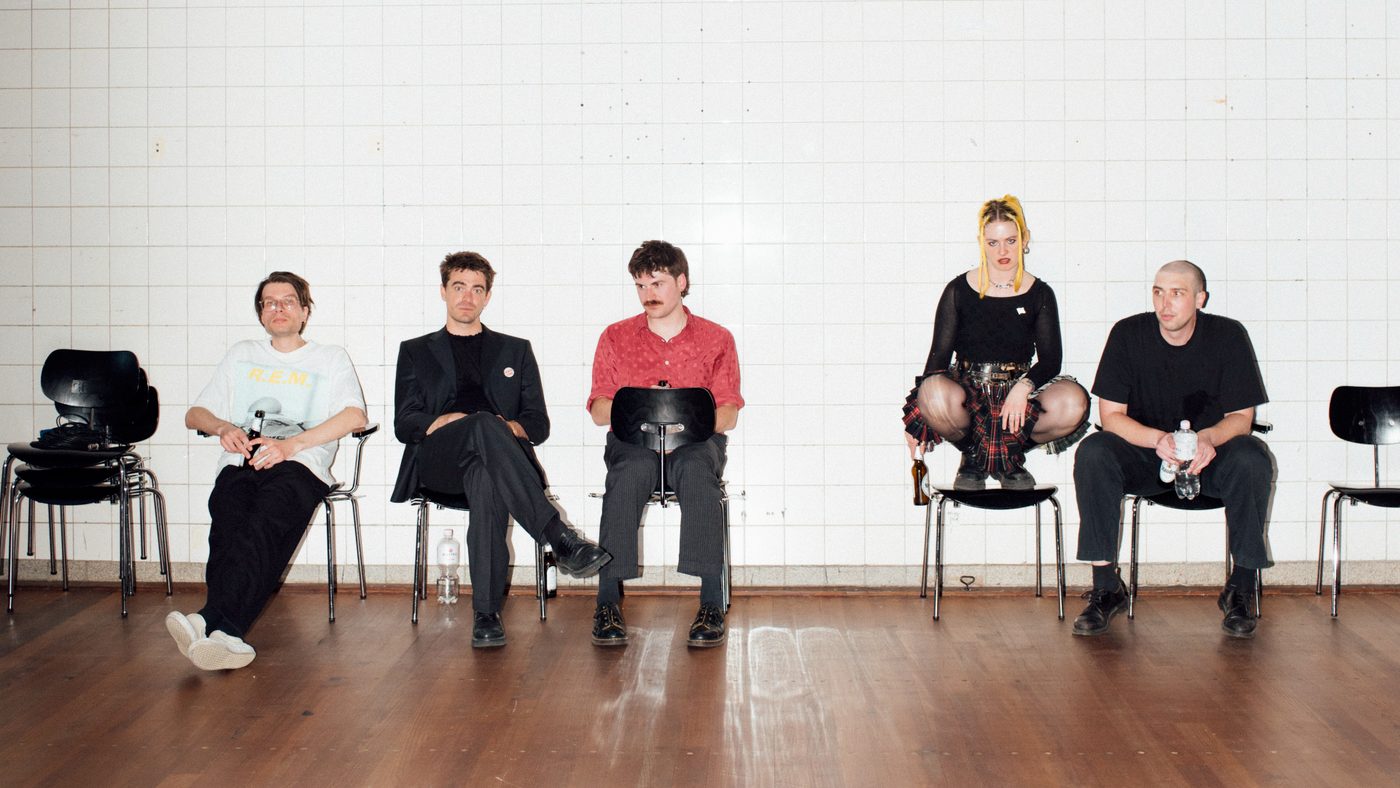
Rubee brings a physical, theatrical presence to their shows, and the visual side of SMILE has become closely tied to the songs. With “Gotta Run”, that meant putting on a pink poodle costume and returning to her hometown. Onstage, she works through those same feelings with her body, her voice and whatever the others are playing around her.
“I think that my physical performance and my writing are two sides of the same coin. They inform each other completely.”
A lot of the band’s songs begin with something Rubee experiences physically before she can properly describe it. She tries to give that feeling words, develops it into music, writes lyrics and eventually brings the whole thing back onto the stage.
“So many of our songs often start with a feeling that exists in the body, which is then given language, which is then transformed into music, which is then given language again (through lyrics) and then given the feeling back once on the stage.”
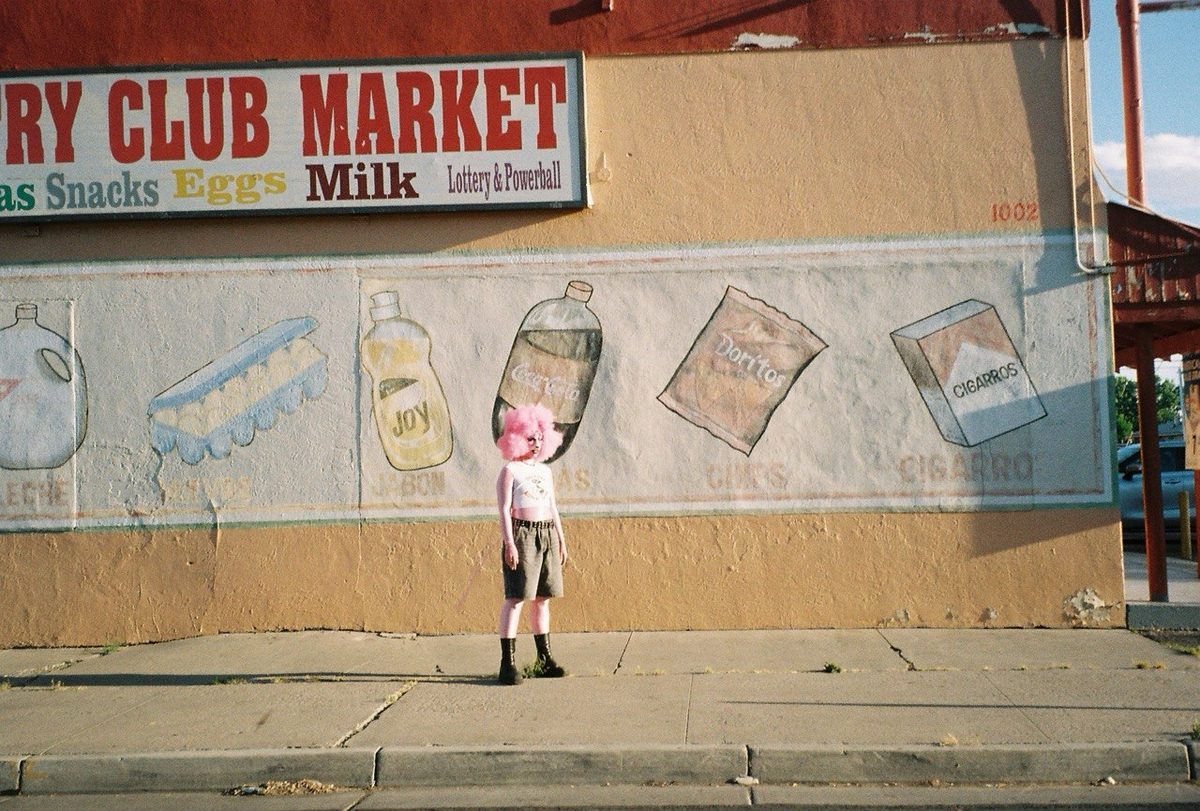
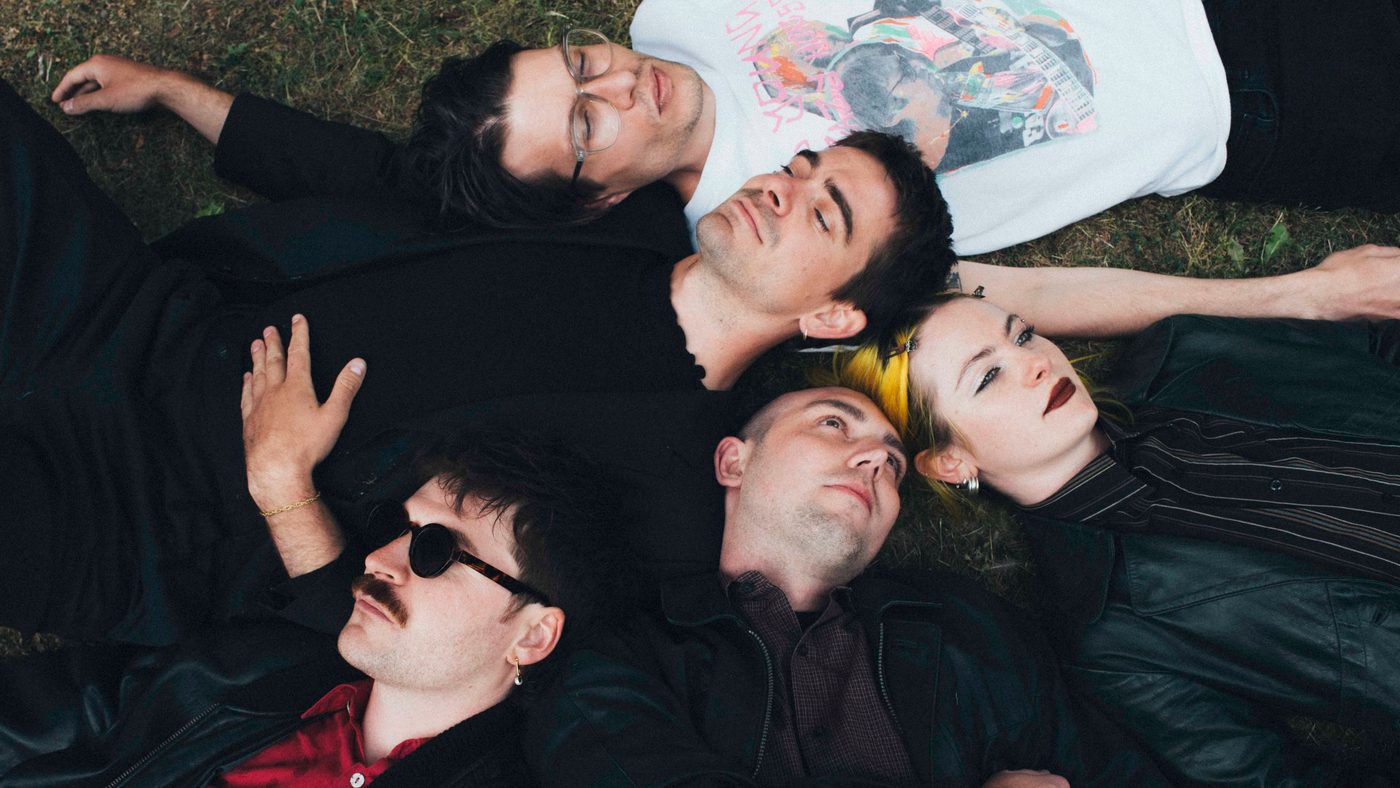
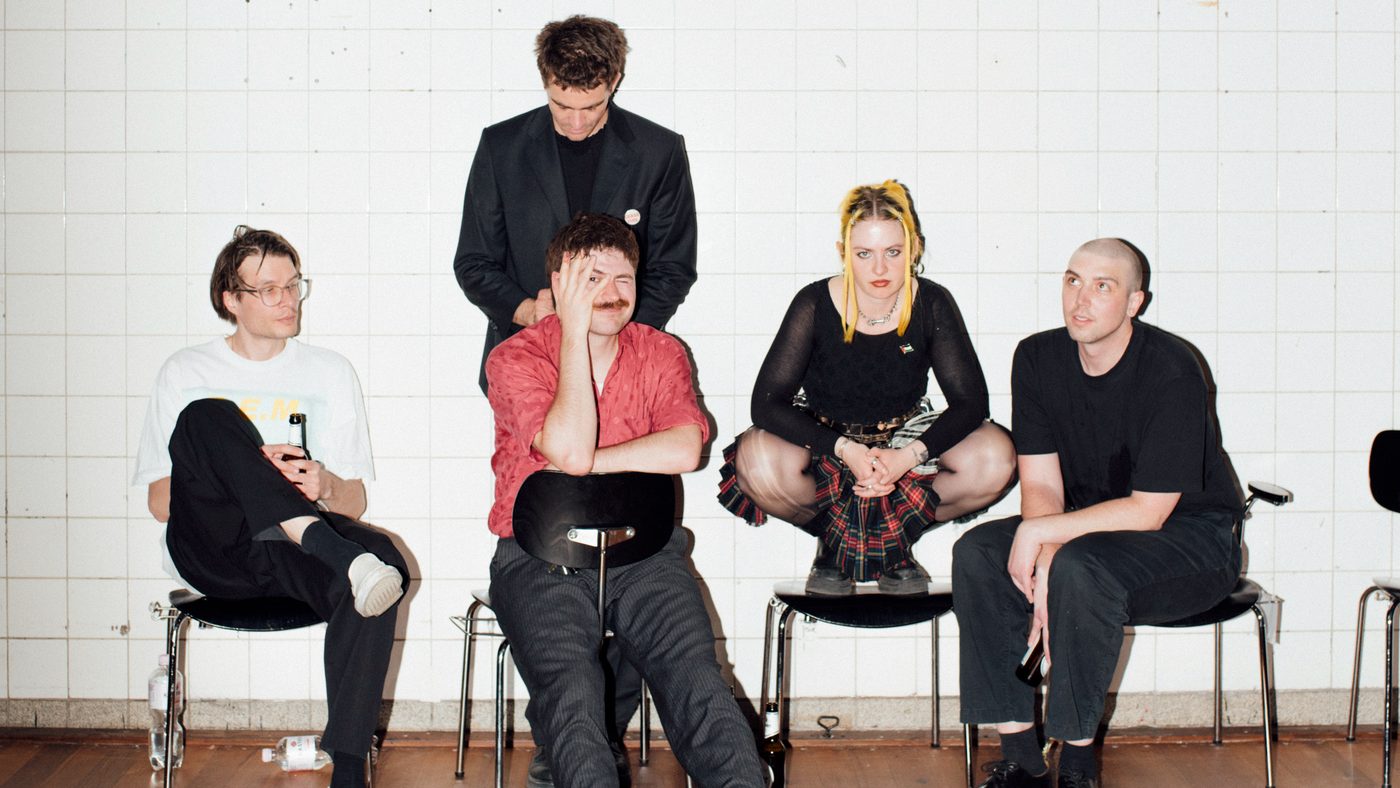
The same five friends are still making the music, although these days they’re spread across three European cities. Jobs and visa problems have pushed them in different directions, leaving Amsterdam, Berlin and Cologne as their current bases.
Getting everyone together takes some organising. Rubee’s description of their normal routine is fairly familiar to anyone who’s tried keeping a band running around work and travel.
“Logistically it looks like 57 new messages in the group chat, weekly zoom calls, and weekends crashing on each other’s couches.”
They’re still getting used to living so far apart, and Rubee knows there will be more difficulties. They were close friends before SMILE became a band, which helps them keep things going when everybody has their own problems to deal with. Their US-German identity has also meant they’ve never really had one national home to begin with.
There’s something quite ordinary about that part of their story. They need jobs, places to live, solutions to visa problems and enough time together to make music. The members can find ways around those obstacles as a band, even when the wider questions Rubee raises in “Gotta Run” remain unresolved.
Her life in Europe has given her things she values, including social support she didn’t experience in the same way in the United States. She still sees the American system hurting people she loves, and she knows that getting out has required changes that aren’t available to everybody.
“Gotta Run” was released on 21 October 2026, with its official video available here. SMILE’s second album, “Gun-Shy”, arrives on 22 January 2027 through Siluh Records, with the record available to pre-order on Bandcamp. The cover photograph is by Olivia Martinez.
Rubee is still trying to work out what it means to have left a place when the people closest to you remain caught in the circumstances you wanted to escape.
“So what does real “escape” look like? I’m still not quite sure. And can one person really escape if the rest are left behind?”
🔔 IDIOTEQ is ad-free, independent, and runs on one person’s time. If you want it to stay that way: DONATE via PayPal or SUPPORT via Patreon.
NEW: IDIOTEQ Explore 🗺️ Browse 15+ years of our archive by city, country, and style. Find artists on the world map or trace related sounds through the styles map.
Stay connected via Newsletter · Instagram · Facebook · X (Twitter) · Threads · Bluesky · Messenger · WhatsApp.