
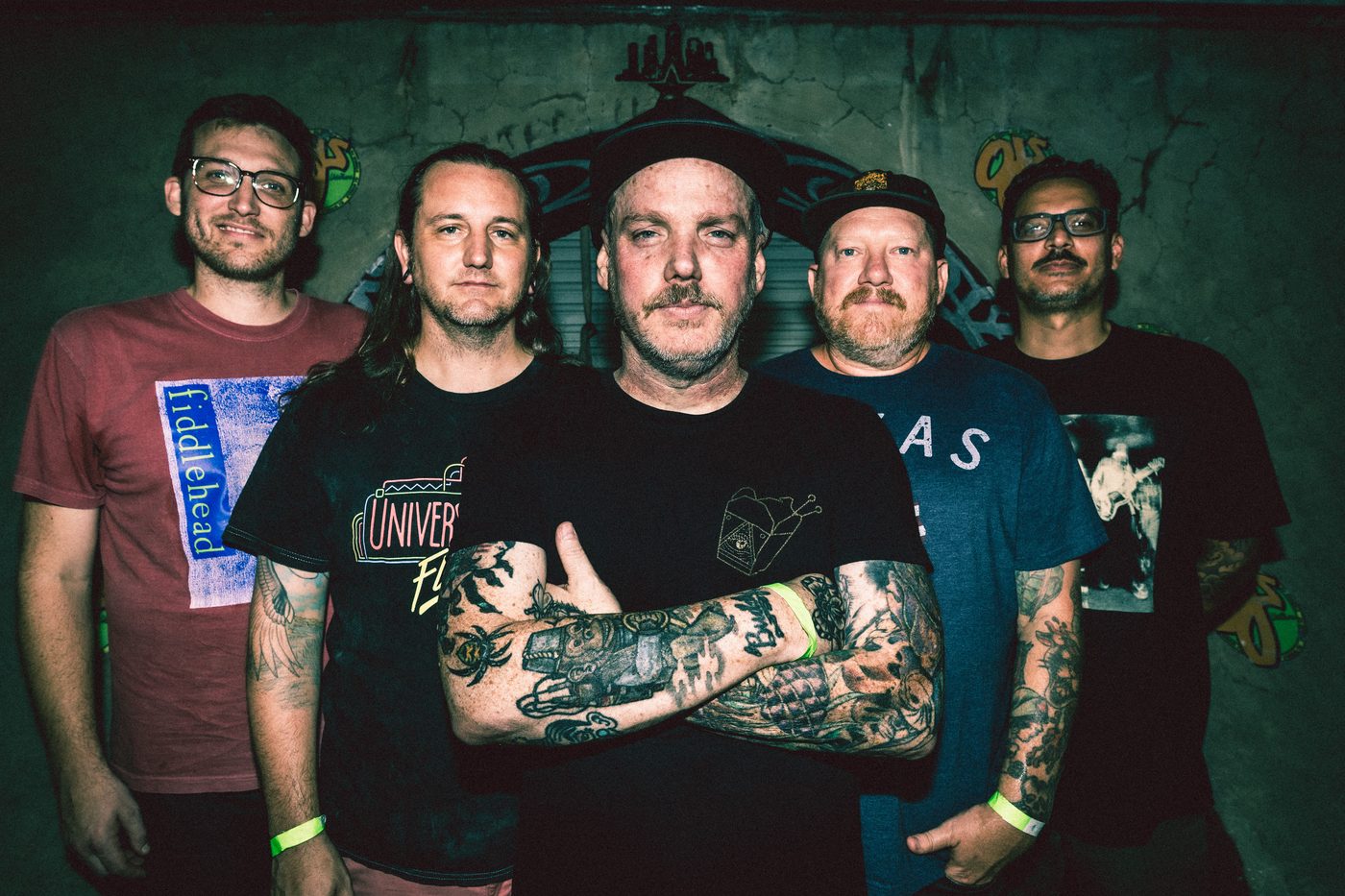
On “How To Survive A Fall“, Jacksonville melodic hardcore punk rockers Tides bring together the melodic pull of old Florida DIY punk, skate-punk and post-hardcore, with eleven songs that have some difficult personal stories behind them.
Singer Sean Slater writes about losing a close friend to an overdose, the breakdown of his marriage and returning to the poor neighbourhood where he spent his childhood, only to discover that his old home had almost completely disappeared. The other members have been part of his life, or the same local music circles, for decades.
“Dave” is named after Dave McFadden, who played drums in Shadow Agency, one of Sean’s earliest bands. They were close friends. Dave struggled with drug addiction and eventually died from an overdose.
“Great drummer, great friend, he passed away from an overdose.”
Sean keeps his explanation short. There are no further details about Dave’s final years, and the song stands as a remembrance of somebody who was important to him long before Tides existed.
The record also returns to a period when Sean was getting divorced and trying to get some stability back into his everyday life. “Calculated Loss” deals with the difficult balance between standing up for himself and keeping things civil with his former partner.
“I was constantly trying to juggle standing up for myself to my ex and being cordial to make my life run smoothly.”
“It Stops Here” comes from further along in that experience. Sean calls it a cathartic song about finally finding his footing after the divorce. There’s a change in perspective between the two tracks, from trying to manage a difficult situation to beginning to feel more settled afterwards.
Guitarist Beau Crum was going through a divorce himself when Tides began. He believes that much of “How To Survive A Fall” is connected in some way to Sean’s marriage ending, although he admits Sean hasn’t spoken to the band in much detail about everything that happened. Beau has mostly been hearing those experiences through the lyrics, often recognising feelings he knows from his own life.
The memories behind “Dead Leaves On Main Street” go back considerably further.
Sean grew up in an area of Jacksonville he calls Sin City. He describes it as a notoriously poor neighbourhood, where his childhood involved violence, abusive parents and stepparents, and people around him struggling with drugs and alcohol. His family lived in a trailer on an unpaved road. Years later, he returned to look for the place.
“I recently went back to the area and searched for that trailer, etc, and it wasn’t there, the forest had taken over and there’s barely a road. It’s like none of it ever existed. My whole past faded away.”
The road was barely recognisable and the trailer was gone, with trees having taken over much of the area. Sean could remember the people, the surroundings and the experiences of growing up there, but almost nothing remained of the place itself.
Jacksonville has changed plenty since those years. For Beau and Sean, another part of the city’s history is tied to the Milk Bar, the venue where they spent much of their early twenties watching touring punk bands and playing shows with their own groups.
“For us especially Sean and I, the Milk Bar is what defined us in our early 20’s with all of the bands coming thru at that time.”
It was the period when bands associated with Fat Wreck Chords and Epitaph Records regularly came through Jacksonville. Tickets could be as cheap as five dollars, and younger local musicians had the chance to share bills with acts they knew from their records. Beau reckons he and Sean probably opened for some bands that went on to become considerably bigger names.
“I feel like growing up when we did with punk rock we were extremely lucky to have all of the bands come thru when tickets were $5.”
For Beau, Twelve Hour Turn were another important part of growing up in the Florida scene. He’d already been drawn to Fugazi and the way they approached the people and communities around their music. Twelve Hour Turn brought something similar into his own immediate surroundings, through their attitude towards playing shows and looking after other people.
“Twelve Hour Turn showed me the kindness and love towards everything In real time and up close and personal. They made playing music and having a positive message more important than ever during those years.”
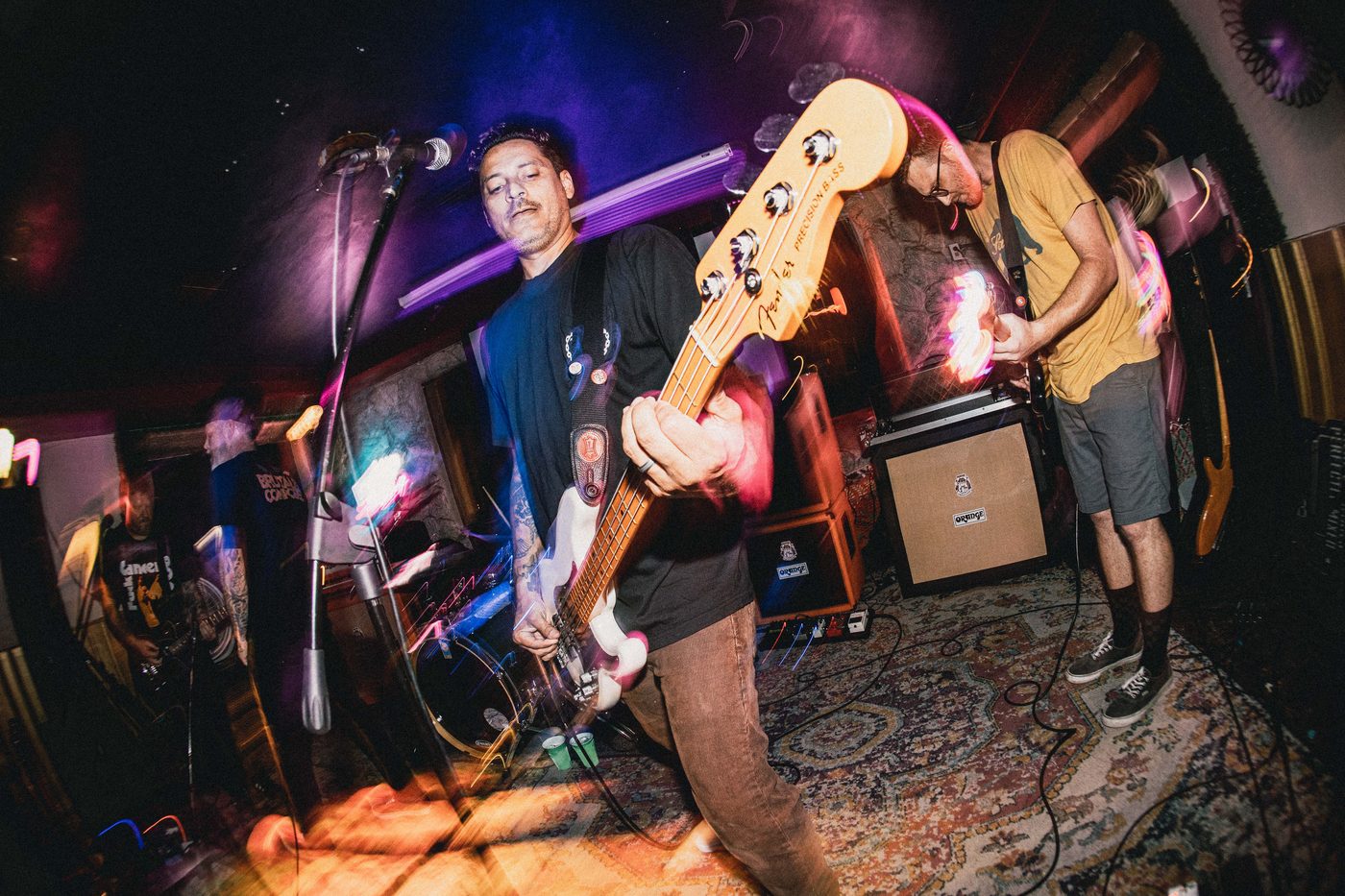
Those experiences still influence what Beau wants from the local scene. He talks about how important it is for bands to support one another and for people to keep turning up at smaller venues, especially with the cost of running spaces continuing to rise.
These days he sees Jacksonville punk and hardcore picking up again. Hardlove has brought back some of the feeling he remembers from being young, with a space where underage kids can go to gigs, dance and mosh without being judged. Beau considers that kind of place especially valuable for a new generation getting into the music.
Jack Rabbits remains one of the city’s longest-running venues. Beau credits Tim with consistently bringing through touring bands and making room for local supports. Mikey has been booking a steady run of shows at The Albatross, another room Beau rates highly, including for its sound. The Oriole has also become part of Jacksonville’s active venue circuit.
The city is spread out, and its different punk and hardcore circles haven’t always been closely connected. Beau has recently noticed more bands and promoters supporting one another’s shows, with younger people getting involved and more venues sharing the work of keeping the local scene active.
“Everyone in Jax seems to be thriving and helping promote each others venues as well. It is starting to feel like a group effort.”
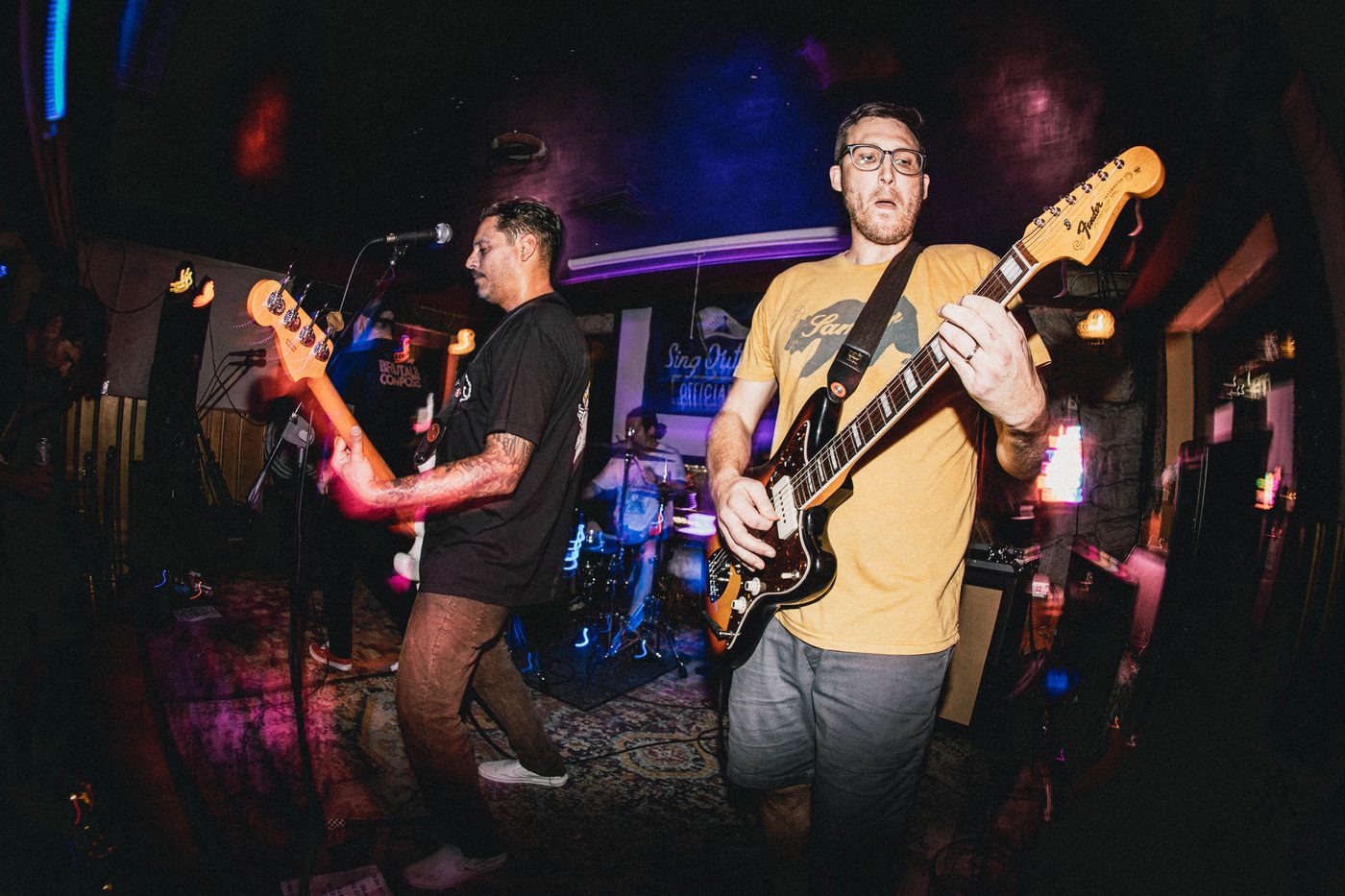
Beau has also been booking Jacksonville shows around Gainesville’s annual Fest, making it easier for touring bands to add another Florida date while they’re in the area. Tides have been part of the same Fest community, playing Gainesville and meeting musicians from well outside Northeast Florida.
Places such as Geeks, a vintage toy shop that also hosts gigs, and Loosey’s have given the band other reasons to keep travelling to Gainesville. Beau played Fest with his earlier band Coyote Throat too, long before Tides. On one occasion, a bassist who couldn’t get away from work early ended up spending six hours in traffic from Jacksonville during the Florida-Georgia football weekend and barely made the show.
There are deep roots underneath Tides’ current activity. Beau and Sean first got to know each other through skateboarding more than twenty-five years ago. As they grew older, both started playing in different bands. They kept ending up on the same bills, watching each other’s sets and crossing paths around Northeast Florida.
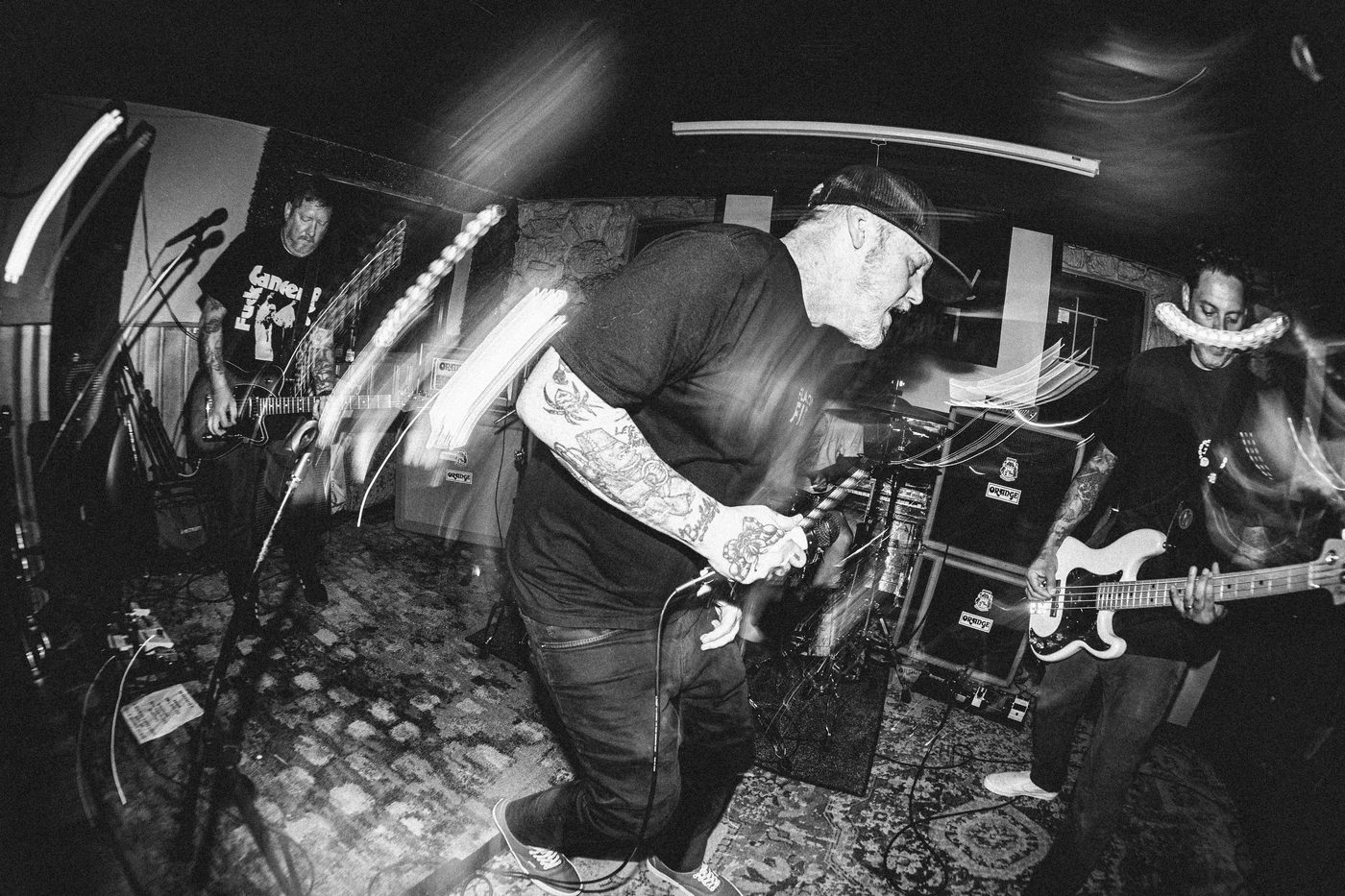
Sean had already spent years singing in Shadow Agency and His Name Was Iron before joining Destroy The Line, previously known as Regress. That group played technical, fast skate-punk and included other musicians with long histories in the local scene. Their first gig was in Jacksonville Beach during the summer of 2016, opening for 88 Fingers Louie.
Destroy The Line went on to release music through Bird Attack Records, including the single “War”, which IDIOTEQ covered back in January 2017. By then Sean had already been involved in Jacksonville punk and hardcore for a long time.
Beau had followed his bands over the years and had always been drawn to his voice.
“I personally have always loved Sean’s voice and I would always say one day we would play together.”
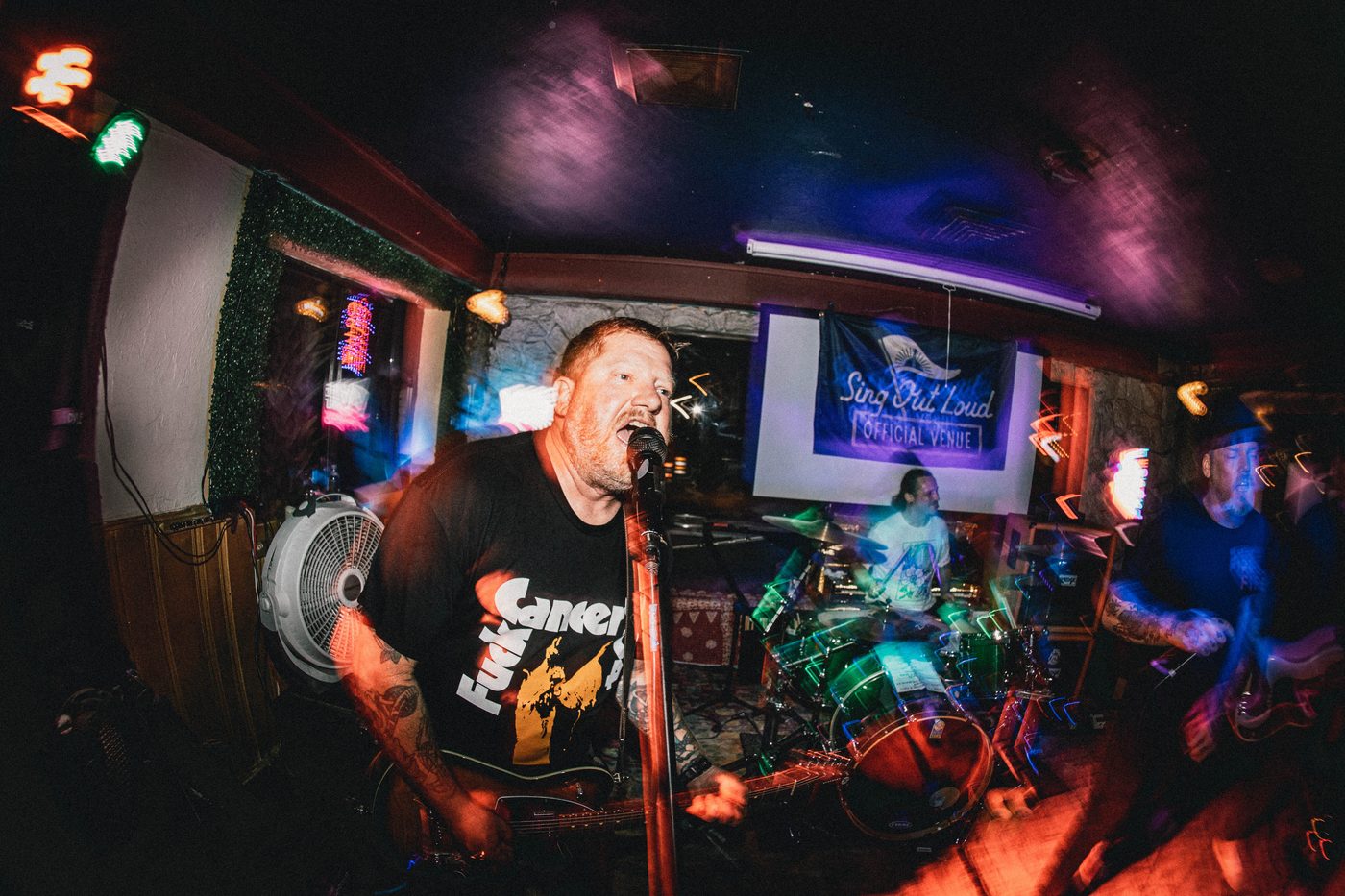
They kept talking about the possibility, but nothing happened for years. Beau eventually lost touch with Sean. After more than a decade without seeing one another, the two were going through similar changes in their personal lives. Beau had seen Sean posting about his divorce, and he began thinking that the time might finally be right to play together.
“I literally ran into him that night after not seeing each other for over 10 years.”
Beau and Alex Van Auken had just finished playing in Court Reporter, a project involving their friend Chuck, who had moved away. They already had some completed songs between them. Beau contacted Alex after running into Sean and told him he’d found a singer they needed to work with.
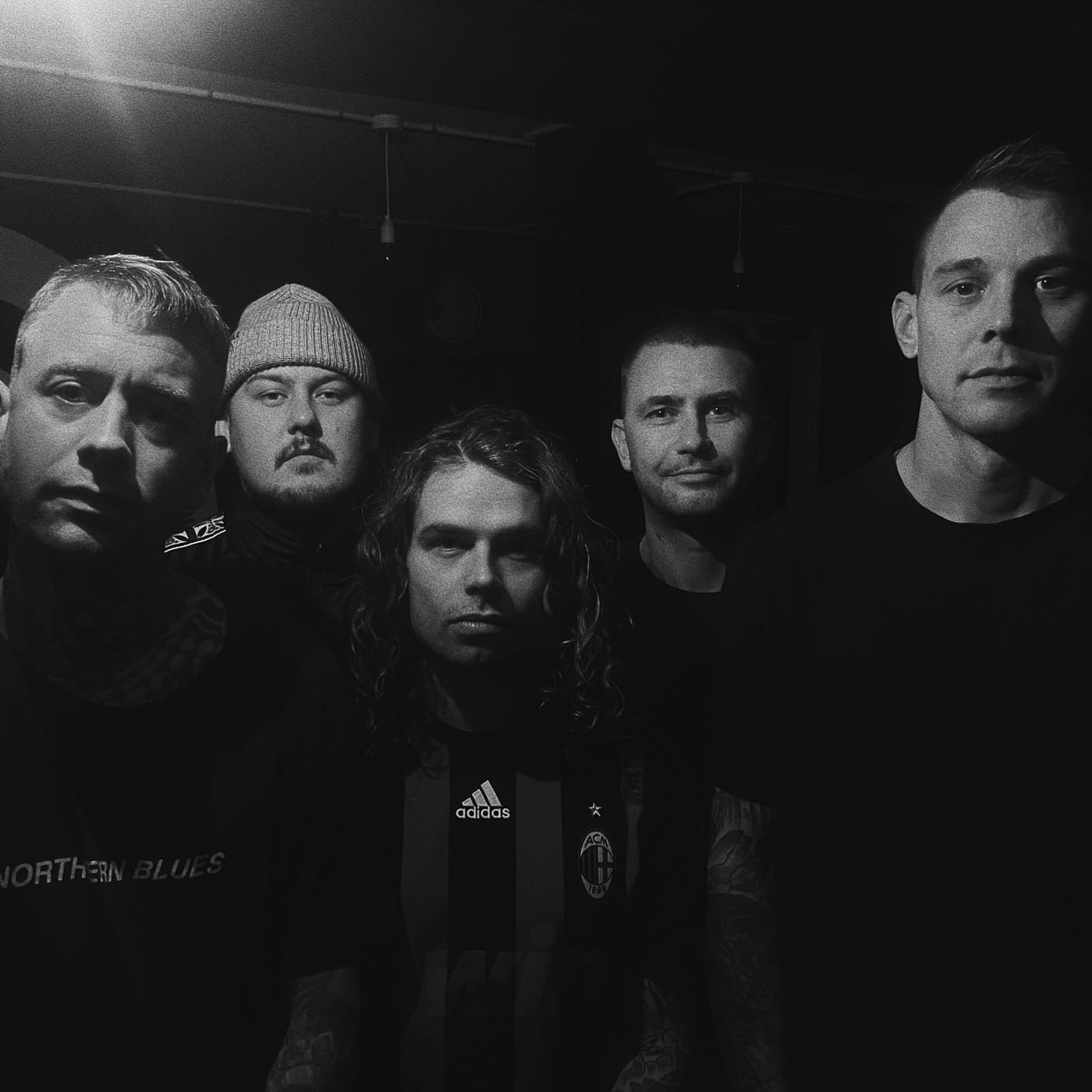
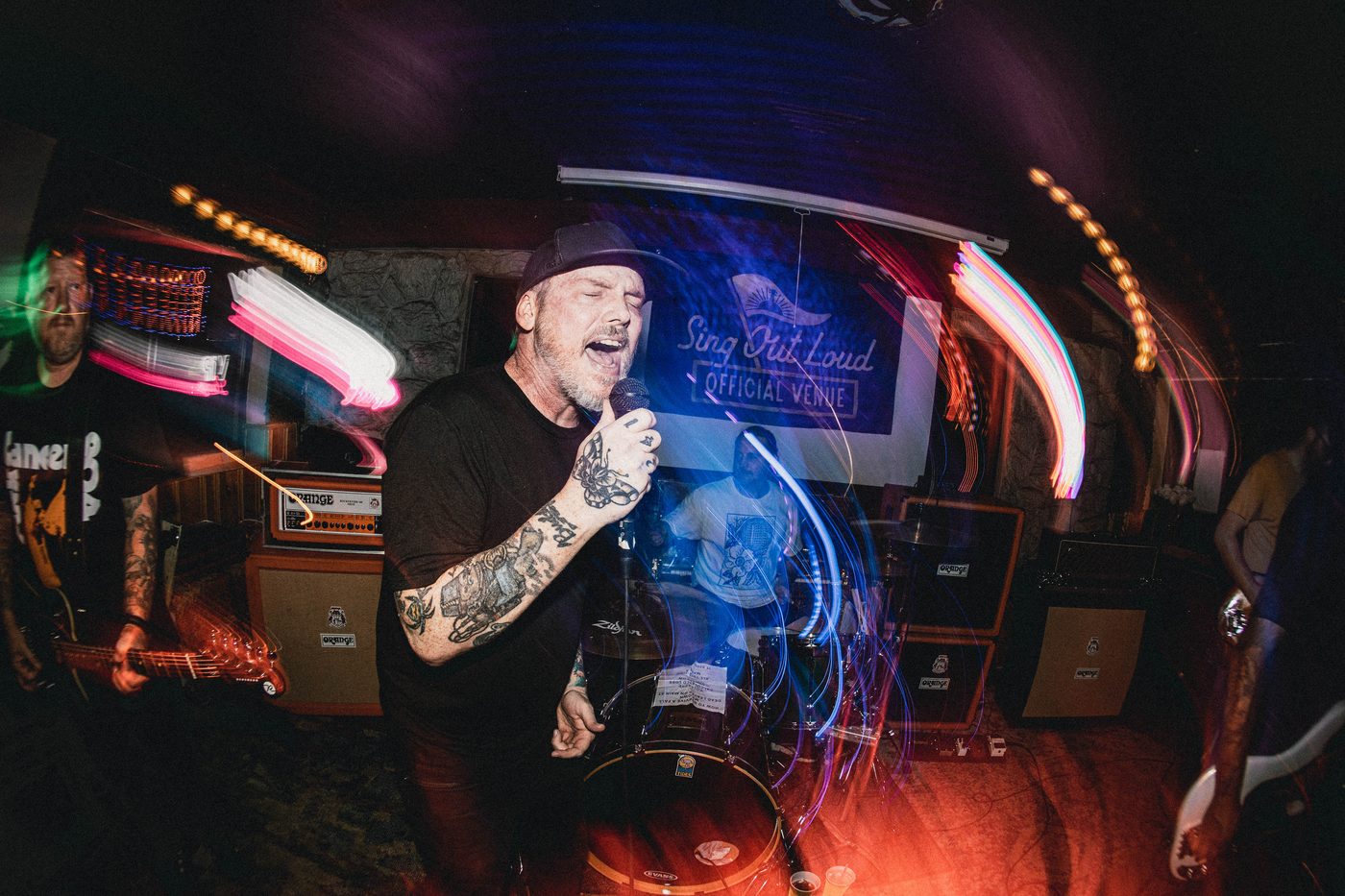
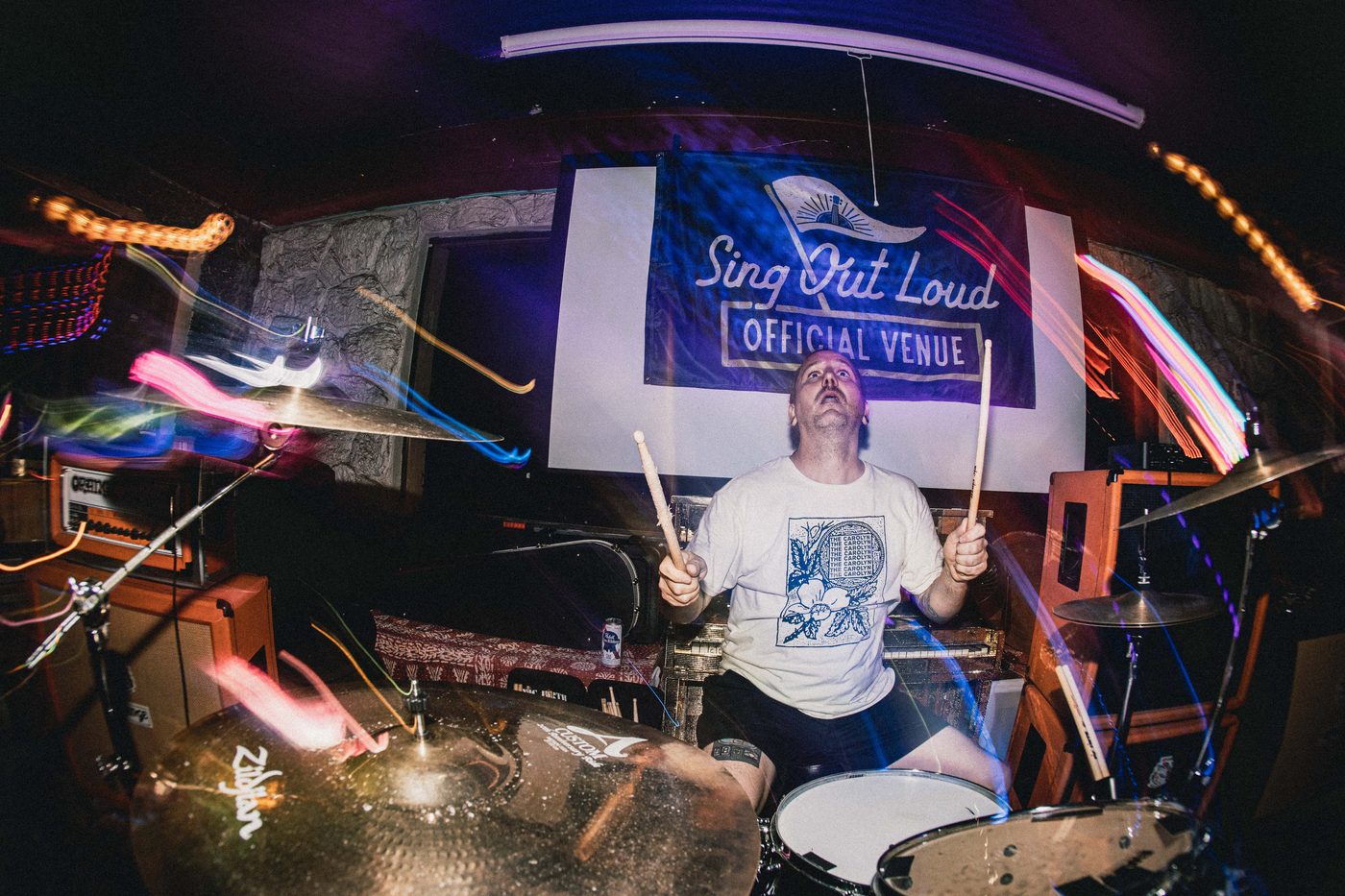
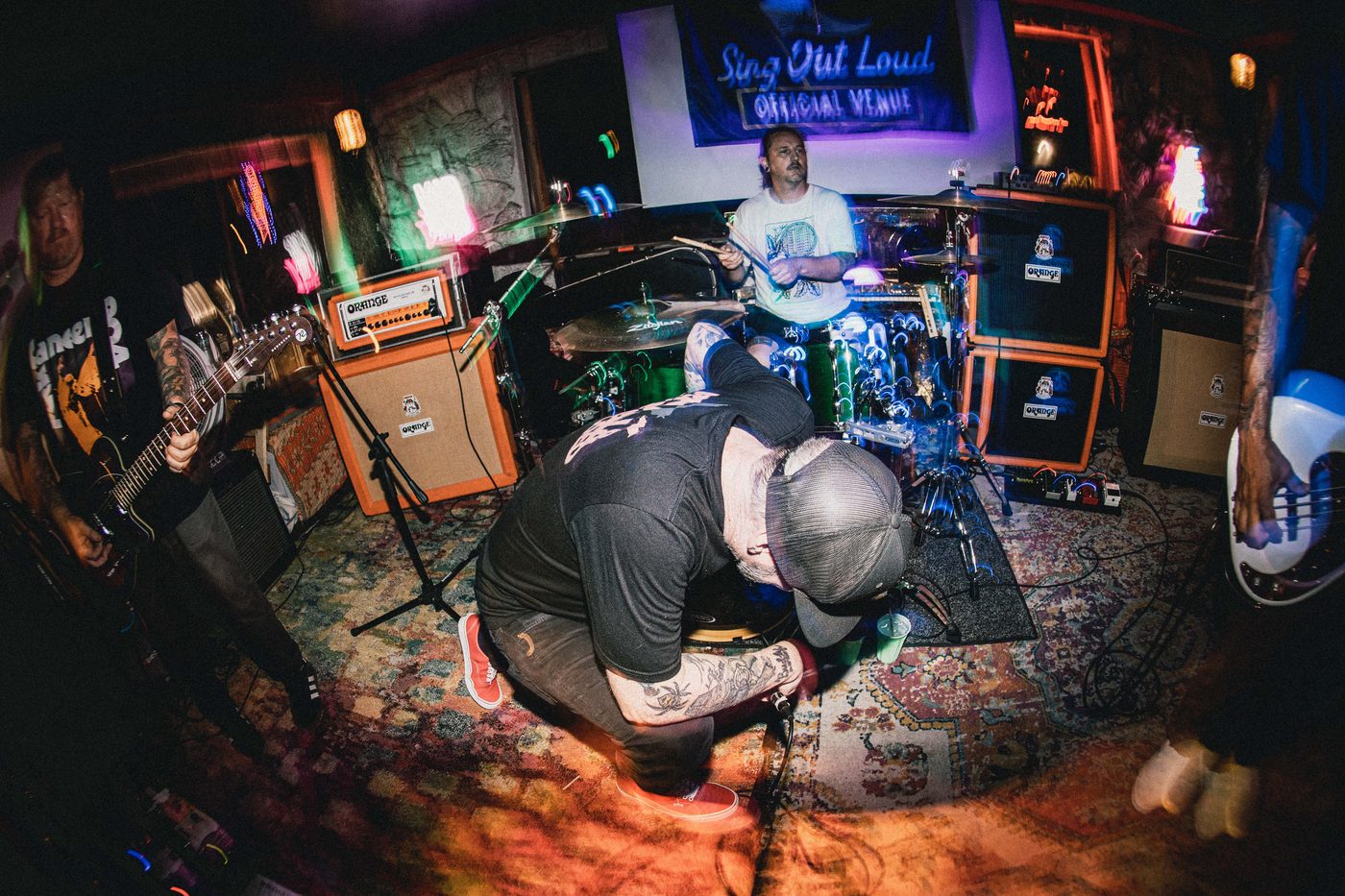
Chris Jones was another longtime skateboarding friend. He was already playing in Trust Anchor and had enough free time to join them. Sean’s girlfriend introduced the others to Dan Wagler, who came in on drums. The five-piece began playing together towards the end of 2023, with Sean singing, Beau and Alex on guitar, Chris on bass and Dan behind the kit.
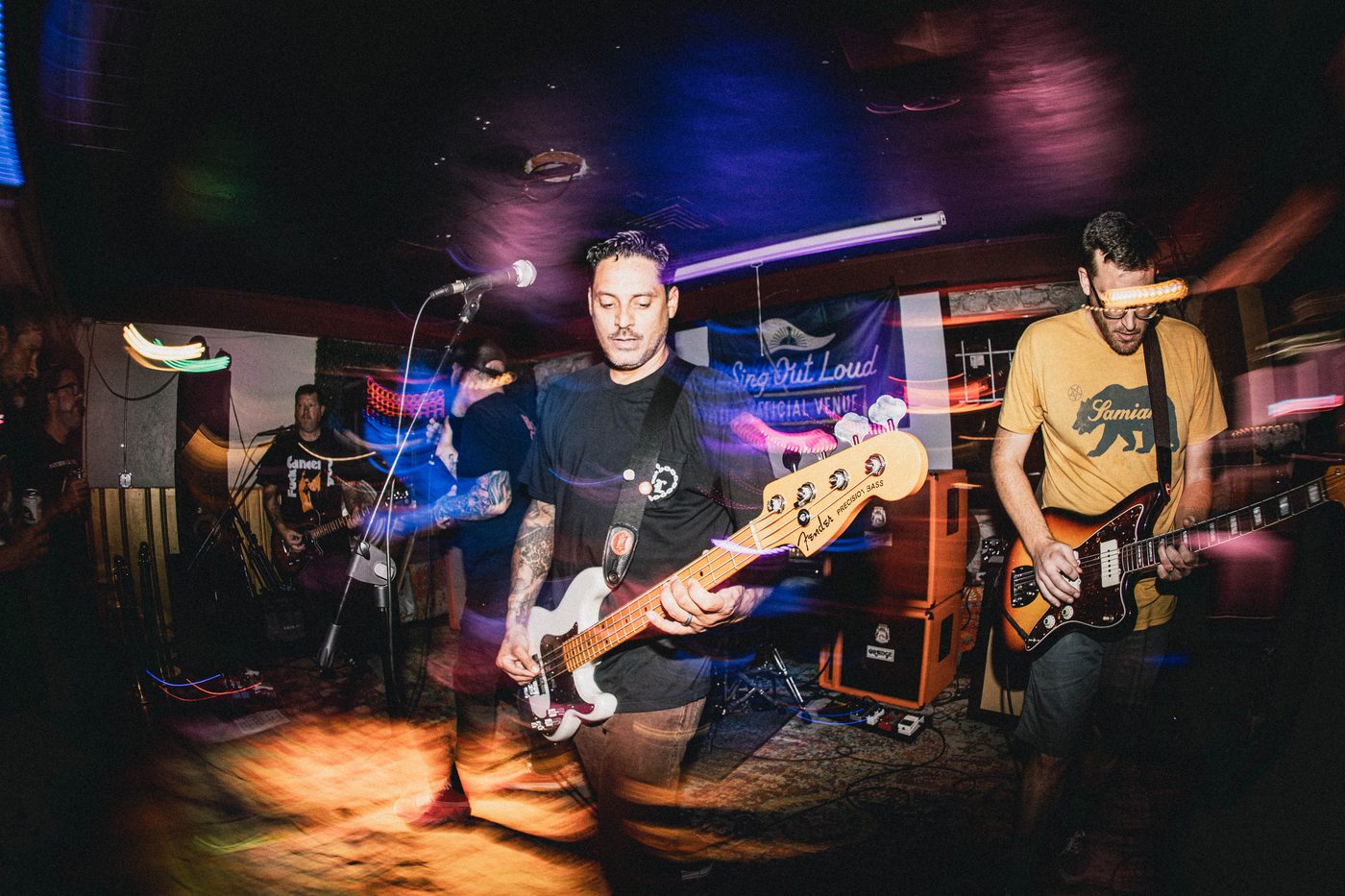
They had songs ready before the full band existed, but it took around a year for Tides to work out how they wanted to sound together.
The five musicians had arrived with different musical habits. Beau had spent a lot of time listening to the Gainesville bands associated with No Idea Records, and Alex shared much of that background. Chris had been heavily influenced by skate-punk and the Fat Wreck Chords catalogue. Sean brought his years around hardcore and post-hardcore, while Dan was happy to follow where the music went without being tied to one particular style.
They were all older than when they’d first started playing shows, and nobody wanted to waste time arguing about every decision. They were serious about recording and putting out music, but enjoying rehearsals and playing together was still a condition for making the band work.
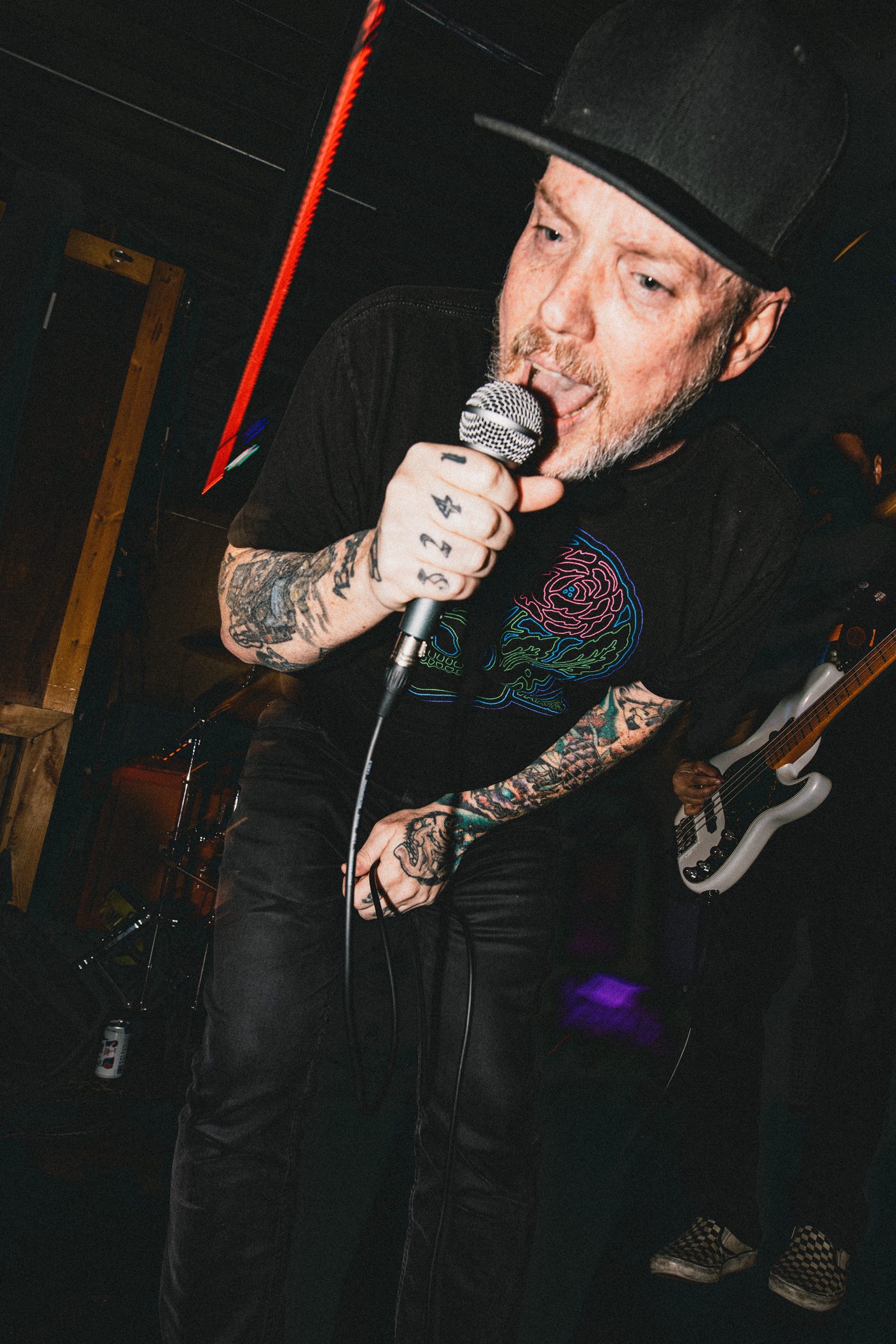
The early songs became an EP and a split with Golf War. Tides kept writing during weekly rehearsals, with everyone bringing ideas into the room. By the time those first recordings were finished, they were already close to having enough songs for a full-length.
It took a while to arrange the album sessions. Beau has described the newer songs as coming together more naturally once the band had spent longer working with each other’s ideas. The early recordings had helped them get comfortable with the lineup, and the songs for “How To Survive A Fall” followed from there.
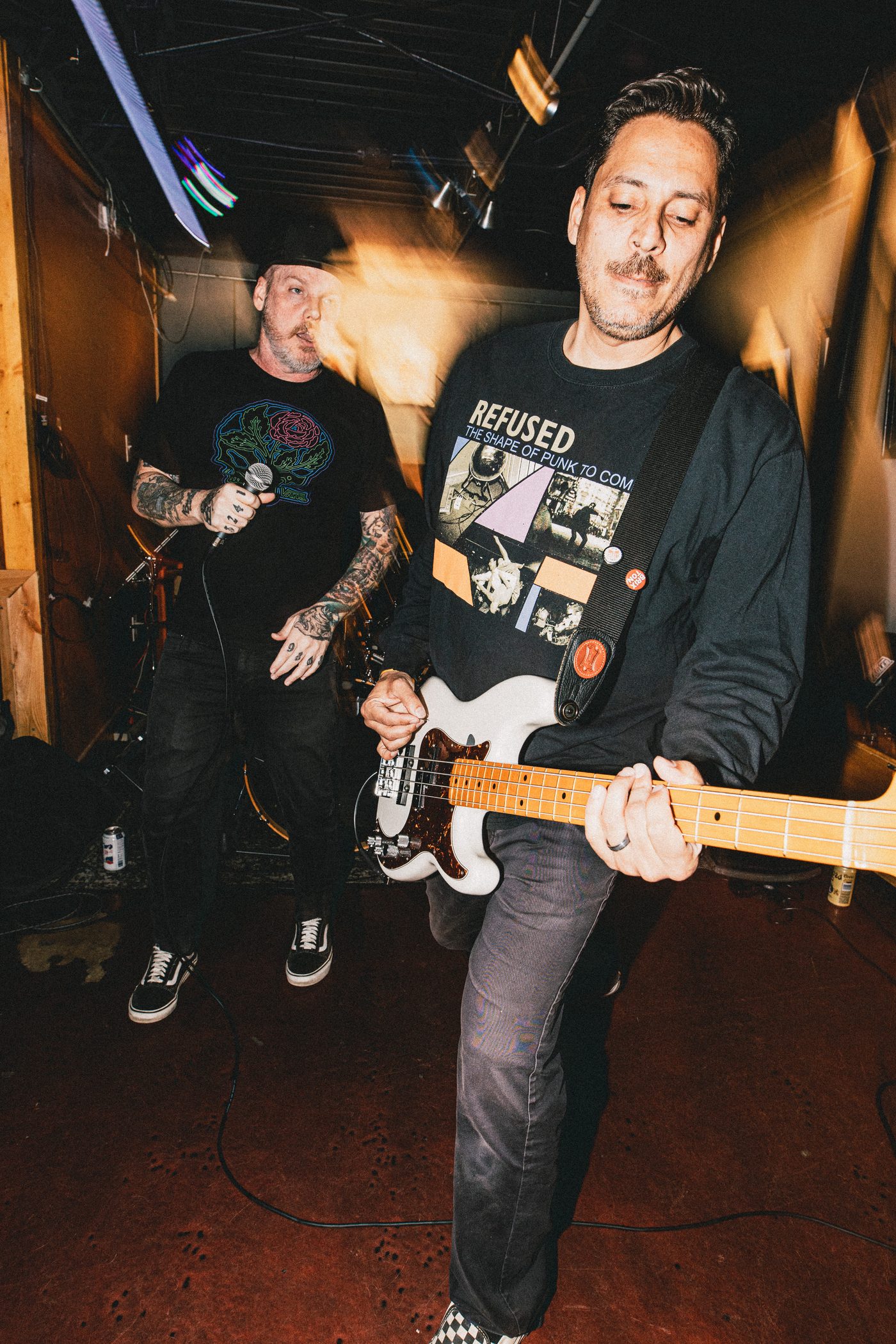
The band eventually entered the studio in the winter of 2025 with Paul Lapinski, who recorded and mixed the album. They finished thirteen tracks, keeping eleven for the full-length and setting two aside for another release.
Beau found Paul easy to work with, especially when it came to picking up small details during the sessions. The engineer would hear things the musicians hadn’t noticed and suggest changes as they worked through the recordings.
“Working with Paul was amazing. He is such a great engineer and would catch things that I can’t believe he could hear. He was really easy to work with and would suggest so many great things.”
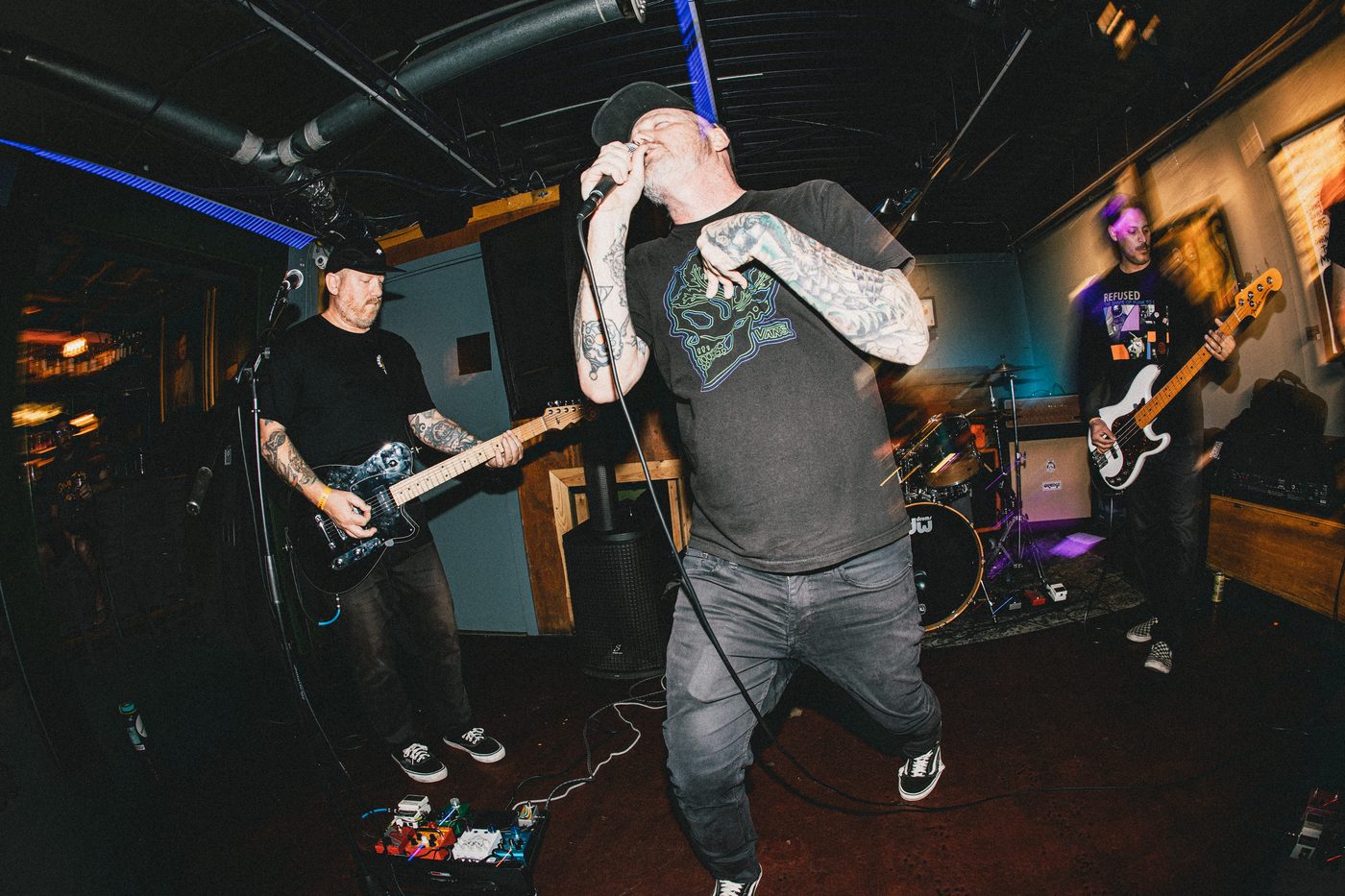
Sean’s words were still changing almost until the recordings were finished. Beau says this happens regularly with him. He can spend a long time working on lyrics on paper, then start reconsidering them once he’s in the studio and can hear his voice and harmonies in the context of the complete song.
It can mean some fairly late decisions, although the rest of the band have become familiar with the way Sean works. On an album with songs as personal as “Dave”, “Calculated Loss” and “Dead Leaves On Main Street”, he was still making choices about the words as the recordings were taking shape.
When the band needed somebody to master the album, the Blasting Room came up. Tides had previously toured with Buddies, involving Jon Snodgrass and Bill Stevenson on drums, and had talked about the studio during that run. Their record label later raised the possibility of using the Blasting Room, so the band got in touch and sent the finished recordings over.
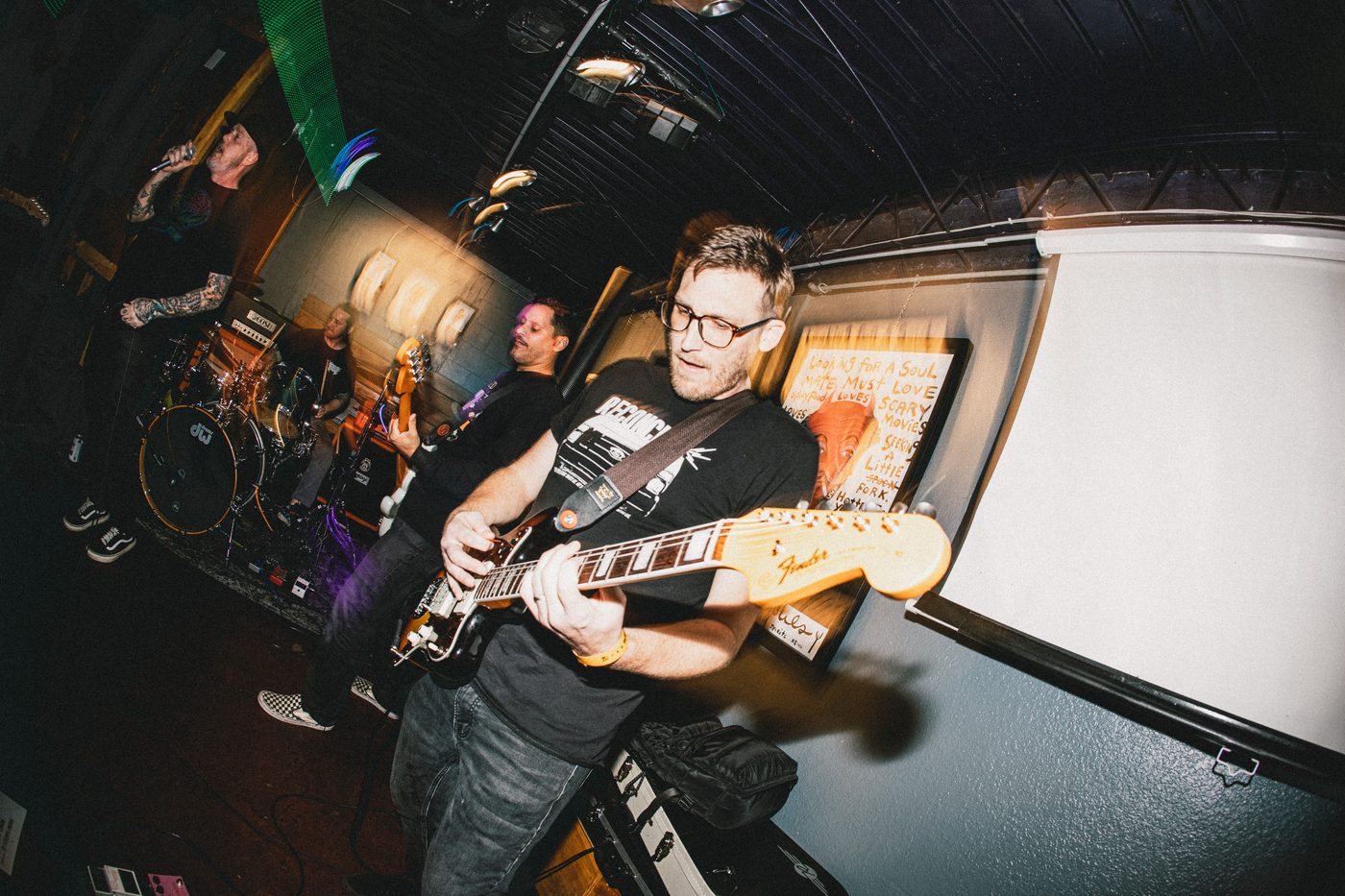
The album was released through A.D.D. Records in the United States and Little Rocket Records in the UK. The labels have also been involved in planning the band’s next split release, a twelve-inch record with six groups taking part.
Tides will appear alongside Dead Bars, Back Teeth, The Carolyn, Unseemlier and Her Head’s On Fire. The two Tides recordings saved from the full-length sessions are intended for that release. Beau hasn’t confirmed their titles or an exact release date.
There’s a separate seven-inch collaboration with Jon Gaunt as well. Jon, who has played fiddle with Chuck Ragan, wrote a song and asked Tides to record it in their own style. He then recorded a folk version of the same number, with Ben Nichols contributing guest vocals.
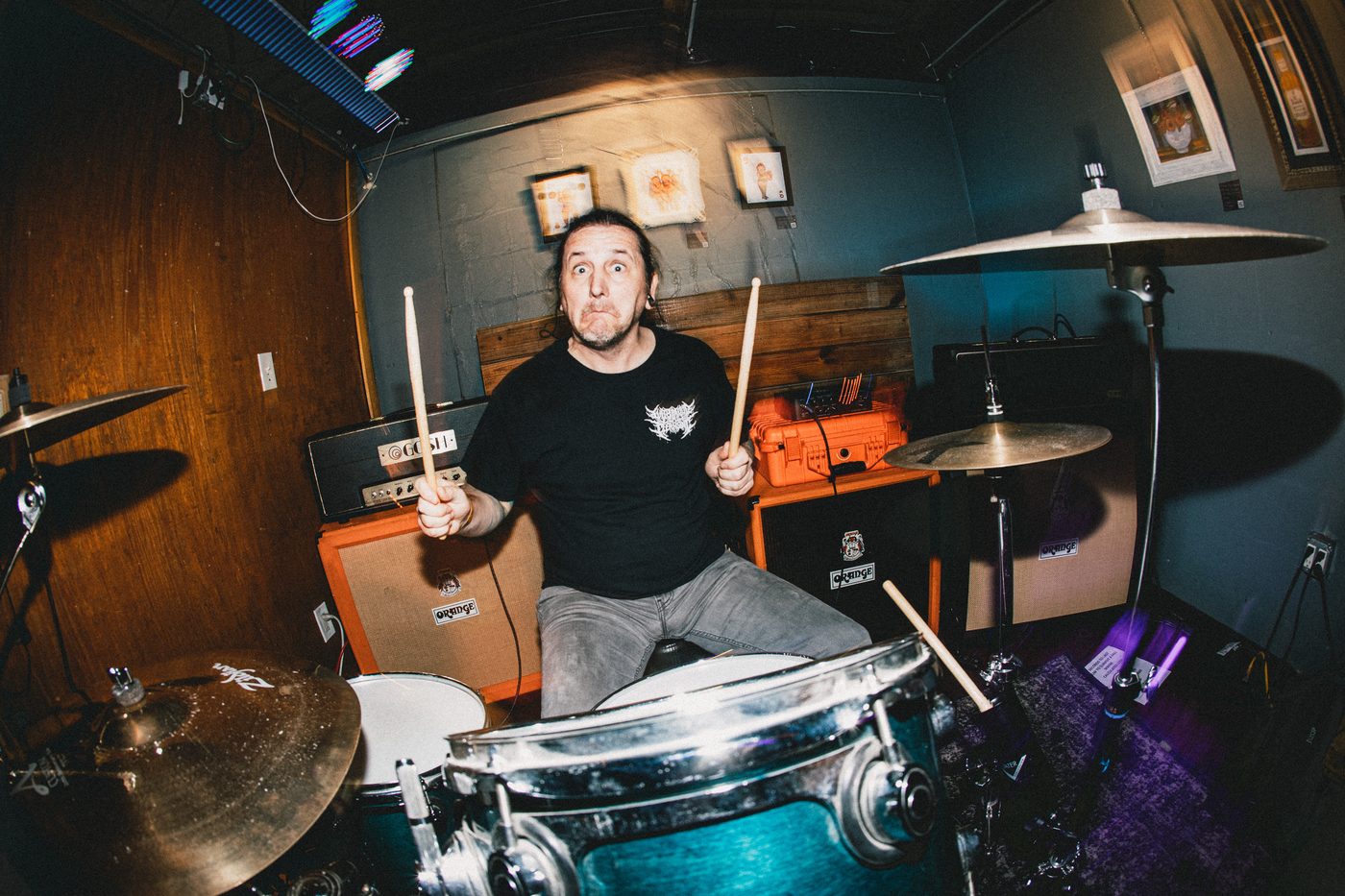
It gave Tides the chance to work on a song written outside the band and develop their own arrangement. Beau had previously talked about making a short documentary to show how the collaboration came together. By November, he had confirmed that both versions had been recorded.
There are plans for shows in Germany and the UK, too. The band have already had one small complication involving Germany, after an announcement for Farewell Youth Fest led somebody to tag a different group also called Tides. Sean later explained that the Jacksonville band had adopted the online name Tides_FL to make themselves easier to find among the other groups using the same name.
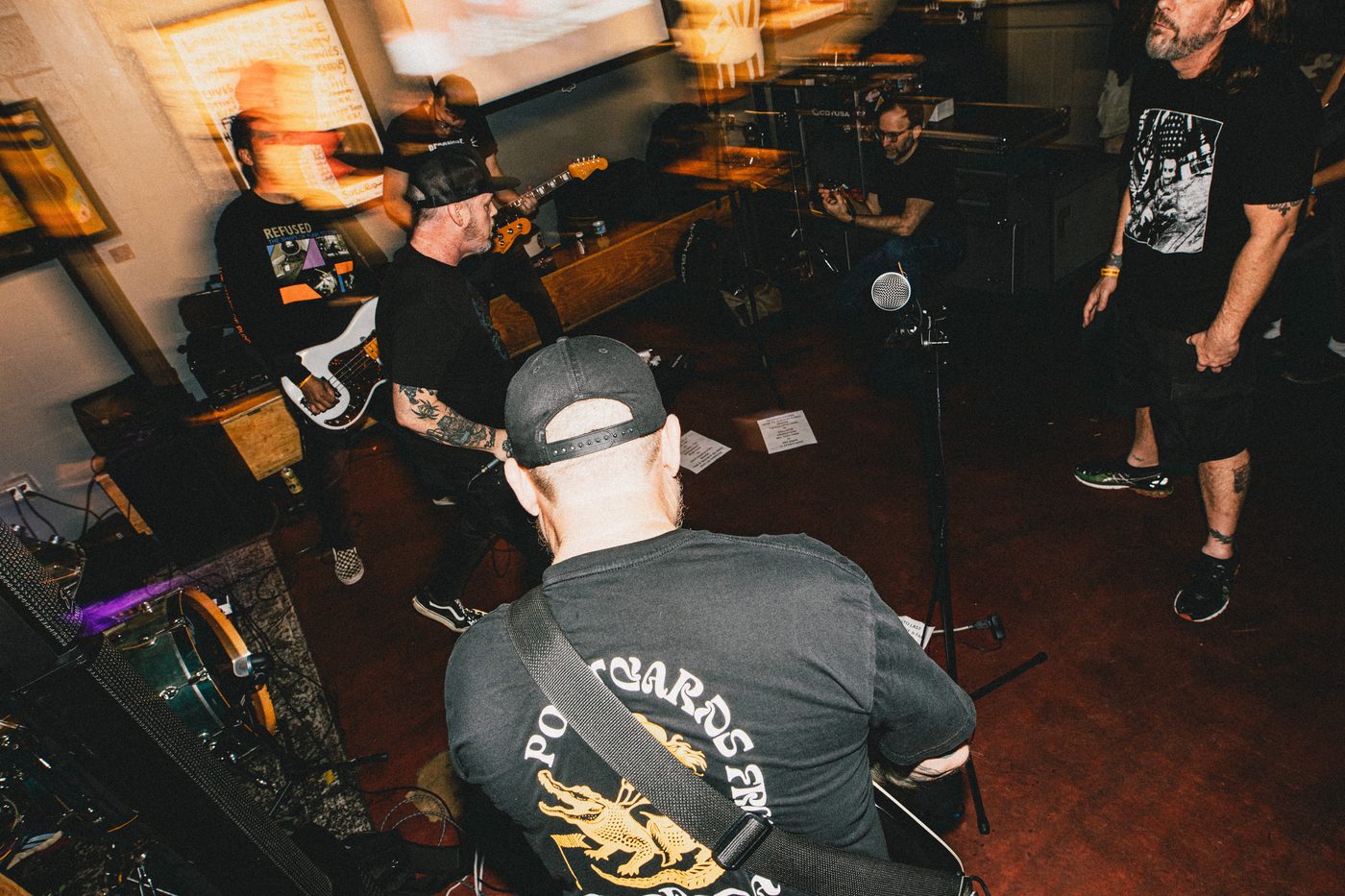
For Beau, the prospect of playing more overseas dates is another chance to keep doing what he’s spent much of his life doing. He and Sean have already shared years of Florida punk history, and Tides have given them an actual band of their own after all those conversations about playing together someday.
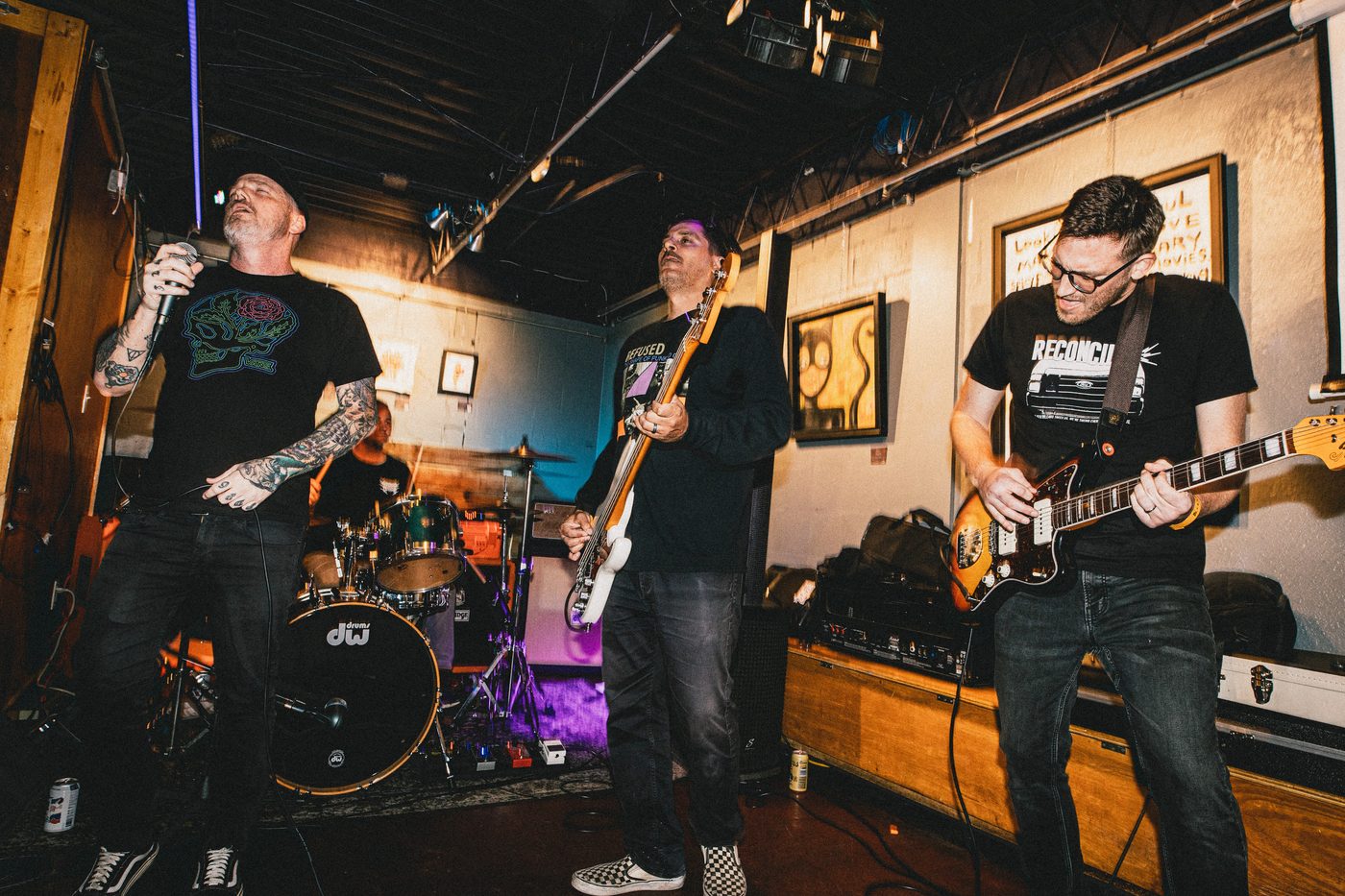
“How To Survive A Fall” was released on 15 September 2026 through A.D.D. Records and Little Rocket Records. The eleven-track album is available digitally and on vinyl, and can be heard in full on Bandcamp. More music, news and updates are available through Tides’ official links. Their next releases and shows are already being planned, with the six-band split and the Jon Gaunt collaboration continuing the work that began when Beau and Sean finally started playing together in 2023.
🔔 IDIOTEQ is ad-free, independent, and runs on one person’s time. If you want it to stay that way: DONATE via PayPal or SUPPORT via Patreon.
NEW: IDIOTEQ Explore 🗺️ Browse 15+ years of our archive by city, country, and style. Find artists on the world map or trace related sounds through the styles map.
Stay connected via Newsletter · Instagram · Facebook · X (Twitter) · Threads · Bluesky · Messenger · WhatsApp.