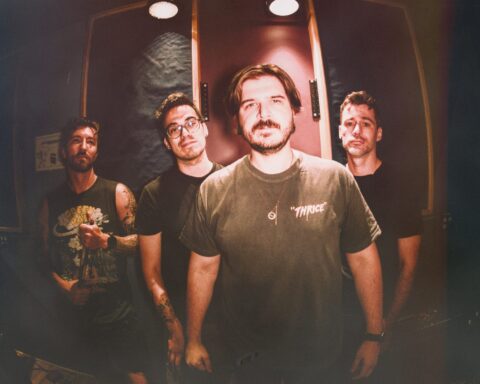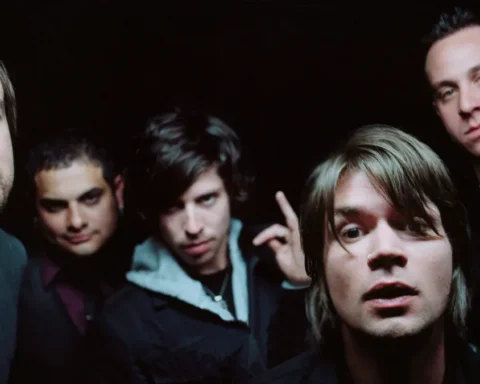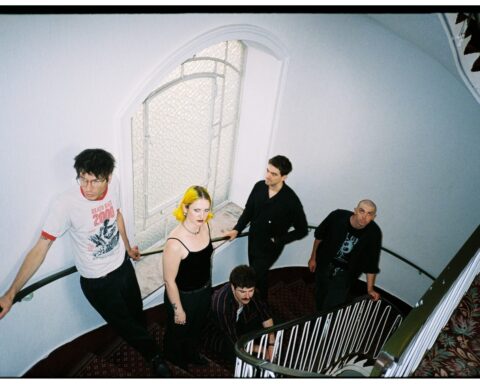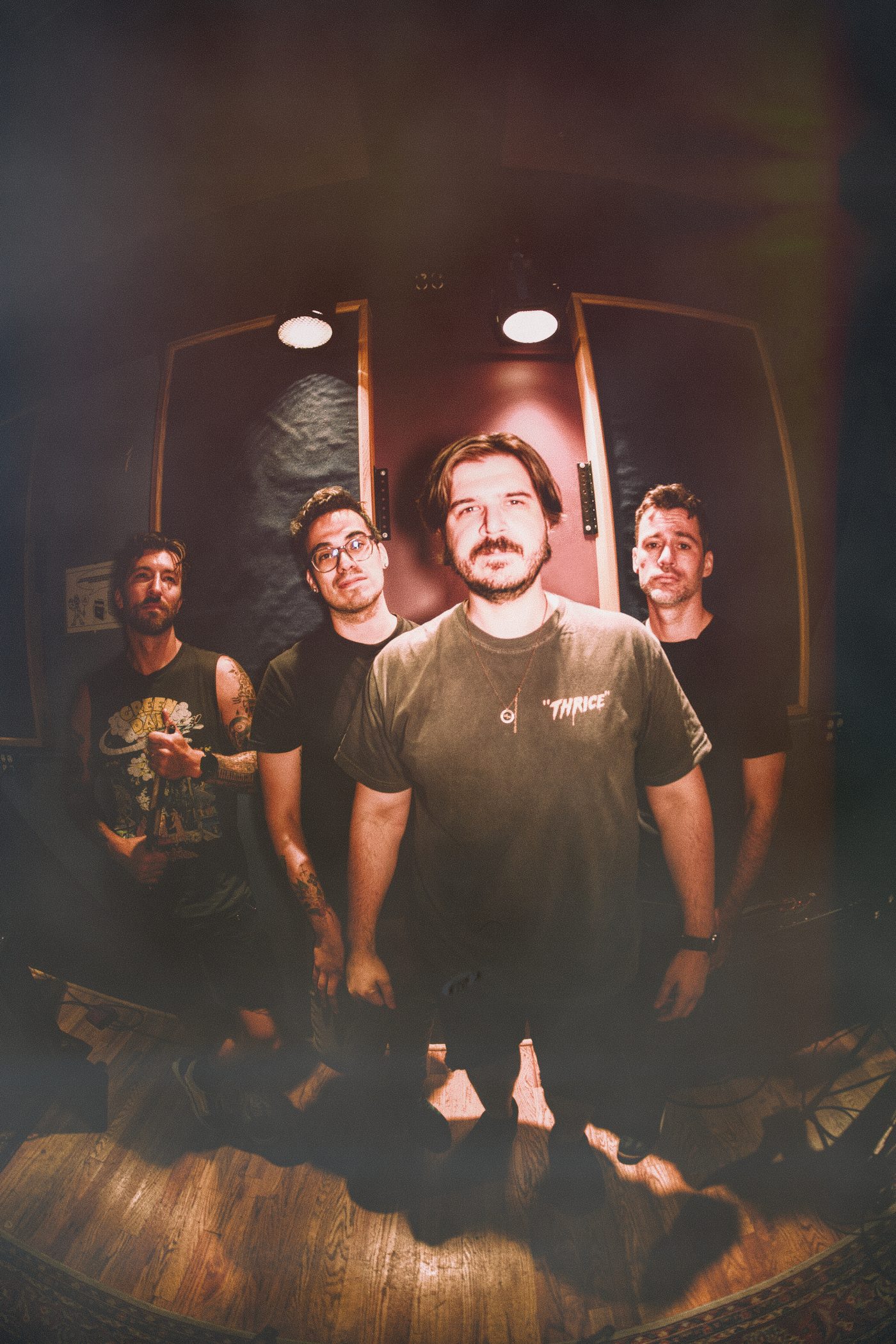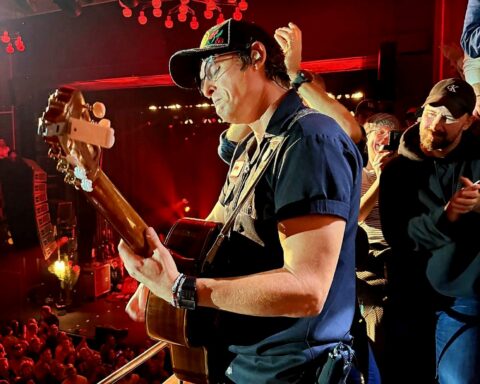


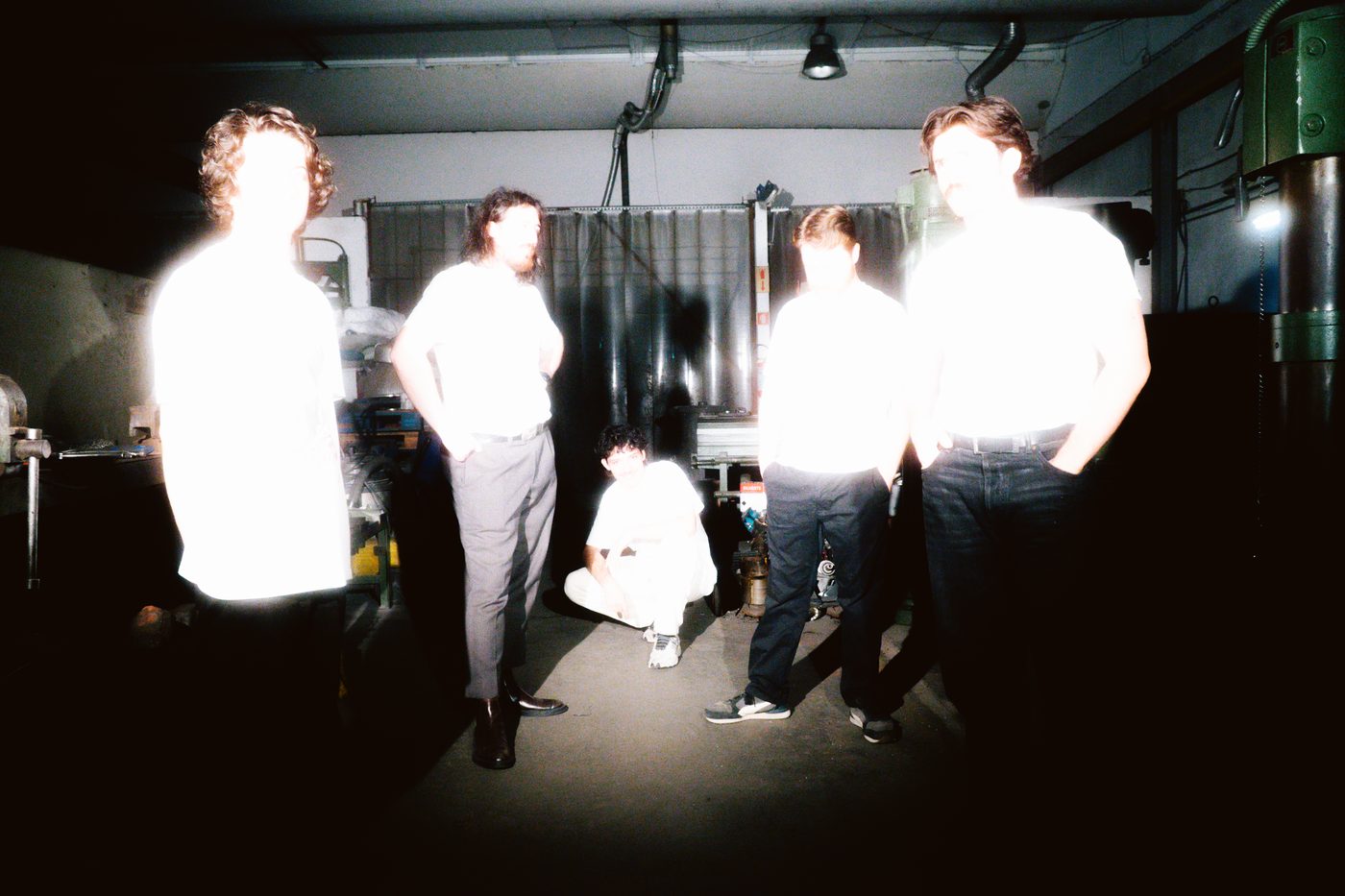
Cat Soup reckon the title track of “Come In, Thank You” probably wouldn’t exist without the saxophone. On their second album, the Porto five-piece give that instrument a leading role alongside two guitars, bass and drums, and they’ve arranged the six tracks to play as one continuous piece. It is guitar-heavy instrumental rock with strong ties to Portugal’s post-hardcore and post-rock circles, but there’s quite a bit going on inside those arrangements. The sax can carry the main melody, take a quieter part among the guitars or leave another instrument out front.
The title track is where Gabriel Nery’s arrival made the biggest difference. Lourenço Malcatanho and Rui Santos were used to having their guitars do a lot of the melodic work. With Gabriel playing sax, they could make room for a different lead instrument, something that also changed “No Hay The Bends”. “Loom” was already being written before Gabriel joined and kept developing as the new lineup played together.
“The single “Come In, Thank You” is the most consensual example. It likely wouldn’t exist without the presence and melodic leadership of the sax. Several of us feel the same about “No Hay the Bends,” although in that case, the song would have existed anyway, just with a different sound.”
Cat Soup weren’t looking for a saxophonist when Gabriel came along. In 2024, the four musicians spent around three hours jamming with him, and the results convinced them to try something none of them had planned. They had played with other musicians and were already getting the next album together. A permanent singer or keyboard player had never appealed to them because they wanted to keep the freedom of an instrumental band. Gabriel officially joined in early 2025, and his presence fitted into the sessions they already had under way.
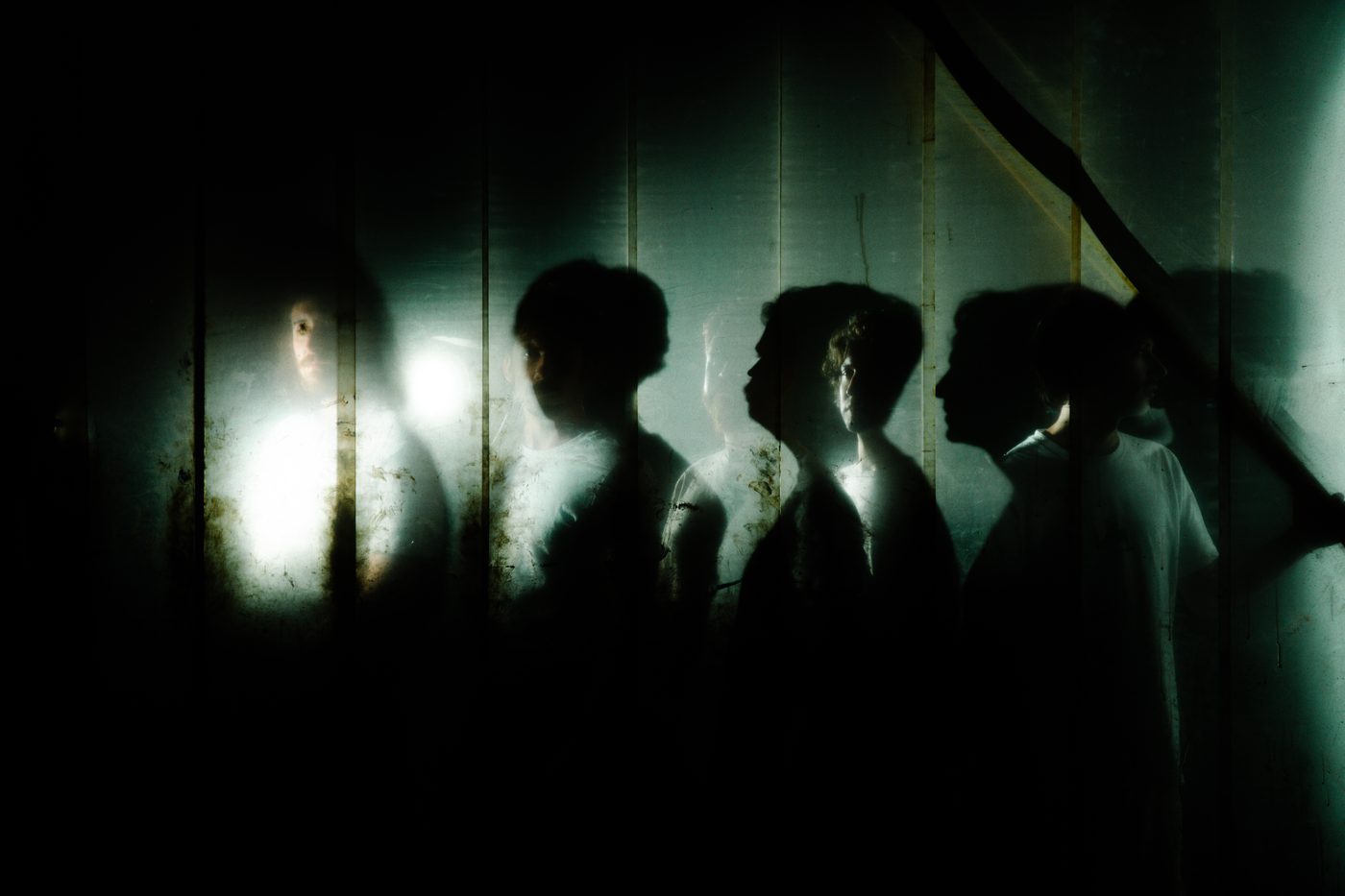
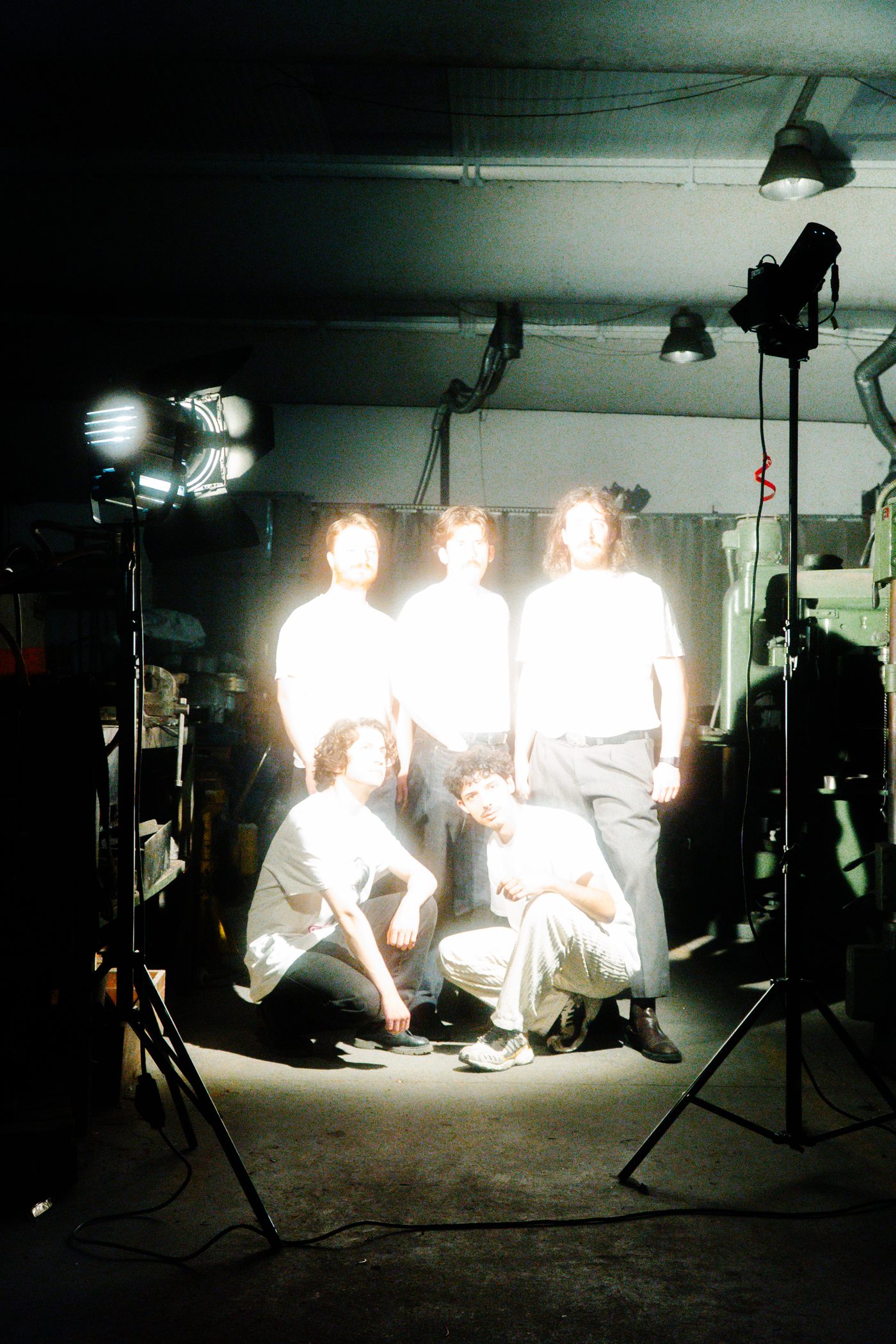
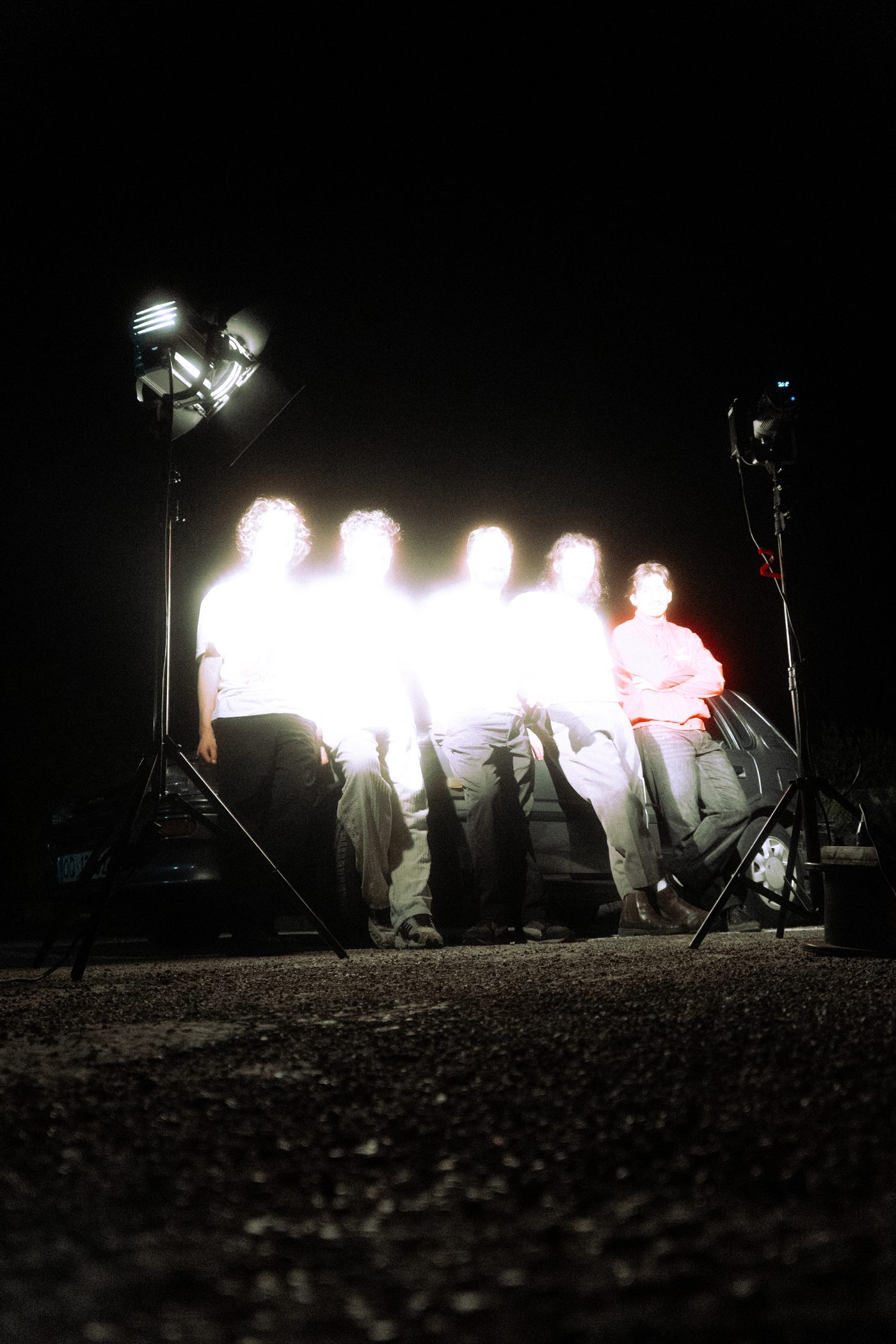
Today the group are Gabriel on saxophone, João Ribeiro on bass, Lourenço on electric and acoustic guitars, Marco Faria on drums and Rui on electric and acoustic guitars. Both guitarists use synthesizers, Lourenço plays Mellotron on “Critical Mass”, and Rui also records bass parts. Marco brings a gong into “Hope Ahead, Therefore Time for Joy”. There are vocals too: Gabriel sings on the title track, and Simão Collares wrote lyrics and sang on “Puzzle 500”. Calling Cat Soup an instrumental band makes sense; saying there are no voices on the album would miss those contributions.
The five of them don’t use a single method for getting a song finished. “Puzzle 500” was assembled from pieces written at home and ideas from jams, with the band moving things around, removing parts and trying different combinations until they had the arrangement they wanted. The title track came together during a jam. Listening back afterwards, they realised that the full song was already sitting in the recording. The work was in remembering exactly what they’d played.
“Our job then was almost the opposite: instead of assembling pieces, we had to refine the original recording and re-learn, detail by detail, the small touches and subtle nuances that had arisen purely spontaneously.”
The decision to make the album run continuously took longer. Cat Soup had started joining songs together during shows for a very ordinary reason. At shows supporting “you only 180”, João and Lourenço sometimes switched between guitar and bass, and the rest of the group needed to fill the silence while they changed instruments. Keeping the music going solved that problem. Then they noticed what happened when people heard the set without knowing the songs.
“As we tested and refined this continuity during shows, we realized the impact this dynamic had on the audience and on the overall pacing of the performance. It became fascinating to observe the reaction of people seeing us live for the first time without knowing our setlist: with no pauses or breaks for applause in between, they were drawn into an unbroken sonic journey, unable to pinpoint where one song ended and the next began.”
The album came to share that approach about halfway through writing. Cat Soup were travelling and playing frequently, with new songs being worked out around those dates. Once several were finished, the band noticed that certain sections had similar keys or moods and could follow each other naturally. They started adjusting the transitions and thinking about the complete order, including the changes in energy across the record. The idea of a passage through an endless corridor came later into the presentation of “Come In, Thank You”, with each track opening onto another part of that imagined route.
Some of those compositions had already spent a surprisingly long time in front of people. “Loom“, eventually the record’s closing track and its second single, appeared in pieces at the release show for “you only 180”. The band had worked out only around a quarter of it when they began playing it live. They added sections over subsequent gigs, and one of the earliest shows with Gabriel was recorded and later released as “Live at CCOP 03/04/2025”. That recording also has older songs rearranged to include his saxophone. The show took place at Auditório CCOP on 3 April 2025.
“We literally built the track show by show.”
On “No Hay The Bends”, the last section’s shifts in energy and dynamics came together during a morning rehearsal, only hours before a gig that night. The band got used to finishing parts with a show coming up. They would take an idea onstage, find out how it worked and deal with whatever still needed changing at the next rehearsal.
“Hope Ahead, Therefore Time for Joy” had a rougher route to completion. Cat Soup tried an early version at one or two shows under a different name, then took it out of the set and rebuilt it. The final recording involved quite a bit of studio assembly, and the finished song didn’t get played live until after the LP was released. It was also the last piece they completed for the record.
That was a big change from their 2024 debut. “you only 180” had taken several years to write, with most of the work happening in a rehearsal room and the songs almost locked by the time they reached a crowd. The new LP was made during a much busier period of gigs, and concert dates gave Cat Soup deadlines for particular arrangements. They also got to hear how people reacted to parts that were still changing.
“Instead of isolating ourselves, we decided to share the material live long before the album was finished, using show dates as real deadlines to lock down sections and test their direct impact in the room.”
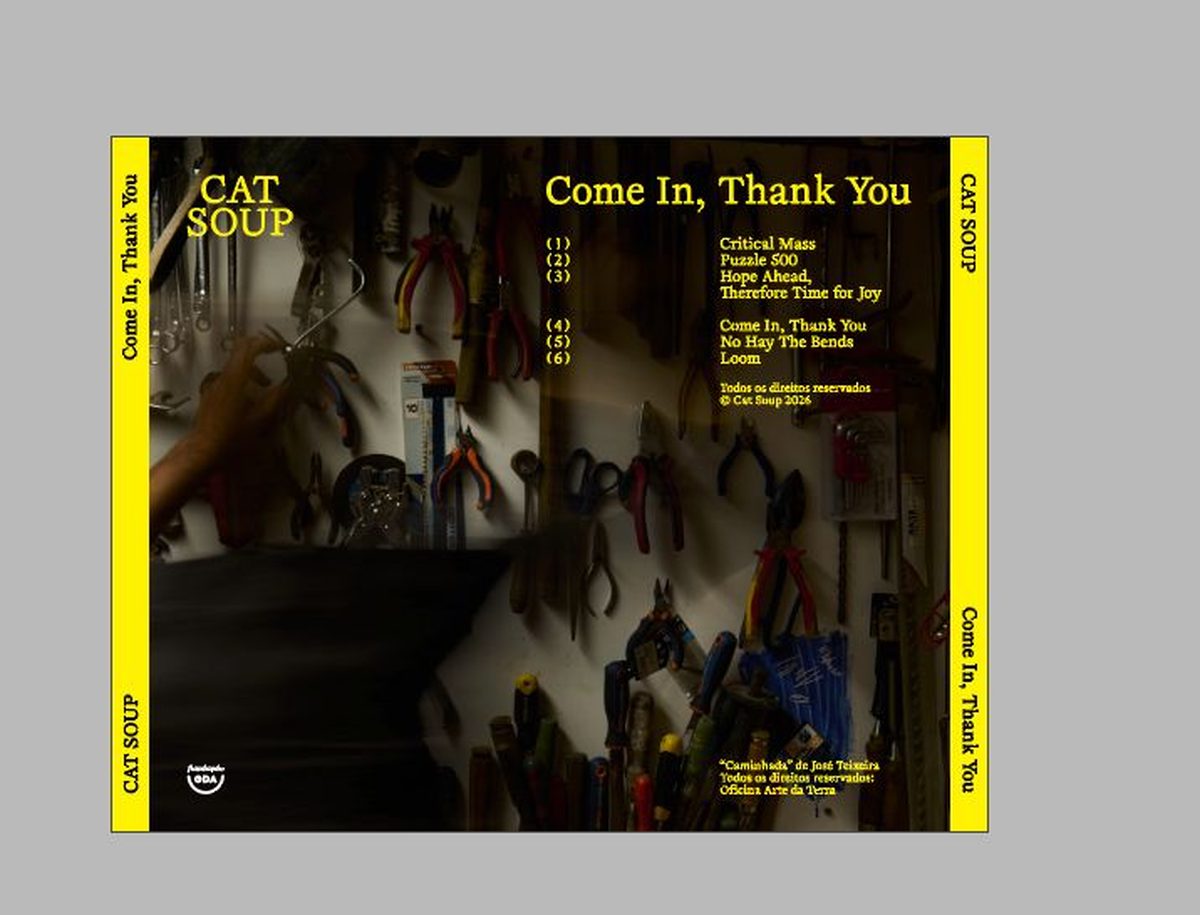
Cat Soup still change the running order at gigs, although they keep the songs joined together without breaks. They swapped tracks around before the album came out and still rearrange them from show to show. They might perform the album in sequence on a particular night, or bring “Shake, Spill” from “you only 180” into the newer set. The transitions have to be worked out for whichever combination they choose.
Several engineers worked on the studio version, with all five members producing it together. André Ribeiro at The Wizard Studio, Cláudio Tavares and Rui Rebelo at Arda Recorders handled different drum, saxophone and other sessions, while Lourenço and Rui recorded guitars and bass. Rui also handled editing and some vocals. Mixing was divided between João Galvão, Bárbara Santos, Lourenço and Rui, with Clara Araújo at Knurl Mastering doing the final master.
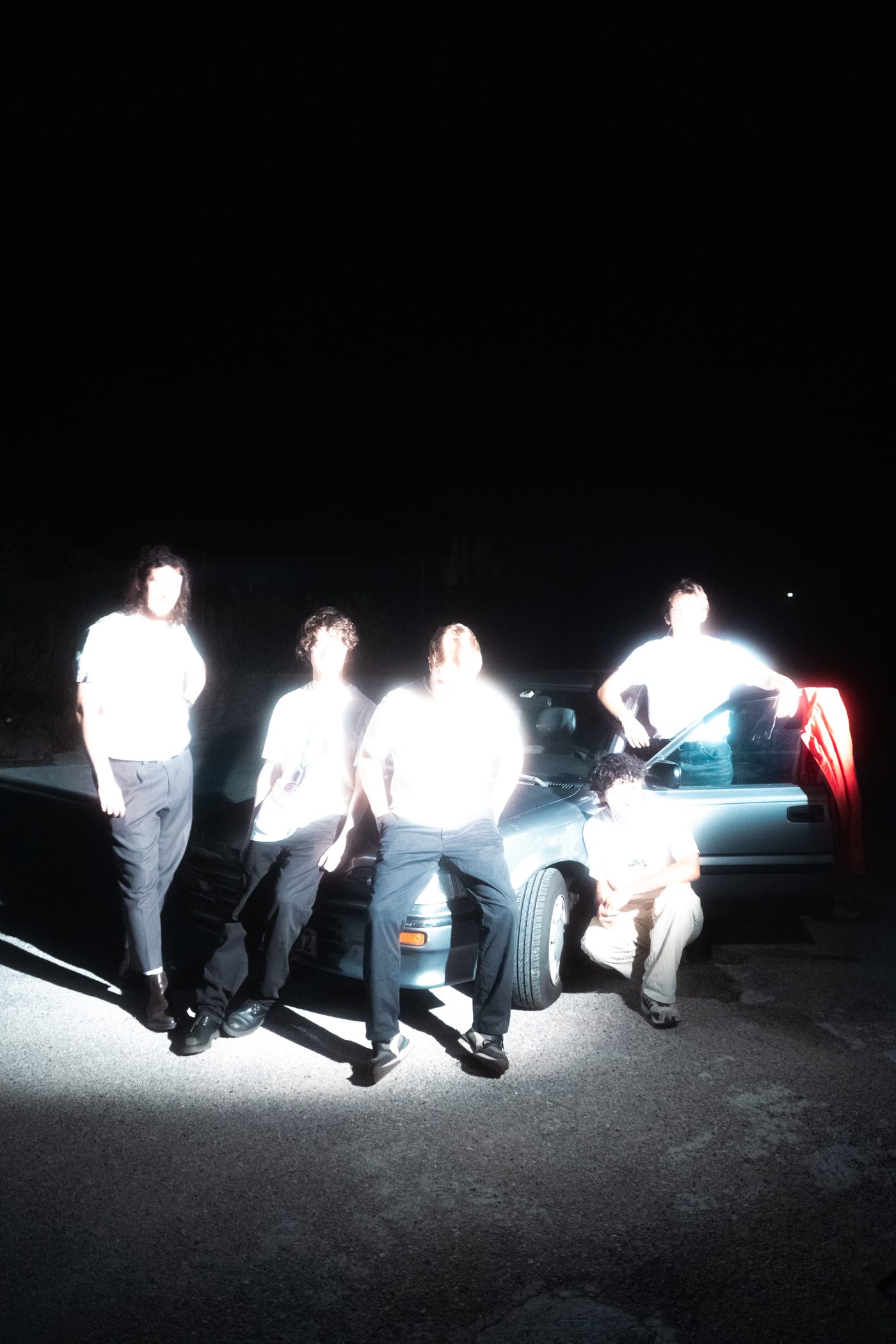
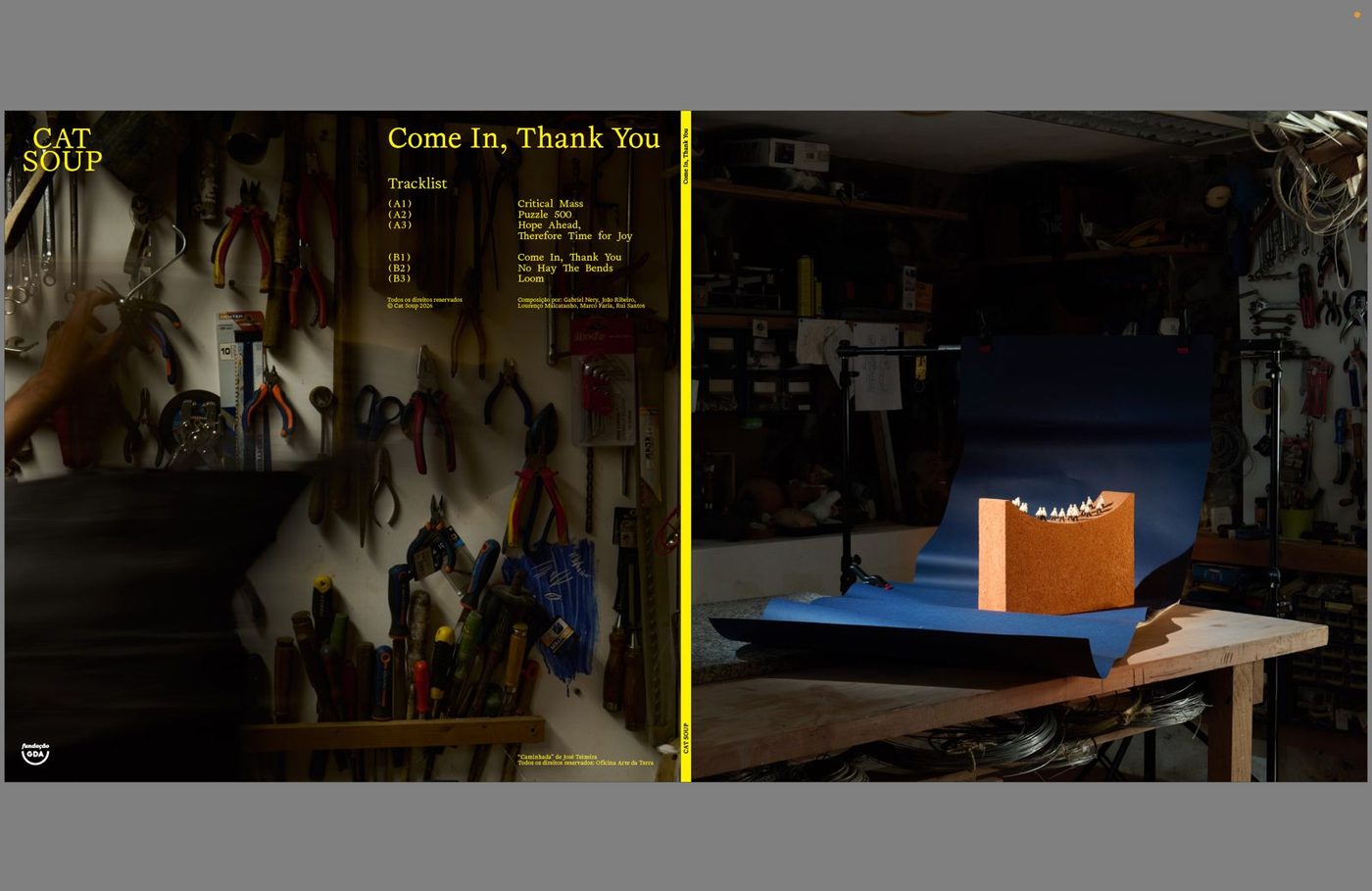
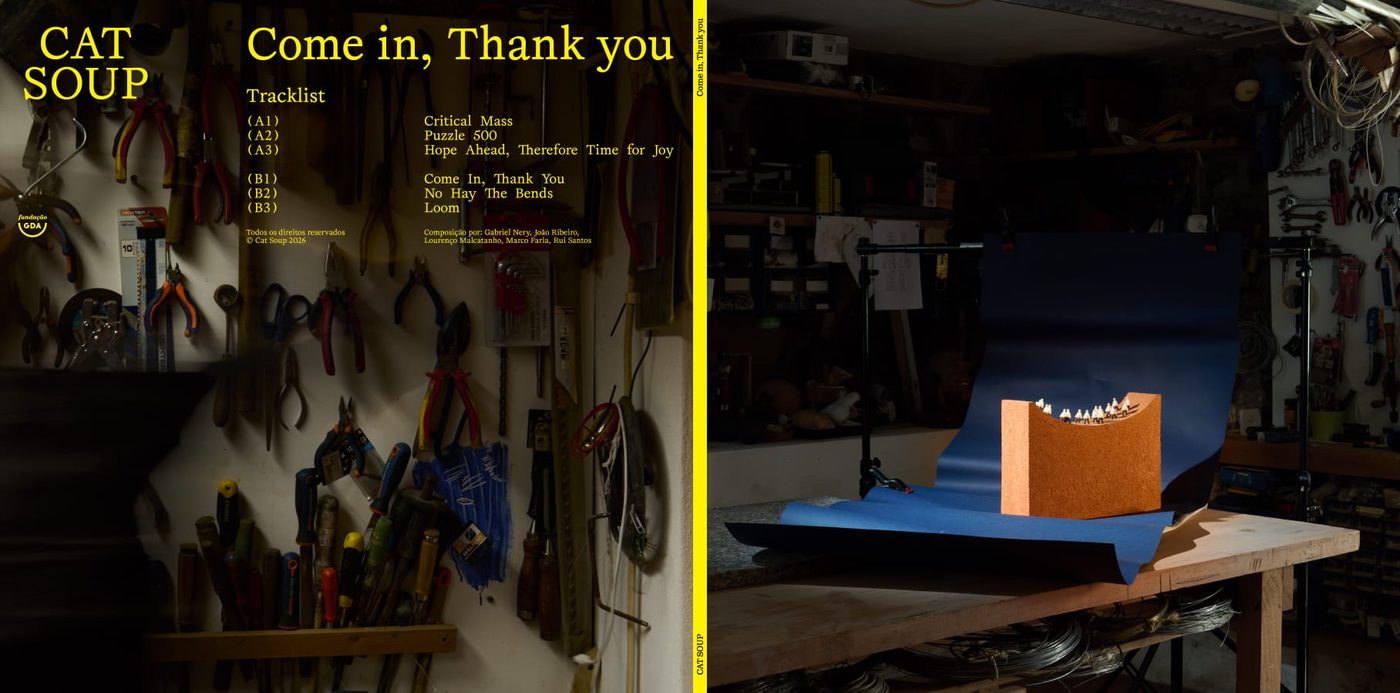
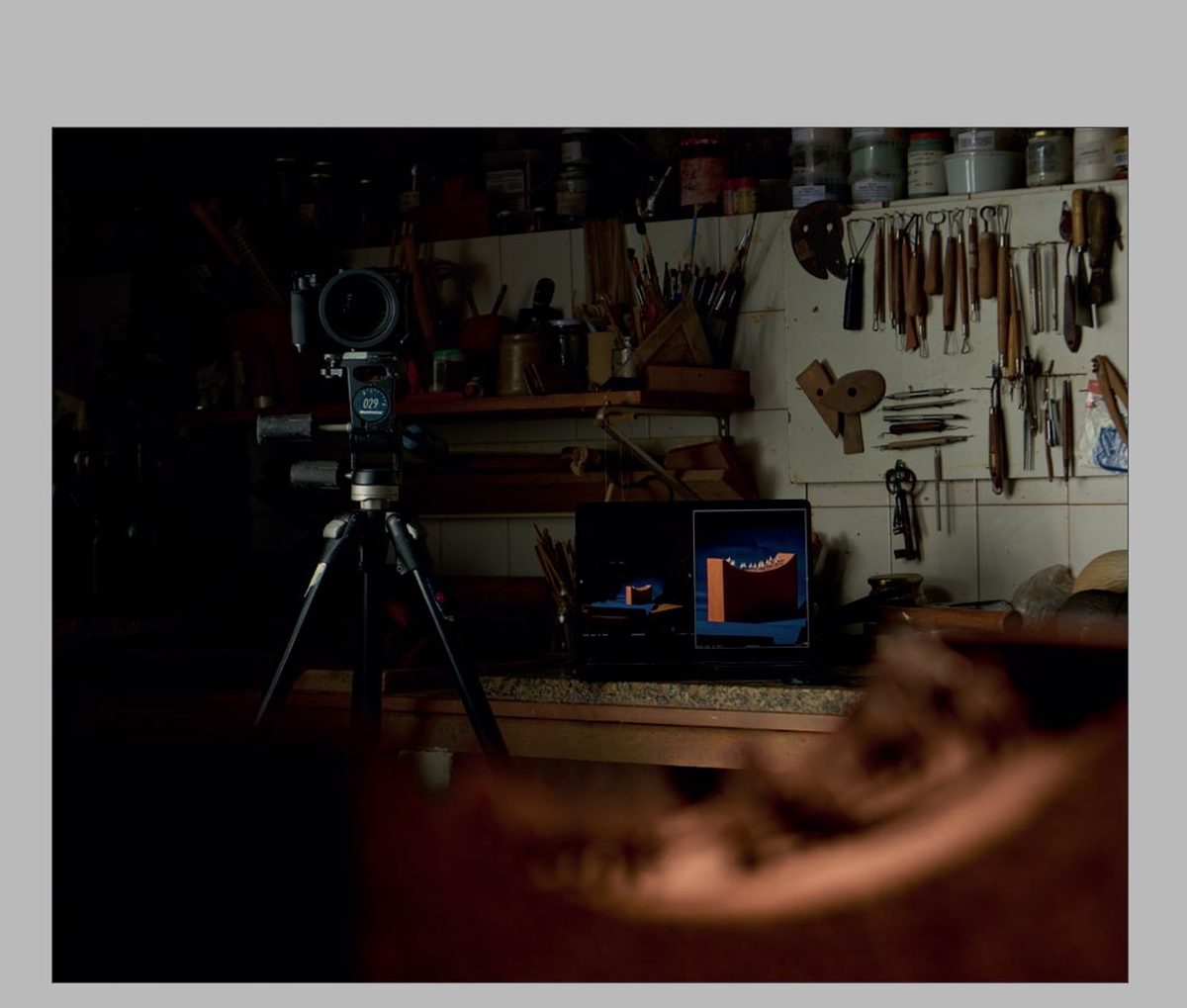
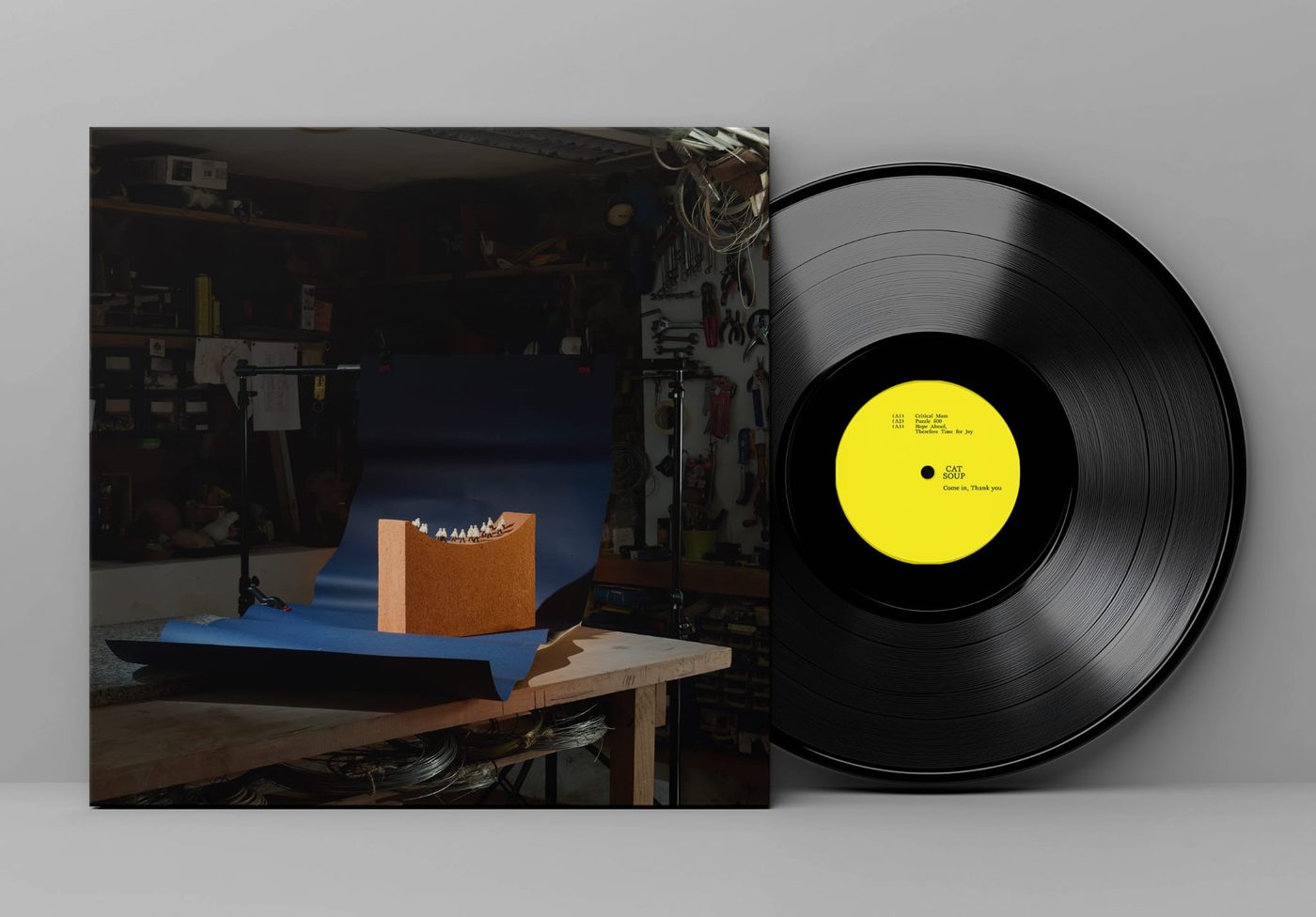
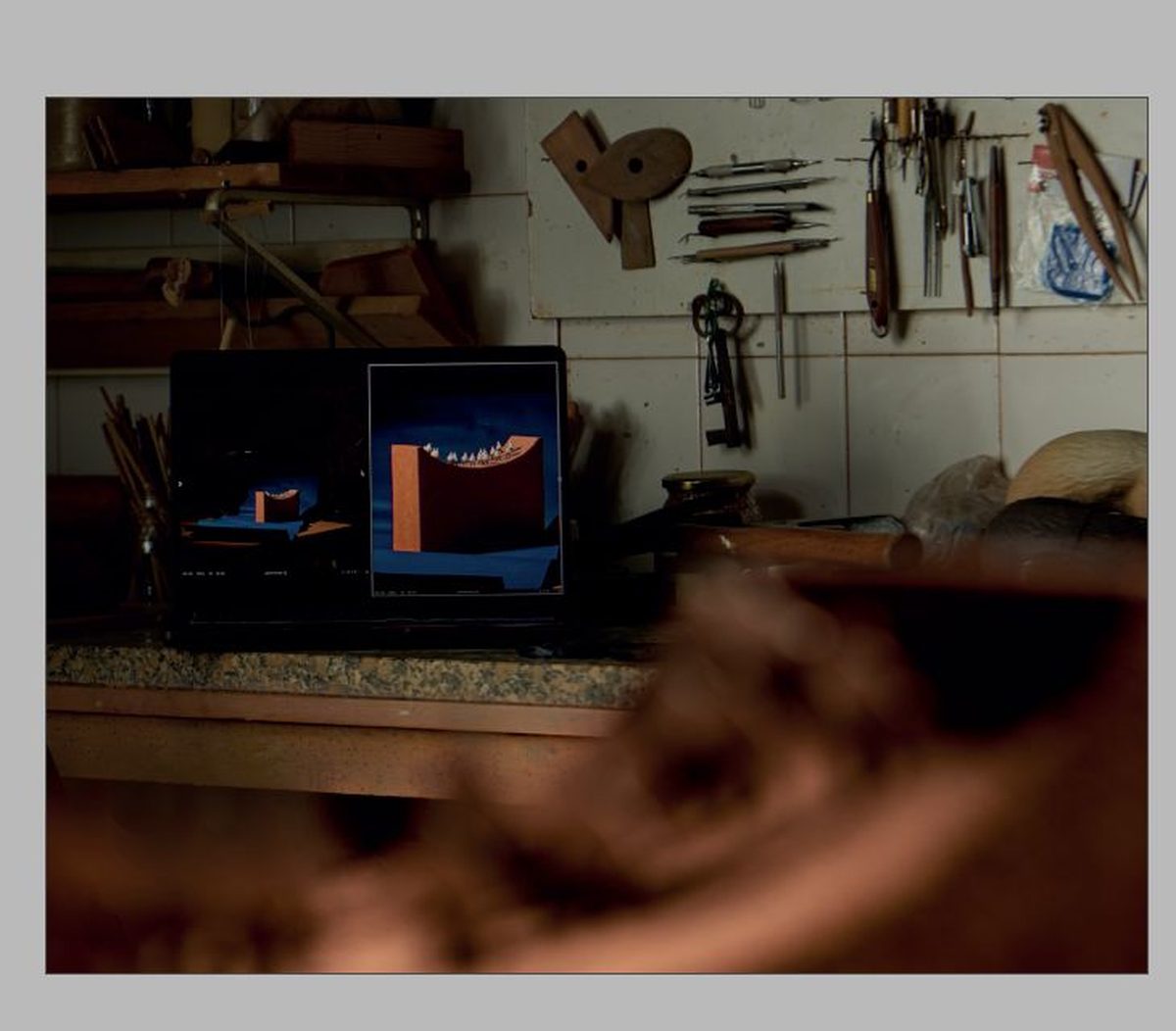
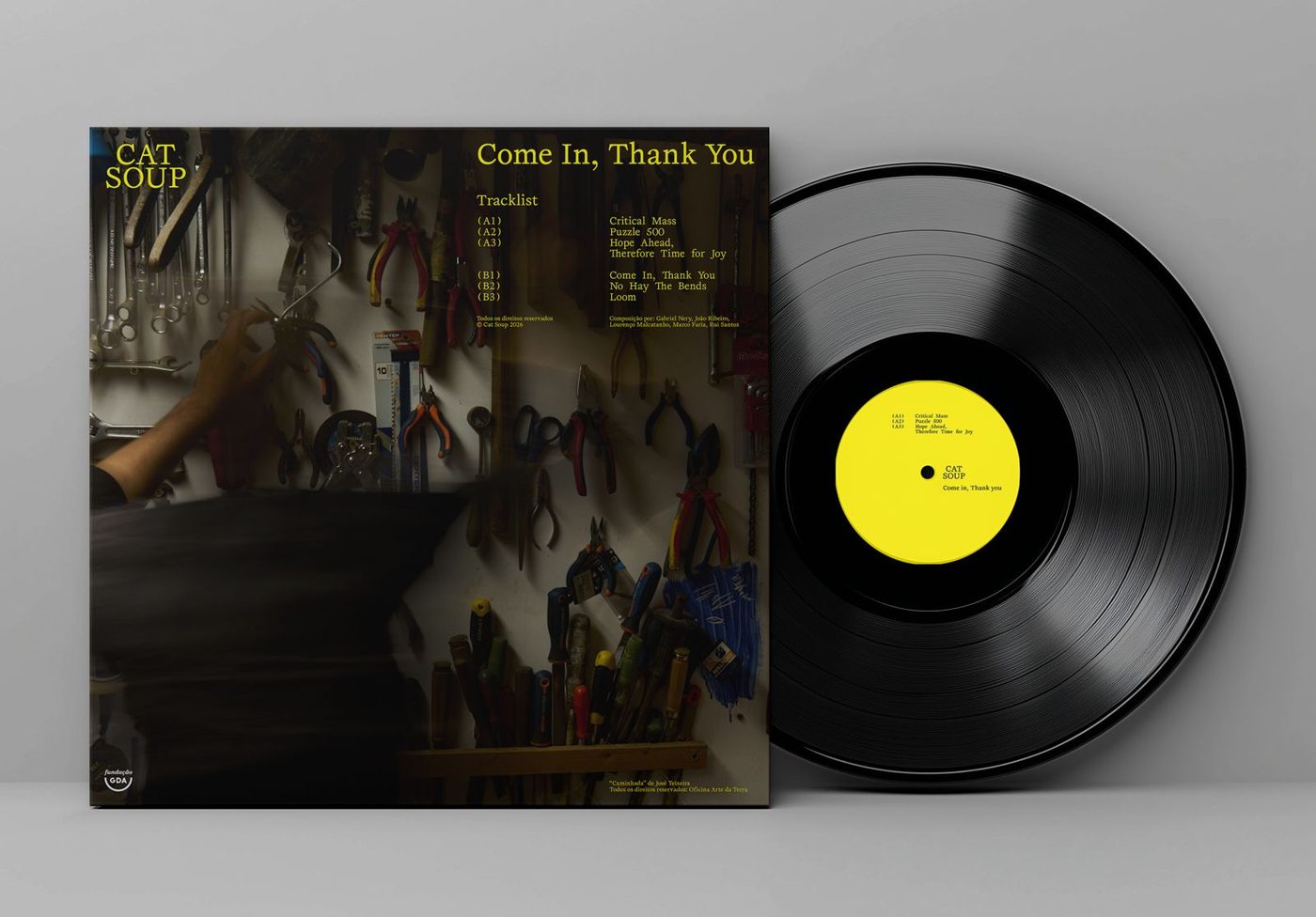
The cover uses “Caminhada”, a work by José Teixeira at Oficina Arte da Terra, photographed by João Monteiro and designed into the sleeve by Pedro Lobo. The picture shows a curved terracotta-coloured form topped with tiny figures, photographed against blue paper inside a workshop where the tools are still visible. The vinyl artwork carries that photograph across the front, with another view of the workshop on the back. Fundação GDA helped support the release.
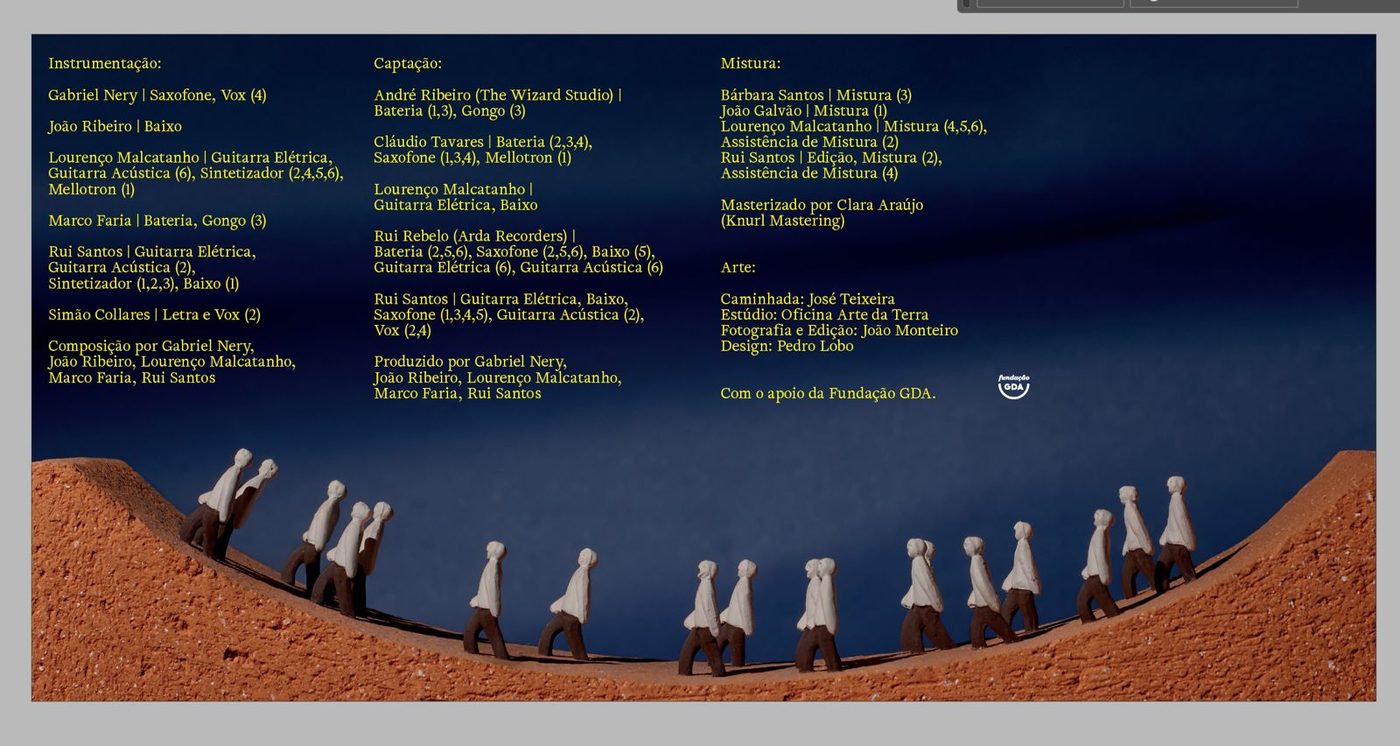
Outside the studio, Cat Soup are involved in a pretty active circle of Portuguese bands and people putting on gigs. They’ve played with Hetta, Roy Batty and Prado, and the names keep extending beyond Porto. Their album release shows included Mangualde and Coletivo Obsoleto; earlier bills brought them together with Pato Bernardo and tédio fc. They also get invited to play in smaller towns near Porto, often by people they’ve met through other shows. Those contacts turn into more invitations and shared dates.
Some of the members do booking and organising themselves. Gabriel co-founded Cova Funda, a booking agency and cultural association intended to give independent Portuguese acts another option in a market he sees as concentrated around a few existing organisations. Rui works on independent events through APUROS and Opala. For Cat Soup, keeping a local circuit going includes asking another band onto a bill, helping put on the night and returning the invitation when they can.
“Ultimately, being part of this network day to day means using our own resources, whether through agency, management, event co-production, or simply sharing stages. We want to do our part in energizing Portuguese music and keep the circuit alive, collaborative, and accessible to everyone. The more we play, the more energy there is, and we all win.”
“Come In, Thank You” came out on 9 October 2026, two years after “you only 180”. Its six tracks are available together on Cat Soup’s Bandcamp, with CD and vinyl editions also listed there. At their gigs, those same songs can still turn up in a different sequence, joined by whatever the five of them decide to play around them.
The artist helped fund this feature by covering our production time. The writing and editorial decisions remain entirely ours.
🔔 IDIOTEQ is ad-free, independent, and runs on one person’s time. If you want it to stay that way: DONATE via PayPal or SUPPORT via Patreon.
NEW: IDIOTEQ Explore 🗺️ Browse 15+ years of our archive by city, country, and style. Find artists on the world map or trace related sounds through the styles map.
Stay connected via Newsletter · Instagram · Facebook · X (Twitter) · Threads · Bluesky · Messenger · WhatsApp.